On James Street North, Hamilton's most talked-about arts corridor, Le Tambour Tavern occupies a stretch where independent kitchens have quietly redefined what the city expects from a night out. The address alone signals intent: this is a neighbourhood that trades on originality over convention, and the tavern format here reads less as nostalgia and more as a deliberate structural choice about how food and drink should be sequenced and shared.
Pearl is the En Primeur Club membership app — saves, bookings, and concierge access live there. Same editors, same standards.
- Address
- 345 James St N, Hamilton, ON L8L 1H3, Canada
- Phone
- +12893895255
- Website
- letambourtavern.com
- Directions
- Get directions
 Saves & bookings on Pearl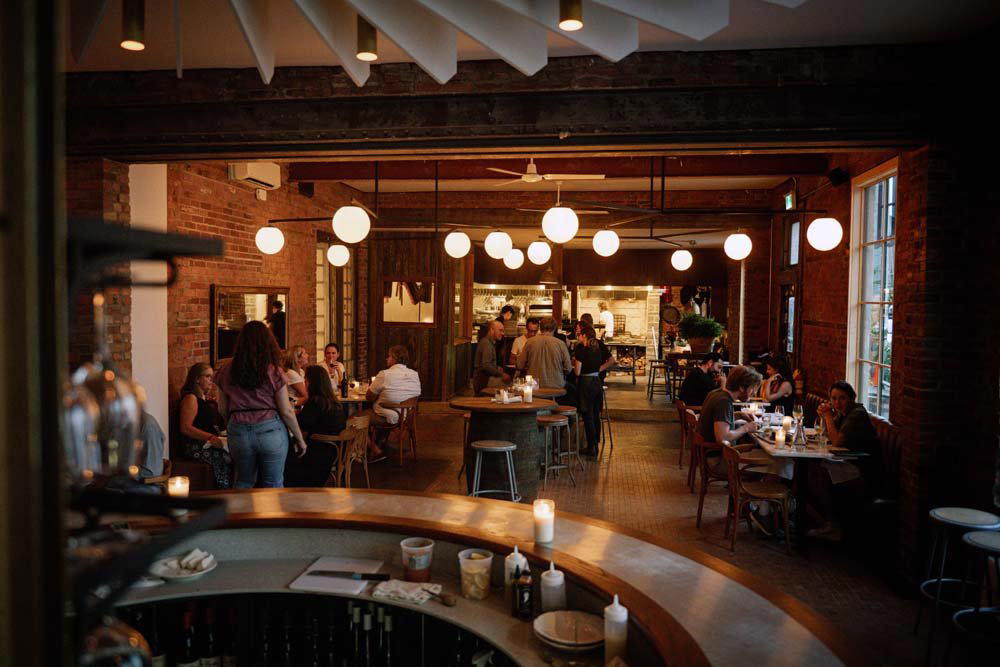
James Street North and the Architecture of the Tavern Format
Hamilton's James Street North has undergone one of the more convincing neighbourhood transformations in southern Ontario over the past decade. What was once a corridor of vacant storefronts and discount retail has become the city's clearest argument that serious food culture doesn't require a Toronto postal code. The strip now holds a concentration of independent operators working across price points and formats, from the contemporary plating at Berkeley North to the approachable social energy of B-Side Social. Le Tambour Tavern is a Parisian Steakhouse at 345 James St N, Hamilton, ON L8L 1H3, Canada. Le Tambour Tavern at 345 James St N sits within this context, and the address itself carries editorial weight before the food arrives.
The tavern format is worth pausing on, because it shapes everything about how a menu is built and how a meal unfolds. In the Canadian dining conversation, taverns occupy a deliberate middle register: less formal than a tasting-menu room, more considered than a gastropub. The leading examples use that register to make the menu feel like a series of decisions rather than a single prescribed path. Dishes tend to be structured for sharing and sequencing at the diner's discretion, which places real editorial responsibility on the kitchen to ensure each item reads clearly on its own while also working within a larger table spread. That structural logic, rather than any single signature plate, is where a tavern reveals its kitchen's ambitions.
What the Menu Format Communicates
Across the stronger end of the Ontario tavern and bistro category, the menus that hold attention over multiple visits tend to be the ones that resist the temptation to do too much. Narrow menus with high execution depth outperform broad menus with scattered focus, particularly in a city like Hamilton where regulars return frequently and the neighbourhood crowd is observant. Bermuda Bistro and Bardo Locke both demonstrate versions of this discipline on the same stretch, each anchoring their identity around a clear culinary logic rather than a comprehensive sweep of global influences.
The tavern structure at Le Tambour implies a similar orientation. A tavern menu, when well-constructed, tends to move through snacks and smaller bites before opening into heartier plates, with drinks treated as co-equal to food rather than an afterthought. This sequencing is a quiet editorial stance: it tells the room that pacing matters, that the bar program deserves attention, and that the kitchen isn't trying to replicate the tasting-menu format in casual clothing. For a neighbourhood that has matured past the novelty phase of its dining scene, that kind of structural clarity is more persuasive than ambition alone.
Hamilton in the Ontario Dining Conversation
Hamilton increasingly functions as a counterpoint to Toronto's dining economy rather than a satellite of it. Where Toronto's premium end is represented by places like Alo, operating at the summit of the tasting-menu bracket, Hamilton's independent operators have carved space in a different register: accessible price points, neighbourhood loyalty, and a willingness to let the room's energy drive the experience as much as the food does. That positioning has attracted diners making deliberate trips from across the Greater Golden Horseshoe, particularly on Friday and Saturday evenings when the James Street gallery crawl brings additional foot traffic through the corridor.
The Ontario food scene beyond Hamilton offers useful reference points for understanding where the tavern format sits regionally. Restaurant Pearl Morissette in Lincoln operates in the wine-country end of the spectrum, while Eigensinn Farm in Singhampton and The Pine in Creemore represent the rural destination format. Le Tambour Tavern belongs to a different cohort entirely: urban, neighbourhood-embedded, and structured for repeat visits rather than singular occasions. The nearest peer pressure comes not from destination restaurants but from the block itself, where Apllada Greek Fusion Restaurant and others compete for the same engaged local audience.
Canada's broader tavern and bistro tradition also connects to Quebec, where the brasserie format has long operated with more culinary seriousness than the English-Canadian equivalent. Places like Aux Anciens Canadiens in Quebec represent the heritage end of that tradition, while Tanière³ in Quebec City and Jérôme Ferrer - Europea in Montréal operate at the fine-dining pole. The Hamilton tavern format sits somewhere between these registers, which is precisely what makes it a useful format for a city that is still consolidating its dining identity.
For those arriving from Burlington, Barra Fion offers a useful contrast in format and atmosphere along the Lake Ontario corridor.
Planning a Visit
The restaurant's James Street North address places it within walking distance of Hamilton's core arts district, making it a natural anchor for an evening that begins with the neighbourhood's gallery culture before moving to the table. The street is well-served by transit from downtown Hamilton, and parking is available along the surrounding blocks. As with most independent operators on the strip, booking ahead for weekend evenings is advisable given how consistently the neighbourhood draws crowds during gallery events and warmer months.
International reference points for the technically ambitious end of the casual-dining spectrum include Le Bernardin in New York City and Atomix in New York City, both of which demonstrate how format discipline at different price tiers creates coherent, repeatable experiences. Closer to home, AnnaLena in Vancouver and Narval in Rimouski show how Canadian kitchens outside the major centres have built national reputations by committing to a clear format and executing it with consistency. The tavern format at the restaurant operates in that same spirit of format clarity, even if the scale and ambition differ.
Recognition Snapshot
Comparable venues nearby, for context on price, style, and recognition.
| Venue | Cuisine | Price | Notes |
|---|---|---|---|
| Le Tambour TavernThis venue — the venue you are viewing | Parisian Steakhouse | $$$ | Not listed |
| Claudio's Ristorante | Traditional Italian | $$$ | James Street North |
| The Standard | Modern Seasonal Fusion | $$$ | King William |
| Parma | Southern Italian | $$$ | downtown |
| Persona | Modern Italian with Craft Cocktails | $$$ | Hamilton |
| B-Side Social | Southern BBQ & Seafood | $$ | Corktown |
Continue exploring
More in Hamilton
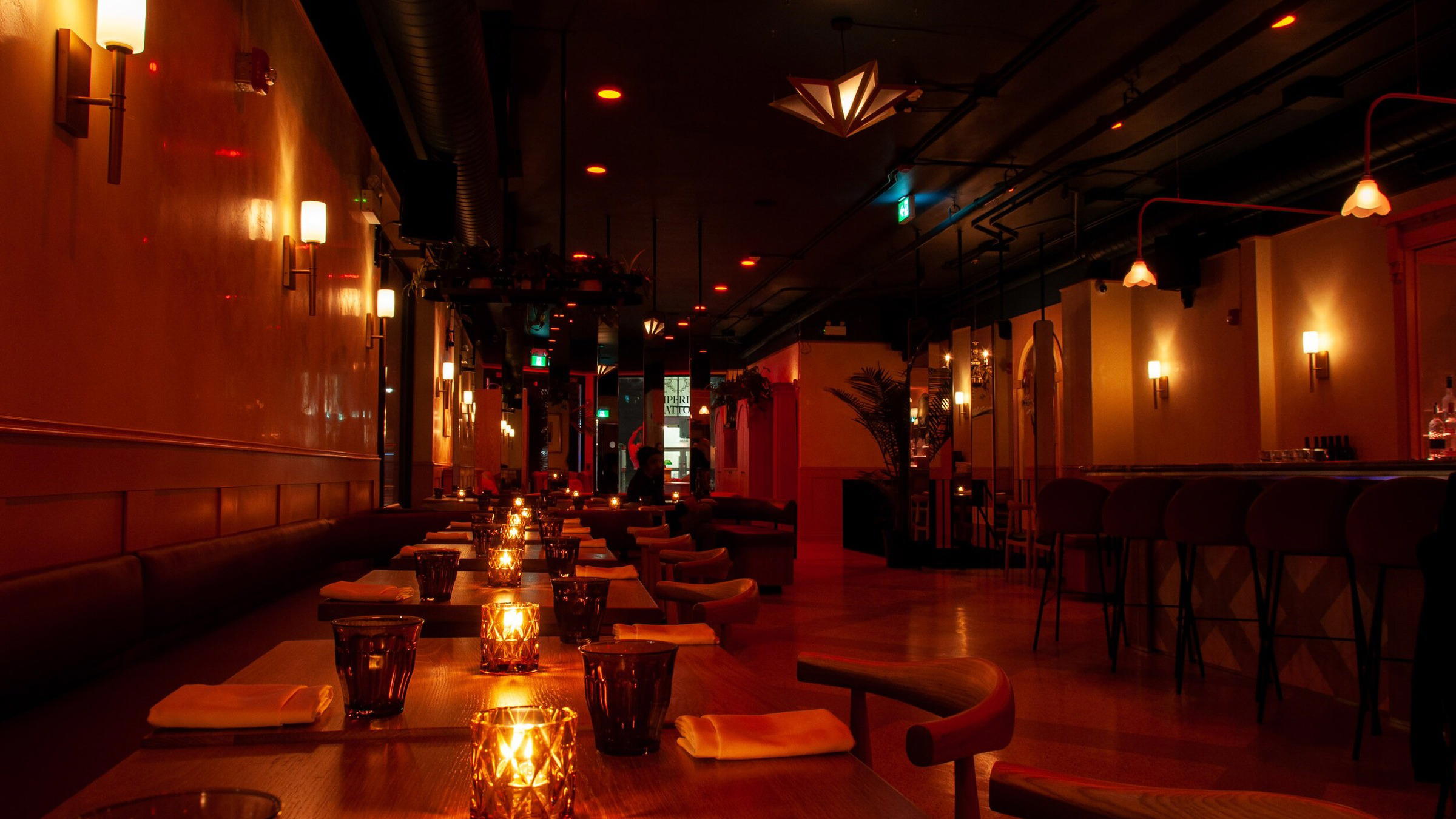
Restaurants in Hamilton
Browse all →
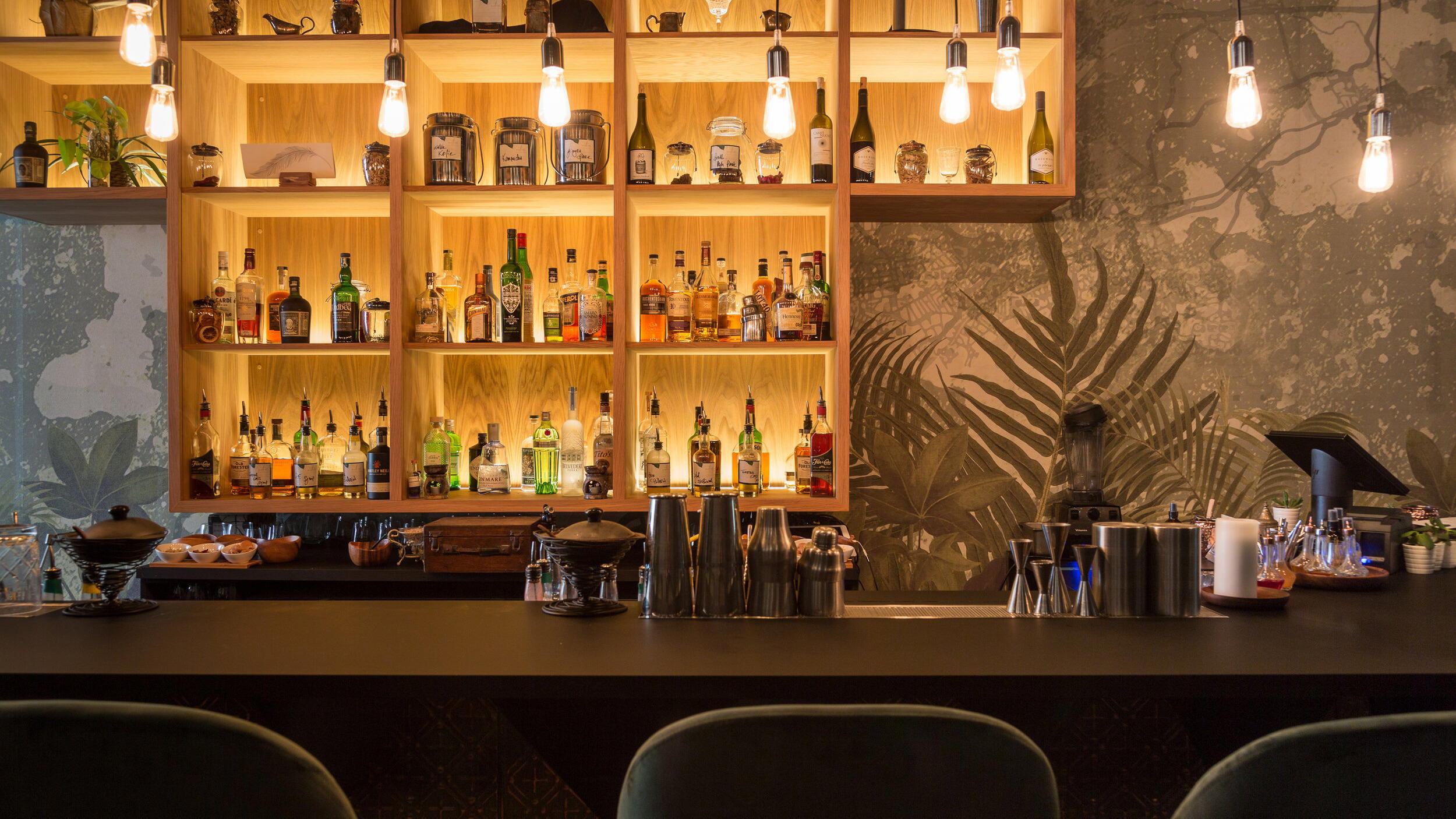
Bars in Hamilton
Browse all →

Hotels in Hamilton
Browse all →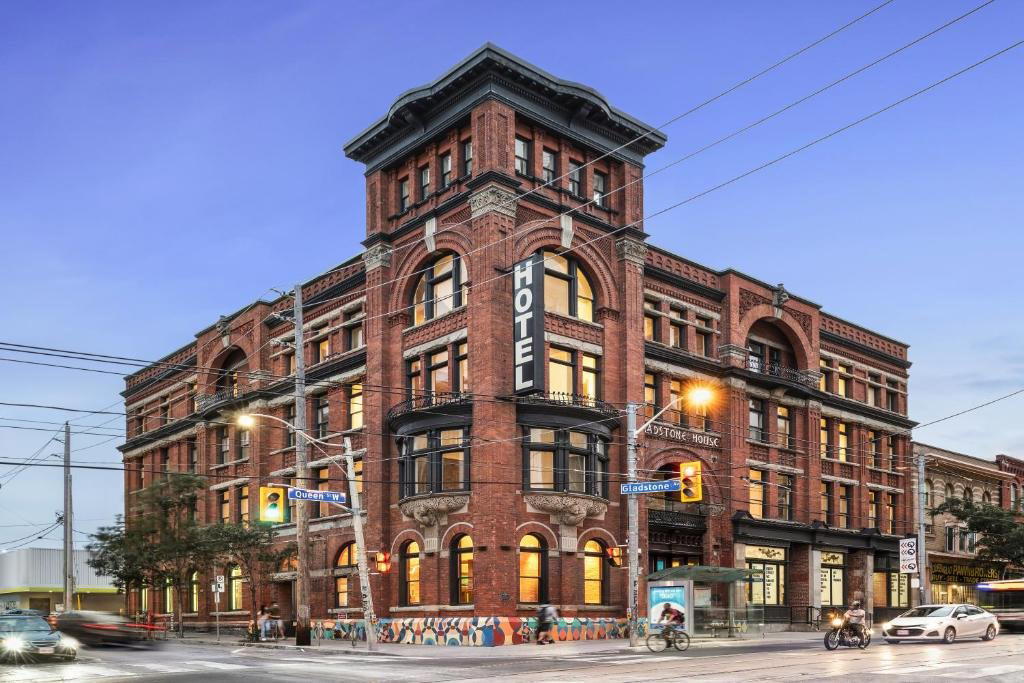
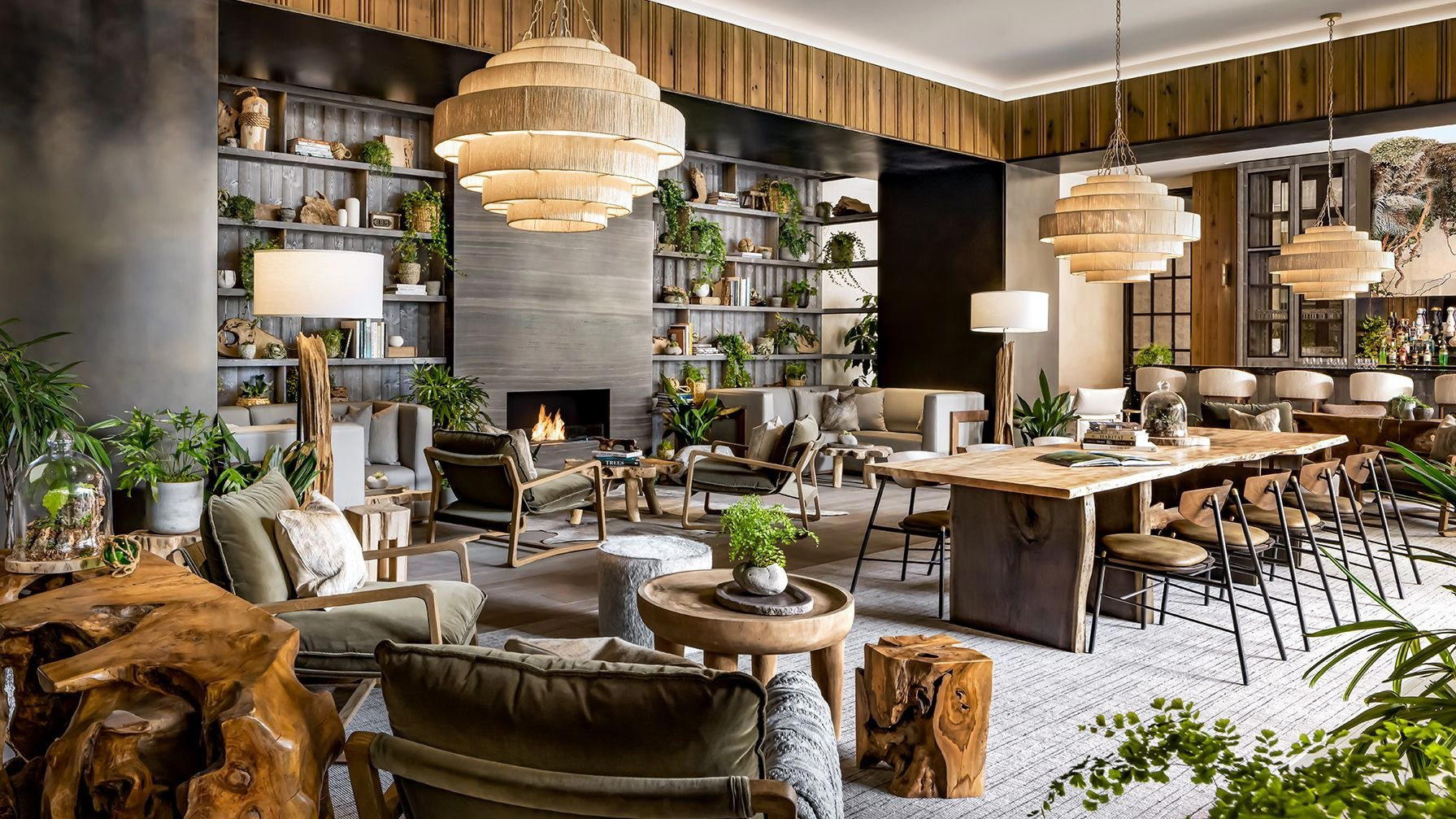
Wineries in Hamilton
Browse all →
At a Glance
- Rustic
- Elegant
- Lively
- Classic
- Date Night
- Business Dinner
- Group Dining
- Special Occasion
- After Work
- Open Kitchen
- Historic Building
- Standalone
- Extensive Wine List
- Craft Cocktails
- Beer Program
- Local Sourcing
Current opening hours
- Monday
- 5–9 PM
- Tuesday
- Closed
- Wednesday
- 5–9 PM
- Thursday
- 5–9 PM
- Friday
- 5–10 PM
- Saturday
- 11 AM–10 PM
- Sunday
- 11 AM–9 PM
Hours can change for holidays and private events. Last verified .
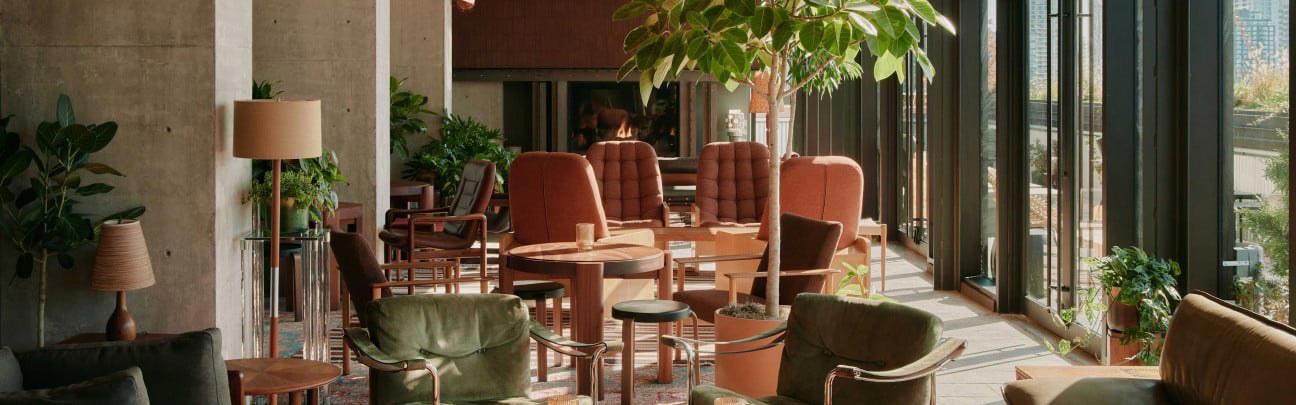
Rustic elegance with exposed brick walls, high ceilings, and warm atmosphere; the horseshoe bar and open kitchen provide theatrical dining with sepia-toned natural light during the day.