Le Sonney

At 41 avenue Julien, a short walk from Place de Jaude, Le Sonney is an intimate Clermont-Ferrand address where chefs Caroline Vallance and Benjamin Faure compose a 14-dish menu drawn from Auvergne terroir and family memory. The name references both a great-grandmother and the sonnet form, and everything from bread to ice cream is made in-house. The recycled-material interior is their own design work too.
Pearl is the En Primeur Club membership app — saves, bookings, and concierge access live there. Same editors, same standards.
- Address
- 41 avenue Julien
- Phone
- +33 4 44 44 87 55
- Website
- lesonneyrestaurant.fr
- Directions
- Get directions
 Saves & bookings on Pearl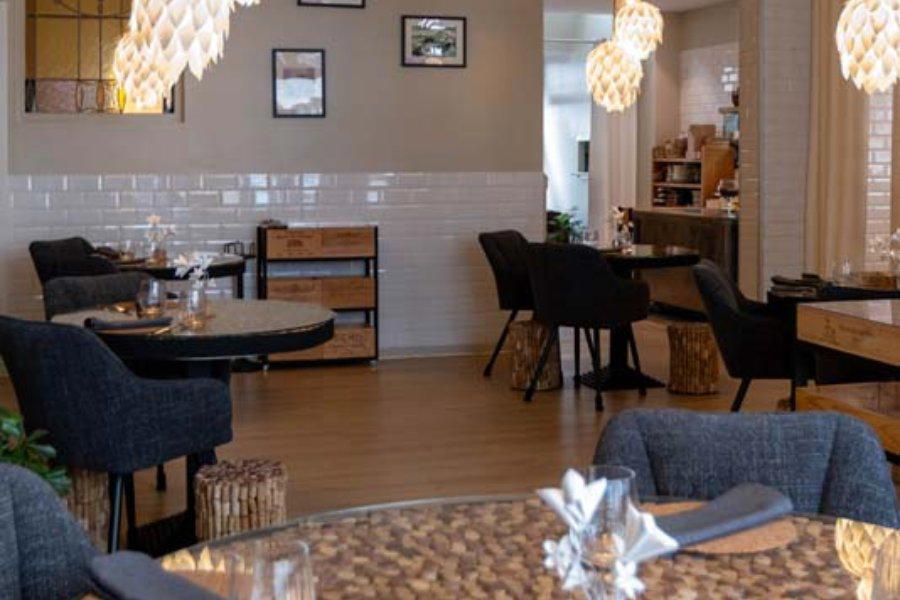
A Different Register of Seriousness
Clermont-Ferrand's restaurant scene has always been shaped by the Auvergne's defining tension: a range of volcanic severity and agricultural abundance that invites both austere and generous cooking. The city's most talked-about tables sit at opposite ends of that spectrum. Le Pré - Xavier Beaudiment operates at the creative end of the €€€€ tier, while addresses like Jean-Claude Leclerc and Apicius anchor modern cuisine at the upper price register. Le Sonney, near Place de Jaude on avenue Julien, occupies a different position: an intimate, couple-run project where the structural ambition of the menu meets the material economy of the room.
The coherence here is not coincidental. Chefs Caroline Vallance and Benjamin Faure designed the interior themselves from recycled materials, and that same philosophy of making with what exists runs through the kitchen. Every element, from the bread served at the start to the ice cream at the close, is produced in-house. In a country where the best-resourced restaurants increasingly source from specialist artisans, this level of vertical production signals something about intent: this is not a kitchen farming out convenience, but one that insists on full authorship of the plate from first to last component.
The Fourteen-Line Poem
The sonnet, as a form, imposes constraint. Fourteen lines, a specific turn, a resolution. Benjamin Faure's menu structure borrows that logic: fourteen dishes, shaped by Auvergne terroir and family memory. The name Le Sonney layers this further, referencing the sonnet form while honouring a great-grandmother's surname, so the structural conceit is not decorative but genuinely biographical. In French gastronomy, the tradition of encoding personal and regional memory into a tasting format runs deep — from Bras in Laguiole, where Michel Bras's gargouillou became a codified study of the Aubrac plateau, to the generational continuity at Auberge de l'Ill in Illhaeusern. Le Sonney works at a smaller scale but within that same tradition of place-anchored, personally charged menus.
Auvergne terroir that shapes the menu is one of France's more distinctive regional larders. Volcanic soils in the Puy-de-Dôme produce lentils, cheeses, and herbs that carry a mineral edge rarely replicated elsewhere. The region's cattle, particularly Salers, and its charcuterie traditions give a kitchen working with family memory plenty of dense, direct material to interpret. A 14-course format built around these inputs is not padding; it is a method of sustained attention to a single geography.
What the Room Tells You
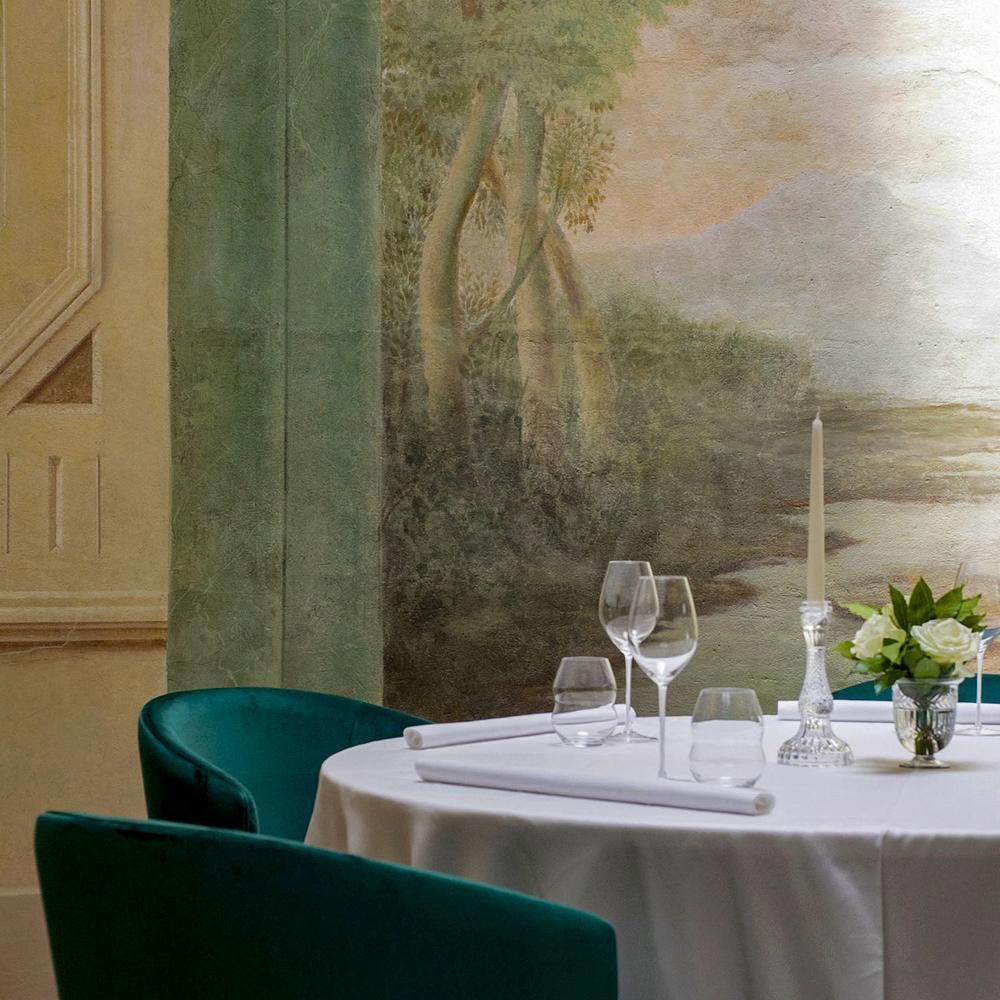
Physical environment at Le Sonney is consistent with the cooking philosophy in ways that merit attention. The interior, assembled from recycled materials and designed by Vallance and Faure themselves, signals that the restaurant operates outside the conventional hospitality economy where fit-out is outsourced to designers and the result is a legible shorthand for a particular market tier. Here, the room is as much a made object as the food, which changes how you receive both. This is not a calculated aesthetic move in the way that design-led hospitality in major capitals has become; it is closer to the artisanal logic you find in certain producer-run restaurants in southwest France, where the person who grew or raised the ingredient is also the person who cooked it.
Intimate settings of this kind — where the chefs are the proprietors and the design is their own, operate on a different rhythm from larger service-led restaurants. The kitchen and the dining room are not separate departments. The conversation between what is cooked and how it is received is shorter and more direct. For guests accustomed to larger-format tasting menus at addresses like Mirazur in Menton or Flocons de Sel in Megève, the contrast in scale is considerable, but the focus is different rather than lesser.
Clermont-Ferrand's Wider Table
Le Sonney sits within a city whose dining scene is more varied than its size might suggest. For those building a longer stay around the table, L'Ostal offers modern cuisine in a different register, while Il Visconti represents the Italian end of the city's mid-range. The full picture is covered in our full Clermont-Ferrand restaurants guide. Visitors planning a broader itinerary will find further resources in our full Clermont-Ferrand hotels guide, our full Clermont-Ferrand bars guide, our full Clermont-Ferrand wineries guide, and our full Clermont-Ferrand experiences guide.
For context on how personally committed tasting-menu formats perform at the highest international level, Alléno Paris au Pavillon Ledoyen and Troisgros - Le Bois sans Feuilles represent the institutional end of that spectrum. Le Bernardin in New York City and Emeril's in New Orleans demonstrate how regional commitment translates across culinary cultures. Le Sonney's reference point is local and familial rather than institutional, but it belongs to the same broader tradition of cooks who treat place as the primary ingredient.
Planning Your Visit
Le Sonney is at 41 avenue Julien, within walking distance of Place de Jaude in central Clermont-Ferrand. Given the intimate format and the couple-run operation, booking ahead is strongly advisable; seats are limited by design rather than by demand management, and a 14-course menu requires the kitchen to know covers in advance. The address has no website listed in public directories at time of writing, so the most direct approach is to contact the restaurant by phone or in person when arriving in the city. Dress code is not formally stated, but the sincerity of the setting suggests that smart-casual is appropriate; this is not a room that rewards performative dressing.
How Le Sonney Clermont-Ferrand compares with similar nearby venues.
| Venue | Cuisine | Price |
|---|---|---|
| Mouffu | Traditional Cuisine | €€ |
| Le Bistrot d'à Côté | Modern Cuisine | €€ |
| Jean-Claude Leclerc | Modern Cuisine | €€€€ |
Recognition history
Dated appearances from independent guides and award organizations, with the underlying list record or original source where available.
Michelin Plate
Michelin
Continue exploring
More in Clermont-Ferrand
Restaurants in Clermont-Ferrand
Browse all →
Bars in Clermont-Ferrand
Browse all →
At a Glance
- Intimate
- Cozy
- Elegant
- Date Night
- Special Occasion
- Open Kitchen
- Local Sourcing
Current opening hours
- Monday
- 10 AM–2 PM, 7–11:30 PM
- Tuesday
- Closed
- Wednesday
- Closed
- Thursday
- Closed
- Friday
- 10 AM–2 PM, 7–11:30 PM
- Saturday
- 10 AM–2 PM, 7–11:30 PM
- Sunday
- 10 AM–2 PM, 7–11:30 PM
Hours can change for holidays and private events. Last verified .
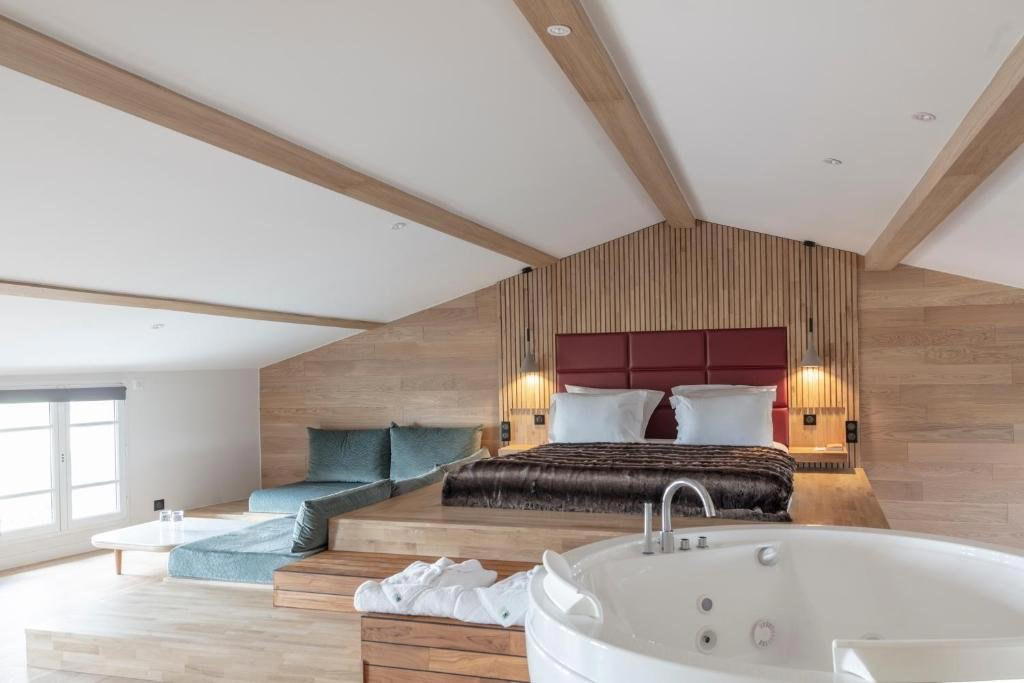
Cozy and intimate setting with tasteful decor made from recycled materials, creating a warm and welcoming atmosphere.
Know Before You Go
- Getting there
- 41 avenue Julien