Google: 4.6 · 321 reviews
.png)
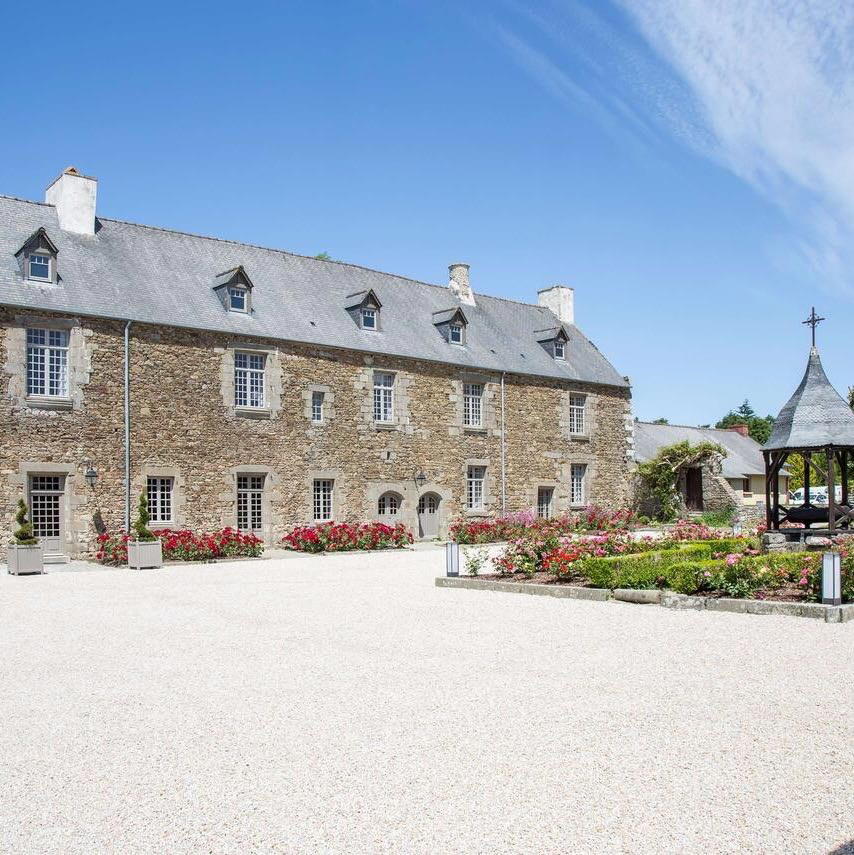
A granite building from 1880 in the Breton village of Quédillac houses one of the region's more compelling arguments for cooking outside major cities. Chef Steven Carré, trained at Guy Savoy, Le Bristol, and La Tour d'Argent, applies classical French technique to Breton ingredients with precision and restraint. The room fills regularly, so advance booking is advisable.
 Discover on Pearl
Pearl is the En Primeur Club membership app — saves, bookings, and concierge access live there. Same editors, same standards.
Where Brittany's Larder Meets Classical French Discipline
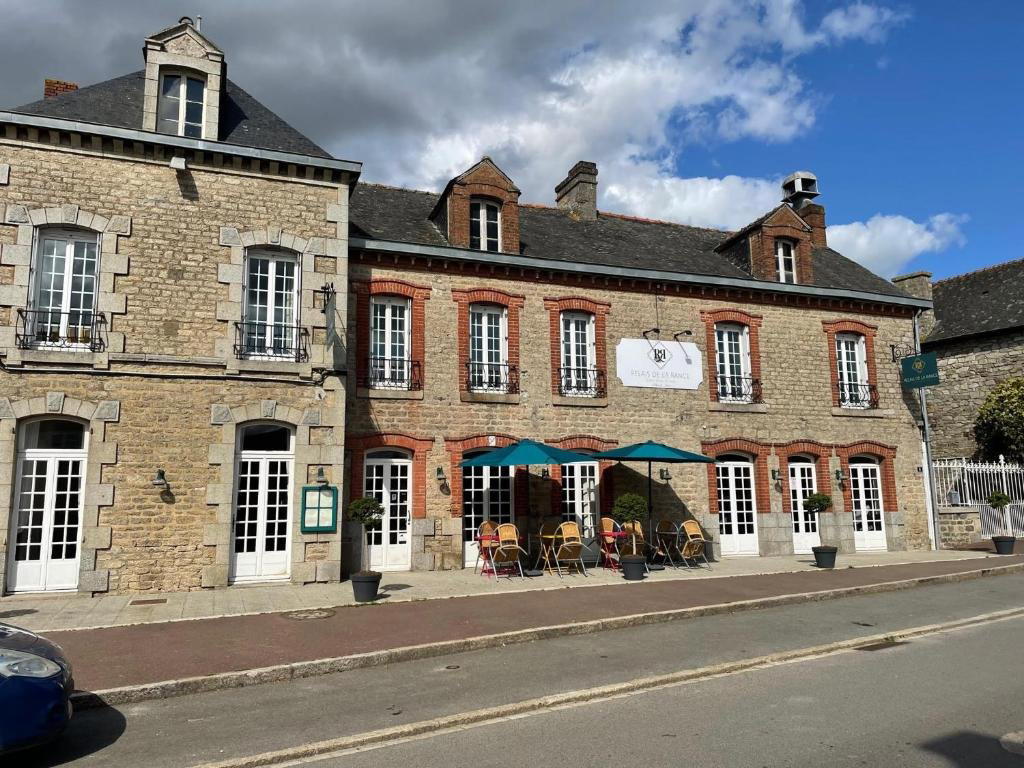
The French countryside has long sustained a particular kind of restaurant that the cities cannot fully replicate: one where proximity to primary producers shapes the plate in ways no supply chain can approximate. In Brittany, that relationship is especially direct. The coastline delivers some of Europe's most cited shellfish, the bocage interior raises cattle on grass rather than grain, and apple orchards supply the cider and calvados that appear on menus from Rennes to the coast. Le Relais de la Rance, at 6 rue de Rennes in the small commune of Quédillac, sits within that agricultural and coastal web, and the kitchen makes that positioning legible in what arrives at the table.
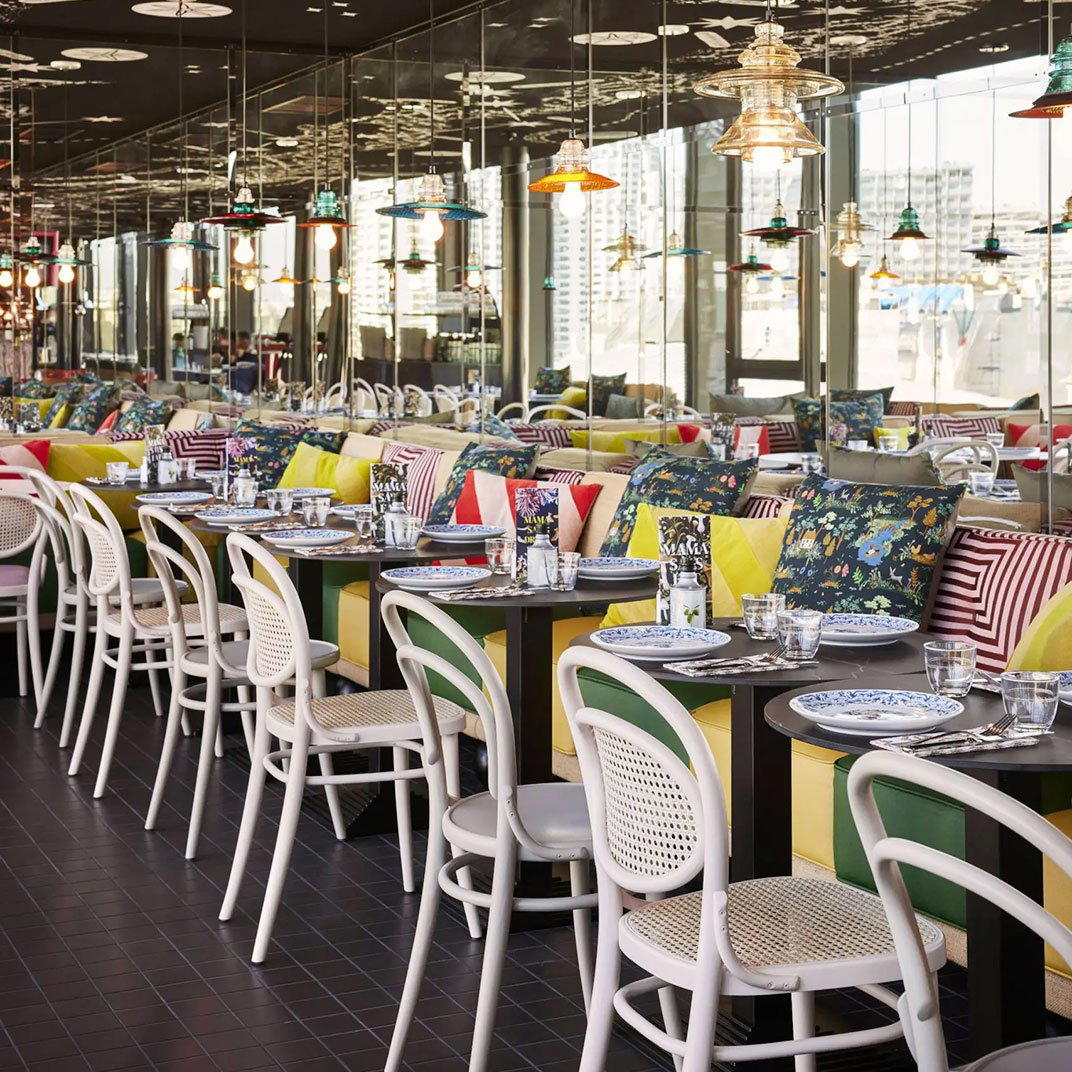
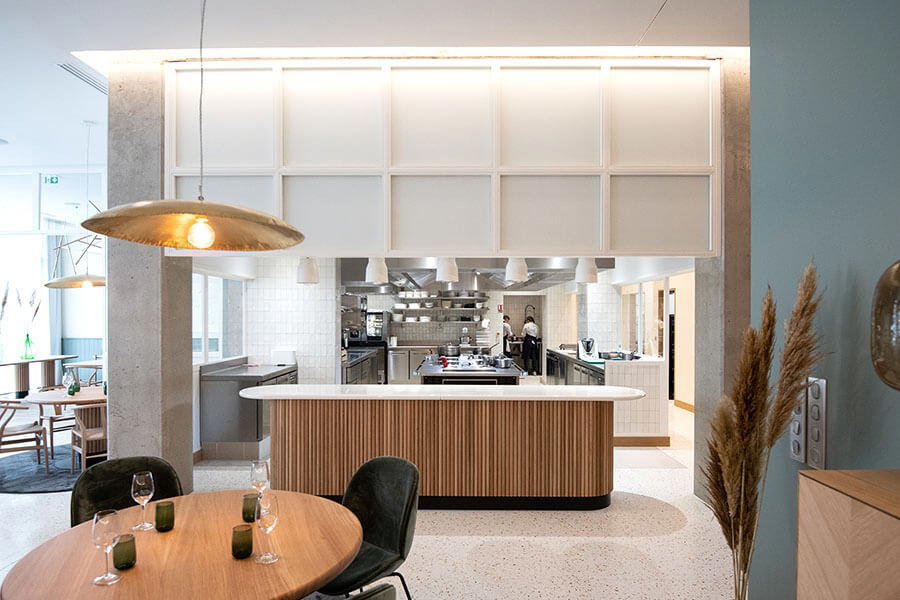
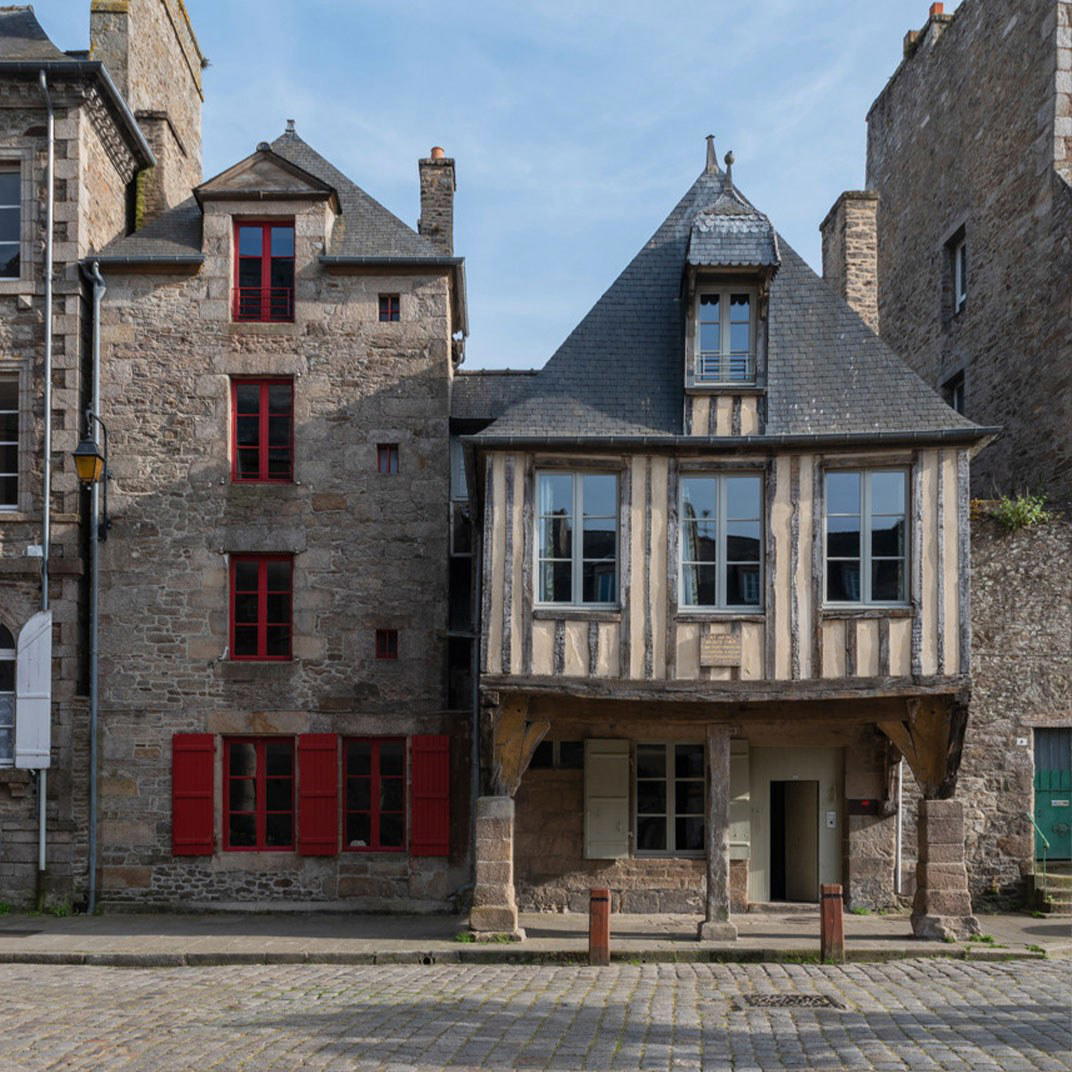
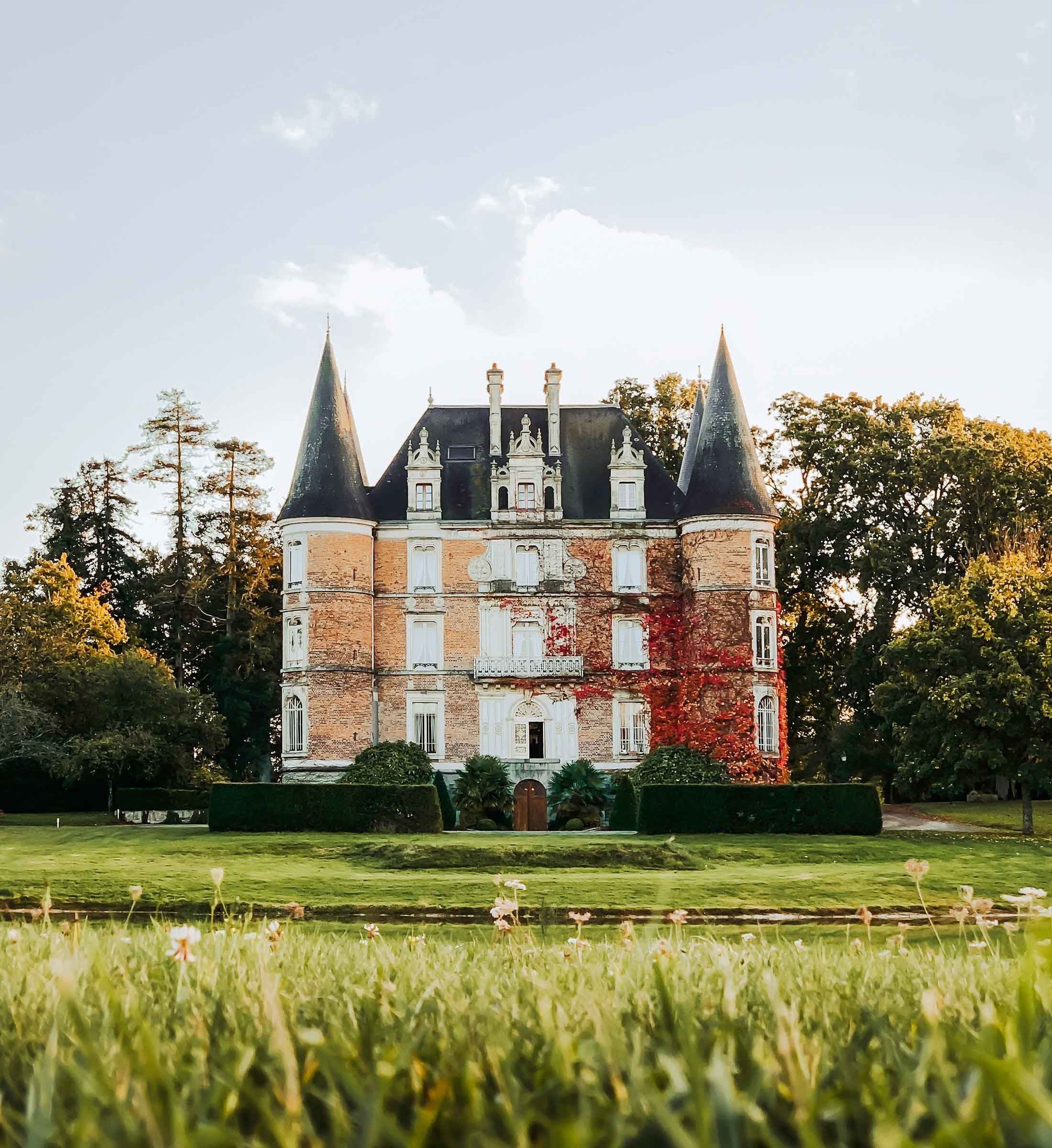
The building itself sets a specific tone. The granite exterior dates to 1880, and granite construction of that period carries a particular visual grammar in this part of Brittany: solid, weathered, rooted in the regional geology. Inside, the decor reads as contemporary rather than rustic, a deliberate contrast that signals the kitchen's orientation. This is not a restaurant preserving the past through nostalgia; it is one using a historical address as a stable base from which to cook forward.
Breton Ingredients as the Primary Argument
Logic behind ingredient sourcing in this part of France is worth examining before looking at specific dishes, because it explains why rural Brittany can support serious cooking at a level that surprises visitors who associate technical ambition primarily with Paris or Lyon. The Atlantic coastline west and north of Quédillac produces scallops, oysters, and crustaceans that arrive at kitchens with minimal travel time. The Rance estuary, which gives this restaurant its name, runs through a landscape that connects the coastal fishing zones to the agricultural interior. Beef raised in the surrounding bocage benefits from that same geography: slower growth on permanent pasture produces different muscle structure and fat distribution than intensively farmed animals.
Documented dishes at Le Relais de la Rance reflect these sourcing conditions precisely. A Breton scallop tartare, dressed with seaweed, citrus, and hazelnuts, works as a study in what coastal proximity enables: seaweed gathered from the same waters as the scallops, acid and crunch added with enough restraint to let the primary ingredient remain the point. Beef chuck braised for twelve hours, served with creamy parsnips and confit potatoes, draws on that pasture-raised supply. Twelve hours of low braising is a technique that rewards well-raised animals specifically; it converts collagen to gelatin in ways that produce texture and depth that commodity beef cannot reliably match. The kouign amann, finished with cider caramel and lemon sorbet, closes the meal with ingredients that are thoroughly Breton in origin, the laminated butter pastry from Douarnenez tradition, the cider connecting the restaurant back to the orchards of the region.
For context on how rural French restaurants operating at this level fit into the broader national picture, the major reference points are concentrated in established culinary destinations: Alléno Paris au Pavillon Ledoyen in Paris, Mirazur in Menton, Troisgros - Le Bois sans Feuilles in Ouches, and Auberge de l'Ill in Illhaeusern represent the tier of regional French dining with multi-generational recognition. What Le Relais de la Rance represents is a different but related phenomenon: the younger, chef-led address in a location with strong primary ingredients, where classical training has been redirected toward a specific regional larder. Bras in Laguiole and Auberge du Vieux Puits in Fontjoncouse offer parallel examples from other French regions where geography rather than urban density has determined the character of serious cooking.
The Training Behind the Technique
The culinary biography documented for this kitchen is relevant not as personal narrative but as a credential map that explains the technical register of the cooking. Formations at Guy Savoy, Le Bristol, and La Tour d'Argent represent three distinct strands of Parisian classical cooking: contemporary creative, palace hotel grand tradition, and historic monument respectively. A subsequent period in New York adds exposure to a different service culture and a different relationship between French classical technique and non-French ingredients. Le Bernardin in New York City, AM par Alexandre Mazzia in Marseille, and Assiette Champenoise in Reims each represent kitchens where technical foundations are applied with precision to specific regional or conceptual briefs. The pattern at Le Relais de la Rance fits that model: classical training applied to a Breton brief, with the geography doing significant work in defining what appears on the menu. See also Au Crocodile in Strasbourg, Paul Bocuse - L'Auberge du Pont de Collonges in Collonges-au-Mont-dOr, and Flocons de Sel in Megève for other instances of classical French lineage expressed through a specific regional lens.
The Dining Room and Service
French provincial dining at this level tends to divide between rooms that perform their rurality and rooms that simply are rural without commentary. The contemporary interior at Le Relais de la Rance positions it firmly in the latter category. The documented service approach, provided by Nadège, is described as warm and attentive, a combination that in practice means the kind of engaged, knowledgeable front-of-house that can articulate what is on the plate without reading from notes. In a small village restaurant, this matters: the service carries contextual information about the ingredients and the region that amplifies what the kitchen is doing.
Planning Your Visit
Quédillac is a commune in Ille-et-Vilaine, roughly equidistant between Rennes and Dinan, and the restaurant draws from a catchment that extends well beyond the immediate village. The documented record notes that the restaurant fills frequently, which in practice means that arriving without a reservation is a risk worth avoiding rather than a gamble worth taking, particularly on weekends or during the summer months when Brittany's tourist population increases substantially. The address at 6 rue de Rennes is direct to locate. For those planning a wider stay in the area, our full Quédillac restaurants guide, hotels guide, bars guide, wineries guide, and experiences guide cover the broader options in the commune and surrounding area. An Emeril's in New Orleans comparison is instructive in one narrow respect: both represent chef-driven restaurants in locations that require some travel, and both attract visitors who plan the trip around the meal rather than discovering the restaurant incidentally.
A Quick Peer Check
These are the closest comparables we have in our database for quick context.
| Venue | Cuisine | Price | Awards | Notes |
|---|---|---|---|---|
| Le Relais de la Rance | This granite building dates back to 1880 but its interior decor is decidedly con… | This venue | ||
| Alléno Paris au Pavillon Ledoyen | Creative | €€€€ | Michelin 3 Star | Creative, €€€€ |
| Kei | Contemporary French, Modern Cuisine | €€€€ | Michelin 3 Star | Contemporary French, Modern Cuisine, €€€€ |
| L'Ambroisie | French, Classic Cuisine | €€€€ | Michelin 3 Star | French, Classic Cuisine, €€€€ |
| Le Cinq - Four Seasons Hôtel George V | French, Modern Cuisine | €€€€ | Michelin 3 Star | French, Modern Cuisine, €€€€ |
| Mirazur | Modern French, Creative | €€€€ | Michelin 3 Star | Modern French, Creative, €€€€ |
Continue exploring
More in Quédillac
Restaurants in Quédillac
Browse all →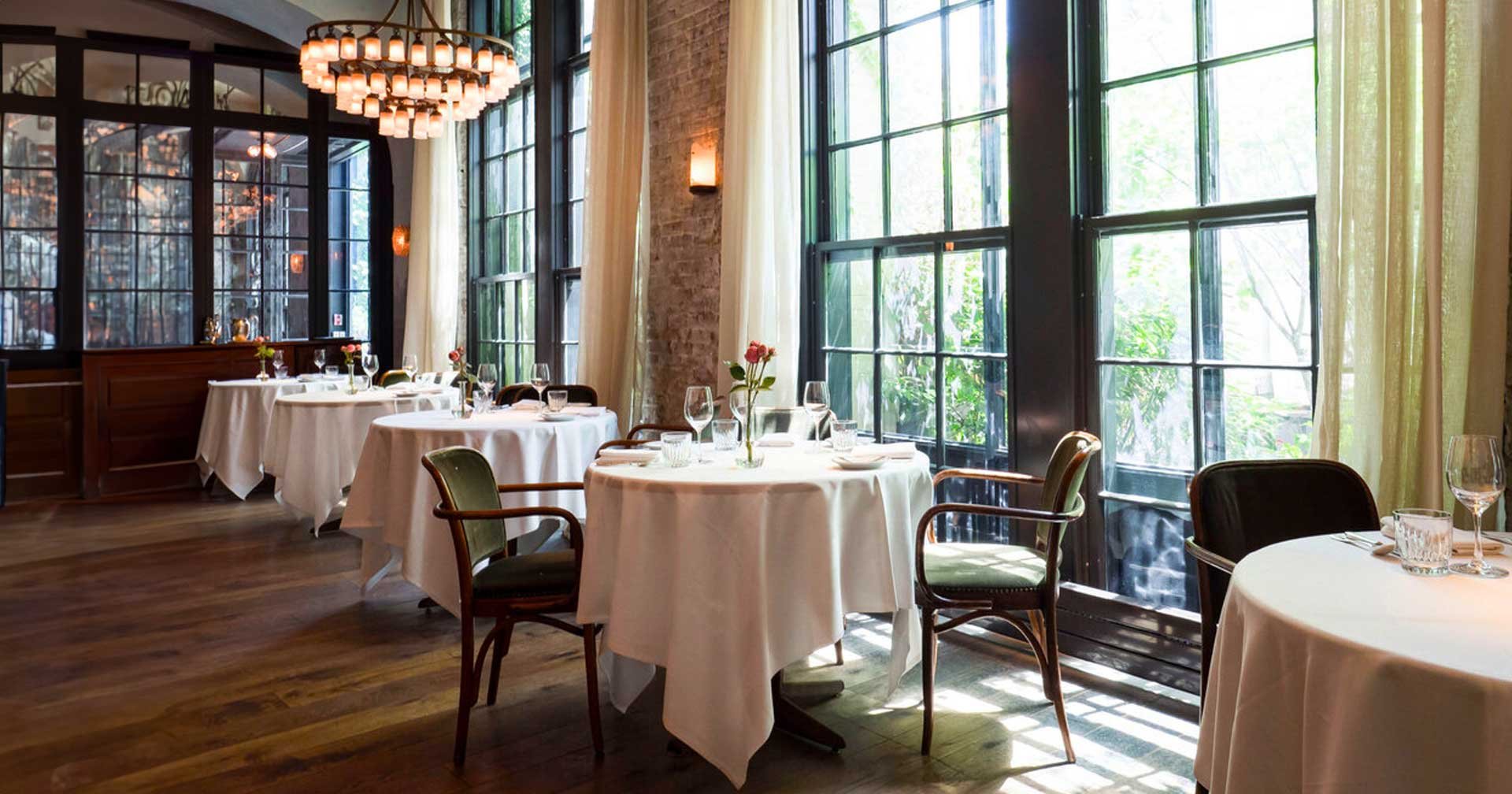
At a Glance
- Elegant
- Cozy
- Classic
- Intimate
- Sophisticated
- Date Night
- Family
- Special Occasion
- Historic Building
- Extensive Wine List
- Local Sourcing
Charming and relaxing atmosphere in a beautifully renovated historic bourgeois house with elegant, tasteful decor and warm, convivial lighting.