
We're Smart World 2 Radishes
Our verdict
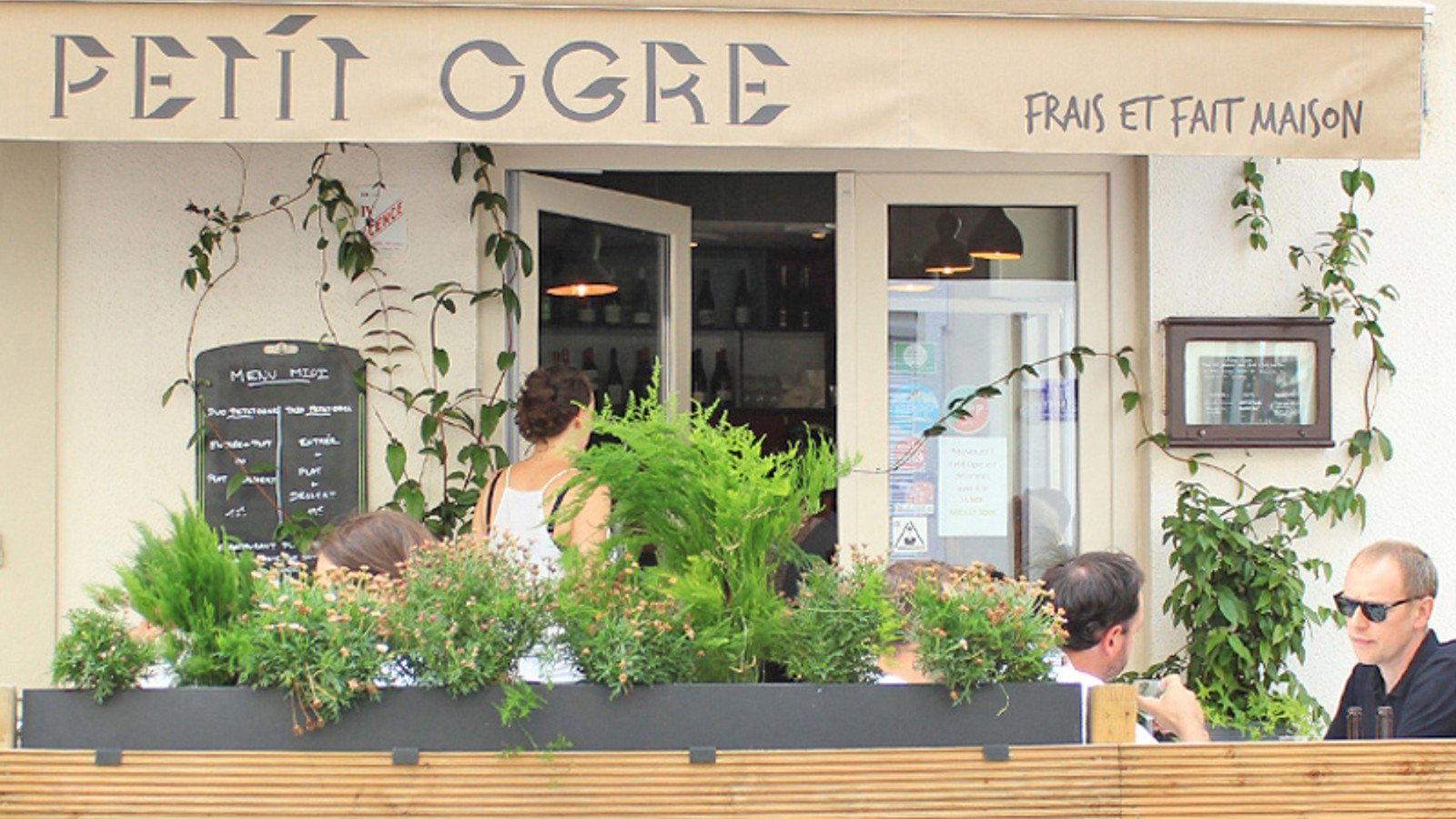
Le Petit Ogre occupies a cosy corner of Lyon's 3rd arrondissement, where the city's deep-rooted classical tradition meets a broader, globe-spanning menu. Recommended as a warm stop for those seeking something beyond the standard bouchon circuit, it sits at the more accessible end of Lyon's restaurant spectrum without abandoning the quality expectations the city sets for even its neighbourhood tables.

Pearl is the En Primeur Club membership app, where members save venues, book tables and use the concierge.
The menu
What to order
- King sea bream with cowpea purée and bergamot
- Turbot with berbère spices and bissap water
- Pigeon with hazelnut and Congolese pepper condiment
- Scallops with fragrant rice
A Room That Reads the City Right
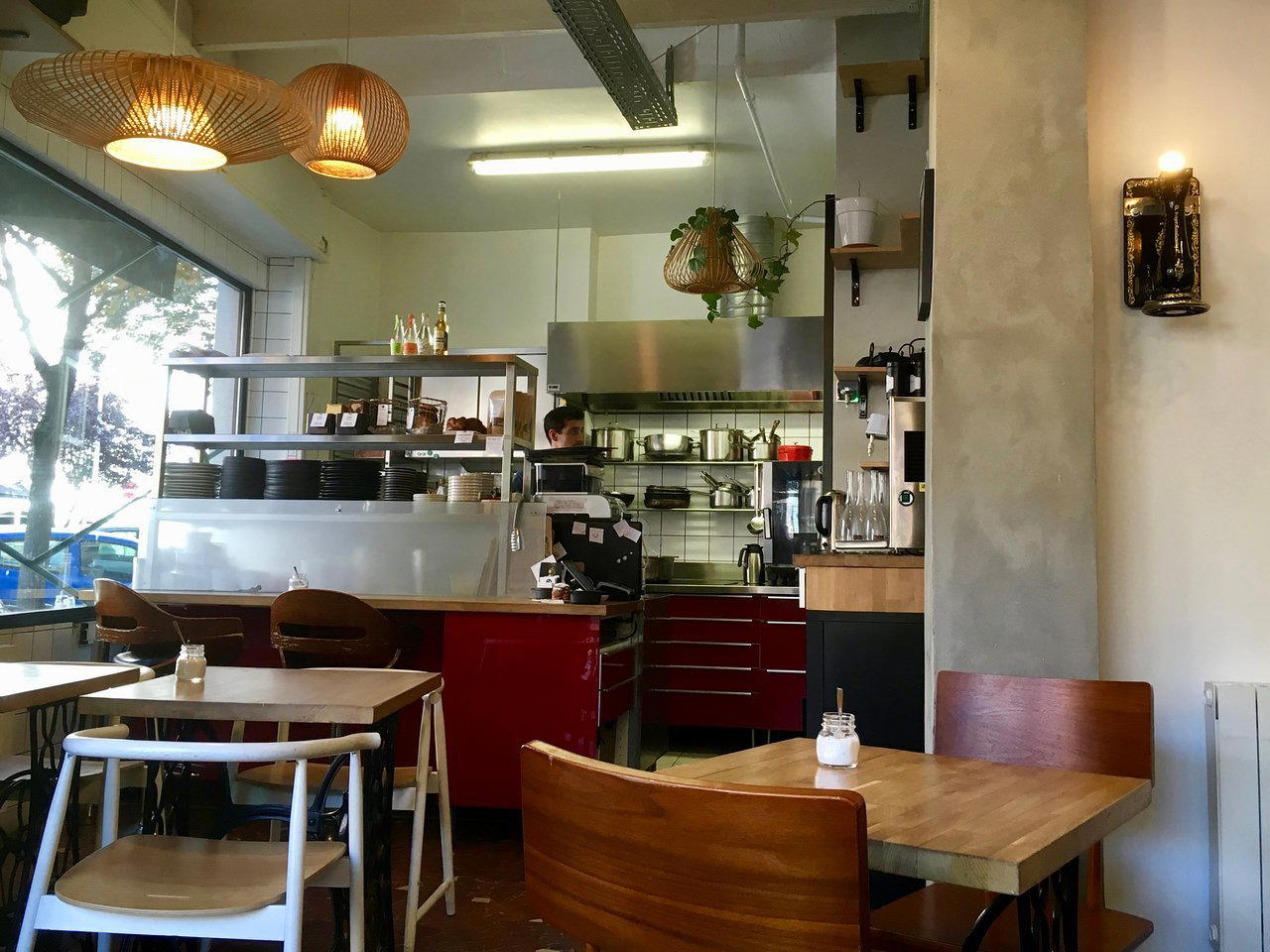
Lyon's 3rd arrondissement is a working neighbourhood, not a tourist corridor, and the restaurants that survive there do so on the strength of what they put on the table rather than what they frame on the walls. Le Petit Ogre, at 15 Rue de la Bannière, operates in exactly that register. The address is residential, the scale is intimate, and the physical space signals something that Lyon's dining culture has always prioritised: that the container should make you comfortable enough to pay attention to what's inside it.
The cosy format matters in a city where the bouchon tradition built its entire identity around the idea that a small, warm room produces better meals than a grand one. Lyon's oldest dining rooms, from the traboule-adjacent tables of the Presqu'île to the legendary address of La Mere Brazier, were never trying to impress with volume. They were trying to hold your attention for two or three hours. Le Petit Ogre inherits that spatial logic, even if its menu pulls in a different direction.
Where the Menu Parts Ways With Tradition
Lyon's classical repertoire is deeply codified. Quenelles, pike perch, gratins dauphinois, the offal-forward plates that define the bouchon canon: these are dishes shaped by centuries of market proximity and a cook's pragmatism about using everything well. The contemporary end of Lyon's dining scene, represented by addresses like Le Neuvième Art and Takao Takano, has moved that tradition forward through technical refinement and, in Takano's case, a Japanese-French synthesis that Lyon has absorbed more fluently than most French cities would.
Le Petit Ogre occupies a different position in this spectrum. Where the city's leading creative tables treat cultural influence as a structural argument, Le Petit Ogre reads more like a neighbourhood room comfortable with range: traditionally French when that's what the moment calls for, and globally inflected when the cooking warrants it. In a city where the food conversation can feel dominated by either strict classicism or high-concept tasting menus, a table that moves between registers with some ease fills a real gap in the mid-tier offering.
Lyon's mid-market restaurant scene is more competitive than visitors often expect. Places like Burgundy by Matthieu have positioned themselves with modern cuisine that references the Rhône-Alpes pantry without reproducing classical recipes verbatim. The pressure on any neighbourhood table is to justify a repeat visit, and the ones that manage it tend to do so through consistency of character rather than constant reinvention.
Lyon as the Baseline
It's impossible to discuss any Lyon restaurant without acknowledging the standard the city sets for itself. Lyon's claim on France's culinary centre of gravity is not marketing shorthand; it rests on genuine density of talent, a markets system of extraordinary quality, and a culture that takes the daily meal seriously at every price point. Paul Bocuse made that case internationally, but the city's kitchens had been making it for generations before him.
That context applies pressure downward through the dining tier. Restaurants in the 3rd that would be considered notable elsewhere are held to the same expectation of quality that Lyon's starred addresses set. The city's dining public is not forgiving of complacency. When a table like Le Petit Ogre earns recommendation as a warm stop worth making, it's doing so within that demanding local frame, not against a softer provincial standard.
For comparison, the distance between Lyon's neighbourhood registers and its Michelin tier is usefully illustrated by addresses like Au 14 Février and the creative ambition it brings to its format. The gap is real, but the baseline expectation of cooking done with care and product sourced seriously runs across both ends of the spectrum.
The Practical Shape of a Visit
Le Petit Ogre sits in the 3rd arrondissement, reachable from central Lyon's Presqu'île on foot or by the city's well-integrated metro system. The 3rd is not a neighbourhood you drift into by accident, which means most tables at a room this size will be local regulars or visitors who have done some research in advance. That dynamic tends to produce a particular kind of service atmosphere: attentive rather than performative, and less inclined toward the theatrical table-side presentations that define the high-end tasting menu circuit.
The reservation picture is worth understanding before you arrive in the city. Lyon's more ambitious addresses, including those holding Michelin recognition, require planning weeks to months in advance, particularly for weekend evenings. Neighbourhood rooms at Le Petit Ogre's scale can be more accessible, but that accessibility should not be mistaken for a guarantee. Lyon's dining culture keeps most good tables reasonably full. If you are building a wider Lyon restaurant plan, the full Lyon restaurants guide is the right place to cross-reference availability and prioritise accordingly.
For those spending longer in the city and looking to build out a complete itinerary, the Lyon hotels guide, bars guide, and experiences guide cover the wider picture. Lyon's food infrastructure extends well beyond its restaurants, and the wineries guide is relevant given the city's proximity to both Beaujolais to the north and the northern Rhône appellations to the south.
France's Wider Frame
Lyon sits within a national dining conversation that runs from the three-Michelin-star laboratories of Paris, including Alléno Paris au Pavillon Ledoyen, to the mountain-rooted cooking of Flocons de Sel in Megève and the coastal Mediterranean intelligence of Mirazur in Menton. Provincial France has long produced its own high points independently of Paris, as the generational project at Troisgros in Ouches and the Alsatian anchor of Auberge de l'Ill demonstrate. Within that frame, Lyon's neighbourhood tables are not footnotes to the starred addresses; they are the ecosystem that makes the starred addresses possible.
Internationally, the expectation that a meal in Lyon should be worth the stop extends to the city's accessible tables as readily as to its celebrated ones. Visitors coming through the region en route to, say, the Laguiole plateau and Bras will find Lyon a natural staging point, and the city's mid-tier restaurant offer is dense enough that the choice of where to eat well without a major reservation commitment is not a trivial one.
Frequently asked questions
Does Le Petit Ogre have a Michelin star or similar recognition?
Le Petit Ogre has received recognition including: Lyon is a culinary paradise in itself. Every day of the year, you can come here to enjoy good food, traditionally "à la française" or with an extra cultural influence. We can enthusiastically recommend Petit Ogre as a culinary stop for a co….
Where is Le Petit Ogre in Lyon?
Le Petit Ogre is located at 15 Rue de la Bannière, 69003 Lyon, France, Lyon.
What should I eat at Le Petit Ogre?
Le Petit Ogre's menu moves outside the bouchon canon, drawing on cultural influences beyond the French tradition. Endorsed specifically for its 'tasty journey around the world,' the kitchen is worth approaching with an open remit rather than a fixed order. Given that specific menu details aren't published, arriving hungry and asking the staff what's running that day is the sensible approach in a room of this type.
How far ahead should I plan for Le Petit Ogre?
No booking data is publicly listed for Le Petit Ogre, and the restaurant does not appear to operate a high-profile reservations system. In Lyon's 3rd arrondissement, smaller neighbourhood tables often fill quickly mid-week on local demand rather than tourist footfall, so a call ahead on the day or the evening before is the practical move. The address is 15 Rue de la Bannière, 69003 Lyon.
What's the defining dish or idea at Le Petit Ogre?
The defining idea is departure: Le Petit Ogre earns its recommendation precisely because it steps away from Lyon's deeply codified classical repertoire and pulls in cross-cultural reference points. Where the city's bouchons anchor themselves in quenelles and offal, this address works a different register. The editorial note singles out its 'extra cultural influence' as the reason to stop here.
Can Le Petit Ogre handle vegetarian requests?
The globally influenced format, which draws on a wider range of culinary traditions than a typical bouchon, suggests more compositional flexibility than the offal-heavy Lyon canon allows, but confirming availability directly with the restaurant before your visit is the only reliable route.
How does Le Petit Ogre differ from a traditional Lyon bouchon?
A bouchon is built around Lyon's codified local repertoire: pig-derived dishes, quenelles, gratins, and wine from the surrounding Rhône valley. Le Petit Ogre operates in the same city but with a deliberately international frame, recommended for diners who want something outside that tradition without leaving Lyon's dining culture entirely. It sits in the working 3rd arrondissement at 15 Rue de la Bannière rather than the tourist-dense zones where bouchon density is highest.
Credentials Lens
Comparable venues nearby, for context on price, style, and recognition.
| Venue | Cuisine | Price | Awards | Notes |
|---|---|---|---|---|
| Le Petit OgreThis venue (the venue you are viewing) | Franco-African Fusion | $50–100 | We're Smart World 2 Radishes | Not listed |
| Canaima | French-Latin Fusion | Not listed | Michelin Plate | Quartier Haut et Coeur des Pentes |
| Les Apothicaires | Modern French Bistro with Scandinavian & Brazilian Influences | Not listed | Not listed | Quartier Saxe Roosevelt |
| Arsëne | Modern French Neo-Bistro | $50–100 | Not listed | Quartier Bellecour Carnot |
| Brasserie de l'Ouest | French Brasserie with Island Influences | $50–100 | Not listed | Quartier Vaise Rochecardon Industrie |
| Bel Ami | Modern French Tapas | $30–50 | Star Wine List | Quartier Ouest des Pentes |
Recognition history
Dated appearances from independent guides and award organizations, with the underlying list record or original source where available.
We're Smart World 2 Radishes
We're Smart World
Continue exploring
More in Lyon
Restaurants in Lyon
All restaurants in Lyon →
Bars in Lyon
All bars in Lyon →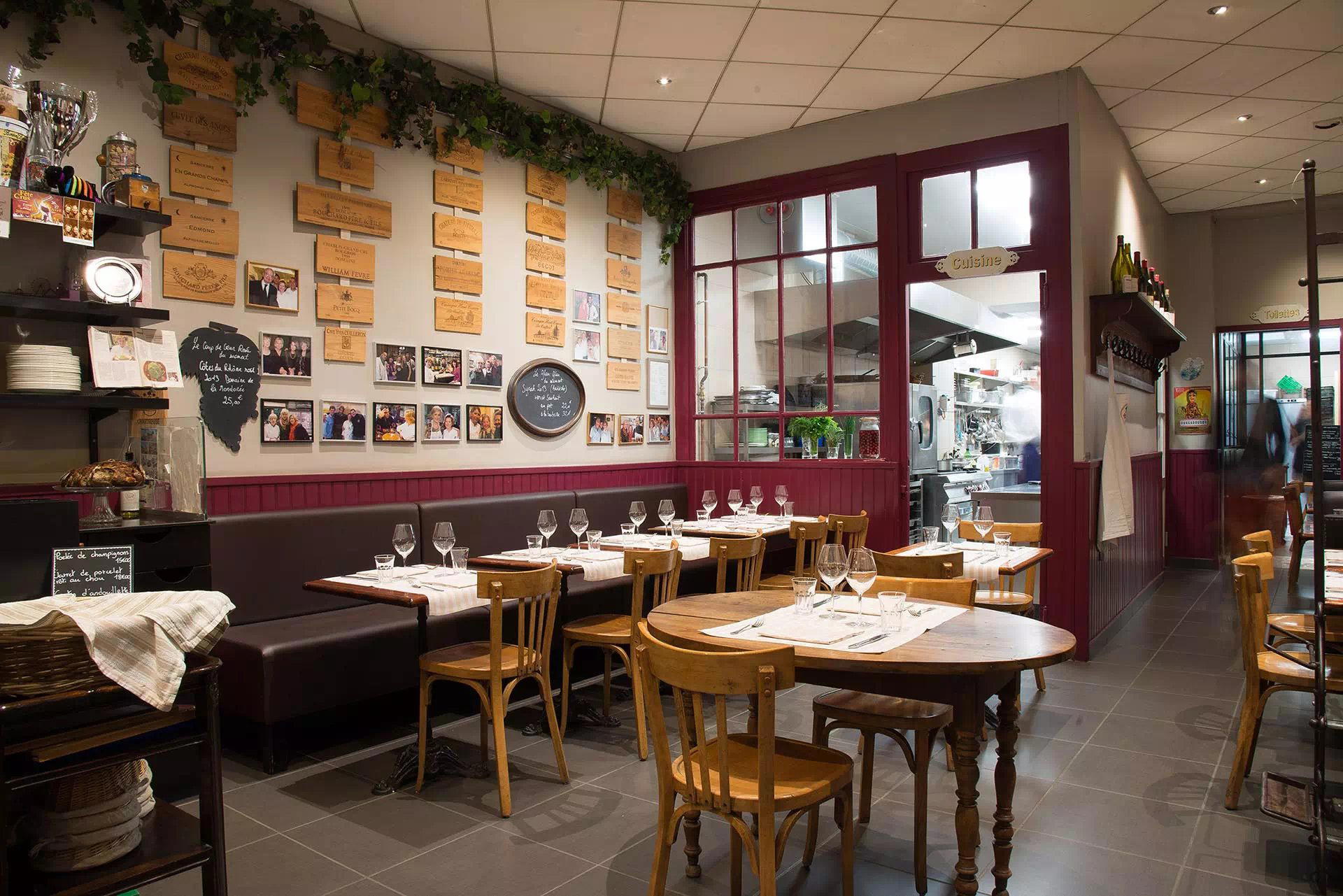

Details
- Intimate
- Cozy
- Elegant
- Trendy
- Date Night
- Special Occasion
- Group Dining
- Open Kitchen
- Terrace
- Craft Cocktails
- Farm To Table
- Local Sourcing
- Set Menu
- Prix Fixe
- Wine
- Craft Cocktails
- Vegetarian Friendly
Current opening hours
- Monday
- 12–2:30 PM, 7–10:30 PM
- Tuesday
- 12–2:30 PM, 7–10:30 PM
- Wednesday
- 12–2:30 PM, 7–10:30 PM
- Thursday
- 12–2:30 PM, 7–10:30 PM
- Friday
- 12–2:30 PM, 7–10:30 PM
- Saturday
- 12–2:30 PM, 7–10:30 PM
- Sunday
- Closed
Hours can change for holidays and private events. Hours as of .
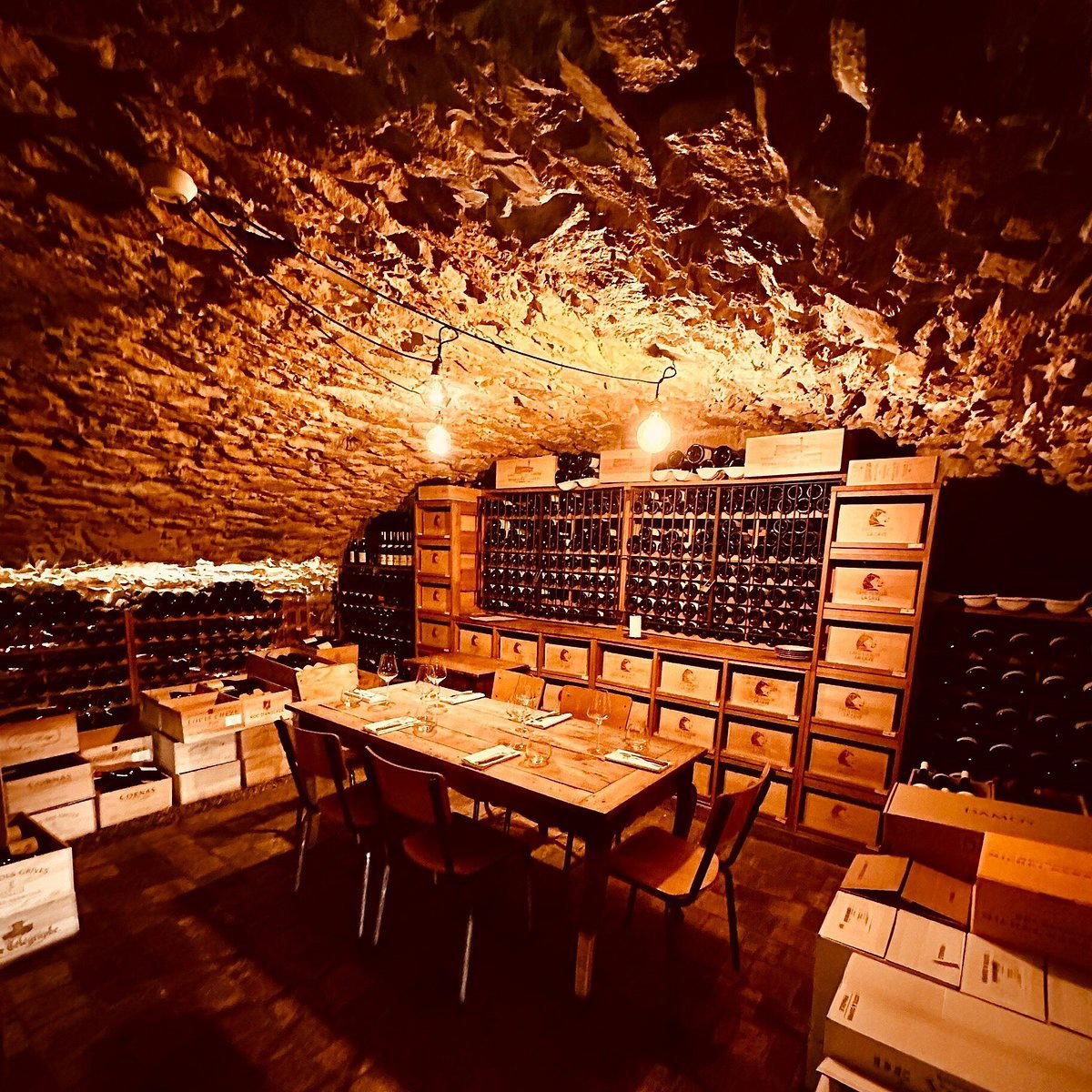
Warm, intimate, and convivial atmosphere with close-set tables in a small dining room; relaxed yet refined with attentive service and the chef personally visiting tables to explain dishes.