Le Parc Bistrobar
Le Parc Bistrobar occupies a Financial District address at 185 Sutter Street, placing it in one of San Francisco's most lunch-driven dining corridors. The bistrobar format signals a venue that operates across two distinct registers: a daytime service shaped by the pace of the surrounding office district, and an evening mode that shifts toward longer, more deliberate dining. It sits within a city where French-influenced casual formats compete with a strong field of destination tasting-menu restaurants.
Pearl is the En Primeur Club membership app — saves, bookings, and concierge access live there. Same editors, same standards.
- Address
- 185 Sutter St, San Francisco, CA 94104
- Phone
- +14153940501
- Website
- leparcbistrobar.com
- Directions
- Get directions
 Saves & bookings on Pearl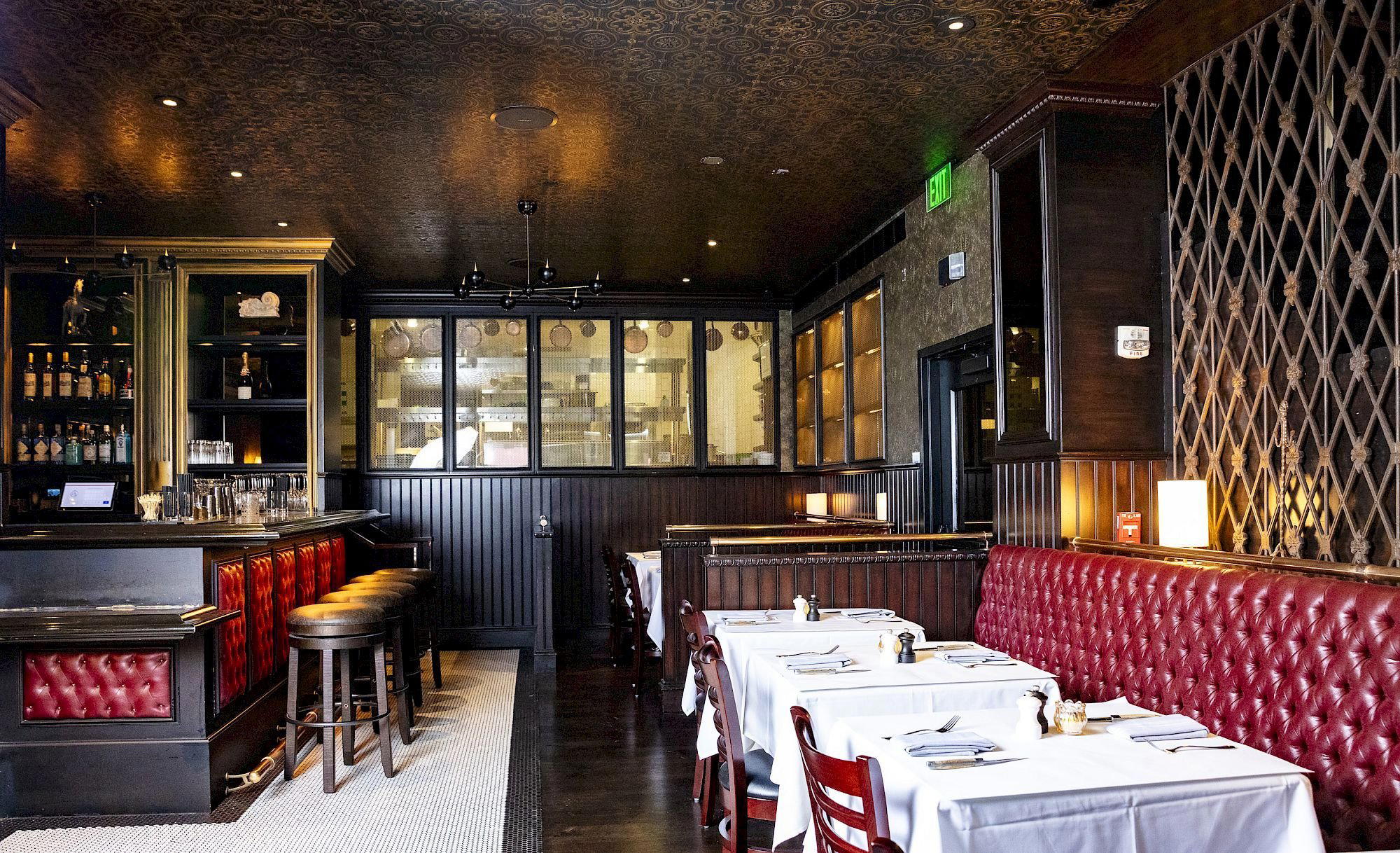
The Bistrobar Format in a City That Takes Lunch Seriously
San Francisco's Financial District runs on a logic that most American downtowns have largely abandoned: a genuine midday dining culture. The blocks around Montgomery BART, the Embarcadero, and Sutter Street fill with purposeful lunch traffic from late morning through early afternoon, generating demand for rooms that can move efficiently without sacrificing quality. The bistrobar format, which pairs a full bar program with a menu that sits between casual and formal, has proven well-suited to this rhythm. Le Parc Bistrobar, at 185 Sutter Street, occupies that position in a neighborhood where the competition for the business lunch is real and the guest is experienced enough to notice when a kitchen is cutting corners.
The bistrobar category itself carries European precedent. In Paris and Lyon, the bistrot-bar hybrid is not a marketing concept but a functional one: a room that serves coffee and a tartine at nine, a formule at noon, and a longer dinner to a different crowd by seven. That model translates imperfectly to San Francisco, where evening dining culture has moved sharply toward either the high-commitment tasting menu or the very casual. Venues like Lazy Bear and Atelier Crenn anchor the upper end of the city's evening ambitions, while the middle register has thinned. A bistrobar that executes the daytime-to-evening transition well occupies a gap rather than crowding a saturated tier.
Lunch vs. Dinner: How the Room Changes
The editorial angle on any bistrobar is always temporal. The same physical room reads differently at 12:30 on a Tuesday than at 7:30 on a Friday, and the operational decisions a kitchen and floor team make in each window reveal what the venue actually prioritizes. In Financial District rooms, lunch tends to dominate both revenue and identity. The daytime guest wants speed without sacrifice: a well-executed plate, a glass of something worth drinking, and a check that doesn't require a conversation with accounting. Evening guests, who are more likely to be choosing the room rather than simply using the nearest convenient option, bring different expectations: a slower pace, a reason to stay for a second glass, and a kitchen that can demonstrate range beyond efficiency.
This lunch-dinner divide is not unique to San Francisco. At Le Bernardin in New York City, the prix-fixe lunch has historically served as an accessible entry point to a kitchen that operates at a more expensive pitch in the evening. At Alinea in Chicago, the format is exclusively dinner, which is itself a statement about who the room is for. The bistrobar avoids that exclusivity by design, and the leading execution of the format rewards both visits differently rather than simply repeating the same experience at different price points.
Sutter Street and the Financial District Dining Corridor
The address at 185 Sutter Street places Le Parc Bistrobar in a corridor that runs between the Montgomery Street financial core and the edges of Union Square retail. It is a stretch that serves a concentrated population of office workers, hotel guests from properties within a short walk, and visitors who have come downtown for the city's museums and galleries. The neighborhood's dining character is pragmatic during the week and quieter on weekends, which inverts the pattern of many other San Francisco dining districts. Neighborhoods like the Mission, Hayes Valley, and the Richmond operate on weekend-peak logic; the Financial District's leading hours are Tuesday through Thursday at noon.
That neighborhood dynamic shapes what a venue at this address should do well. For context on what premium dining looks like elsewhere in the city, Benu and Quince serve the evening-destination function that the Financial District's format venues do not attempt to fill. Saison similarly operates in a register defined by commitment and cost. The bistrobar sits at a different point on the spectrum, where the value proposition is consistency and accessibility rather than culinary ambition measured in courses.
Beyond San Francisco, the comparison set for format and positioning extends to venues like Single Thread Farm in Healdsburg, which operates in the wine country register with a very different tempo, and The French Laundry in Napa, where lunch and dinner carry near-identical weight and price. Those venues define one end of California's dining axis. The bistrobar format defines another, and the city needs both ends functioning well to serve the full range of occasions its visitors and residents bring to the table.
Nationally, venues like Bacchanalia in Atlanta, Providence in Los Angeles, Addison in San Diego, Blue Hill at Stone Barns in Tarrytown, The Inn at Little Washington, Emeril's in New Orleans, Atomix in New York City, and 8 1/2 Otto e Mezzo Bombana in Hong Kong illustrate how the dinner-primary model dominates at higher price points globally. The bistrobar's willingness to serve both services with equal seriousness is, in that context, a positioning choice worth noting.
What the Bar Program Signals
In the bistrobar format, the bar is not supplementary. A room that names itself partly after its bar program is making a claim about the centrality of drinks to the experience, and the daytime-evening divide plays out across the bar as much as the kitchen. At lunch, the bar functions as a one-glass-with-food station for a guest on a schedule. In the evening, it can anchor the experience for guests who arrive early, linger after eating, or choose to sit at the bar rather than a table. The shift from utility to destination is what separates a venue that merely has a bar from one that has earned the bistrobar designation.
For the full picture of what San Francisco's dining scene offers across all price points and formats, see our full San Francisco restaurants guide.
Know Before You Go
- Address: 185 Sutter Street, San Francisco, CA 94104
- Neighbourhood: Financial District
- Nearest Transit: Montgomery Street BART/Muni station, approximately two blocks west on Market Street
- Leading Service Window: Weekday lunch (Tuesday through Thursday) reflects the neighborhood's peak; weekend dinner sees lighter foot traffic in this district
- Pricing, Hours, and Menu: Not confirmed at time of publication; verify before visiting
Comparable Venues
Comparable venues nearby, for context on price, style, and recognition.
| Venue | Cuisine | Price | Notes |
|---|---|---|---|
| Le Parc BistrobarThis venue — the venue you are viewing | French Bistro | $$$$ | Not listed |
| Bisou Bistronomy | French Bistro | $$$ | Castro |
| Chapeau | Authentic French Bistro | $$$ | Inner Richmond |
| JouJou | French Brasserie with Californian Seafood | $$$$ | Mission Bay |
| Sasaki | Modern Japanese Omakase | $$$$ | Mission |
| Super Prime Steakhouse | Modern Steakhouse | $$$$ | Financial District/South Beach |
Continue exploring
More in San Francisco
Restaurants in San Francisco
Browse all →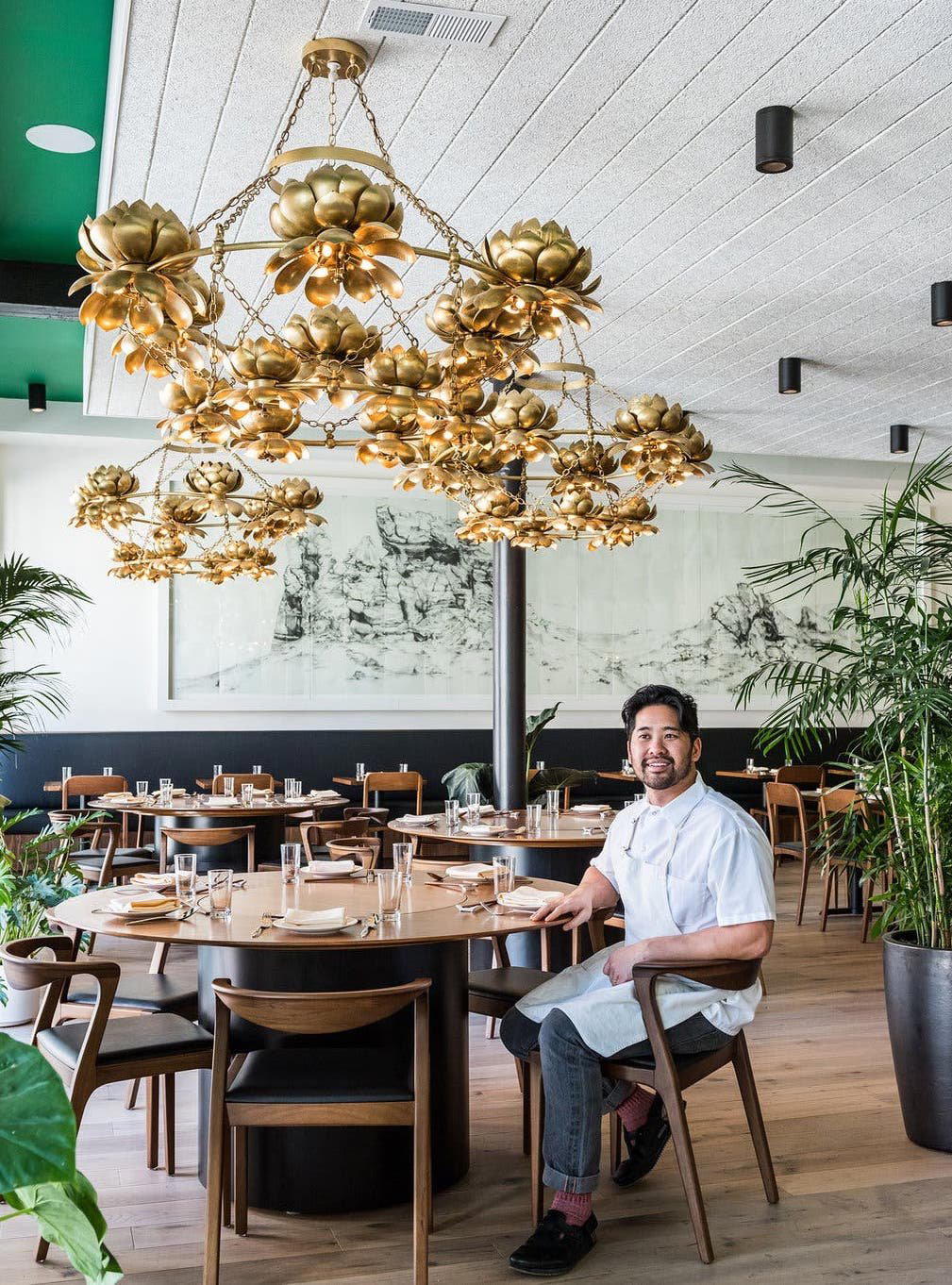
Bars in San Francisco
Browse all →
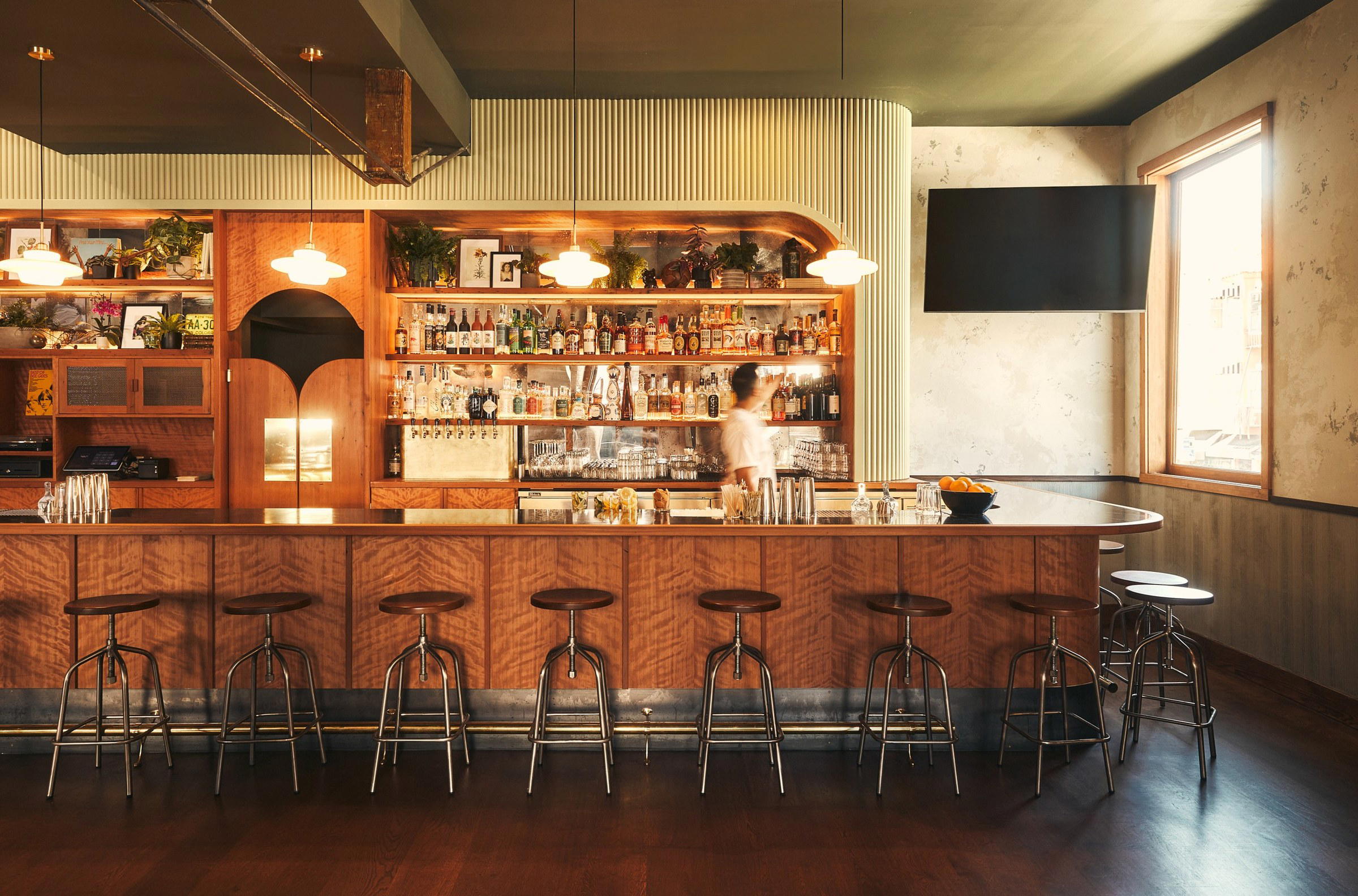
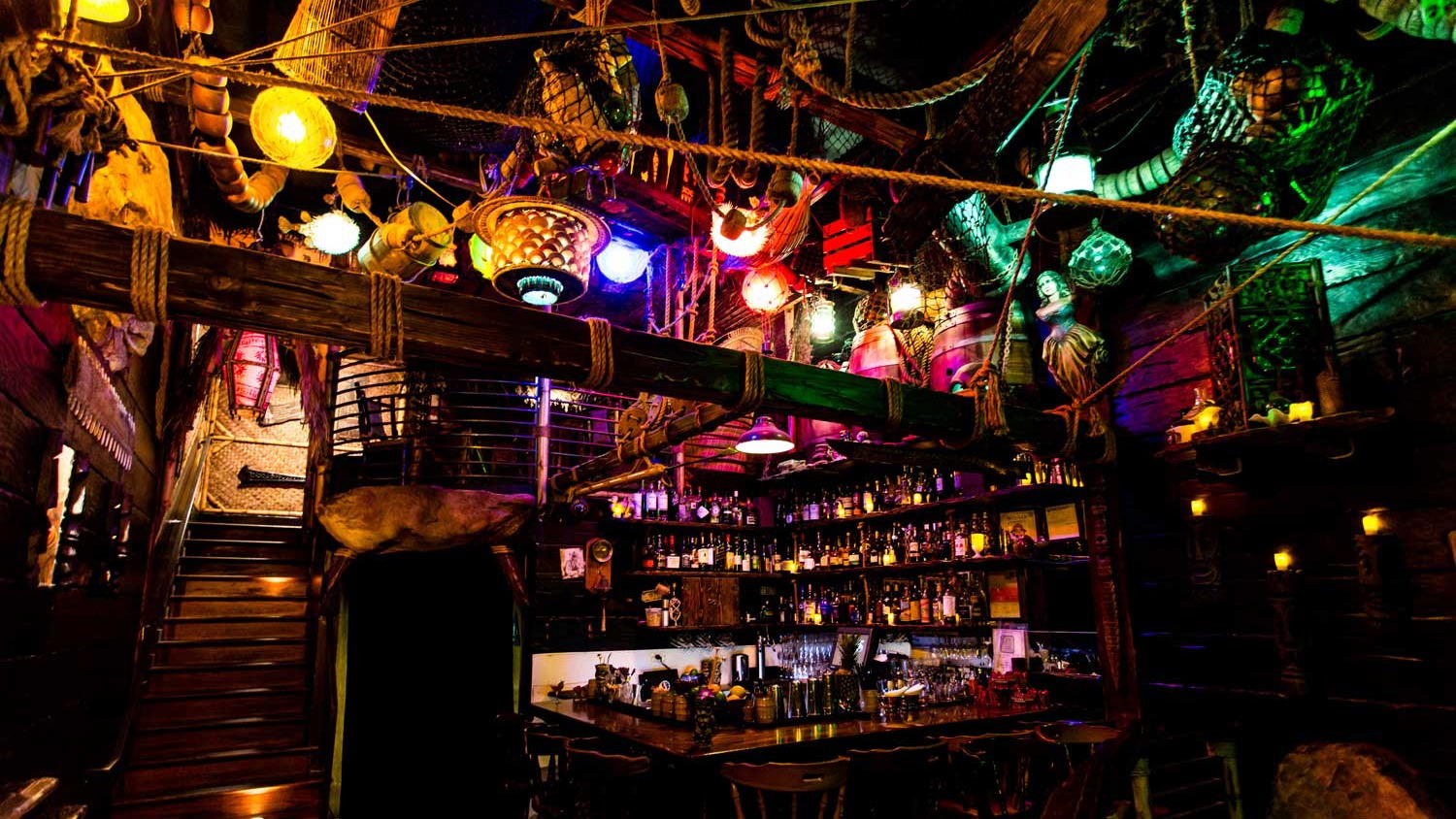
Hotels in San Francisco
Browse all →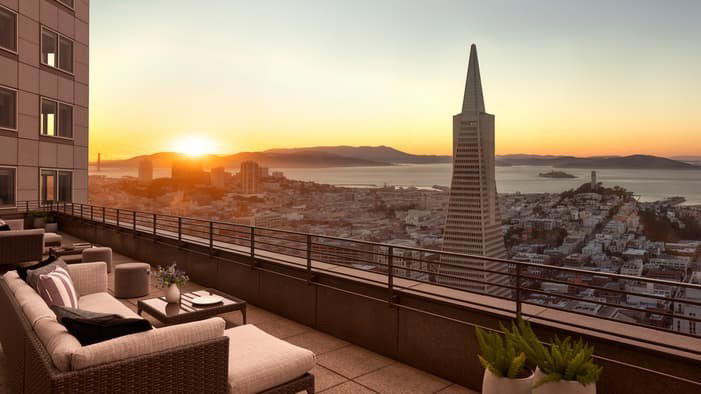
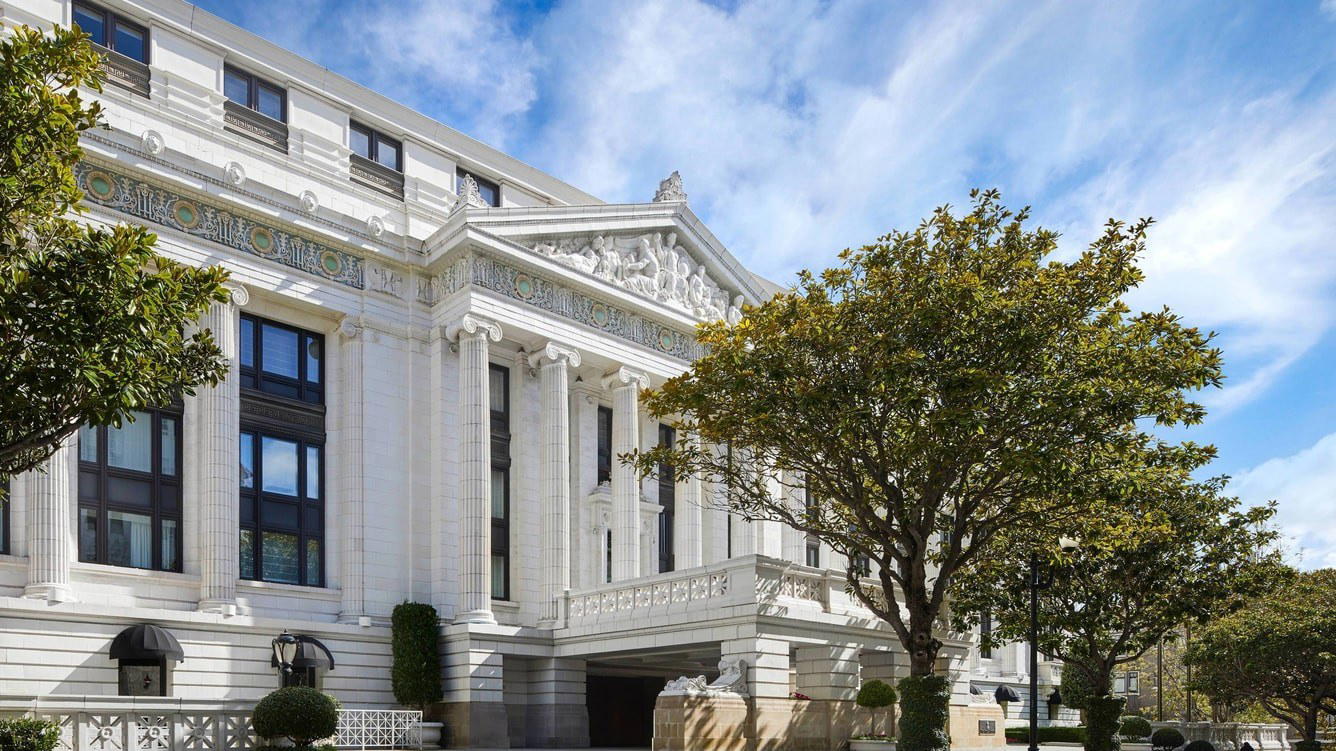
At a Glance
- Cozy
- Elegant
- Intimate
- Sophisticated
- Date Night
- Special Occasion
- Business Dinner
- Hotel Restaurant
- Craft Cocktails
Current opening hours
- Monday
- Closed
- Tuesday
- 11:30 AM–1:30 PM, 5–9 PM
- Wednesday
- 5–9 PM
- Thursday
- 5–9 PM
- Friday
- 5–9 PM
- Saturday
- 5–9 PM
- Sunday
- Closed
Hours can change for holidays and private events. Last verified .
Elegant Parisian bistro atmosphere with warm, intimate dining rooms, tasteful decor, and comfortable conversational noise levels.
Know Before You Go
- Getting there
- 185 Sutter St, San Francisco, CA 94104