On Avenue de Grammont, away from Tours' tourist quarter, La Chope operates in the city's working bistro register, feeding a local constituency rather than a transient one. The address places it inside the Loire Valley's ingredient tradition: a region that produces some of France's most distinctive charcuterie, freshwater fish, and goat's cheese. A practical choice for eating as Tours actually eats.
Pearl is the En Primeur Club membership app — saves, bookings, and concierge access live there. Same editors, same standards.
- Address
- 25 Bis Av. de Grammont, 37000 Tours, France
- Phone
- +33247201515
- Website
- la-chope.fr
- Directions
- Get directions
 Saves & bookings on Pearl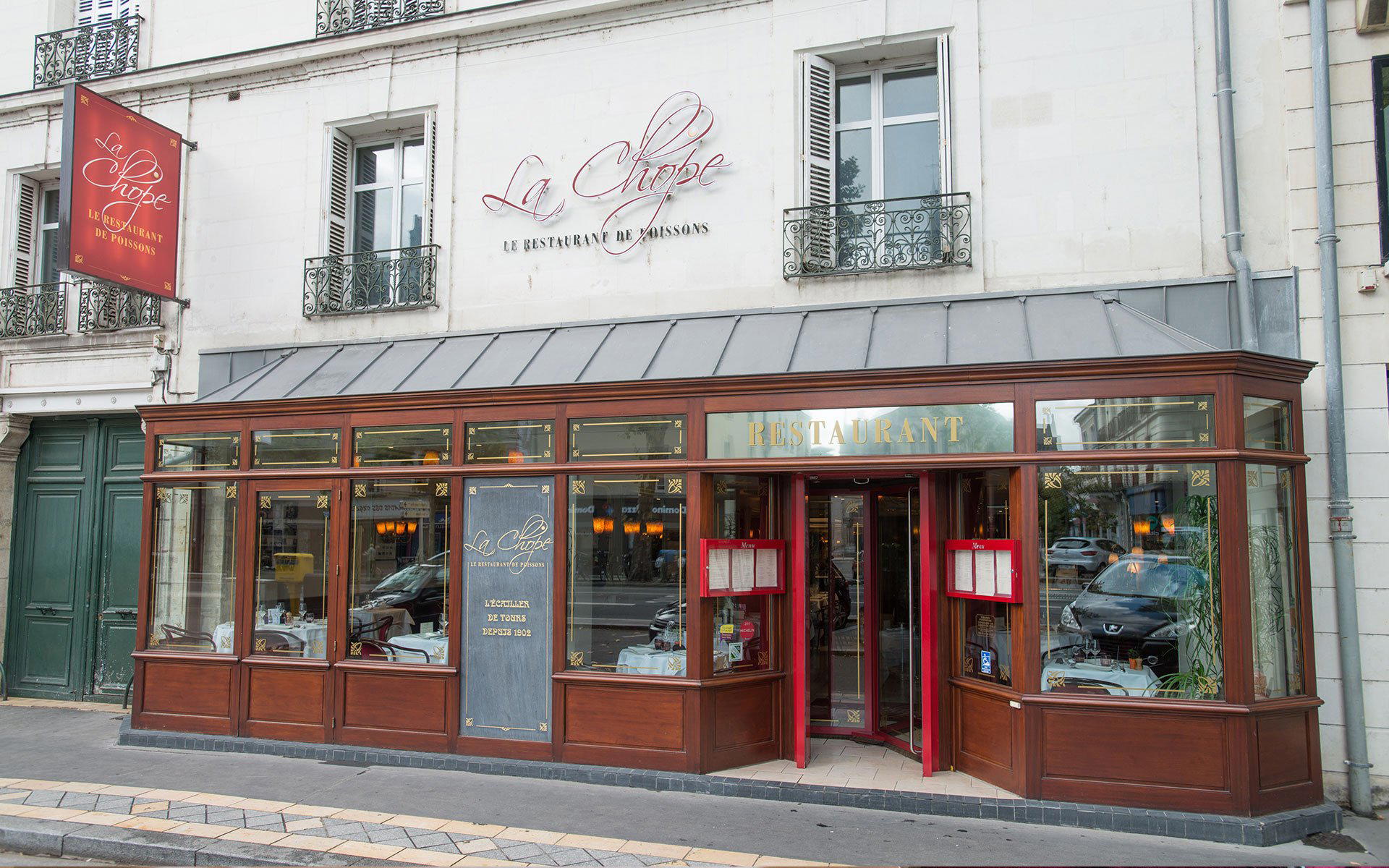
Avenue de Grammont and the Bistro Baseline of Tours
Avenue de Grammont is one of Tours' main arteries running south from the city centre, and the establishments along it tend to reflect the city's working relationship with its own food culture: unpretentious, rooted in the Loire Valley's agricultural wealth, and largely indifferent to the kind of narrative packaging that Parisian dining rooms sell alongside the bread basket. La Chope, a classic French brasserie with seafood in Tours, sits inside this tradition. The address places it in a part of Tours that draws locals rather than hotel guests with a city map, which tells you something about who this place is actually feeding.
The Loire Valley is one of France's most productive agricultural corridors. It supplies the kitchens of the region with goat's cheese from the Touraine, freshwater fish from the river itself, asparagus from the sandy soils around Vineuil, and rillettes that have been a Tours staple for several centuries. The question worth asking of any bistro in this city is how directly it connects to that supply chain, and whether the menu reflects what is actually growing and moving through the region's markets or defaults to a generic French brasserie template. The address on Grammont suggests the latter is less likely here than at the more tourist-facing options near the old town.
What the Ingredient Sourcing Tradition Demands
French provincial bistros operate under a different logic than their capital counterparts. In Paris, sourcing narratives have become a marketing tool, name-checked on menus and pressed into service in press releases. In cities like Tours, the same sourcing often happens without annotation because the supply lines are shorter and the relationships between kitchen and producer are older. Markets like the Halles de Tours, a few kilometres north, remain active working spaces for restaurant procurement, and the rhythms of the Loire Valley calendar, white asparagus in spring, carp and pike year-round, game in autumn, shape what a kitchen can honestly put on a plate.
This is the context that frames any honest assessment of what a bistro on Grammont can deliver. It is not competing with the three-Michelin-star logic of, say, Mirazur in Menton or the precision tasting-menu format of Troisgros - Le Bois sans Feuilles in Ouches. The relevant comparable set is Tours' own neighbourhood bistro tier, which includes places like Bistrot des Halles and Au Martin Bleu, both operating in the same register of everyday French cooking where quality is measured by consistency and honest use of what the region produces rather than by technical innovation.
The Physical Setting and What It Signals
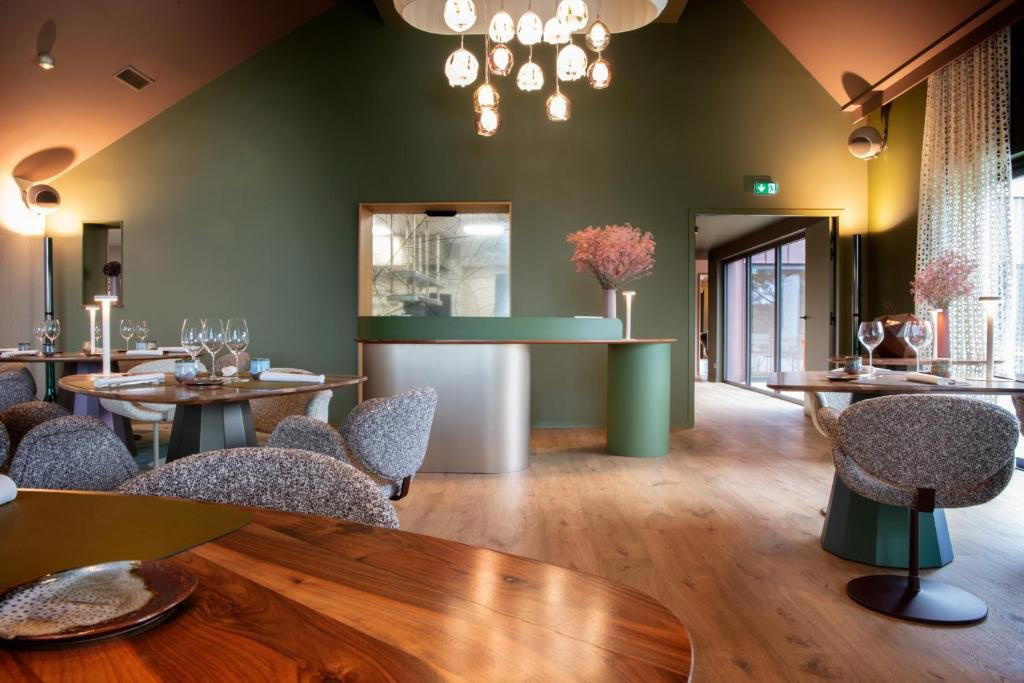
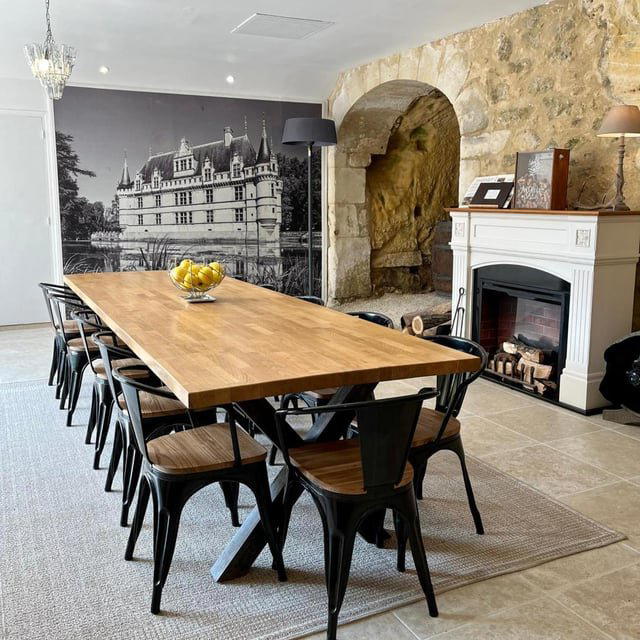
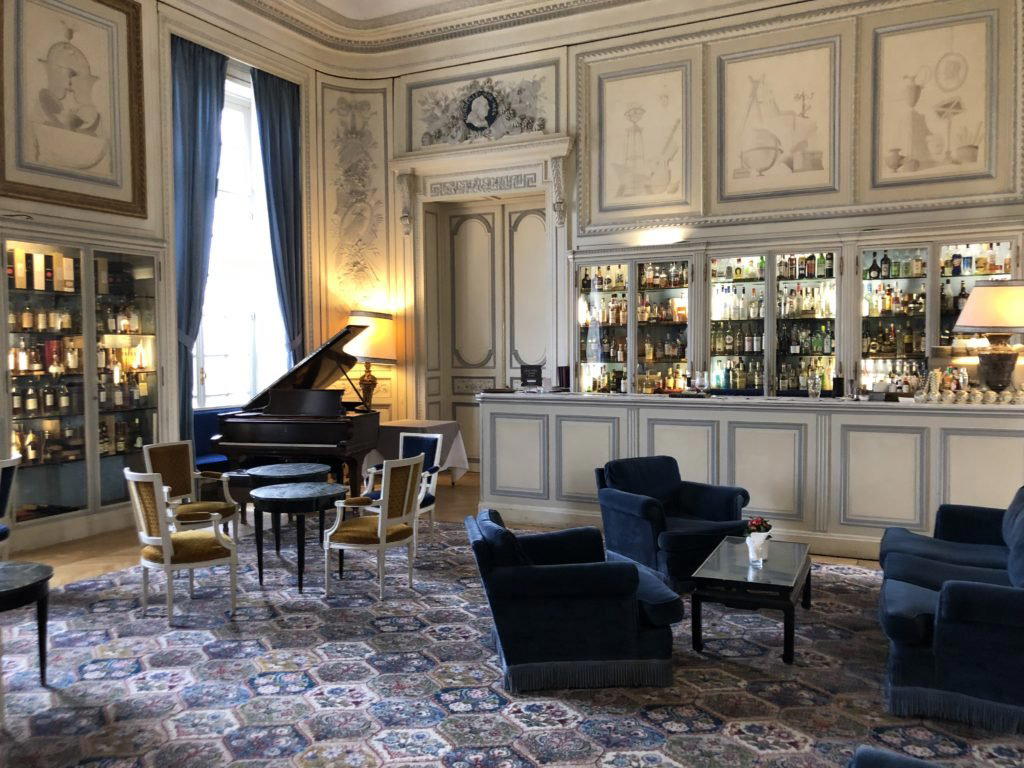
Approaching a bistro on a broad avenue in a French provincial city, you read the room before you enter it. The positioning on Grammont, away from the heavily touristed rue Colbert and place Plumereau quarter, signals an establishment that relies on repeat clientele. Rooms like this, in cities across central France, tend to organise around a zinc bar, closely spaced tables, and a chalkboard that changes with the market rather than a printed menu designed to survive the season. The atmosphere at midday skews toward professionals, tradespeople, and local residents, while evenings draw a different frequency of regulars.
The French neighbourhood bistro format has faced real pressure over the past two decades. The combination of rising food costs, a thinning pool of trained kitchen staff in provincial cities, and competition from brasserie chains has closed many of the rooms that once defined this register of French eating. What survives tends to do so because it has a loyal local constituency and a kitchen that keeps its promises. The fact that La Chope persists on an avenue that has seen considerable commercial turnover is, in itself, a form of evidence worth weighing.
Placing La Chope Inside Tours' Dining Spectrum
Tours' restaurant scene has a clear internal geography. The gastronomy end is represented by establishments operating at the €€€ price tier, such as La Roche Le Roy, and by modern cuisine addresses like Case. and Casse-Cailloux that have moved the city's contemporary offer forward. The broader bistro and brasserie middle is where most of the city actually eats on a weekday. The restaurant operates in that middle register, which is the more difficult one to navigate as a visitor because the quality variance between good and mediocre at this price point is wide and not always legible from the exterior.
For context, the institutional standard-bearers of French regional cooking, places like Auberge de l'Ill in Illhaeusern or Bras in Laguiole, have built their reputations precisely on deep engagement with regional terroir. The bistro version of that commitment is less dramatic but follows the same underlying principle: cook what the land and river produce, cook it properly, and do not overcomplicate it. That discipline, applied at a neighbourhood scale, is what separates a functional lunch address from one worth returning to.
Other well-regarded French restaurants that have defined the country's approach to regional sourcing include Paul Bocuse - L'Auberge du Pont de Collonges in Collonges-au-Mont-d'Or, Flocons de Sel in Megève, and Assiette Champenoise in Reims, all of which operate at significantly higher price points than a Grammont bistro but establish the philosophical lineage that filters down through French regional cooking at every level. The Bistrot des Belles Caves in Tours offers another useful reference point within the city itself.
Planning Your Visit
The restaurant is located at 25 Bis Avenue de Grammont, Tours. For French bistros in this tier and city, reservations are recommended, particularly midweek when local regulars fill tables. Lunch service on weekdays is typically one active sitting in this format.
At-a-Glance Comparison
Comparable venues nearby, for context on price, style, and recognition.
| Venue | Cuisine | Price | Notes |
|---|---|---|---|
| La ChopeThis venue — the venue you are viewing | Classic French Brasserie with Seafood | $$ | Not listed |
| Le Chien Jaune | Traditional French Bistro | $$ | Centre-ville |
| Restaurant Le Turon | Traditional French Bistro | $$ | Historic Center |
| Bistrot des Belles Caves | French Bistronomique | $$ | Centre-ville |
| Bistrot des Halles | Traditional French Bistro | $$ | Place Gaston-Paillhou |
| Le Chien Fou | Traditional French Bistro | $$ | Vieux Tours |

At a Glance
- Classic
- Elegant
- Cozy
- Historic
- Family
- Business Dinner
- Special Occasion
- Historic Building
- Extensive Wine List
- Local Sourcing
Current opening hours
- Monday
- 12–2 PM, 7:15–10:30 PM
- Tuesday
- 12–2 PM, 7:15–10:30 PM
- Wednesday
- 12–2 PM, 7:15–10:30 PM
- Thursday
- 12–2 PM, 7:15–10:30 PM
- Friday
- 12–2 PM, 7:15–11 PM
- Saturday
- 12–2 PM, 7:15–11 PM
- Sunday
- 12–2 PM, 7:15–10 PM
Hours can change for holidays and private events. Last verified .
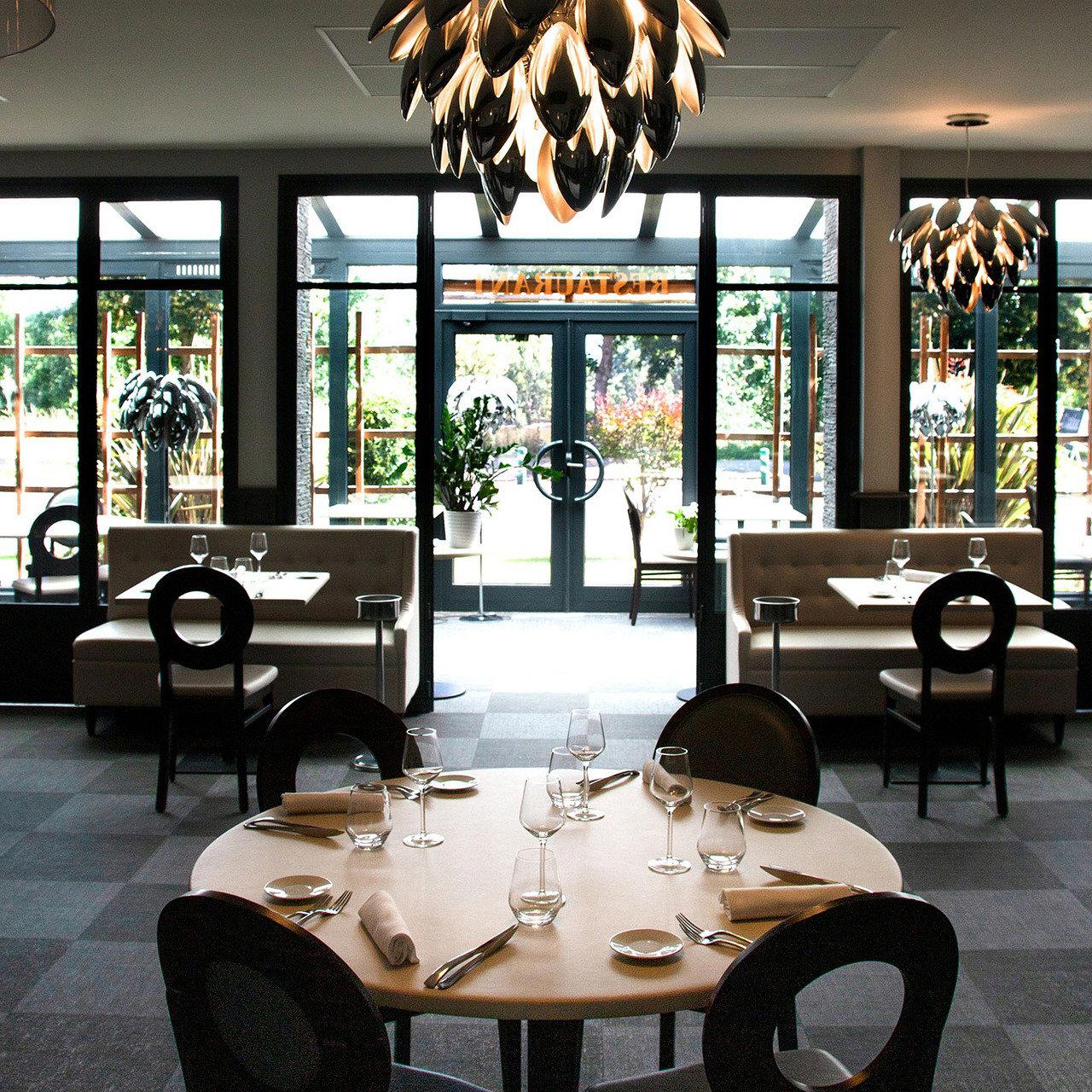
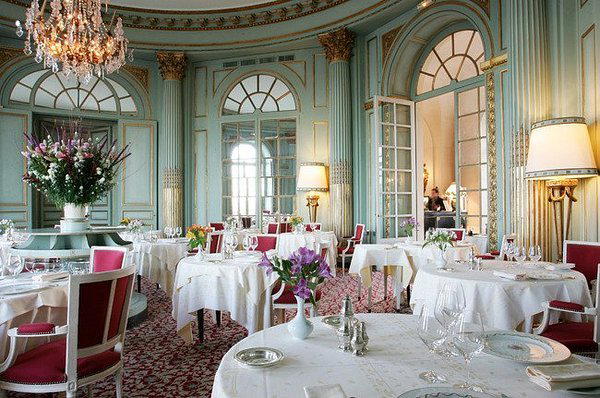
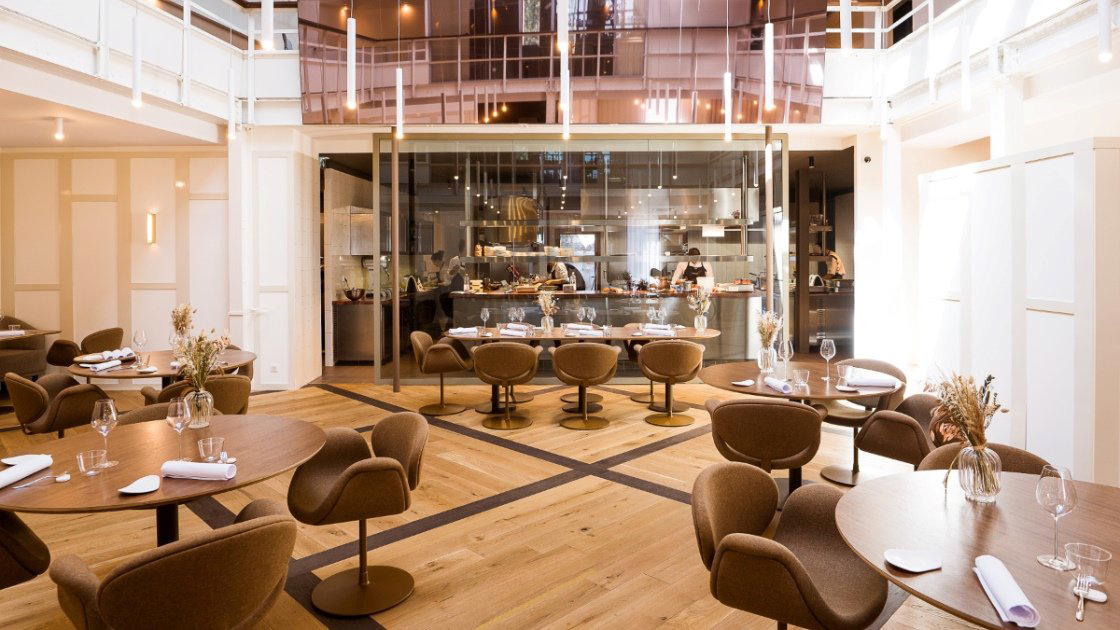
Cosy Parisian brasserie with deep red velvet banquettes, ornate mirrors, tulip lamps, zinc bar, and white tablecloths evoking the Belle Epoque era.