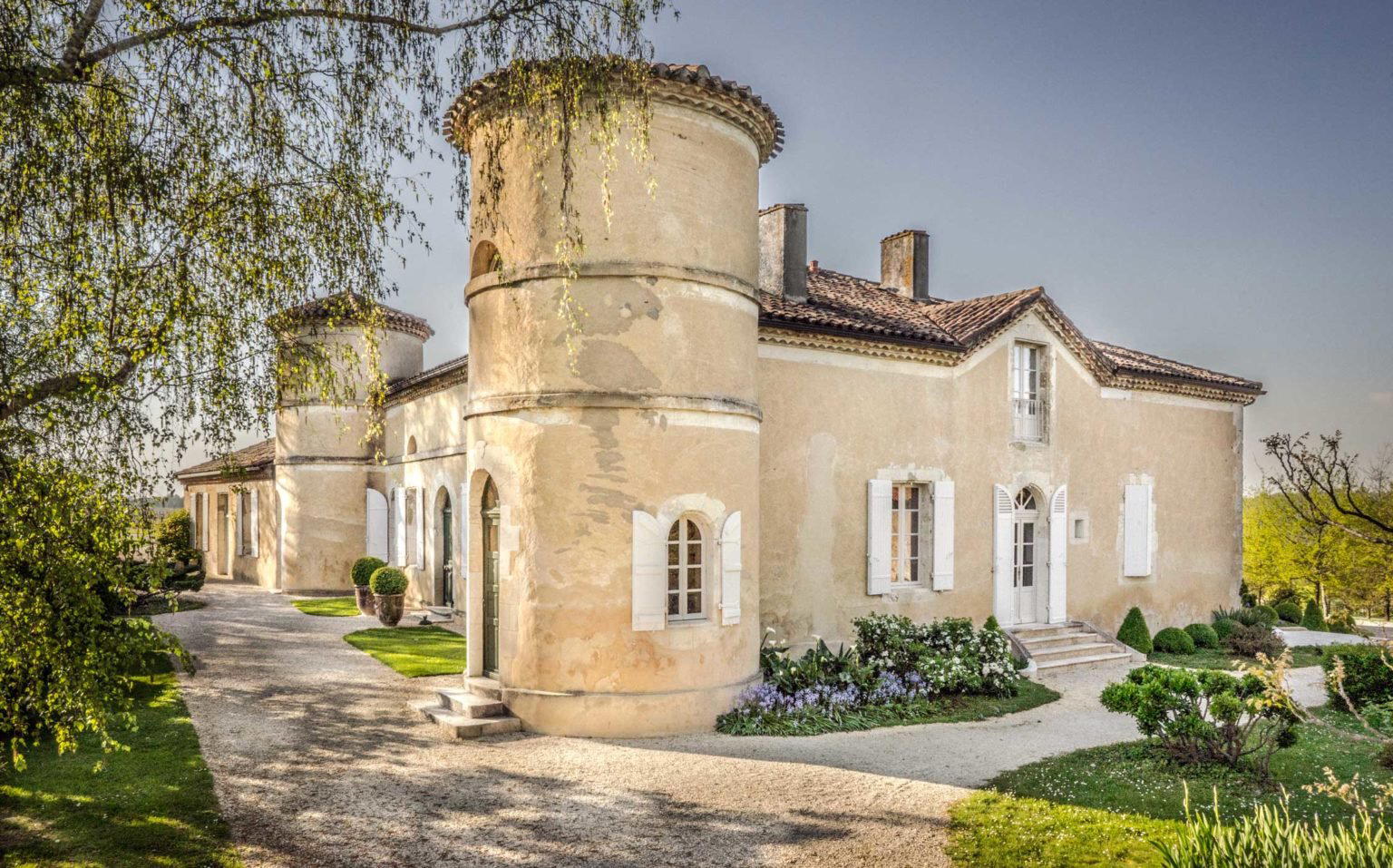
Le Moulin des Saveurs occupies a historic mill address on the Rue du Moulin des Tours in Nérac, a market town in the Lot-et-Garonne department of southwest France. The Lot-et-Garonne is among the more agriculturally productive corridors in the country, and restaurants here draw directly from that supply chain. For travellers moving through Gascony, it represents the kind of address where regional produce sets the agenda.
Pearl is the En Primeur Club membership app — saves, bookings, and concierge access live there. Same editors, same standards.
- Address
- 4 Rue du Moulin des Tours, 47600 Nérac, France
- Phone
- +33553970660
- Website
- moulindessaveurs.com
- Directions
- Get directions
 Saves & bookings on Pearl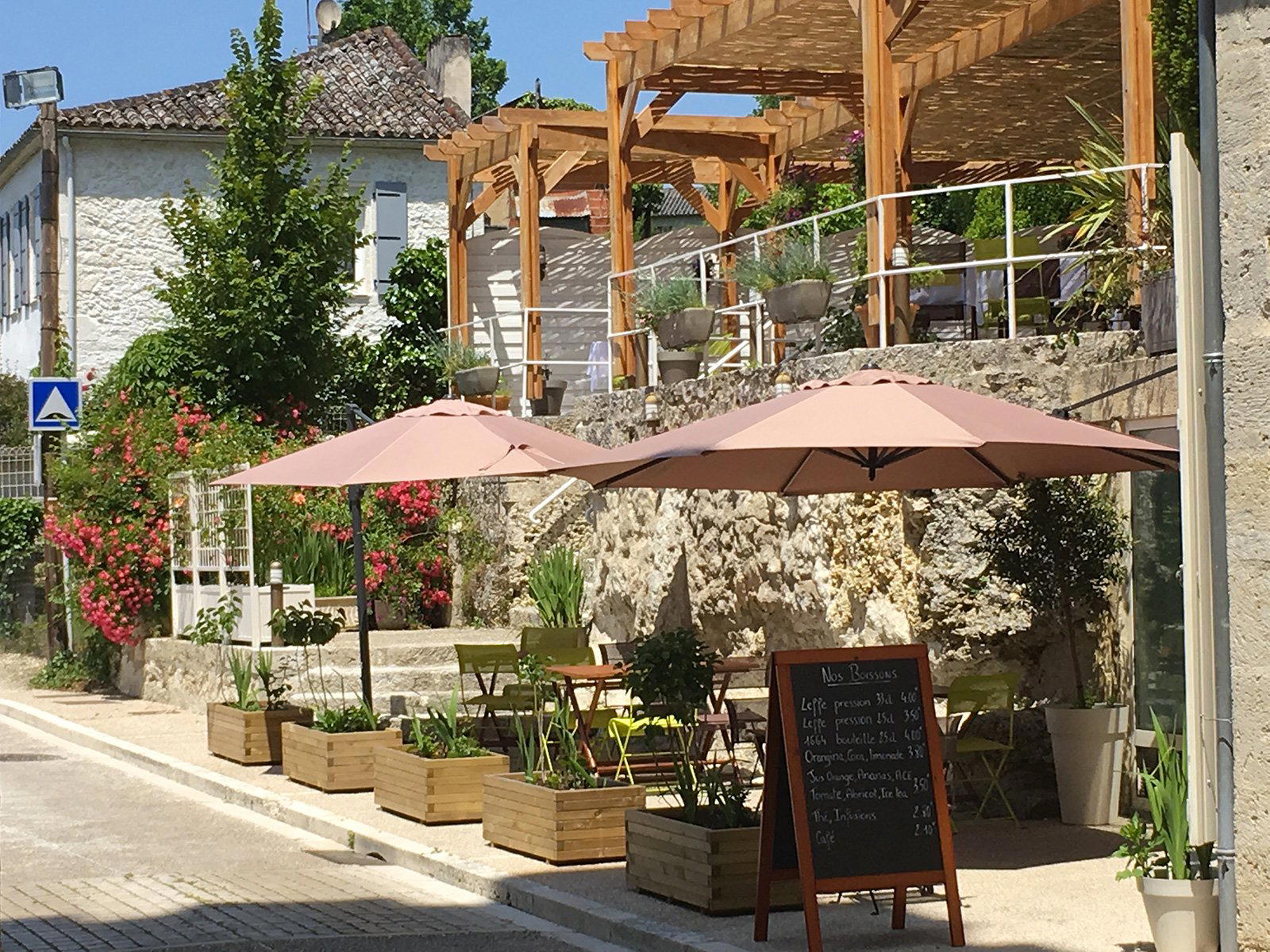
A Mill Address in One of France's Most Agricultural Departments
Southwest France has a way of grounding restaurants in their territory before a dish even arrives. The Lot-et-Garonne, which contains Nérac, is ranked among the leading fruit- and vegetable-producing departments in France, supplying markets from Bordeaux to Paris with strawberries from Marmande, prunes from Agen, garlic, walnuts, and tomatoes grown on flatlands fed by the Garonne and its tributaries. A restaurant at 4 Rue du Moulin des Tours, in the mill quarter of a town that has traded agricultural goods since the medieval period, sits inside that supply geography in a way that restaurants in larger cities cannot replicate by proximity alone.
Nérac itself is a small market town in the northern reaches of Gascony, roughly equidistant between Agen to the east and Mézin to the south. The Baïse river runs through the lower town, and the mill district along its banks has a working character that long predates any restaurant trade. That physical context shapes what a place called Le Moulin des Saveurs signals before you read a menu: the name is not atmospheric branding but a direct reference to the address and the town's milling heritage.
The Lot-et-Garonne Supply Chain and Why It Defines the Plate
The ingredient geography matters here because it shapes the restaurant's cooking. The Lot-et-Garonne's agricultural identity is not incidental to its cooking tradition. Foie gras production runs through the Gers and Landes directly to the south and west; Armagnac country begins a short drive away; black Périgord truffles come in from the Dordogne to the north during winter months. A restaurant operating in Nérac has access, without long supply chains, to materials that larger French cities pay significant premiums to source.
This is the structural advantage of provincial French dining at its most concentrated. Compare it to how Bras in Laguiole built its identity around Aubrac plateau terroir, or how Auberge du Vieux Puits in Fontjoncouse operates from a village of under 100 inhabitants, partly because the southern French larder is that deep. The principle is consistent: proximity to agricultural production, when a kitchen takes it seriously, produces a different category of cooking than sourcing through intermediaries.
Provincial Gascon kitchens have historically worked with duck confit, magret, garbure, and the full grammar of preserved and braised preparation. But the Lot-et-Garonne also supports lighter, market-driven cooking in summer months, when the department's fruit and vegetable output peaks. The seasonal shift from winter preservation to summer freshness is a structural feature of kitchens in this corridor, and it marks the rhythm of what ends up on the plate.
Nérac in the Context of Southwest French Dining
Nérac does not appear on the Michelin map the way Eugénie-les-Bains or Poudenas does. It is a working market town, not a gastronomic destination in the promotional sense. That positioning means dining there operates closer to local rhythms than to tourist expectations. The restaurants that hold ground in places like this tend to succeed on the strength of regular trade: market day clientele, local producers eating nearby, and travellers who arrive specifically rather than accidentally.
For context on the wider French fine dining field, the addresses that draw international attention operate in a different register entirely. Mirazur in Menton built its identity around garden-to-table sourcing at the three-Michelin-star level. Flocons de Sel in Megève does the same in an Alpine context. Alléno Paris au Pavillon Ledoyen in Paris operates at the formal Parisian summit. These are useful reference points not because Le Moulin des Saveurs competes with them, but because the sourcing logic that defines those celebrated kitchens is often easier to execute, at lower cost, in departments like the Lot-et-Garonne where the raw materials are already there.
Other points of comparison within the southwest: Auberge de l'Ill in Illhaeusern demonstrates how a river-adjacent address in a small French town can sustain serious cooking over generations. Georges Blanc in Vonnas shows how a village restaurant can become the primary reason to visit a commune. In both cases, the relationship between local supply and kitchen ambition is the mechanism, not any single name or concept.
Within Nérac itself, Mr Guss represents the modern cuisine end of the local offer.
Getting There and When to Go
Nérac sits approximately 25 kilometres west of Agen, which is the nearest city with a TGV connection to Paris (roughly three hours). From Agen, Nérac is accessible by regional train or by road in under 30 minutes. Travellers arriving from Bordeaux can reach Nérac in around an hour by car via the A62. The town has no airport of its own; Bordeaux-Mérignac is the practical hub for international arrivals targeting this part of Gascony.
Timing matters in this agricultural context. The Lot-et-Garonne's markets are at their fullest from May through September, when strawberry and tomato seasons overlap and stone fruit is at volume. Agen's prune harvest falls in late summer into autumn, and truffle season from the Périgord runs December through February. A kitchen this closely tied to its supply geography will reflect those shifts, which makes repeat visits across seasons a different experience each time.
Le Moulin des Saveurs is recommended for reservations and follows smart casual dress.
Comparable Venues
Comparable venues nearby, for context on price, style, and recognition.
| Venue | Cuisine | Price | Awards | Notes |
|---|---|---|---|---|
| Le Moulin des SaveursThis venue — the venue you are viewing | Modern Gascon with Local Terroir | $$$ | Not listed | Not listed |
| Mr Guss | Modern French Fine Dining | $$$ | Michelin Plate | Nérac |
| Atelier de Candale | Seasonal French wine‑country restaurant in the vineyards | $$$ | Not listed | Saint-Laurent-des-Combes / Saint-Émilion vineyards |
| Restaurant du quercy | Traditional French Quercy Regional Cuisine | $$$ | Not listed | Faubourg d'Auriac |
| Le Petit Canard | Traditional French Duck Bistro | $$$ | Not listed | 9th arrondissement |
| Capelo | Bistronomic Périgourdine | $$$ | Not listed | Périgueux |
Continue exploring
More in Nérac
Restaurants in Nérac
Browse all →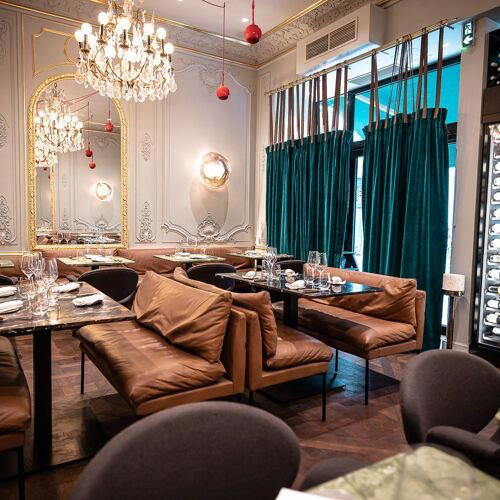

At a Glance
- Cozy
- Elegant
- Romantic
- Historic
- Date Night
- Special Occasion
- Celebration
- Group Dining
- Wine Cellar
- Historic Building
- Private Dining
- Terrace
- Local Sourcing
- Farm To Table
Current opening hours
- Monday
- Closed
- Tuesday
- Open 24 hours
- Wednesday
- 12–1:30 PM, 7:30–8:30 PM
- Thursday
- 12–1:30 PM
- Friday
- 12–1:30 PM, 7:30–8:30 PM
- Saturday
- 12–1:30 PM, 7:30–8:30 PM
- Sunday
- 12–1:30 PM
Hours can change for holidays and private events. Last verified .
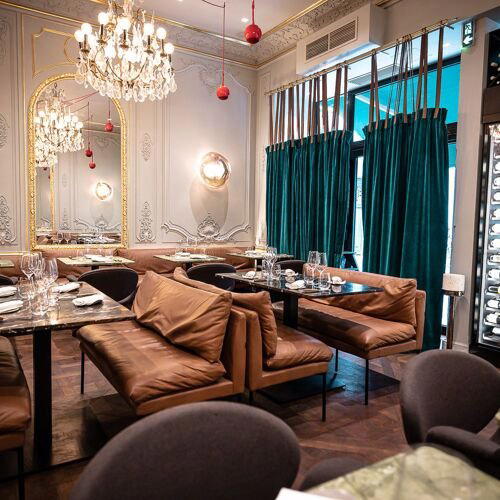
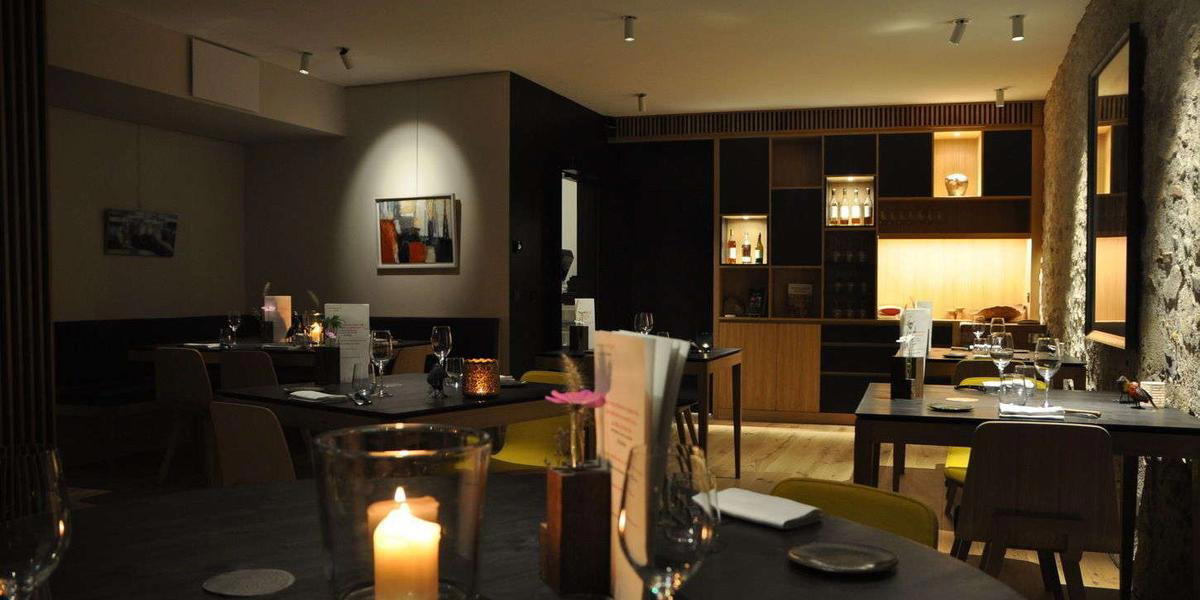
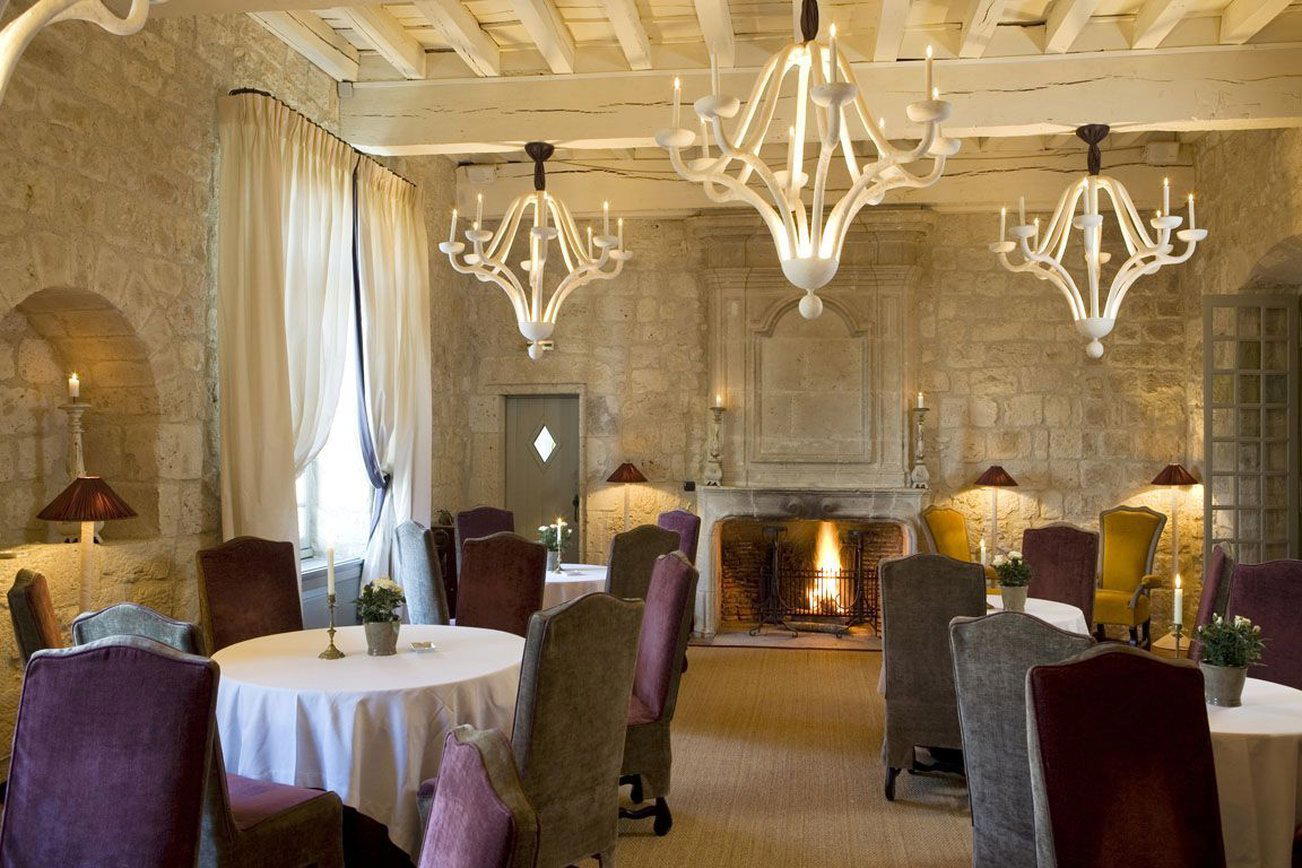
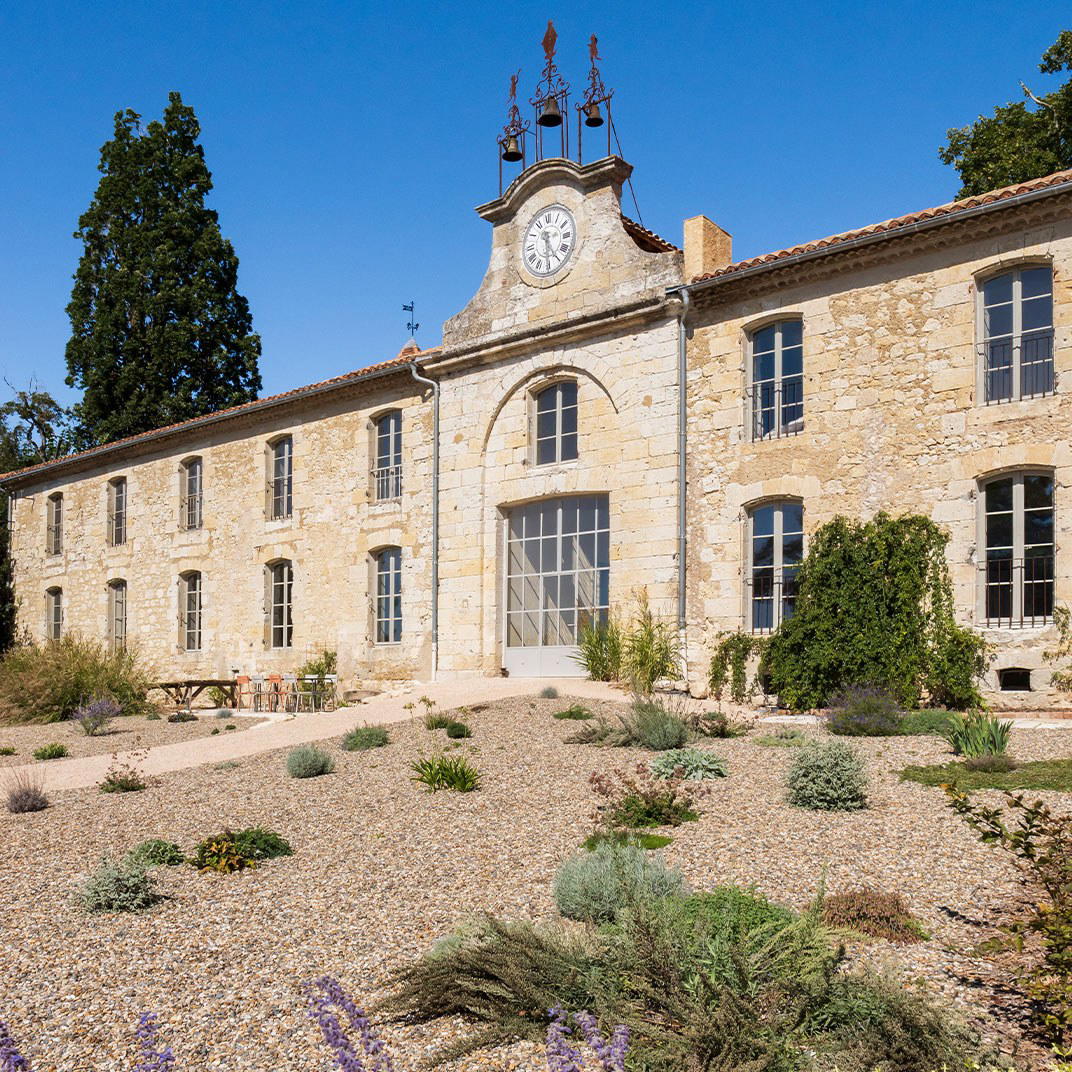
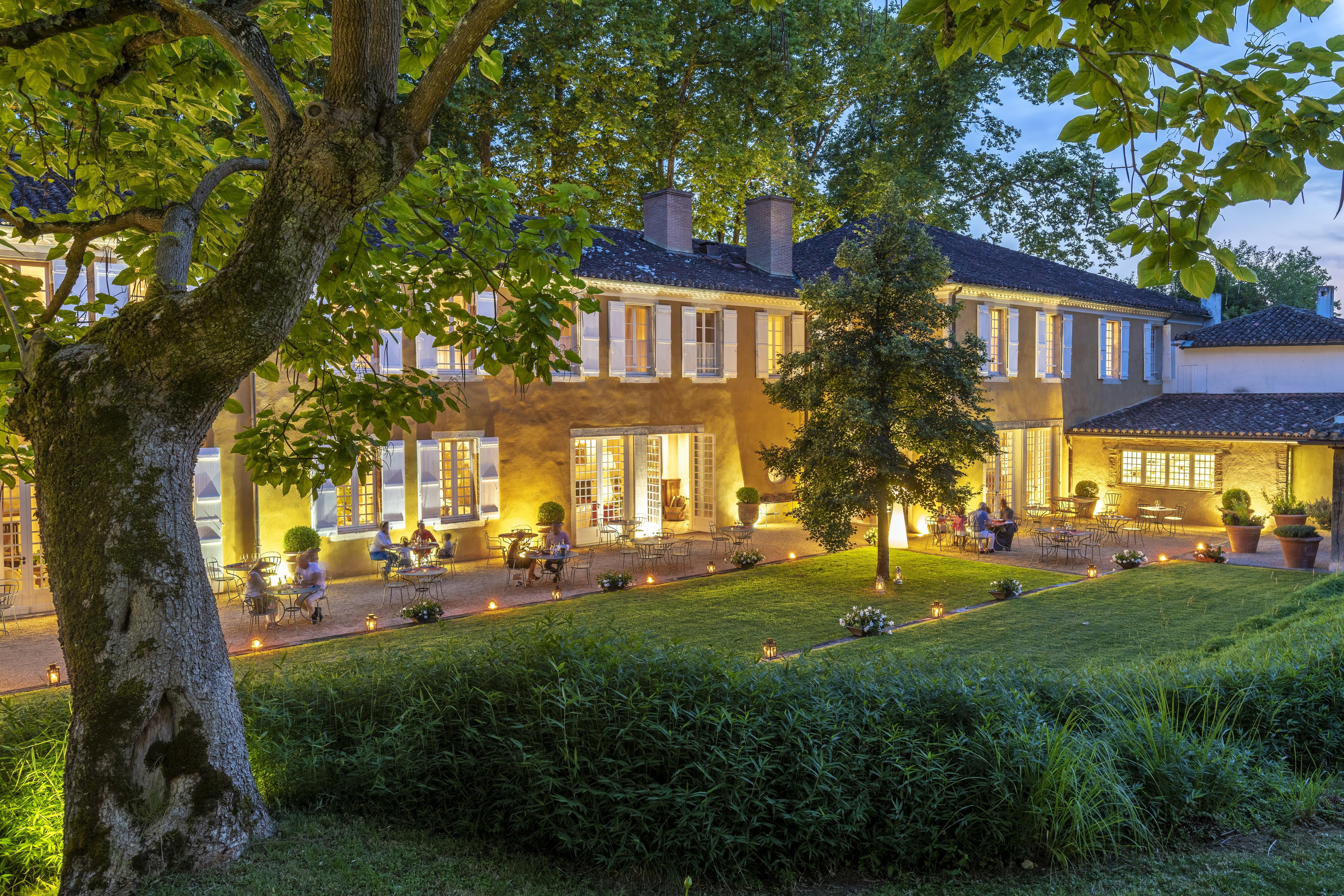
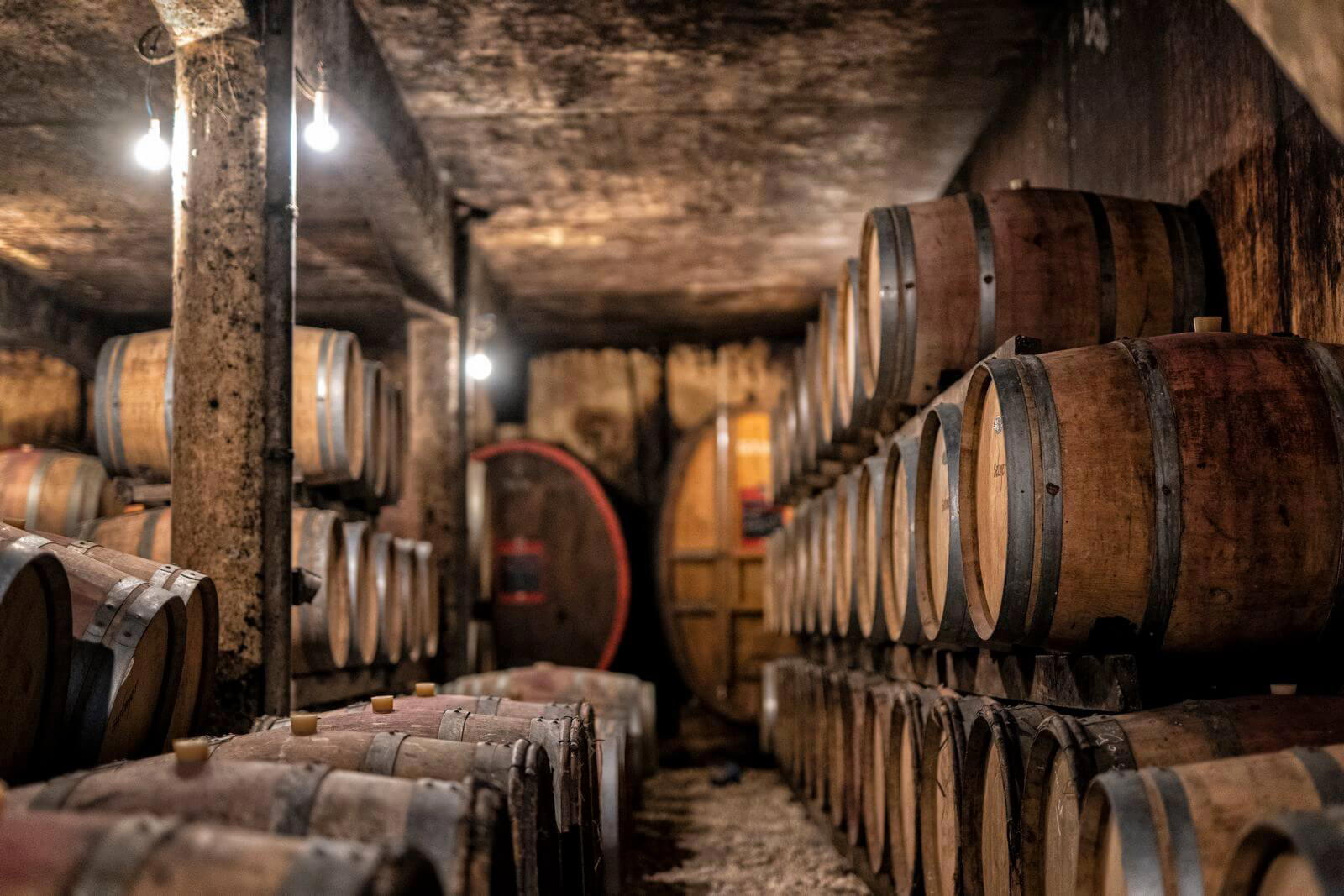
Cozy and refined with warm lighting in the wine cellar area; can be dimly lit in warmer months but offers brighter street-level seating. Convivial yet sophisticated atmosphere in a historic stone setting.