Le Moulin de L'Imaginaire

Michelin Plate
Our verdict
A Michelin Plate-recognised table in the heart of the Périgord Noir, Le Moulin de L'Imaginaire grounds traditional French cuisine in one of Dordogne's most produce-rich corners. it occupies the reliable, ingredient-led tier of regional cooking that provincial France does better than almost anywhere else.

Pearl is the En Primeur Club membership app, where members save venues, book tables and use the concierge.
The menu
What to order
- Tête de veau sauce ravigote
- Aile de raie grenobloise
- Pintade fermière aux carottes
Where the Dordogne Sets the Table
Terrasson-Lavilledieu sits on the Vézère river in the Périgord Noir, a stretch of southwestern France where the cooking tradition is less a matter of fashion and more a matter of geography. Black truffles come out of the ground nearby. Walnut orchards line the river valleys. Duck and goose have been raised here for centuries, their fat rendering into the base of a regional cuisine that predates any formal gastronomy movement. It is the kind of place where what ends up on the plate is largely determined before a chef ever enters the kitchen.
What a Michelin Plate Actually Signals in Provincial France
The Michelin Plate is the guide's marker for cooking that is simply good: fresh ingredients, proper preparation, a complete and satisfying plate. It sits below the Star tier but above the undifferentiated mass of the guide's universe, and in provincial France it tends to identify the restaurants that serious local eaters return to rather than the destinations that attract passing food tourists. For context, France's most decorated tables, from Alléno Paris au Pavillon Ledoyen in Paris to Mirazur in Menton, operate in a tier defined by transformation and creative ambition. The Plate tier is defined by something different: fidelity to a tradition and execution that earns repeat business.
In a region as ingredient-saturated as the Périgord, that fidelity matters more than usual. The sourcing questions that chefs in Paris or Lyon must actively answer through relationships and logistics are answered here almost by default. The relevant question at a table like this is not where the produce comes from but whether it is handled with enough respect to let it speak. A two-year consecutive Michelin Plate, sustained across the 2024 and 2025 editions, suggests the answer is yes.
The Périgord Pantry: Why Sourcing Is the Story Here
The Périgord Noir is among the most discussed food-producing regions in France, and not because of its restaurants. The truffle market at Sainte-Alvère, the foie gras farms along the Dordogne tributaries, the walnut oil pressed in small mills, the strawberries of the Périgord bearing their own protected designation, these are the raw materials that define the regional table. Traditional cuisine in this corridor means working within that pantry: using duck confit, walnut-dressed salads, truffle-laced sauces, and seasonal vegetables in a way that reads as honest rather than constructed.
For any restaurant operating at the €€ price point in this territory, the sourcing advantage is also a competitive requirement. Diners who live here know what the ingredients should taste like. They have eaten duck from these farms their whole lives. The gap between produce that was genuinely local and recently alive and produce that was merely adequate is readable on the plate in a way that is harder to mask with technique or presentation.
Internationally recognised traditional French addresses in less produce-dense regions face structurally different challenges. Auberge de l'Ill in Illhaeusern draws on Alsatian produce and a multi-generational reputation. Bras in Laguiole built its identity around Aubrac's wild plateau. Auberge du Vieux Puits in Fontjoncouse operates in the garrigue-scented Corbières. Each of these is a case study in how a regional kitchen draws its identity from a specific landscape's output. Le Moulin de L'Imaginaire belongs to the same logic, scaled to a mid-tier local audience rather than a destination-dining one.
The Mid-Range French Table: A Category Worth Defending
The €€ traditional restaurant is under pressure across France, squeezed between fast-casual formats below and destination fine dining above. What survives in this middle tier tends to be either deeply embedded in its community or cleverly repositioned for food-tourism traffic. In a town like Terrasson-Lavilledieu, which draws visitors through the summer months partly on the strength of its gardens and Vézère valley scenery, a well-regarded traditional table serves both functions.
For comparison, the trajectory of traditional cuisine in more urban French settings shows the category fragmenting: in Paris, the €€€€ tier is where the Michelin action concentrates, with tables like Assiette Champenoise in Reims or Troisgros - Le Bois sans Feuilles in Ouches operating in an entirely different economic register. The provincial mid-range table that holds a Michelin Plate across consecutive years is quietly performing a harder act: delivering quality at a price point where there is almost no margin for error and where the local audience has no patience for a restaurant resting on its recognition.
Auberge Grand'Maison in Mûr-de-Bretagne offers a useful parallel in the traditional cuisine category, operating in a similarly small French commune with comparable Michelin recognition. The pattern, when it holds, points to kitchens that understand their geography and resist the urge to over-complicate what their region already does well.
Planning Your Visit
Le Moulin de L'Imaginaire is at 1 Avenue Charles de Gaulle in Terrasson-Lavilledieu, a town roughly equidistant between Brive-la-Gaillarde to the north and Sarlat-la-Canéda to the south, making it a natural stop on a wider Périgord itinerary. The mid-range price point (€€) makes it accessible for a relaxed lunch or dinner without the advance planning required at more structured tasting-menu addresses. For those extending their stay, our full Terrasson-Lavilledieu hotels guide covers accommodation options in the area, and our full Terrasson-Lavilledieu restaurants guide places this table among the town's broader dining picture. Visitors interested in the region's wine and spirits scene can consult our full Terrasson-Lavilledieu wineries guide, while evening options are mapped in our full Terrasson-Lavilledieu bars guide. The town's cultural and outdoor programming is covered in our full Terrasson-Lavilledieu experiences guide.
Frequently asked questions
Is Le Moulin de L'Imaginaire a family-friendly restaurant?
Is Le Moulin de L'Imaginaire better for a quiet night or a lively one?
What dish is Le Moulin de L'Imaginaire famous for?
A Quick Peer Check
| Venue | Cuisine | Price | Awards | Notes |
|---|---|---|---|---|
| Le Moulin de L'ImaginaireThis venue (the venue you are viewing) | Traditional French Bistro | $30–50 | Michelin Plate | Not listed |
| Alléno Paris au Pavillon Ledoyen | Modern French Fine Dining | $150–200 | 3 Michelin Stars · World's 50 Best #79 | Creative |
| Kei | Contemporary French, Modern Cuisine | Not listed | Michelin 3 Star | Not listed |
| L'Ambroisie | Classic French Haute Cuisine | $300–500 | 2 Michelin Stars · World's 50 Best #23 | French, Classic Cuisine |
| Le Cinq - Four Seasons Hôtel George V | Modern French Fine Dining | $300–500 | 3 Michelin Stars · World's 50 Best #24 | French, Modern Cuisine |
| Plénitude | Modern French Sauce-Led Fine Dining | $300–500 | 3 Michelin Stars · World's 50 Best #14 | Contemporary French |
Recognition history
Dated appearances from independent guides and award organizations, with the underlying list record or original source where available.
Michelin Plate
Michelin
Full recognition history (3 entries)
Michelin Plate
Michelin
Michelin Plate
Michelin
Continue exploring
More in Terrasson-Lavilledieu
Restaurants in Terrasson-Lavilledieu
All restaurants in Terrasson-Lavilledieu →
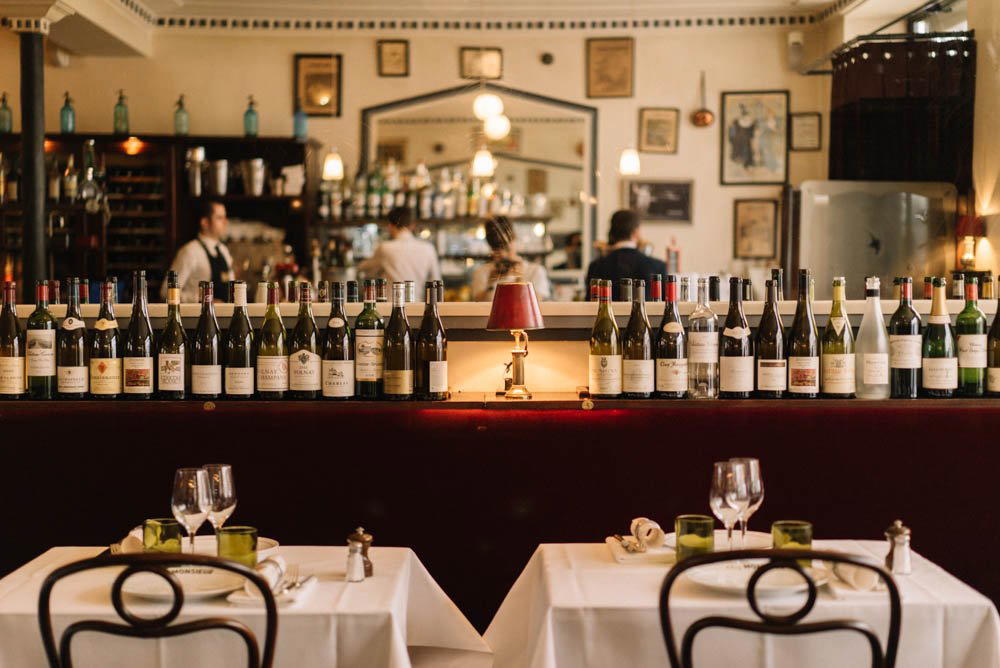
Hotels in Terrasson-Lavilledieu
Browse all →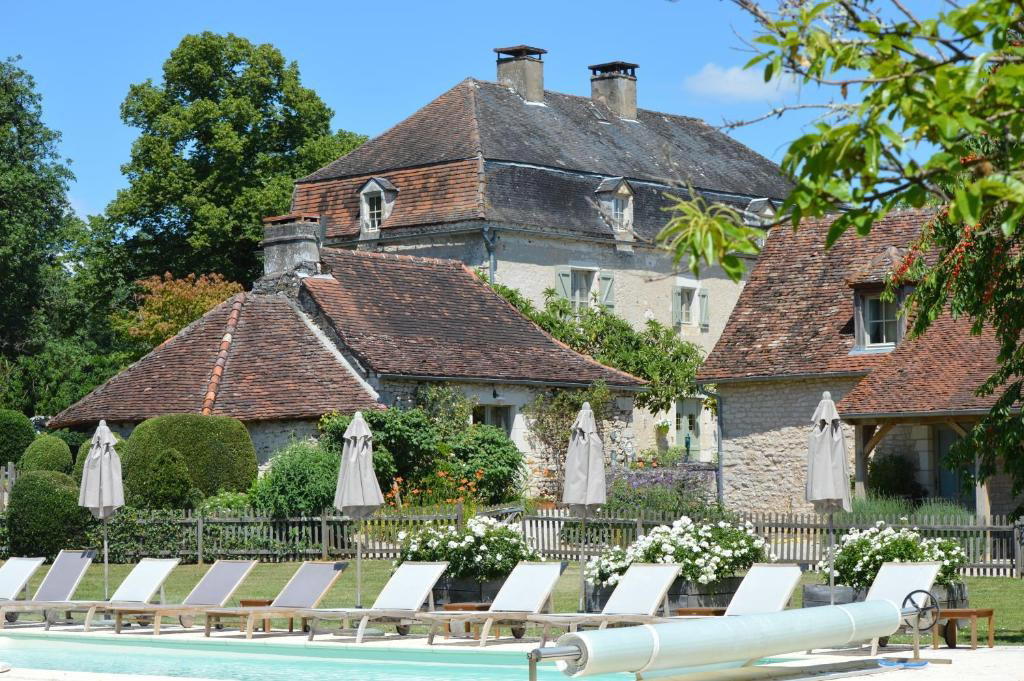
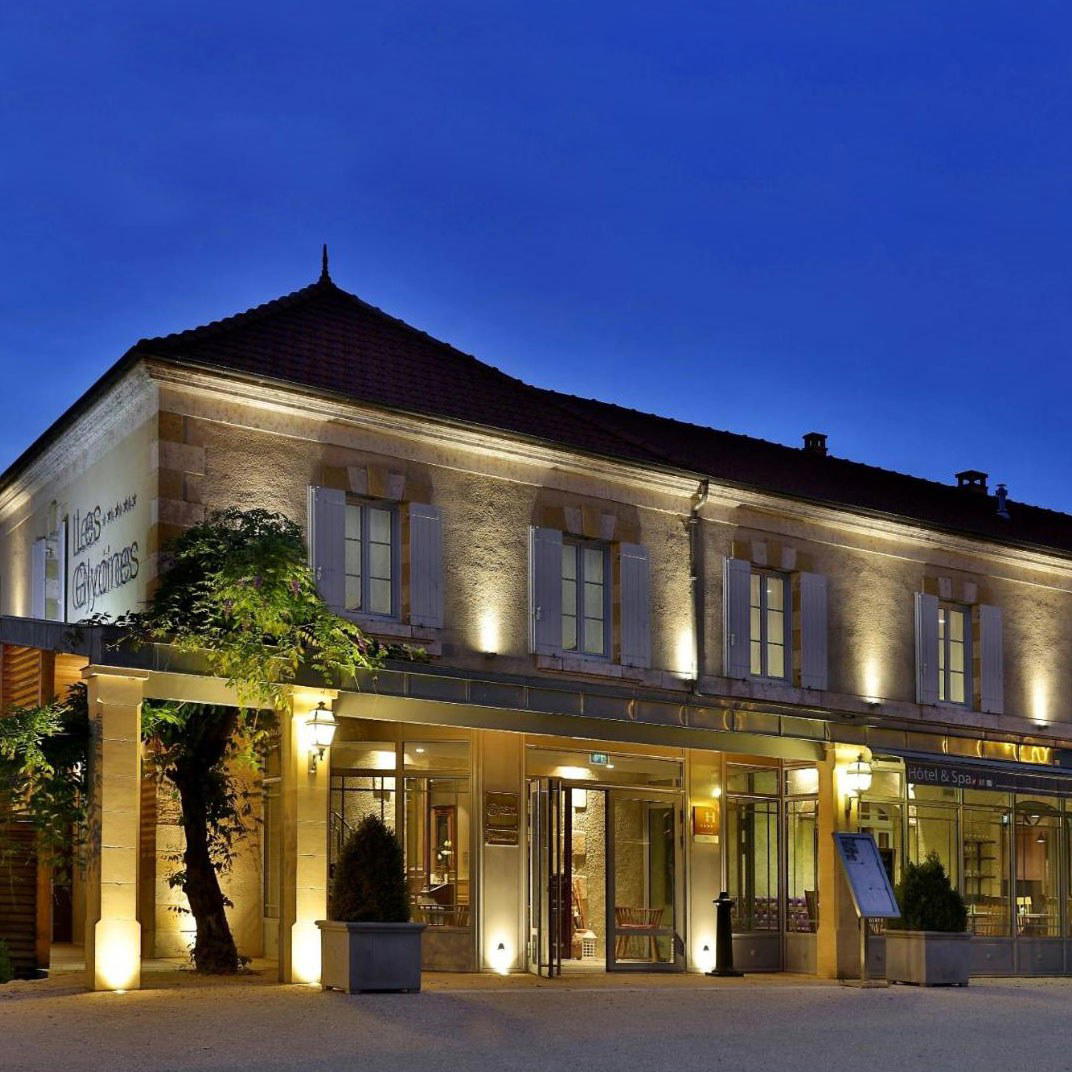
Wineries in Terrasson-Lavilledieu
Browse all →
Details
- Romantic
- Rustic
- Elegant
- Scenic
- Cozy
- Date Night
- Family
- Special Occasion
- Terrace
- Historic Building
- Open Kitchen
- Local Sourcing
- Garden
- A La Carte
- Vegetarian Friendly
Current opening hours
- Monday
- 12–2:30 PM
- Tuesday
- Closed
- Wednesday
- Closed
- Thursday
- 12–2:30 PM, 7–9:30 PM
- Friday
- 12–2:30 PM, 7–9:30 PM
- Saturday
- 12–2:30 PM, 7–9:30 PM
- Sunday
- 12–2:30 PM, 7–9:30 PM
Hours can change for holidays and private events. Hours as of .
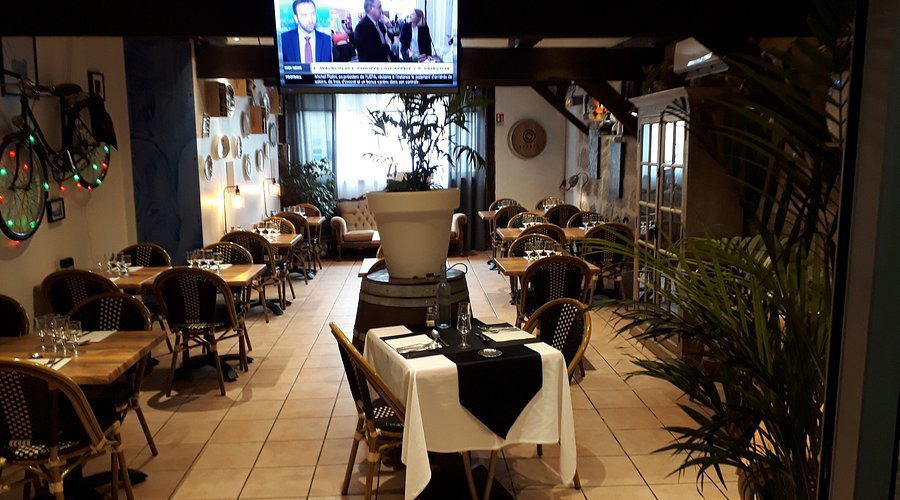
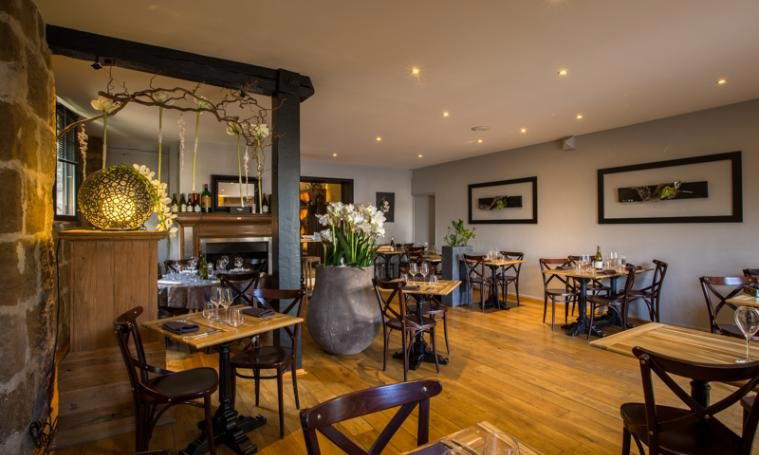
Elegant yet relaxed bistro atmosphere with vegetal tones, pastel beiges, and an épurée decoration echoing the river and nature; convivial and comfortable spaces with open kitchen views.