Le Marion sits on Avenue du Lac Marion in Biarritz, a city where Basque culinary tradition and French coastal cooking overlap in ways few places along the Atlantic coast can match. The address places it within reach of the lake-side quieter quarter, away from the Grand Plage crowds. Visitors planning a meal here should check current opening hours and booking availability directly, as operational details are subject to change.
Pearl is the En Primeur Club membership app — saves, bookings, and concierge access live there. Same editors, same standards.
- Address
- 30 Av. du Lac Marion, 64200 Biarritz, France
- Phone
- +33559431486
- Website
- le-marion.com
- Directions
- Get directions
 Saves & bookings on Pearl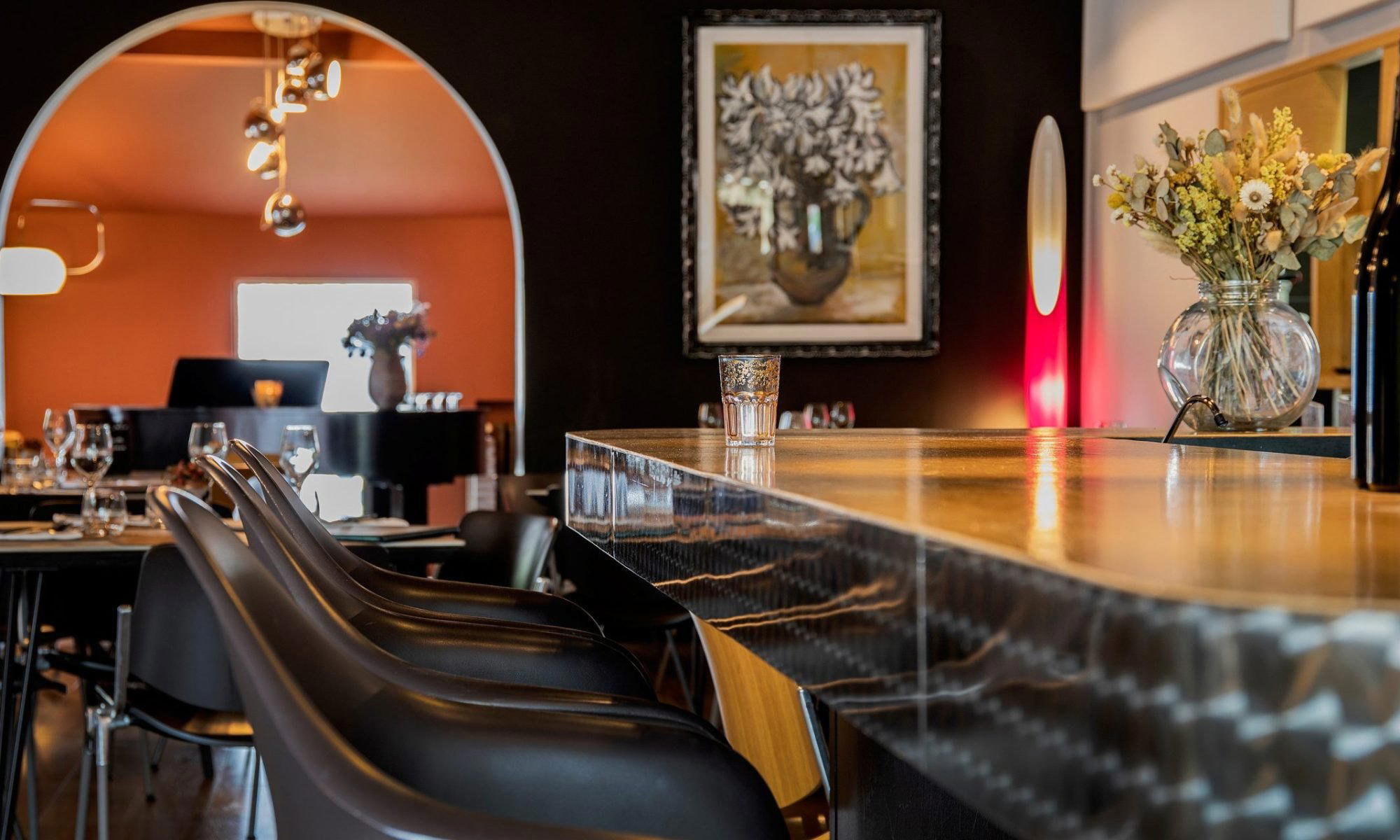
Where the Basque Coast Meets the French Table
Biarritz has always occupied an awkward, productive tension in French dining. It is geographically Basque country — the Pyrenees begin their Atlantic descent just south of the city, and the Basque culinary canon, with its emphasis on salt cod, piment d'Espelette, and seafood cooked close to the fire, runs deep through the region's restaurant culture. Yet Biarritz also carries the imprint of its Belle Époque reinvention as a resort for European aristocracy, which layered classical French hospitality conventions over that Basque foundation. The result is a city where a single street can hold a pintxos bar, a grand hotel dining room, and a modern bistro drawing from both traditions simultaneously. Le Marion, addressed at 30 Avenue du Lac Marion, sits within that context — on a quieter artery than the seafront promenade, in a part of the city where the pace drops and the dining tends toward the considered rather than the convivial-tourist.
The Lac Marion Quarter: Biarritz at a Remove
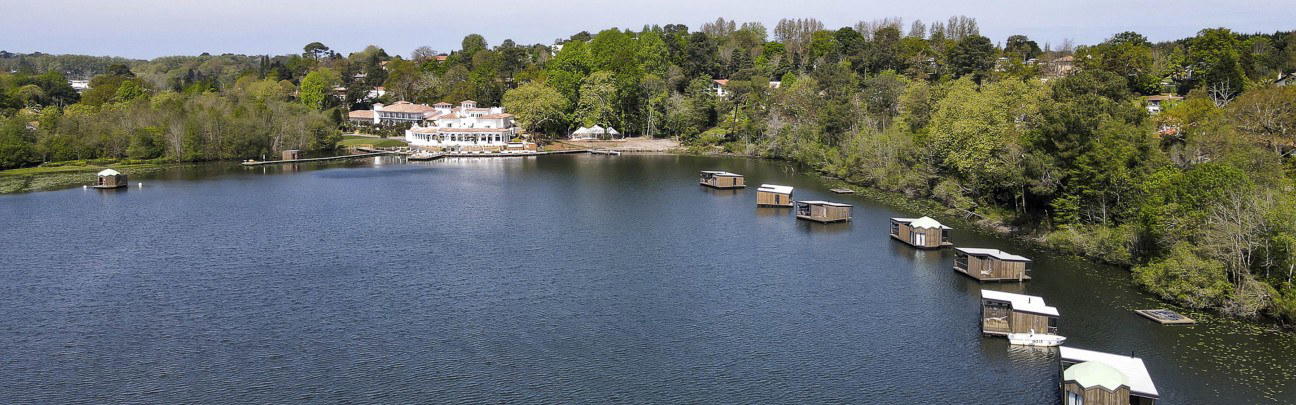
Understanding a restaurant's location in Biarritz matters more than in many French cities of comparable size. The city divides sharply between the Atlantic-facing strip, where the Grand Plage, the casino, and the main commercial dining cluster sit, and the residential and lakeside quarters that ring the interior. Avenue du Lac Marion belongs to the latter. The lake itself, Lac Marion, is a small freshwater reserve that acts as something of a green buffer between the surf-facing Biarritz most visitors know and the quieter residential fabric behind it. Restaurants in this zone tend to draw a local clientele rather than a tourist flow, which shifts the expectations around service cadence, seasonal consistency, and menu depth. It is the part of Biarritz where Parisians with second homes eat on a Tuesday in November, not where groups celebrate post-surf sessions. That distinction matters when choosing where to eat, and it matters when assessing what Le Marion is likely doing and for whom.
The Biarritz Dining Scene: A Competitive Reading
Biarritz punches above its population weight in dining terms, partly because of its affluent visitor base and partly because the Basque food culture that surrounds it, stretching from San Sebastián across the border to Bayonne along the coast, is among the more technically rigorous in Europe. That proximity to San Sebastián, with its density of Michelin-recognised kitchens, creates a useful competitive pressure: Biarritz restaurants that want to attract serious diners cannot afford to coast on location alone.
Within Biarritz itself, the modern dining tier is populated by venues operating at notably different levels of formality and ambition. L'Impertinent operates in the creative register at the €€€ tier, while La Table d'Aurélien Largeau and Les Rosiers both work within modern cuisine at the €€€€ level, the upper end of Biarritz's price range. AHPĒ and Aiete round out a small cluster of venues that together define the considered-dining tier in this city. Our full Biarritz restaurants guide maps the full range of options across neighbourhood and cuisine type.
The Basque-French Kitchen: What the Regional Tradition Demands
Any kitchen operating in Biarritz is working within a culinary tradition that has specific technical and ingredient expectations. Basque cooking is not a vague regional identity, it is a defined set of preparations, a particular attitude toward produce (especially seafood and pepper-based seasoning), and a strong preference for letting the primary ingredient carry the dish. Piment d'Espelette, the mild red pepper grown in the Nive valley and carrying its own AOC designation since 2000, appears in Basque cooking as a finishing note on fish, in sauces, and across egg dishes; its presence in a kitchen signals commitment to sourcing within the regional canon rather than approximating it.
The Atlantic seafood supply that feeds this tradition is genuinely notable by French standards. The Bay of Biscay yields turbot, sea bass, anchovies (Basque anchovies, especially from Getaria across the border in Spain, are a benchmark product), and merlu (hake), which Basque cooks treat with a reverence that can surprise visitors expecting more elaborate preparation. The regional instinct is restraint in technique, precision in timing, and sourcing fidelity, values that align as closely with the modern bistro format as they do with the classical French table.
Across France more broadly, the tradition of regionally-anchored fine dining is maintained by a number of multi-generational houses. Auberge de l'Ill in Illhaeusern and Bras in Laguiole both represent models where rootedness in a specific regional larder became a defining credential rather than a limiting one. At the technical apex, houses like Alléno Paris au Pavillon Ledoyen, Flocons de Sel in Megève, and Mirazur in Menton operate within French cuisine's highest register. Closer to the classical heritage, Paul Bocuse - L'Auberge du Pont de Collonges and Troisgros - Le Bois sans Feuilles remain reference points for what French cuisine looks like when it takes its own tradition seriously. Further afield, Assiette Champenoise in Reims, Au Crocodile in Strasbourg, and AM par Alexandre Mazzia in Marseille illustrate how French regional kitchens continue to develop distinct identities anchored to their geography. For those comparing French dining ambition across the Atlantic, Le Bernardin in New York and Atomix offer useful international counterpoints on what technical precision and cultural grounding can look like outside France's own borders.
Planning a Visit: What to Know Before You Go
Le Marion is located at 30 Avenue du Lac Marion, Biarritz 64200. The lakeside quarter is accessible by car and walkable from the city's central neighbourhoods, though the address sits at a comfortable remove from the Atlantic-side hotel cluster. Visitors staying on the seafront should allow ten to fifteen minutes on foot. Biarritz itself is leading reached via Biarritz-Pays Basque Airport, which handles regular domestic and European routes, or by TGV to Bayonne (approximately ten minutes north by road). Given that operational details including hours, price range, and booking method are not confirmed in available records, contacting the restaurant directly before planning a visit is the appropriate course. Seasonal variation is a real consideration in Biarritz: the city's summer season runs from June through September and draws significantly higher visitor volumes, which tends to affect availability across the dining tier in both directions, stronger kitchens consolidate, while others stretch.
How Le Marion Biarritz compares with similar nearby venues.
| Venue | Cuisine | Price |
|---|---|---|
| Les Rosiers | Modern Cuisine | €€€ |
| AHPĒ | Modern Cuisine | €€ |
At a Glance
- Romantic
- Intimate
- Cozy
- Elegant
- Date Night
- Special Occasion
- Terrace
- Open Kitchen
- Waterfront
Current opening hours
- Monday
- Closed
- Tuesday
- 12–2 PM
- Wednesday
- 12–2 PM
- Thursday
- 12–2 PM
- Friday
- 12–2 PM, 7:30–9 PM
- Saturday
- 12–2 PM, 7:30–9 PM
- Sunday
- 12–2 PM
Hours can change for holidays and private events. Last verified .
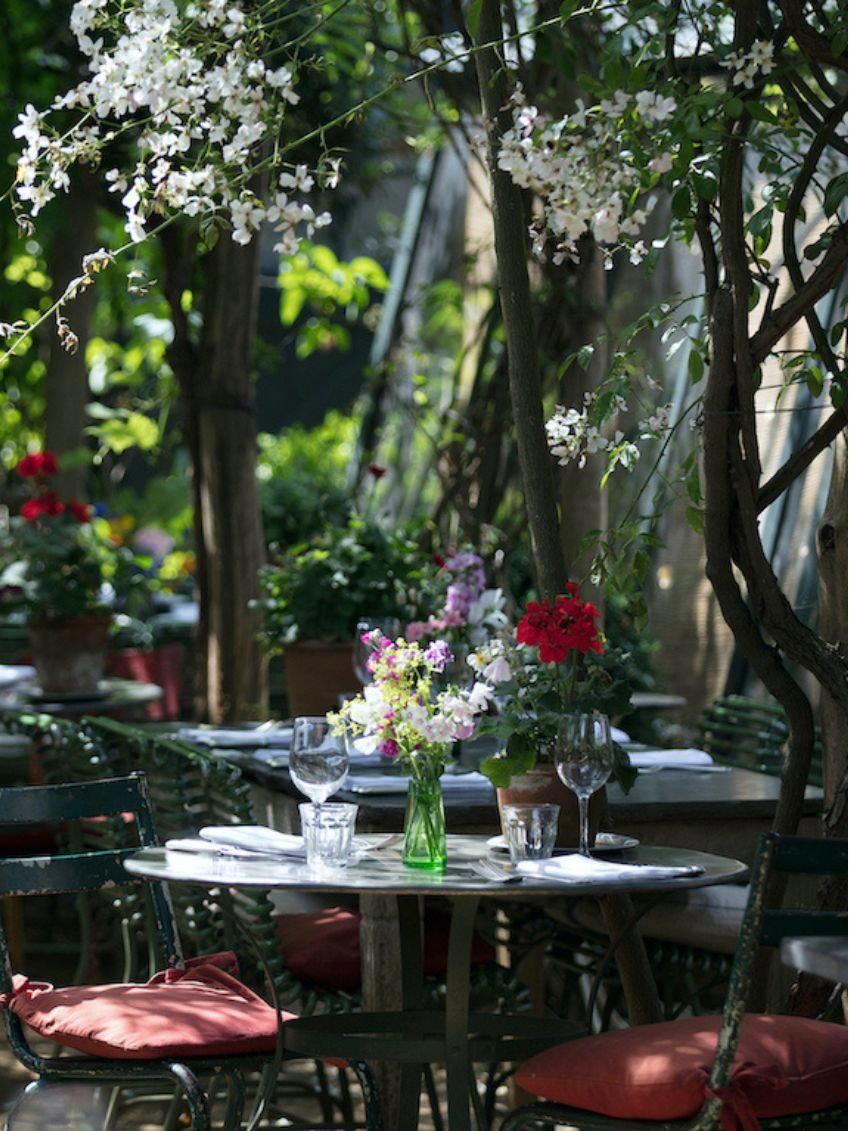
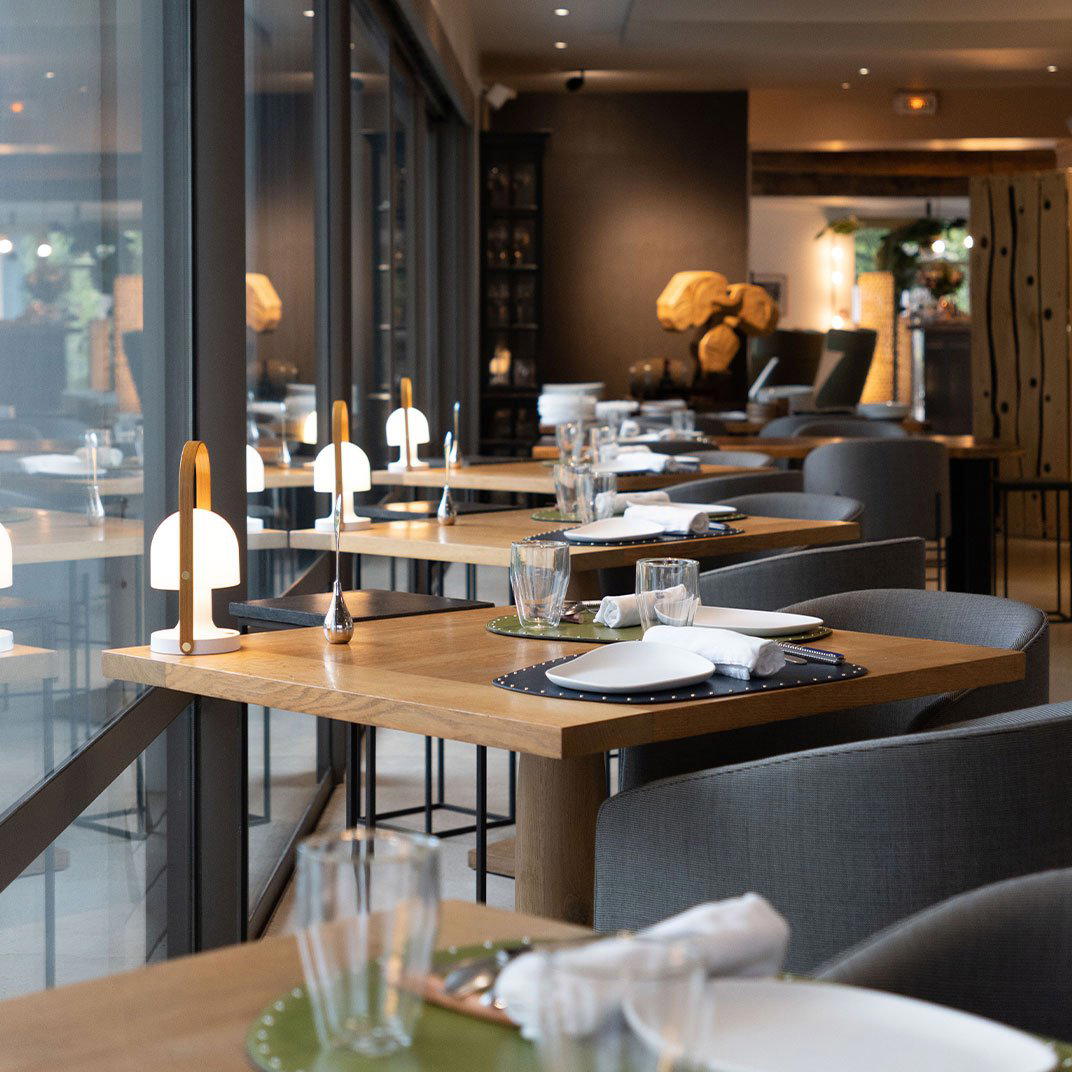
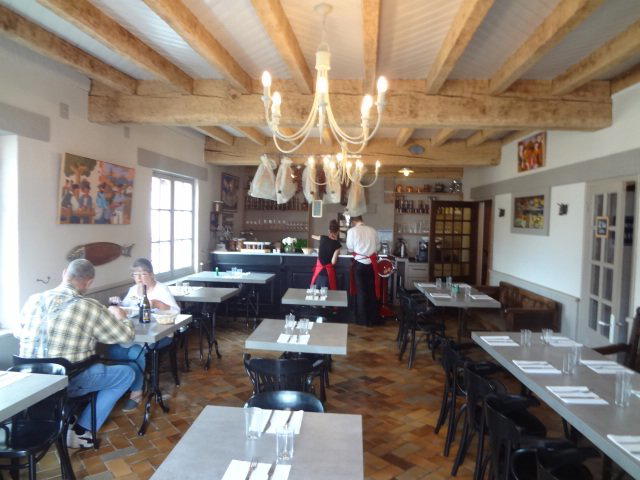
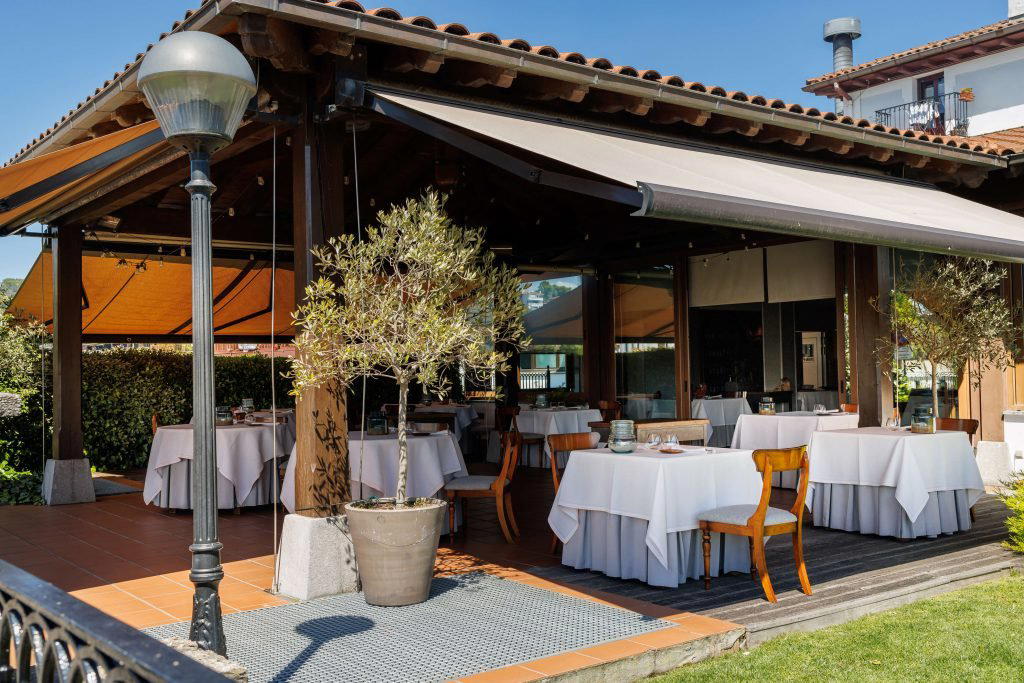
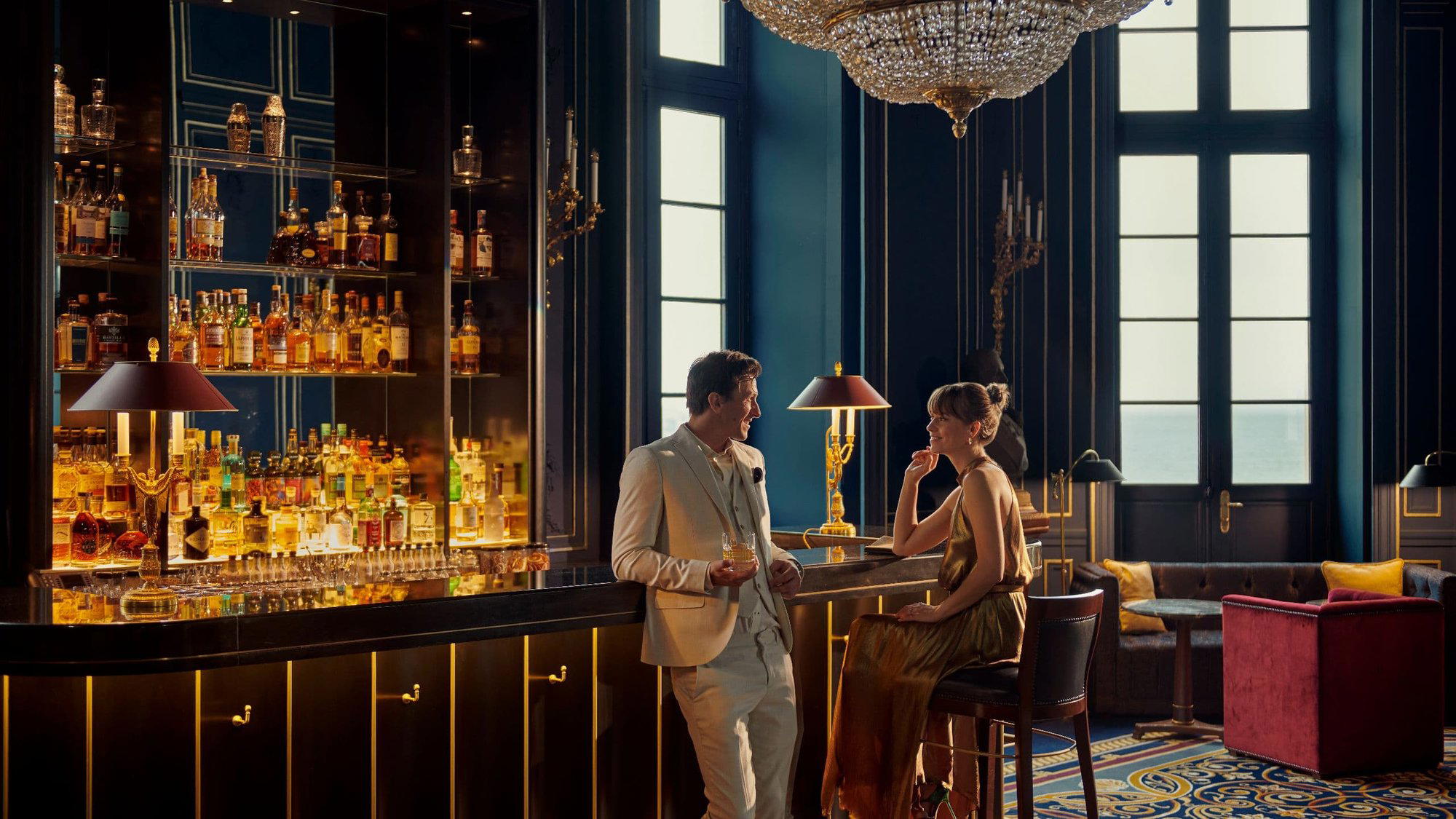
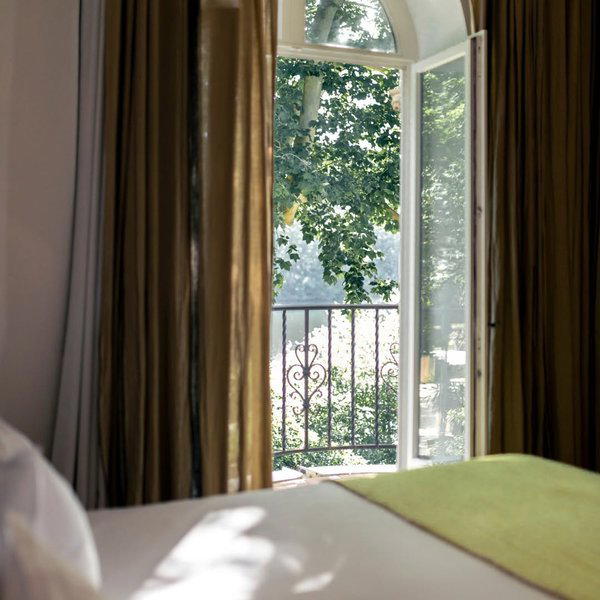
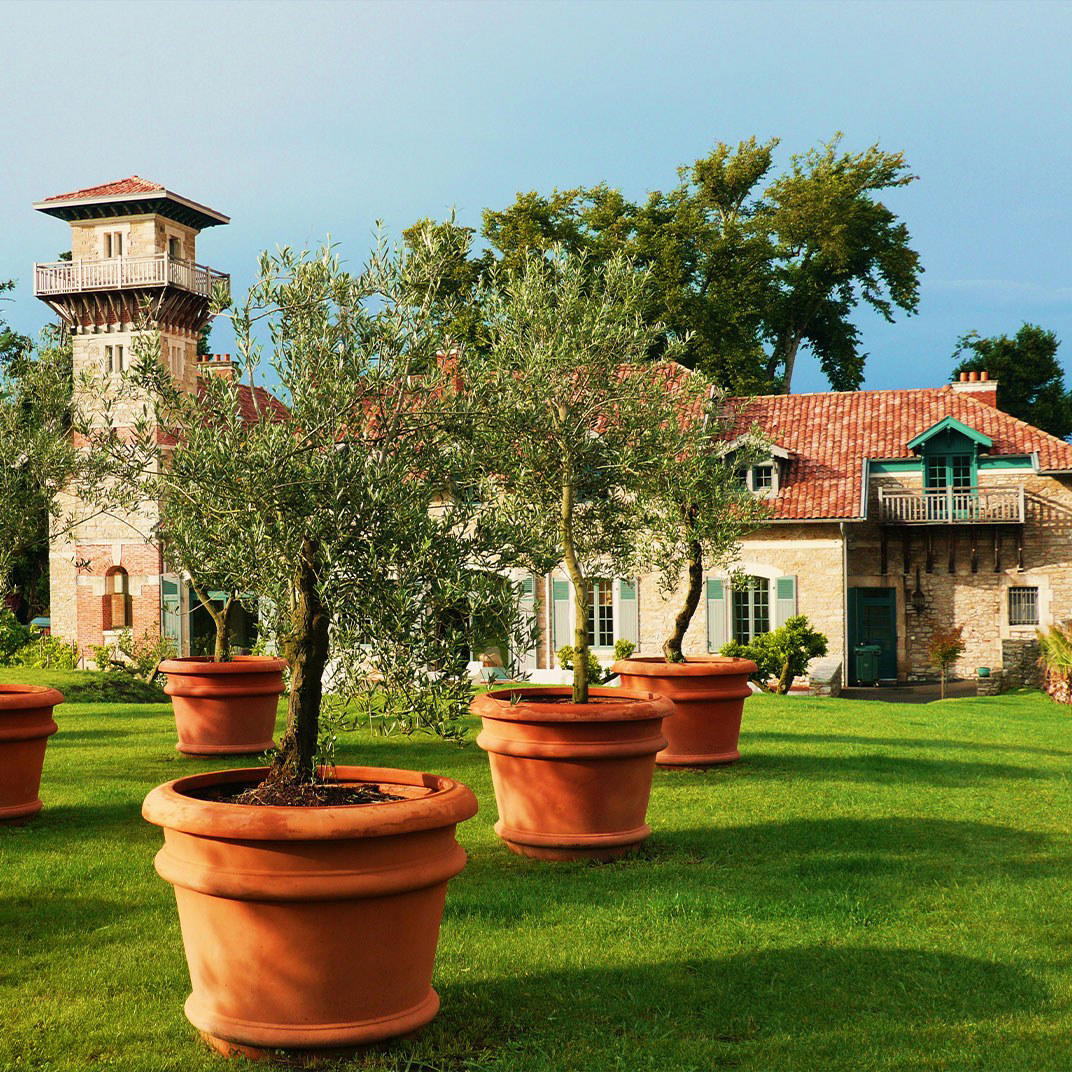
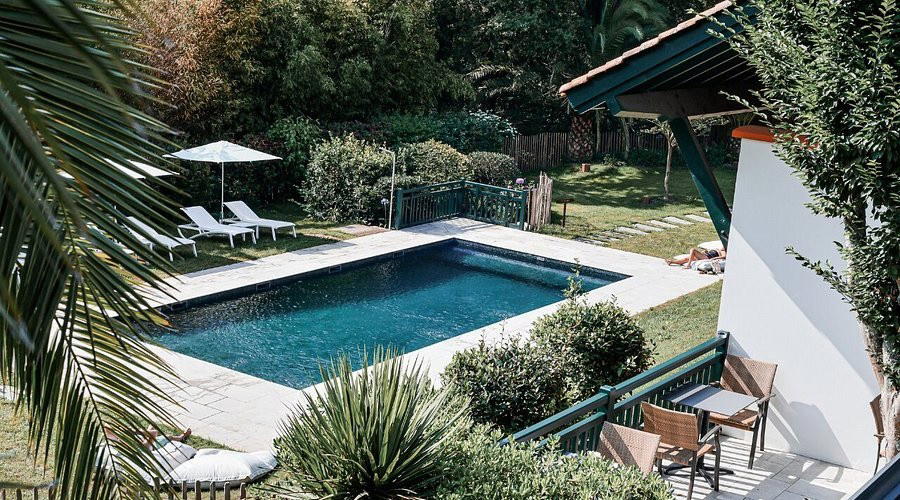
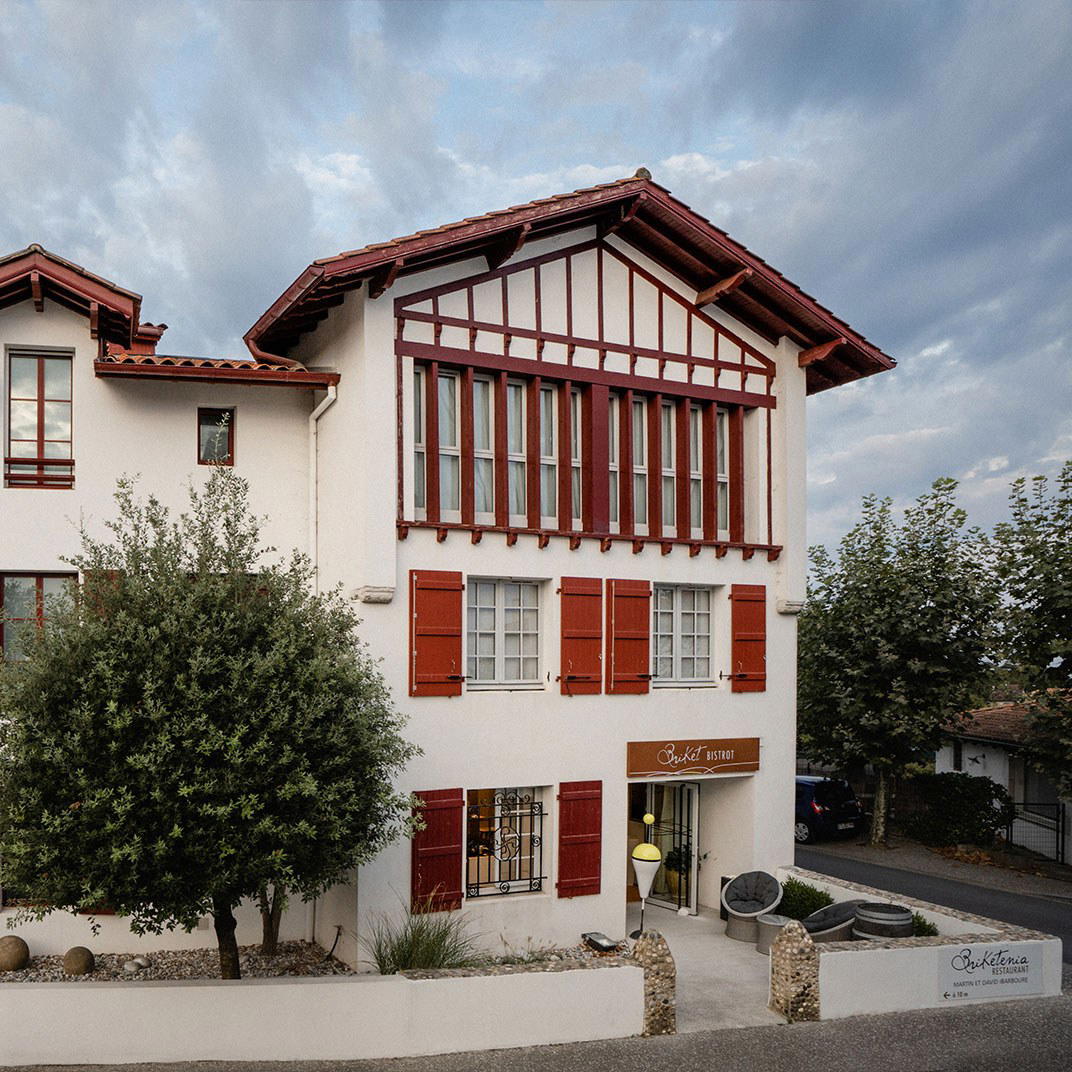
Feutrée and intimiste ambiance with subtle decoration, central fireplace, visible kitchen, and welcoming outdoor space in summer.