Le Jardin de l'Abbaye

Michelin Plate
Our verdict
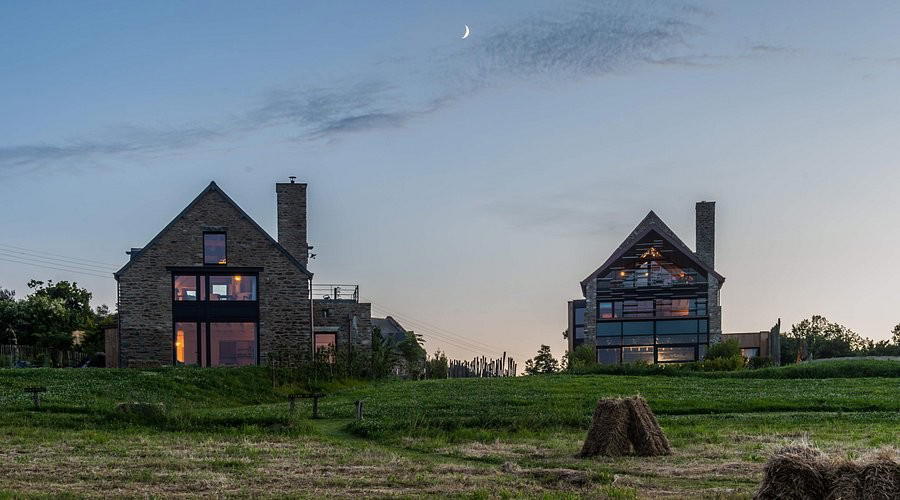
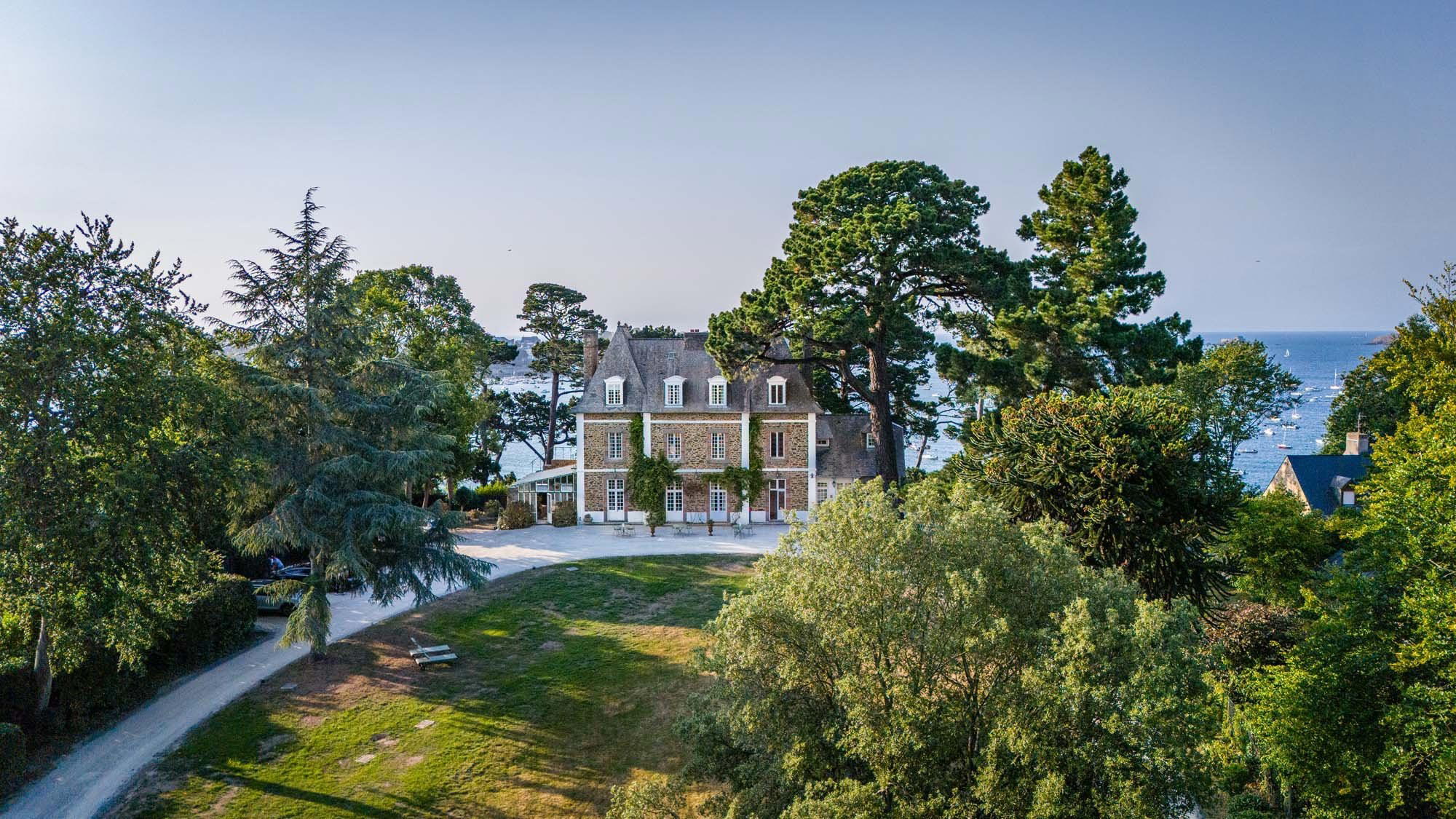
A Michelin Plate holder tucked inside the grounds of a historic abbey in Le Tronchet, Le Jardin de l'Abbaye brings modern cuisine to one of Brittany's more quietly compelling dining addresses. The setting — stone, garden, and the architectural weight of the Abbatiale — frames a kitchen working with regional Breton produce at a €€€ price point that sits well below the region's headline names.

Pearl is the En Primeur Club membership app — saves, bookings, and concierge access live there. Same editors, same standards.
- Address
- L'Abbatiale, 35540 Le Tronchet, France
- Phone
- +33 2 99 16 94 41
- Hours
- Daily 7–9 PM
- Website
- hotel-de-labbaye.fr
- Directions
- Get directions
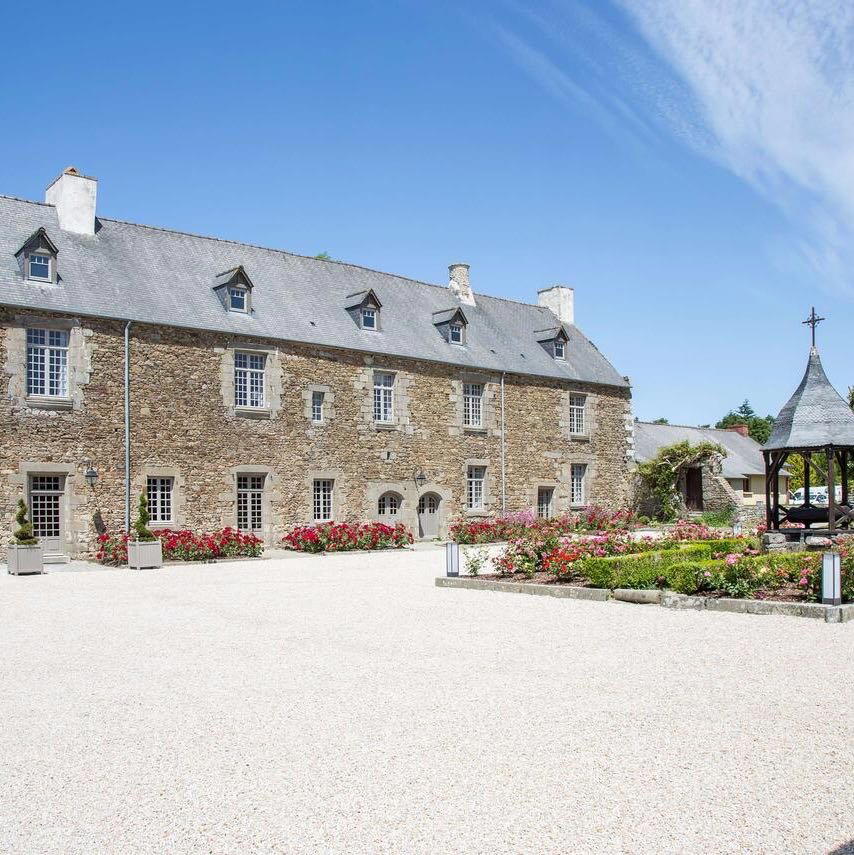
Stone, Garden, and the Weight of Place
Brittany's interior does not announce itself the way the coast does. The menhirs and marshes pull the eye, but the region's institutional architecture — its abbeys, priories, and chapter houses — carries a different register of gravity. Le Tronchet's abbey complex is one of those places where the building does half the work before a plate arrives. Le Jardin de l'Abbaye operates inside that framework, at the Abbatiale on the edge of a village that most travellers pass through rather than stop for. That tendency to pass through is, practically speaking, the dining room's defining condition: the room fills with guests who have made a decision to be there, which sets a particular tone.
The Michelin Plate awarded in 2024 positions the restaurant within the Guide's lower tier of recognition, not a star, but a formal signal that the kitchen is producing food worth a specific journey. In a region where starred dining is concentrated on the coast (Cancale, Saint-Malo, Dinard), a Plate-recognised address in the agricultural interior represents a different kind of proposition. The food here draws from the land around it rather than from the sea that defines so much of Breton culinary identity.
Where the Produce Comes From
Modern cuisine as a category covers a wide spectrum, from technique-forward urban kitchens to place-rooted restaurants that use contemporary methods to express hyperlocal sourcing. In Brittany's interior, the agricultural context is specific: the department of Ille-et-Vilaine supplies a significant share of France's dairy production, raises quality poultry and pork, and maintains market garden traditions that predate the region's postwar intensification. A kitchen operating in Le Tronchet has access to that supply network at relatively short distances, dairy farms, small producers, and cooperative markets that urban restaurants have to work much harder to reach.
This matters because ingredient sourcing at this price tier (€€€) in a rural French setting tends to reflect proximity more directly than in city restaurants where logistics flatten the difference between local and imported. The menu at a venue like this is shaped by what the surrounding land offers in a given season, which means the kitchen's calendar and the farmer's calendar run closer to parallel. Compare that to the €€€€ tier in Paris, where Alléno Paris au Pavillon Ledoyen operates with the supply reach of a global capital, and the structural difference in sourcing logic becomes clear. Rural Brittany at €€€ is a different kind of constraint and a different kind of opportunity.
The same observation applies across France's more rural fine dining addresses. Bras in Laguiole built its reputation on the herbs and flora of the Aubrac plateau. Auberge du Vieux Puits in Fontjoncouse draws from the garrigue and mountain vegetable tradition of the Corbières. In each case, the distance from a metropolitan supply chain is not a limitation, it is the editorial premise of the kitchen. Le Jardin de l'Abbaye operates inside that same logic, even if its current recognition sits at Plate rather than star level.
The Breton Context and Regional Comparisons
Brittany occupies a specific position in French fine dining. Its coastal addresses attract significant attention: the oyster culture around Cancale, the crêperies of Quimper, the more ambitious tables in Saint-Malo and Dinard. The interior is less mapped by the international dining conversation, which means restaurants here compete primarily for a regional audience, visitors to the Mont Saint-Michel bay area, guests at Brittany's rural hotels, and locals within a reasonable drive.
For comparison within the Michelin-recognised tier in France, the range stretches enormously. Mirazur in Menton represents the summit of garden-to-table cooking on the French Riviera, with its kitchen garden sitting above the restaurant on the hillside. Flocons de Sel in Megève uses alpine terroir as its sourcing framework. Both operate at higher price points and with more stars, but the underlying sourcing philosophy, cook what grows nearby, let the land shape the menu, connects them to the same tradition that a Plate-level address in Brittany is working within at an earlier stage of its critical trajectory.
Beyond France, the modern cuisine category covers significant ground. Frantzén in Stockholm and FZN by Björn Frantzén in Dubai represent the category's international reach, with sourcing models built around precision and provenance at scale. AM par Alexandre Mazzia in Marseille pushes the category in a more instinctive, less formally structured direction. These are useful reference points for understanding where modern cuisine sits as a category, even when the specific scale and context differ significantly from a rural Breton address.
Dining in the Abbey Setting
The abbey grounds at Le Tronchet provide a physical context that most urban restaurants cannot replicate. Stone architecture of this age creates a sensory frame, temperature, acoustics, the particular light quality of thick-walled rooms, that operates independently of what happens in the kitchen. Restaurants in historic religious buildings across France tend to attract guests who are already oriented toward the combination of heritage and hospitality: the same traveller who visits Auberge de l'Ill in Illhaeusern or Troisgros in Ouches is likely to be drawn to a Michelin-recognised table inside a working abbey complex. The food has to meet the setting rather than the setting compensating for the food, a dynamic that the 2024 Plate recognition suggests the kitchen is managing.
For visitors building a Brittany itinerary that extends beyond the coast, Le Tronchet fits logically between Mont Saint-Michel and Rennes. Practical planning for the area is supported through our full Le Tronchet restaurants guide, and if you are combining the meal with a stay in the region, our Le Tronchet hotels guide covers accommodation options nearby. For the broader itinerary, our bars guide, our wineries guide, and our experiences guide for Le Tronchet round out the picture. Booking via the venue directly is the recommended approach for a table at the Abbatiale address; the restaurant's limited public profile means availability is best confirmed through direct contact with the property rather than third-party platforms. The €€€ price point places it above casual Breton dining but below the €€€€ tier of Paris addresses like Assiette Champenoise or Au Crocodile in Strasbourg, making it accessible for a special occasion without the full-scale commitment of a destination tasting menu trip.
Frequently asked questions
Is Le Jardin de l'Abbaye suitable for children?
Is Le Jardin de l'Abbaye better for a quiet night or a lively one?
What is the signature dish at Le Jardin de l'Abbaye?
At-a-Glance Comparison
Comparable venues nearby, for context on price, style, and recognition.
| Venue | Cuisine | Price | Awards | Notes |
|---|---|---|---|---|
| Le Jardin de l'AbbayeThis venue — the venue you are viewing | Gastronomic French | $50–100 | Michelin Plate | Not listed |
| Ombelle | Modern French Bistronomique | $50–100 | Michelin Plate | Boulevard du Président Wilson |
| Le Moulin à Vent | Modern French with Japanese Influences | $50–100 | Michelin Plate | La Hague |
| DAMES | Modern French | $50–100 | Michelin Plate | Dol-de-Bretagne |
| L'Agapé Bistrot | French Bistronomique | $30–50 | Michelin Plate | Cité Médiévale |
| Le Restaurant des Isles | Modern Normandy French Seaside Cuisine | $30–50 | Michelin Plate | Barneville-Carteret |
Recognition history
Dated appearances from independent guides and award organizations, with the underlying list record or original source where available.
Michelin Plate
Michelin
Continue exploring
More in Le Tronchet
Restaurants in Le Tronchet
Browse all →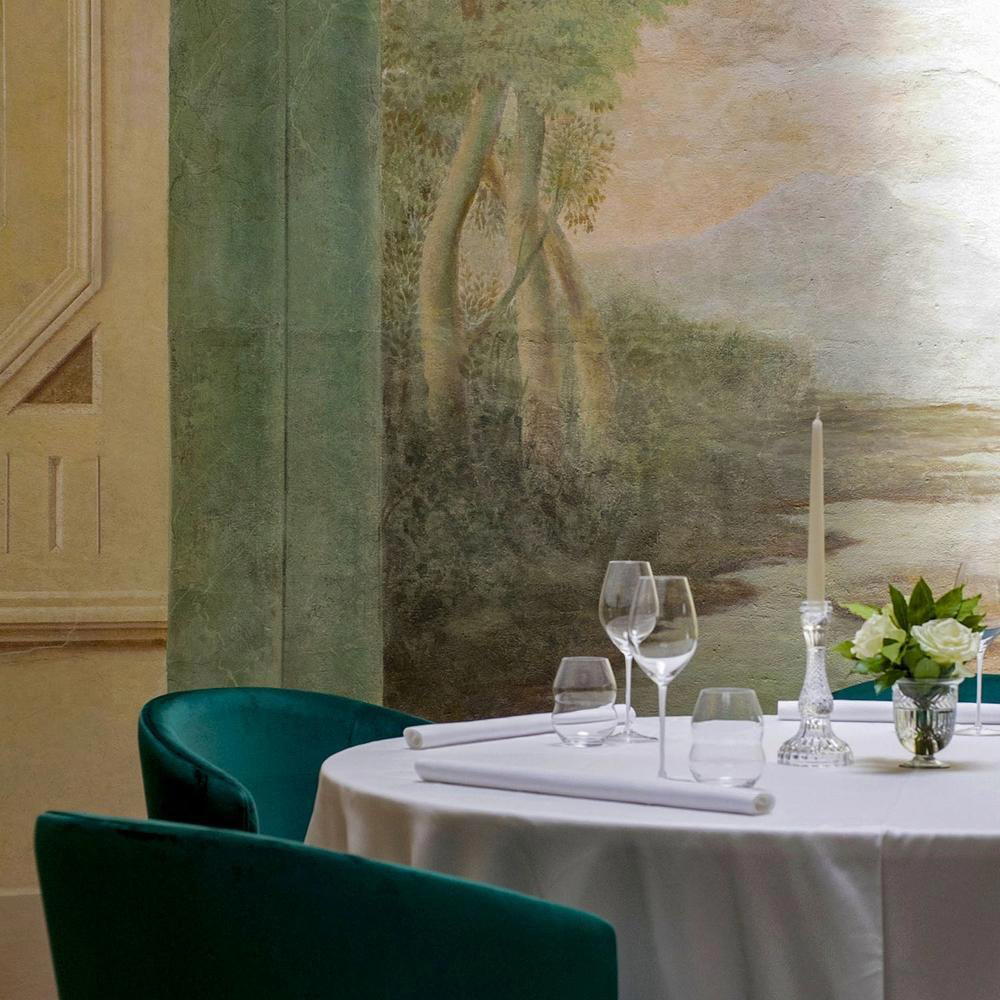
Bars in Le Tronchet
Browse all →
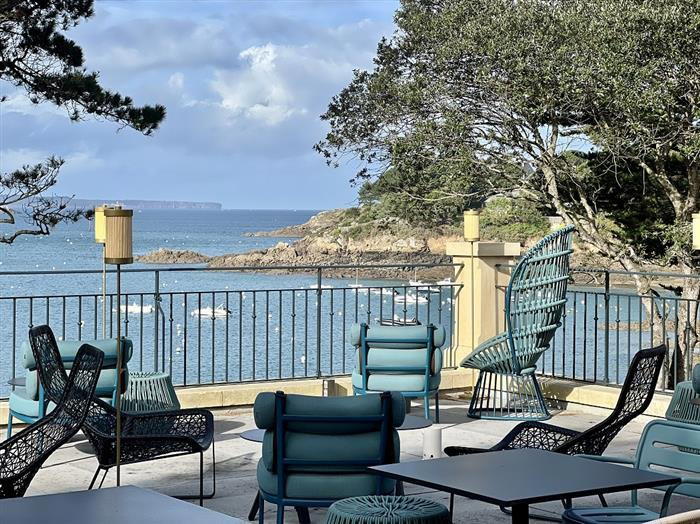
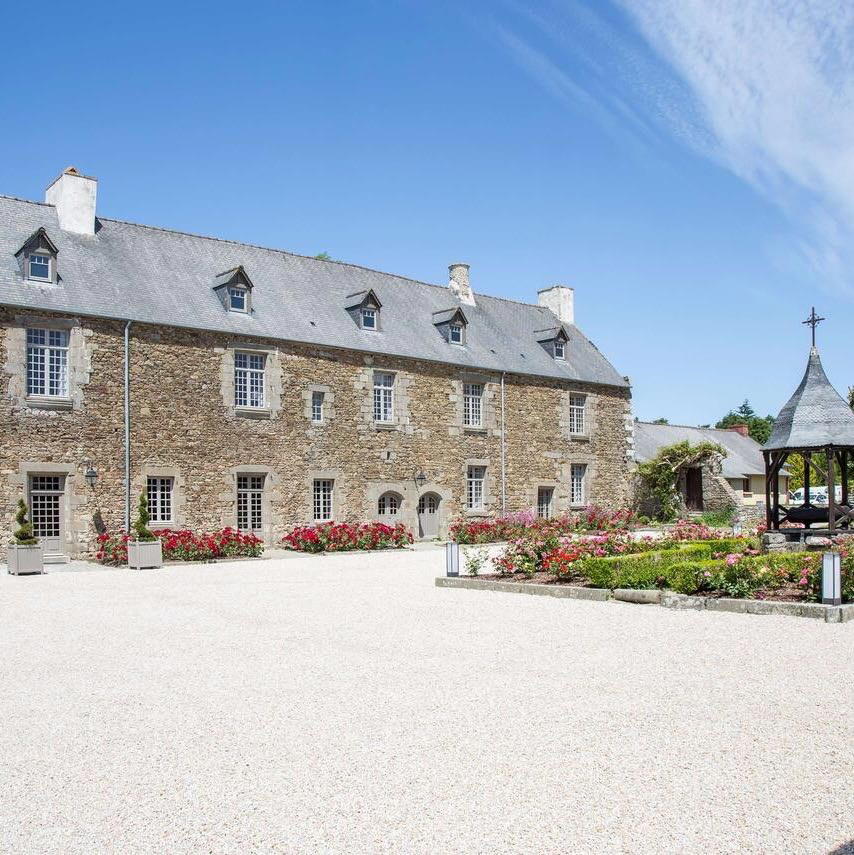
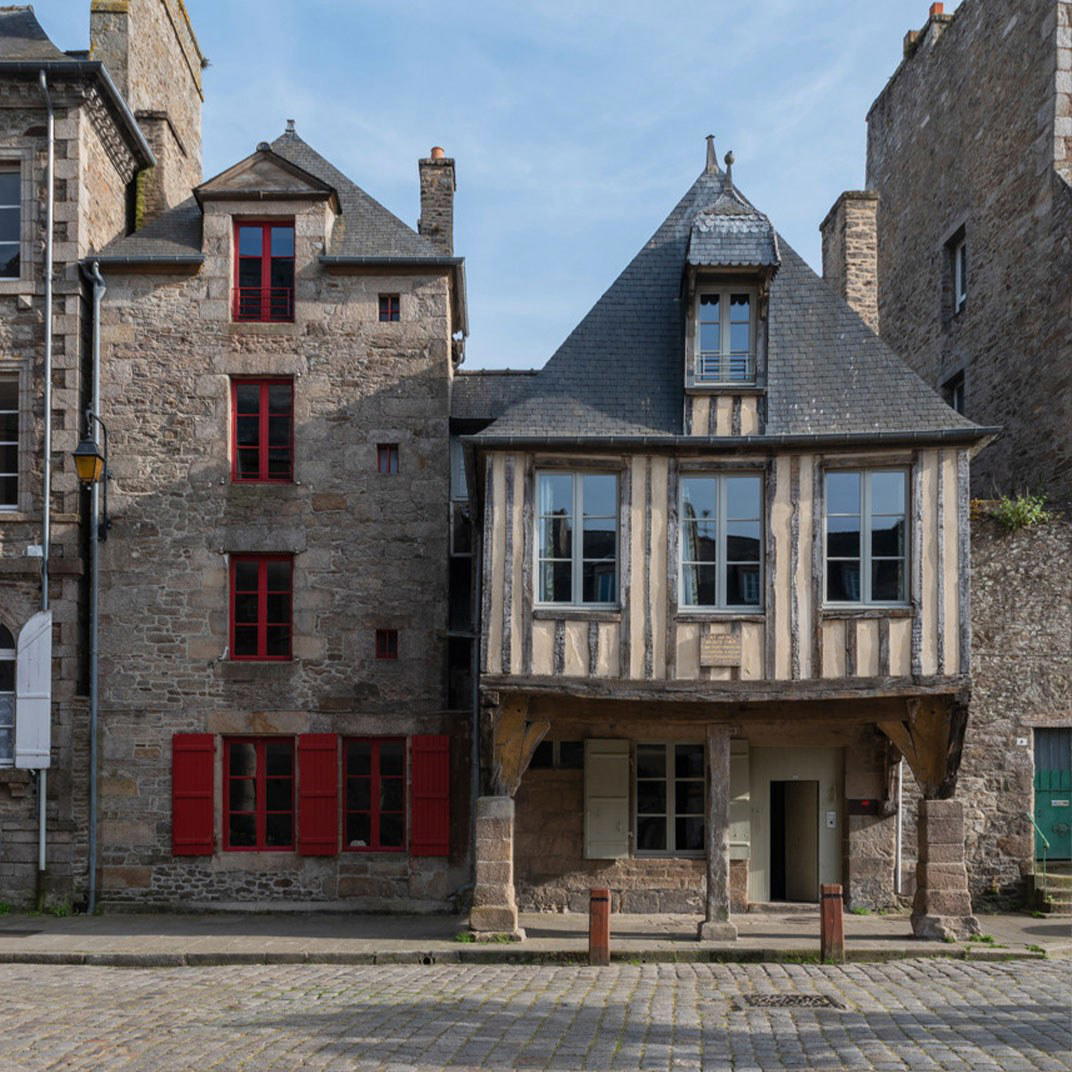
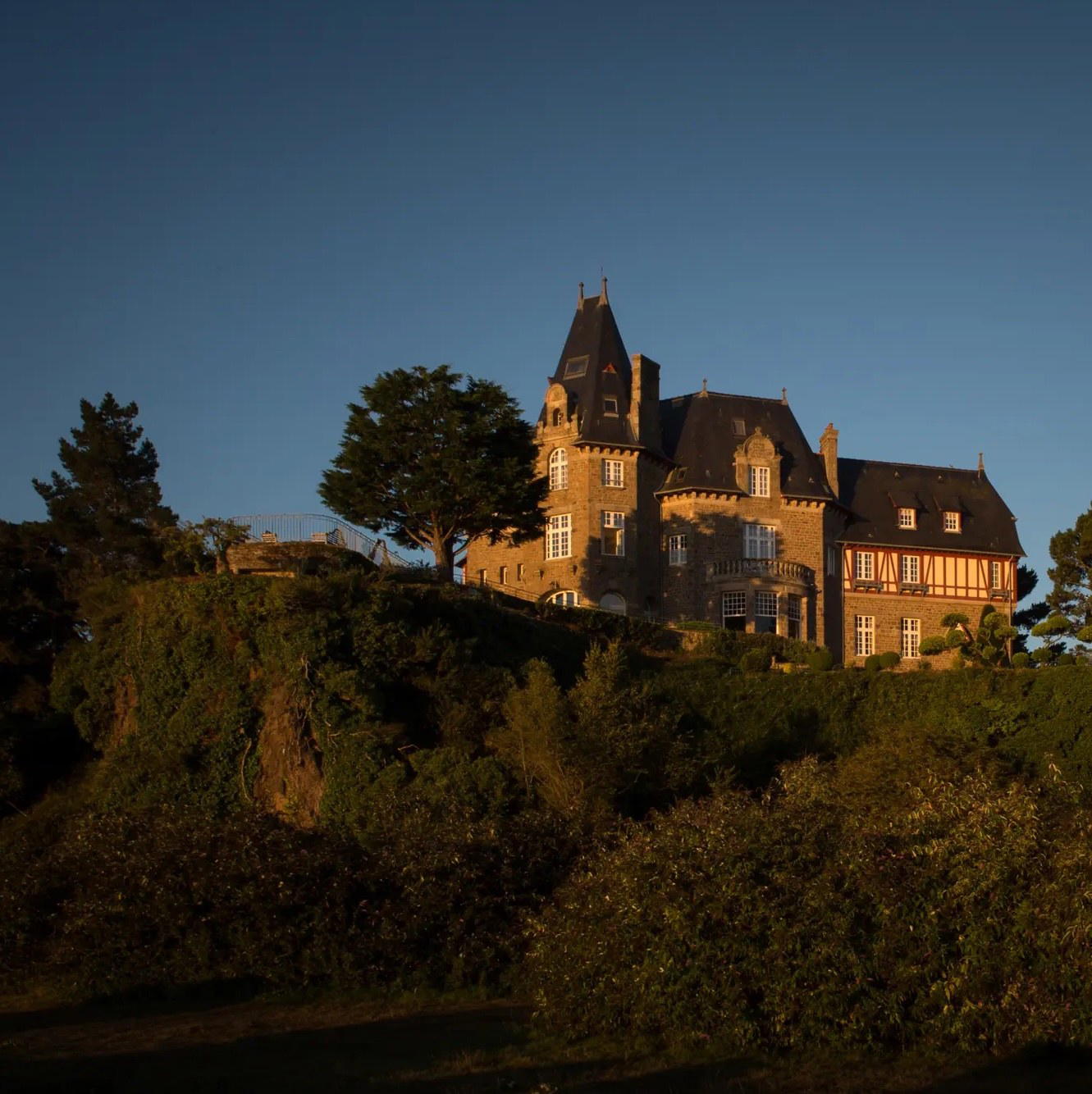
Le Jardin de l'Abbaye
The wine
- Wine program
- Curated wine list
- Extensive wine list
Details
- Romantic
- Elegant
- Cozy
- Sophisticated
- Scenic
- Date Night
- Special Occasion
- Historic Building
- Garden
- Terrace
- Extensive Wine List
- Local Sourcing
- Garden
- Tasting Menu
- Vegetarian Friendly
Current opening hours
- Monday
- 7–9 PM
- Tuesday
- 7–9 PM
- Wednesday
- 7–9 PM
- Thursday
- 7–9 PM
- Friday
- 7–9 PM
- Saturday
- 7–9 PM
- Sunday
- 7–9 PM
Hours can change for holidays and private events. Last verified .
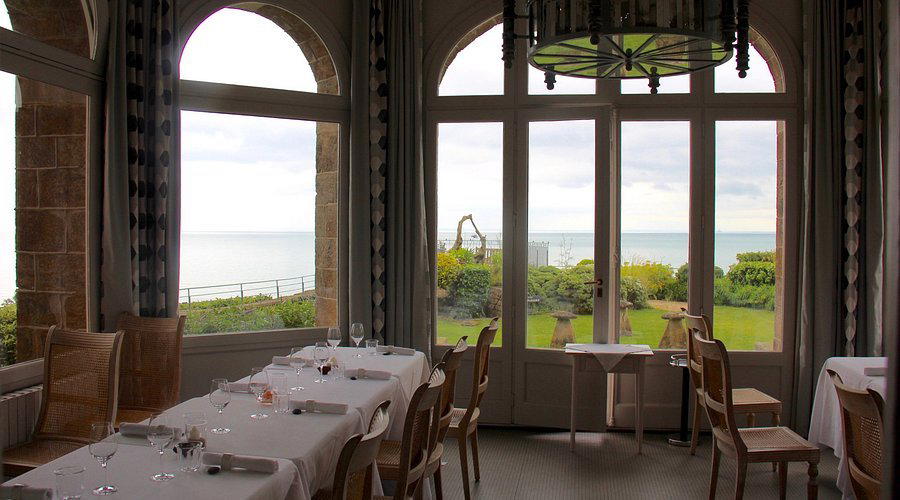
Elegant and sober dining room with simple decoration, open to garden views, offering a serene and distinguished atmosphere.