Le Moulin à Vent

Michelin Plate
Our verdict
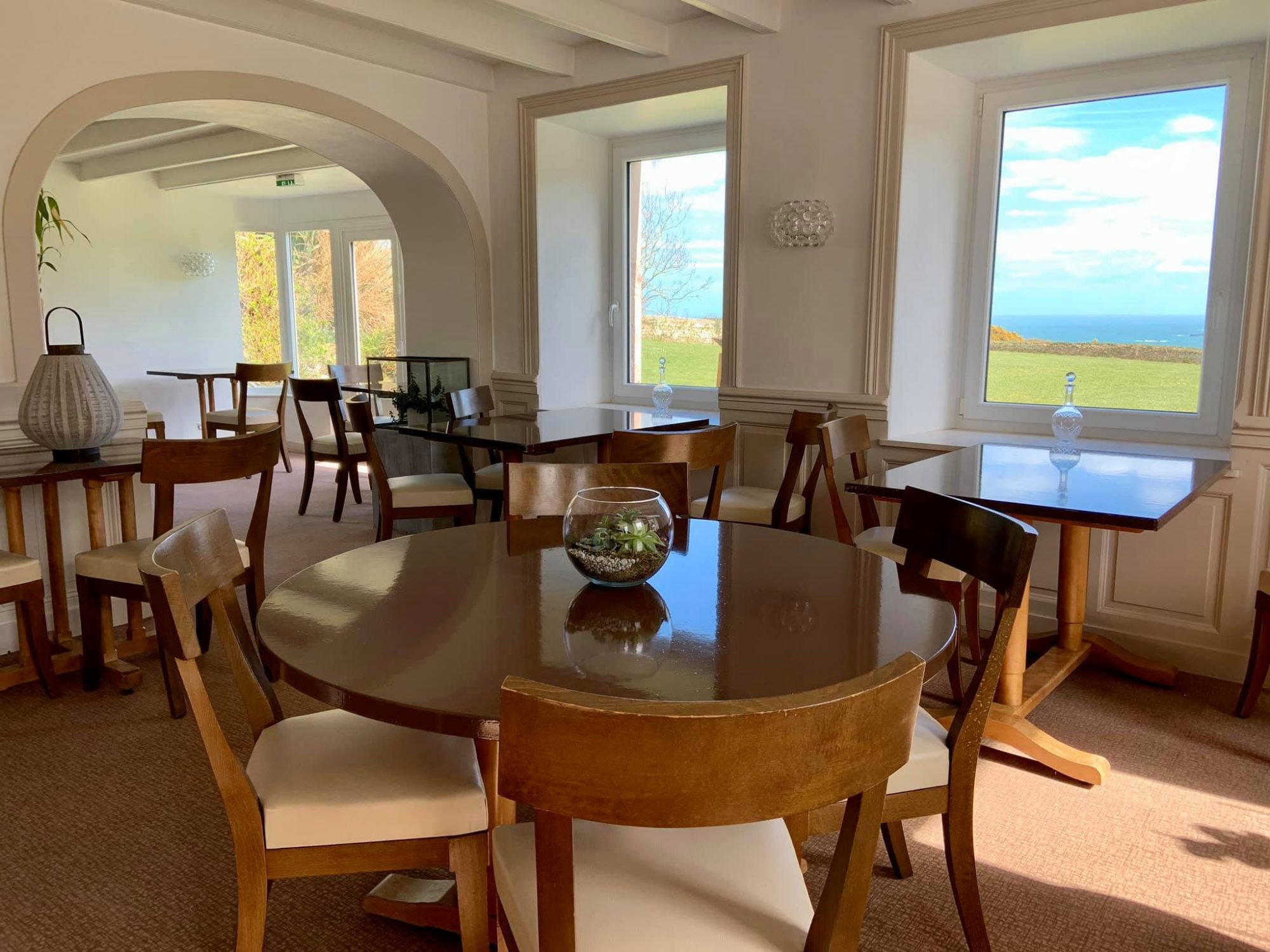
At the edge of the Cotentin peninsula, Le Moulin à Vent occupies a country inn position that few coastal restaurants in France can match: a short menu built on local pigeon, lamb, abalone, and fish, filtered through a kitchen with a clear interest in Japanese culinary tradition. The interior is pared back, the view reaches the Anse Saint-Martin cove, and the surrounding headlands set the tone before you even sit down.

Pearl is the En Primeur Club membership app — saves, bookings, and concierge access live there. Same editors, same standards.
- Address
- 10 route de Port-Racine
- Phone
- +33 2 33 52 75 20
- Hours
- Daily 12–1:30 PM, 7–8:30 PM
- Website
- le-moulin-a-vent.fr
- Directions
- Get directions
The menu
What to order
- Pigeon tataki
- Abalone
- Lobster carpaccio
The Headland Setting and What It Means for the Plate
The Cotentin peninsula's northwestern tip is one of the more remote stretches of the French Atlantic coast. The road to Port-Racine — officially the smallest port in France — runs along exposed clifftops and tucks down into coves before reaching Saint-Germain-des-Vaux, a village small enough that most French travellers couldn't place it without a map. That remoteness is not incidental to what Le Moulin à Vent does. It defines the entire premise of the kitchen.
The old country inn on the route de Port-Racine sits in a position familiar to a certain tradition of serious French regional cooking: far from the metropolitan circuits that drive Michelin attention and restaurant-industry conversation, but close to primary ingredients that chefs in Paris spend considerable effort and money sourcing. Here, the sourcing is structural. The producers, the waters, and the land are not a marketing decision, they are what is available, and the kitchen builds around that constraint. For context on how that approach plays out at higher-decorated addresses elsewhere in France, see Auberge du Vieux Puits in Fontjoncouse, another rurally positioned restaurant where geography has become culinary identity.
What the Kitchen Actually Sources and Why It Matters
Menu at Le Moulin à Vent is short, and the ingredients listed in the kitchen's own framing are specific: pigeon, lamb, fish, abalone. That list is worth examining as a geographic argument. Norman pigeon and lamb reflect an inland and coastal agricultural tradition that predates the restaurant industry by centuries. The Cotentin has always raised both under Atlantic weather conditions that produce animals with a particular leanness and mineral depth. Fish from these waters, exposed, cold, fast-moving, have different textural qualities from Mediterranean or farmed equivalents.
Abalone is the most distinctive entry on that list. In France, wild abalone (ormeau) is found primarily along the Normandy and Brittany coasts, and it occupies a position in French coastal cooking roughly analogous to premium shellfish in northern Japanese cuisine: a slow-growing, foraged product with a compressed, muscular texture and a flavour that reads simultaneously of iodine and sweetness. The fact that it appears in the kitchen's highlighted ingredients signals both sourcing proximity and a willingness to handle technically demanding product. Restaurants that work with abalone regularly are making a statement about patience and craft, since it requires extended preparation to become palatable. For a sense of how Japanese culinary logic applied to premium Atlantic product operates at a different scale, Le Bernardin in New York City offers a useful reference point, though the contexts are radically different in scale and register.
The Japanese Culinary Thread
The cross-cultural dimension here is notable and worth framing precisely. The kitchen is described as showing a clear interest in Japanese culinary tradition, not as fusion or novelty, but as a technical and philosophical lens applied to Norman ingredients. This is a broader movement in serious French provincial cooking, where Japanese influences have entered kitchens not through overt aesthetic gestures but through restraint, precision in protein handling, attention to temperature and texture, and a certain economy of flavour that strips back accumulation.
That current runs through several of France's more progressive restaurants. AM par Alexandre Mazzia in Marseille operates within a similar cross-cultural logic, applying non-European culinary thinking to Mediterranean ingredients. Mirazur in Menton draws on a comparable internationalism of technique while remaining anchored to coastal and garden produce. What distinguishes Le Moulin à Vent's version of this approach is scale and context: this is a rural inn at the edge of the English Channel, not a destination restaurant in a well-travelled region. The Japanese influence here reads less as a programmatic statement and more as an absorbed working method, which tends to produce more coherent results in the long run than kitchens where the cross-cultural debt is worn visibly on the menu.
Interior and View: The Physical Experience
The interior is pared back. That choice reads as consonant with the kitchen's approach rather than as an absence of ambition. In a room with a direct view of the sea and the Anse Saint-Martin cove, heavy decoration would be competing with the wrong opponent. The Atlantic light on this part of the Norman coast changes sharply across the day, and the cove setting means the view is contained enough to frame rather than overwhelm. This kind of location, inn by a headland road, sea visible, interior restrained, is a format with its own French tradition, distinct from both the formal provincial maison de maître and the urban bistrot. It asks the food to carry the meal without theatrical support.
The approach contrasts with addresses where the physical setting does a significant share of the work. Flocons de Sel in Megève operates with a mountain-context grandeur that shifts the atmospheric register entirely. Auberge de l'Ill in Illhaeusern uses its riverside garden as an extension of the dining experience. At Le Moulin à Vent, the view is present and real, but the room keeps its register quiet. That quiet is a position.
Positioning in the Broader French Regional Scene
Within the broader map of serious French cooking outside Paris, Le Moulin à Vent occupies a niche that is underrepresented in editorial coverage: the remote-coastal inn with genuine culinary ambition, operating at a distance from the main restaurant circuits. The heavily decorated addresses, Troisgros - Le Bois sans Feuilles in Ouches, Bras in Laguiole, Paul Bocuse - L'Auberge du Pont de Collonges in Collonges-au-Mont-dOr, have become known to international audiences precisely because critics have made the effort to reach them. Normandy's far western tip has fewer of those critical lines of sight, which means kitchens operating there at a high level remain within a more local frame of reference.
That local frame is worth taking seriously as a traveller. The ingredients that appear on a short menu at this address, abalone from these specific waters, lamb and pigeon raised in this specific agricultural zone, are not available in this form anywhere in a city kitchen, regardless of supplier relationships. The argument for making the drive out to Saint-Germain-des-Vaux is the same argument that applies to any serious regional restaurant: the specificity of place in the food is not reproducible elsewhere. For our broader coverage of what the area offers, see [our full Saint-Germain-des-Vaux restaurants guide]().
Planning Your Visit
Saint-Germain-des-Vaux sits at the northwestern tip of the Cotentin, roughly 30 kilometres northwest of Cherbourg. The drive from Cherbourg along the coastal road takes under an hour and is itself worth the time, running through a stretch of headland that has more in common with western Ireland or Cornwall than with the Normandy of tourist circuits. Le Moulin à Vent sits on the route de Port-Racine; given the village's size, signage rather than navigation precision is your tool. Given the kitchen's focus on short menus built around produce with seasonal variation, abalone, in particular, is subject to tidal and seasonal availability, visiting outside high summer has real merit. The shoulder season (April through June, and September through October) tends to produce cleaner supply lines for coastal ingredients and a quieter room.enprimeurclub.com/experiences/saint-germain-des-vaux), [bars guide](), and [wineries guide]() are worth consulting before the trip.
Frequently asked questions
Does Le Moulin à Vent work for a family meal?
The setting — a country inn with sea views over the Anse Saint-Martin cove on the Cotentin coast — is a reasonable choice for families comfortable with a quieter, rural atmosphere. The kitchen's focus on a short, produce-driven menu with ingredients like pigeon and abalone means the food skews toward adult palates rather than broad appeal. Children who eat adventurously will find it rewarding; those who won't are likely better served elsewhere on the peninsula.
What should I expect atmosphere-wise at Le Moulin à Vent?
The interior is pared back, with a direct view of the sea and the Anse Saint-Martin cove from the dining room. At the northwestern tip of the Cotentin, the surrounding landscape is exposed and elemental, and the inn reads as a deliberate shelter from that — quiet in register, without theatrical decor. The experience is closer to a serious country restaurant than a destination event space.
Does Le Moulin à Vent have a Michelin star or similar recognition?
Le Moulin à Vent has received recognition including: By the coastal road leading to the headlands, this old country inn is a lovely refuge from the elements. A short menu showcases inventive cuisine made from local produce (such as pigeon, lamb, fish, abalone) by a chef with a clear interest ….
What should I order at Le Moulin à Vent?
Order the abalone if it is on that day's menu. Of the core ingredients the kitchen works with — pigeon, lamb, fish, abalone — abalone is the most geographically specific to this stretch of the Cotentin coast and the one most likely to reflect the kitchen's Japanese culinary interest in texture and restraint. The menu is short, so the decision largely makes itself.
What's Le Moulin à Vent's location?
Le Moulin à Vent is located at 10 route de Port-Racine, Saint-Germain-des-Vaux.
Is Le Moulin à Vent reservation-only?
The venue data does not include booking contact details or a website, so confirming directly before visiting is strongly advisable. At 10 route de Port-Racine in Saint-Germain-des-Vaux — a village at the far edge of the Cotentin with limited dining alternatives nearby — arriving without a confirmed reservation carries real risk of a wasted drive.
What's the defining dish or idea at Le Moulin à Vent?
The defining idea is the application of Japanese culinary thinking to Cotentin produce. The kitchen works with a short list of local ingredients — pigeon, lamb, fish, abalone — and the Japanese influence surfaces in how those primary ingredients are handled: precision over abundance, technique that clarifies rather than elaborates. It is a specific position in French regional cooking and not a common one at this latitude.
Comparable Venues
Comparable venues nearby, for context on price, style, and recognition.
| Venue | Cuisine | Price | Awards | Notes |
|---|---|---|---|---|
| Le Moulin à VentThis venue — the venue you are viewing | Modern French with Japanese Influences | $50–100 | Michelin Plate | Not listed |
| À Contre Sens | Modern French Fine Dining | $50–100 | Michelin Plate | Presqu’île |
| Balafenn | Modern French Breton | $50–100 | Michelin Plate | Perros-Guirec |
| DAMES | Modern French | $50–100 | Michelin Plate | Dol-de-Bretagne |
| L'Espérance - Stéphane Carbone | Modern French Bistronomie | $30–50 | Michelin Plate | Hérouville-Saint-Clair |
| La Vallée | Traditional French Seafood | $50–100 | Michelin Plate | Pointe du Moulinet |
Recognition history
Dated appearances from independent guides and award organizations, with the underlying list record or original source where available.
Michelin Plate
Michelin
Continue exploring
More in Saint-Germain-des-Vaux
Restaurants in Saint-Germain-des-Vaux
Browse all →
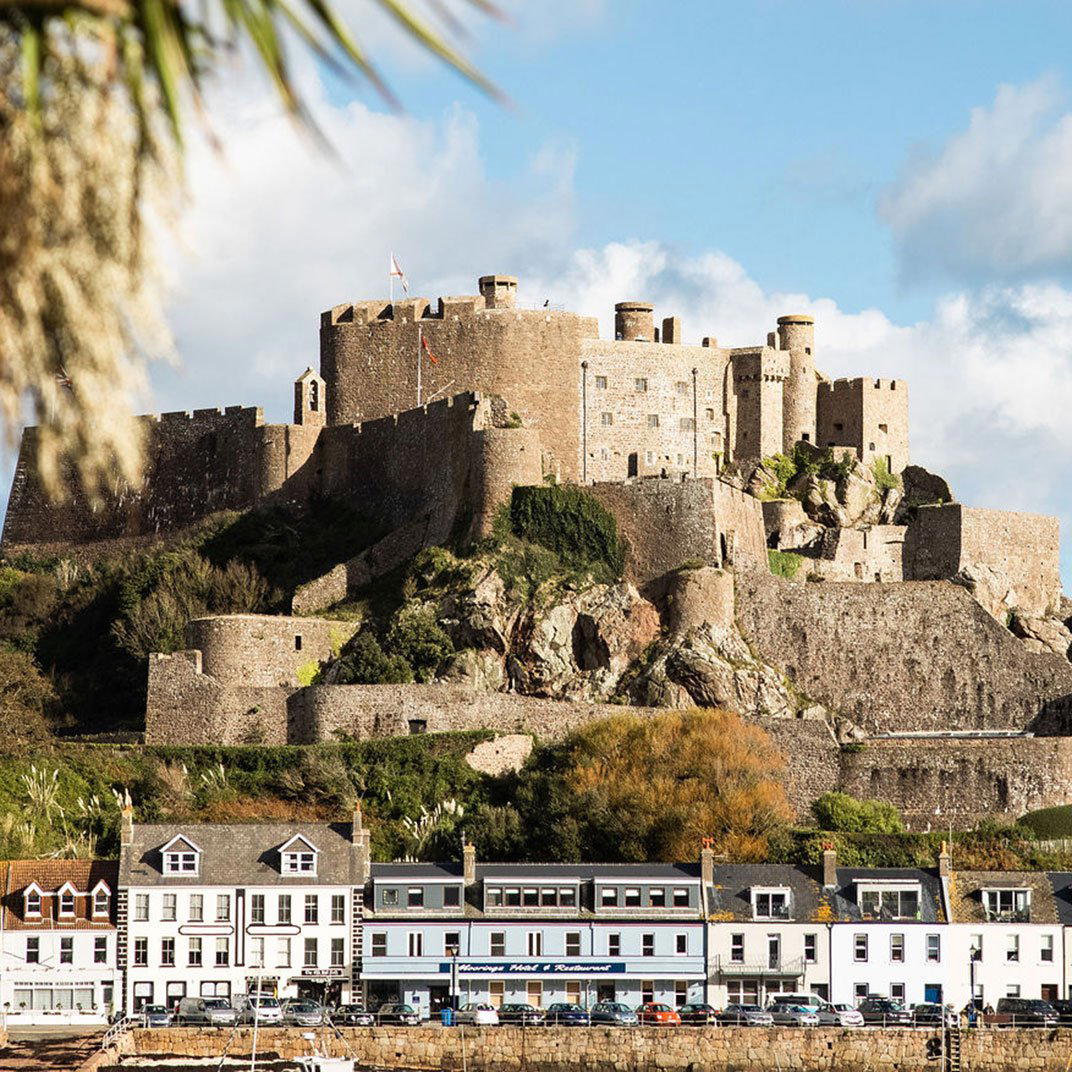
Hotels in Saint-Germain-des-Vaux
Browse all →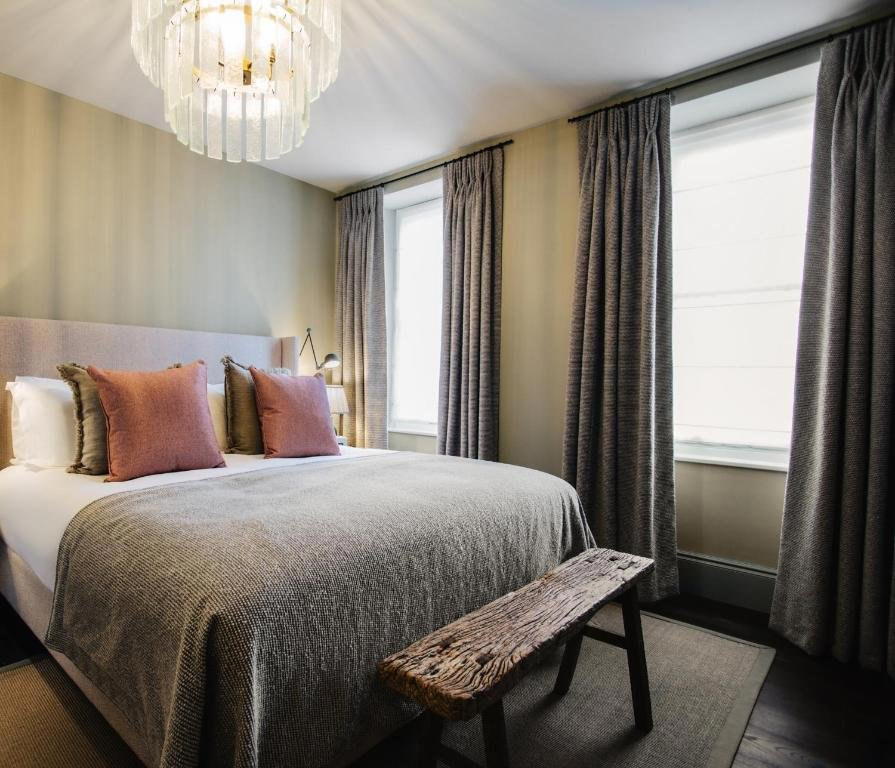
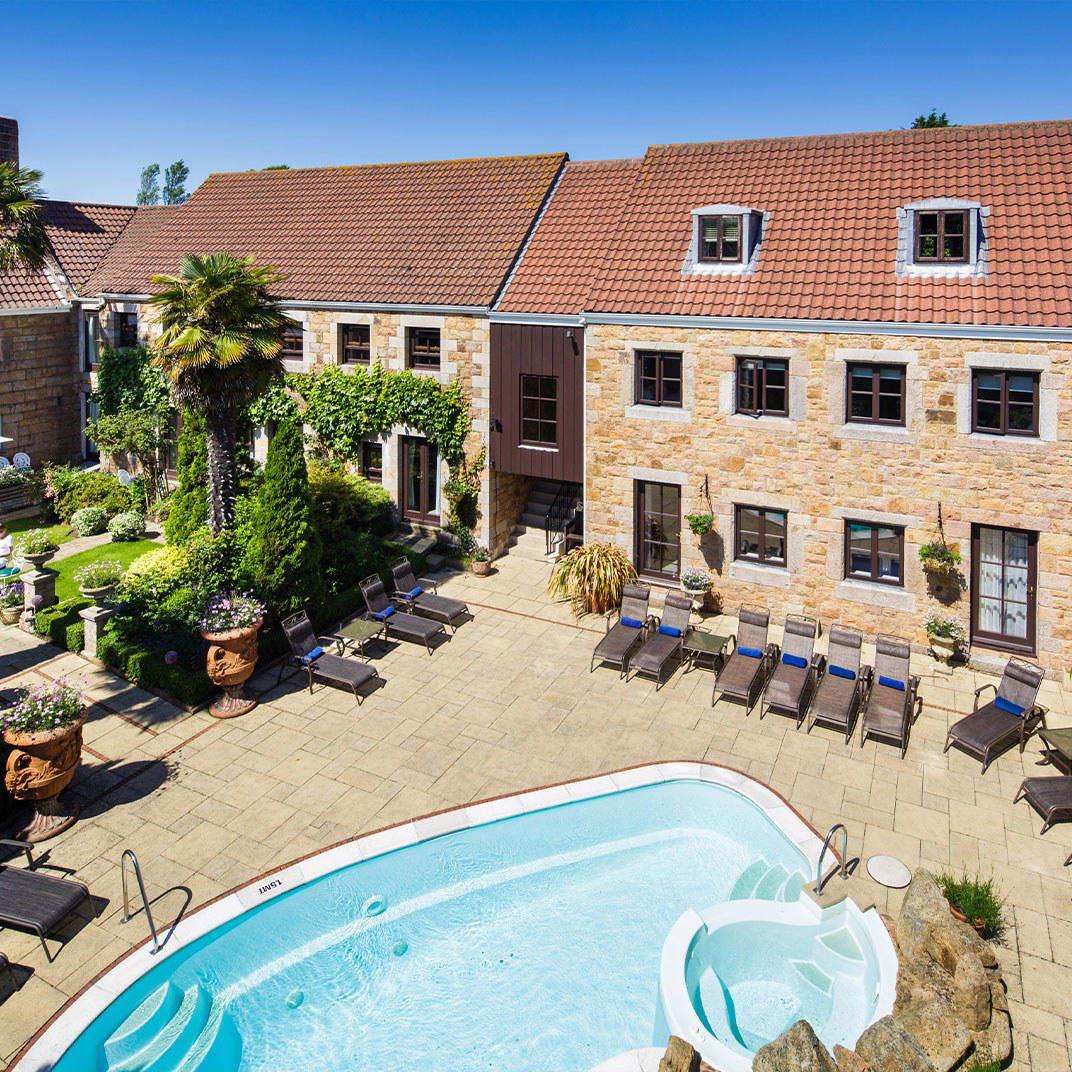
Le Moulin à Vent
The wine
- Wine program
- Curated wine list
- Extensive wine list
Details
- Elegant
- Cozy
- Sophisticated
- Scenic
- Date Night
- Special Occasion
- Historic Building
- Waterfront
- Extensive Wine List
- Local Sourcing
- Waterfront
- Street Scene
- A La Carte
Current opening hours
- Monday
- 12–1:30 PM, 7–8:30 PM
- Tuesday
- 12–1:30 PM, 7–8:30 PM
- Wednesday
- 12–1:30 PM, 7–8:30 PM
- Thursday
- 12–1:30 PM, 7–8:30 PM
- Friday
- 12–1:30 PM, 7–8:30 PM
- Saturday
- 12–1:30 PM, 7–8:30 PM
- Sunday
- 12–1:30 PM, 7–8:30 PM
Hours can change for holidays and private events. Last verified .
Pared-back, refined decor with white tones, granite walls, and sober lighting creating an intimate, cozy atmosphere enhanced by panoramic sea and cove views.