Kanpâna
Our verdict
Kanpâna sits on Route de Verbier in Le Châble, the valley-floor village that feeds into one of Switzerland's most serious mountain resort corridors. The address places it at the crossroads of alpine agricultural tradition and the kind of affluent, seasonally mobile clientele that Verbier draws from across Europe. Expect a setting shaped by altitude, proximity to Swiss farming heritage, and the particular demands of a mountain community with high expectations.

Pearl is the En Primeur Club membership app — saves, bookings, and concierge access live there. Same editors, same standards.
- Address
- Rte de Verbier 1, 1934 Le Châble, Switzerland
- Phone
- +41275655636
- Hours
- Mon ClosedTue–Sat 9 AM–11 PMSun Closed
- Directions
- Get directions
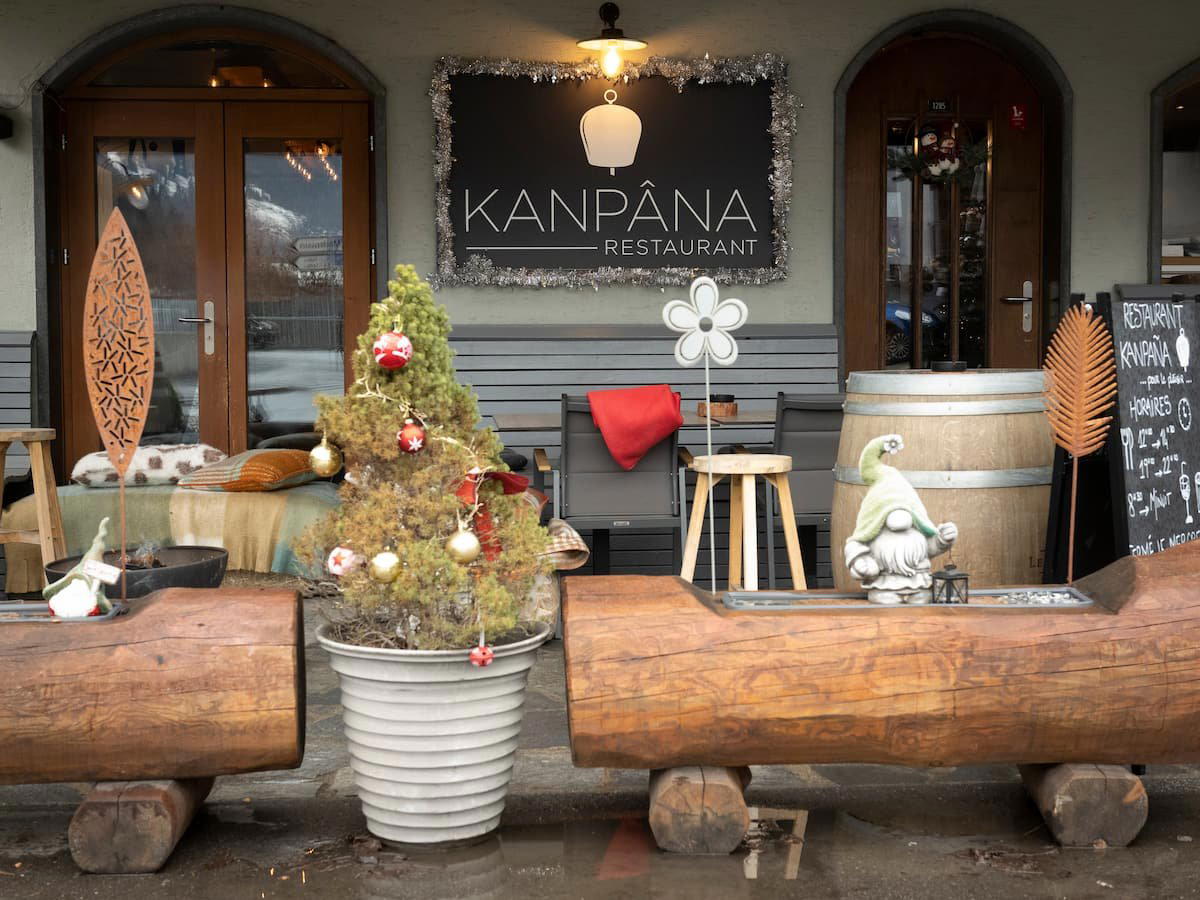
Where the Valley Floor Meets the Mountain Table
Le Châble occupies an unusual position in the Swiss dining map. It is not the resort itself — that is Verbier, reached by gondola from the village square — but the staging ground below it, a working valley community in the Bagnes district of Canton Valais. This matters for how restaurants here source and operate. Valais is one of Switzerland's most agriculturally distinct cantons: the same region that produces raclette from Bagnes-breed cattle, saffron from Mund, and wines from steep terraced vineyards along the Rhône corridor. Any kitchen operating in Le Châble has direct access to a supply chain that Zurich or Geneva chefs spend considerable effort trying to replicate. Kanpâna, at Rte de Verbier 1, sits at the literal entry point to that corridor, the road address is the route between the valley and the mountain.
That geographic specificity is not incidental. In the broader Swiss fine-dining conversation, which runs from Schloss Schauenstein in Fürstenau to Memories in Bad Ragaz and focus ATELIER in Vitznau, the most credible mountain-adjacent kitchens are the ones that treat proximity to source as a structural advantage rather than a marketing note. Valais produces ingredients with a verticality of flavor that reflects altitude: shorter growing seasons, intense sun on valley-facing slopes, and a culture of preservation and curing that predates the ski-resort economy by centuries.
The Ingredient Logic of the Bagnes Valley
The Bagnes district is the origin of fromage à raclette de Bagnes, an AOP-protected cheese with enough institutional weight to anchor a menu category on its own. The valley's cattle, mostly Hérens, the compact, darker-coated breed native to Valais, graze at altitude through summer and descend to valley farms in autumn, a transhumance cycle that shapes the flavor profile of milk and cheese across the seasons. A kitchen at the base of that cycle, as Kanpâna's address suggests, has the option to work with product at its most direct: unpasteurized where regulations permit, aged locally, and without the cold-chain interruptions that flatten flavor in urban distribution.
Valais saffron from Mund, produced in quantities so small that Switzerland consumes nearly all of it domestically, represents a different order of local sourcing. It commands prices comparable to the leading Iranian or Kashmiri production, and its presence in a dish is a credentialing signal in regional Swiss cooking. Similarly, the canton's charcuterie tradition, particularly viande séchée du Valais (another AOP product, air-dried beef cured in mountain conditions), gives kitchens here a preserved-meat vocabulary that connects the table directly to landscape and season.
This ingredient density is part of what separates mountain-valley dining in Valais from the alpine resort restaurants, often internationally staffed and globally sourced, that operate higher up the mountain. The valley floor is where the actual food comes from. For context on how Switzerland's kitchen culture processes these regional traditions at the highest technical level, Hotel de Ville Crissier in Crissier and Cheval Blanc by Peter Knogl in Basel offer useful reference points for how Swiss kitchens translate terroir into technique at the top of the national tier.
The Scene in Le Châble
Le Châble functions on a dual calendar: the winter ski season, when Verbier operates at capacity and the valley fills with transit traffic between the télécabine and the valley car parks, and a quieter summer season shaped by hiking, cycling, and the Grand Combin's summer climbing routes. Dining demand compresses into these windows, which means the restaurants that survive here must work across both registers, feeding families in ski boots at midday and guests from Verbier's more expensive chalets and hotels in the evening. That range of clientele creates a particular pressure: menus need to be grounded enough to feel authentic to place, and considered enough to hold the attention of guests who have eaten at Da Vittorio in St. Moritz or La Table du Lausanne Palace in Lausanne the previous week.
The address on Route de Verbier also places Kanpâna in direct proximity to L'Escale, the other notable dining address in Le Châble. The two restaurants represent the village's narrow but concentrated dining offer, see our full Le Chable restaurants guide for the complete picture. In a village of this scale, the conversation between two serious kitchens shapes what local dining means: each defines itself partly in relation to the other, and together they establish whether Le Châble reads as a destination in its own right or simply as a way station to Verbier.
Planning a Visit
Le Châble is reachable from Martigny by the narrow-gauge Mont-Blanc Express rail line, with the Le Châble station a short walk from the Route de Verbier address. By car, the drive from Martigny takes approximately 20 minutes via the Bagnes valley road, the same route that connects the village to Lourtier and the upper valley. For guests arriving from further afield, Einstein Gourmet in Sankt Gallen, Colonnade in Lucerne, or IGNIV Zürich by Andreas Caminada provide context for Switzerland's broader dining circuit before a Valais excursion. During peak ski weeks, particularly the February half-term period and the Christmas-New Year window, Le Châble operates well above its off-season capacity, and any table at a known address should be confirmed well in advance. For an international frame of reference on what high-standard kitchen culture looks like at a global scale, Le Bernardin in New York City and Atomix in New York City illustrate the precision-ingredient approach that has influenced kitchens from Geneva to the Alps.
Further Swiss comparisons worth considering for context: Magdalena in Schwyz, La Brezza in Ascona, L'Atelier Robuchon in Geneva, and 7132 Silver in Vals each represent a distinct register of Swiss dining, from Ticino to Graubünden, and help situate the Valais mountain-valley scene within the country's wider culinary geography.
Frequently asked questions
Would Kanpâna be comfortable with kids?
Le Châble is a working village rather than a resort, and restaurants here tend to operate with a relaxed, community-facing character that generally suits families. Without specific information on Kanpâna's seating format or menu structure, the best step is to check the venue's official channels via its address at Rte de Verbier 1, 1934 Le Châble before visiting with young children.
What's the vibe at Kanpâna?
Kanpâna sits on the valley floor in Le Châble, a village that functions as the gateway to Verbier rather than the resort itself — which shapes the atmosphere considerably. Expect something closer to a local Swiss dining room than a slope-side après spot, drawing a mix of residents and travellers passing through on the Mont-Blanc Express rail line.
Is Kanpâna a good base for dining before or after taking the gondola to Verbier?
Le Châble is the gondola departure point for Verbier, making Kanpâna at Rte de Verbier 1 a practical stop either side of the mountain. The village also connects directly to Martigny via the narrow-gauge Mont-Blanc Express, so the location works whether you are arriving by rail or descending from the slopes.
What do regulars order at Kanpâna?
The Bagnes Valley is the origin of fromage à raclette de Bagnes, an AOP-protected cheese with a strong institutional presence in local menus, and it forms a logical anchor for any meal in the area.
Comparison Snapshot
Comparable venues nearby, for context on price, style, and recognition.
| Venue | Cuisine | Price | Awards | Notes |
|---|---|---|---|---|
| KanpânaThis venue — the venue you are viewing | Modern French-Swiss Alpine | Not listed | Not listed | Not listed |
| L'Escale | Swiss & European Bistro | $30–50 | Not listed | Le Chable |
| Le Café du Tramway | French Bistronomy | $50–100 | Not listed | Pontaise |
| Auberge Aux 4 Vents | Seasonal French Bistronomic | $50–100 | Not listed | Granges-Paccot |
| Entrecôte Fédérale | Classic French Bistro | $50–100 | Not listed | Gelbes Quartier |
| Restaurant le Grenier | Traditional French-Swiss Alpine Brasserie | $50–100 | Relais Chateaux Award | Verbier |
Continue exploring
More in Le Chable
Restaurants in Le Chable
Browse all →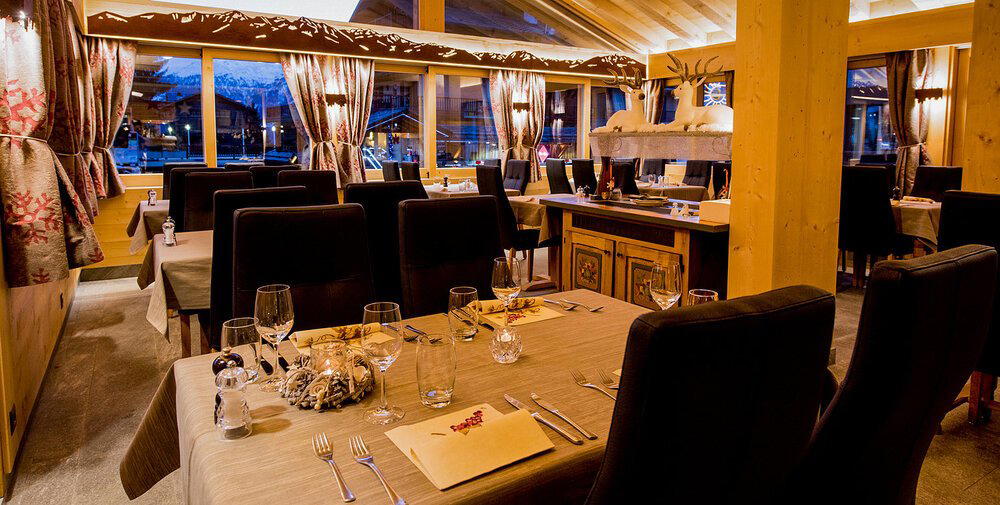
Bars in Le Chable
Browse all →
Hotels in Le Chable
Browse all →

Details
- Cozy
- Rustic
- Modern
- Elegant
- Date Night
- Special Occasion
- Open Kitchen
- Local Sourcing
- Mountain
- A La Carte
Current opening hours
- Monday
- Closed
- Tuesday
- 9 AM–11 PM
- Wednesday
- 9 AM–11 PM
- Thursday
- 9 AM–11 PM
- Friday
- 9 AM–11 PM
- Saturday
- 9 AM–11 PM
- Sunday
- Closed
Hours can change for holidays and private events. Last verified .
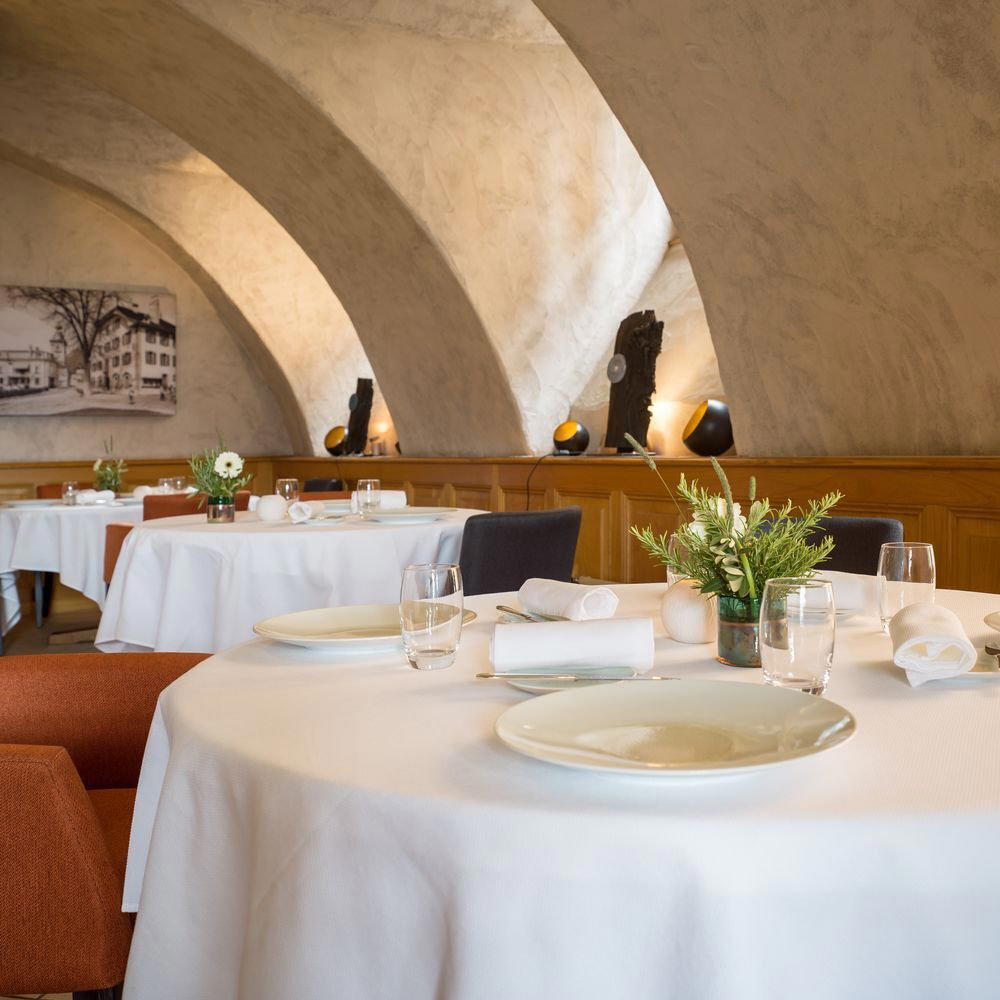
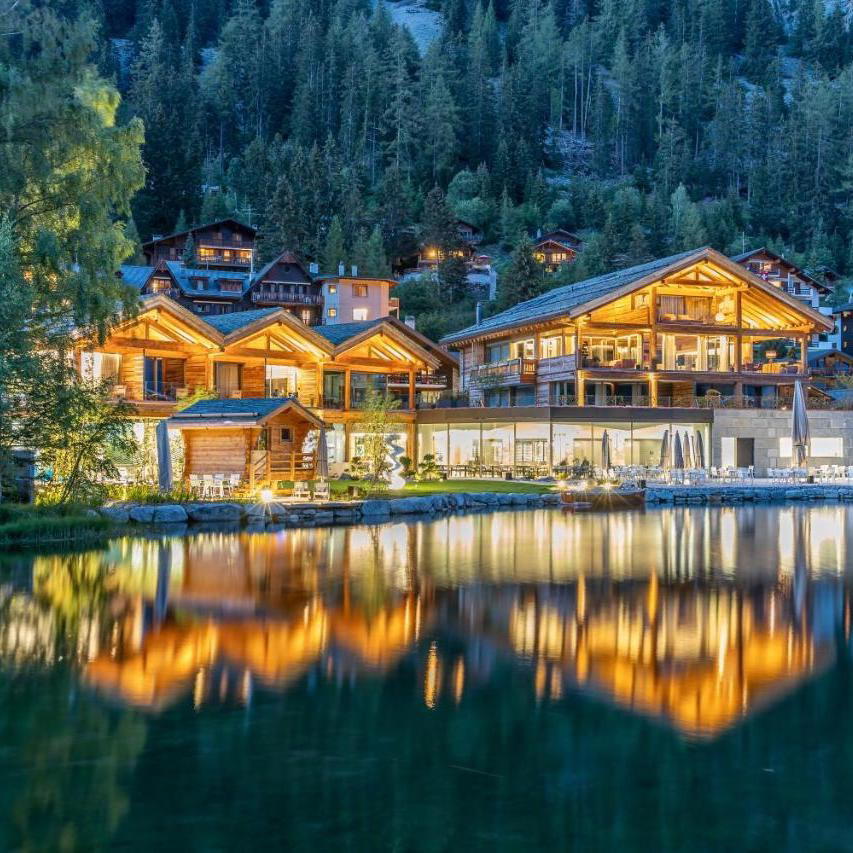
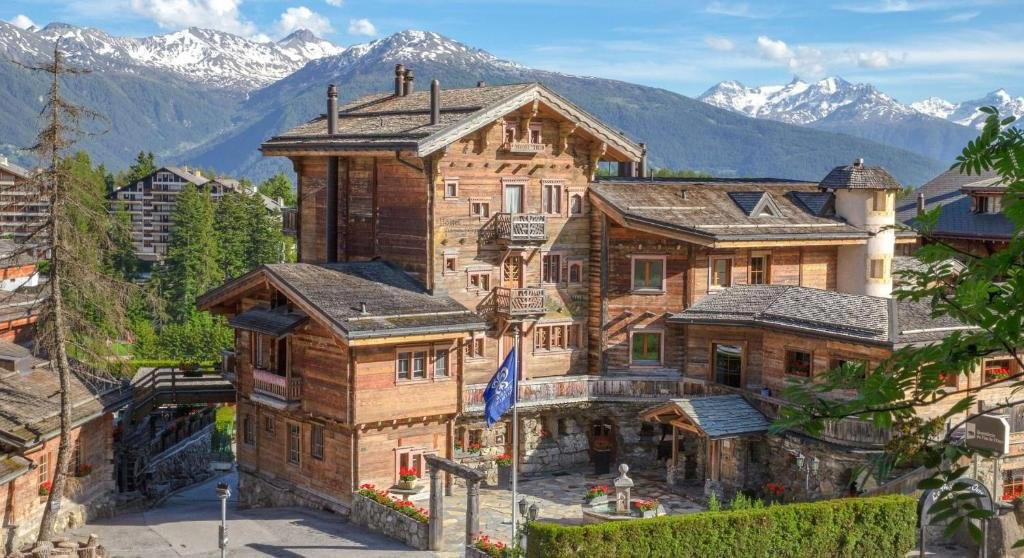
Warm, cozy atmosphere with contemporary wooden decor and original design elements.