Sharing Brasserie Juliette
Our verdict
Sharing Brasserie Juliette sits on Haldenstrasse in Lucerne's residential fringe, where the city's dining scene has quietly developed an appetite for convivial, sharing-format meals in settings that feel more salon than restaurant. The address places it within reach of the lake district's heavier tourist traffic while operating at a remove that tends to attract a more local crowd. For visitors curious about how Lucerne eats when it isn't performing for visitors, this is a useful starting point.

Pearl is the En Primeur Club membership app — saves, bookings, and concierge access live there. Same editors, same standards.
- Address
- Haldenstrasse 4, 6006 Luzern, Switzerland
- Phone
- +41414190909
- Hours
- Daily 12–2 PM, 6–10 PM
- Website
- grandhotel-national.com
- Directions
- Get directions
- Booking
- Book on the venue's website
The menu
What to order
- Big Sharing Plate
- Entrecôte Café de Paris
- Moules et Frites
- Beef tartare
- Lobster roll
Where Lucerne Eats Without an Audience
Lucerne's restaurant scene divides fairly cleanly between the lakefront corridor, where hotels and high-volume visitors set the pace, and the quieter residential streets that run north and east of the old town, where a more settled dining culture has taken hold. Haldenstrasse sits in that second category. The address at number 4 is not the kind of place you stumble across on the way to the Chapel Bridge; you make a deliberate choice to be there, which already tells you something about the crowd that fills the room.
Sharing Brasserie Juliette belongs to a format that has been gaining traction in Swiss mid-cities over the past decade: the convivial brasserie built around shared plates and a wine list that does more editorial work than the menu. In cities like Geneva and Zurich, this model has largely displaced the old course-by-course formal dinner at the middle tier of the market. Lucerne has been slower to follow, which makes the format here feel fresher than it might in a larger city.
The Wine Argument
In brasserie-format dining, the wine list often reveals more about a kitchen's priorities than the food does. A list built for throughput leans on recognisable appellations and safe markups. A list built for conversation takes positions: it backs producers in transition, holds bottles from vintages that need time, and creates a structure that rewards the guest who asks questions rather than the one who points at a familiar label.
Lucerne has historically been a conservative wine market, reflecting the broader Swiss tendency to drink domestically and cautiously. Swiss wine culture concentrates heavily on Chasselas in the Vaud, Pinot Noir in Graubünden and Valais, and a handful of Alpine varieties that rarely appear on export lists. A brasserie operating in this context has two options: it can mirror that conservatism, or it can use it as contrast, building a list that brings in reference points from Burgundy, the northern Rhône, and Piedmont to sit alongside domestic selections. The more interesting wine programs in Swiss mid-tier dining tend toward the latter approach.
For context on what serious Swiss wine curation looks like at the leading end, the lists at Schloss Schauenstein in Fürstenau and Hotel de Ville Crissier in Crissier set the benchmark: deep domestic selections integrated with international references in a way that makes both sides of the list more legible. Cheval Blanc by Peter Knogl in Basel operates similarly at the fine dining register. Sharing Brasserie Juliette plays at a different price point and scale, but the philosophical question is the same: does the list reflect genuine curation or mere stock?
Sharing Formats and What They Demand of a Kitchen
The sharing-plate format is easier to execute badly than well. When it works, the table becomes a loose sequence of arrivals timed to sustain conversation without demanding it stop for course transitions. When it fails, the pacing collapses, portions land simultaneously, and the meal turns into a logistical negotiation. The brasserie register adds its own complication: the cooking needs to be confident enough to hold up on the table while people are still talking, not just at the moment of plating.
Within Lucerne's current restaurant map, the sharing format at Brasserie Juliette sits in a different tier from the structured tasting menus at Lucide or the contemporary French precision of Colonnade. It operates closer to the register of Maihöfli by UniQuisine, where the emphasis falls on creative cooking at a price point that allows for frequency rather than occasion. Barbatti and Bayts represent the more casual end of the same spectrum, where informality is the default rather than the ambition.
The name Juliette carries a certain French-salon register, and brasserie is a French frame: wine-led, sociable, built around the table as a place where meals extend rather than conclude. That positioning, in a city where the dominant dining shorthand remains hotel restaurants and tourist-facing Swiss classics, is itself a small editorial statement.
Lucerne in the Swiss Dining Context
Switzerland's serious dining scene is distributed unevenly. The highest concentrations of Michelin recognition sit in Geneva, Zurich, and a handful of smaller towns that punch well above their size: Memories in Bad Ragaz, focus ATELIER in Vitznau (which sits close enough to Lucerne to be a meaningful reference point), and 7132 Silver in Vals. Lucerne has historically sat slightly outside the inner circle of Swiss fine dining, functioning more as a gateway city for international visitors than as a destination for domestic food tourism.
That position creates an opening for restaurants that operate at the quality-casual register: places that can attract a local professional crowd while remaining accessible to visitors who want something more considered than the hotel buffet but less formal than a tasting menu. IGNIV Zürich by Andreas Caminada has demonstrated at city scale what a sharing-format restaurant can achieve when the kitchen and cellar are aligned. At a different scale and in a different city, the model at Brasserie Juliette speaks to the same appetite.
For a broader map of where Sharing Brasserie Juliette fits within the city's current dining options, the full Lucerne restaurants guide covers the range from quick lunches to multi-course tasting menus.
Planning a Visit
Haldenstrasse 4 is in the 6006 postal district, a short walk from the lake but outside the densest tourist zone, which means the neighbourhood reads as residential during the day and settles into a quieter rhythm by evening. For visitors coming from the old town, the walk takes roughly ten to fifteen minutes on foot. The brasserie format typically supports drop-in dining more readily than tasting-menu restaurants, but in a city where tables are a finite resource and local regulars fill rooms consistently, reaching out in advance is the more reliable approach.
Travellers using Lucerne as a base for wider Swiss dining will find meaningful reference points within day-trip range: focus ATELIER in Vitznau is the closest high-level kitchen, while Da Vittorio in St. Moritz and Einstein Gourmet in Sankt Gallen extend the itinerary east. Those planning a broader European trip with serious dining as an organising principle might also consider Le Bernardin in New York City or Atomix in New York City as reference points for what the sharing and omakase formats achieve at their respective peaks, and L'Atelier Robuchon in Geneva for the French-brasserie register executed at the highest level.
Frequently asked questions
Where is Sharing Brasserie Juliette located?
Sharing Brasserie Juliette is located at Haldenstrasse 4, 6006 Luzern, Switzerland, Lucerne.
How does Sharing Brasserie Juliette differ from Lucerne's lakefront restaurant corridor?
Most of Lucerne's high-volume dining clusters along the lakefront, where hotel-adjacent rooms and tourist footfall shape both menus and pricing. Sharing Brasserie Juliette's address at Haldenstrasse 4 in the 6006 district places it a short walk from the lake but outside that corridor, which shifts the room's composition toward a local rather than visitor clientele. In a city where that distinction matters, the location is a signal about who the kitchen is cooking for.
What do people recommend at Sharing Brasserie Juliette?
The sharing-plate format is the kitchen's clearest statement of intent: dishes are designed to move around the table rather than land in front of a single diner, which puts the emphasis on pacing and balance across a meal. Guests at Haldenstrasse 4 tend to order broadly rather than narrowly, letting the kitchen's sequence of arrivals drive the table. That approach generally rewards groups of three or more, where the format reaches its natural rhythm.
Is Sharing Brasserie Juliette reservation-only?
Brasserie formats in Switzerland typically hold some walk-in capacity, particularly at lunch, though evenings in well-regarded Lucerne rooms tend to fill faster than the neighbourhood's lower tourist traffic might suggest. Haldenstrasse 4 sits outside the densest visitor zone, which can moderate demand relative to lakefront addresses, but booking ahead for dinner remains the practical approach.
At-a-Glance Comparison
Comparable venues nearby, for context on price, style, and recognition.
| Venue | Cuisine | Price | Awards | Notes |
|---|---|---|---|---|
| Sharing Brasserie JulietteThis venue — the venue you are viewing | Modern French Brasserie | Not listed | Not listed | Not listed |
| Brasserie VICO | Modern French Brasserie | Not listed | Not listed | city center |
| Bodu | Classic French Brasserie | $30–50 | Not listed | Old Town |
| Barbatti | Traditional Italian | Not listed | Falstaff Restaurant - 90 Falstaff Points | old town |
| Felsenegg Restaurant Luzern | Mediterranean with Swiss influences | Not listed | Not listed | near Rotsee |
| Sauvage | French Mediterranean Bistro | Not listed | Michelin Plate | Old Town |
Continue exploring
More in Lucerne
Restaurants in Lucerne
Browse all →
Bars in Lucerne
Browse all →
Hotels in Lucerne
Browse all →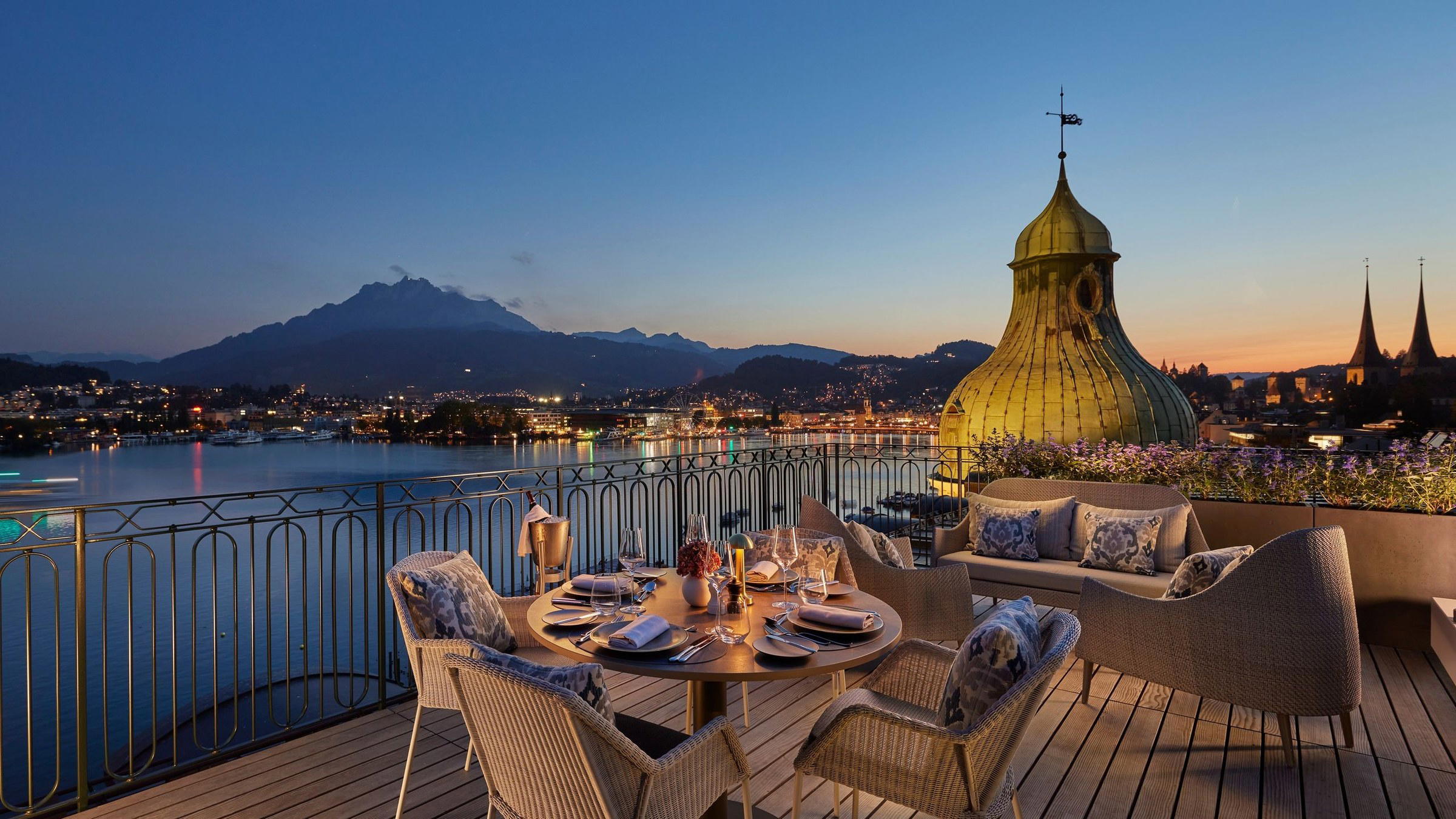

Sharing Brasserie Juliette
The wine
- Wine program
- Curated wine list
- Extensive wine list
- Craft cocktails
Details
- Elegant
- Classic
- Cozy
- Scenic
- Date Night
- Group Dining
- Brunch
- Terrace
- Waterfront
- Hotel Restaurant
- Historic Building
- Extensive Wine List
- Craft Cocktails
- Waterfront
- Mountain
- Small Plates
- A La Carte
- Vegetarian Friendly
- Vegan Options
Current opening hours
- Monday
- 12–2 PM, 6–10 PM
- Tuesday
- 12–2 PM, 6–10 PM
- Wednesday
- 12–2 PM, 6–10 PM
- Thursday
- 12–2 PM, 6–10 PM
- Friday
- 12–2 PM, 6–10 PM
- Saturday
- 12–2 PM, 6–10 PM
- Sunday
- 12–2 PM, 6–10 PM
Hours can change for holidays and private events. Last verified .
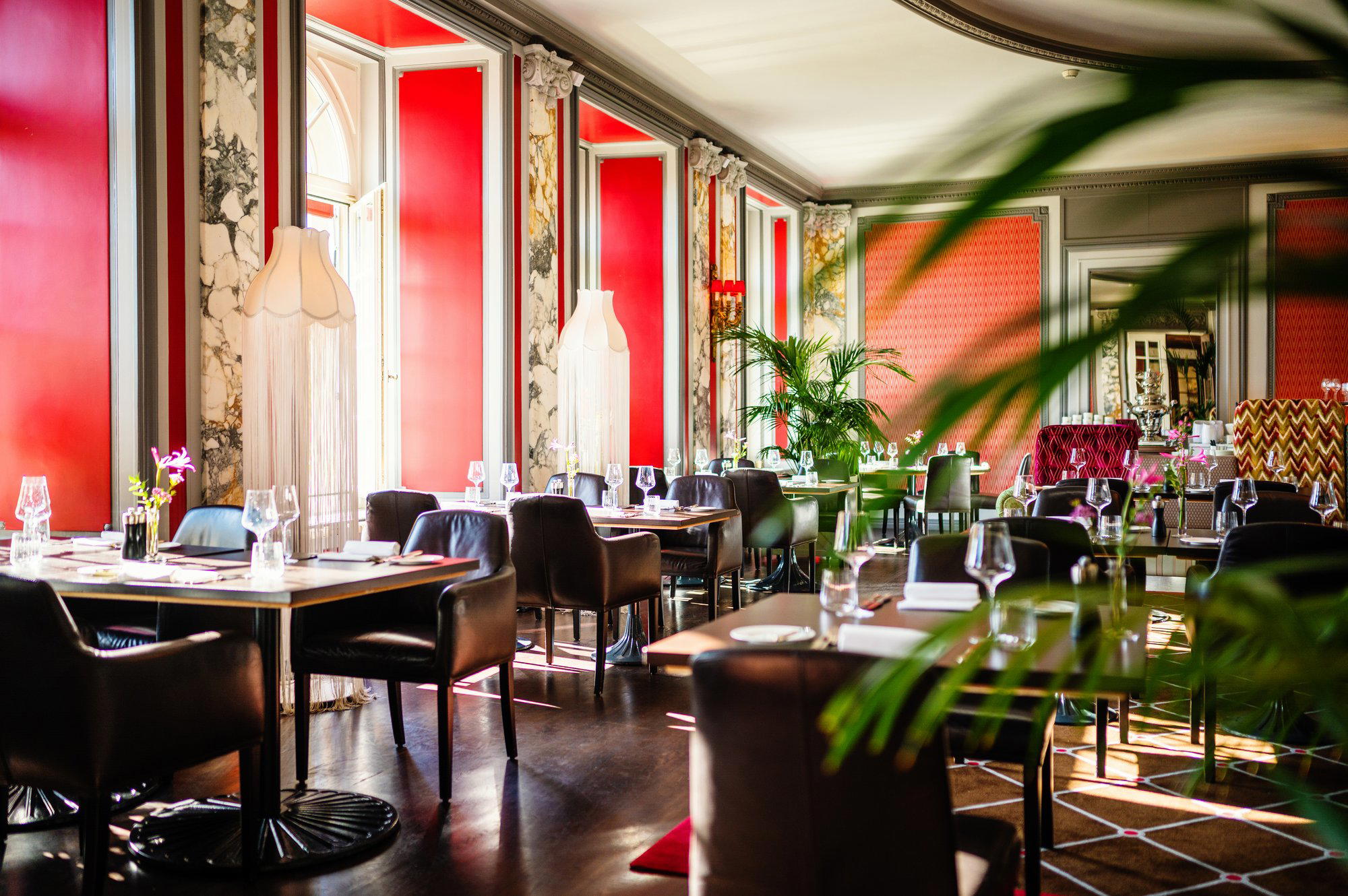
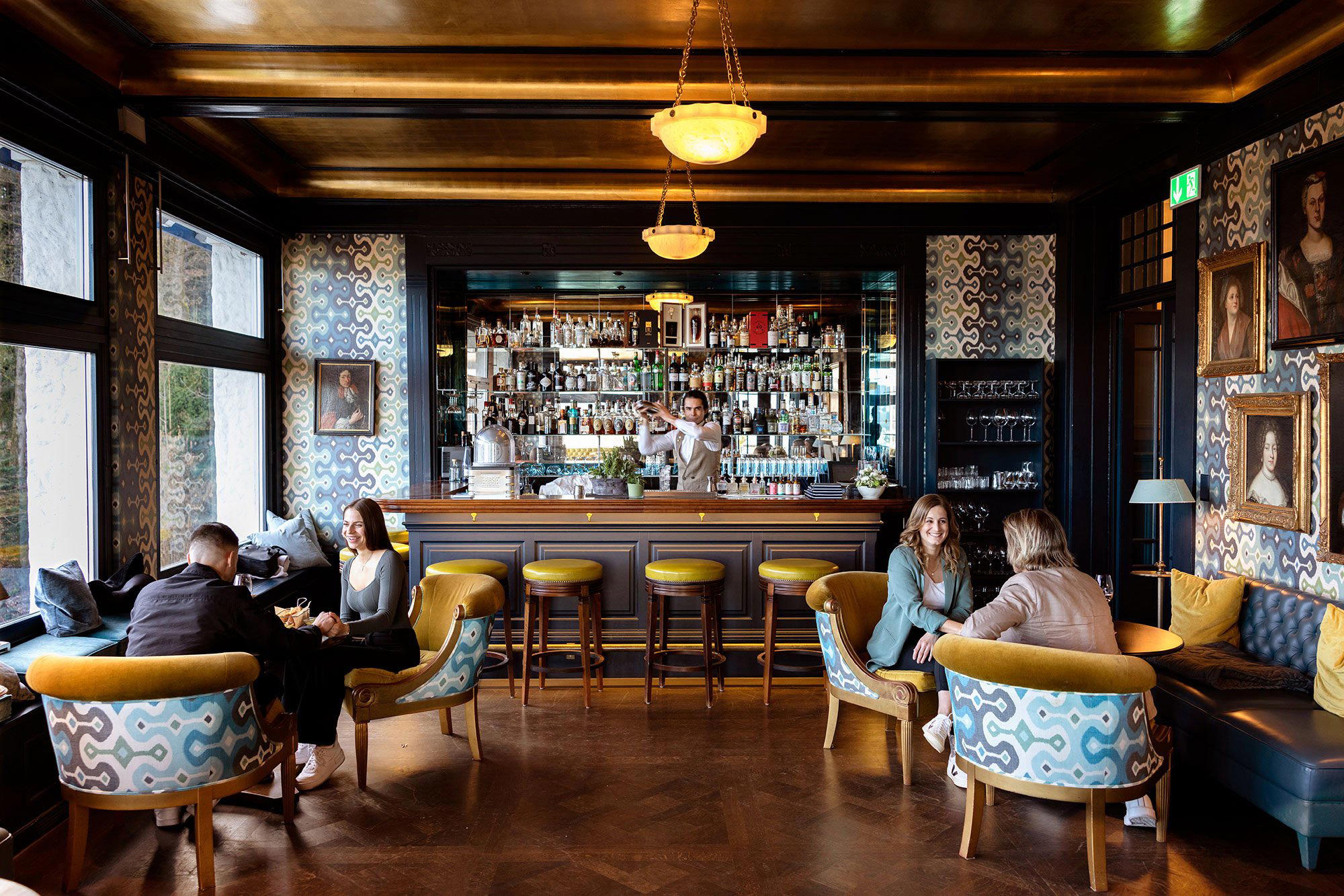
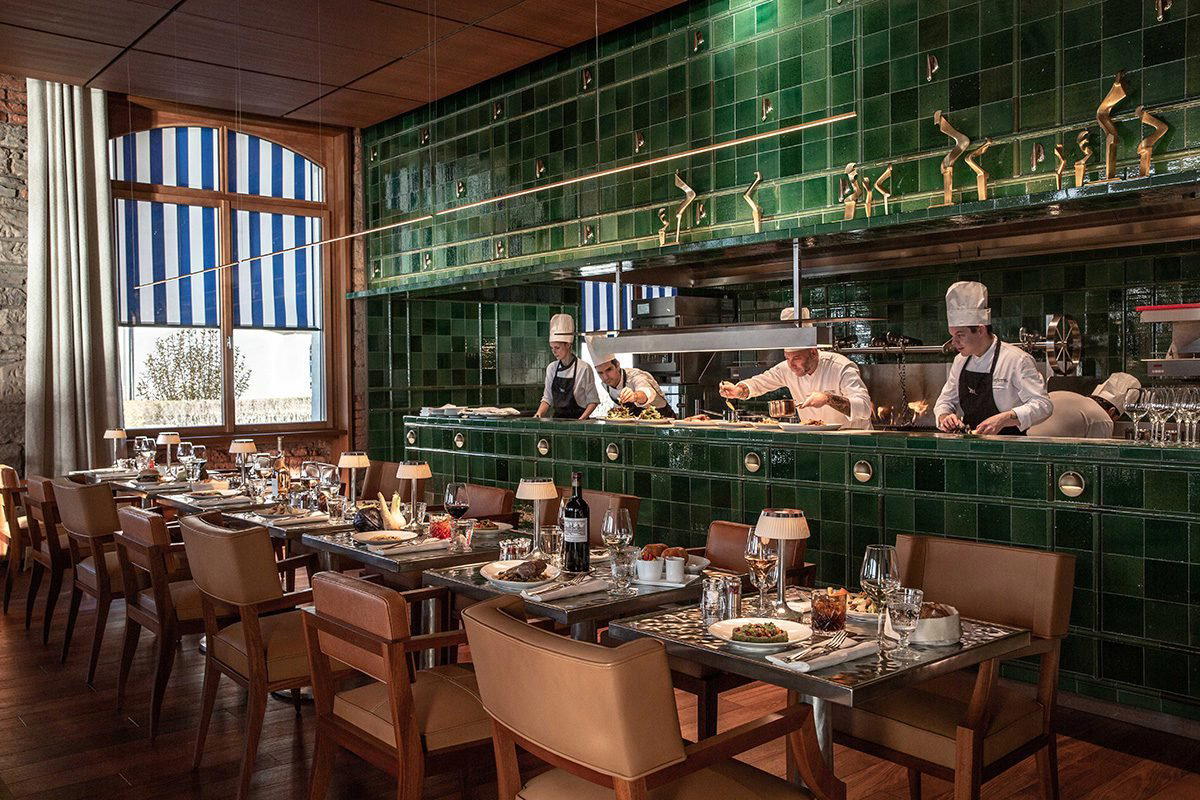
Elegant historic interior with harmonious, charming atmosphere, rustic modern vibes, and beautiful lakeside terrace.