


Few dining rooms in Paris carry the physical weight of history that Le Grand Véfour does. Installed beneath the arcades of the Palais-Royal since the 18th century, it holds a Les Grandes Tables du Monde Award (2025) and an Opinionated About Dining Classical Europe ranking, with Guy Martin in the kitchen delivering bistrot-inflected French cuisine inside one of the city's most intact period interiors.
Pearl is the En Primeur Club membership app — saves, bookings, and concierge access live there. Same editors, same standards.
- Address
- 17 Rue de Beaujolais, 75001 Paris, France
- Phone
- +33 1 42 96 56 27
- Website
- grand-vefour.com
- Directions
- Get directions
 Saves & bookings on Pearl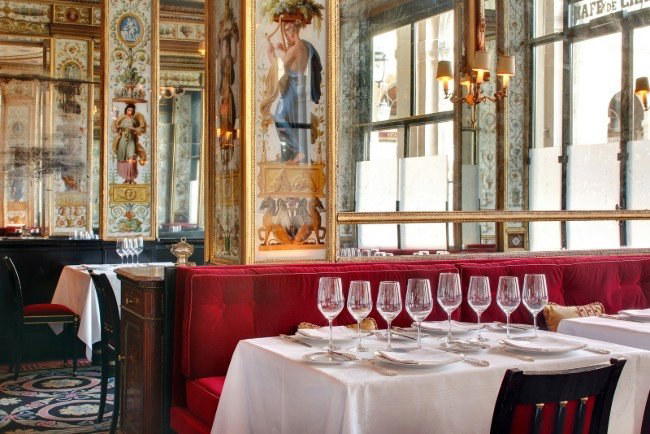
A Room That Precedes Its Reputation
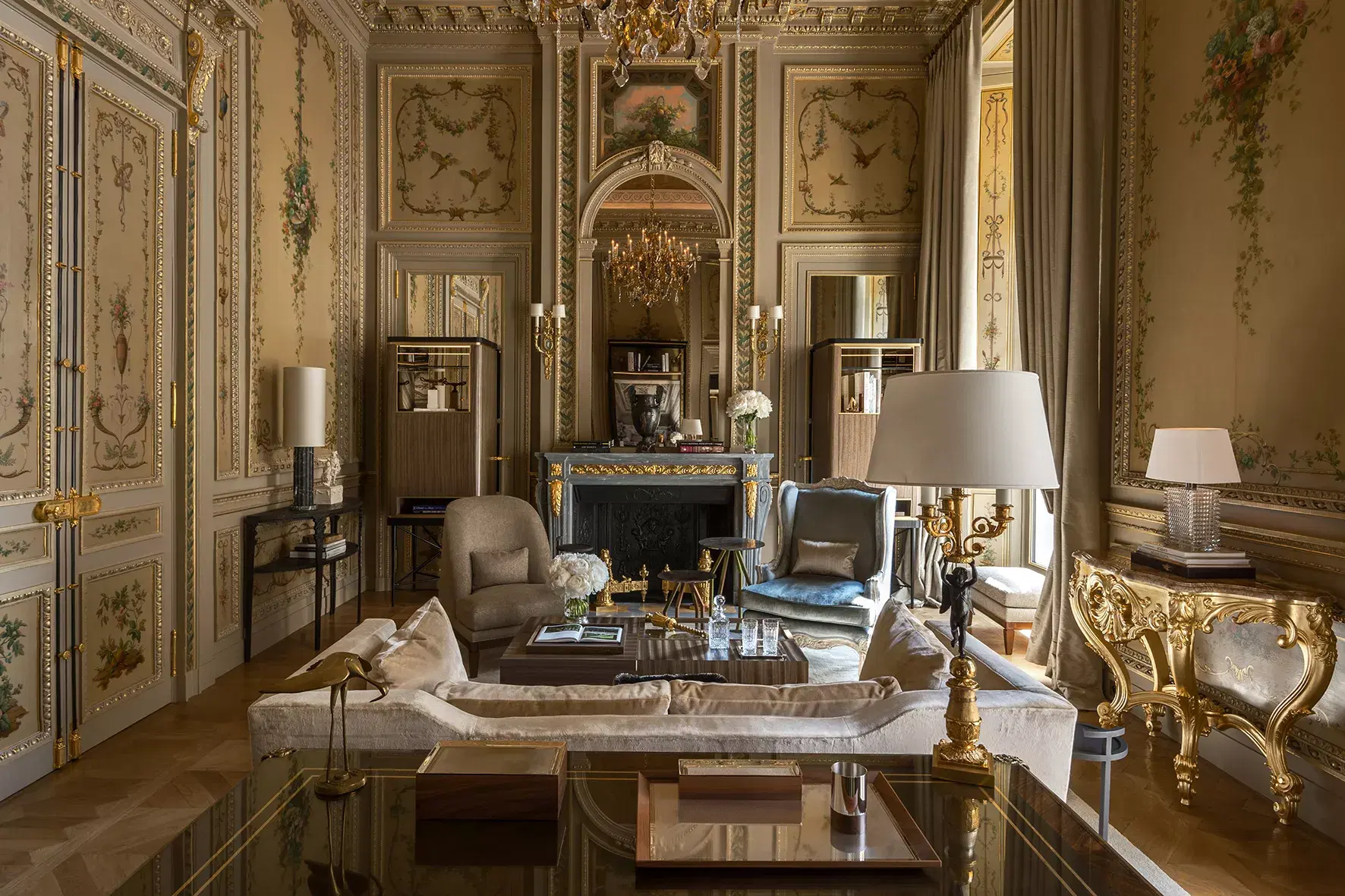
Paris has many celebrated dining rooms, but few where the architecture itself functions as a primary argument. The grand hotel restaurants along the 8th arrondissement, Epicure at Le Bristol, Le Taillevent on the Rue Lamennais, occupy spaces designed to impress. Le Grand Véfour occupies a space designed to last. Its dining room beneath the arcades of the Palais-Royal is among the more intact 18th-century restaurant interiors in France: painted glass panels, gilded cornices, mirrored walls, and banquette seating arranged beneath a ceiling that has changed little since Napoleon's era. This is not a heritage aesthetic applied to a contemporary project. It is the original object.
That distinction matters for how a visitor reads the room. Arriving from the Rue de Beaujolais entrance, or through the Palais-Royal gardens themselves, the transition is abrupt in the leading sense. The colonnaded exterior gives way to an interior that operates at a different register from the city outside. The proportions are human-scale, intimate rather than grand in the way a hotel ballroom is grand, and the painted panels and brass fittings create a density of detail that rewards attention. Within Paris's classical restaurant tier, this is the physical container most consistently cited alongside the food itself.
Where Le Grand Véfour Sits in the Paris Classical Tier
Paris's high-end French dining has reorganised considerably over the past decade. The creative end of the spectrum, Alléno at Pavillon Ledoyen, Plénitude at the Cheval Blanc, runs long tasting menus built around technique-forward frameworks. The classical end holds restaurants where the cuisine references French culinary tradition more directly, without the same emphasis on transformation or conceptual framing. L'Ambroisie on the Place des Vosges represents one austere version of that classical position. Le Grand Véfour sits within that broad grouping but with a somewhat more accessible register: Guy Martin's kitchen operates in a bistrot-inflected mode that keeps the cooking grounded without abandoning the setting's obvious formality.
That positioning is reflected in its recognition profile. The 2025 Les Grandes Tables du Monde Award places it among French classical houses that includes Troisgros in Ouches, Paul Bocuse in Collonges-au-Mont-d'Or, Auberge de l'Ill in Illhaeusern, and Bras in Laguiole. These are houses where institutional continuity and regional or historical rootedness carry weight alongside the cooking itself. The Opinionated About Dining Classical Europe ranking at position 134 (2023) further anchors it in the European classical French category rather than the contemporary tasting-menu circuit.
The Cuisine: Bistrot Sensibility in a Palace Frame
The phrase "bistrot-style cuisine" applied to a room of this magnitude invites some unpacking. What it signals, in the context of the restaurant, is a kitchen orientation toward legibility and directness, sauces that declare themselves, proteins prepared without extensive technical mediation, seasonal French produce handled in ways that reference classical training without requiring the diner to decode a conceptual layer. This is not the same as simplicity. Classical French cooking at this level involves real technical depth; the bistrot framing speaks more to register than to complexity.
Guy Martin has held the position at the restaurant long enough that his name and the room have become genuinely intertwined in Paris dining conversation, the kind of continuity that distinguishes the restaurant from projects where chef tenure is shorter and the concept more provisional. That said, the editorial weight here sits with what the room and the tradition demand rather than with any single cook's biographical arc. The kitchen serves the space as much as the reverse.
For comparison within Paris, L'Atelier de Joël Robuchon Étoile and La Table d'AkiHiro operate at different points along the spectrum between classical technique and contemporary application. Frenchie Bar au Vins represents the more casual end of the same broad French culinary tradition. The restaurant's particular contribution is the alignment between kitchen register and physical setting: the food matches the room in tone, which is not something every classical house achieves.
France's dining scene beyond Paris offers useful reference points for understanding where the restaurant fits within the broader national picture. Flocons de Sel in Megève and Mirazur in Menton anchor the contemporary end; Hotel de Ville Crissier across the border in Switzerland, and Sézanne in Tokyo, show how French classical training travels. Within this network, the restaurant's identity rests on what is not portable: the room itself.
The Palais-Royal Setting and How to Approach It
The Palais-Royal gardens remain one of central Paris's quieter presences given their location. Entering from the Rue de Beaujolais side places you directly under the northern arcade; the restaurant's entrance is a few paces in. Arriving through the gardens from the Rue de Rivoli end extends the approach and gives the building's colonnaded facade its proper context. Neither route requires much navigation, but the garden approach is worth the small additional distance for the way it frames arrival.
The 1st arrondissement neighbourhood around the Palais-Royal has its own dining and cultural character: the Comédie-Française is directly adjacent, the Louvre a short walk south, and several smaller restaurants occupy the same arcade system.
Planning Your Visit
The restaurant is located at 17 Rue de Beaujolais, 75001 Paris, France.4 (1,453 reviews). The restaurant received the 2025 Les Grandes Tables du Monde recognition.
A Lean Comparison
Comparable venues nearby, for context on price, style, and recognition.
| Venue | Cuisine | Price | Notes |
|---|---|---|---|
| Le Grand VéfourThis venue — the venue you are viewing | Palais-Royal, Classic French Fine Dining | $$$$ | Not listed |
| Maison Ruggieri Palais Royal | Not listed | $$$$ | Palais Royal, Creative French Fine Dining |
| Geoélia | Not listed | $$$$ | 16th arrondissement (Passy), Modern French Seafood |
| Chantoiseau | Montmartre, Modern French Bistro | $$$$ | Not listed |
| Ken Yamamoto | Not listed | $$$$ | 16th arrondissement, Contemporary French with Japanese Influence |
| L'Envolée - La Demeure Montaigne | Not listed | $$$$ | 8th arrondissement, Seasonal French Bistronomique |
Recognition history
Dated appearances from independent guides and award organizations, with the underlying list record or original source where available.
Les Grandes Tables du Monde Member
Les Grandes Tables du Monde
Relais Chateaux Award
Relais Chateaux
Opinionated About Dining Classical in Europe Ranked #134
Opinionated About Dining
Continue exploring
More in Paris
Restaurants in Paris
Browse all →
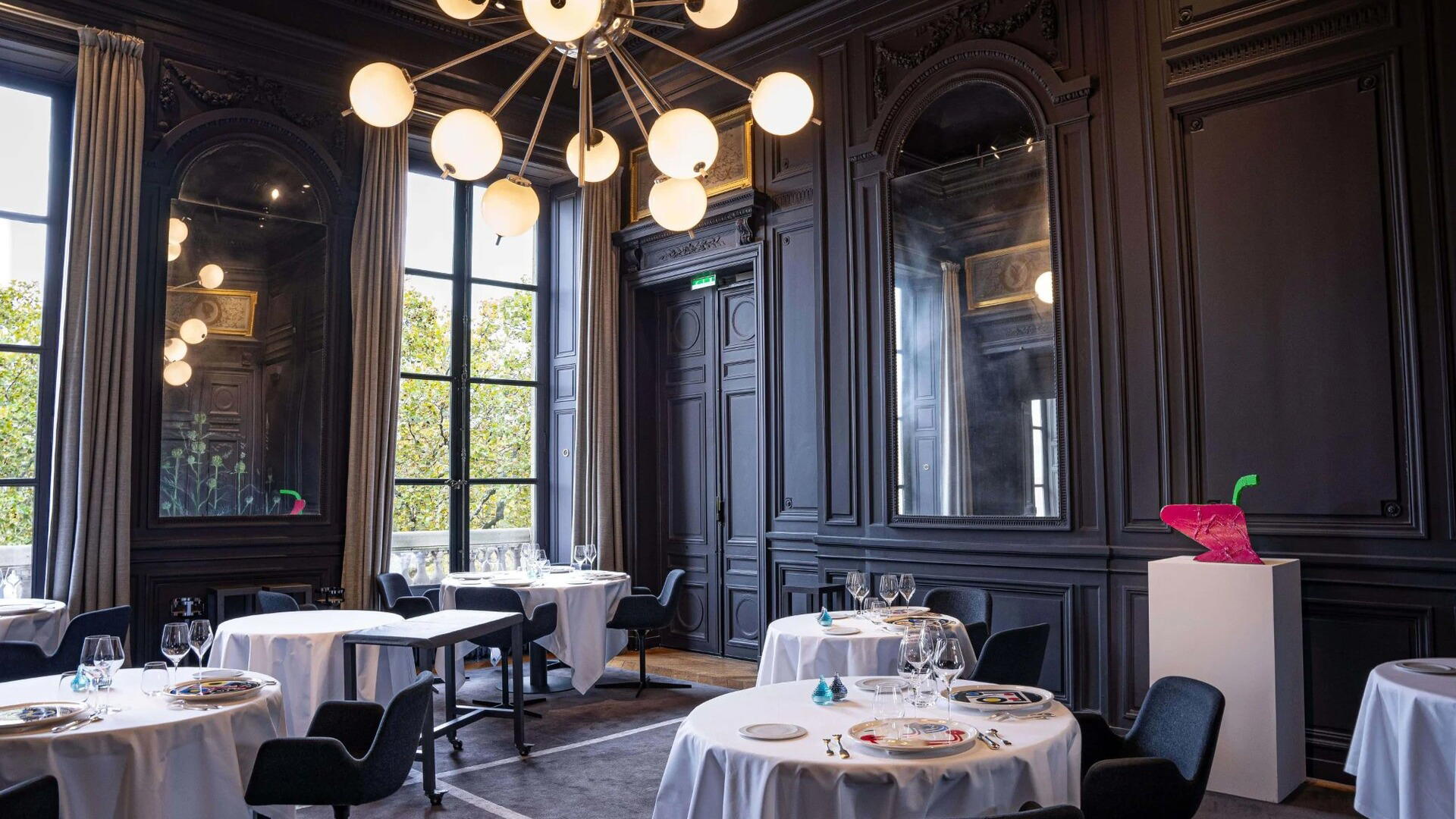
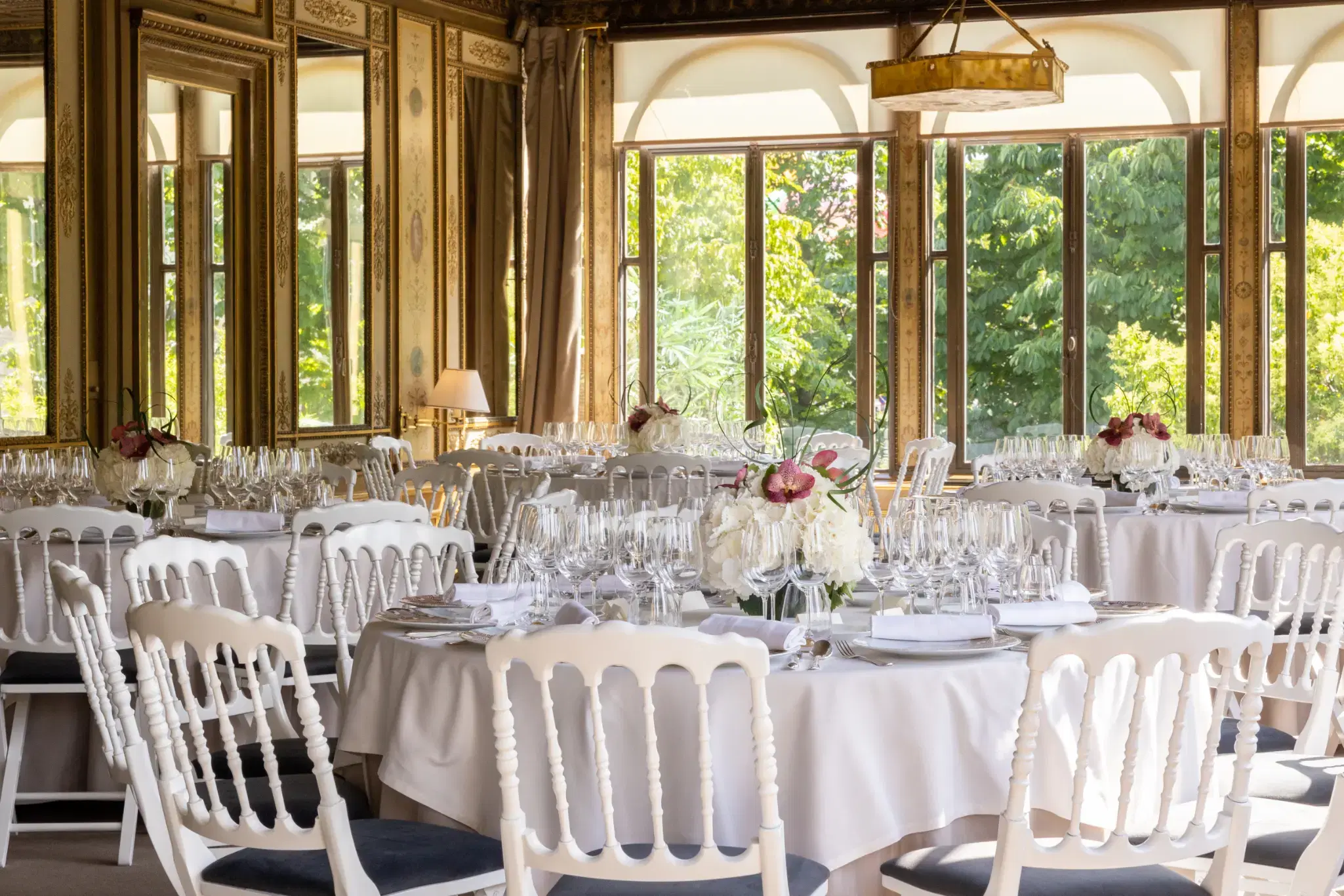
Bars in Paris
Browse all →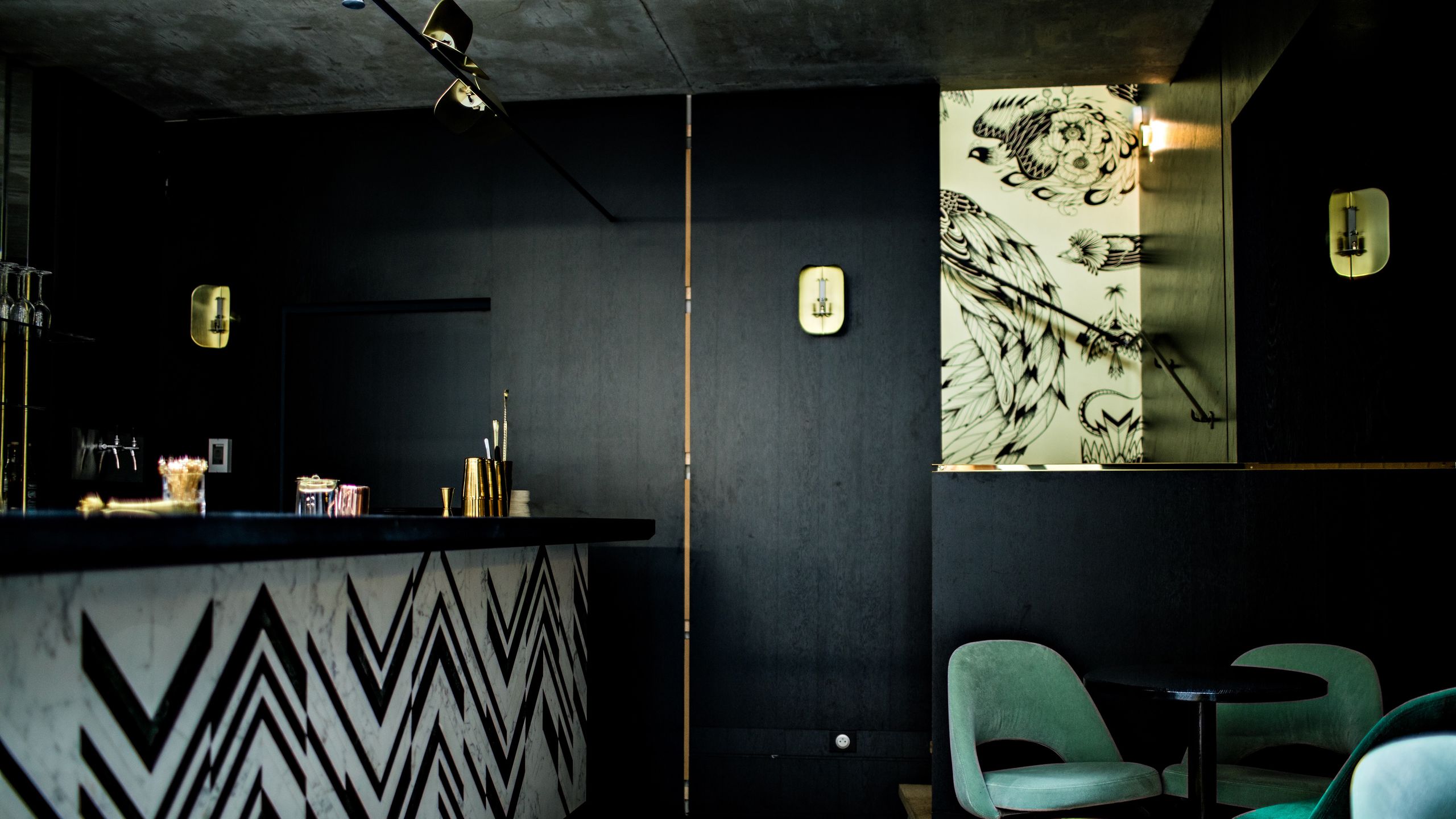

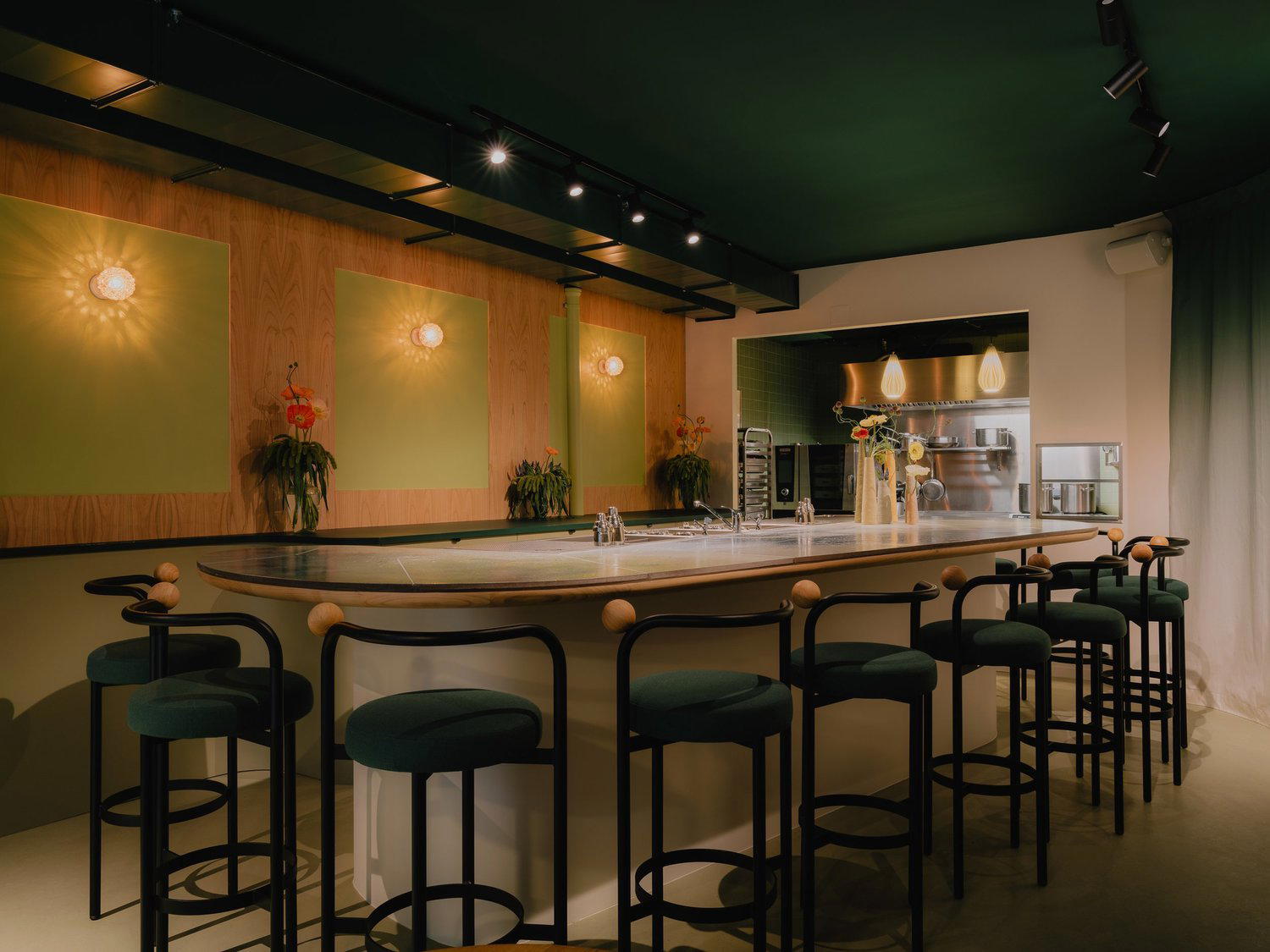
Hotels in Paris
Browse all →




At a Glance
- Classic
- Elegant
- Ornate
- Well Known
- Sophisticated
- Intimate
- Special Occasion
- Date Night
- Business Dinner
- Historic Building
- Private Dining
- Extensive Wine List
- Sommelier Led
- Garden
Current opening hours
- Monday
- Closed
- Tuesday
- 12–1:45 PM, 7–9:30 PM
- Wednesday
- 12–1:45 PM, 7–9:30 PM
- Thursday
- 12–1:45 PM, 7–9:30 PM
- Friday
- 12–1:45 PM, 7–9:30 PM
- Saturday
- 12–1:45 PM, 7–9:30 PM
- Sunday
- Closed
Hours can change for holidays and private events. Last verified .
Ornate Directoire-style dining room with etched mirrors, gilded details, chandeliers, and garden views creating an elegant, historic atmosphere.