
A Michelin Selected retreat in the Île-de-France countryside, Le Barn occupies a converted mill complex at Le Moulin de Brétigny outside Bonnelles, roughly an hour south of Paris. The property positions itself in the design-led rural escape category, where architectural character and landscape setting carry more weight than urban proximity. It offers a counterpoint to the polished formality of the capital's grand hotels.
Pearl is the En Primeur Club membership app — saves, bookings, and concierge access live there. Same editors, same standards.
- Address
- Le Moulin de Brétigny, 78830 Bonnelles, France
- Phone
- +33 1 86 38 00 00
- Website
- lebarnhotel.com
- Directions
- Get directions
 Saves & bookings on Pearl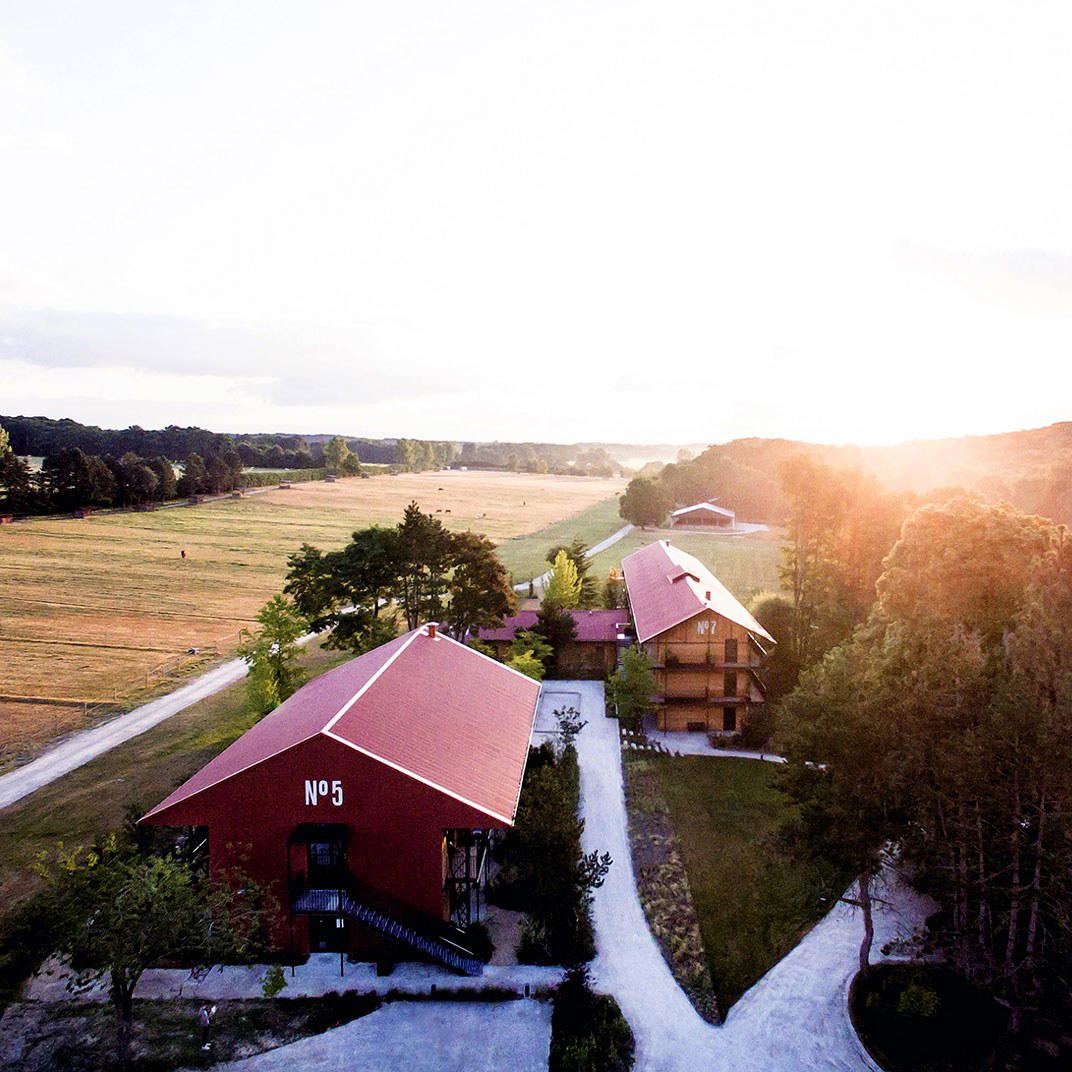
A Mill Reborn: The Architecture of Retreat Outside Paris
The Île-de-France countryside south of Paris contains one of France's quieter concentrations of converted estate properties, farmhouses, mills, and manor outbuildings that have been reworked into weekend retreats for a city that has always needed one. Le Barn sits within this tradition at Le Moulin de Brétigny in Bonnelles, roughly an hour by road from the capital, and it represents the more considered end of that conversion spectrum. Where many rural retreats simply graft hotel infrastructure onto old stone walls, this property uses the mill's original fabric as a structural argument: the exposed timber, the low ceilings, the relationship between building and surrounding land are the point, not the backdrop.
That approach places Le Barn in a specific peer group within French country hospitality. Properties like La Ferme Saint-Siméon in Honfleur and Château du Grand-Lucé in Le Grand-Lucé occupy a similar category: places where the physical heritage of the building shapes the guest experience more directly than any designed amenity program. The Michelin Selected distinction for 2025 confirms the property sits inside a recognized tier of French hospitality, one defined by quality of environment and attention to setting.
What the Michelin Selection Signals
Michelin's hotel selection process applies the same editorial scrutiny to accommodation that the restaurant guide applies to food. A property earns a place in the selected list through an assessor's judgment about whether the stay delivers on its own terms, whether the design, service, and atmosphere cohere. For a rural mill conversion in Essonne, appearing in the 2025 selection places Le Barn alongside a national comparable set that includes grand châteaux and design hotels in major cities. The credential is meaningful precisely because the category is broad: it signals a minimum threshold of quality without specifying a style.
The hotel's inclusion positions it within that national conversation while remaining rooted in a specific local geography: the rolling agricultural land of the Essonne valley, far from both the coastal glamour of the Riviera and the formality of Paris's palace hotels.
Design Philosophy: Conversion as Statement
The conversion of agricultural or industrial heritage into hospitality spaces has become one of France's more compelling architectural subgenres over the past two decades. The challenge is always the same: how much to intervene, and where. Properties that over-renovate lose the texture that justified the project; those that under-renovate produce a cold authenticity without comfort. Particularly successful examples in this category treat the original structure as a collaborator, preserving material honesty while importing the kind of considered comfort that makes a stay feel deliberate rather than rustic by default.
The hotel's positioning as a barn and mill conversion signals a design approach aligned with the natural materials movement that has shaped French country hotel design in this period. This sits in contrast to the gilded formality of properties like Le Bristol Paris or the Hôtel de Paris Monte-Carlo, where the architectural vocabulary is about grandeur and accumulation. The barn-conversion model asks a different question: what happens when you subtract rather than add? The answer, at its leading, is a kind of spatial honesty that urban hotels cannot replicate.
Comparable design-led rural conversions across France, including Villa La Coste in Le Puy-Sainte-Réparade and Château de la Gaude in Aix-en-Provence, demonstrate that this approach scales across different regional identities. What distinguishes the Île-de-France version is its particular relationship to Paris: close enough to make the escape feel earned, far enough that the agricultural character of the land remains intact.
The Bonnelles Setting and Who Comes Here
Bonnelles is a commune in Essonne, in the southern reaches of the Île-de-France. It is not a tourist destination in any conventional sense: there is no town center to stroll, no market square, no monument drawing weekend visitors. What it has is agricultural land, forest edges, and the relative silence that becomes a luxury at roughly an hour from Paris. The Moulin de Brétigny site sits within this landscape as a self-contained proposition, which means guests arrive for the property rather than for the area.
This self-contained model characterizes a specific style of French hospitality that has gained traction among Paris-based travelers who want deceleration without distance. The same logic applies to wine-country retreats like Domaine Les Crayères in Reims or mountain properties like Four Seasons Megève, though both of those carry strong regional identity beyond the property itself. The hotel operates without that regional draw, which makes the quality of the physical environment and in-house experience all the more load-bearing. You are not there for Bonnelles; you are there for the mill.
Planning Your Stay
The hotel is located at Le Moulin de Brétigny in Bonnelles, Essonne, approximately one hour south of Paris by car via the A10 or N20. The property is a destination stay rather than a base for regional touring, though the natural parks and forests of the southern Île-de-France provide outdoor context for those inclined. If the Île-de-France does not suit your dates, comparable rural-escape properties within the Michelin Selected tier include Hôtel Chais Monnet & Spa in Cognac and Hôtel & Spa du Castellet in Le Castellet, both operating under a similar philosophy of heritage conversion with contemporary comfort.
How It Stacks Up
Comparable venues nearby, for context on price, style, and recognition.
| Venue | Cuisine | Price | Awards | Notes |
|---|---|---|---|---|
| Le BarnThis venue — the venue you are viewing | Converted barns and farm on a 500-acre estate with a watermill spa. | $$$ | 4-Star | Not listed |
| Hôtel Filigrane | Intimate 4-star Parisian boutique with an underground spa and a strong neighborhood-inspired identity around the Bourse and Bibliothèque de France. | $$$ | 4-Star | 2nd arrondissement |
| Hôtel de Bouilhac | Historic boutique hotel blending 17th-century architecture with contemporary luxury in a curated collection property. | $$$ | 4-Star | Montignac-Lascaux |
| Mercure La Corderie Royale | Contemporary design harmoniously blended with 17th-century military heritage architecture, eco-certified and restored in 2018. | $$$ | 4-Star | historical district, riverwalk |
| Villa Seren | Lakefront boutique hotel with spa | $$$$ | 4-Star | Soorts-Hossegor |
| Le Jeu de Paume Chamonix | Alpine chalet with Parisian heritage, blending traditional Savoyard architecture with contemporary luxury and eco-conscious design principles. | $$$$ | 4-Star | Lavancher |
Recognition history
Dated appearances from independent guides and award organizations, with the underlying list record or original source where available.
Michelin Selected
Michelin
Continue exploring
More in Bonnelles
Hotels in Bonnelles
Browse all →
Bars in Bonnelles
Browse all →
Restaurants in Bonnelles
Browse all →



At a Glance
- Rustic
- Cozy
- Scenic
- Elegant
- Romantic Getaway
- Weekend Escape
- Wellness Retreat
- Garden
- Terrace
- Wi Fi
- Spa
- Sauna
- Pool
- Restaurant
- Bar
- Bicycle Rental
- Concierge
- Garden
- Wi Fi
- Spa
- Sauna
- Pool
- Restaurant
- Bar
- Bicycle Rental
- Concierge
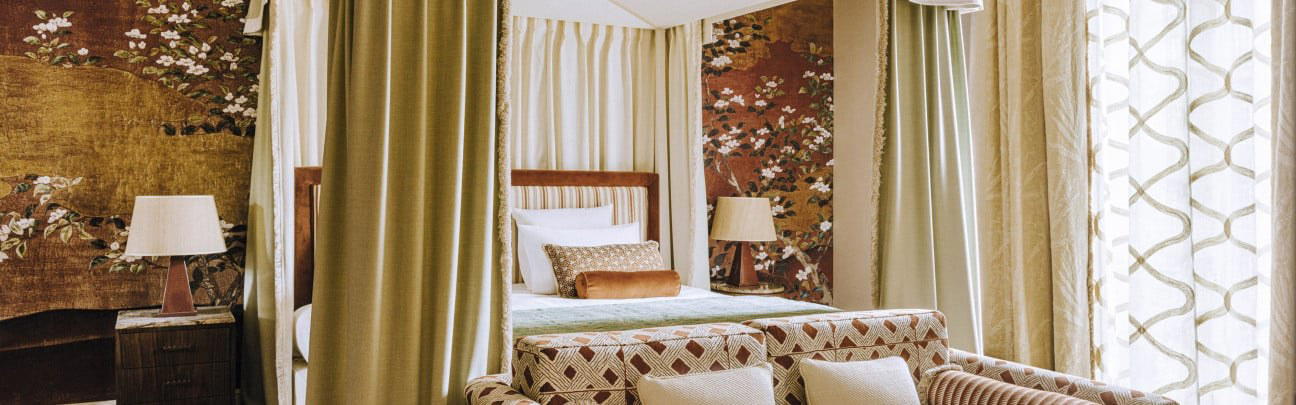
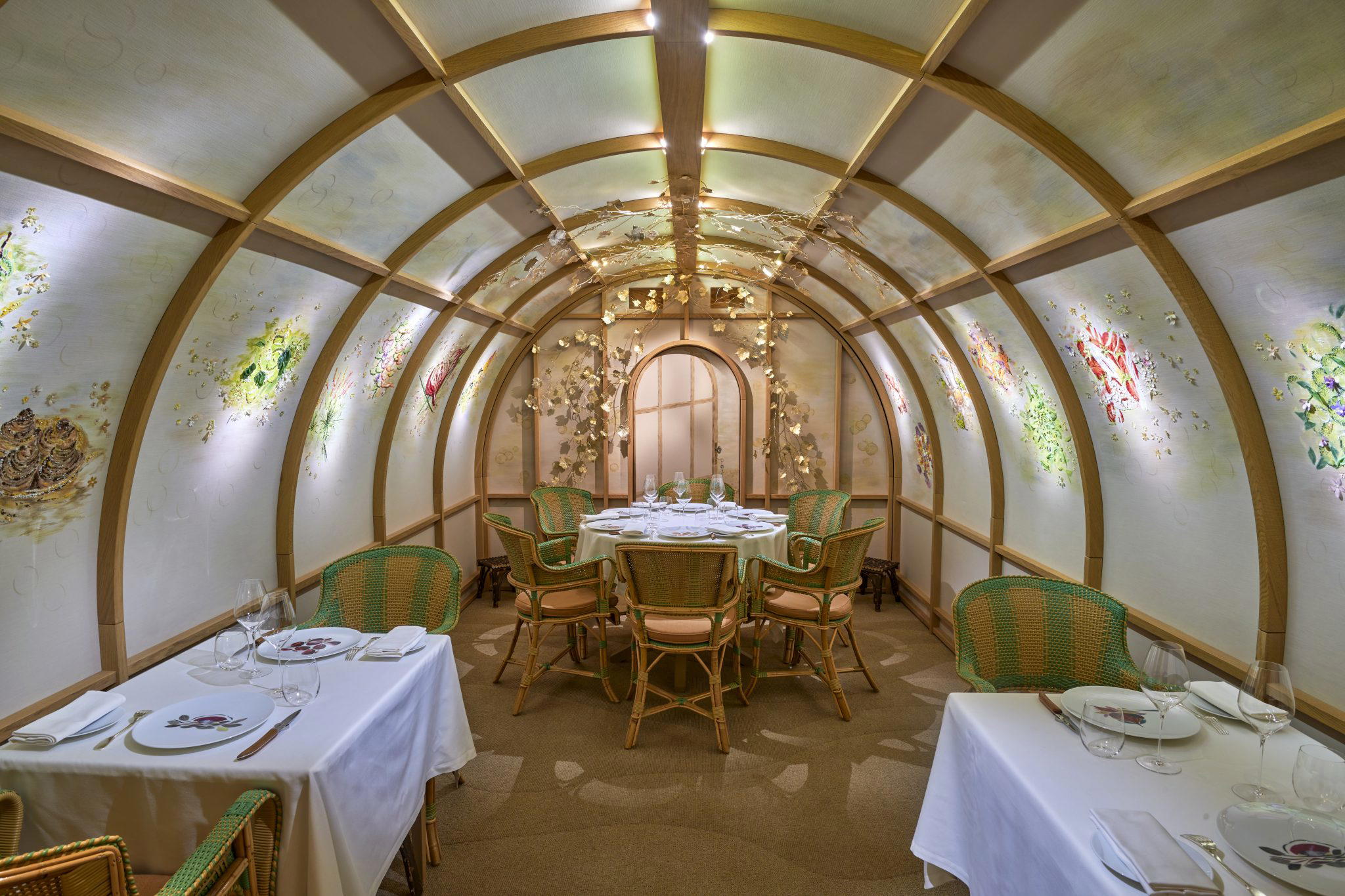
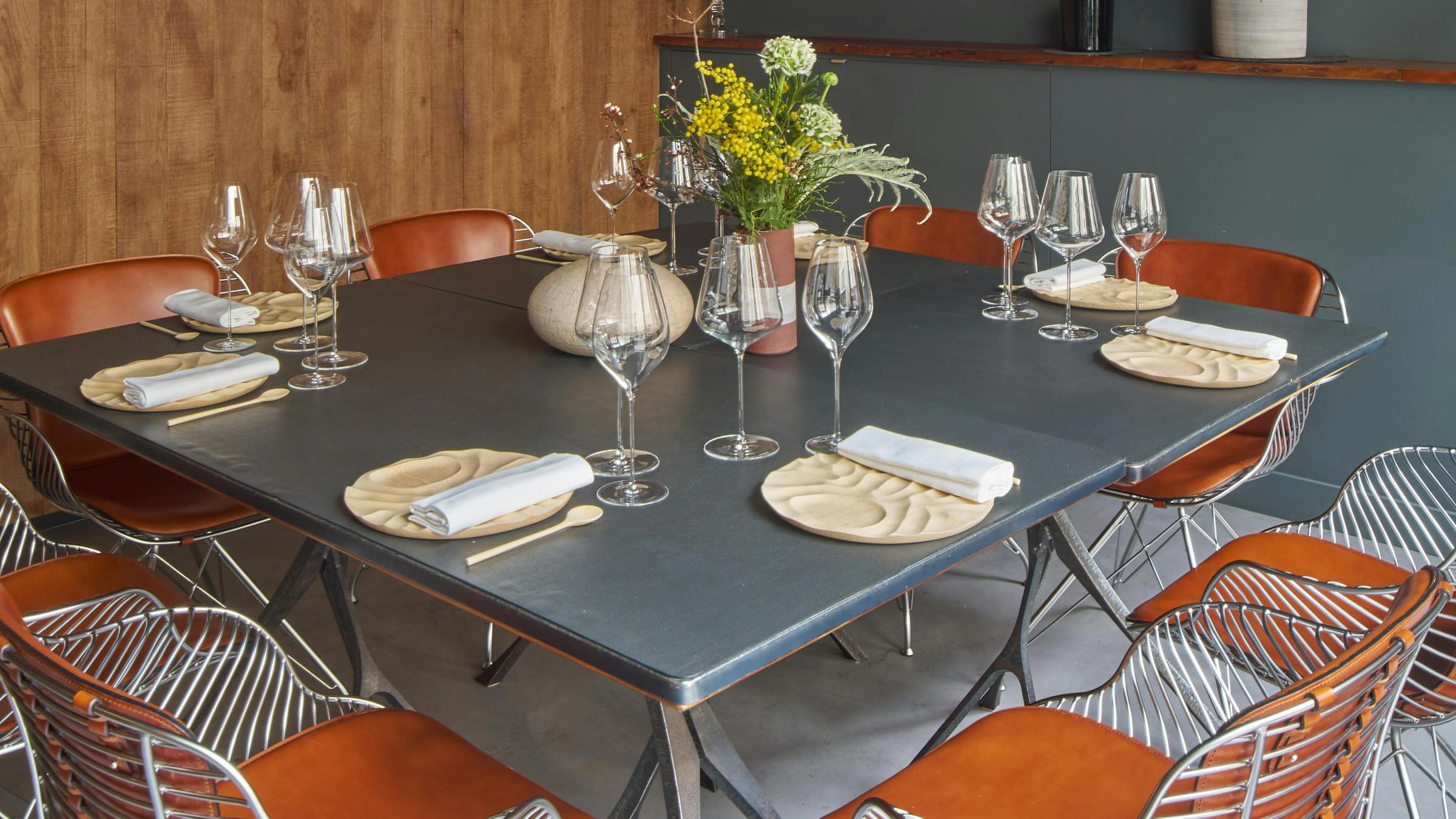
Relaxed and warm rustic atmosphere with natural wood, custom furniture, wool carpets, and plentiful countryside views from private terraces.