Abbaye des Vaux De Cernay, un hôtel Paris Society Collection


A twelfth-century Cistercian abbey in the Chevreuse Valley, now operating as a Michelin Selected hotel under the Paris Society Collection, Abbaye des Vaux de Cernay sits about 35 kilometres southwest of Paris. The property trades on medieval stone, vaulted ceilings, and forested grounds rather than urban convenience, placing it in a distinct category among weekend escapes from the capital.
Pearl is the En Primeur Club membership app — saves, bookings, and concierge access live there. Same editors, same standards.
- Address
- Domaine de l'Abbaye des Vaux de Cernay, 78720 Cernay-la-Ville, France
- Phone
- +33 1 42 80 76 76
- Website
- abbayedecernay.com
- Directions
- Get directions
 Saves & bookings on Pearl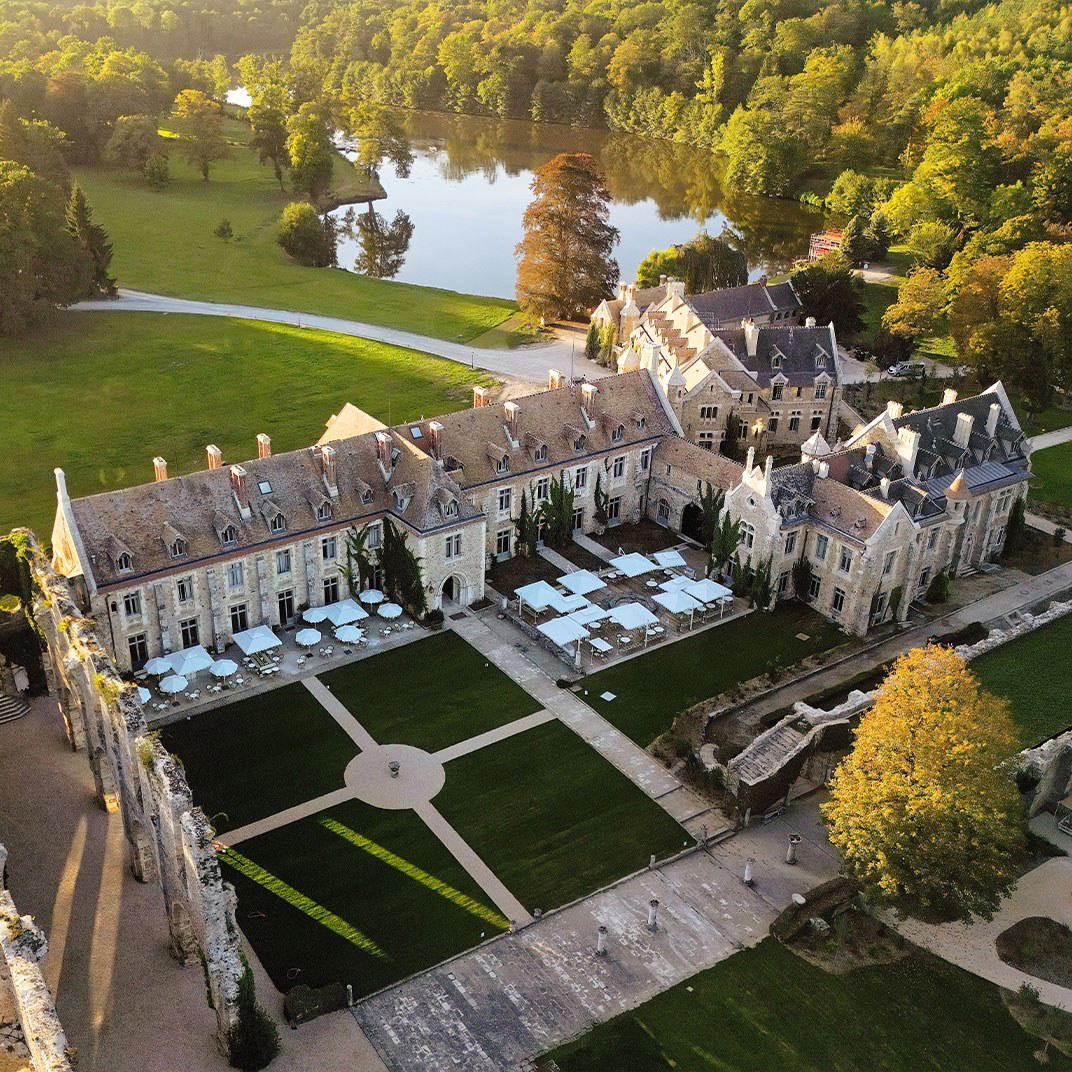
Stone, Silence, and the Chevreuse Valley
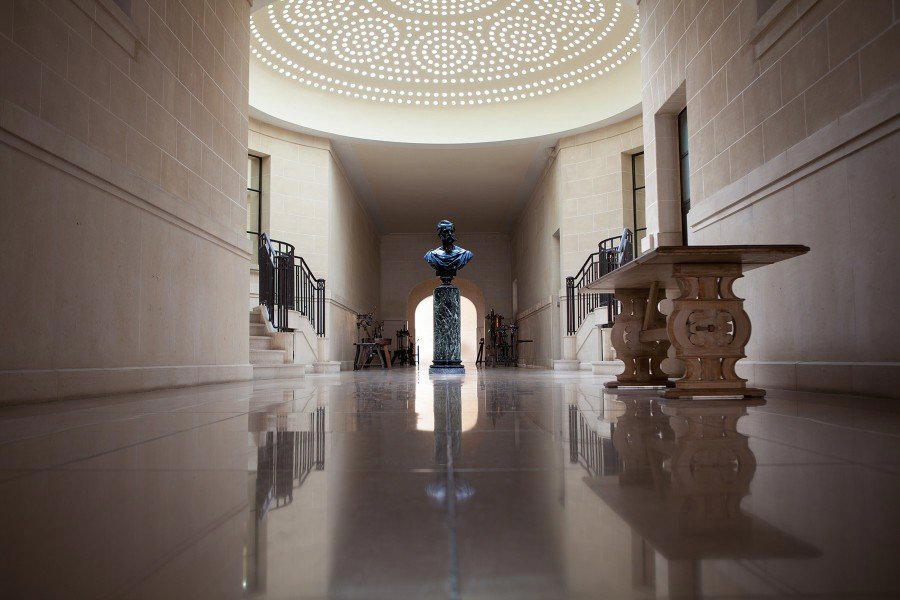
Arriving at Abbaye des Vaux de Cernay, the first thing that registers is the weight of the stone. The twelfth-century Cistercian abbey that anchors the property was built for austerity, and that architectural character survives across the complex: thick limestone walls, narrow lancet windows, and vaulted ceilings that hold the cool of the valley even in summer. The drive through forested grounds along the Vaux de Cernay stream reinforces what the architecture confirms, this is a place defined by deliberate remove from the capital, approximately 35 kilometres southwest of Paris in the Chevreuse Valley Regional Nature Park.
French heritage hotels occupy a broad spectrum. At one end sit the grand urban palaces, Le Bristol Paris in Paris or Hôtel de Paris Monte-Carlo in Monte Carlo, where the architecture is theatrical backdrop to a social scene. At the other end sit properties where the building is the point, and the surrounding landscape structures the stay. Abbaye des Vaux de Cernay belongs firmly to the second category. The Paris Society Collection, the Parisian hospitality group behind the property, operates a portfolio that skews toward atmosphere-led venues, and the abbey fits that positioning precisely.
The Architecture as the Offer
Cistercian abbeys were built on a consistent logic: plain stonework, proportional cloisters, and an orientation toward natural light that creates rhythm across the day without ornamentation. At Vaux de Cernay, the structure dates to the 1100s, with significant expansion through the thirteenth century. The monastic complex survived the Revolution in partial form, was used as a private estate in the nineteenth century, and eventually entered the hospitality sector. That long arc of use has left visible layers, pointed arches from the Romanesque-to-Gothic transition, later domestic additions, and the adaptive reuse that comes with converting a religious complex for guest accommodation.
What makes the conversion architecturally coherent, rather than merely atmospheric, is the restraint applied to the intervention. Historic hotel conversions across France often overcorrect, either stripping medieval character to insert contemporary interiors, or burying the building under period-reproduction furniture that reads as theme park. The abbey's registered status as a monument historique imposes constraints that act as a form of editorial discipline, the bones of the building cannot be substantially altered, which means the guest experience is shaped around what was already there rather than retrofitted around a brand identity. For hotels in a similar heritage bracket, compare Domaine Les Crayères in Reims or Château du Grand-Lucé in Le Grand-Lucé, both of which move through the same tension between preservation and comfort.
Michelin Selection and What It Signals
The Michelin Selected designation operates differently from the star system applied to restaurants. It is a curation signal rather than a tiered ranking: properties are included because they meet a threshold of character, quality, and experience, not because they score against a hierarchical points system. In practice, Michelin Selected hotels tend to be places with a pronounced sense of place, which at Cernay is supplied entirely by the medieval complex and its valley setting.
The selection aligns it with a broader pattern of French heritage hotels that earn recognition less through service uniformity than through irreproducible physical setting. Royal Champagne Hotel and Spa in Champillon and La Bastide de Gordes in Gordes occupy comparable positions in their respective regions: destinations where the surrounding landscape and the building itself justify the stay, and where a Michelin nod functions as confirmation rather than discovery.
The Valley Setting and Grounds
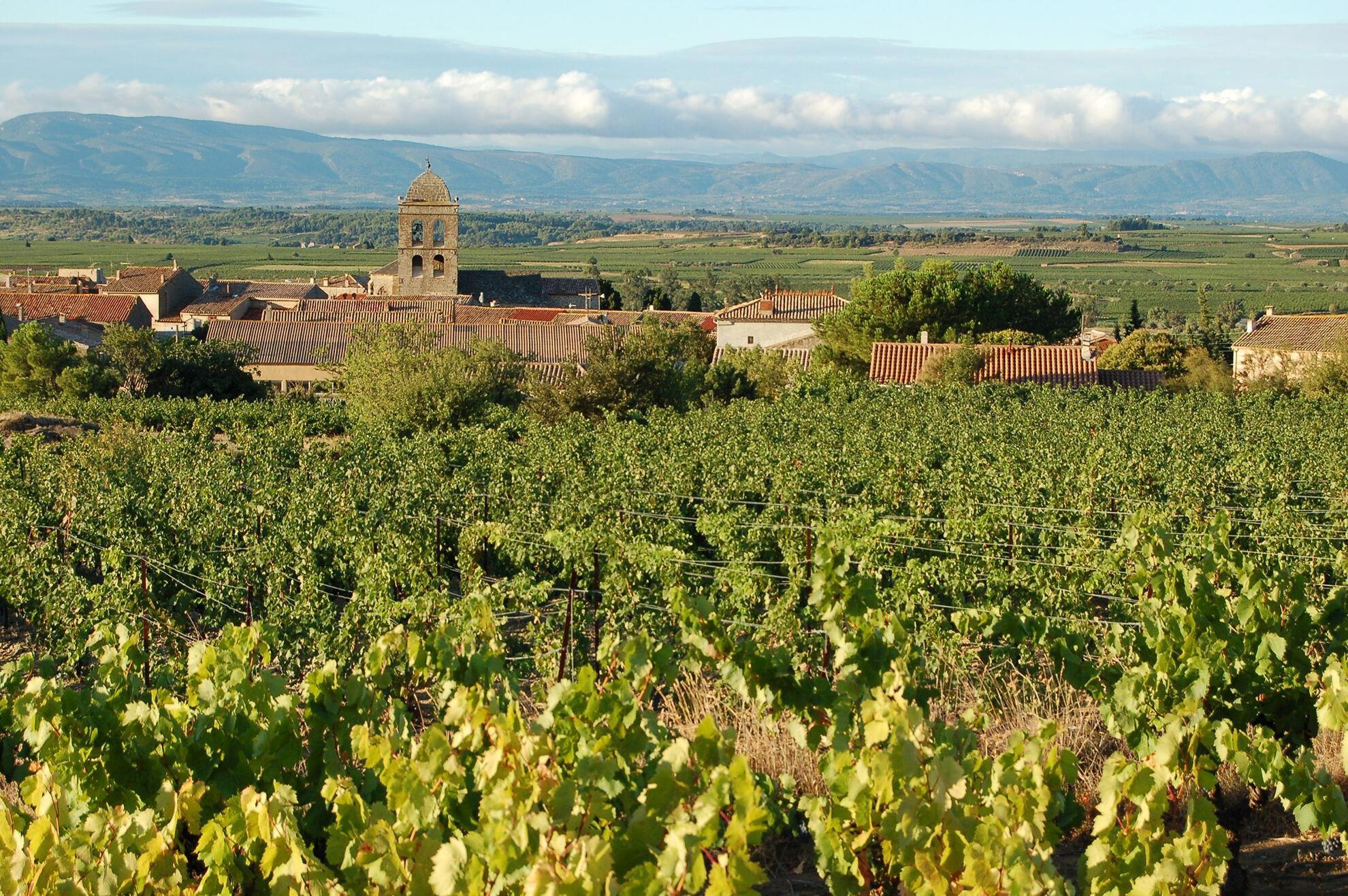
Chevreuse Valley is one of the more quietly significant natural areas in the Île-de-France region. The Parc Naturel Régional de la Haute Vallée de Chevreuse covers around 25,000 hectares of forest, farmland, and river corridor, close enough to Paris to be reached by car or RER train in under an hour, yet sufficiently forested and hilly to read as genuinely rural. The abbey's position within the park, with the Vaux de Cernay stream running through the estate, means the grounds function as an extension of the accommodation rather than ornamental landscaping.
This relationship between building and land is what separates the property from city-adjacent château hotels that happen to have gardens. The surrounding forest and water provide the actual programme of the stay, walks, stillness, proximity to the kind of ambient sound that urban properties spend money simulating. Properties like La Réserve Ramatuelle in Ramatuelle or Villa La Coste in Le Puy-Sainte-Réparade make similar arguments about landscape-as-amenity, albeit in Mediterranean contexts with different aesthetic registers.
Paris Society Collection and the Positioning
Paris Society built its reputation in Parisian dining and event spaces before expanding into hospitality. The group's approach tends toward atmosphere-first properties with strong visual identities and a guest demographic drawn to editorial-ready settings. Abbaye des Vaux de Cernay is an outlier within that portfolio in useful sense: where most Paris Society venues are urban and social, the abbey is rural and contemplative. That contrast is legible as a deliberate move, a property type that serves a guest moment (the weekend escape, the off-season retreat) distinct from the group's Paris-facing offer.
For guests calibrating where the abbey sits in the broader French heritage hotel field, the reference points are properties that prioritize medieval or historic architectural experience over resort-format amenities. Baumanière Les Baux-de-Provence in Les Baux and Château de la Chèvre d'Or in Èze represent comparable heritage-hotel logic in the south, while La Ferme Saint-Siméon in Honfleur and Hôtel du Palais in Biarritz show how different regional contexts shape what counts as architectural character at this tier.
Planning Your Stay
The abbey is reachable from Paris by car in roughly 45 minutes depending on traffic, or via RER B to Saint-Rémy-lès-Chevreuse followed by a short transfer, the latter making it accessible for guests without a vehicle, though a car is useful for exploring the wider valley. The Chevreuse Valley's character shifts meaningfully across the year: autumn brings the kind of forested colour and low mist that suits the abbey's Romanesque atmosphere most directly, while spring opens the grounds and the surrounding park trails. Booking directly through the Paris Society Collection or via the property's official channels is advisable; as a Michelin Selected property, it draws a consistent weekend audience and lead times for prime dates can extend several weeks.
At-a-Glance Comparison
Comparable venues nearby, for context on price, style, and recognition.
| Venue | Cuisine | Price | Awards | Notes |
|---|---|---|---|---|
| Abbaye des Vaux De Cernay, un hôtel Paris Society CollectionThis venue — the venue you are viewing | Renovated 12th-century Cistercian abbey estate with 4 buildings on 80-hectare park. | $$$$ | 4-Star | Not listed |
| Abbaye Des Vaux de Cernay | Restored medieval Cistercian abbey and former Rothschild estate across four historic buildings including stables and farm. | $$$$ | 4-Star | Cernay-la-Ville |
| L'Abbaye de Talloires | Historic abbey converted to luxury hotel with original monastic features | $$$$ | 4-Star | Talloires-Montmin |
| HOY Paris - Yoga Hotel | Holistic urban wellness sanctuary with yoga and vegan dining. | $$$$ | 4-Star | 9th Arr. |
| Les Etangs de Corot | Polished luxury retreat with refined French aesthetic, blending contemporary comfort with classic elegance in a natural woodland setting. | $$$$ | 4-Star | Ville-d'Avray |
| Hôtel Dame des Arts | Parisian Left Bank boutique hotel embodying artistic and creative spirit with timeless elegance and contemporary luxury. | $$$$ | 4-Star | Latin Quarter |
Recognition history
Dated appearances from independent guides and award organizations, with the underlying list record or original source where available.
Mr & Mrs Smith Smith Seal of Approval
Mr & Mrs Smith
Virtuoso Luxury Hotel Partner
Virtuoso
Michelin Selected
Michelin
Continue exploring
More in Cernay-la-ville
Hotels in Cernay-la-ville
Browse all →
Bars in Cernay-la-ville
Browse all →
Restaurants in Cernay-la-ville
Browse all →
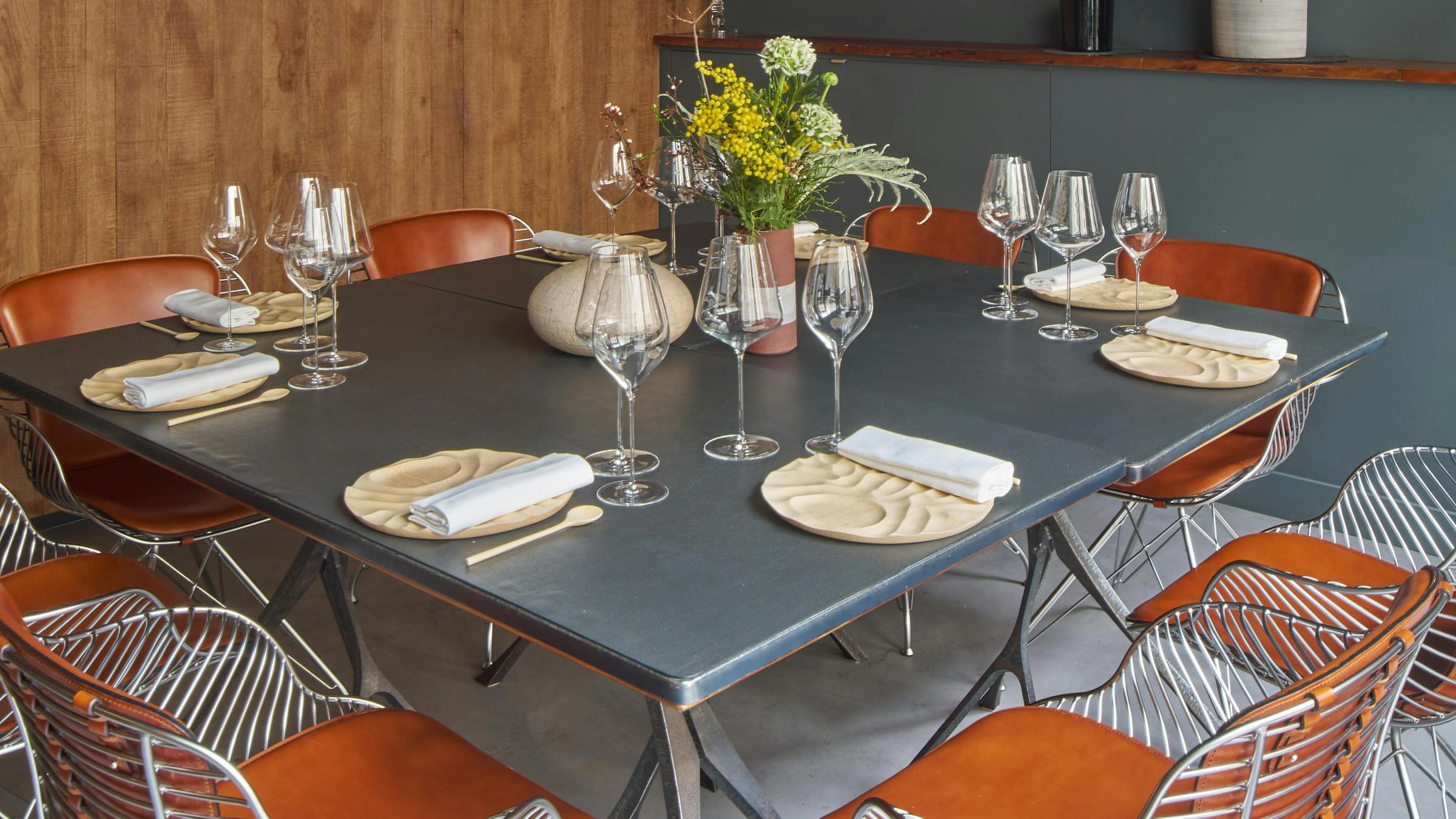
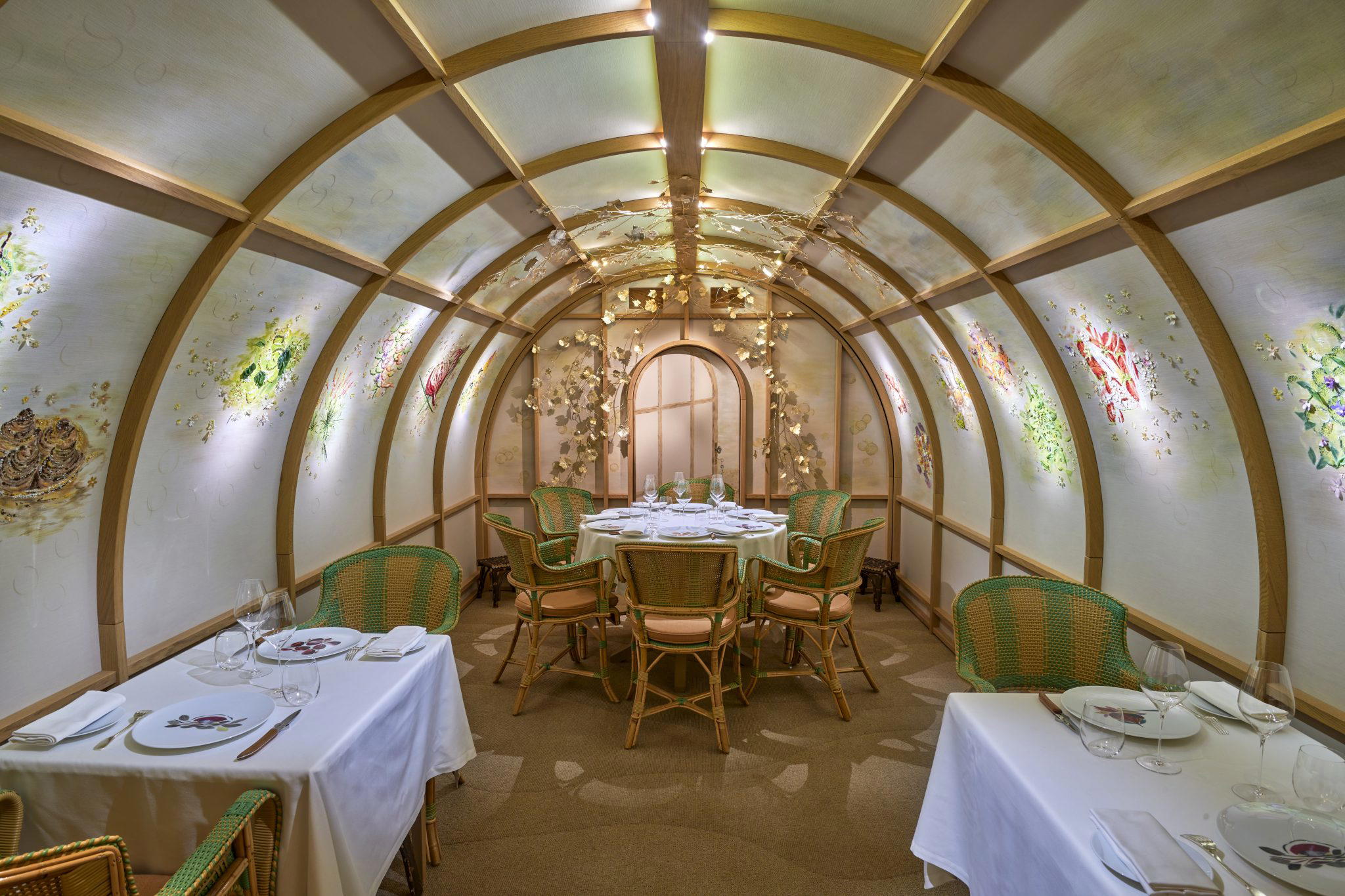
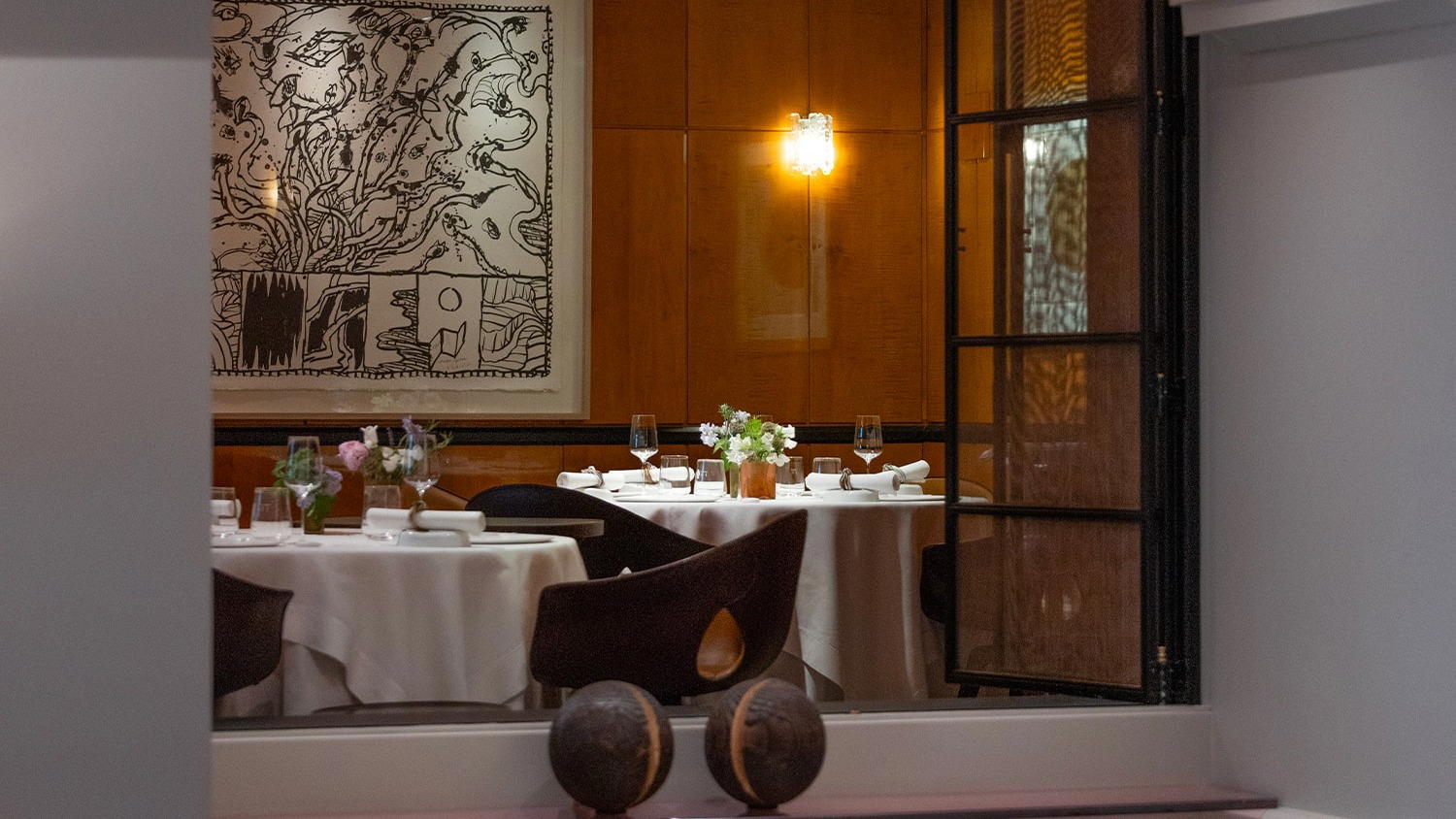

At a Glance
- Romantic
- Elegant
- Scenic
- Cozy
- Sophisticated
- Ornate
- Romantic Getaway
- Family Vacation
- Weekend Escape
- Wellness Retreat
- Historic Building
- Panoramic View
- Terrace
- Pool
- Spa
- Fitness Center
- Room Service
- Concierge
- Wi Fi
- Restaurant
- Bar
- Garden
- Pool
- Spa
- Fitness Center
- Room Service
- Concierge
- Wi Fi
- Restaurant
- Bar
Enveloping intimacy with warm, grandiose communal spaces, attentive service, and natural splendor.