Magma occupies a considered position in Rennes' evolving restaurant scene, where a growing cohort of independent kitchens are placing environmental sourcing at the centre of their cooking rather than treating it as an afterthought. Located at 25 Rue Jules Simon, the address places it within walking distance of the city's covered market halls, a geography that is rarely accidental for kitchens serious about short supply chains.
Pearl is the En Primeur Club membership app — saves, bookings, and concierge access live there. Same editors, same standards.
- Address
- 25 Rue Jules Simon, 35000 Rennes, France
- Phone
- +33680822615
- Website
- magma-restaurant.com
- Directions
- Get directions
 Saves & bookings on Pearl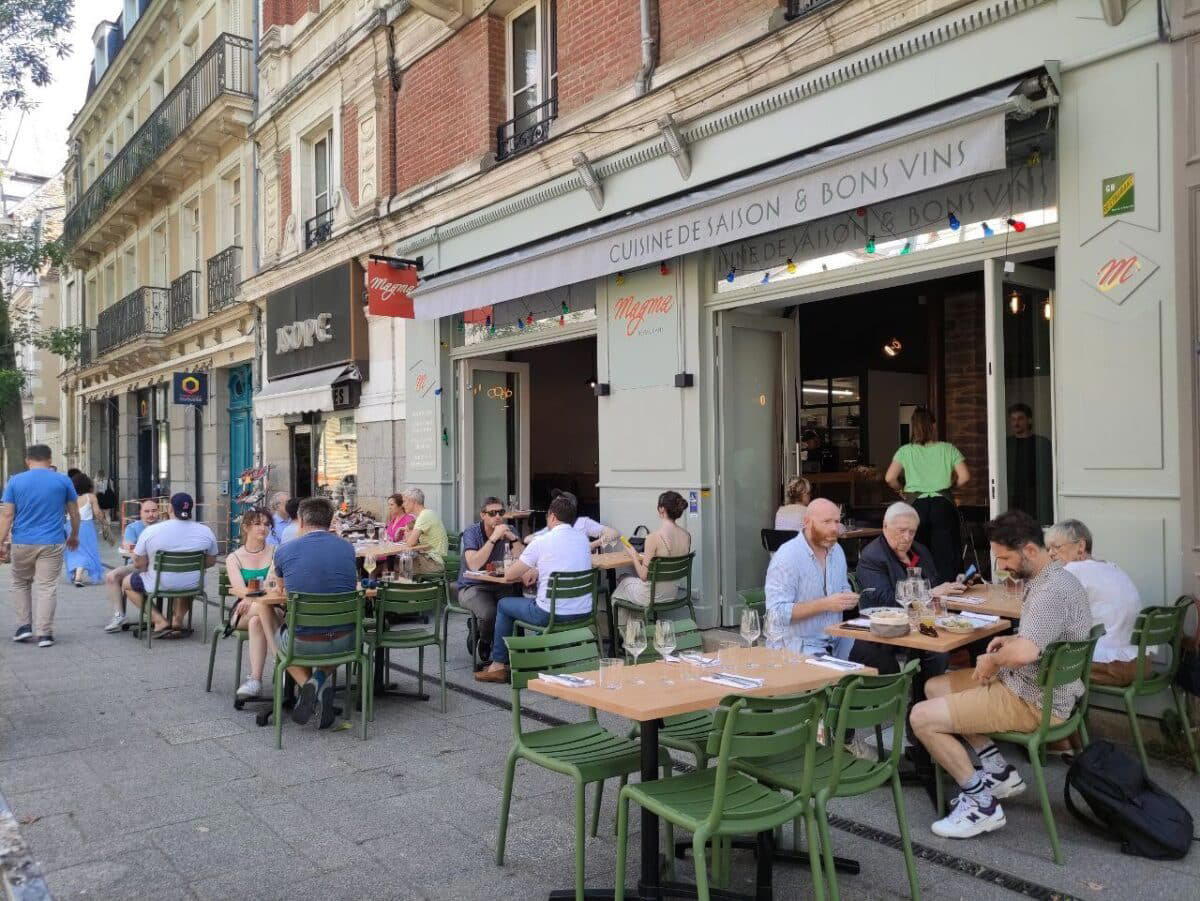
Where Rennes' Independent Restaurant Scene Is Heading
Brittany has always had a working relationship with its land and coastline that most French regions can only approximate. The peninsula's fishing ports, market gardens, and dairy farms supply a density of raw material that shapes restaurant culture from the ground up, and in Rennes, the regional capital, a generation of independent kitchens has begun treating that supply chain not as a backdrop but as the central argument of the meal. Magma, at 25 Rue Jules Simon, belongs to this cohort. Its address, close to the covered market halls of Les Lices, is the kind of proximity that matters when a kitchen is serious about daily sourcing rather than consolidated weekly deliveries.
The broader shift this represents is worth naming. Across France's mid-sized cities, a restaurant category has emerged that sits between the grand tasting-menu tradition represented by houses like Bras in Laguiole or Flocons de Sel in Megève and the casual bistro end of the spectrum. These are restaurants built around ethical sourcing, waste-reduction discipline, and seasonal constraint, but without the institutional weight or Michelin apparatus of the grandes maisons. They tend to run small teams, short menus, and close relationships with named producers. Magma operates in this register.
The Sustainability Argument in a Breton Context
Environmental consciousness in a restaurant kitchen can mean different things depending on where you are. In Paris, it often translates into provenance labelling and selective organic purchasing layered onto a menu that is otherwise conventionally structured. In Brittany, the logic runs deeper, because the regional ingredient base is coherent enough to support a kitchen that sources almost entirely within its own geography. The coastline alone, running from the Rance estuary to the Finistère, yields shellfish, flatfish, and seaweed varieties that require no import substitution. The interior brings pork from Bigouden farms, buckwheat from producers who survived the near-collapse of that crop, and dairy from cooperatives with traceable herds.
Kitchens that work inside this system tend to develop a cooking vocabulary shaped by what is available rather than what a set menu demands twelve months in advance. That means off-cuts and secondary proteins appear not as budget compromises but as planned components. Fermentation, pickling, and preservation extend seasonal windows without the carbon cost of refrigerated transport. The leading Breton kitchens are quietly practitioners of nose-to-tail and root-to-stem cooking simply because the region's ingredient culture makes that the rational approach. Magma sits within this tradition.
For context on how Rennes' restaurant scene maps across price points and styles, Breizh Café Rennes holds the Breton staple end with its buckwheat galettes and cider pairings, while Ima operates at the creative, higher-investment tier. Alphonse and Benèze occupy the considered mid-range, and Bombance brings a more playful modern cuisine sensibility.
How Ethical Sourcing Shapes the Dining Room Experience
Restaurants built around waste reduction and short supply chains tend to produce a particular kind of dining rhythm. Because the menu follows available stock rather than a fixed programme, what arrives at the table has often been determined closer to service than in most kitchens. This creates unpredictability in the leading sense: dishes reflect genuine seasonal pressure rather than a curated simulation of it. For a diner accustomed to menus that list their origin stories in italics beneath each course, this can feel more honest, if occasionally less legible.
The comparison with France's most formally sustainability-committed kitchens is instructive. Mirazur in Menton, ranked among the world's most recognised restaurants, built its identity partly around biodynamic gardens and moon-cycle menus, a level of commitment that required institutional resources and international recognition to sustain. Troisgros in Ouches has embedded producer relationships across multiple generations. For a smaller independent in Rennes, the sustainability argument is made through daily practice rather than public programme, and that tends to produce a less theatrical but often more functional version of the same values.
The French dining public has become increasingly attentive to this distinction. A growing segment of restaurant-goers, particularly those in their thirties and forties with professional engagement with food culture, now reads menus for sourcing signals before price or format. A restaurant that lists a named farm or cooperative is speaking directly to this audience. One that composts, reduces single-use materials, and structures its purchasing around yield efficiency is doing something harder to market but more consequential.
Rennes as a Context for This Kind of Restaurant
Rennes is not a city that generates the international press attention of Lyon or Bordeaux, but its restaurant culture has matured considerably over the past decade. The weekly market at Place des Lices, one of the largest outdoor markets in France by vendor count, gives kitchens direct access to producers in a way that most European city restaurants cannot replicate via wholesale. This infrastructure has always existed; what has changed is the number of chefs willing to build their entire operating model around it rather than using it selectively.
The city also benefits from a relatively young, educated dining population connected to the university and technology sectors, which generates both appetite for considered cooking and tolerance for menus that change with supply rather than staying fixed. This is the audience that sustains restaurants like Magma and distinguishes Rennes from cities where conservative dining habits slow the adoption of sourcing-led kitchens.
For those planning a broader tour of France's most formally recognised kitchens alongside independent discoveries, Alléno Paris au Pavillon Ledoyen, Auberge de l'Ill in Illhaeusern, Paul Bocuse in Collonges-au-Mont-d'Or, AM par Alexandre Mazzia in Marseille, Assiette Champenoise in Reims, and Au Crocodile in Strasbourg represent the established end of the spectrum. Internationally, Le Bernardin in New York City and Atomix in New York City show how sourcing intelligence operates at the highest levels of fine dining investment. Magma's appeal is different in scale and ambition, but the underlying discipline is recognisably related. The full picture of what Rennes offers across formats and price points is in our full Rennes restaurants guide.
Planning a Visit
Magma is located at 25 Rue Jules Simon in central Rennes, within comfortable walking distance of the Place des Lices market and the city's main transport connections. Given the kitchen's sourcing model, visiting on a market day, Saturday mornings see the largest vendor presence at Les Lices, provides useful context for what might appear on the menu. Booking ahead is advisable for any kitchen of this type, where seat counts tend to be small and the absence of a large dining room is itself part of the operating philosophy. Contact details and current hours should be confirmed directly, as these can shift with seasonal programming. Rennes is served by high-speed TGV rail from Paris Montparnasse in approximately ninety minutes, making it a practical day-trip or weekend destination for diners based in the capital.
How Magma Rennes compares with similar nearby venues.
| Venue | Cuisine | Price |
|---|---|---|
| La Table du Balthazar | Modern Cuisine | €€€ |
Continue exploring
More in Rennes
Restaurants in Rennes
Browse all →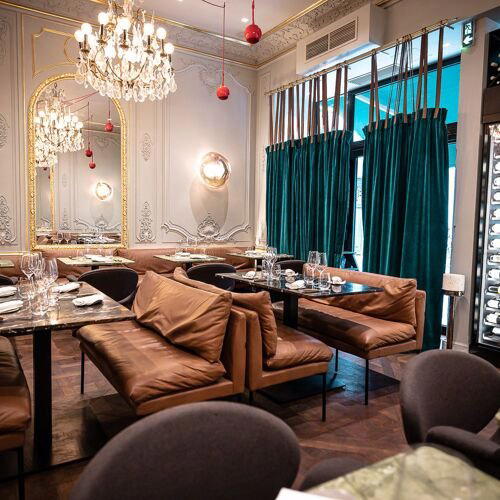
At a Glance
- Modern
- Elegant
- Cozy
- Group Dining
- Terrace
- Natural Wine
- Local Sourcing
- Street Scene
Current opening hours
- Monday
- Closed
- Tuesday
- 12–2 pm, 7–10:30 pm
- Wednesday
- 12–2 pm, 7–10:30 pm
- Thursday
- 12–2 pm, 7–10:30 pm
- Friday
- 12–2 pm, 7–10:30 pm
- Saturday
- 12–4 pm
- Sunday
- Closed
Hours can change for holidays and private events. Last verified .
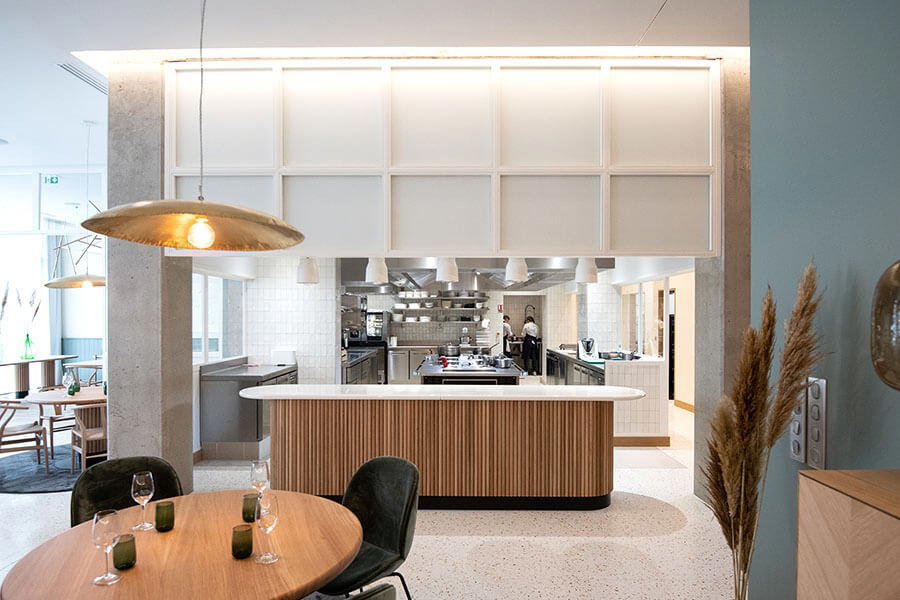
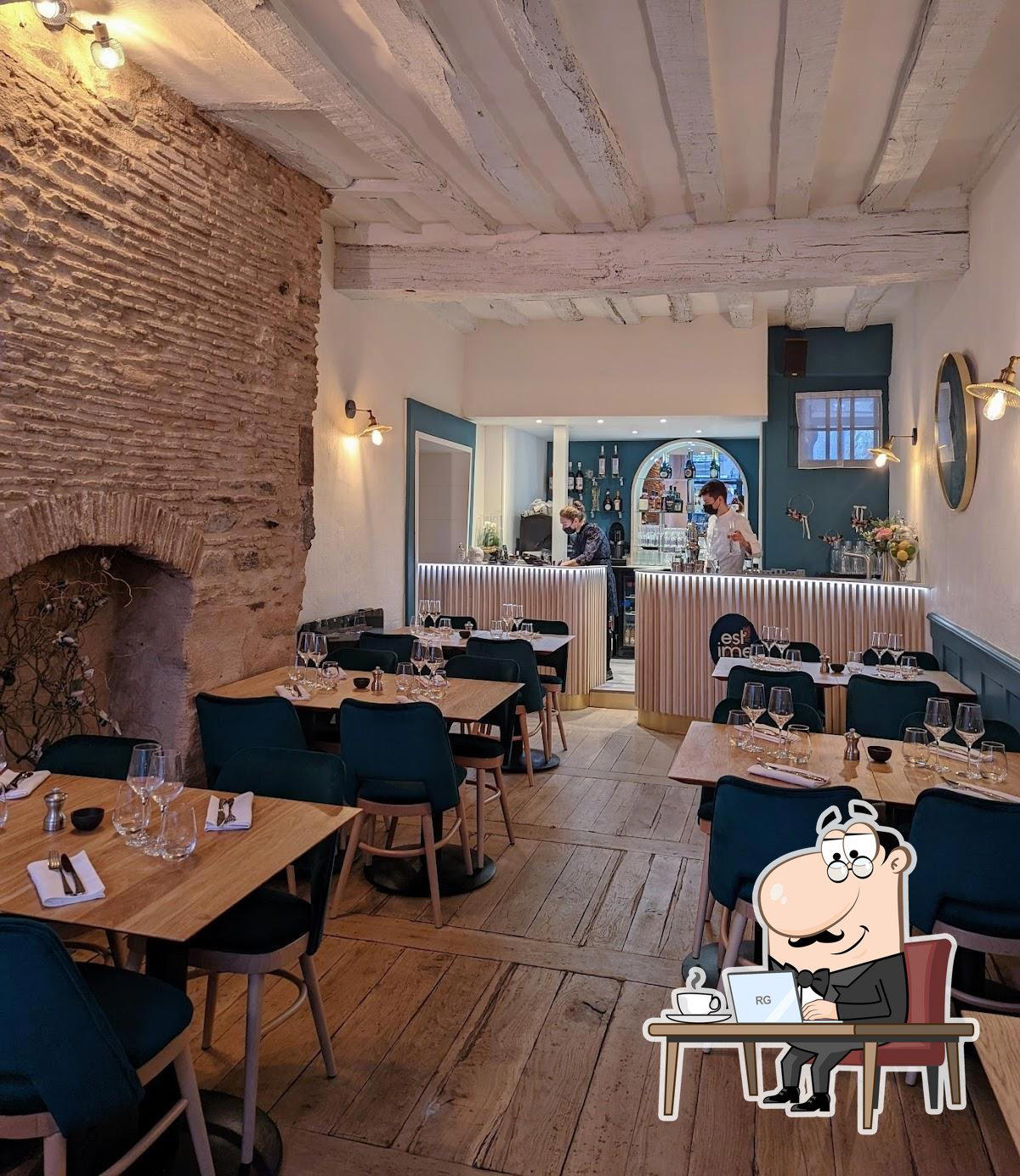
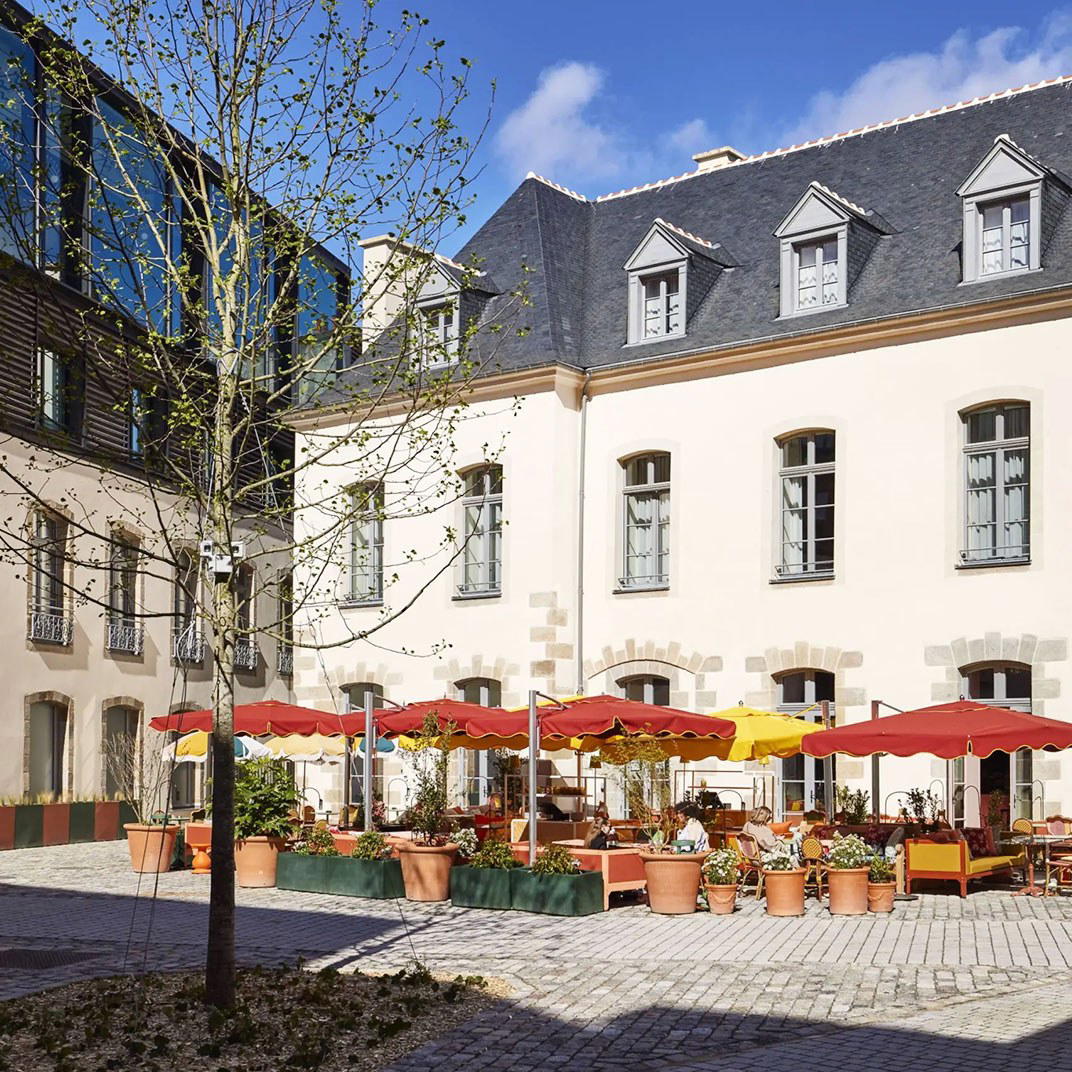
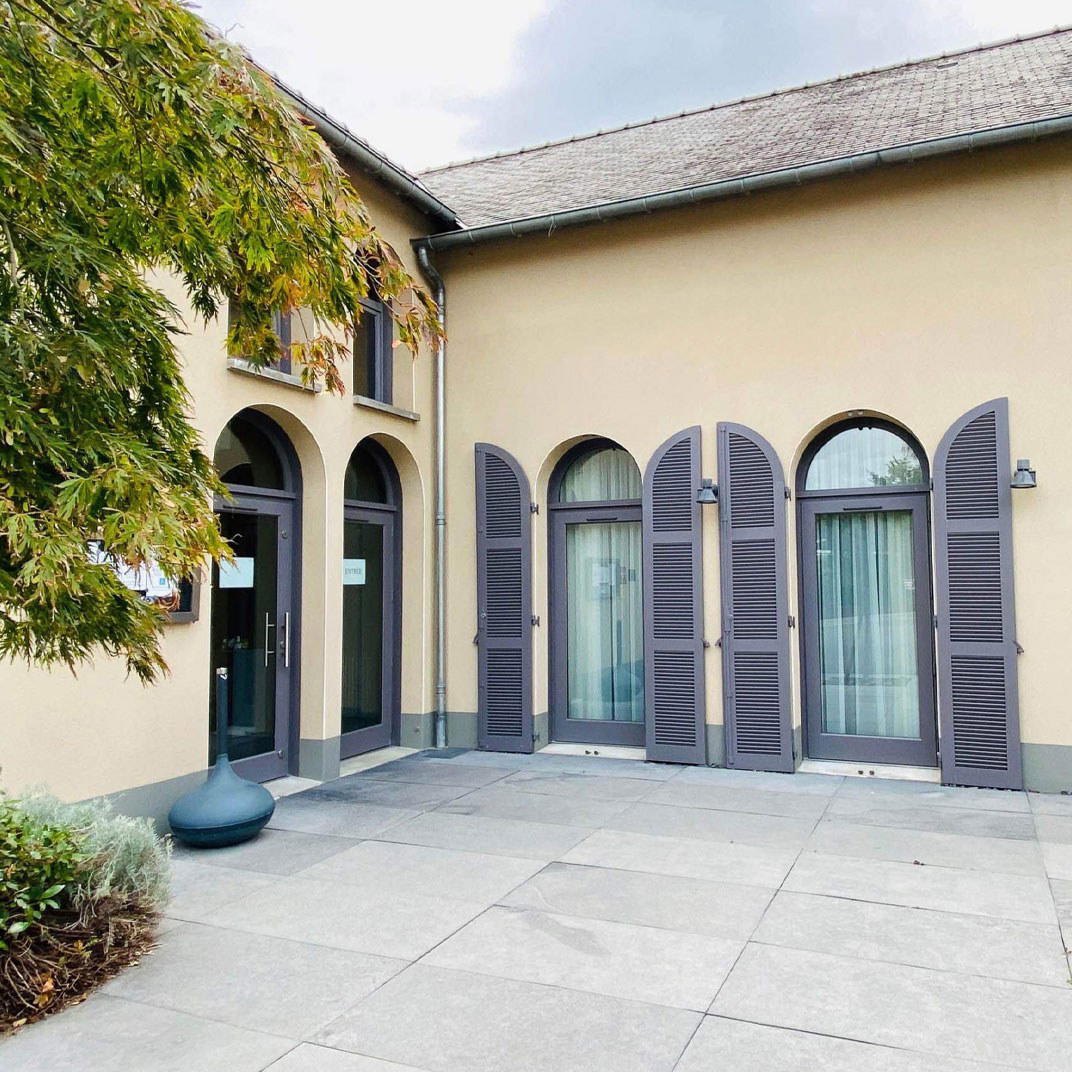
Refined and sober modern decor with a pleasant terrace atmosphere, though can become noisy with lively groups.