
Le Vauban sits inside Antibes' old town on Rue Thuret, a short street where traditional French cooking holds its ground against the Côte d'Azur's tide of modern Mediterranean menus.
Pearl is the En Primeur Club membership app — saves, bookings, and concierge access live there. Same editors, same standards.
- Address
- 7bis Rue Thuret, 06600 Antibes, France
- Phone
- +33 4 93 34 33 05
- Website
- levauban.fr
- Directions
- Get directions
 Saves & bookings on Pearl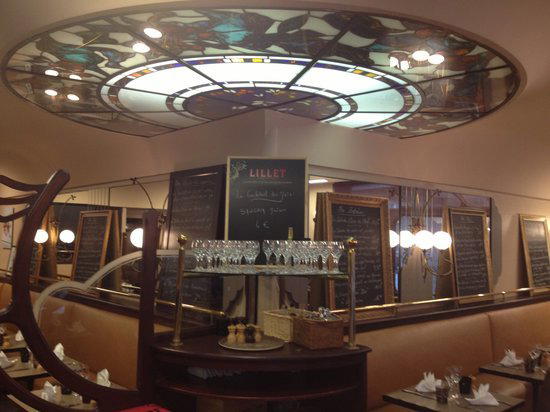
A Street That Still Believes in French Cooking
Rue Thuret runs through the heart of Antibes' Vieil-Antibes, the old town quarter enclosed by Vauban's seventeenth-century ramparts. The street is narrow enough that restaurant chairs nearly brush the stone walls opposite, and the foot traffic is local enough that you hear more French than English on a weekday afternoon. This is not the tourist-facing waterfront strip; it is the kind of address that filters out the casual visitor and rewards anyone who has spent more than a day in the city. Le Vauban is a restaurant in Antibes, France, serving Modern French Market Cuisine at about $65 per person. The restaurant occupies the kind of Antibes that existed before the marina became a spectacle.
The name itself is a nod to Sébastien Le Prestre de Vauban, the military architect whose fortifications gave the old town its shape. That reference to permanence and structure is not incidental for a restaurant operating in a coastal city where dining fashions shift with the season. Le Vauban's classification as Modern French Market Cuisine places it in a different register from the Mediterranean-inflected, produce-led contemporary kitchens that have become the dominant format along the Côte d'Azur.
Where Le Vauban Sits in the Antibes Dining Tier
Antibes' restaurant offering splits fairly clearly by price and ambition. At the upper end, Les Pêcheurs works at €€€€ with a Mediterranean seafood focus, and Le Figuier de Saint-Esprit operates in the same price bracket with a regional Provençal identity. Further out on the Cap, Louroc at Hôtel du Cap-Eden-Roc represents the resort-luxury ceiling of Antibes dining. Le Vauban competes at €€, a price point shared with Chez Jules Le Don Juan on the Provençal end of the spectrum. Within that mid-range tier, Michelin Plate recognition two years running is a meaningful signal: Michelin awards the Plate to restaurants where inspectors find good cooking worth knowing about, distinct from the starred category but not casual. For a mid-price restaurant in a tourist-heavy coastal city, that combination of independent recognition and crowd-sourced approval is harder to sustain than it might appear.
The contrast with the starred tier elsewhere in France is instructive. Restaurants like Mirazur in Menton, Flocons de Sel in Megève, or the multi-generational kitchens of Troisgros in Ouches represent French fine dining at its most ambitious and documented. The restaurant operates several registers below that level by design. Its comparable set is the dependable regional table: craft without spectacle, classical training applied to local ingredients, a format that France has always done well and that the Côte d'Azur sometimes overlooks in favour of higher-margin presentations. The Michelin Plate category also signals something about the kitchen's relationship to the classical French tradition. Houses like Auberge Grand'Maison in Mûr-de-Bretagne or Auga in Gijón occupy analogous positions in their respective regions: recognised for competence and character without the theatrical ambition of starred dining.
The Old Town as Context
The choice to eat in Vieil-Antibes rather than at the port or on the Cap carries its own logic. The old town quarter has a density and an authenticity that the waterfront does not: covered markets, narrow lanes, local residents who actually use the cafés at breakfast. The restaurant's address on Rue Thuret puts it inside that fabric rather than adjacent to it. The restaurant is not a destination in the sense that it draws visitors who fly in specifically for a table; it functions more as the kind of place a regular visitor to Antibes returns to because the cooking is reliable and the room feels like it belongs to the city. That distinction matters. The Côte d'Azur has many restaurants built for first-time visitors who will not return. A 4.7 rating across nearly 750 reviews, spread over multiple years of operation, suggests a clientele that comes back and recommends the place to people they know.
For those visiting the old town, the practical logic is direct. Antibes' market hall, the Marché Provençal on Cours Masséna, operates most mornings and is a short walk from Rue Thuret. A morning at the market followed by lunch at the restaurant is the kind of sequence that makes the old town coherent as an experience rather than a checklist of sights. The L'Arazur option for modern cuisine sits nearby for those who want a different register in the same neighbourhood. For context on the full range of options across the city, the EP Club Antibes restaurants guide maps the field across price tiers and cuisine types.
Traditional Cuisine in a Mediterranean City
The classification of Traditional Cuisine sits in deliberate contrast to the Mediterranean and modern registers that dominate the region. The Côte d'Azur's cooking identity is pulled between Niçoise tradition, Italian influence from across the border, and the produce-forward contemporary style that has been dominant in French fine dining since the 1990s. A kitchen operating under the Traditional Cuisine banner in 2025 is making a statement about what it values: the French classical repertoire, technique-led cooking, dishes that reference a longer culinary history than the current season's trend. Whether that means heavy sauces, braised preparations, or something closer to the bourgeois French table depends on the specific kitchen. What it does confirm is that Michelin inspectors found the cooking worth marking twice in consecutive years, which is one reliable external signal available.
The tradition of classical French cooking as a reference point extends well beyond the Côte d'Azur. From Paul Bocuse's Auberge du Pont de Collonges near Lyon to Bras in Laguiole and Alléno Paris au Pavillon Ledoyen, French restaurants operate across a spectrum from rigidly classical to post-classical invention. The restaurant's position within that spectrum, as a mid-price traditional table in a Mediterranean coastal city, fills a role that larger destinations often lose as rents rise and tourist demand pushes kitchens toward safer, more photogenic formats.
Planning a Visit
The restaurant is at 7bis Rue Thuret in the old town. The €€ price point places it accessibly below the Antibes fine dining tier, and the Michelin Plate recognition in both 2024 and 2025 provides a reliable quality signal at that price. Reservations are recommended. For the wider Antibes picture, the EP Club guides cover hotels, bars, wineries, and experiences across the city.
Just the Basics
Comparable venues nearby, for context on price, style, and recognition.
| Venue | Cuisine | Price | Notes |
|---|---|---|---|
| Le VaubanThis venue — the venue you are viewing | Traditional Cuisine | $$$ | Not listed |
| L'Arazur | Not listed | $$$ | Le Vieil Antibes, Modern French Fine Dining |
| Le44 | Not listed | $$$ | between Cap d'Antibes and Old Town, Modern French Mediterranean |
| YÚKØ | Not listed | $$$ | Boulevard d'Aguillon, Latin-Asian Fusion Tapas |
| Chez Jules Le Don Juan | Not listed | $$ | Vieil Antibes, Traditional Provençal Niçois |
| Nananère | vieille ville, Modern French Bistro | $$$ | Not listed |
Recognition history
Dated appearances from independent guides and award organizations, with the underlying list record or original source where available.
Michelin Plate
Michelin
Michelin Plate
Michelin
Michelin Plate
Michelin
Continue exploring
More in Antibes
Restaurants in Antibes
Browse all →
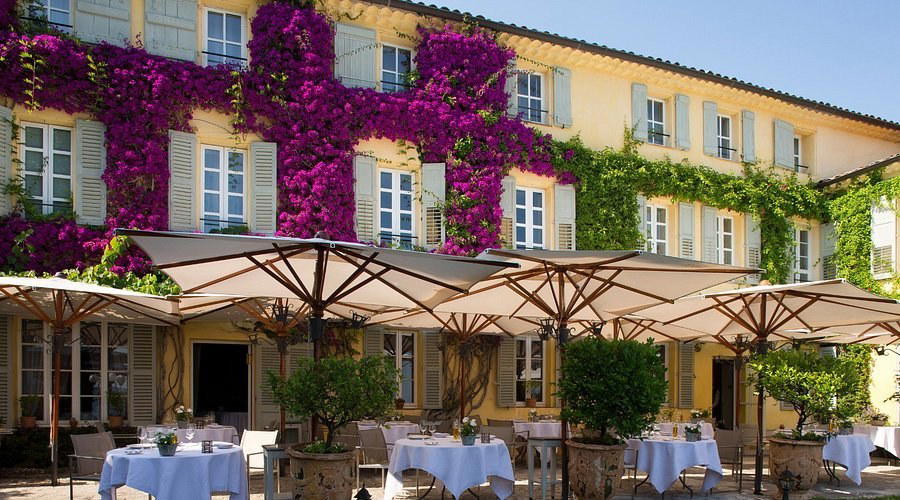
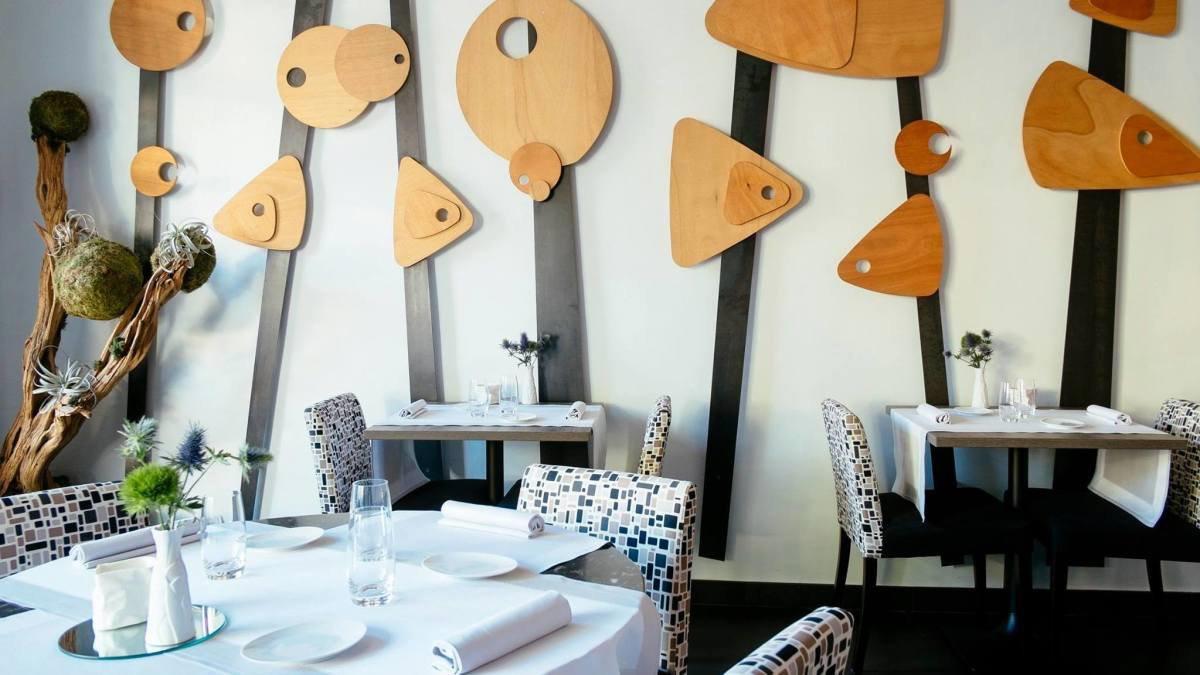
Bars in Antibes
Browse all →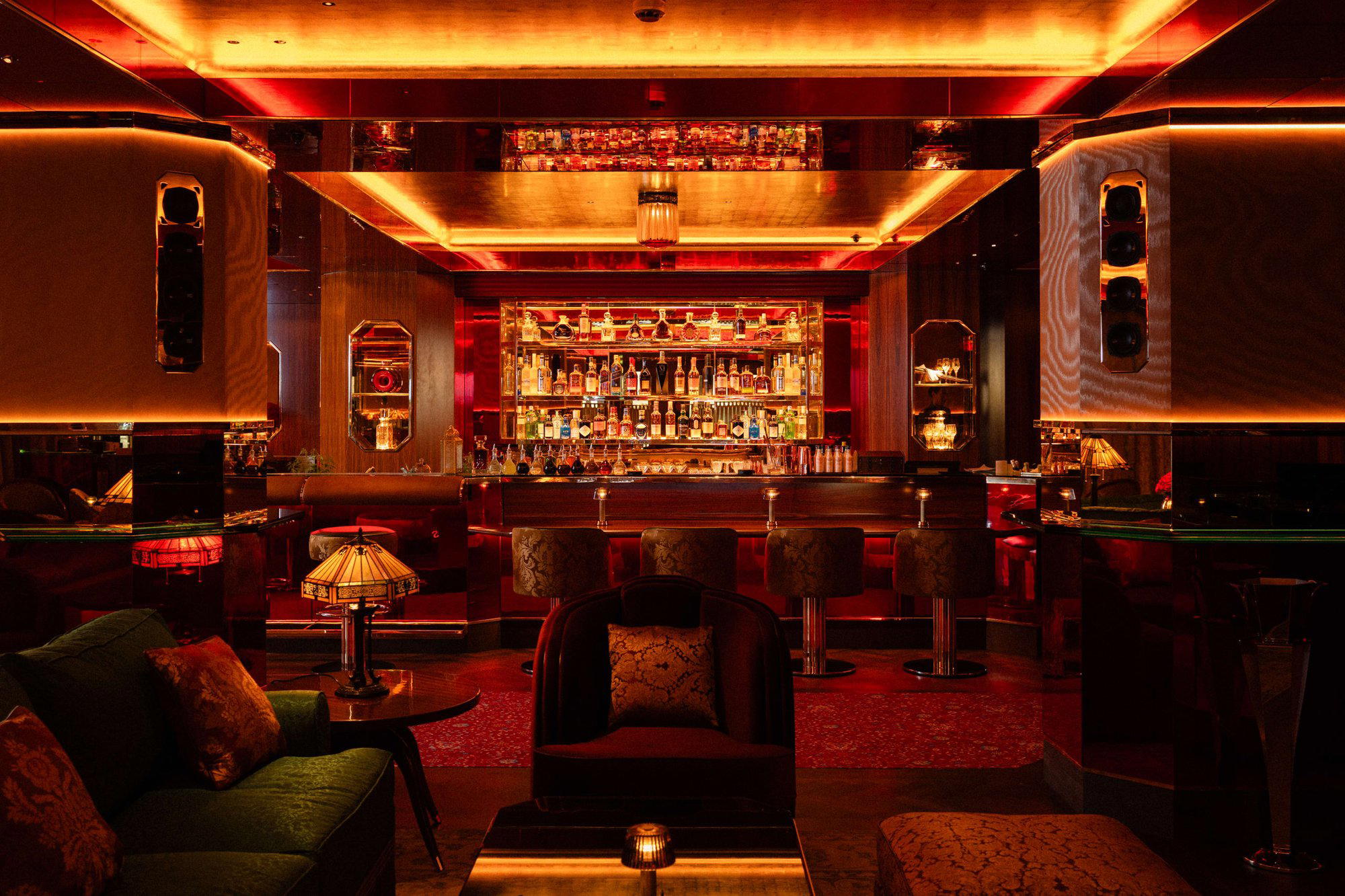
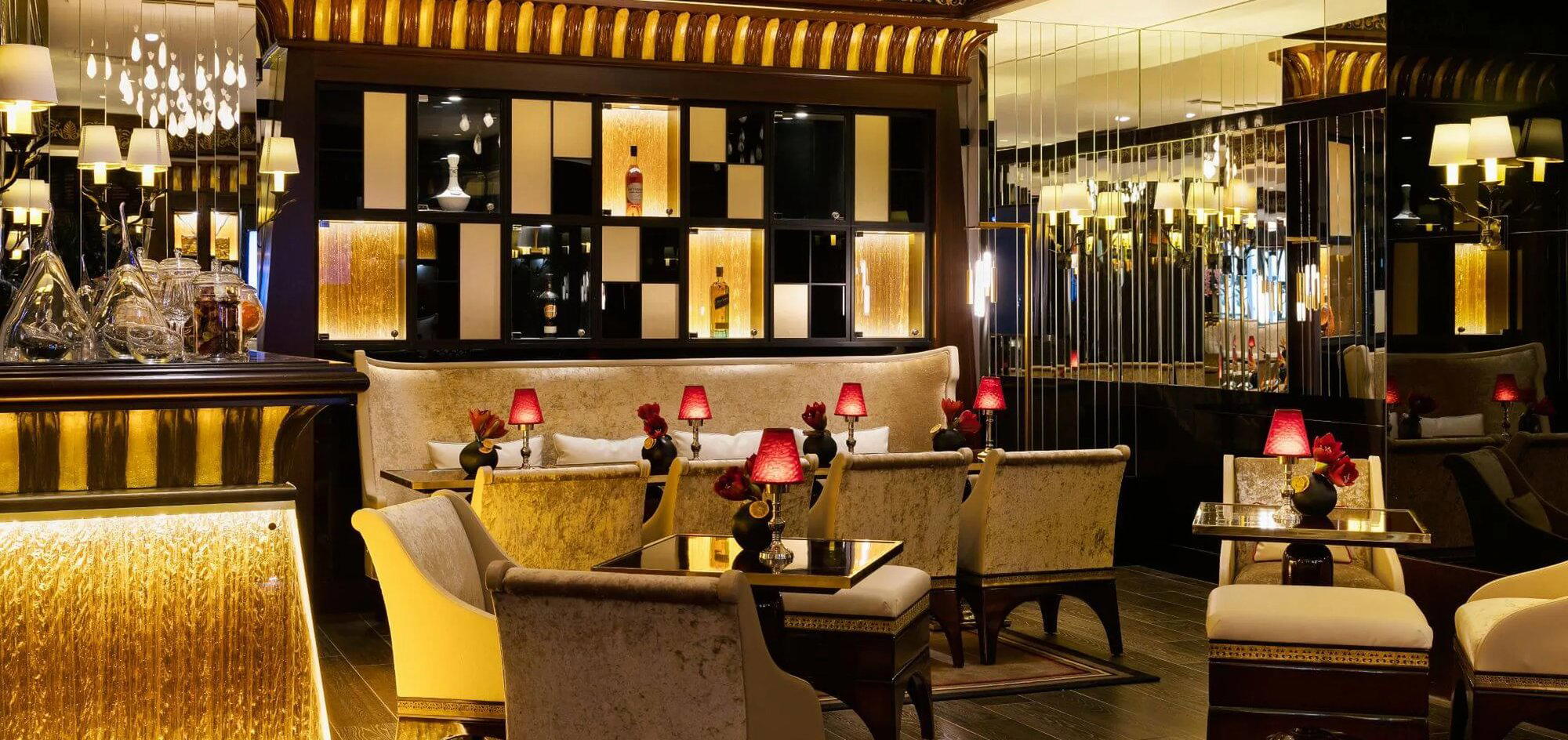
Hotels in Antibes
Browse all →

At a Glance
- Cozy
- Elegant
- Classic
- Intimate
- Date Night
- Business Dinner
- Special Occasion
- Celebration
- Terrace
- Standalone
- Extensive Wine List
- Sommelier Led
- Farm To Table
- Local Sourcing
Current opening hours
- Monday
- Closed
- Tuesday
- Closed
- Wednesday
- 12:15–1:30 PM, 7:15–9:30 PM
- Thursday
- 12:15–1:30 PM, 7:15–9:30 PM
- Friday
- 12:15–1:30 PM, 7:15–9:30 PM
- Saturday
- 12:15–1:30 PM, 7:15–9:30 PM
- Sunday
- 12:15–1:30 PM, 7:15–9:30 PM
Hours can change for holidays and private events. Last verified .
Warm and cosy atmosphere with a refined, contemporary setting that balances British-inspired comfort with French elegance.