Le Coq
Le Coq occupies a quiet stretch of Herschel Avenue in La Jolla's village core, where French-inflected dining has long held ground against the neighbourhood's drift toward casual coastal formats. The menu architecture here rewards attention: dishes arrive in a sequence that speaks to classical training without rigidity, positioning Le Coq within La Jolla's more considered tier of French and European-leaning restaurants.
Pearl is the En Primeur Club membership app — saves, bookings, and concierge access live there. Same editors, same standards.
- Address
- 7837 Herschel Ave, La Jolla, CA 92037
- Phone
- +18584271500
- Website
- lecoq.com
- Directions
- Get directions
 Saves & bookings on Pearl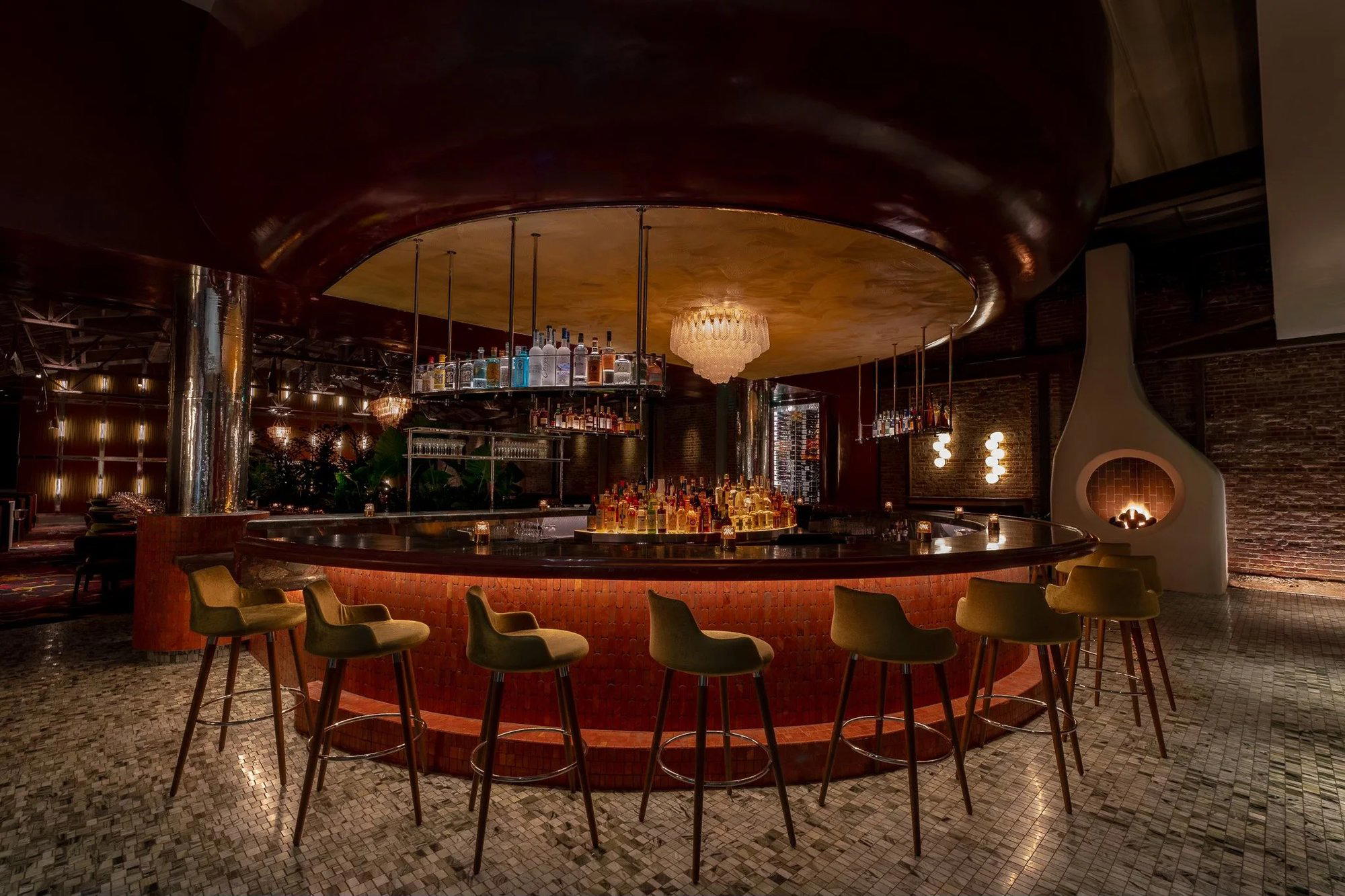
Herschel Avenue and the French Question in La Jolla
La Jolla's dining character has always been pulled in two directions: the informal California-coastal instinct that shapes most of the village's lunch trade, and a quieter current of European formality that surfaces in its more serious dinner rooms. Herschel Avenue sits at the intersection of both. The street runs through the commercial heart of the village, close enough to the water to carry the logic of the coast but insulated enough from the tourist draw of Prospect Street to attract a more locally rooted crowd. Le Coq is a French Asian Steakhouse at 7837 Herschel Ave, La Jolla, CA 92037. It is priced at about $80 per person.
French restaurant culture in coastal Southern California occupies an interesting position. It is never the dominant mode the way it is in parts of Los Angeles or San Francisco, but it persists, particularly in neighbourhoods with a certain demographic confidence and a dining public that knows what a properly structured menu should feel like. La Jolla has long been that kind of neighbourhood. The presence of venues like Bistro du Marché and Bernini's Bistro confirms that European-leaning formats find an audience here willing to sit with a wine list and take time over a meal.
What the Menu Architecture Says
A menu is not just a list of dishes. It is an argument about what a restaurant believes dining should be. The structure of a French-inflected menu, with its implicit sequencing from lighter to richer, its deference to classical technique, and its willingness to let a single protein carry the weight of a course, tells you something about the kitchen's orientation before a plate arrives at the table.
In a city like San Diego, where the dominant contemporary registers tend toward shared-plate informality or New American eclecticism, a classically structured menu carries a particular signal. It suggests a kitchen that is not chasing trend velocity but is instead making a case for a specific tradition. Compare this to the format at A.R. Valentien, which operates in New American territory with a contemporary sensibility, or Beaumont's, which skews more casual. Le Coq occupies a different lane, one where the menu's internal logic is as legible as its individual components.
This kind of menu discipline is not common at every price point. It requires a kitchen with a clear point of view about progression and proportion, and a dining room comfortable enough with that structure to let it land without explanation. At the high end of American dining, venues like The French Laundry in Napa and Le Bernardin in New York City have built their reputations partly on the rigour of that architecture. Closer to San Diego, Addison demonstrates what classical menu structure can achieve at the Michelin level in this region. Le Coq operates on Herschel Avenue rather than at resort scale, which places it in a more approachable but no less considered tier.
La Jolla's European Dining Current
Understanding Le Coq requires some sense of how French and European formats have held ground in La Jolla against the broader casualisation of Southern California dining. The neighbourhood's European dining thread is not nostalgic, it reflects a genuine local appetite for restaurants that treat dinner as a structured occasion rather than a fuel stop or a social backdrop. This is the same cultural logic that sustains Beeside Balcony La Jolla and gives French-leaning rooms their regulars even as new openings tilt casual.
That appetite connects La Jolla, at least in spirit, to a broader West Coast conversation about where classical European technique lives now. Single Thread Farm in Healdsburg represents one answer: highly composed, agrarian-rooted, with a kaiseki-influenced sequence. Providence in Los Angeles represents another: seafood-focused, French-technique-grounded, working at Michelin level. Lazy Bear in San Francisco and Atomix in New York City show what happens when that architectural instinct absorbs other traditions. Le Coq does not operate at those scale or recognition levels, but it draws from the same underlying logic about what a structured dinner should accomplish.
Further afield, venues like Alinea in Chicago, Blue Hill at Stone Barns in Tarrytown, The Inn at Little Washington, and Emeril's in New Orleans each represent regional takes on European-inflected menu discipline. Even internationally, 8 1/2 Otto e Mezzo Bombana in Hong Kong demonstrates how French and Italian classical frameworks travel and hold their structural integrity across different markets. The common thread is not geography but a shared belief that a menu's architecture is itself a form of hospitality.
How Le Coq Fits the La Jolla Tier
Within La Jolla's restaurant tier, the French and European-leaning category is small but stable. It clusters around the village core, draws a dinner-oriented crowd, and tends to perform well with the local residential base rather than relying heavily on tourist traffic. This is a meaningful distinction. Restaurants that serve primarily locals develop menus that can sustain repeat visits, which generally produces a more refined and seasonally responsive programme than venues optimised for single-visit impact.
Le Coq's address on Herschel Avenue places it within walking distance of the denser social infrastructure of the village, where parking is managed and foot traffic from surrounding residential streets keeps a steady local current through the dining room. For visitors staying in the La Jolla area, the village is a natural destination, and Herschel Avenue represents a slightly quieter alternative to the main Prospect Street corridor. Our full La Jolla restaurants guide maps the broader picture of where different dining formats concentrate across the neighbourhood.
Planning a Visit
Le Coq's reservations are recommended, and its hours run Monday closed; Tuesday through Thursday 5 to 8:30 PM; Friday and Saturday 5 to 11:30 PM; and Sunday 5 to 8:30 PM. Advance planning is advisable for weekend visits. Midweek reservations at comparable venues in this neighbourhood typically carry more flexibility, and they often allow for a less compressed dining experience.
The village core is compact enough that Le Coq fits naturally into a broader La Jolla evening: drinks at a nearby bar, dinner on Herschel, and a short walk back through the residential streets. That kind of evening, unhurried and grounded in a specific neighbourhood rhythm, is precisely what this category of restaurant is built to anchor.
Recognition Snapshot
Comparable venues nearby, for context on price, style, and recognition.
| Venue | Cuisine | Price | Notes |
|---|---|---|---|
| Le CoqThis venue — the venue you are viewing | French Asian Steakhouse | $$$$ | Not listed |
| The Marine Room | Modern Seafood Fine Dining | $$$$ | La Jolla Shores |
| Sea & Sky | Coastal Californian Seafood | $$$ | La Jolla Shores |
| Beeside Balcony La Jolla | Mediterranean Seafood with California Fusion | $$$ | La Jolla Village |
| Beaumont's | Contemporary American | $$ | Bird Rock |
At a Glance
- Elegant
- Sophisticated
- Modern
- Lively
- Date Night
- Special Occasion
- Business Dinner
- Historic Building
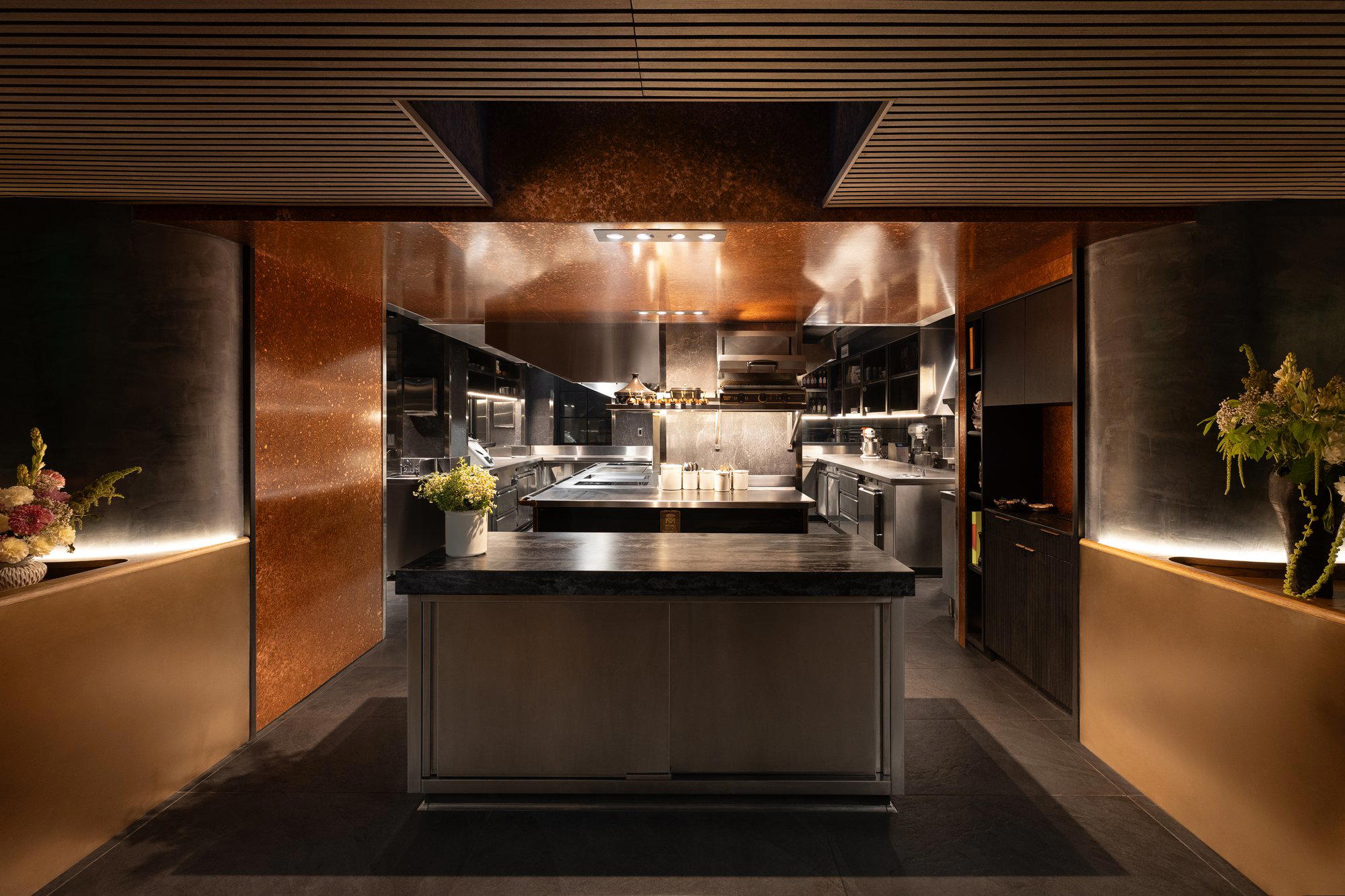
- Open Kitchen
- Craft Cocktails
- Local Sourcing
Current opening hours
- Monday
- Closed
- Tuesday
- 5–8:30 PM
- Wednesday
- 5–8:30 PM
- Thursday
- 5–8:30 PM
- Friday
- 5–11:30 PM
- Saturday
- 5–11:30 PM
- Sunday
- 5–8:30 PM
Hours can change for holidays and private events. Last verified .
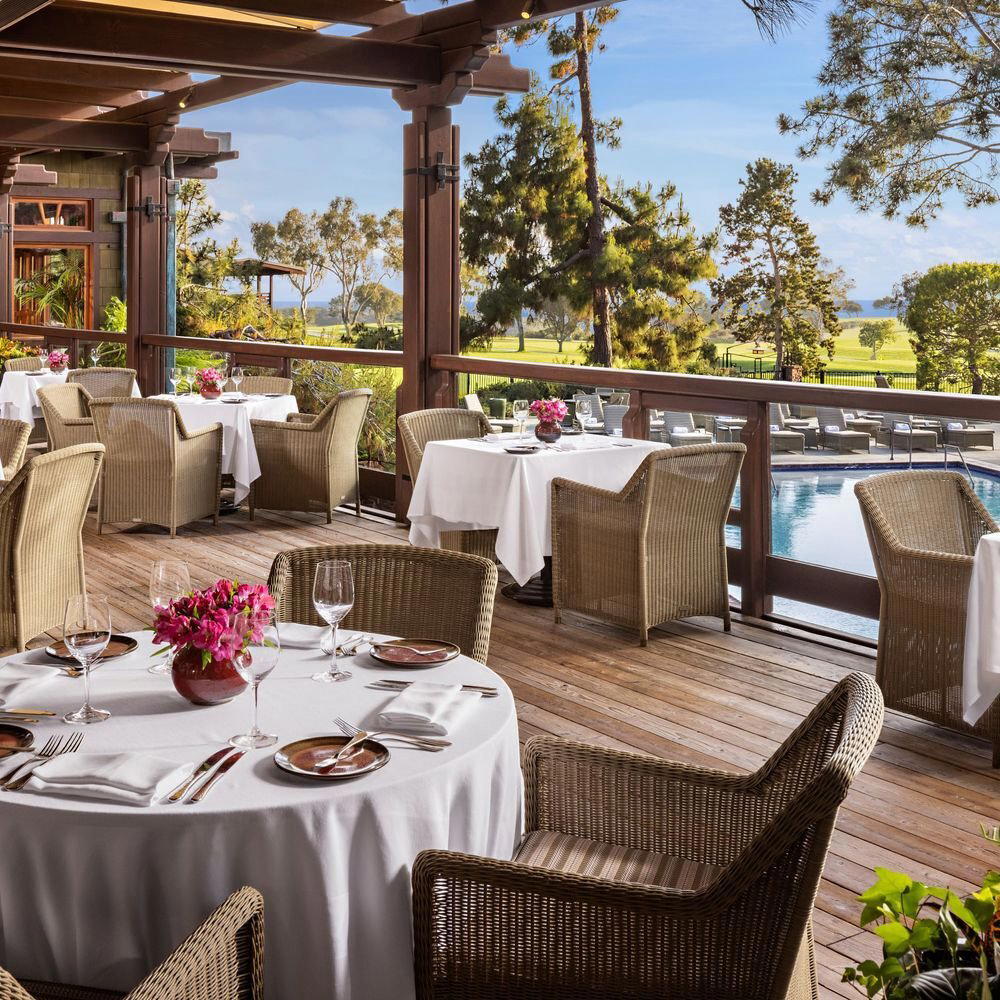
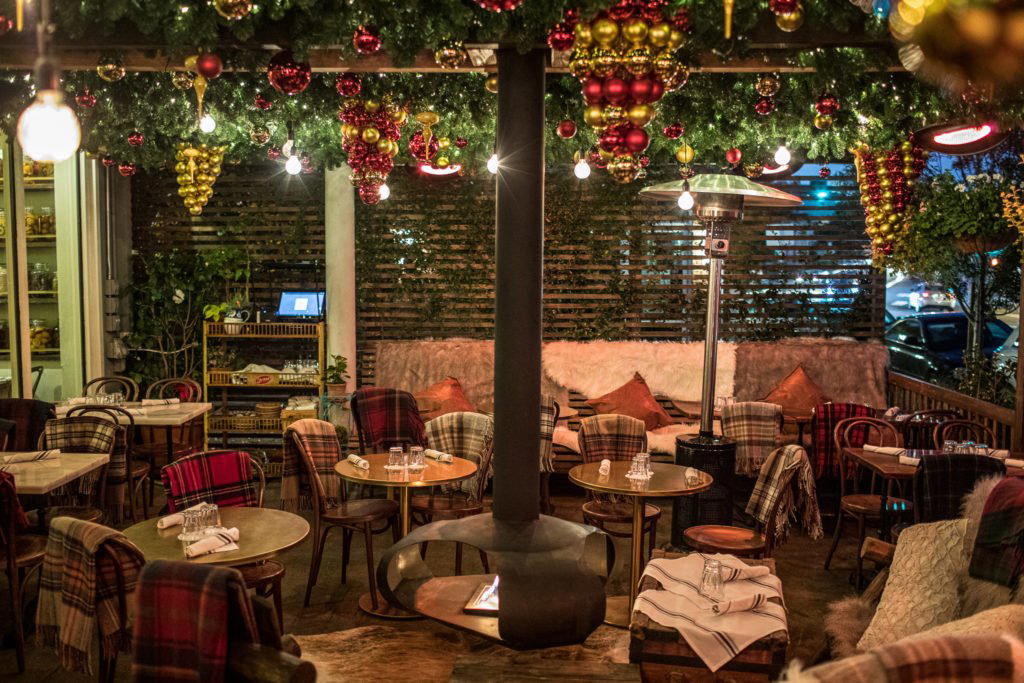
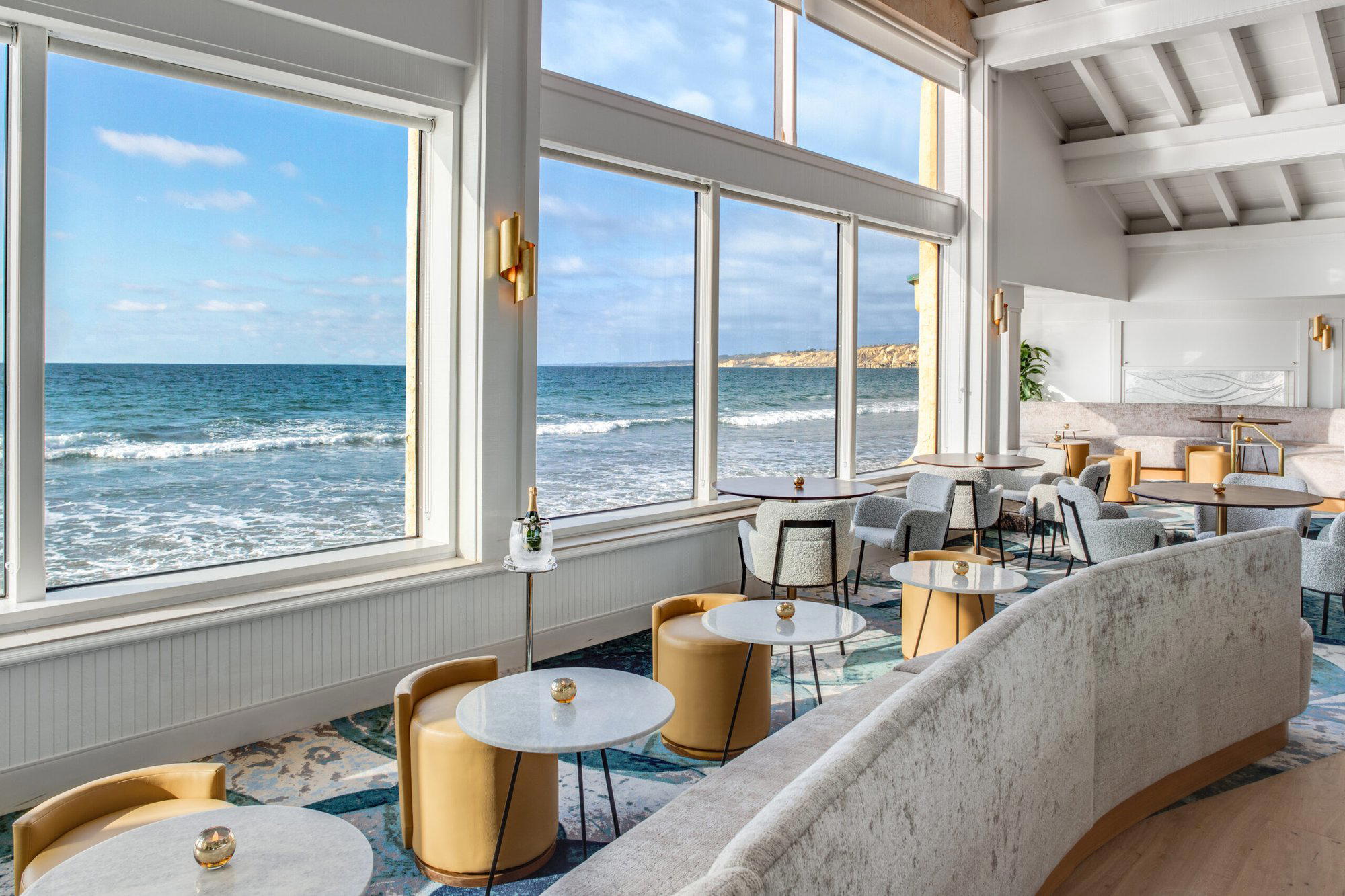
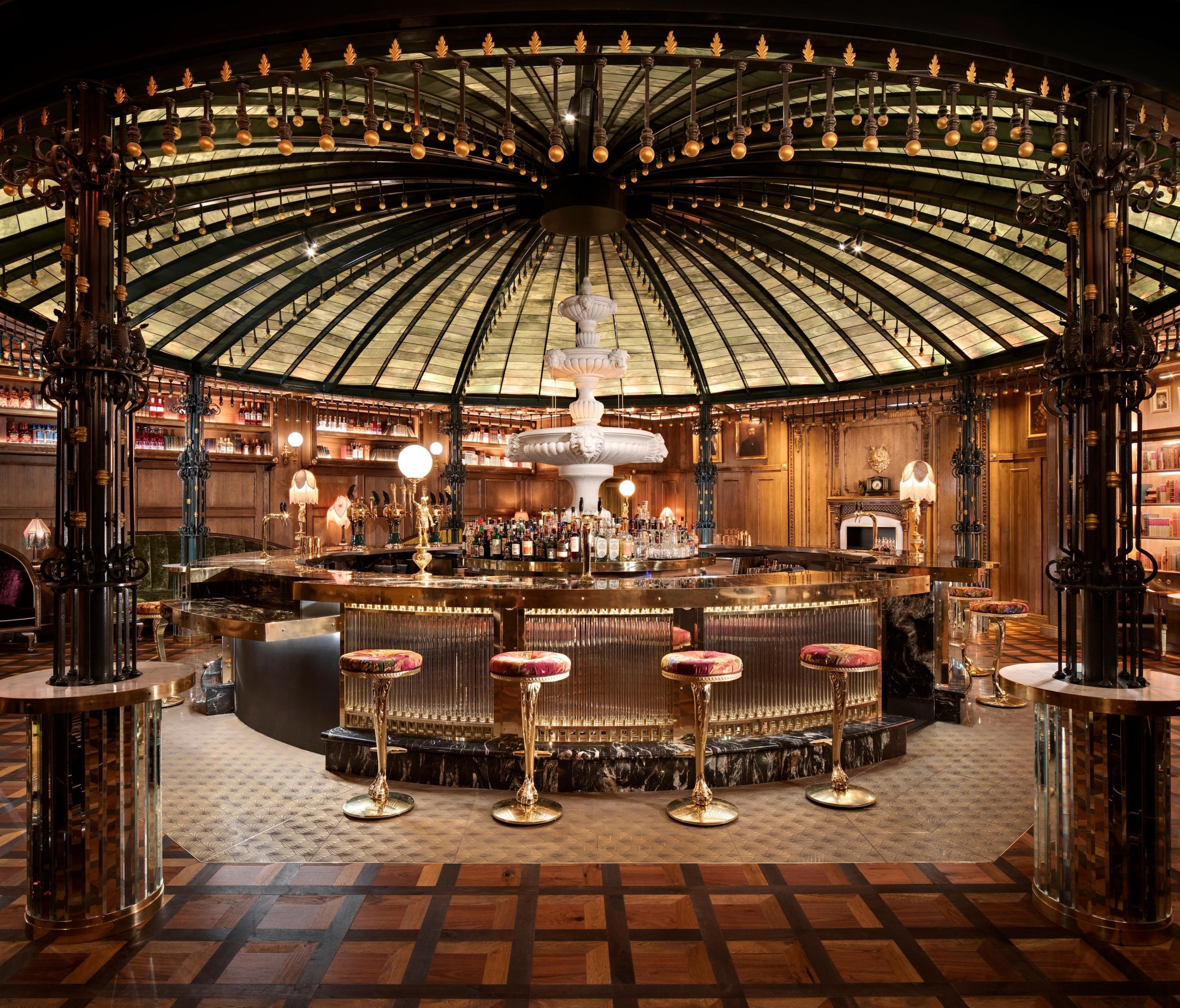
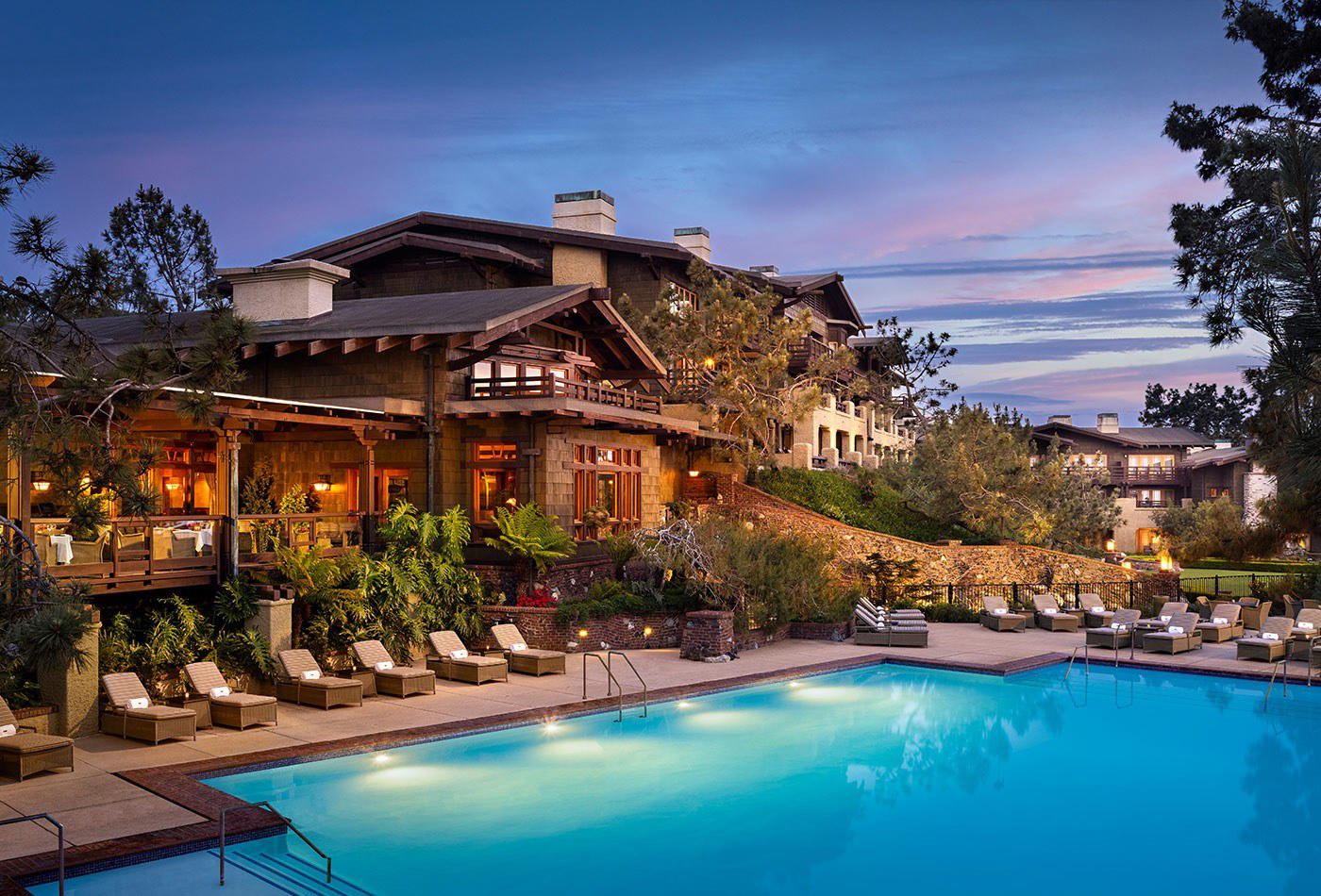
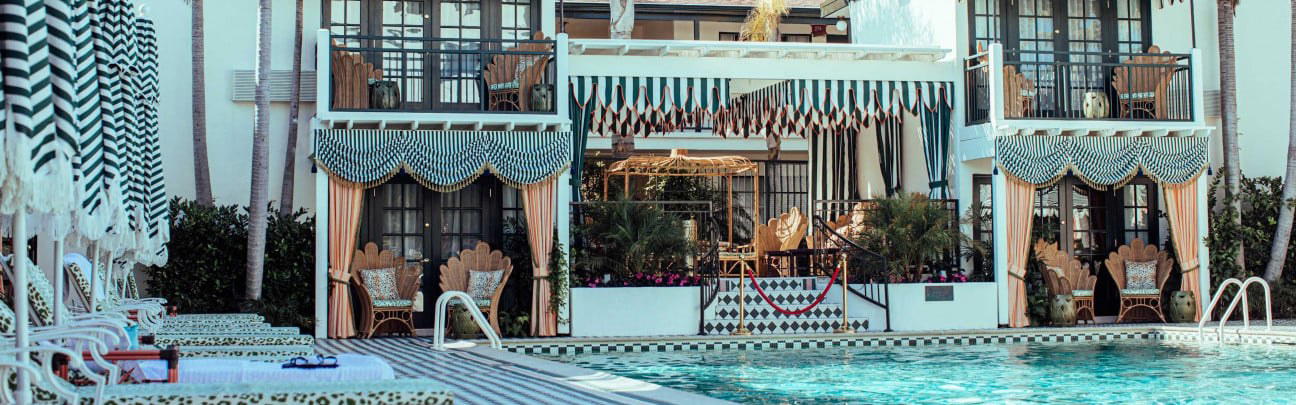
Raw brick and steel trusses paired with plush 1970s supper club glamour, exuding warmth, sophistication, and chic lively energy.