
Relais Chateaux Award
Our verdict
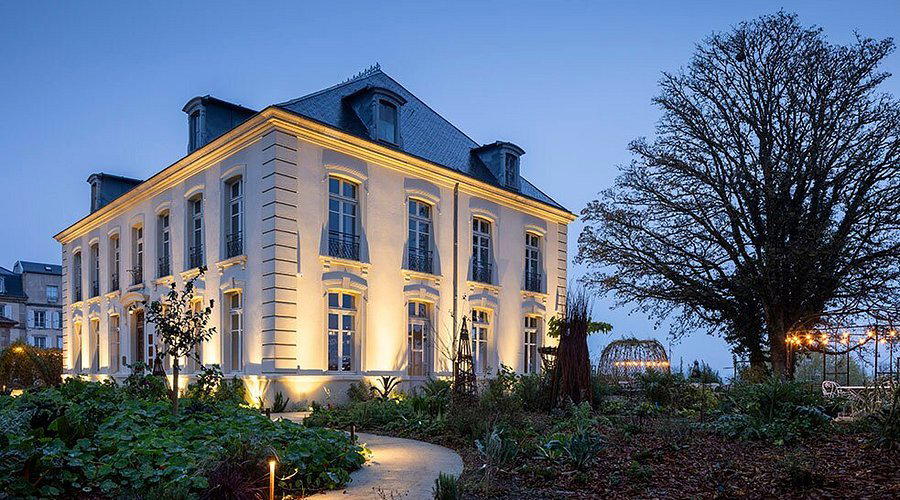
Le Clos Vauban brings French gastronomic dining to the medieval rampart town of Langres, with Chef Valentin Loison drawing on the forests and terroir of the Marne region for a menu rooted in place rather than trend.

Pearl is the En Primeur Club membership app, where members save venues, book tables and use the concierge.
The menu
What to order
- Black Angus beef
- Saône carp ventrèche
- Pike-perch
- Roe deer
- Foraged polypody
Gastronomic Dining Inside the Ramparts
Langres sits on a limestone plateau in Haute-Marne, ringed by Roman-era fortifications and known nationally for little beyond its washed-rind cheese. That near-invisibility is precisely what makes its fine-dining scene interesting. In cities, French gastronomic restaurants compete with dozens of peers, and menus tend to drift toward the international or the modish. In a town like Langres, a restaurant of Le Clos Vauban's register operates differently: it answers to the region first, the guest second, and the trend cycle barely at all. The result is a style of cooking that the French tradition has always produced leading in its provincial heartlands, where the forest, the river valley, and the local larder set the terms of the menu rather than the other way around.
For context on where this sits within France's broader fine-dining spread, consider the distance from Langres to the grand tables of Paris Alléno Paris au Pavillon Ledoyen represents the capital's most technically ambitious register, while the Champagne region's own Assiette Champenoise in Reims is the nearest peer in the northeast. Le Clos Vauban occupies a different tier, not because it lacks seriousness, but because its ambitions are calibrated to territory rather than to metropolitan competition.
The French Gastronomic Tradition Outside the Cities
The French bistro and gastronomic dining traditions share a common root: reverence for the ingredient, fidelity to the season, and a preference for feeding the diner well over performing for the critic. Where the two formats diverge is in scale, formality, and the degree to which the kitchen interprets rather than simply prepares. The gastronomic end of French cooking, at its most grounded, preserves something the starred city restaurants have sometimes lost, an unselfconsciousness about what the land actually offers. At Le Clos Vauban, the framing around forest and Marne region cuisine reflects that sensibility directly. This is not a kitchen retrofitting a locally-sourced narrative onto an existing style; the regional anchor appears to be structural.
That positioning places Le Clos Vauban in a long French tradition of destination auberges and maison de bouche, the kind of address that draws guests willing to travel specifically to eat in a particular place rather than simply to eat well wherever they happen to be. Houses like Bras in Laguiole or Auberge de l'Ill in Illhaeusern have made that model central to French gastronomy's identity outside the major cities. Flocons de Sel in Megève and La Maison de Marc Veyrat in Manigod apply comparable logic in the Alps. Le Clos Vauban belongs to that broader category: a place defined by its specific geography, where the journey to reach it is part of the proposition.
Chef Valentin Loison and the Marne Region Larder
French gastronomic cooking in smaller towns succeeds or stalls on the kitchen's ability to make the local larder compelling across multiple visits and seasons. Chef Valentin Loison's stated focus on the Marne region and its forests points toward a menu built around wild and foraged elements, mushrooms, game, river fish, and the broader produce of the Haute-Marne plateau, rather than a generic French carte that could be transplanted to any address. This approach is harder to sustain than it looks: the forest-to-plate model requires relationships with suppliers and foragers that take years to build, and it demands a cooking style disciplined enough not to overwhelm the ingredient.
Loison's position as a Relais & Châteaux-affiliated chef situates him within a network that has historically favoured this kind of regional anchoring. The Relais & Châteaux model, founded on the alliance of fine cooking with distinctive properties in particular places, is a reasonable trust signal for the ambition level of the kitchen. Across France, Relais & Châteaux membership has served as an indicator of a certain seriousness of purpose, it does not guarantee three-star cooking, but it does imply a standard of hospitality and cuisine above the regional average.
For comparison with other serious French gastronomic addresses operating outside Paris, see also Mirazur in Menton, Troisgros - Le Bois sans Feuilles in Ouches, AM par Alexandre Mazzia in Marseille, Jardin des Sens in Montpellier, and Paul Bocuse - L'Auberge du Pont de Collonges. Each represents a different regional model, but the shared logic is the same: serious French gastronomy thrives when it is anchored to somewhere specific.
The Langres Dining Scene in Context
Langres supports a small but coherent restaurant offering for a town of its size. Within that, the registers are reasonably distinct. Le Clos Vauban occupies the formal gastronomic end. Bulle d'Osier represents the creative register, and Mirabelle covers modern cuisine at a different pitch. Taken together, they suggest a town that punches above its population size for the quality and range of its kitchens. The full picture of where to eat, drink, and stay in the region is available across our full Langres restaurants guide, hotels guide, bars guide, wineries guide, and experiences guide.
Planning Your Visit
Le Clos Vauban is reachable through the property's website at closvauban.com, by email at closvauban@relaischateaux.com, or by telephone at +33 (0)3 25 86 00 54. Given the intimate setting that characterises addresses of this type, small dining rooms are standard across Relais & Châteaux properties, availability is likely limited, and booking ahead rather than arriving speculatively is the practical approach. The restaurant sits at 13 Rue Jean Mermoz in Langres, within the old town that defines the town's historic centre.
Frequently asked questions
Who is the chef connected to Le Clos Vauban?
The chef associated with Le Clos Vauban is Valentin Loison.
Is Le Clos Vauban award-winning?
Le Clos Vauban has received recognition including: ail: closvauban@relaischateaux.com ….
What should I order at Le Clos Vauban?
Le Clos Vauban positions its kitchen around the Marne region larder and what the awards description calls 'cuisine from the forest', so the menu follows foraged and locally sourced produce rather than a fixed signature dish. The strongest approach is to follow the chef's lead: Valentin Loison's tasting format is built around seasonal availability. check the venue's official channels at closvauban@relaischateaux.com or +33 (0)3 25 86 00 54 to confirm current menus before your visit.
Where is Le Clos Vauban in Langres?
Le Clos Vauban is located at 13 Rue Jean Mermoz, 74940 Annecy, France, Langres.
Should I book Le Clos Vauban in advance?
Yes. Le Clos Vauban is a Relais & Châteaux property operating within an intimate fine-dining format in a small town, which limits covers per service by design. Langres draws visitors specifically for this kind of destination dining, so availability compresses quickly around weekends and peak season. Reserve through closvauban.com, by email at closvauban@relaischateaux.com, or by phone at +33 (0)3 25 86 00 54.
Budget Reality Check
Comparable venues nearby, for context on price, style, and recognition.
| Venue | Cuisine | Price | Awards | Notes |
|---|---|---|---|---|
| Le Clos VaubanThis venue (the venue you are viewing) | Poetic French Gastronomic | $150–200 | Relais Chateaux Award | Not listed |
| L'Aromatic | Contemporary French Bistro | $20–30 | Not listed | Langres, Contemporary French Bistro |
| Mirabelle | Contemporary French Brasserie | $30–50 | Michelin Bib Gourmand | Historic Center of Langres, Contemporary French Brasserie |
| Chez Nina | Not listed | Not listed | Not listed | Avenue Turenne, French with Caribbean Fusion |
| Bulle d'Osier | Modern French Fine Dining | $150–200 | 2 Michelin Stars · Relais Chateaux Award | Clos Vauban, Modern French Fine Dining |
| L’Atelier d’Edmond | Modern French Savoyard Fine Dining | Not listed | We're Smart World 3 Radishes | Le Fornet, Modern French Savoyard Fine Dining |
Recognition history
Dated appearances from independent guides and award organizations, with the underlying list record or original source where available.
Relais Chateaux Award
Relais Chateaux
Continue exploring
More in Annecy
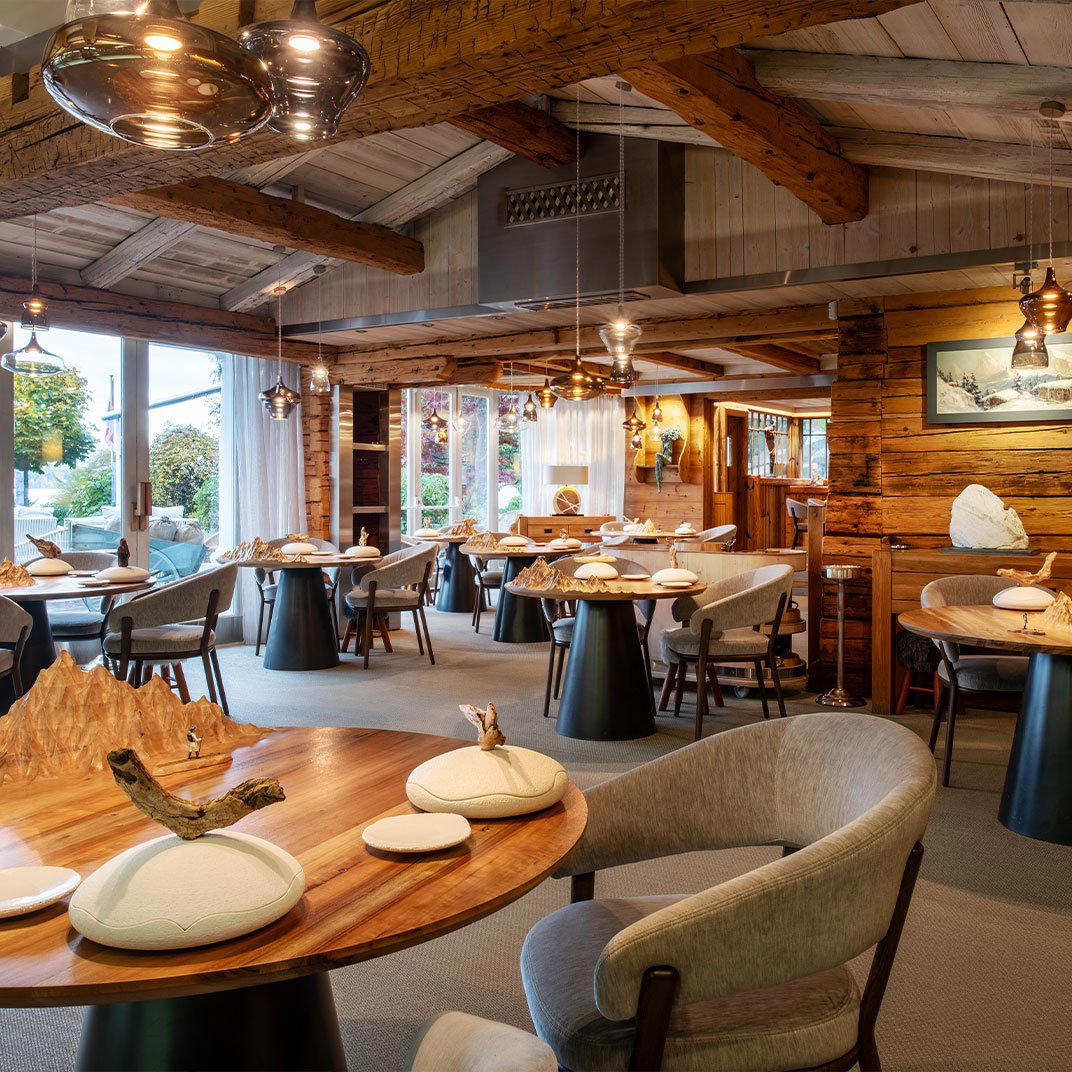
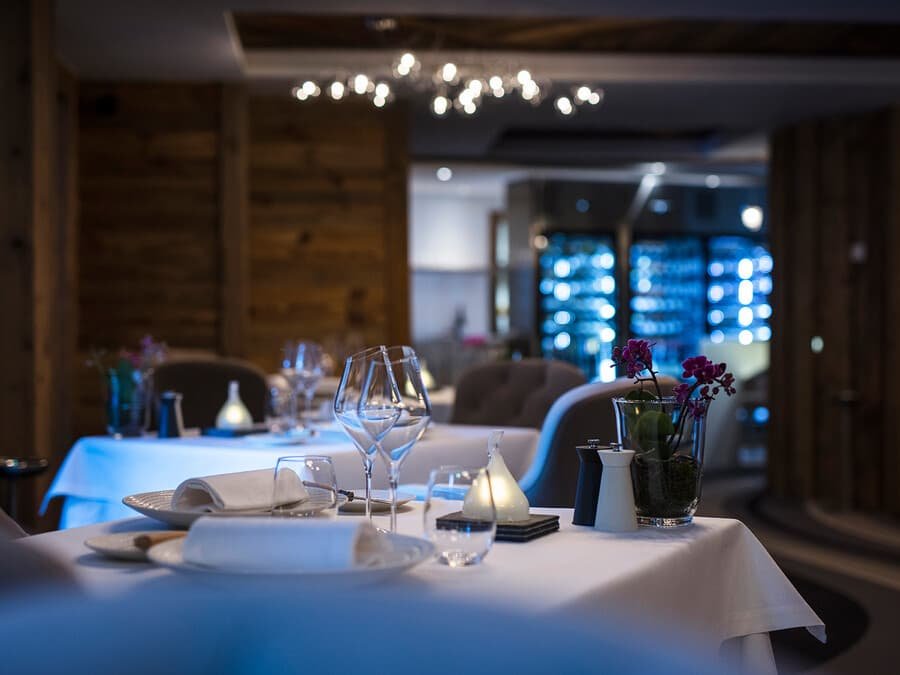
Restaurants in Annecy
All restaurants in Annecy →
Bars in Annecy
Browse all →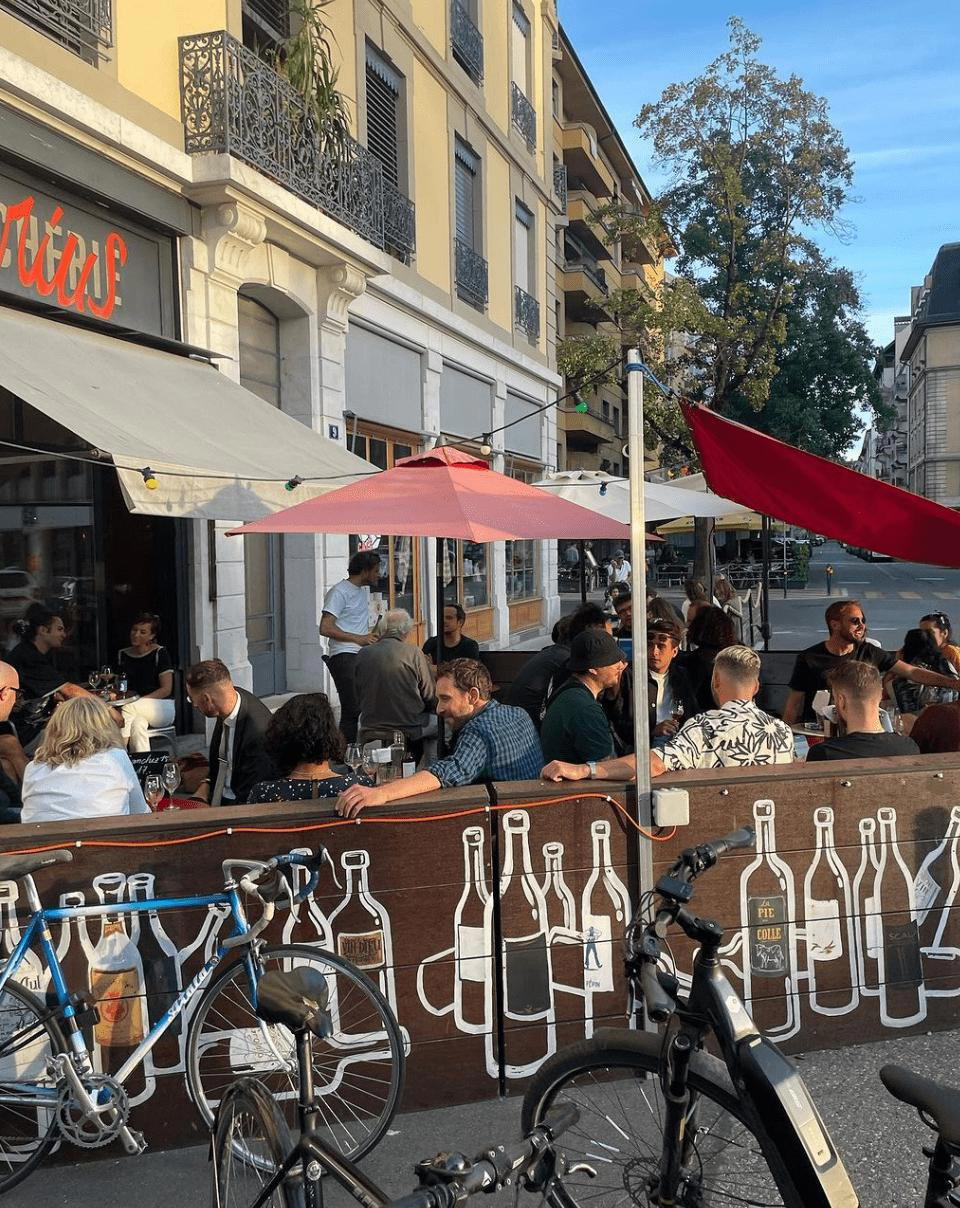
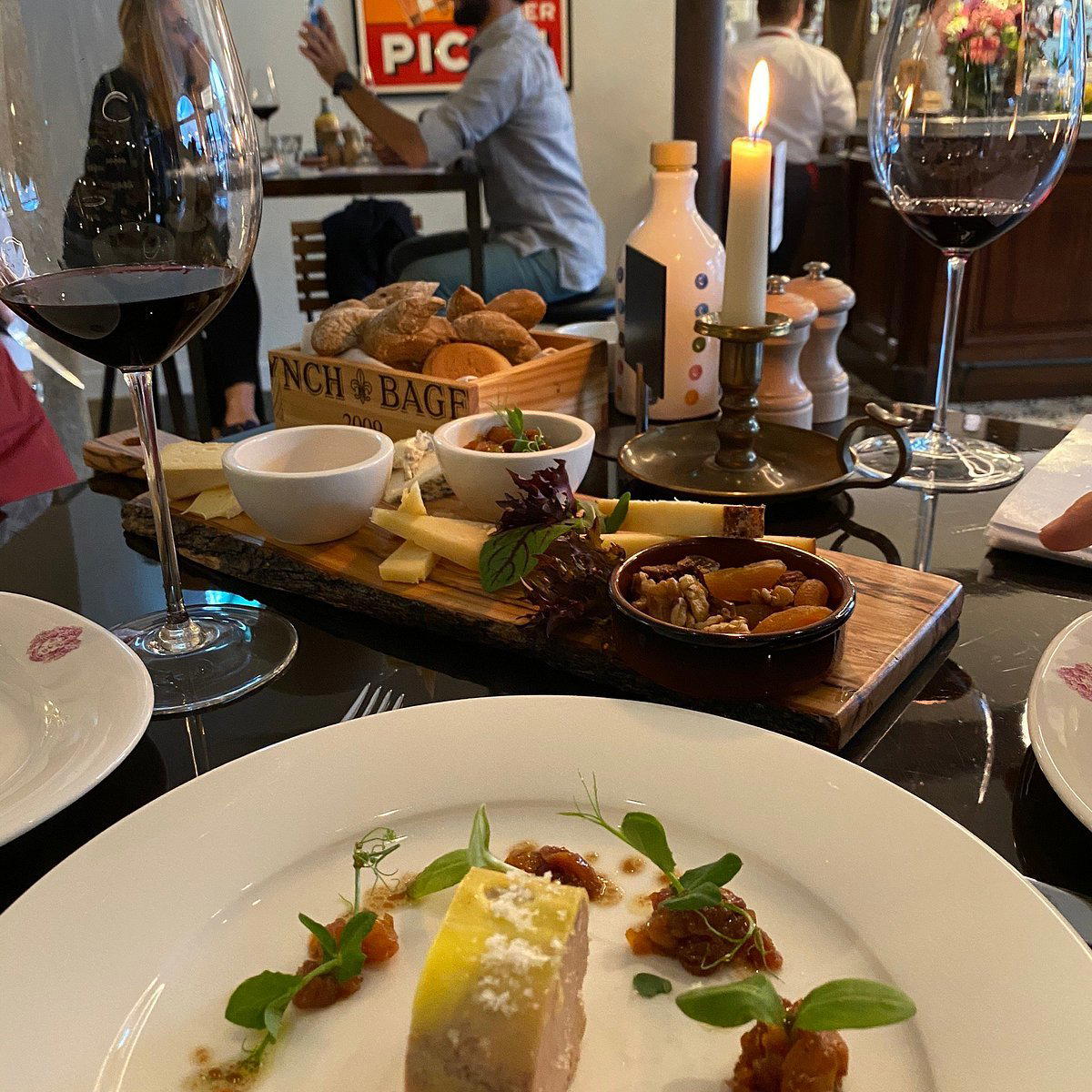
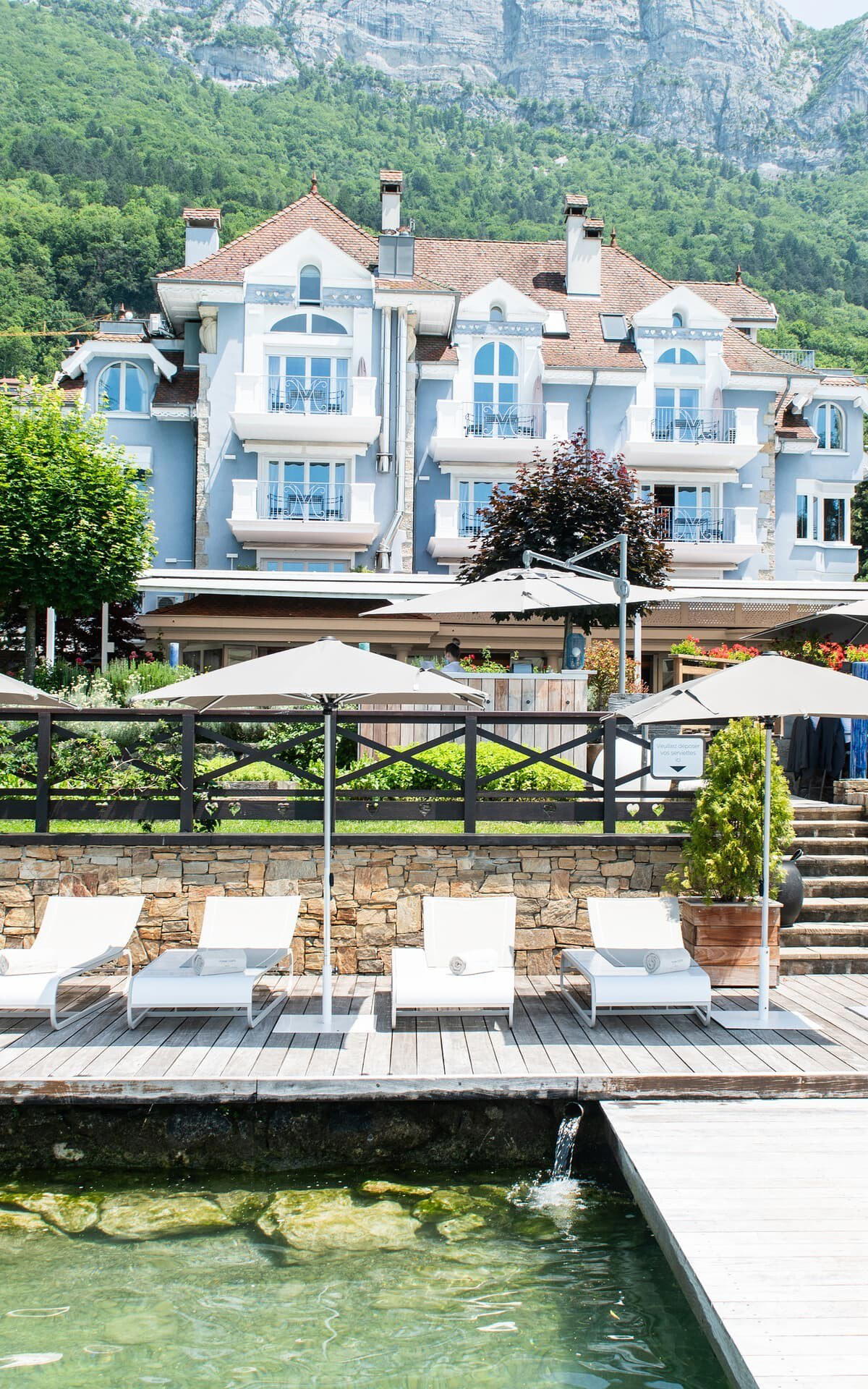
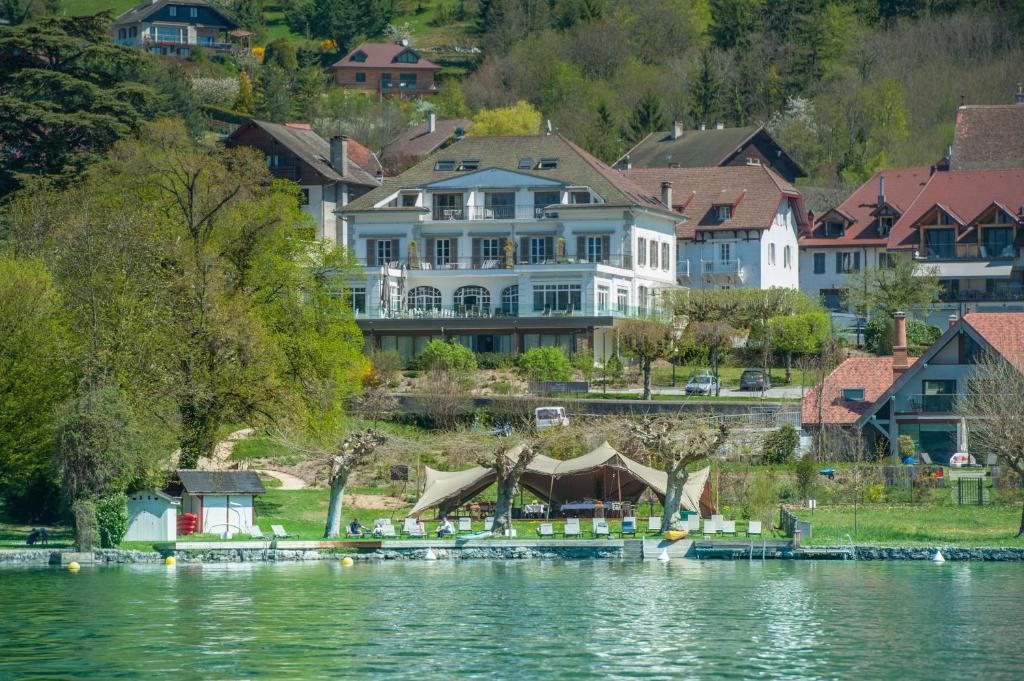
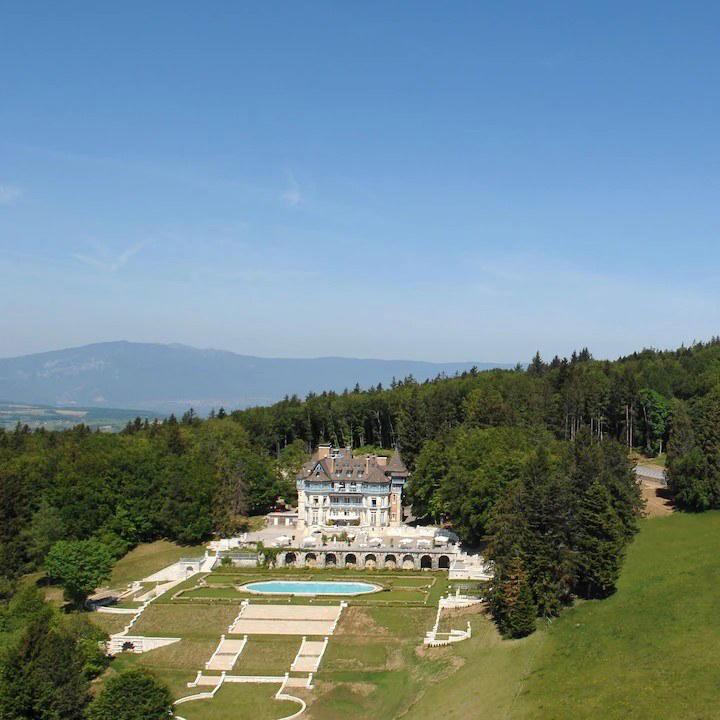
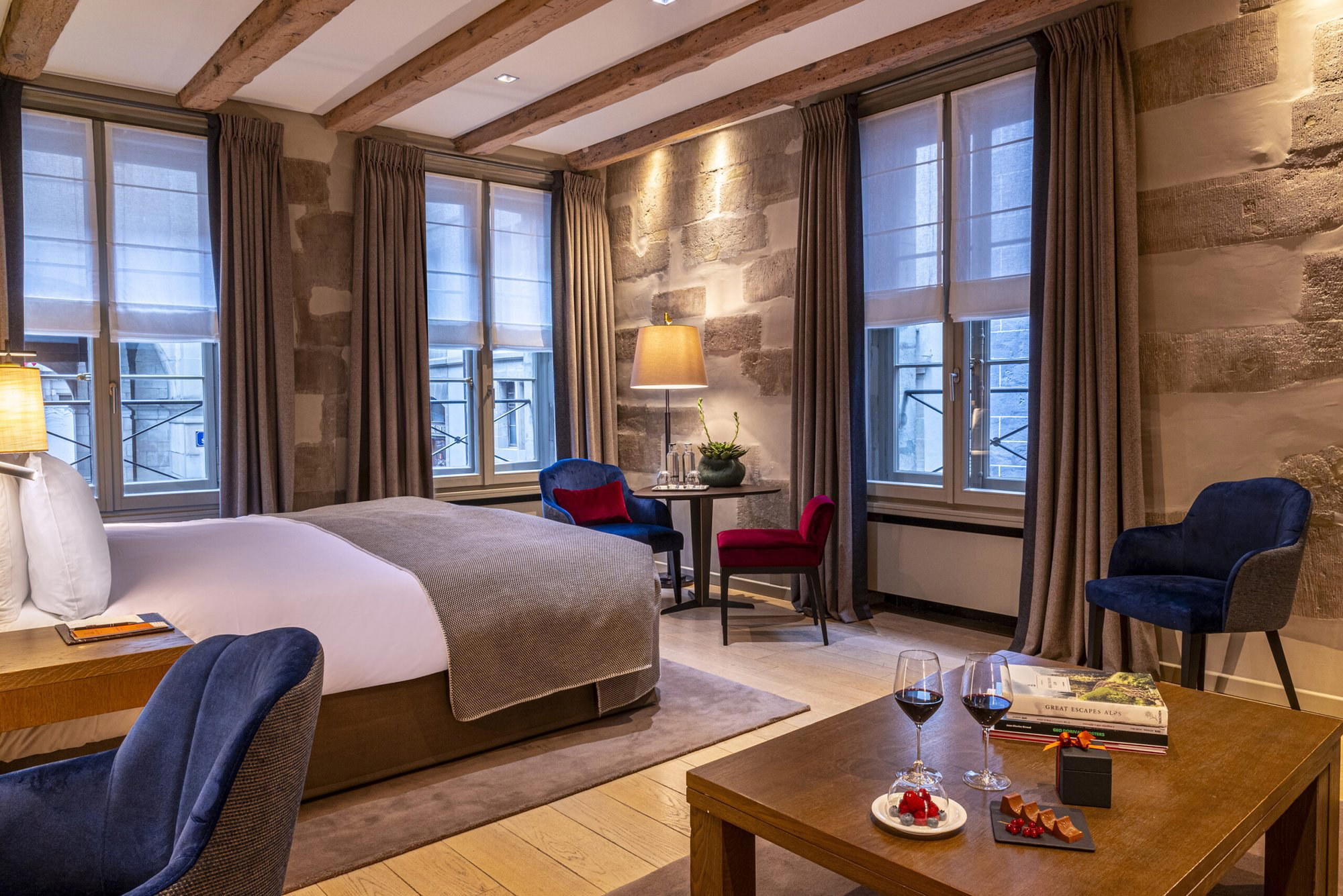

Le Clos Vauban
The wine
- Wine program
- Deep wine list
- Extensive wine list
- Sommelier-led
- Natural wine
Details
- Elegant
- Romantic
- Intimate
- Sophisticated
- Quiet
- Date Night
- Special Occasion
- Celebration
- Open Kitchen
- Garden
- Historic Building
- Private Dining
- Hotel Restaurant
- Extensive Wine List
- Natural Wine
- Sommelier Led
- Farm To Table
- Local Sourcing
- Organic
- Garden
- Tasting Menu
- Prix Fixe
- Natural Wine
- Regional Wine Selection
- Alcohol Free Pairings
- Vegetarian Friendly
- Allergy Accommodating
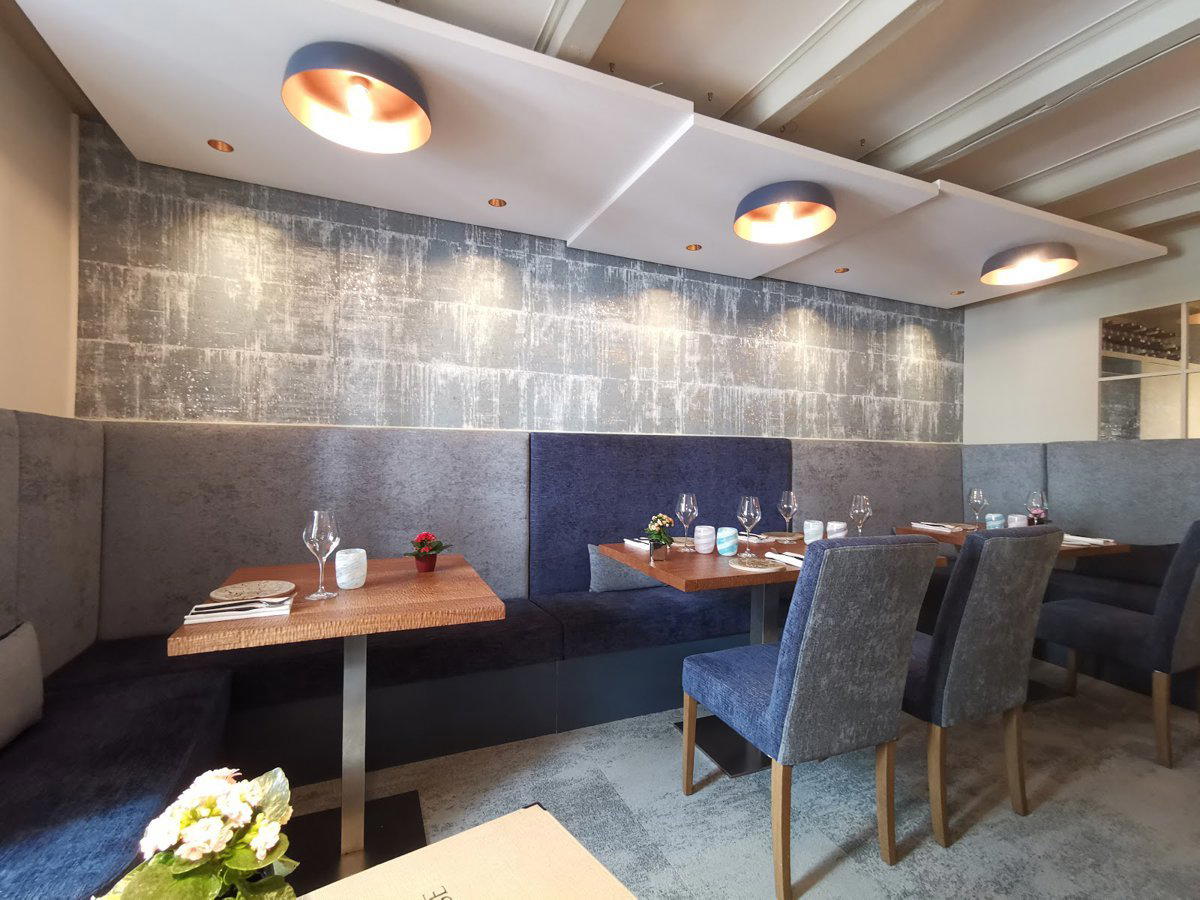
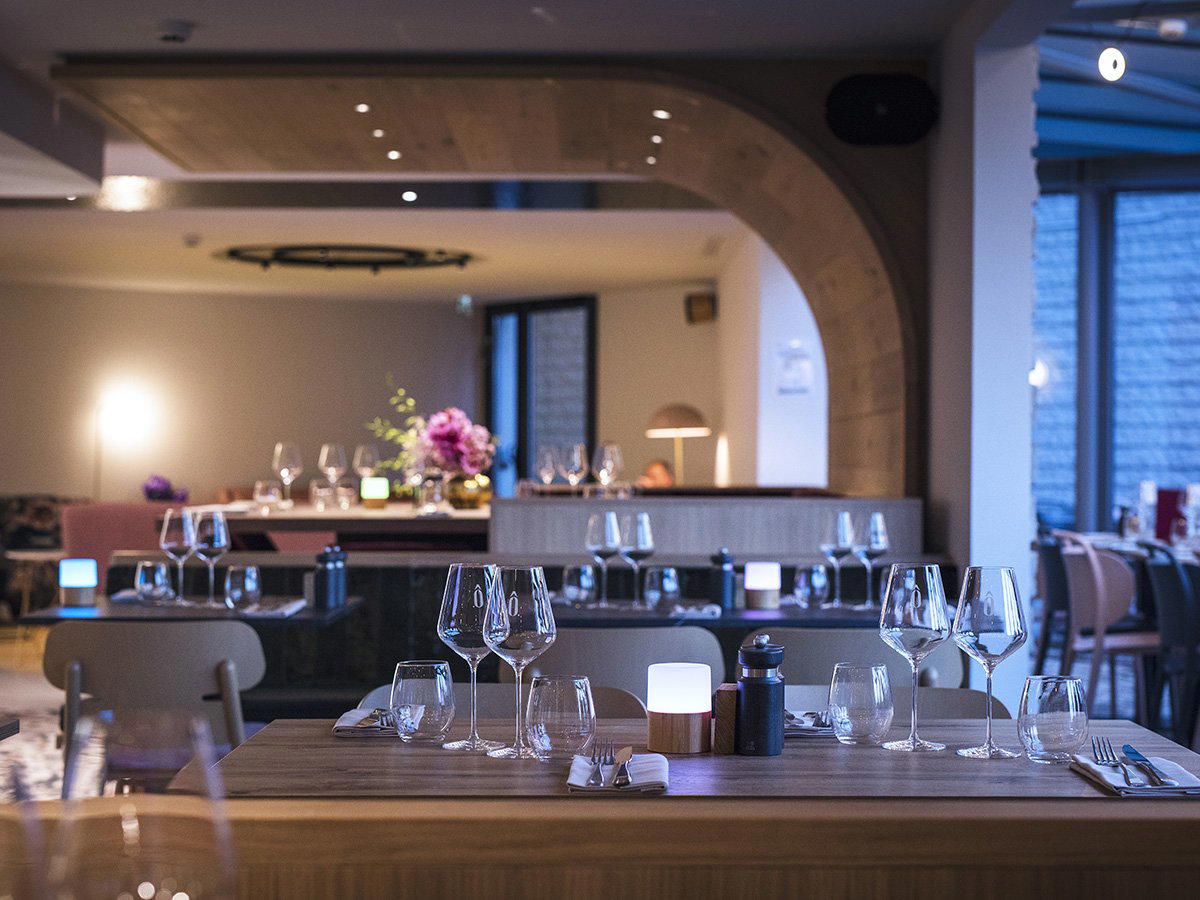
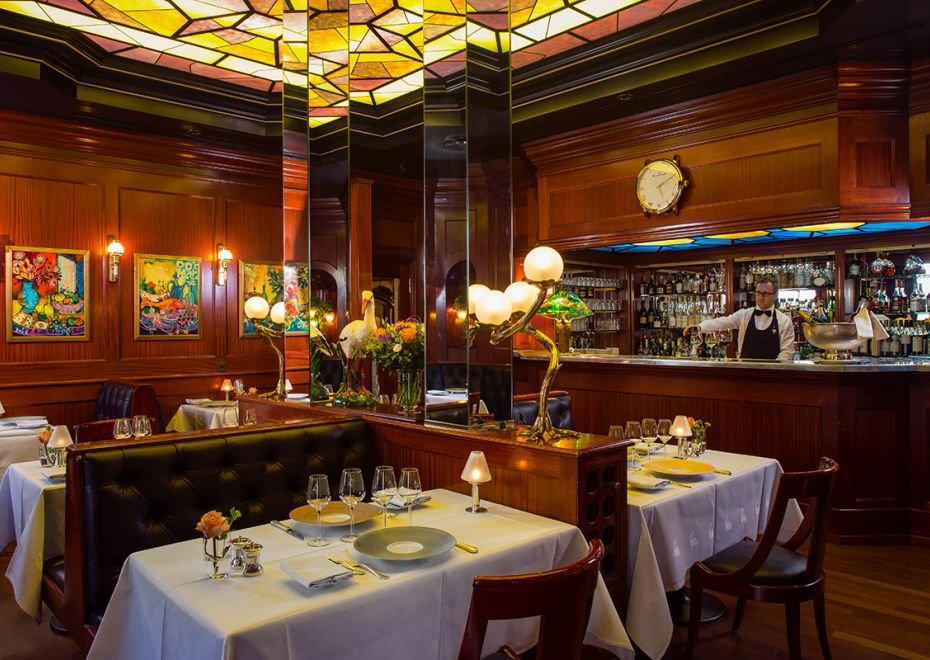
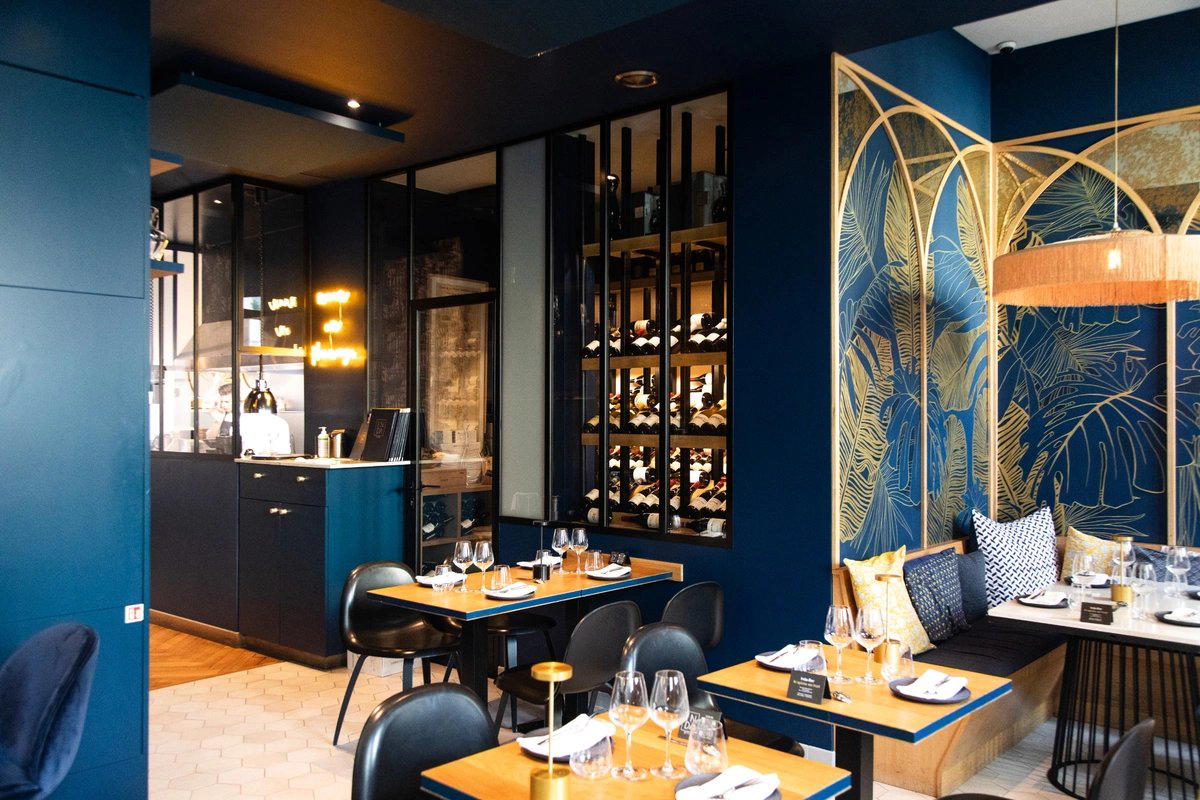
Softly lit, refined atmosphere with delicate service; described as feutrée (muted) and poetic, featuring custom osier (willow) woven décor and leather linens creating an intimate, hushed elegance.