Skip to Main Content
← Collection
LocationSingapore, Singapore
Star Wine List

<h2>Wine Retail Meets Bistro Table: A Format That Works in Singapore</h2><p>There is a particular kind of wine destination that has become increasingly sought after in Asia's premium dining cities: the retail-cellar hybrid, where bottles are not simply listed on a menu but browsed, handled, and chosen by the diner themselves. Le Clos, on Kim Yam Road at the New Bahru development in Robertson Quay, operates in exactly that tradition. Arriving at the address, you find yourself at a ground-floor space within what has become one of Singapore's more considered mixed-use developments, a cluster of restored shophouses that draws a crowd distinct from the Orchard Road circuit or the Marina Bay set. The approach matters here, because the format of Le Clos is inseparable from where and how it sits.</p><h2>The Cellar as the Menu</h2><p>The organising principle at Le Clos is that the cellar is the experience. Rather than working from a printed wine list as the primary instrument, the concept invites guests to step into the retail cellar, browse the selection, and then speak with the resident expert to make a choice. This is a format with strong precedent in Europe, where wine bars with attached retail operations have long blurred the line between shop and restaurant, allowing diners to pay closer to retail price for bottles they select themselves. In Singapore, that model is still a relative rarity. Most wine-forward restaurants in the city, from the formal rooms around the CBD to the more casual operators along Keong Saik Road, work from curated lists with the standard on-trade markup. The walk-in cellar approach inverts that dynamic and places considerably more agency in the diner's hands.</p><p>For anyone who has spent time in similar formats in Paris, London, or Sydney, the appeal is immediate. The selection visible on the shelf is also the selection available to order, and the conversation with a knowledgeable floor team can move in directions a static list never allows. Singapore's wine culture has matured considerably over the past decade, with growing numbers of collectors and serious drinkers who arrive with opinions rather than questions, and Le Clos is positioned for exactly that visitor. It sits closer in spirit to a European cave à manger than to the sommelier-at-the-tableside model that defines places like <a href="https://www.enprimeurclub.com/restaurants/les-amis-singapore-restaurant">Les Amis</a> or <a href="https://www.enprimeurclub.com/restaurants/odette-singapore-restaurant">Odette</a>, which occupy the leading bracket of Singapore's fine dining tier with extensive cellars managed entirely front-of-house.</p><h2>Robertson Quay and the New Bahru Context</h2><p>Location shapes experience at Le Clos in ways that go beyond convenience. Robertson Quay has long operated as one of Singapore's more relaxed wine and dining corridors, a stretch where the intensity of the CBD gives way to something more approachable. New Bahru, the shophouse cluster at which Le Clos is based, represents a more recent wave of that neighbourhood's evolution, drawing independent operators rather than the branded names that dominate nearby Dempsey Hill. The development's format, low-rise, architecturally considered, with a mix of food, retail, and cultural tenants, creates a context that suits the wine-retail hybrid well. Visitors coming to browse the cellar are already in a frame of mind shaped by the surrounding environment: deliberate rather than transactional.</p><p>This contrasts with the high-ticket tasting menu restaurants that define Singapore's most discussed dining bracket. <a href="https://www.enprimeurclub.com/restaurants/zn-singapore-restaurant">Zén</a> and <a href="https://www.enprimeurclub.com/restaurants/jaan-by-kirk-westaway-singapore-restaurant">Jaan by Kirk Westaway</a> operate in a register built around choreography and occasion. <a href="https://www.enprimeurclub.com/restaurants/meta-singapore-restaurant">Meta</a>, at the innovative end of the city's dining scene, is similarly structured around a fixed arc from kitchen to table. Le Clos operates in a different register entirely, one where the visit can be shaped by the guest's own pace and preference rather than a predetermined sequence.</p><h2>The Wine-Retail Bistro Format and What It Requires</h2><p>A retail-within-dining concept lives or dies by the quality and range of the cellar. The browsing experience is only as good as the selection it surfaces: a well-organised, thoughtfully bought cellar that spans price points, regions, and styles creates a conversation; a poorly curated one becomes a constraint. Globally, the format has produced some of the most interesting wine destinations of the past decade, from the natural wine bars of the Marais to the producer-focused cellars of Melbourne's inner suburbs. The model works particularly well when staff expertise and cellar depth are in alignment, and when the food offer is strong enough to anchor a visit rather than simply provide a backdrop for drinking.</p><p>Comparable formats in other cities, including the wine-bar-retail hybrids that have shaped the drinking culture in cities from New York to Hong Kong, have pushed the concept in different directions. Some, like the more formal wine programs at <a href="https://www.enprimeurclub.com/restaurants/le-bernardin">Le Bernardin in New York City</a> or <a href="https://www.enprimeurclub.com/restaurants/8-12-otto-e-mezzo-bombana-hong-kong-restaurant">8 1/2 Otto e Mezzo Bombana in Hong Kong</a>, integrate deep cellars into a tasting-menu structure. Others, including operators closer in spirit to Le Clos, keep the format deliberately loose: buy a bottle, find a table, eat well. The bistro-cellar model at its leading sits at the intersection of those two impulses.</p><h2>Planning a Visit</h2><p>Le Clos is located at 46 Kim Yam Road, #01-18, within the New Bahru development in Robertson Quay. The address places it within walking distance of the river and within easy reach of the Robertson Quay cluster of restaurants and bars. For those building a wider Singapore itinerary, the <a href="https://www.enprimeurclub.com/restaurants/singapore">full Singapore restaurants guide</a>, the <a href="https://www.enprimeurclub.com/bars/singapore">Singapore bars guide</a>, and the <a href="https://www.enprimeurclub.com/hotels/singapore">Singapore hotels guide</a> provide further context for the city's current dining and hospitality picture. The <a href="https://www.enprimeurclub.com/experiences/singapore">Singapore experiences guide</a> and <a href="https://www.enprimeurclub.com/wineries/singapore">Singapore wineries guide</a> round out the picture for visitors with specific interests in wine and cultural programming.</p><p>For context on how the cellar-retail format sits within a global wine dining tradition, the programs at <a href="https://www.enprimeurclub.com/restaurants/alain-ducasse-louis-xv-monte-carlo-restaurant">Alain Ducasse at Louis XV in Monte Carlo</a>, <a href="https://www.enprimeurclub.com/restaurants/allno-paris-au-pavillon-ledoyen-paris-restaurant">Alléno Paris au Pavillon Ledoyen</a>, and <a href="https://www.enprimeurclub.com/restaurants/lazy-bear">Lazy Bear in San Francisco</a> each represent different points on the spectrum between formal wine service and guest-led selection. At the more conceptually adventurous end, <a href="https://www.enprimeurclub.com/restaurants/alinea">Alinea in Chicago</a>, <a href="https://www.enprimeurclub.com/restaurants/aponiente-el-puerto-de-santa-mara-restaurant">Aponiente in El Puerto de Santa María</a>, and <a href="https://www.enprimeurclub.com/restaurants/emerils-new-orleans-restaurant">Emeril's in New Orleans</a> demonstrate how strong beverage identity can anchor an entire dining proposition.</p><h2>Frequently Asked Questions</h2><dl><dt><strong>What should I order at Le Clos?</strong></dt><dd>The format at Le Clos places wine selection at the centre of the experience. The recommended approach, consistent with how the concept operates, is to step into the cellar on arrival and browse before committing to a bottle. The resident expert can guide selection based on what you are eating and your own preferences. For food, the bistro offer is designed to complement the wine program, so alignment between bottle and plate is worth discussing with the floor team. Reference points in Singapore's wider dining scene, from the French-rooted wine lists at <a href="https://www.enprimeurclub.com/restaurants/les-amis-singapore-restaurant">Les Amis</a> to the more contemporary programs at <a href="https://www.enprimeurclub.com/restaurants/odette-singapore-restaurant">Odette</a>, run in a more prescribed direction. Le Clos works differently, and the selection you make in the cellar will shape the meal more than any single dish decision.</dd><dt><strong>Can I walk in to Le Clos?</strong></dt><dd>The wine-retail-bistro format means Le Clos operates with a degree of flexibility that tasting-menu restaurants in Singapore do not. Whether walk-ins are accommodated on a given evening will depend on the day and how busy the floor is, but the retail component of the concept means there is a natural entry point even if table space is limited. Singapore's more structured fine dining rooms, such as those at <a href="https://www.enprimeurclub.com/restaurants/zn-singapore-restaurant">Zén</a>, book months in advance and do not accommodate walk-ins at all. Le Clos sits in a different tier, and the more relaxed Robertson Quay setting supports a less rigid approach. If in doubt, contact the venue directly to confirm availability before arriving.</dd><dt><strong>What is Le Clos known for?</strong></dt><dd>Le Clos is known primarily for its wine-retail-within-bistro concept, which allows guests to browse a cellar and select bottles at retail pricing rather than working from a standard on-trade wine list. That format, relatively uncommon in Singapore's dining scene, positions it as a reference point for wine-focused visitors who want a more participatory approach to the bottle. The resident expert function, where a knowledgeable team member guides selection based on conversation rather than a list, is central to how the concept works. It places Le Clos in a peer set closer to European cave à manger operations than to the Michelin-tracked rooms that dominate coverage of Singapore's dining scene.</dd><dt><strong>Is Le Clos allergy-friendly?</strong></dt><dd>Specific allergy and dietary information for Le Clos is not currently confirmed in the EP Club database. Singapore's food service sector generally operates with strong awareness of common allergens, and the bistro format at Le Clos, which pairs food with a wine-retail program, is likely to allow for menu flexibility. For confirmed information on allergens, dietary restrictions, or specific ingredients, the appropriate step is to contact the venue directly before visiting. The EP Club <a href="https://www.enprimeurclub.com/restaurants/singapore">Singapore restaurants guide</a> lists further options across cuisine types and price tiers for visitors with specific dietary requirements.</dd></dl>

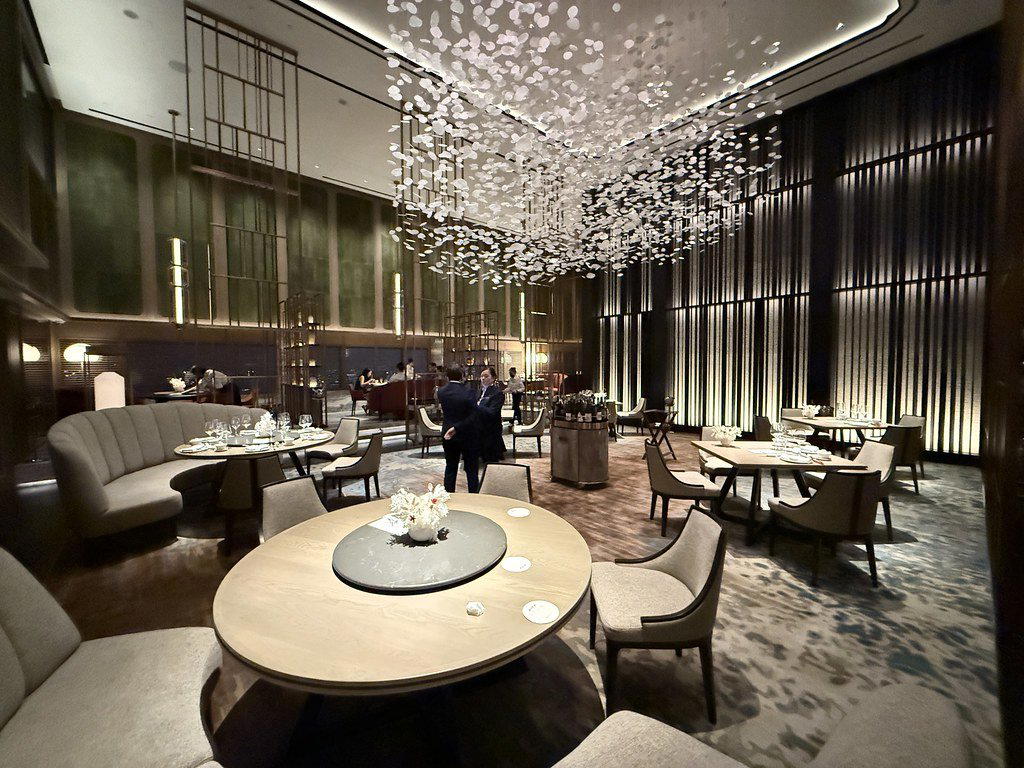
Le Clos restaurant in Singapore, Singapore
About

Wine Retail Meets Bistro Table: A Format That Works in Singapore

There is a particular kind of wine destination that has become increasingly sought after in Asia's premium dining cities: the retail-cellar hybrid, where bottles are not simply listed on a menu but browsed, handled, and chosen by the diner themselves. Le Clos, on Kim Yam Road at the New Bahru development in Robertson Quay, operates in exactly that tradition. Arriving at the address, you find yourself at a ground-floor space within what has become one of Singapore's more considered mixed-use developments, a cluster of restored shophouses that draws a crowd distinct from the Orchard Road circuit or the Marina Bay set. The approach matters here, because the format of Le Clos is inseparable from where and how it sits.

The Cellar as the Menu

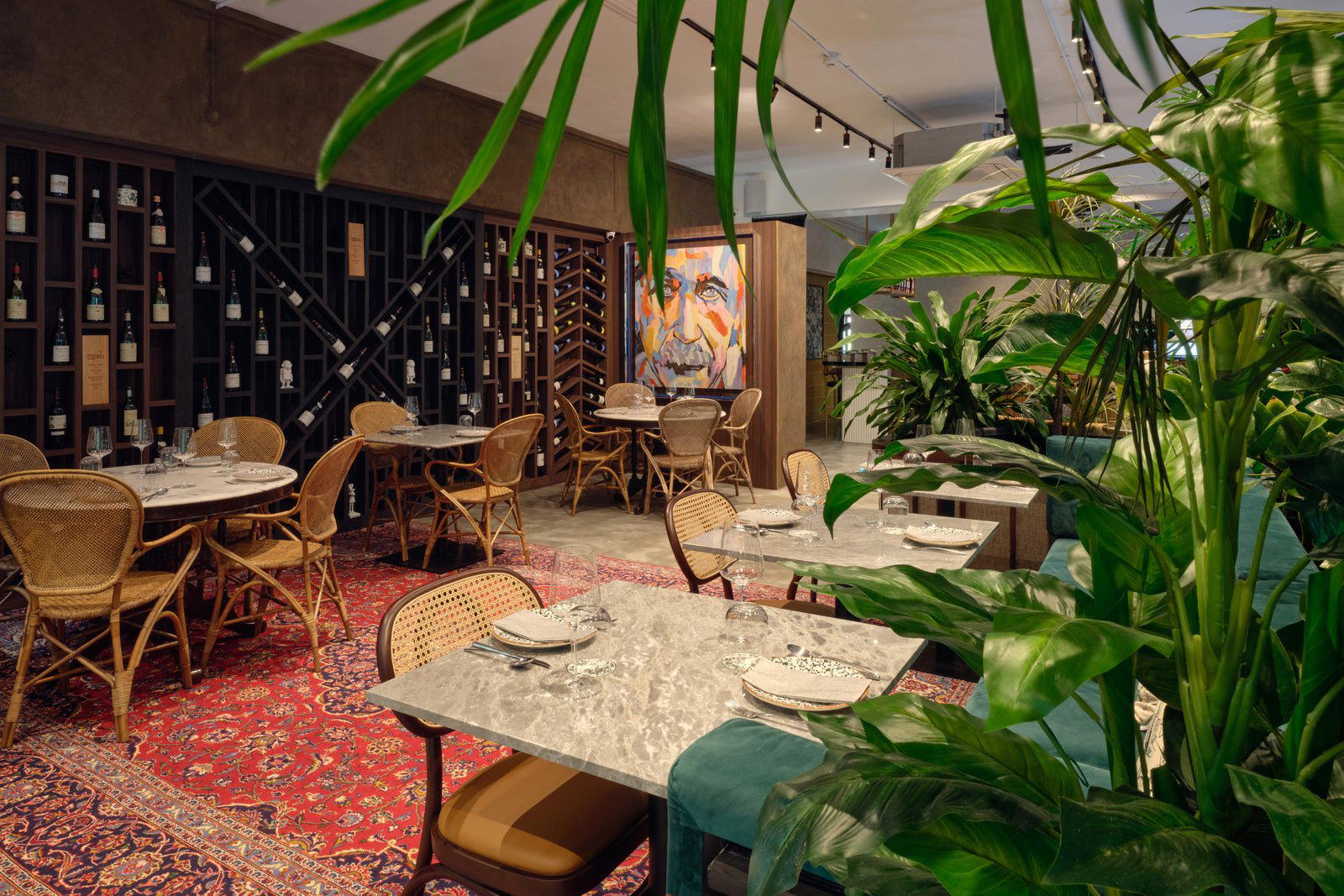
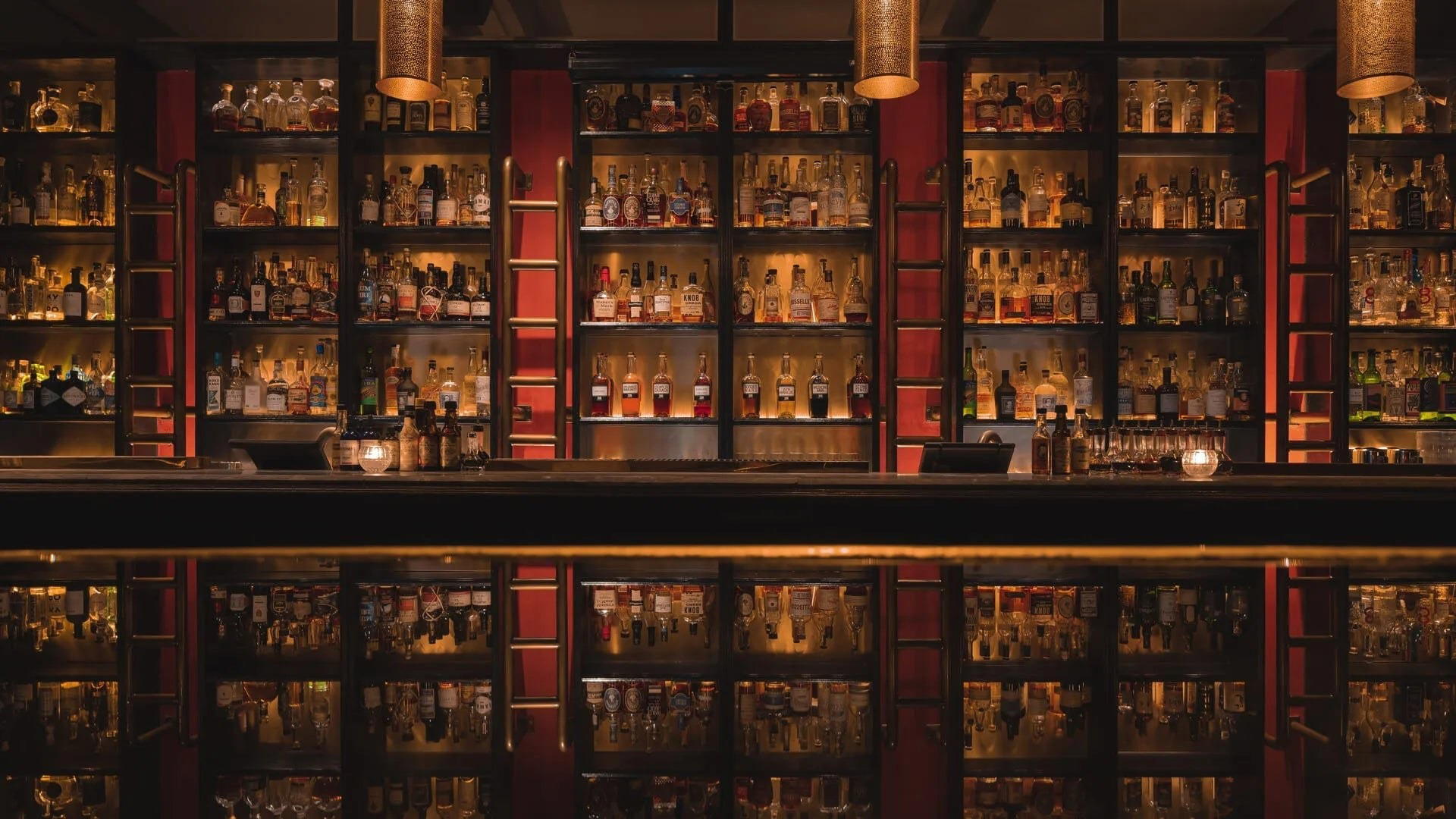
The organising principle at Le Clos is that the cellar is the experience. Rather than working from a printed wine list as the primary instrument, the concept invites guests to step into the retail cellar, browse the selection, and then speak with the resident expert to make a choice. This is a format with strong precedent in Europe, where wine bars with attached retail operations have long blurred the line between shop and restaurant, allowing diners to pay closer to retail price for bottles they select themselves. In Singapore, that model is still a relative rarity. Most wine-forward restaurants in the city, from the formal rooms around the CBD to the more casual operators along Keong Saik Road, work from curated lists with the standard on-trade markup. The walk-in cellar approach inverts that dynamic and places considerably more agency in the diner's hands.

For anyone who has spent time in similar formats in Paris, London, or Sydney, the appeal is immediate. The selection visible on the shelf is also the selection available to order, and the conversation with a knowledgeable floor team can move in directions a static list never allows. Singapore's wine culture has matured considerably over the past decade, with growing numbers of collectors and serious drinkers who arrive with opinions rather than questions, and Le Clos is positioned for exactly that visitor. It sits closer in spirit to a European cave à manger than to the sommelier-at-the-tableside model that defines places like Les Amis or Odette, which occupy the leading bracket of Singapore's fine dining tier with extensive cellars managed entirely front-of-house.

Robertson Quay and the New Bahru Context

Location shapes experience at Le Clos in ways that go beyond convenience. Robertson Quay has long operated as one of Singapore's more relaxed wine and dining corridors, a stretch where the intensity of the CBD gives way to something more approachable. New Bahru, the shophouse cluster at which Le Clos is based, represents a more recent wave of that neighbourhood's evolution, drawing independent operators rather than the branded names that dominate nearby Dempsey Hill. The development's format, low-rise, architecturally considered, with a mix of food, retail, and cultural tenants, creates a context that suits the wine-retail hybrid well. Visitors coming to browse the cellar are already in a frame of mind shaped by the surrounding environment: deliberate rather than transactional.

This contrasts with the high-ticket tasting menu restaurants that define Singapore's most discussed dining bracket. Zén and Jaan by Kirk Westaway operate in a register built around choreography and occasion. Meta, at the innovative end of the city's dining scene, is similarly structured around a fixed arc from kitchen to table. Le Clos operates in a different register entirely, one where the visit can be shaped by the guest's own pace and preference rather than a predetermined sequence.

The Wine-Retail Bistro Format and What It Requires

A retail-within-dining concept lives or dies by the quality and range of the cellar. The browsing experience is only as good as the selection it surfaces: a well-organised, thoughtfully bought cellar that spans price points, regions, and styles creates a conversation; a poorly curated one becomes a constraint. Globally, the format has produced some of the most interesting wine destinations of the past decade, from the natural wine bars of the Marais to the producer-focused cellars of Melbourne's inner suburbs. The model works particularly well when staff expertise and cellar depth are in alignment, and when the food offer is strong enough to anchor a visit rather than simply provide a backdrop for drinking.

Comparable formats in other cities, including the wine-bar-retail hybrids that have shaped the drinking culture in cities from New York to Hong Kong, have pushed the concept in different directions. Some, like the more formal wine programs at Le Bernardin in New York City or 8 1/2 Otto e Mezzo Bombana in Hong Kong, integrate deep cellars into a tasting-menu structure. Others, including operators closer in spirit to Le Clos, keep the format deliberately loose: buy a bottle, find a table, eat well. The bistro-cellar model at its leading sits at the intersection of those two impulses.

Planning a Visit

Le Clos is located at 46 Kim Yam Road, #01-18, within the New Bahru development in Robertson Quay. The address places it within walking distance of the river and within easy reach of the Robertson Quay cluster of restaurants and bars. For those building a wider Singapore itinerary, the full Singapore restaurants guide, the Singapore bars guide, and the Singapore hotels guide provide further context for the city's current dining and hospitality picture. The Singapore experiences guide and Singapore wineries guide round out the picture for visitors with specific interests in wine and cultural programming.

For context on how the cellar-retail format sits within a global wine dining tradition, the programs at Alain Ducasse at Louis XV in Monte Carlo, Alléno Paris au Pavillon Ledoyen, and Lazy Bear in San Francisco each represent different points on the spectrum between formal wine service and guest-led selection. At the more conceptually adventurous end, Alinea in Chicago, Aponiente in El Puerto de Santa María, and Emeril's in New Orleans demonstrate how strong beverage identity can anchor an entire dining proposition.

Frequently Asked Questions

What should I order at Le Clos?
The format at Le Clos places wine selection at the centre of the experience. The recommended approach, consistent with how the concept operates, is to step into the cellar on arrival and browse before committing to a bottle. The resident expert can guide selection based on what you are eating and your own preferences. For food, the bistro offer is designed to complement the wine program, so alignment between bottle and plate is worth discussing with the floor team. Reference points in Singapore's wider dining scene, from the French-rooted wine lists at Les Amis to the more contemporary programs at Odette, run in a more prescribed direction. Le Clos works differently, and the selection you make in the cellar will shape the meal more than any single dish decision.
Can I walk in to Le Clos?
The wine-retail-bistro format means Le Clos operates with a degree of flexibility that tasting-menu restaurants in Singapore do not. Whether walk-ins are accommodated on a given evening will depend on the day and how busy the floor is, but the retail component of the concept means there is a natural entry point even if table space is limited. Singapore's more structured fine dining rooms, such as those at Zén, book months in advance and do not accommodate walk-ins at all. Le Clos sits in a different tier, and the more relaxed Robertson Quay setting supports a less rigid approach. If in doubt, contact the venue directly to confirm availability before arriving.
What is Le Clos known for?
Le Clos is known primarily for its wine-retail-within-bistro concept, which allows guests to browse a cellar and select bottles at retail pricing rather than working from a standard on-trade wine list. That format, relatively uncommon in Singapore's dining scene, positions it as a reference point for wine-focused visitors who want a more participatory approach to the bottle. The resident expert function, where a knowledgeable team member guides selection based on conversation rather than a list, is central to how the concept works. It places Le Clos in a peer set closer to European cave à manger operations than to the Michelin-tracked rooms that dominate coverage of Singapore's dining scene.
Is Le Clos allergy-friendly?
Specific allergy and dietary information for Le Clos is not currently confirmed in the EP Club database. Singapore's food service sector generally operates with strong awareness of common allergens, and the bistro format at Le Clos, which pairs food with a wine-retail program, is likely to allow for menu flexibility. For confirmed information on allergens, dietary restrictions, or specific ingredients, the appropriate step is to contact the venue directly before visiting. The EP Club Singapore restaurants guide lists further options across cuisine types and price tiers for visitors with specific dietary requirements.

Side-by-Side Snapshot

These are the closest comparables we have in our database for quick context.

Collector Access

Need a table?

Our members enjoy priority alerts and concierge-led booking support for the world's most difficult tables.

Get Exclusive Access