Le Chiquito

Michelin Plate
Our verdict
A Michelin Plate recipient in 2024 and 2025, Le Chiquito brings classic French cuisine to the quiet Oise valley town of Méry-sur-Oise, roughly 30 kilometres north of Paris. The €€€ price point positions it as a serious regional table without the expense of a Paris destination.

Pearl is the En Primeur Club membership app, where members save venues, book tables and use the concierge.
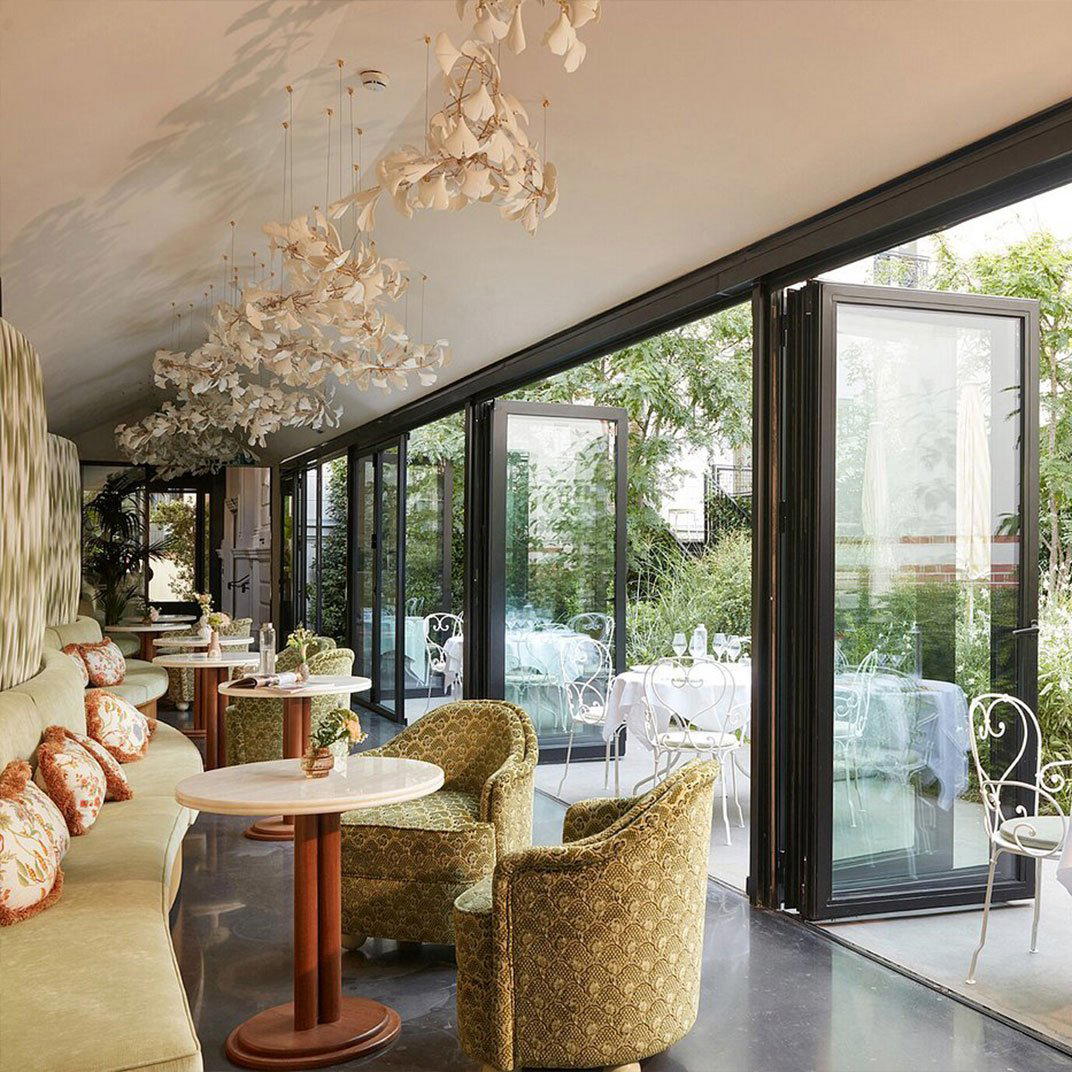
A River Town Table That Earns Its Michelin Plate
The Oise valley north of Paris is not the kind of landscape that generates restaurant pilgrimages. Méry-sur-Oise is a modest riverside commune, the sort of place where the pace is set by the water rather than any particular commercial ambition. Arriving at 3 Rue de l'Oise, you are already in the logic of the place: the address puts you steps from the river, in a town that still feels genuinely removed from the density of the capital despite sitting only around 30 kilometres from its outer arrondissements. That proximity-but-distance is part of what makes the dining proposition here coherent. Le Chiquito operates in the register of the serious French provincial table, a category with deep roots and, in recent years, a quiet resurgence as diners recalibrate away from urban spectacle.
The restaurant has earned a Michelin Plate in both 2024 and 2025, a recognition that signals cooking worth the drive without the starred-house apparatus. In the Michelin system, the Plate denotes kitchens producing food of quality, it is a threshold that places Le Chiquito above the general run of regional dining while leaving it firmly outside the rarefied tier occupied by destinations like Alléno Paris au Pavillon Ledoyen or Mirazur in Menton. The sustained recognition across consecutive years matters: it is not a debut-year anomaly but a consistent appraisal of a kitchen operating to a reliable standard.
Classic Cuisine and the Logic of What Grows Nearby
Classic French cuisine as a category has a specific meaning. It is not conservative by default; it is disciplined. The tradition draws on French culinary grammar, stocks built over time, sauces that require patience, proteins handled with respect for their origin, and the most interesting practitioners of the form are those who marry that discipline to an honest engagement with what is available locally and seasonally. In the Val-d'Oise, that means the produce of the Île-de-France hinterland: market gardens that have supplied Paris for centuries, river fish from the Oise itself, and the kinds of farmstead ingredients that arrive at regional tables before they travel to the capital.
The €€€ price bracket positions Le Chiquito as a serious table without requiring the financial commitment of a Paris destination restaurant. For context, the top end of Paris's classic French tier, houses like Maison Rostang, operates at €€€€, where tasting menus and deep wine lists push the bill into territory that changes the nature of the occasion. At Le Chiquito, the spend level suggests a kitchen focused on cooking quality rather than production scale, which tends to favour ingredient sourcing decisions: fewer covers, more selective purchasing, and the kind of supplier relationships that matter when the menu is rooted in classical technique applied to whatever is genuinely in season.
That sourcing logic is worth understanding as a reader deciding whether to make the trip. Classic cuisine rewards proximity to good raw material in a way that more technically elaborate cooking sometimes does not. A properly sourced piece of river fish, handled classically, will express terroir in a way that no amount of kitchen transformation can replicate. The Oise valley provides that raw material context.
How Le Chiquito Sits in the Regional Tier
The broader map of recognized classic and traditional French cooking includes houses at very different scales: Paul Bocuse's Auberge du Pont de Collonges, Auberge de l'Ill in Illhaeusern, Troisgros in Ouches, these are destination restaurants that have shaped the canon. At the other end of the geography, houses like Bras in Laguiole and Auberge du Vieux Puits in Fontjoncouse demonstrate how a strong regional identity and serious sourcing can anchor a restaurant in a remote location with national recognition. Le Chiquito belongs to a different and more local tier, not a destination in the cross-country sense, but a restaurant that justifies its place in a recognized quality framework through consistent execution and a coherent relationship to its immediate geography.
For Paris-based diners or visitors whose itinerary has any flexibility, the Île-de-France has historically been underrated as a dining region. Attention concentrates in the capital, and the towns along the Oise, Seine, and Marne valleys rarely feature in editorial coverage despite holding tables that would draw more traffic if they were half an hour farther from a city that absorbs all the oxygen. Le Chiquito's position, confirmed across two Michelin cycles, is a reminder of what the region offers when you allow for the 30-kilometre margin. You can also explore what else the area has to offer through our full Méry-sur-Oise restaurants guide, our full Méry-sur-Oise hotels guide, our full Méry-sur-Oise bars guide, our full Méry-sur-Oise wineries guide, and our full Méry-sur-Oise experiences guide.
For readers weighing Le Chiquito against other serious regional French tables closer to Paris, Assiette Champenoise in Reims and Au Crocodile in Strasbourg represent what the recognized provincial tier looks like at its upper range. Le Chiquito is not competing in that bracket; it occupies the intermediate zone where Michelin recognition meets accessible pricing and a genuine local identity. That position has its own coherence. If you are interested in how contemporary creative cooking operates in parallel, AM par Alexandre Mazzia in Marseille and Flocons de Sel in Megève show where the other branch of French fine dining has gone. Le Chiquito is not that, it stays in the classical lane, which is precisely why it serves a different but equally legitimate purpose on a well-constructed France itinerary.
Planning a Visit
The address at 3 Rue de l'Oise places the restaurant in central Méry-sur-Oise, reachable from Paris by road in well under an hour under normal conditions, with Cergy-Pontoise serving as the nearest major rail hub for those without a car. The €€€ price positioning suggests a meal in the range typical for recognized provincial French cooking: meaningful but not prohibitive, and structured around the expectation of a proper sit-down occasion rather than a quick plate.
Frequently asked questions
What should I eat at Le Chiquito?
The kitchen works in classic French cuisine, which means the menu follows seasonal availability and classical technique rather than a fixed signature format. Order according to what is in season and what the kitchen is sourcing locally, in a classic French table at this level, that is almost always the right decision.
What is the atmosphere like at Le Chiquito?
Le Chiquito sits in Méry-sur-Oise, a riverside town roughly 30 kilometres north of Paris, and the setting informs the register: this is a French provincial table, not a capital-city dining room. The €€€ price point and Michelin Plate status place it in the serious-but-accessible tier, where the atmosphere tends toward the composed and unhurried rather than the theatrical.
Is Le Chiquito good for families?
At the €€€ price level in a Michelin-recognized classic French setting, Le Chiquito is positioned as a proper dining occasion rather than an informal family restaurant. Whether it suits families with children depends on the ages and dining habits involved. Confirming any specific arrangements directly with the restaurant before booking is advisable.
| Venue | Cuisine | Price | Awards | Notes |
|---|---|---|---|---|
| Le ChiquitoThis venue (the venue you are viewing) | Traditional French Gastronomic | $100–150 | Michelin Plate | Not listed |
| Alléno Paris au Pavillon Ledoyen | Modern French Fine Dining | $150–200 | 3 Michelin Stars · World's 50 Best #79 | Creative |
| Kei | Contemporary French, Modern Cuisine | Not listed | Michelin 3 Star | Not listed |
| L'Ambroisie | Classic French Haute Cuisine | $300–500 | 2 Michelin Stars · World's 50 Best #23 | French, Classic Cuisine |
| Le Cinq - Four Seasons Hôtel George V | Modern French Fine Dining | $300–500 | 3 Michelin Stars · World's 50 Best #24 | French, Modern Cuisine |
| Plénitude | Modern French Sauce-Led Fine Dining | $300–500 | 3 Michelin Stars · World's 50 Best #14 | Contemporary French |
Recognition history
Dated appearances from independent guides and award organizations, with the underlying list record or original source where available.
Michelin Plate
Michelin
Full recognition history (3 entries)
Michelin Plate
Michelin
Michelin Plate
Michelin
Continue exploring
More in Méry-sur-Oise
Restaurants in Méry-sur-Oise
All restaurants in Méry-sur-Oise →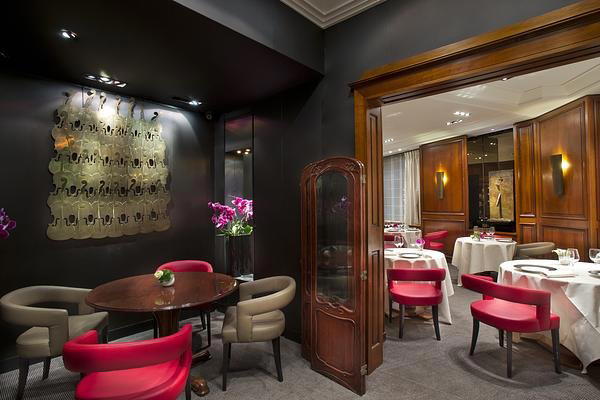

Bars in Méry-sur-Oise
Browse all →
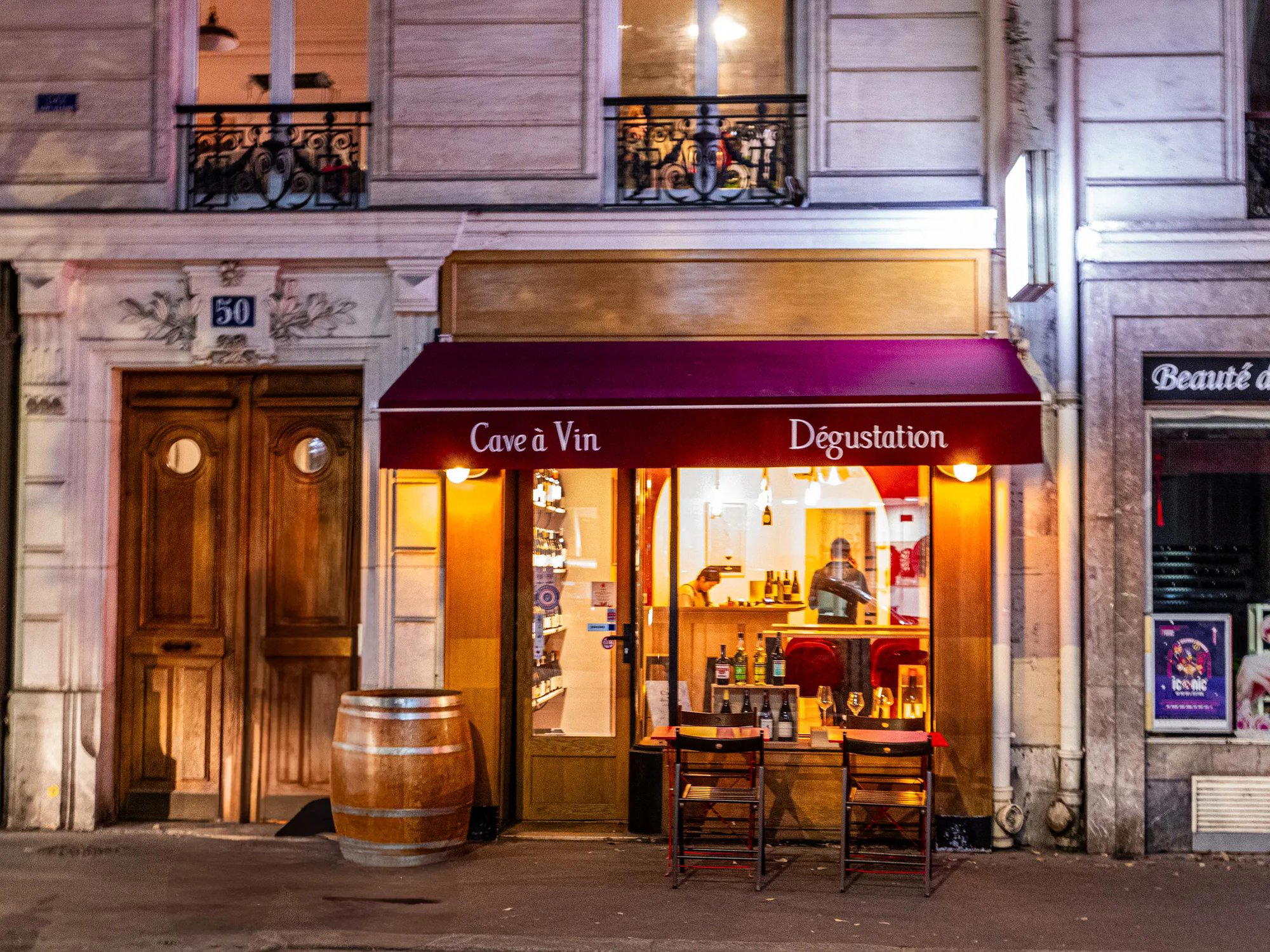
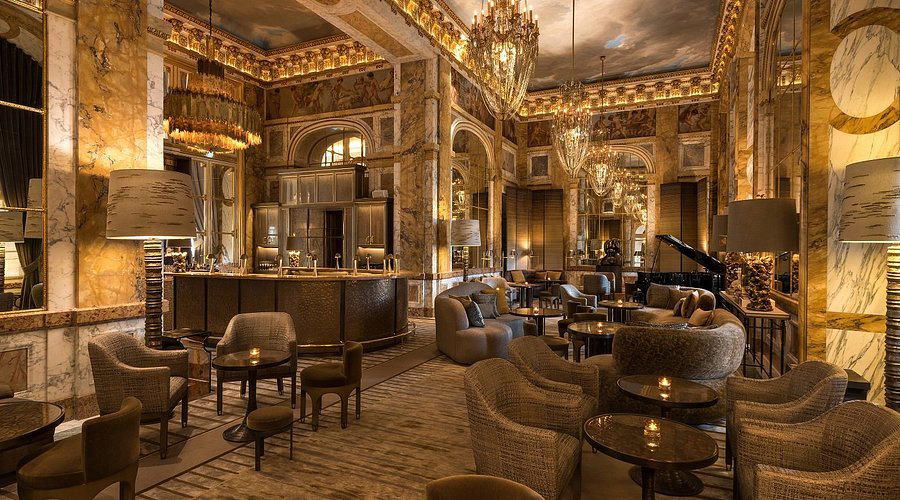
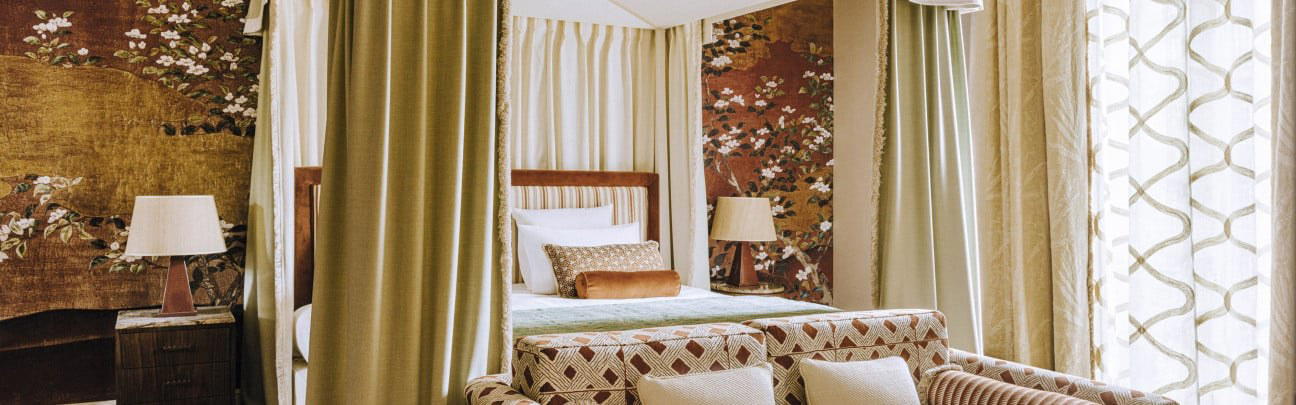
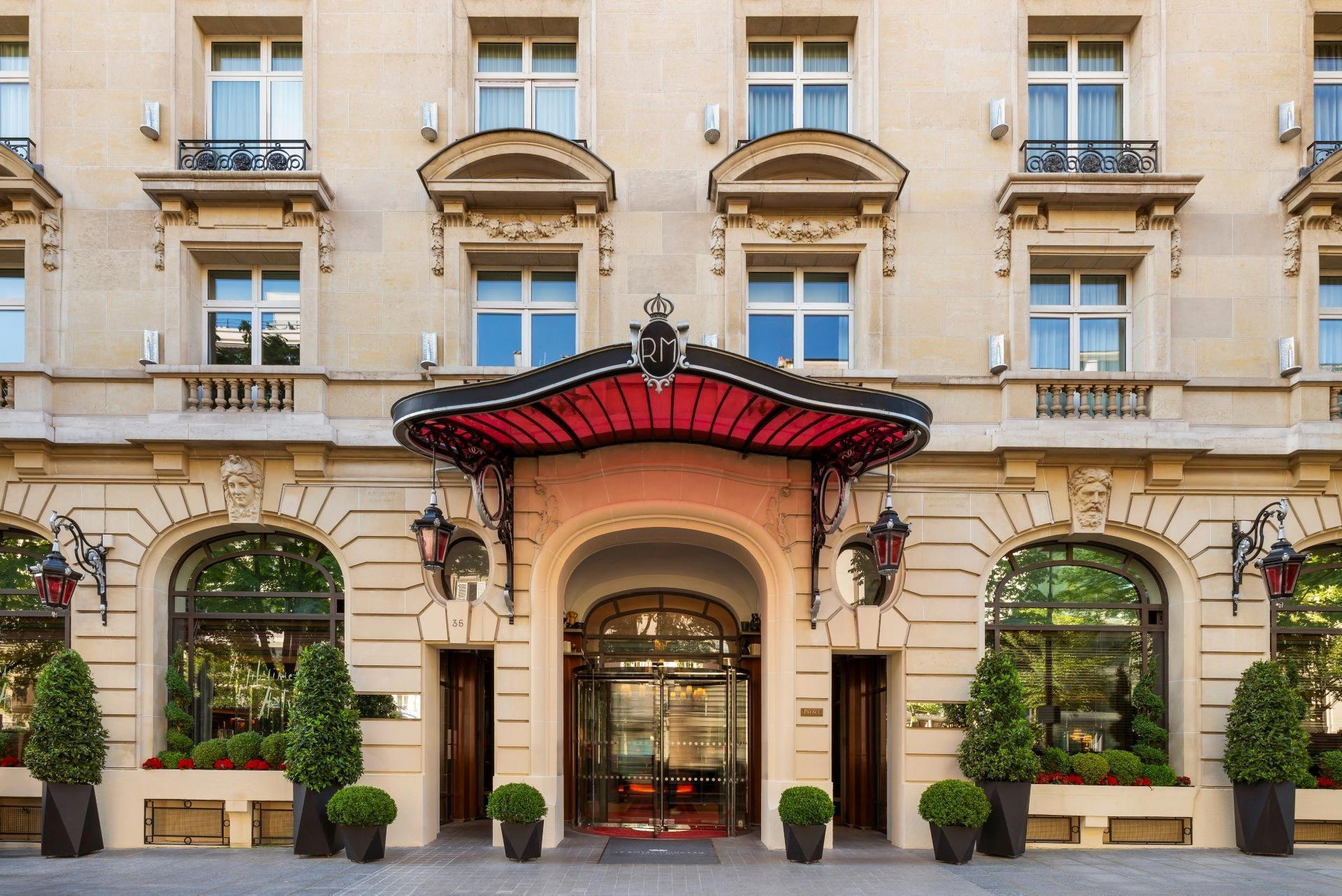
Le Chiquito
The wine
- Wine program
- Deep wine list
- Extensive wine list
Details
- Elegant
- Classic
- Cozy
- Sophisticated
- Date Night
- Special Occasion
- Business Dinner
- Historic Building
- Private Dining
- Extensive Wine List
- Local Sourcing
- A La Carte
- Wine
- Vegetarian Friendly
Current opening hours
- Monday
- Closed
- Tuesday
- 12–1:30 PM, 7:30–9 PM
- Wednesday
- 12–1:30 PM
- Thursday
- 12–1:30 PM, 7:30–9 PM
- Friday
- 12–1:30 PM, 7:30–9 PM
- Saturday
- 12–1:30 PM, 7:30–9 PM
- Sunday
- Closed
Hours can change for holidays and private events. Hours as of .
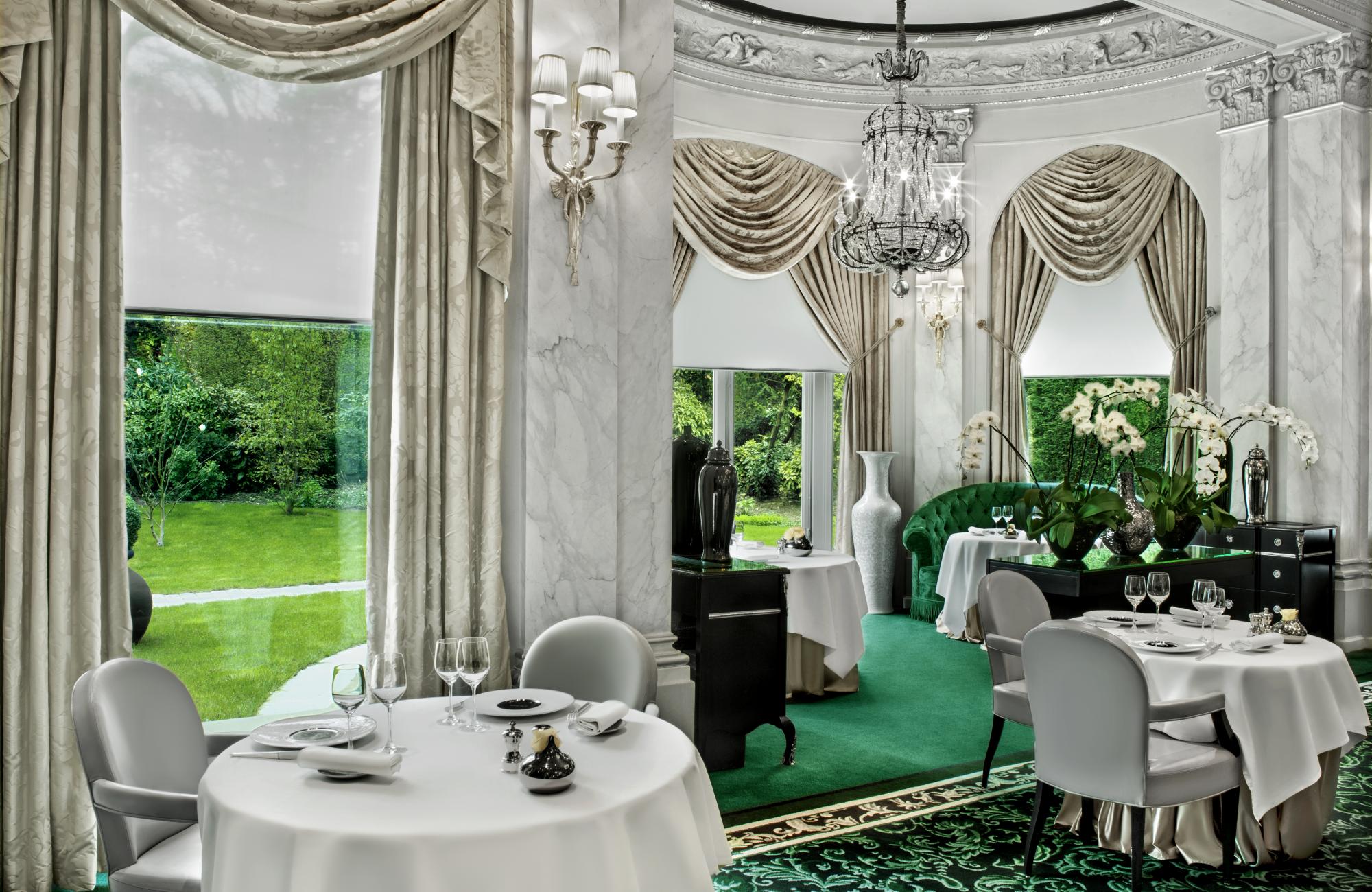
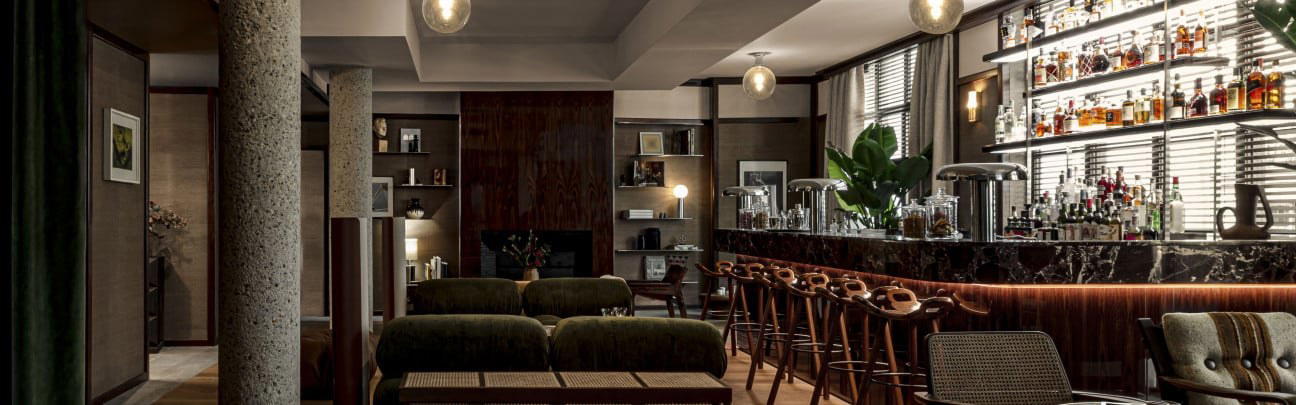
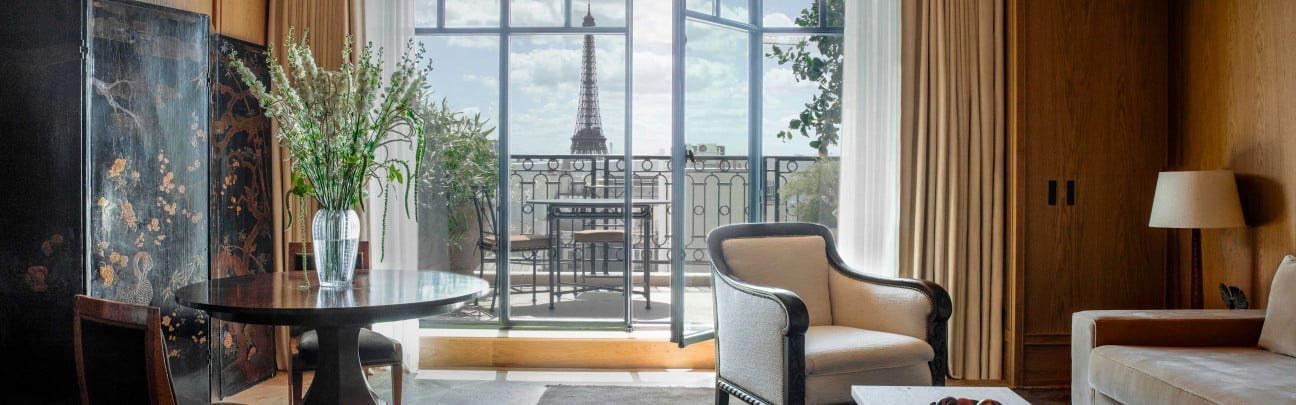
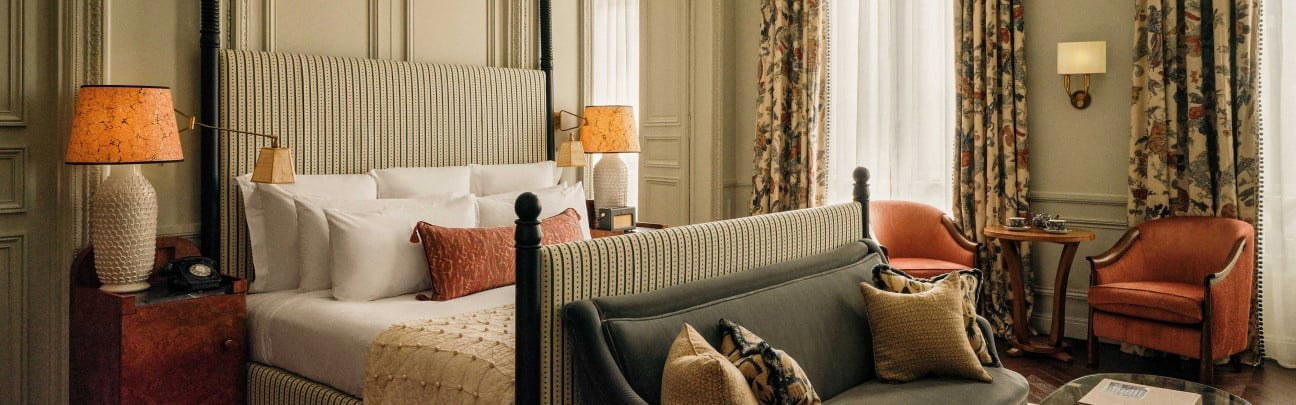
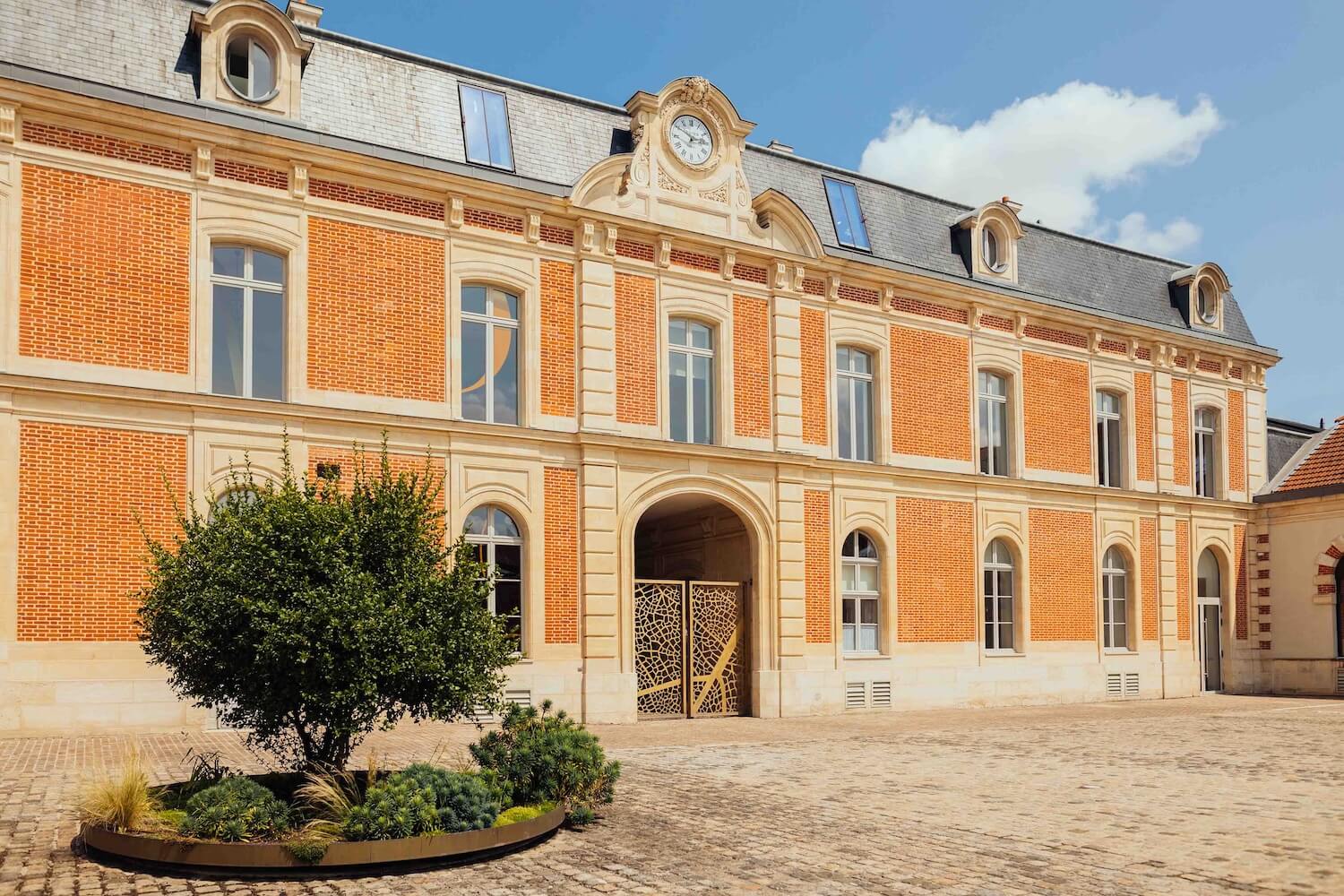
Elegant bourgeois setting with chic baroque decoration, spacious rooms ensuring privacy, and a warm welcoming atmosphere.