
Carrying the Bocuse name into the heart of Paris, this brasserie on Place André Malraux brings traditional French cuisine to the shadow of the Palais-Royal and the Louvre. Two consecutive Michelin Plates (2024 and 2025) confirm its position in the dependable mid-tier of Parisian dining, where classic technique and recognisable sourcing matter more than avant-garde ambition. The address alone makes it a gravitational point for anyone spending serious time in the 1st arrondissement.
Pearl is the En Primeur Club membership app — saves, bookings, and concierge access live there. Same editors, same standards.
- Address
- Place André Malraux, Paris, Île-de-France, France, 75001, 75001 Paris, France
- Phone
- +33 1 44 58 37 21
- Website
- brasseriedulouvre.com
- Directions
- Get directions
 Saves & bookings on Pearl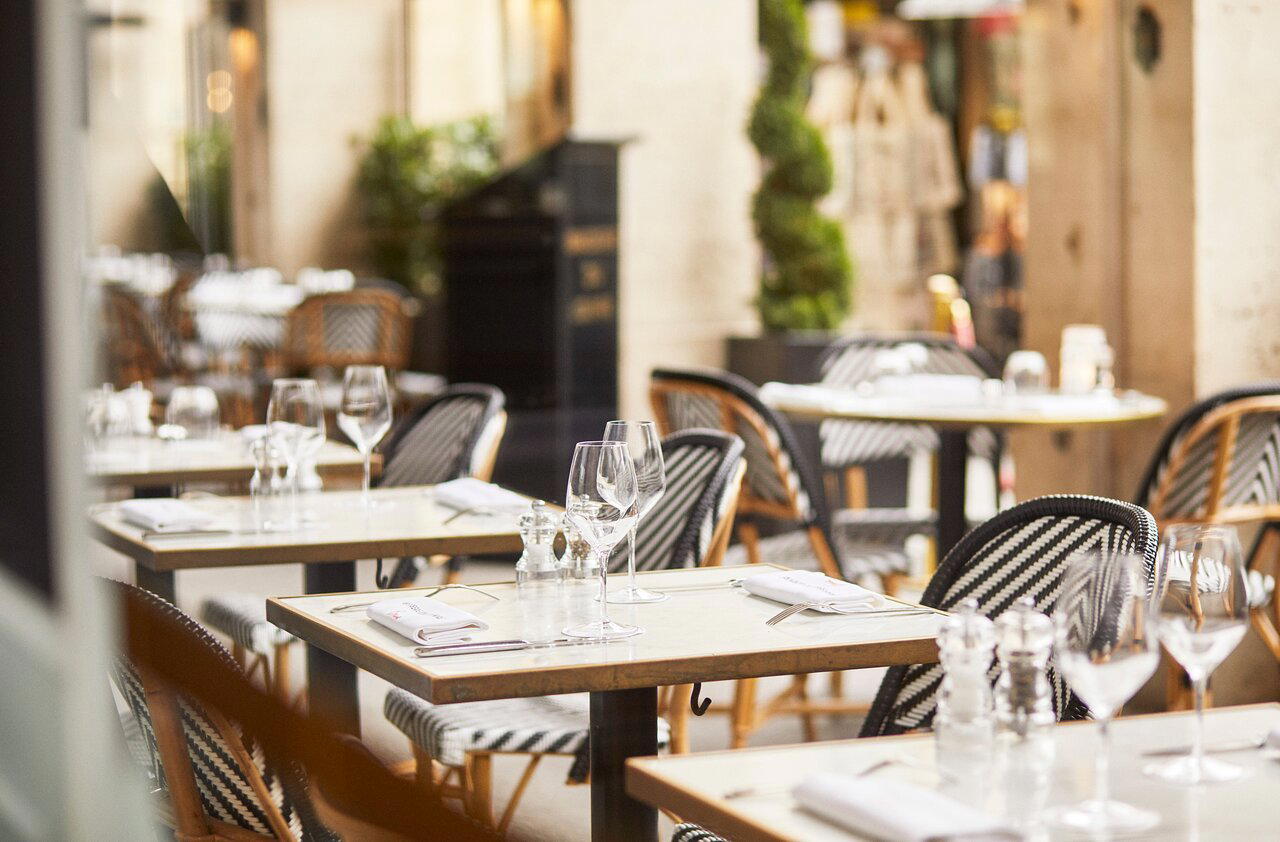
A Grand Address and What It Demands
Place André Malraux sits at the precise point where the 1st arrondissement gathers itself before the Louvre. The square is not incidental to the experience at Brasserie du Louvre - Bocuse: it frames every arrival, the theatre of the Comédie-Française visible from one side, the long axis of the Palais-Royal gardens from the other. In Paris, addresses of this calibre carry an implicit contract with the diner. The room must hold up to the square, and the kitchen must hold up to the name above the door.
The Bocuse name belongs to one of France's most documented culinary lineages. Paul Bocuse - L'Auberge du Pont de Collonges in Collonges-au-Mont-d'Or remains the original seat of that tradition, a three-Michelin-star institution that defined the post-war idea of French grande cuisine. When that lineage attaches itself to a brasserie format in central Paris, the implied question is always the same: how much of the founding philosophy survives the change of scale?
Traditional Cuisine and the Sourcing Question
The category label here is Traditional French Brasserie with Lyonnais Specialties, which in Paris functions as a distinct culinary position rather than a catch-all. It signals an orientation toward classical French technique, seasonal French produce, and a kitchen that earns its authority through rigour rather than reinvention. In a city where the €€€€ bracket is dominated by creative and contemporary formats, restaurants operating in the Traditional French Brasserie with Lyonnais Specialties register at €€€ occupy a middle position that carries its own pressures: they must justify the price gap above casual bistros while holding a different argument than the three-star tables further up the scale.
For a brasserie operating under the Bocuse banner, the sourcing argument is central to that justification. The broader Bocuse philosophy placed French regional produce at the centre of the plate. Burgundy chickens, Lyon sausages, the seasonal rhythms of the Rhône Valley: these were not garnish-level details in the original model but structural commitments. A Paris brasserie in that lineage is positioned, at least implicitly, within that sourcing tradition, even as it operates at a different altitude than its parent institution.
France's Traditional Cuisine designation at the Michelin Plate level appears consistently at tables that prioritise honest execution over novelty. For context, Auberge Grand'Maison in Mûr-de-Bretagne and Auga in Gijón operate in analogous registers in their respective regions: places where the discipline of the tradition is the point, and where seasonal ingredient quality functions as the primary signal of kitchen seriousness.
The Michelin Plate in Context
Two consecutive Michelin Plates, awarded in 2024 and again in 2025, place Brasserie du Louvre - Bocuse in a defined tier of Parisian dining recognition. The Plate designation, introduced by Michelin to acknowledge restaurants that serve good food without reaching star level, is not an entry-level credential in a city this competitive. In Paris, earning and retaining the Plate requires consistent technical execution across a kitchen that handles volume, location pressure, and a diverse international clientele.
The comparison set above this tier gives useful scale. Tables like Alléno Paris au Pavillon Ledoyen, L'Ambroisie, and Le Cinq at Four Seasons Hôtel George V operate at three Michelin stars and €€€€ price points, commanding allocations and formal rituals that define a different kind of dining event entirely. The Brasserie sits comfortably below that register, which is precisely where a well-run traditional brasserie should operate.
Among Paris restaurants in the traditional and classic French registers without star-level pricing, the comparison is instructive. Allard and Le Violon d'Ingres represent different expressions of the same broad commitment to French classical cooking at accessible price tiers. What separates Brasserie du Louvre - Bocuse is the combination of address and lineage: few brasserie-format restaurants in Paris carry a name with this level of public documentation behind it.
The Seasonal Rhythm of a Traditional Kitchen
Spring in the 1st arrondissement is when the Palais-Royal gardens reopen fully to afternoon light and the tourist density around the Louvre shifts perceptibly upward. A traditional kitchen in this position should be moving through asparagus, early-season lamb, and the first strawberries from the Loire by late April. Autumn brings the game season, the truffle lead-in, and the kind of braised preparations that define French brasserie cooking at its most direct.
For a table carrying Bocuse associations, the seasonal calendar is not merely decorative. French regional produce seasonality was baked into the founding philosophy at a structural level: the argument was always that cooking French food seriously meant cooking what France produced, when France produced it. That discipline, maintained at brasserie scale in a high-traffic location, is precisely what the Michelin Plate signal is designed to recognise.
Visitors timing a trip to Paris around dining should note that the neighbourhood anchors several other worthwhile addresses. Anecdote and 19.20 by Norbert Tarayre represent different points on the contemporary Paris spectrum. For those extending into other regions, Flocons de Sel in Megève, Mirazur in Menton, Troisgros in Ouches, Auberge de l'Ill in Illhaeusern, and Bras in Laguiole cover the breadth of serious French regional cooking at various star levels. The 20 Eiffel address rounds out the broader Paris picture for those crossing arrondissements.
- 2 from 804 reviews
- Nearest landmark: The main Louvre entrance is a short walk east; the Palais-Royal gardens are immediately adjacent
Peers in This Market
Comparable venues nearby, for context on price, style, and recognition.
| Venue | Cuisine | Price | Notes |
|---|---|---|---|
| Brasserie du Louvre - BocuseThis venue — the venue you are viewing | Traditional French Brasserie with Lyonnais Specialties | $$$ | Not listed |
| Liquide | Modern French Bistro | $$$ | Les Halles |
| L’Oyat | Modern French Bistronomic | $$$ | Arts-et-Métiers |
| LAVA - Cuisine & Vin | Modern French Flame-Grilled Bistro | $$$ | Latin Quarter |
| La Table de Marc Turpin – Hostellerie Saint-Germain | Modern French Terroir | $$$ | Saint-Germain-lès-Arlay, Jura |
| Edith | Modern French Brasserie | $$$ | 16th arrondissement |
Recognition history
Dated appearances from independent guides and award organizations, with the underlying list record or original source where available.
Michelin Plate
Michelin
Michelin Plate
Michelin
Michelin Plate
Michelin
Continue exploring
More in Paris
Restaurants in Paris
Browse all →
Bars in Paris
Browse all →
Hotels in Paris
Browse all →



At a Glance
- Classic
- Elegant
- Sophisticated
- Special Occasion
- Business Dinner
- Celebration
- Hotel Restaurant
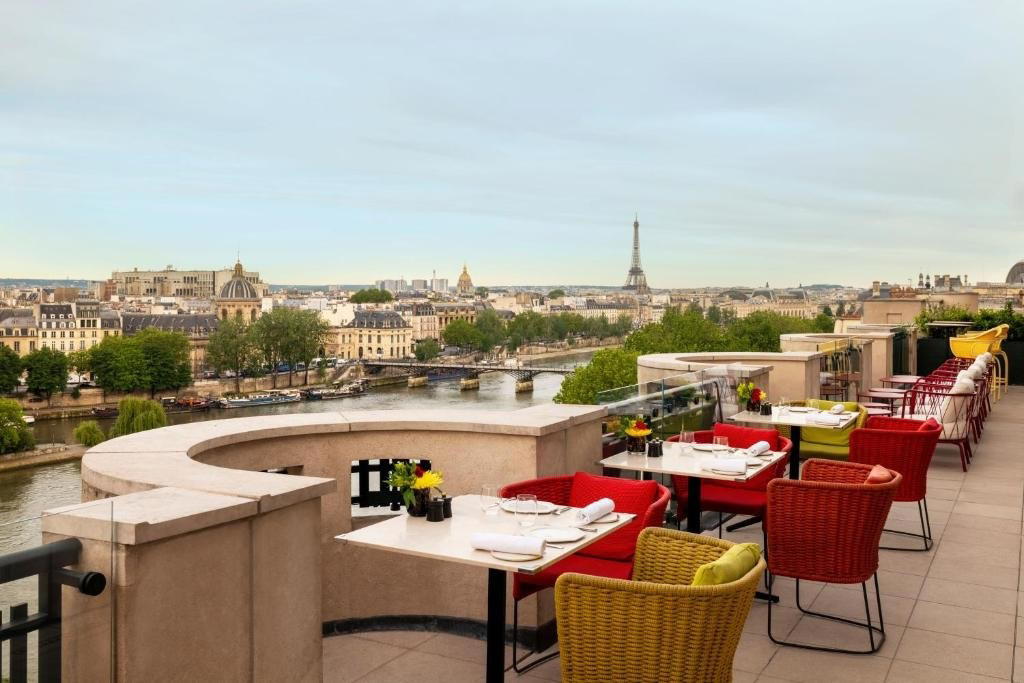
- Terrace
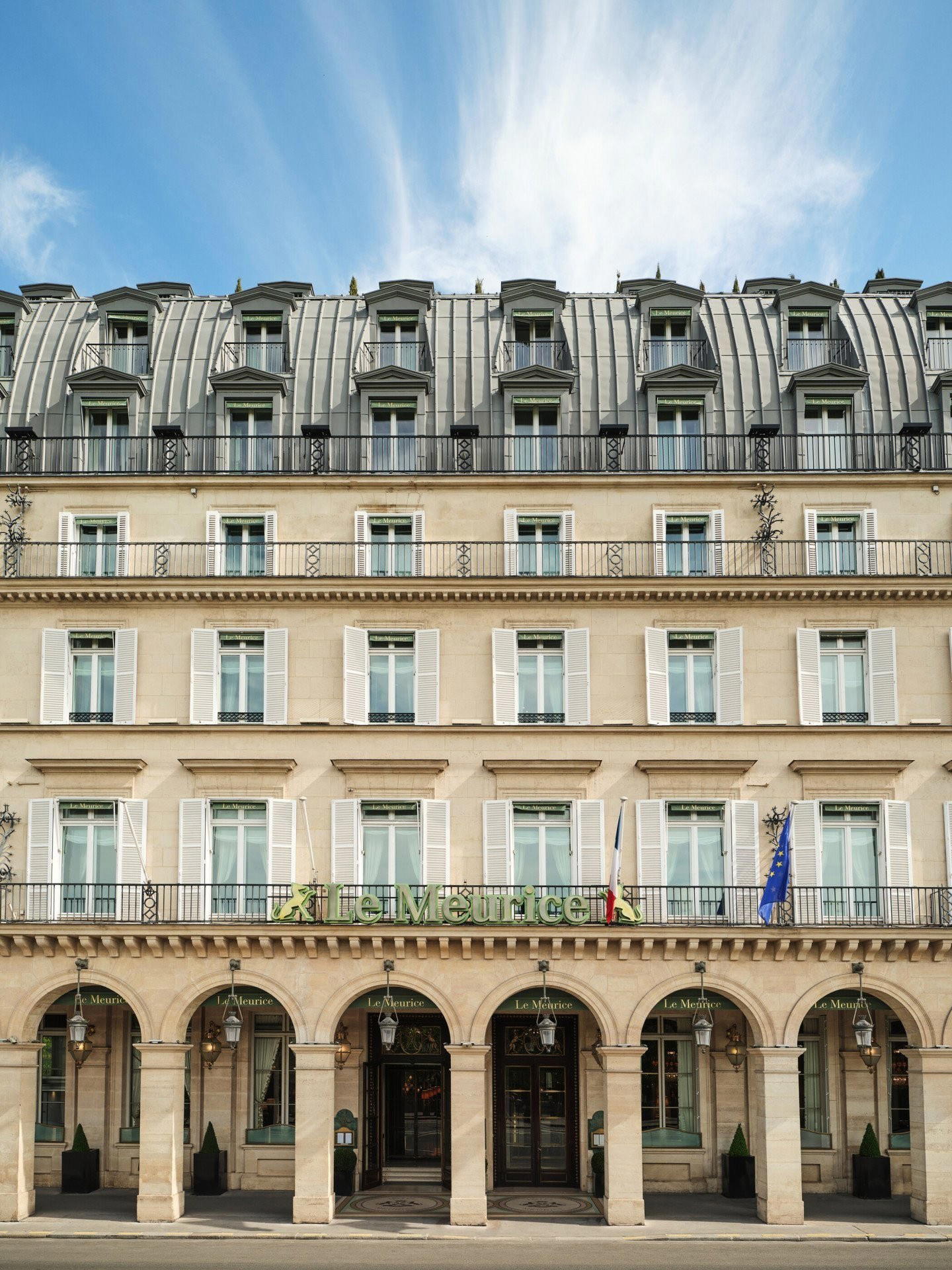
- Historic Building
- Extensive Wine List
- Street Scene
Current opening hours
- Monday
- 7 AM–10:30 PM
- Tuesday
- 7 AM–10:30 PM
- Wednesday
- 7 AM–10:30 PM
- Thursday
- 7 AM–11 PM
- Friday
- 7 AM–11 PM
- Saturday
- 7 AM–11 PM
- Sunday
- 7 AM–11 PM
Hours can change for holidays and private events. Last verified .
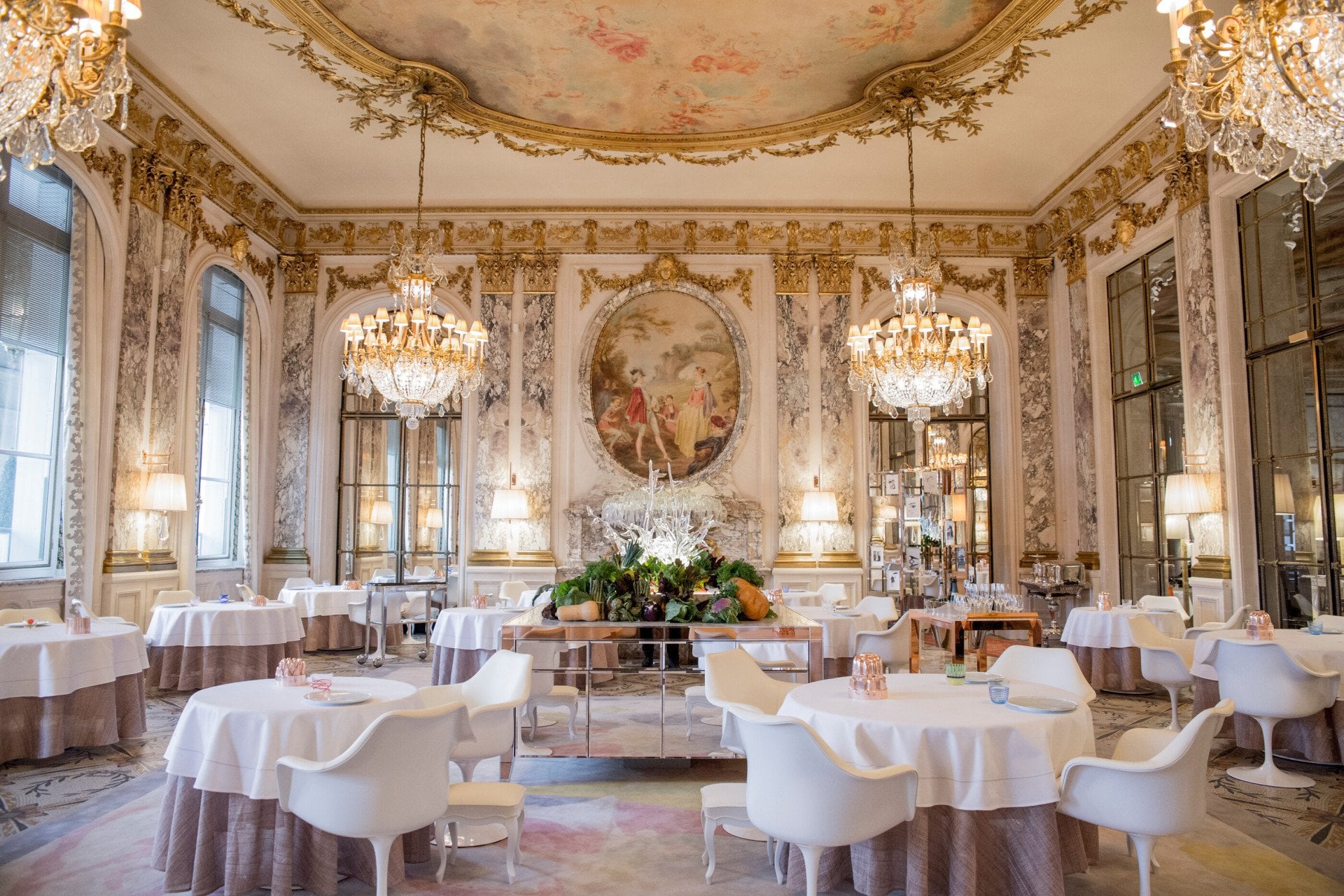
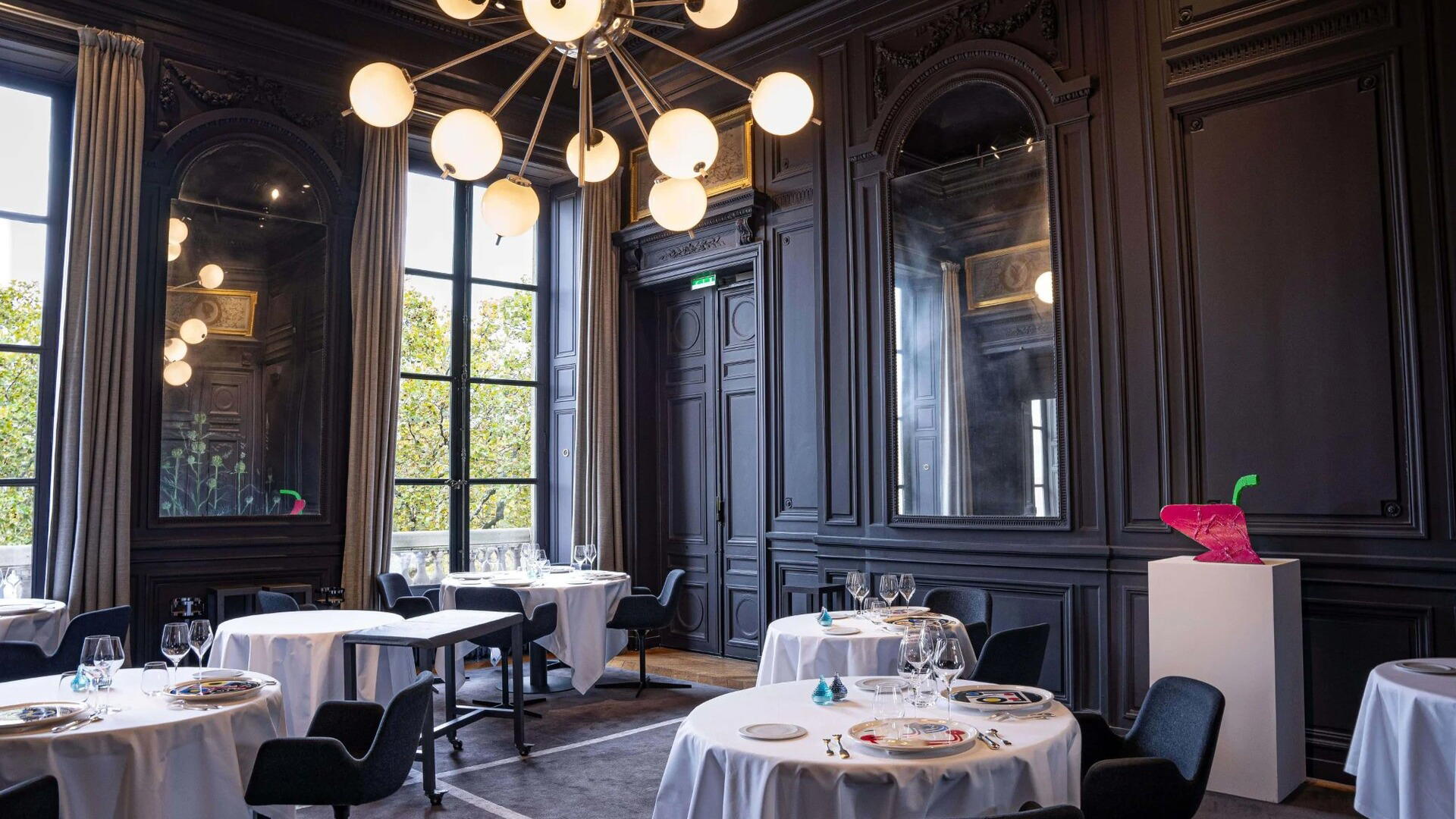
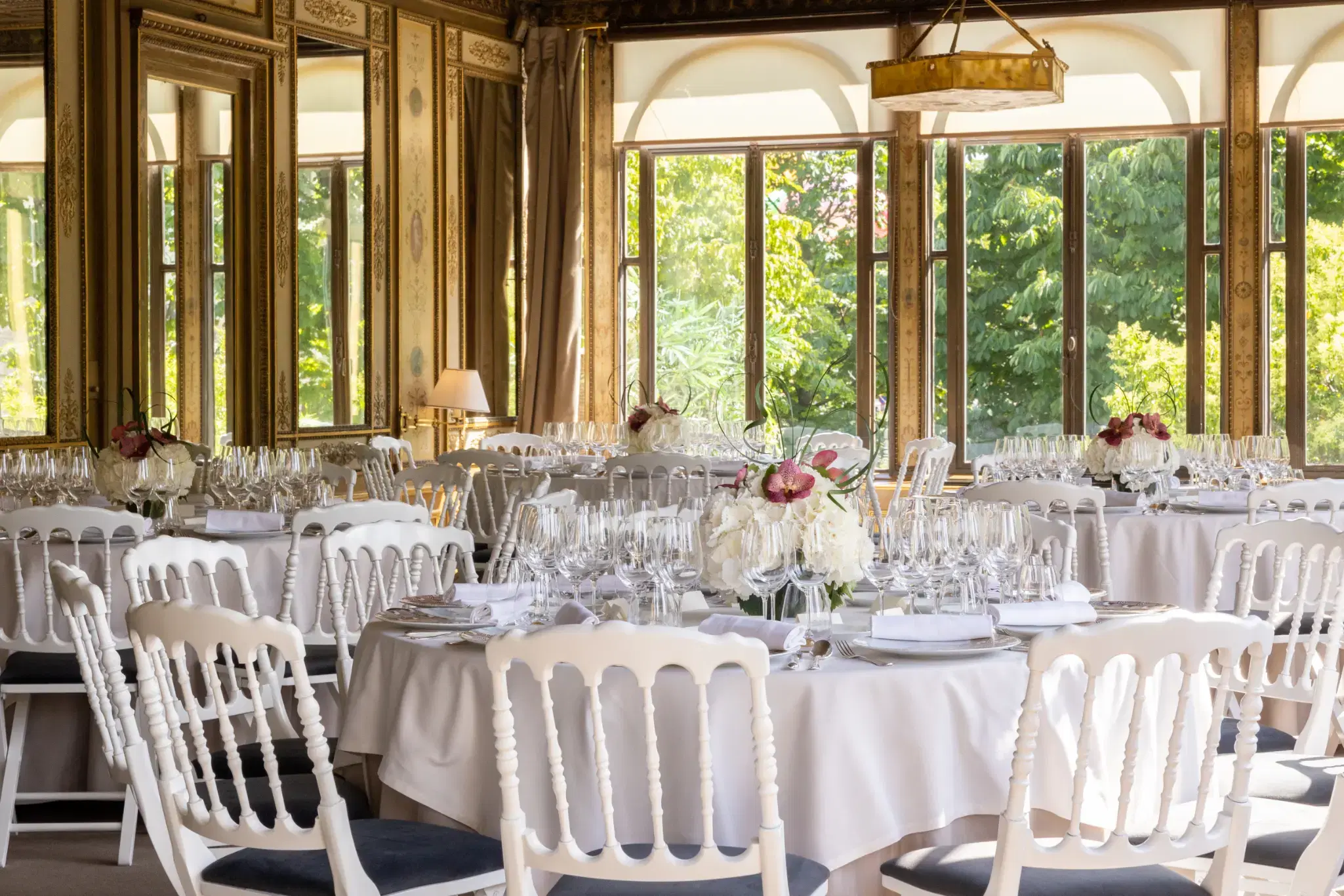
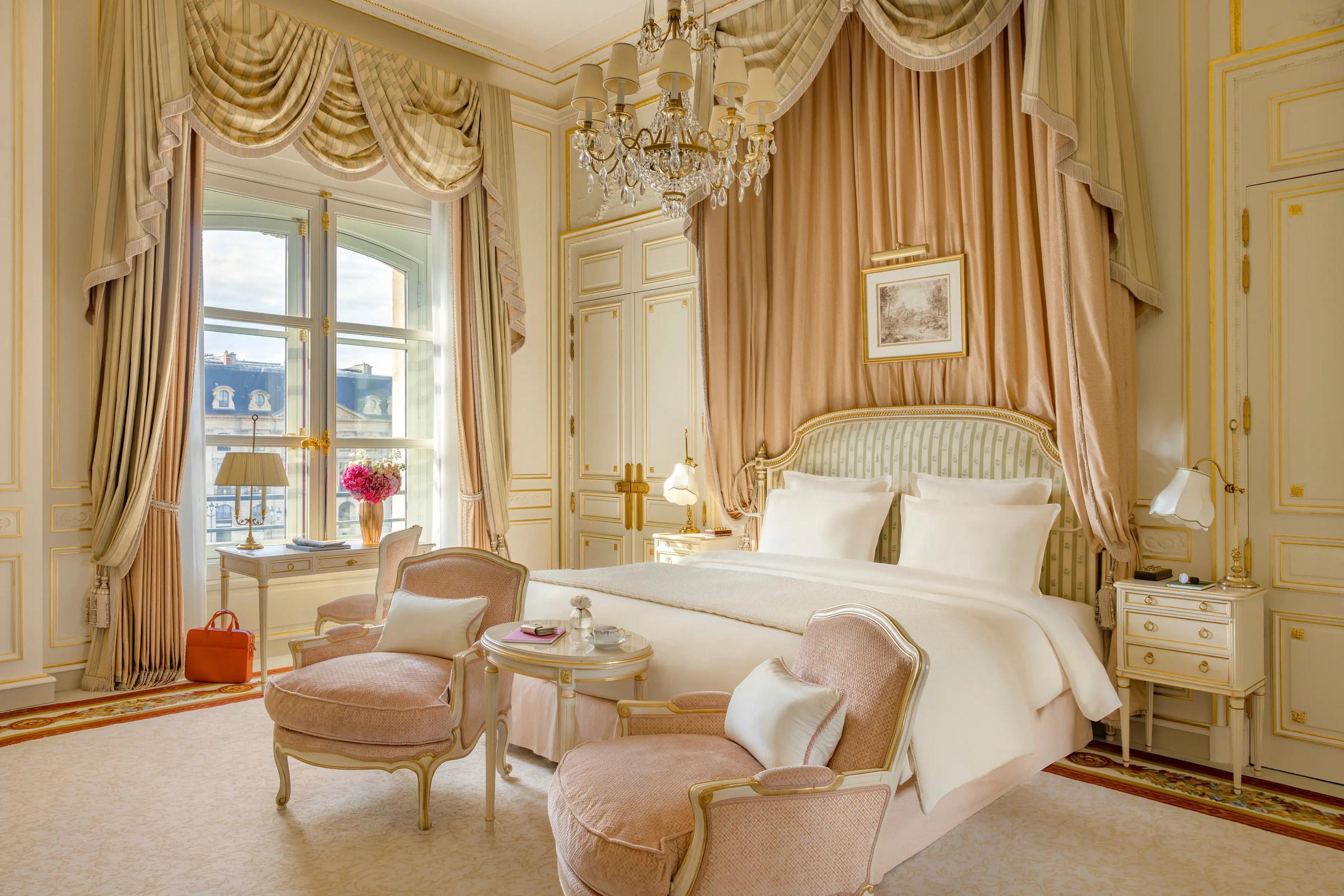
Sleek spacious dining hall with gilded woodwork frescoes floor-to-ceiling windows and a lively classic atmosphere.