
Set inside a converted 18th-century citrus conservatory at Villa Perez-Pompei-Sagramoso, Le Cedrare serves regional Veronese cuisine with a clear focus on local provenance, including extra-virgin olive oil pressed from groves around Illasi. A Michelin Plate holder in both 2024 and 2025, it occupies a quiet but credible position in the Valpolicella-adjacent dining scene, well outside the Verona city circuit.
Pearl is the En Primeur Club membership app — saves, bookings, and concierge access live there. Same editors, same standards.
- Address
- VIA PEREZ POMPEI, 2, 37031 Illasi VR, Italy
- Phone
- +39 045 652 0719
- Website
- lecedrare.it
- Directions
- Get directions
 Saves & bookings on Pearl
A Conservatory Setting in the Illasi Valley
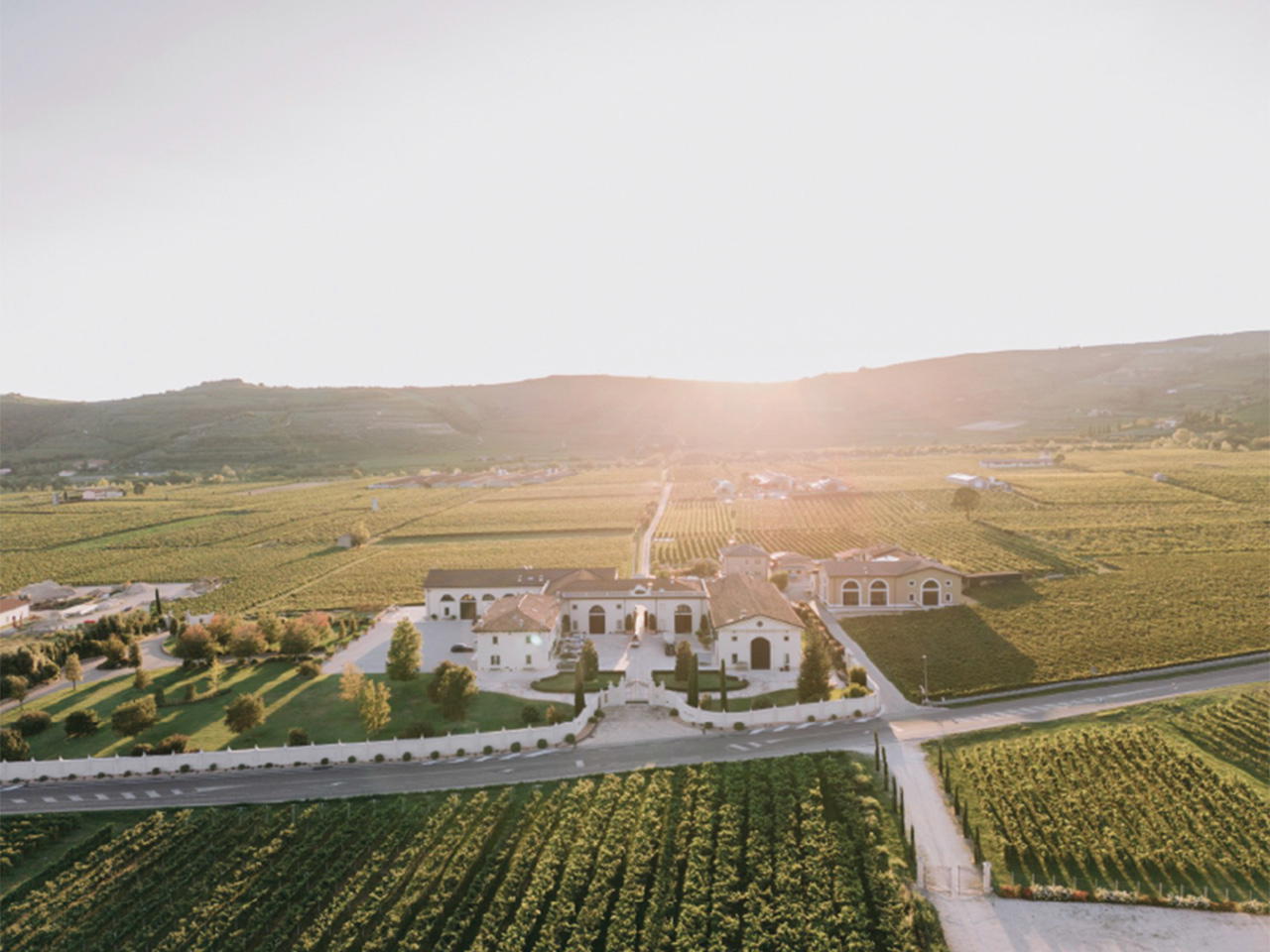
The approach to Le Cedrare tells you something about how rural northeastern Italy treats its culinary heritage. You pass through a garden before reaching the restaurant itself, which occupies a room built in the 18th century as a lemon house, a cedraie, attached to Villa Perez-Pompei-Sagramoso. The structure was designed to overwinter citrus trees, which means the architecture prioritises light and insulation in ways that translate, centuries later, into a dining room with a particular quality of natural illumination. In the Veneto, historic villas of this kind are numerous, but relatively few have been repurposed into serious dining destinations. Le Cedrare sits in that smaller category, where the setting is part of the experience.
Illasi itself sits in the eastern Valpolicella zone, close enough to Verona to draw visitors making a day out of the wine country but far enough from the city that the restaurant operates on its own terms rather than against the competitive pressure of Verona's more trafficked dining scene. For regional comparisons at a higher price tier, Casa Perbellini 12 Apostoli in Verona represents what Veronese fine dining looks like when it moves fully into the starred bracket. Le Cedrare operates at a mid-range price point, which in this part of Italy positions it as accessible without being casual.
Where the Ingredients Come From
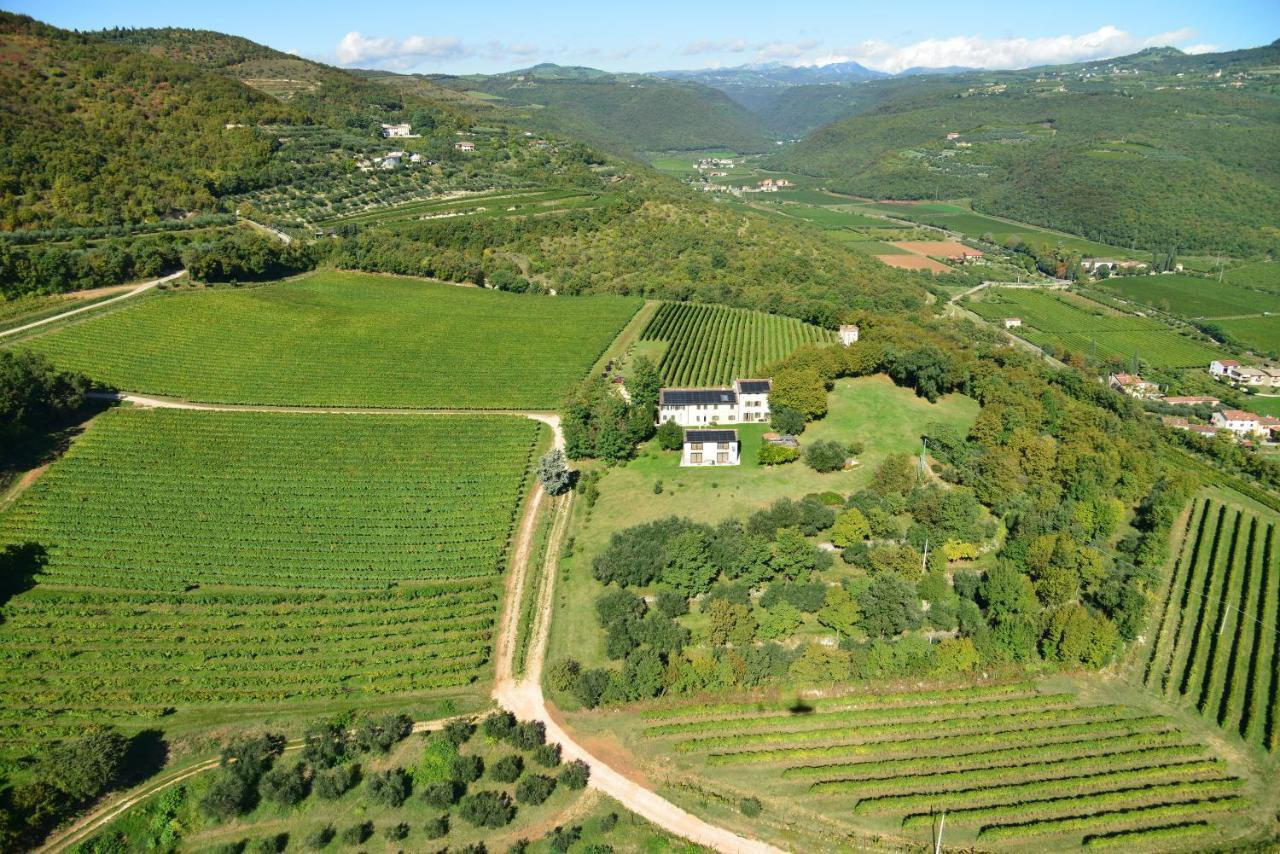
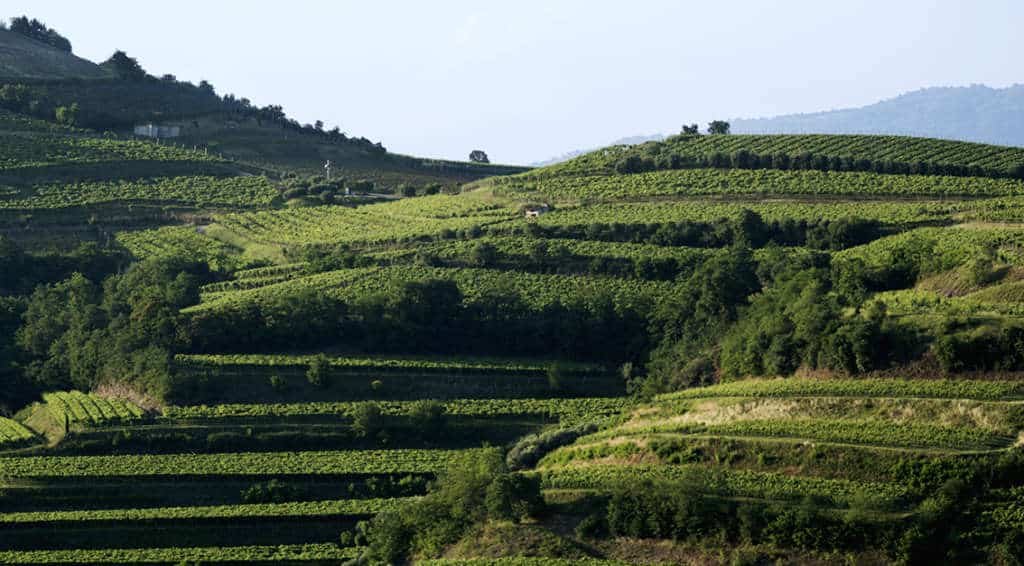
In Veneto dining, the question of sourcing is rarely incidental. The region's cuisine is shaped by what its terrain produces: grains from the Po plain, lake fish from Garda, cured meats from the Lessinia highlands, and, critically in this case, olive oil from the hillside groves that fringe the Valpolicella and Soave zones. The restaurant builds its cooking around extra-virgin olive oil produced in the countryside around Illasi, and the restaurant makes this visible by offering a small selection of oils for tasting, including its own production. This is not window dressing. In a part of Italy where olive oil culture sits somewhat in the shadow of the region's wine identity, foregrounding oil as a distinct flavour component, rather than a default cooking medium, places the restaurant within a specific ingredient-led tradition that has become more prominent across northern Italian cooking over the past decade.
The broader Veronese olive oil tradition is documented but underexposed compared to Tuscan or Ligurian equivalents. Lake Garda's western shores carry a DOP designation and a longer reputation, but the hillside groves east of Verona produce oils with their own character, generally marked by a lighter body and delicate bitterness. A restaurant that sources and presents these oils as a tasting component is, implicitly, making an editorial argument about what defines the local table. That argument comes through most clearly in the kitchen's regional focus: the chef prepares cuisine rooted in Veronese tradition with attention to presentation that signals a modern sensibility without abandoning the logic of place.
For a broader view of how Italy's most committed kitchens handle ingredient sourcing at the highest level, the contrast with multi-starred restaurants is instructive. Atelier Moessmer Norbert Niederkofler in Brunico has built an entire culinary philosophy around Alpine provenance, while Dal Pescatore in Runate demonstrates how multi-generational family cooking in rural Lombardy can achieve international recognition. The restaurant operates at a different scale and price point, but the underlying logic, that where ingredients come from is as important as how they are prepared, belongs to the same lineage.
Michelin Recognition and What It Signals Here
Michelin Plate recognition in 2024 and 2025 places the restaurant within a tier that Michelin uses to denote kitchens producing good cooking without reaching the star threshold. In practice, the Plate designation functions as a quality floor: it confirms that inspectors found the cooking worth noting, which in a small village restaurant outside the main tourist circuit carries some weight.
For context, Italy's starred tier at this end of the market includes restaurants across a wide range of settings and styles. Le Calandre in Rubano and Piazza Duomo in Alba represent the three-star end of that conversation, while Reale in Castel di Sangro shows how rural Italian fine dining can achieve international recognition. The restaurant is not in that bracket, nor does it appear to compete on those terms. Its position is more local, more ingredient-specific, and more directly tied to a single estate and its surrounding territory.
The Illasi Setting in Context
Illasi is not a dining destination in the way that Alba or Modena are, but it sits within a wine and food region, the eastern Veronese hills, that rewards the kind of lateral exploration the restaurant represents. Visitors already oriented toward Soave or Valpolicella wine tourism will find it a natural addition to an itinerary. For context on what else the broader area offers, our full Illasi restaurants guide, hotels guide, bars guide, wineries guide, and experiences guide map the full picture. The restaurant is not accessible by meaningful public transport from Verona, so arriving by car is the practical approach for most visitors. Reservations are recommended.
The mid-range price tier means a meal here does not require the planning horizon of a starred-restaurant booking, though reservations are recommended, particularly in the warmer months when the garden and the estate setting attract greater regional interest.
Across Italy, the restaurants that sustain long-term reputations in small towns tend to do so by owning their local identity rather than gesturing toward a broader trend. Osteria Francescana in Modena, Enoteca Pinchiorri in Florence, and Uliassi in Senigallia all, in different ways, demonstrate how a clear sense of place can underpin decades of critical recognition. Enrico Bartolini in Milan and Quattro Passi in Marina del Cantone show how that principle scales across different geographies. At the restaurant, the territory in question is a hillside estate in the Illasi valley, and the restaurant's cooking is, above all, an argument that this specific place produces something worth tasting carefully.
In Context: Similar Options
Comparable venues nearby, for context on price, style, and recognition.
| Venue | Cuisine | Price | Awards | Notes |
|---|---|---|---|---|
| Le CedrareThis venue — the venue you are viewing | Modern Italian Regional | $$$ | Michelin Plate | Not listed |
| Vecio Macello | Italian Seafood | $$$ | Michelin Plate | Citta' Antica |
| Trattoria I Masenini | Modern Italian Trattoria | $$$ | Michelin Plate | Cittadella |
| Innesti | Modern Trentino Fine Dining | $$$ | Michelin Plate | historic center |
| Da Oscar | Traditional Italian Trattoria with Lake Garda Views | $$$ | Michelin Plate | Barcuzzi |
| Osteria Bakaré | Modern Italian Seafood | $$$ | Michelin Plate | Peschiera del Garda |
Recognition history
Dated appearances from independent guides and award organizations, with the underlying list record or original source where available.
Michelin Plate
Michelin
Michelin Plate
Michelin
Michelin Plate
Michelin
Continue exploring
More in Illasi
Restaurants in Illasi
Browse all →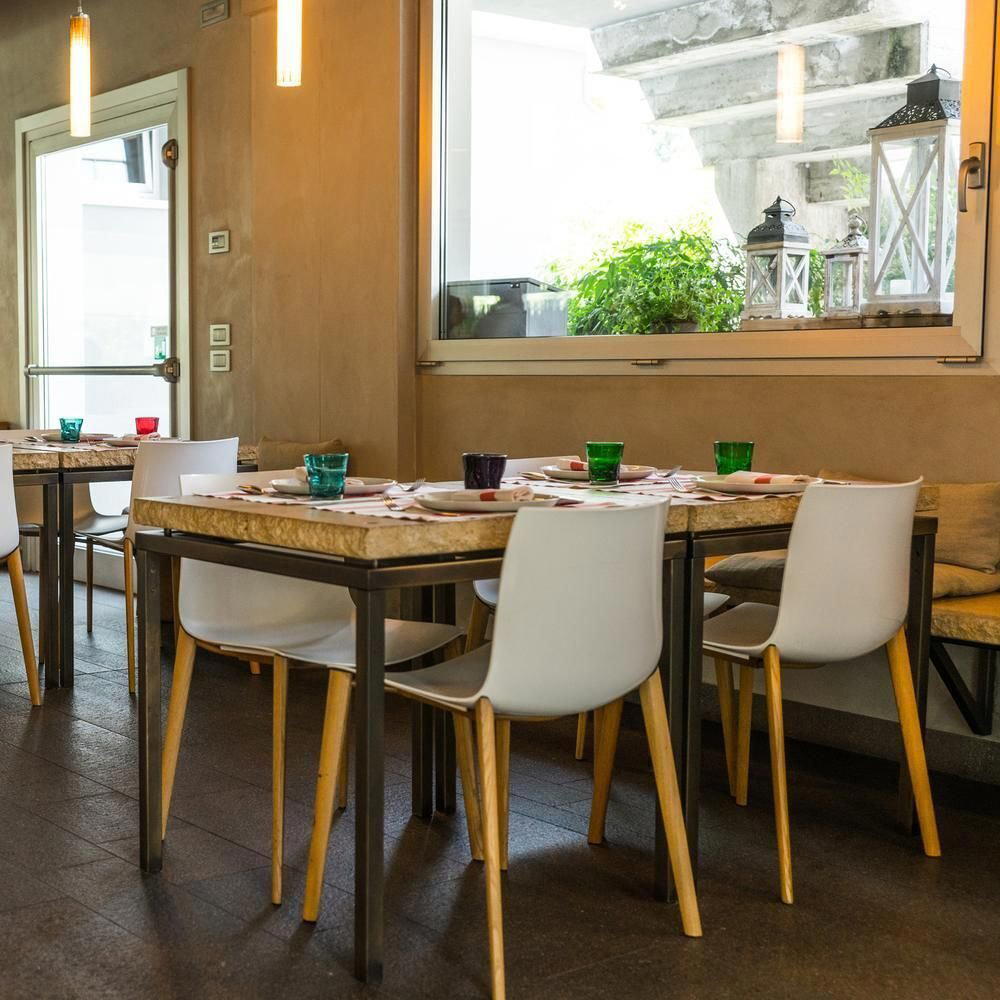
Bars in Illasi
Browse all →
Hotels in Illasi
Browse all →
At a Glance
- Elegant
- Romantic
- Scenic
- Rustic
- Cozy
- Date Night
- Special Occasion
- Family
- Celebration
- Garden
- Historic Building
- Extensive Wine List
- Local Sourcing
- Garden
Current opening hours
- Monday
- Closed
- Tuesday
- Closed
- Wednesday
- 12–2 PM, 7:30–10 PM
- Thursday
- 12–2 PM, 7:30–10 PM
- Friday
- 12–2 PM, 7:30–10 PM
- Saturday
- 12–2 PM, 7:30–10 PM
- Sunday
- 12–2 PM, 7:30–10 PM
Hours can change for holidays and private events. Last verified .
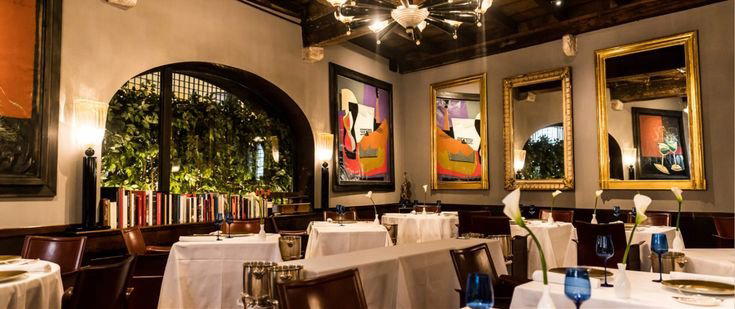
Well-lit by large windows overlooking the garden during the day, creating a cozy and elegant atmosphere in the evening with outdoor garden seating.