
Le Cèdre occupies a quietly distinctive position in Nice's restaurant scene, drawing on the Côte d'Azur's dense network of small producers and market growers to shape a menu rooted in the agricultural rhythms of the region. Located on Boulevard Risso in the eastern quarters of the city, it sits outside the tourist-facing strip where most visitors concentrate their dining, placing it firmly within a more local register.
Pearl is the En Primeur Club membership app — saves, bookings, and concierge access live there. Same editors, same standards.
- Address
- 4 Bd Risso, 06300 Nice, France
- Phone
- +33493267550
- Website
- restaurantlecedre-nice.fr
- Directions
- Get directions
 Saves & bookings on Pearl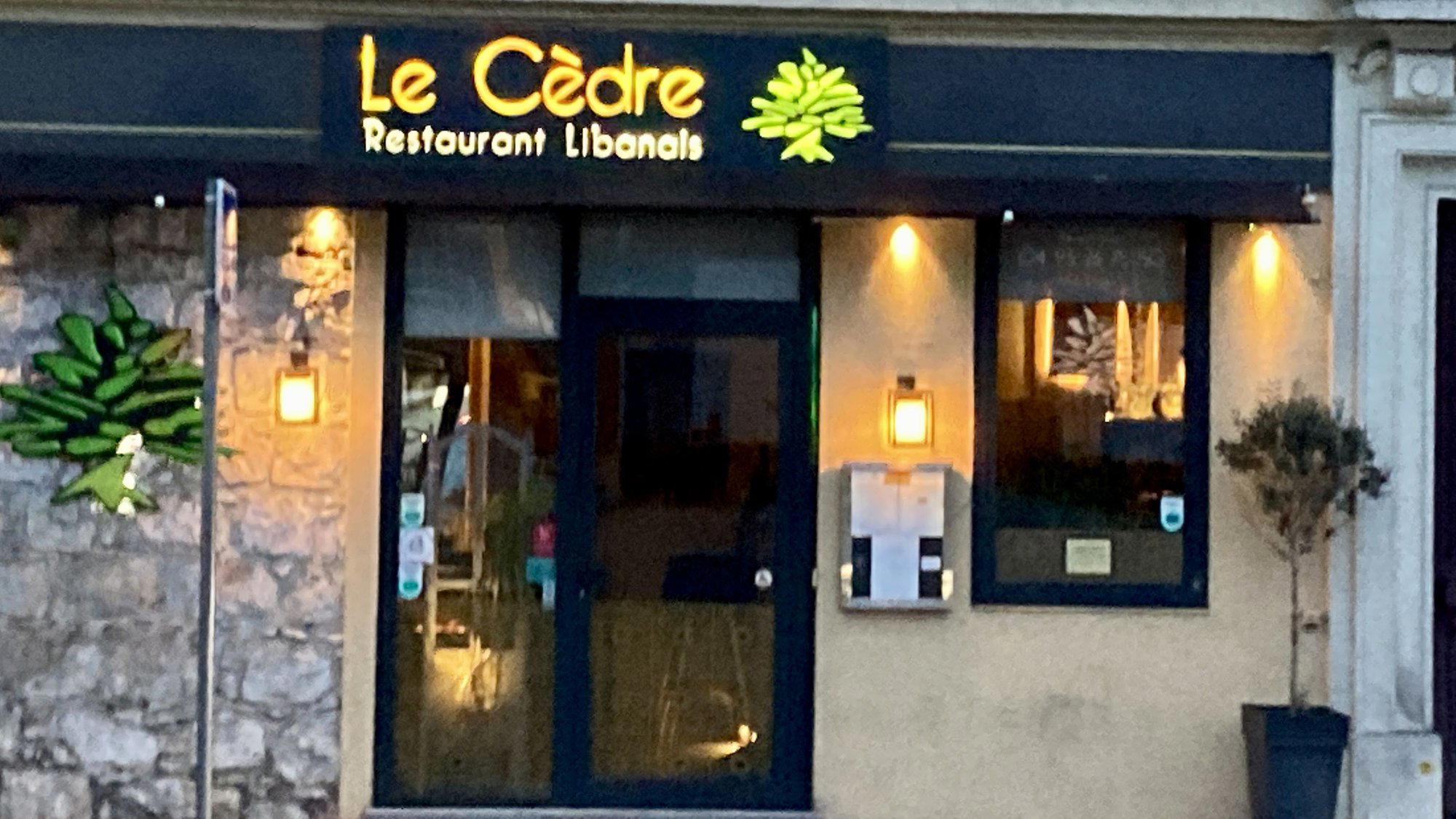
Where the Côte d'Azur's Larder Meets the Table
Nice's restaurant scene has always operated on a geographic advantage that few French cities can match. The city sits within reach of some of the country's most productive micro-climates: the hillside gardens of the arrière-pays supply herbs, courgettes, and tomatoes that bear little resemblance to their supermarket counterparts; fishing boats working out of Villefranche-sur-Mer and Antibes land catch that can reach a kitchen pass within hours; and the mountain valleys to the north push down olive oils, cheeses, and cured meats with flavour profiles shaped by altitude rather than industrial process. The restaurants that build their identity around this supply chain tend to occupy a different register from those chasing spectacle or technique for its own sake. Le Cèdre, at 4 Boulevard Risso in Nice's eastern residential quarters, reads as that kind of address.
Boulevard Risso places the restaurant away from the Vieille Ville's tourist concentration and the Promenade des Anglais hotel corridor. The neighbourhood is domestic in character, the kind of street where Nice actually eats rather than where it performs for visitors. That positioning is itself an editorial signal: venues that open here are addressing a local clientele with regular expectations, not a transient audience cycling through once. The long-term viability of a restaurant in this context depends on consistency over novelty, which tends to produce kitchens that understand their suppliers deeply rather than rotating through trend-driven ingredient lists.
Sourcing on the Côte d'Azur: What the Region Actually Produces
Understanding what the Alpes-Maritimes agricultural belt offers is key to reading any serious restaurant in Nice. The département has a higher proportion of small and micro-scale producers than most of metropolitan France, partly because the terrain resists industrialisation and partly because proximity to a wealthy restaurant and hotel market has kept artisan production economically viable. Socca flour ground from the chickpeas cultivated around Breil-sur-Roya, courgette flowers from market gardens in the Var hinterland, and sea bass from the Mediterranean's remaining artisan fisheries all form part of a supply ecosystem that distinguishes rigorous local sourcing from generic French bistro cooking.
This sourcing context matters when comparing Nice's better independent restaurants to their peers elsewhere on the Riviera. Mirazur in Menton has built international recognition in part through hyper-local sourcing from its own garden, a model that raises expectations for the wider regional tier. Closer to Nice, addresses like Flaveur and L'Aromate both operate at the €€€€ tier and have earned sustained critical attention through menus that treat local produce as a starting constraint rather than a marketing footnote. Les Agitateurs and ONICE occupy similar territory, each with a distinct angle on how contemporary Nice cooking draws from the same regional larder. Le Cèdre operates within this constellation, positioned by its address and register as a neighbourhood-anchored option rather than a destination in the gastronomic-trophy sense.
The Niçoise Tradition and Where It Now Sits
Nice's culinary identity is genuinely distinct from generalised Provençal cooking, a distinction that gets flattened in most international coverage of the city. The traditional canon, pan bagnat, socca, pissaladière, daube niçoise, salade niçoise cooked to its proper specification with raw rather than blanched vegetables, reflects centuries of maritime and Italian cross-influence rather than the lavender-and-rosé aesthetic exported to foreign markets. The more interesting question for a contemporary Nice restaurant is how that tradition informs rather than constrains the menu: whether it appears as quotation, as raw material, or as structural logic. Addresses that treat Niçoise tradition as structural logic, using its flavour combinations and ingredient priorities as a grammar rather than a costume, tend to produce cooking that ages better than those chasing either nostalgia or international trend.
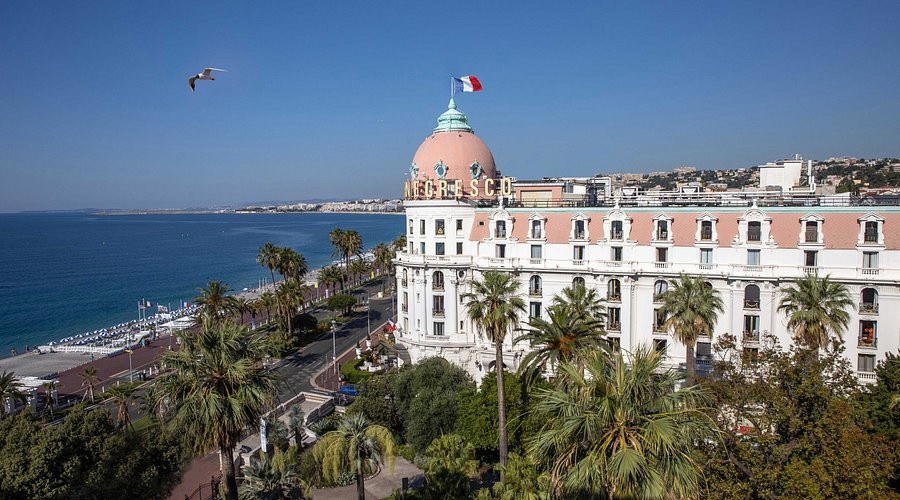
For broader comparison across the French fine dining spectrum, addresses like Le Chantecler at the Negresco represent the historic institutional tier within Nice itself, while the national reference points include Flocons de Sel in Megève, Bras in Laguiole, and Auberge de l'Ill in Illhaeusern, each of which has built multi-decade reputations on rigorous regional sourcing and a coherent relationship to local terroir. Troisgros in Ouches and Paul Bocuse at Collonges-au-Mont-d'Or sit in the historical canon. In the contemporary register, AM par Alexandre Mazzia in Marseille demonstrates what southern French product can do in a high-technique format, while Alléno Paris au Pavillon Ledoyen and Assiette Champenoise in Reims represent the institutional Parisian and regional three-star tier. Further afield, Le Bernardin in New York and Atomix illustrate the international frame within which French-trained sourcing philosophy increasingly competes. Au Crocodile in Strasbourg rounds out the regional French reference set.
Planning a Visit
Le Cèdre's address on Boulevard Risso puts it in walking distance of the port district and a short taxi or tram ride from the central train station, making it accessible without requiring a car. Nice's restaurant season runs longest in the spring and autumn months, when market produce is at its most varied and the city's residential dining population is most active; summer draws a larger tourist concentration into the Vieille Ville, which tends to push quality independents in residential neighbourhoods toward a quieter, more local clientele. The restaurant is recommended for reservations and runs Monday through Thursday from 6:30 to 10 PM, Friday and Saturday from 6:30 to 11 PM, with Sunday closed.
For a fuller picture of where the restaurant sits within Nice's current dining geography, the EP Club Nice restaurants guide maps the city's independent and recognised addresses across price tiers and neighbourhoods.
Similar Picks
Comparable venues nearby, for context on price, style, and recognition.
| Venue | Cuisine | Price | Notes |
|---|---|---|---|
| Le CèdreThis venue — the venue you are viewing | Modern Lebanese Mezze | $$$ | Not listed |
| Mallard | Traditional French Bistro | $$$ | Nice Historique |
| Eau de Vie | Mediterranean-Japanese Fusion Bistro | $$$ | Cœur de Nice |
| Babel Babel | Modern Mediterranean with Levantine Influences | $$$ | Nice Historique |
| La Langouste | French Seafood Mediterranean | $$$ | Cœur de Nice |
| Café Paulette | French Mediterranean Bistro | $$ | Nice Historique |
Recognition history
Dated appearances from independent guides and award organizations, with the underlying list record or original source where available.
Michelin Plate
Michelin
Continue exploring
More in Nice
Restaurants in Nice
Browse all →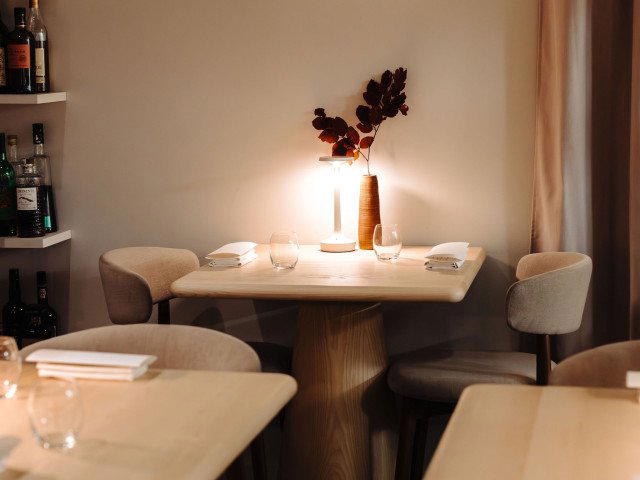
Bars in Nice
Browse all →
Hotels in Nice
Browse all →

At a Glance
- Elegant
- Classic
- Intimate
- Sophisticated
- Date Night
- Group Dining
- Special Occasion
- Standalone
- Extensive Wine List
- Local Sourcing
Current opening hours
- Monday
- 6:30–10 PM
- Tuesday
- 6:30–10 PM
- Wednesday
- 6:30–10 PM
- Thursday
- 6:30–10 PM
- Friday
- 6:30–11 PM
- Saturday
- 6:30–11 PM
- Sunday
- Closed
Hours can change for holidays and private events. Last verified .
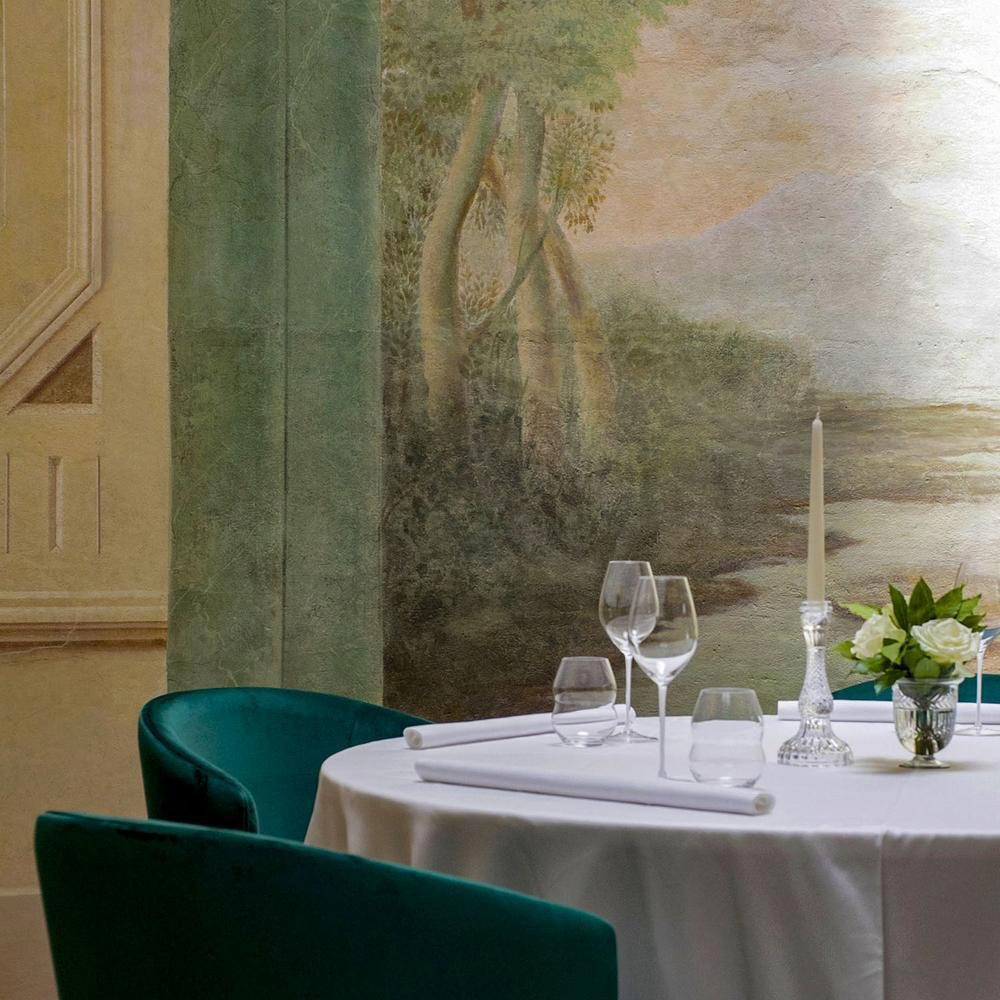
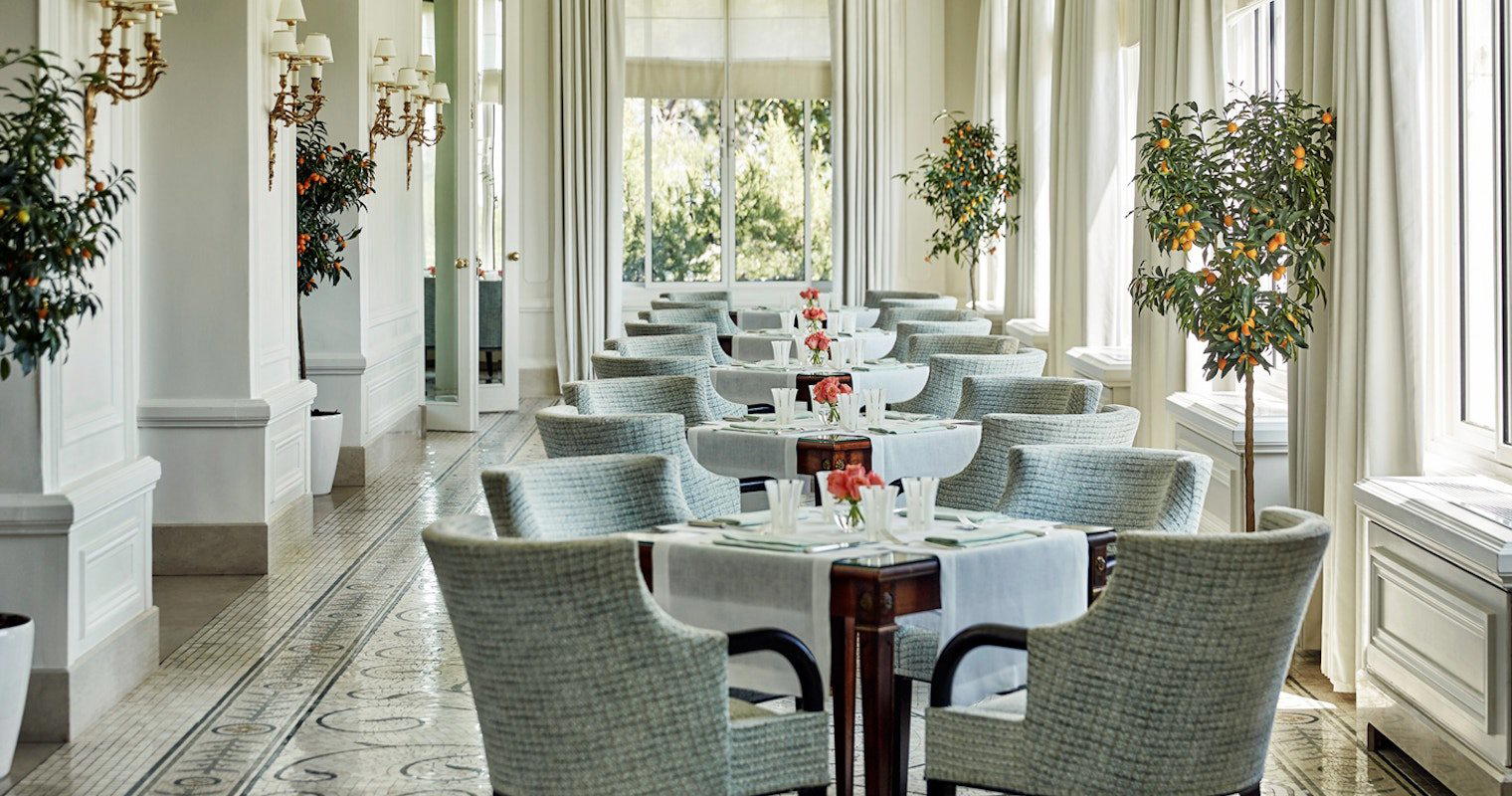
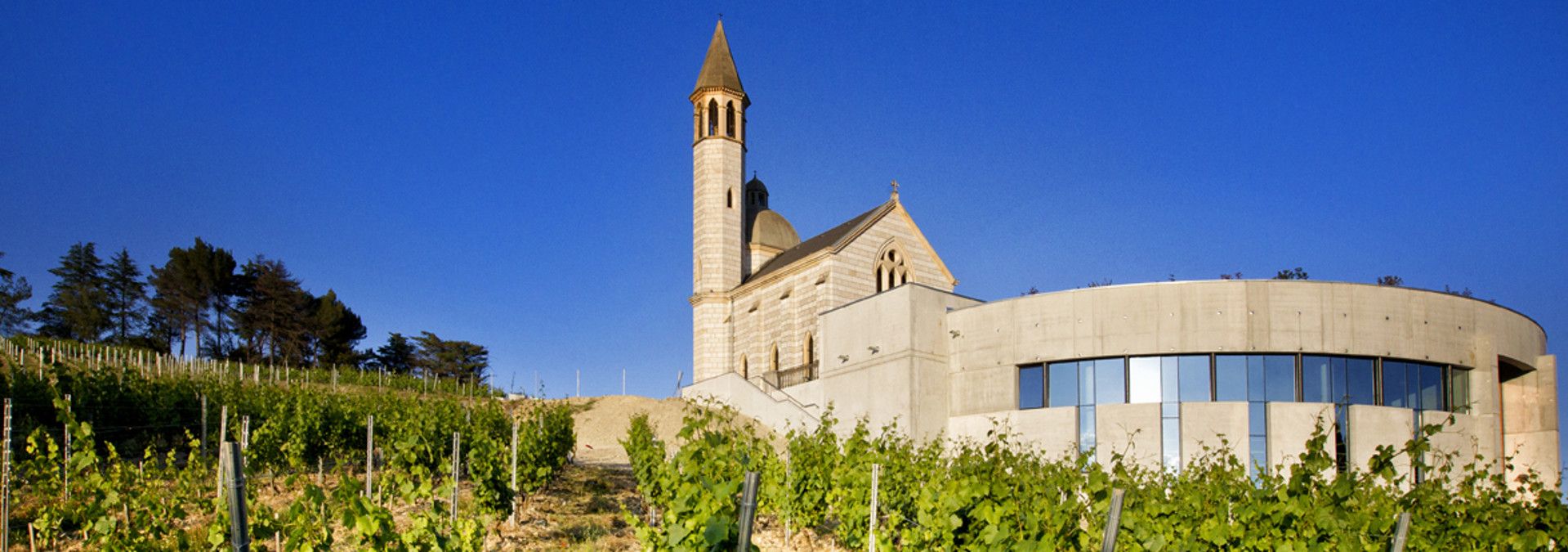
Chaleureuse and chic modern setting with refined atmosphere, praised for being nice and quiet.