ROS[O]

Michelin Plate
Our verdict
ROS[O] holds consecutive Michelin Plates for 2024 and 2025, a signal of sustained kitchen discipline at the mid-range price point in Mûrs-Erigné, a small commune south of Angers on the Loire. Modern cuisine.

Pearl is the En Primeur Club membership app — saves, bookings, and concierge access live there. Same editors, same standards.
- Address
- Mûrs-Erigné, PDL, France
- Directions
- Get directions
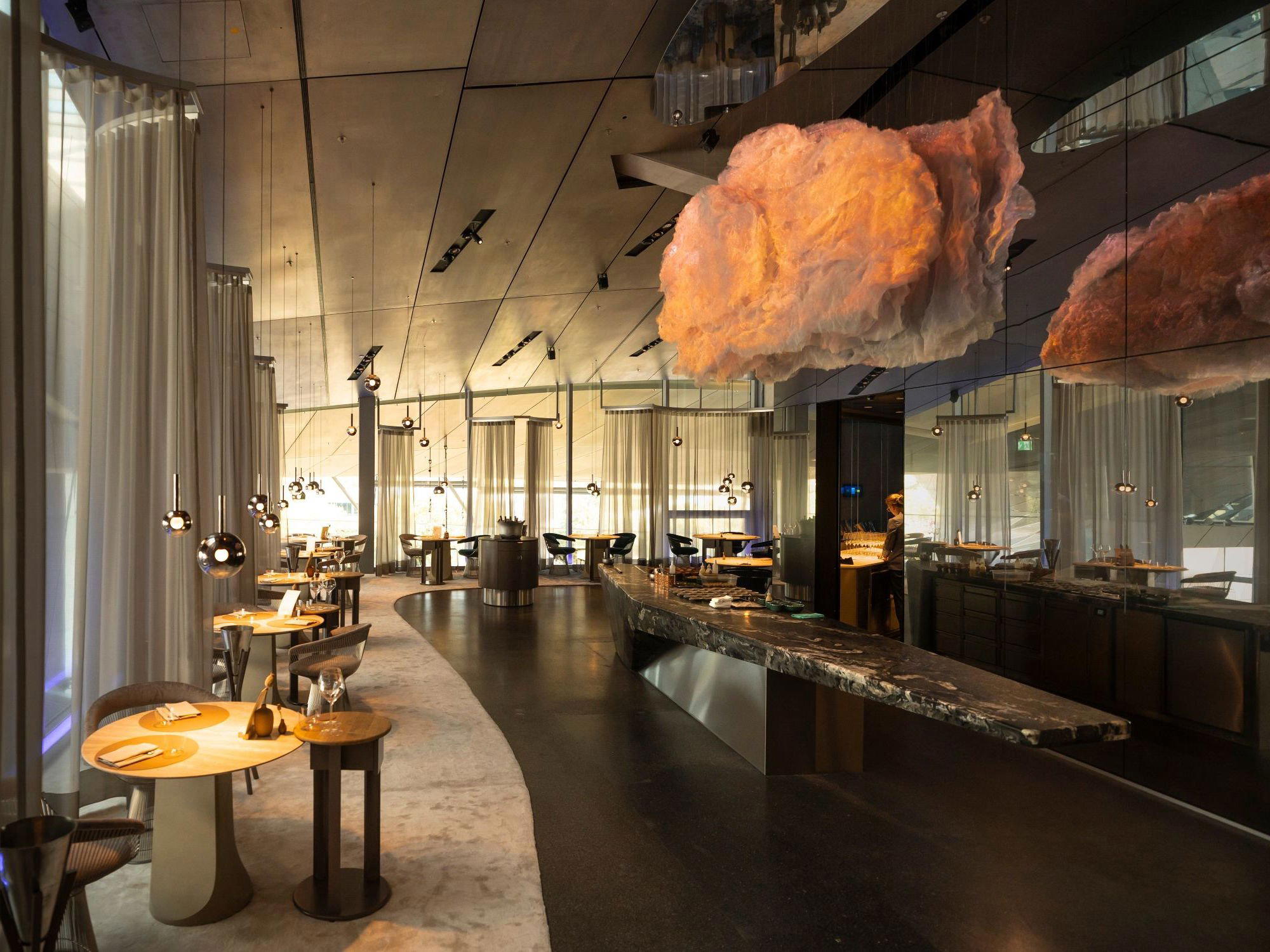
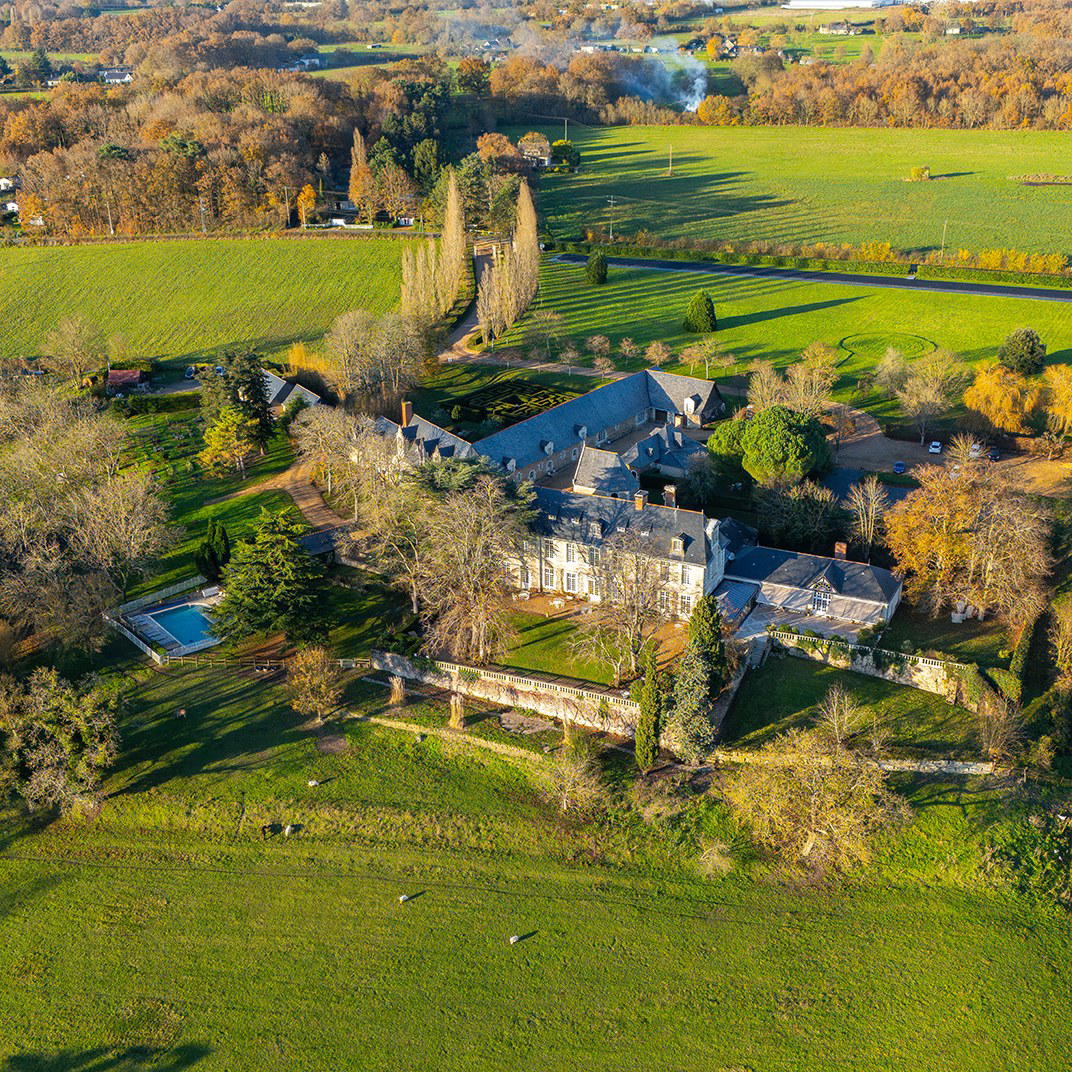
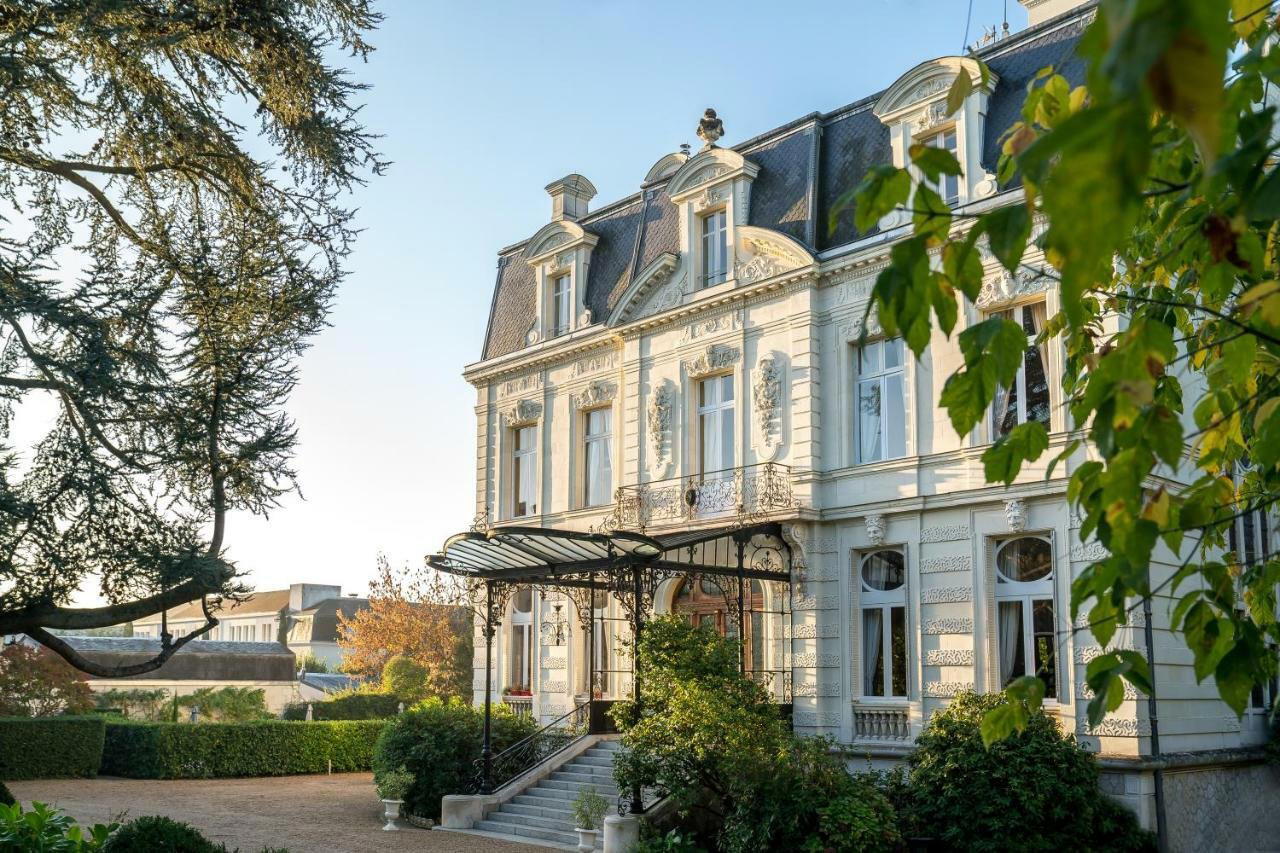
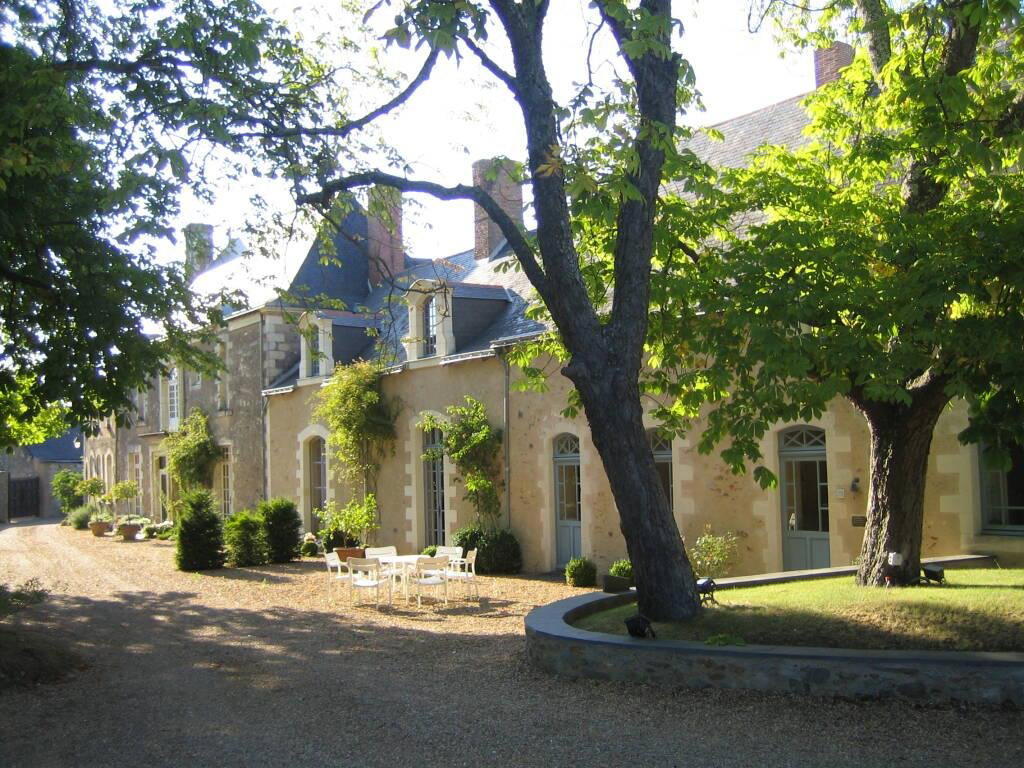
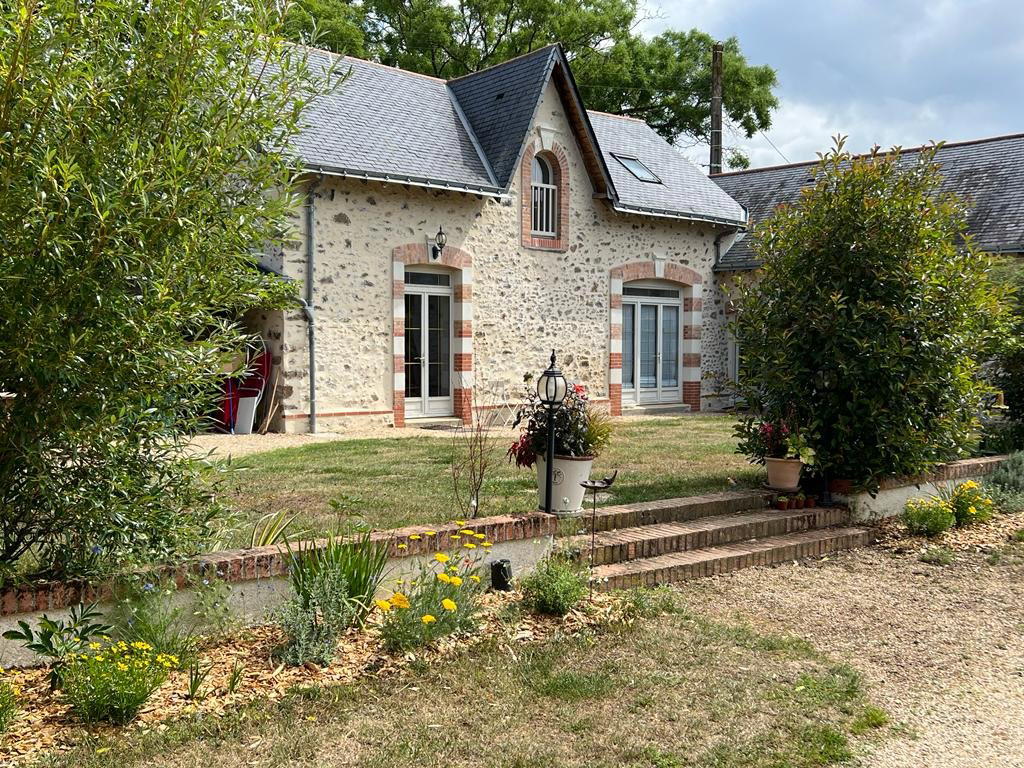
![ROS[O] restaurant in Mûrs-Erigné, France](https://cdn.enprimeurclub.com/storage/v1/object/public/images/locations/recthpwmKflFcYtgU/hero1.jpg?width=3840&quality=75)
The menu
What to order
- Œuf parfait siphon comté et jambon
- Pâté en croûte maison
- Pomme sarrasin
A Quiet Town, a Focused Kitchen
The communes that sit just below the Loire Valley's main tourist corridor tend to attract a different kind of restaurant than Angers or Saumur. Without the footfall of a cathedral city or a famous cave cellar nearby, a kitchen in Mûrs-Erigné earns its audience through repetition and word of mouth rather than passing trade. For more on what the town has to offer beyond this address, our full Mûrs-Erigné restaurants guide maps the wider scene.
Where the Ingredients Come From
The Loire Valley's claim on French gastronomy has always rested as much on its produce as its wine. The region supplies a disproportionate share of France's market-garden output — asparagus from the Saumurois, mushrooms cultivated in the tuffeau caves around Saumur, river fish pulled from the Loire itself, and poultry from the bocage to the south. Chefs working within this corridor sit closer to their raw material than almost any kitchen in Paris, and the best of them treat that proximity as a structural advantage rather than a marketing footnote.
Modern cuisine in this part of Anjou tends to follow a particular logic: classical French technique applied to produce that hasn't travelled far from the field to the plate. The contrast with the grands restaurants of the capital is instructive. Kitchens like Alléno Paris au Pavillon Ledoyen operate at the €€€€ tier and source globally to complement a French backbone; a €€ restaurant in a Loire suburb has a different calculus entirely, one that rewards seasonal restraint and tight supplier relationships over ambitious range. ROS[O]'s price positioning places it firmly in the tier where the ingredient sourcing story is most compelling — not because luxury imports are involved, but because the kitchen's skill is measured against what the immediate region provides.
This is a broadly shared characteristic of the leading mid-range modern cuisine tables in France's provincial towns. Consider how Auberge du Vieux Puits in Fontjoncouse built its reputation around the garrigue and gardens of the Corbières, or how Bras in Laguiole turned the volcanic plateau of Aubrac into a culinary argument. Place-rooted sourcing at this tier is not a trend, it is the operating model that allows restaurants without Parisian budgets or global profiles to sustain Michelin recognition year after year.
Reading the Michelin Plate Signal
A Michelin Plate, awarded in both 2024 and 2025, is the Guide's acknowledgement that a restaurant delivers cooking of good quality. It sits below starred recognition but above the mass of listed addresses that receive no distinction at all. In a country with as many serious restaurants as France, consecutive Plate recognition in a small commune south of Angers is a specific statement: the kitchen is consistent, the produce is handled with care, and the experience merits attention from a traveller who would otherwise look only at the starred tier.
For reference, the Loire Valley's starred restaurants tend to cluster around the larger towns or châteaux destinations. A Plate-awarded address in Mûrs-Erigné occupies a different kind of position, accessible in price, local in character, and less burdened by the theatre that often accompanies recognition at higher tiers. The comparison set here is not Flocons de Sel in Megève or Mirazur in Menton; it is the network of quietly capable provincial tables that sustain French regional cooking without demanding destination-restaurant budgets or three-month advance bookings.
It suggests the kitchen performs consistently across service, not just on the days most likely to attract scrutiny. Restaurants in this price tier often show wider variance between critical assessment and general public response; a close alignment between the two, as here, is a meaningful signal of operational steadiness.
The Loire as Context
Mûrs-Erigné sits roughly ten kilometres south of Angers along the Maine and Louet rivers, inside a sub-region that produces Coteaux du Layon and Anjou Blanc from Chenin Blanc, wines with enough structure and acidity to work across a broad range of food styles. Modern cuisine in this corridor has access to a local wine tradition that pairs more naturally with vegetable-forward and fish-based cooking than the Cabernet Franc-heavy reds of Bourgueil or Chinon, which tend to define the Loire's export identity more loudly than they define what people drink at local tables.
For visitors extending a day in the area, the town's position relative to Angers means easy access to a broader range of accommodation and evening options. Our Mûrs-Erigné hotels guide, bars guide, wineries guide, and experiences guide cover the surrounding area for those building a longer itinerary around this part of Anjou.
How ROS[O] Sits in the Wider Modern Cuisine Conversation
French modern cuisine now covers considerable stylistic ground, from the haute technique of Assiette Champenoise in Reims and the classical weight of Paul Bocuse in Collonges-au-Mont-d'Or to the more conceptual work at AM par Alexandre Mazzia in Marseille. The Michelin Plate tier at the €€ price point represents a different expression of that breadth: cooking that does not chase novelty for its own sake but applies solid technique to regional produce within a format that a local audience can return to regularly.
Outside France, the same dynamic plays out at addresses like Frantzén in Stockholm and FZN by Björn Frantzén in Dubai, where modern cuisine means high investment in ingredient sourcing regardless of geography. At the Loire Valley's €€ tier, the sourcing advantage is geographic rather than financial, proximity replaces premium import spend, and seasonality becomes the menu's primary driver rather than an optional editorial flourish.
Advance booking is advisable, though specific reservation methods are best confirmed directly with the venue. The €€ price range positions this as a realistic lunch or dinner option for travellers based in Angers, with journey time from the city centre measured in minutes rather than hours. For a fuller read on what Alsatian and regional French cooking looks like at the upper end of the recognition scale, Auberge de l'Ill in Illhaeusern and Au Crocodile in Strasbourg offer instructive comparison points, as does Troisgros - Le Bois sans Feuilles in Ouches for a Loire-adjacent benchmark at the starred level.
Frequently asked questions
Can I bring kids to ROS[O]?
ROS[O]'s €€ price range and modern cuisine format suggest a sit-down dining context rather than a casual family diner.
Is ROS[O] better for a quiet night or a lively one?
Mûrs-Erigné is a small commune roughly ten kilometres south of Angers, outside the city's busier restaurant corridors. That setting, combined with a focused modern cuisine format and a mid-range price point, points toward a composed, quieter atmosphere rather than a high-energy room.
Is ROS[O] Michelin-listed?
ROS[O] has received recognition including: Michelin Plate (2025); Michelin Plate (2024).
What's the signature dish at ROS[O]?
No specific dishes are documented in the available record. What the Michelin Plate recognition in both 2024 and 2025 does confirm is consistent cooking quality across the menu. ROS[O]'s modern cuisine approach in the Loire Valley suggests strong regional produce influence, but any specific dish claims would require checking directly with the restaurant.
What does dinner at ROS[O] typically cost?
Pricing at ROS[O] is listed as €€.
Side-by-Side Snapshot
| Venue | Cuisine | Price | Awards |
|---|---|---|---|
| ROS[O]This venue — the venue you are viewing | Modern French Bistronomy | $50–100 | Michelin Plate |
| Alléno Paris au Pavillon Ledoyen | Creative | Not listed | Michelin 3 Star |
| Kei | Contemporary French, Modern Cuisine | Not listed | Michelin 3 Star |
| L'Ambroisie | French, Classic Cuisine | Not listed | Michelin 3 Star |
| Le Cinq - Four Seasons Hôtel George V | French, Modern Cuisine | Not listed | Michelin 3 Star |
| Plénitude | Contemporary French | Not listed | Michelin 3 Star |
Recognition history
Dated appearances from independent guides and award organizations, with the underlying list record or original source where available.
Michelin Plate
Michelin
Full recognition history (2 entries)
Michelin Plate
Michelin
Continue exploring
More in Mûrs-Erigné
Restaurants in Mûrs-Erigné
Browse all →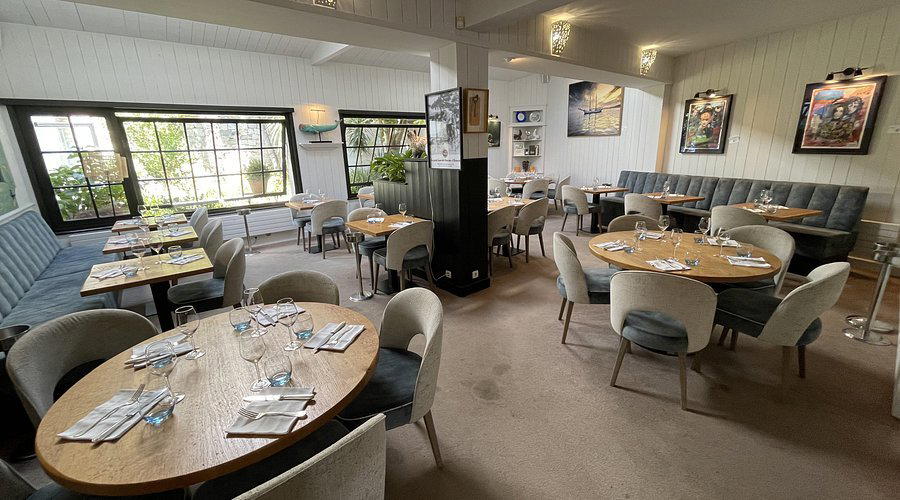
Bars in Mûrs-Erigné
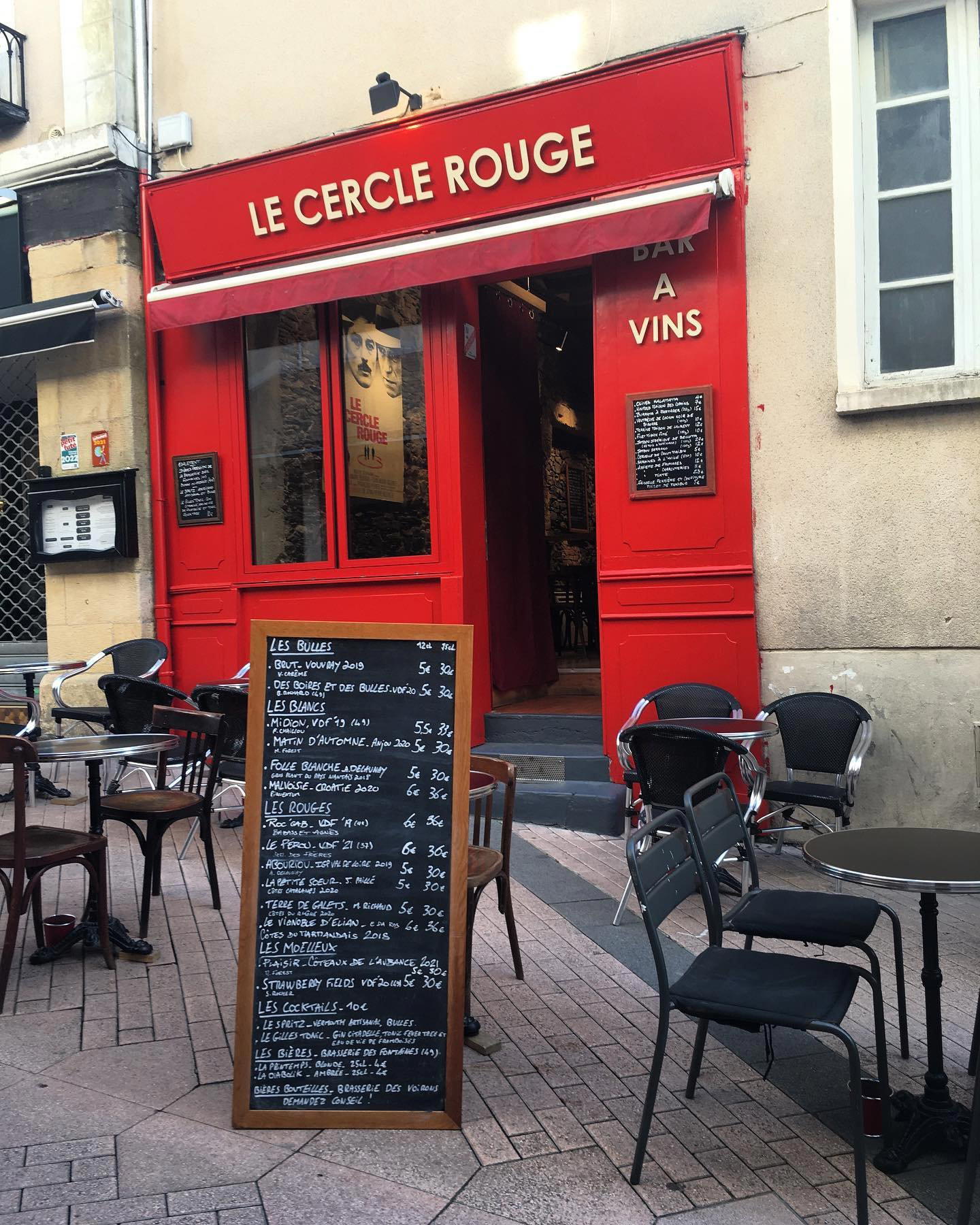
Browse all →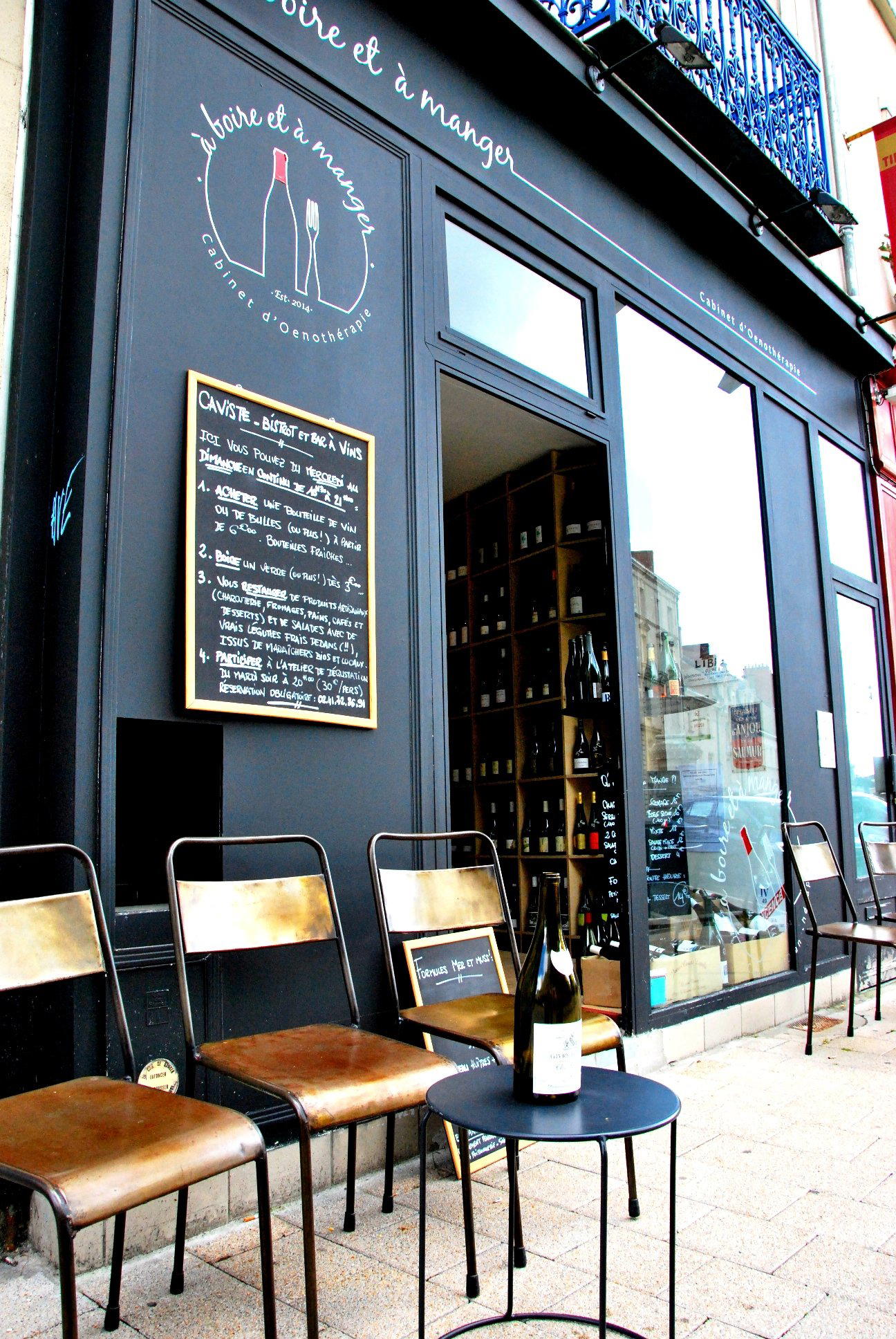
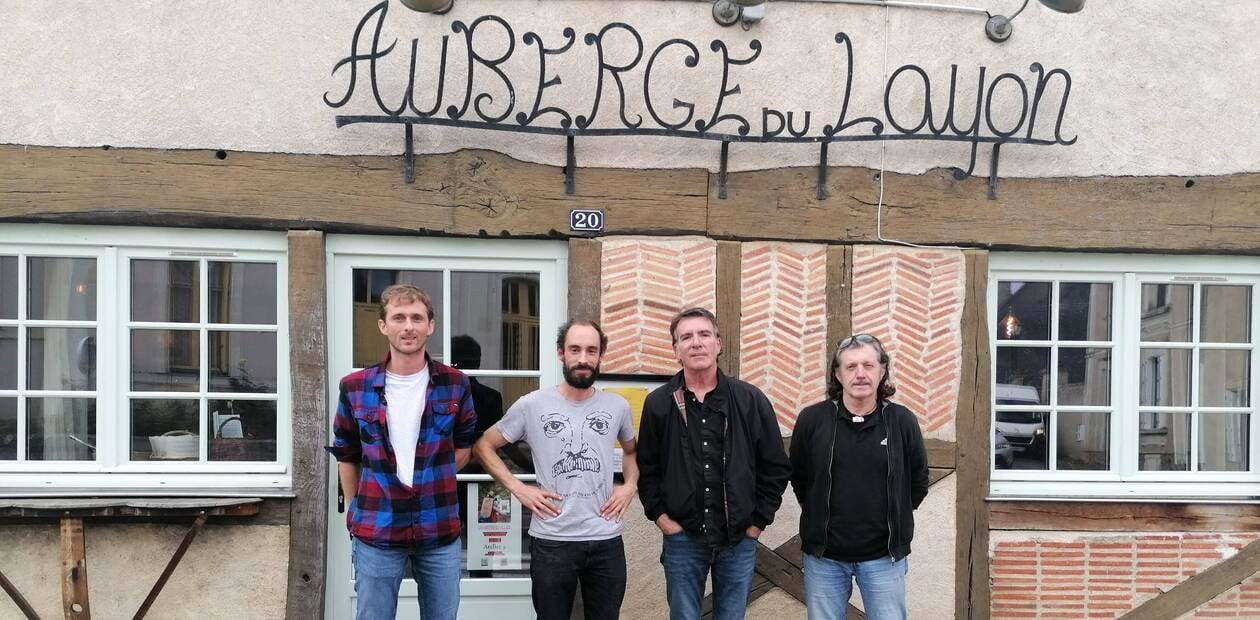
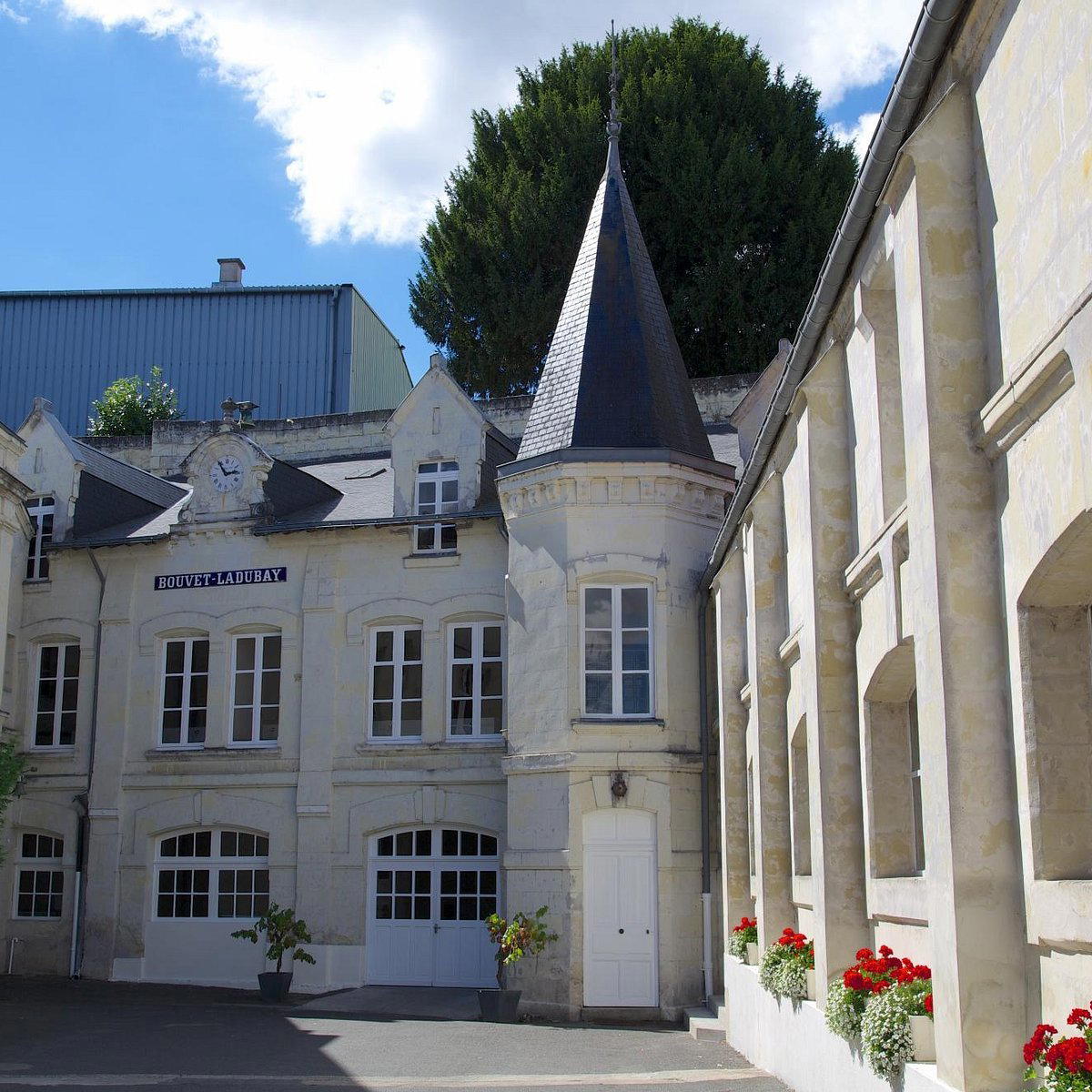
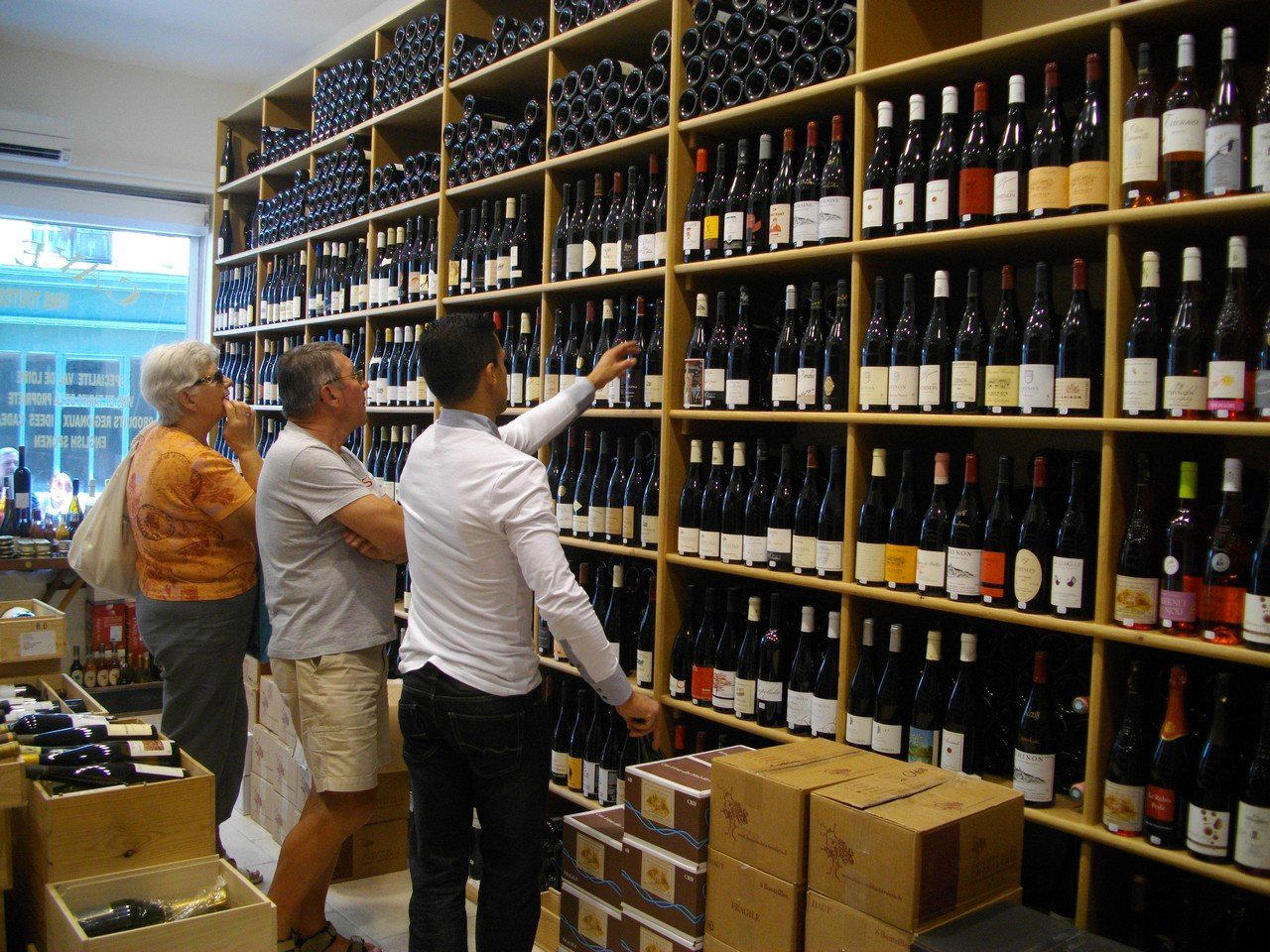
Hotels in Mûrs-Erigné
Browse all →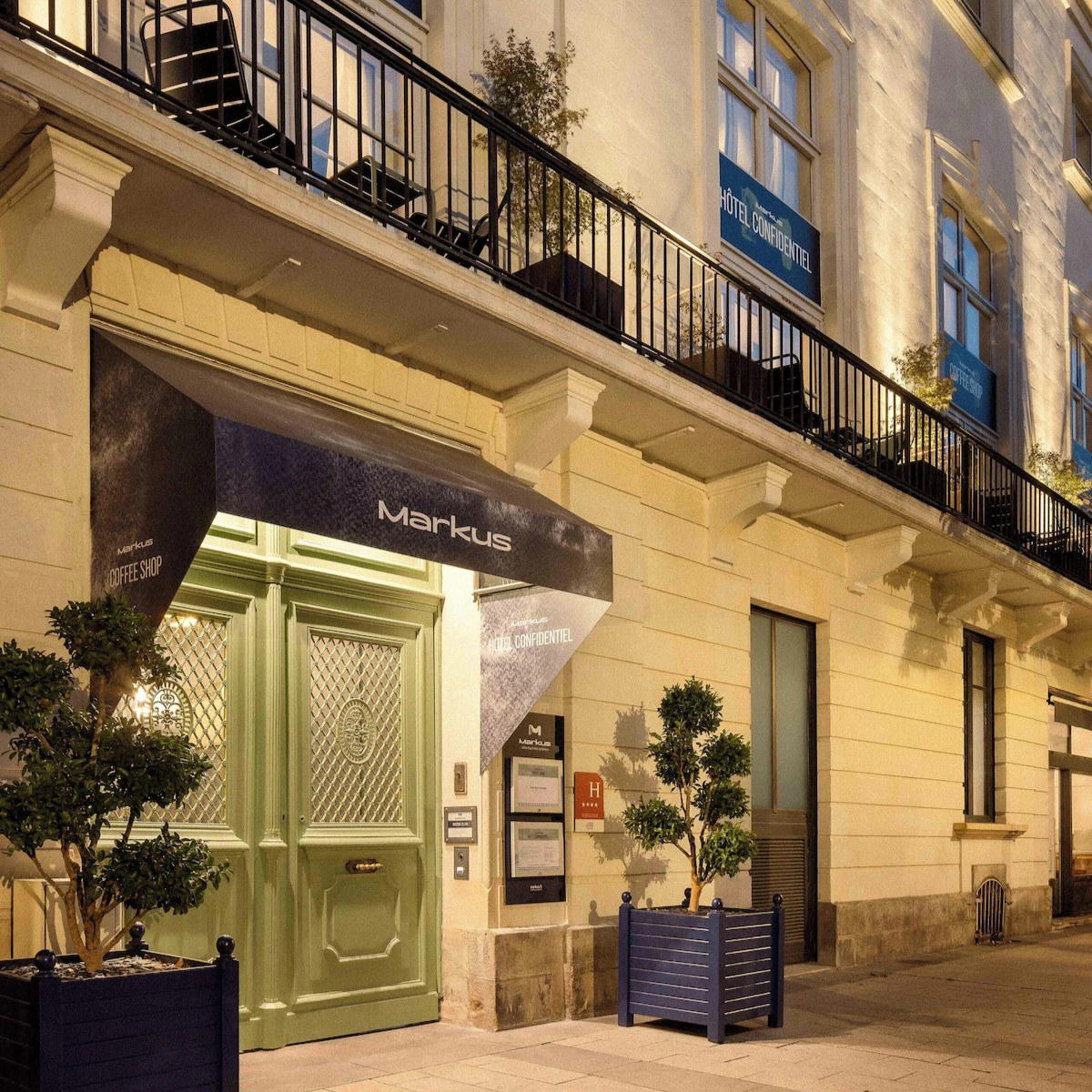

ROS[O]
The wine
- Wine program
- Curated wine list
- Sommelier-led
- Natural wine
Details
- Modern
- Elegant
- Scenic
- Intimate
- Date Night
- Special Occasion
- Terrace
- Waterfront
- Natural Wine
- Sommelier Led
- Local Sourcing
- Waterfront
- A La Carte
- Regional Wines
Modern, lumineux dining room with clean lines, natural materials, well-spaced tables for privacy, and a calm riverside terrace.