
A Michelin Plate-recognised address on Rue d'Alsace, L'Alentour sits in Beaune's mid-tier modern cuisine bracket, where the cooking reads as precise without the ceremony of the town's starred rooms.
Pearl is the En Primeur Club membership app — saves, bookings, and concierge access live there. Same editors, same standards.
- Address
- 10 Rue d'Alsace, 21200 Beaune, France
- Phone
- +33 3 80 24 04 56
- Website
- mymenuweb.com
- Directions
- Get directions
 Saves & bookings on Pearl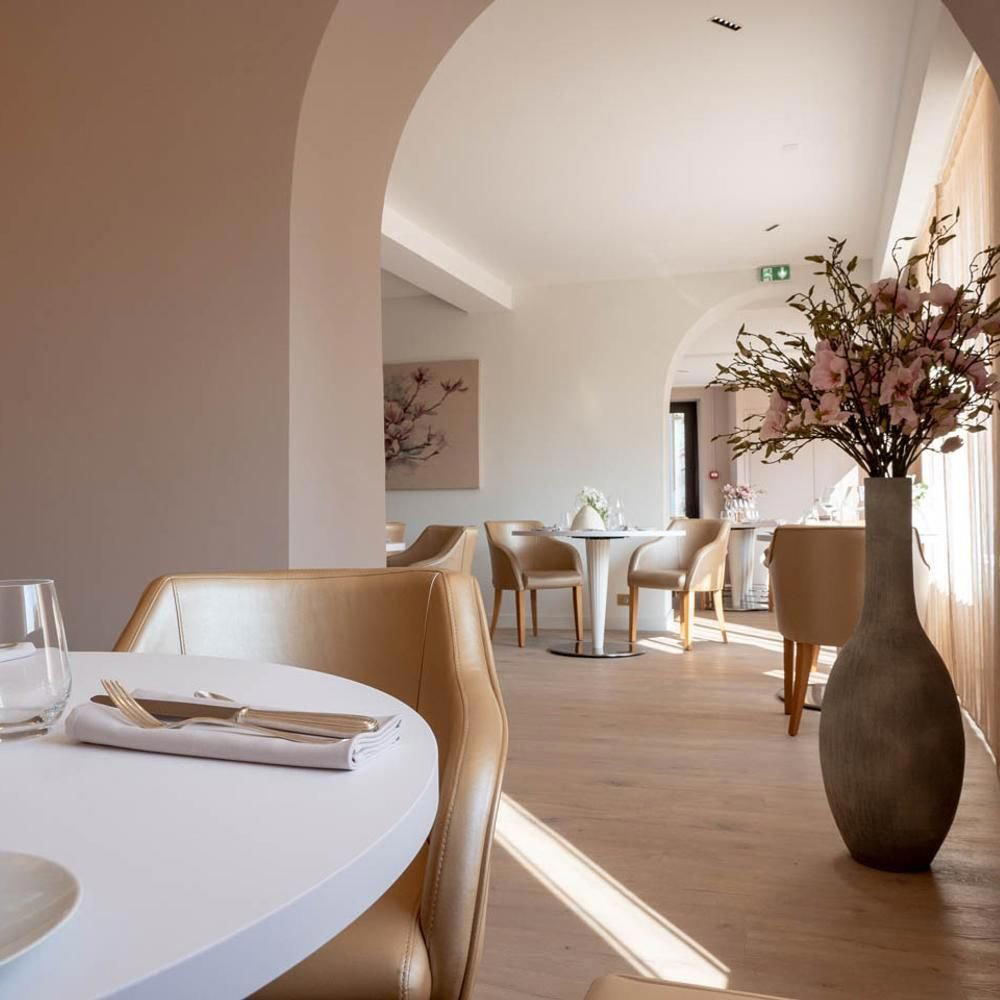
Beaune's Mid-Register and Where L'Alentour Fits
Beaune's dining scene is structured by two gravitational pulls. At the leading, starred rooms like Clos du Cèdre and Le Carmin operate at the €€€€ tier, with tasting menus that lean into the theatre of Burgundian gastronomy. At the other end, traditional bistros serve the boeuf bourguignon and oeufs en meurette that wine tourists expect. Between those poles sits a smaller, more interesting cohort: modern cuisine addresses that price at €€, work with seasonal product, and plate with intent rather than reflex. L'Alentour, on Rue d'Alsace at the edge of Beaune's old town, belongs to that middle tier. Two consecutive Michelin Plate recognitions — 2024 and 2025 — confirm it as a kitchen producing cooking that the Guide's inspectors considered worth acknowledging, without ascending to the starred bracket above it.
That position matters for the reader's decision. The Michelin Plate is not a consolation award; it marks restaurants where the quality of cooking is solid enough to flag. In Beaune's context, where the wine trade supports a restaurant economy denser than a town of 22,000 people would normally sustain, the Plate distinction separates an address from the background noise of competent but unremarkable bistros.
Rue d'Alsace and the Approach
Rue d'Alsace sits just outside Beaune's medieval ring road, in a quieter residential stretch that sees fewer of the coach-party crowds moving between the Hospices de Beaune and the négociant cellars. The address, 10 Rue d'Alsace, places L'Alentour in a neighbourhood that rewards those who walk slightly beyond the old town's most trafficked corridors. The physical context is Beaune's characteristic vernacular, pale stone, shuttered façades, narrow pavements, without the tourist overlay that marks the streets directly behind the Collégiale Notre-Dame. Arriving in the late afternoon, before service, the street reads as genuinely local in a way that the main wine-shop drag rarely does.
For visitors building a broader Beaune itinerary, the restaurant sits within the orbit of the town's main wine-focused infrastructure. Beaune's winery scene, its bars, and its hotels are all navigable on foot from this part of town. Beaune's experiences guide covers the cave visits and market mornings that pair naturally with a mid-range dinner reservation.
Reading the Menu Architecture
The editorial angle most useful for understanding L'Alentour is not the chef's biography but the menu's structure. Modern cuisine at the €€ level in a Burgundian town involves a set of constraints and freedoms that shape what ends up on the plate. The constraints: keeping covers financially viable without a tasting-menu price floor, sourcing from a region where premium product gets pulled upward toward starred kitchens with deeper procurement budgets, and satisfying a dining room that on any given night will include local professionals, wine-trade visitors, and international tourists with different baseline expectations. The freedoms: Burgundy's larder is deep, the seasons are pronounced, and the expectation of classical French technique as a foundation gives a kitchen something to work against.
Menus in this tier and context typically read as à la carte or short fixed-price formats, three to four courses, with produce choices that shift across the year. The Côte de Nuits and Côte de Beaune's autumn harvest season, running from September through November, brings the restaurant into direct conversation with the wine trade's own calendar; dinners during the Hospices de Beaune auction weekend in November draw a professional crowd that expects the kitchen to perform at its upper register. That seasonal cadence is one of the more reliable signals of how a restaurant in this position actually operates: the menu in March, leaning on root vegetables and aged proteins, tells a different story than the menu in July, when stone fruit and summer vegetables push forward.
Across those seasonal shifts, the Michelin Plate's consistent two-year appearance suggests a kitchen that isn't coasting on a good vintage.
Placing L'Alentour in the Beaune Competitive Set
Among Beaune's modern cuisine addresses, the restaurant sits below the starred tier occupied by Clos du Cèdre and in a comparable bracket to Garum and L'Expression. L'Écusson represents another reference point in the town's mid-register. For visitors who want the ambition of modern technique without the commitment of a four-hour tasting menu, this cohort of €€ modern cuisine addresses provides the clearest alternative. The price point also makes the restaurant a more repeatable choice across a multi-day Beaune visit, where one dinner at a starred room and two or three at addresses in this bracket is a standard itinerary pattern among wine-trade professionals.
France's broader modern cuisine tradition, represented at its most formal by houses like Alléno Paris au Pavillon Ledoyen, Mirazur, or Troisgros, filters down into regional addresses through technique, sourcing philosophy, and a shared vocabulary of preparation. The Burgundian expression of that tradition sits closer to Bras in its relationship to terroir than it does to the maximalist registers of Flocons de Sel or the Nordic-influenced architecture of Frantzén or FZN by Björn Frantzén. In Beaune, the wine is always present in the frame, either on the table or in the sauce, and kitchens at this level tend to cook with that assumption built in. Auberge de l'Ill in Alsace represents the Alsatian counterpart to Burgundy's formal tradition; the culinary DNA differs, but both operate within a regional-produce logic that shapes menus from the ground up.
For the full context on where the restaurant sits within Beaune's restaurant scene, our full Beaune restaurants guide maps the competitive set across price tiers and cuisine types.
Planning a Visit
Beaune is busiest between June and November, peaking sharply around the Hospices auction in the third week of November. Reservations at mid-tier modern cuisine addresses during that window should be secured well in advance, two to three weeks minimum outside auction week, longer for the auction period itself. The address is walkable from Beaune's central hotels and from the main SNCF station, which connects to Dijon in under 30 minutes and to Lyon in roughly one hour.
Frequently Asked Questions
What should I order at the restaurant?
The venue database does not specify signature dishes. In the modern cuisine bracket at the €€ level in Beaune, menus tend to follow seasonal product closely and shift across the year. Arriving with an open approach to a fixed-price format, if available, is generally a reliable way to see what the kitchen is currently doing at its strongest.
How far ahead should I plan for the restaurant?
Beaune's calendar creates predictable demand spikes. During the Hospices de Beaune auction week in November, and across the harvest months of September and October, mid-range restaurants with Michelin recognition fill quickly. Outside those periods, one to two weeks' notice is likely sufficient for most evenings. The €€ price point means it sits in higher demand relative to the town's upper-tier starred rooms, which filter some of the market upward. Booking earlier is always the lower-risk approach.
What makes the restaurant worth seeking out?
Two consecutive Michelin Plate recognitions at the €€ price point is the clearest signal: this is a kitchen producing cooking at a standard that the Michelin Guide considers worth flagging, without the price commitment of Beaune's starred rooms. For visitors who want modern cuisine with Burgundian context at a price that allows for a serious wine spend alongside the food, the restaurant sits in a position few addresses in Beaune occupy with equal credibility.
- barbecued oxheart tomatoes with smoked tomato water and mozzarella
- mushroom fritters with marrow and chardonnay vinegar gel
- pork belly with patty pan squash and courgettes
- green asparagus with marinated egg yolk, kefir and parsley oil
- lamb shoulder with zaatar, sheep yogurt and mint
- daily catch fish with carrots and almond milk emulsion
City Peers
| Venue | Cuisine | Price |
|---|---|---|
| L'AlentourThis venue — the venue you are viewing | Modern Cuisine | €€ |
| Caves Madeleine | Wine Bar, Modern Cuisine | €€ |
| Le Bénaton | French, Modern Cuisine | €€€€ |
| Clos du Cèdre | Modern Cuisine | €€€€ |
| 8 Clos | Traditional Cuisine | €€ |
| Bistro de l'Hôtel | Traditional Cuisine | €€€ |
Recognition history
Dated appearances from independent guides and award organizations, with the underlying list record or original source where available.
Michelin Plate
Michelin
Michelin Plate
Michelin
Michelin Plate
Michelin
Continue exploring
More in Beaune
Restaurants in Beaune
Browse all →
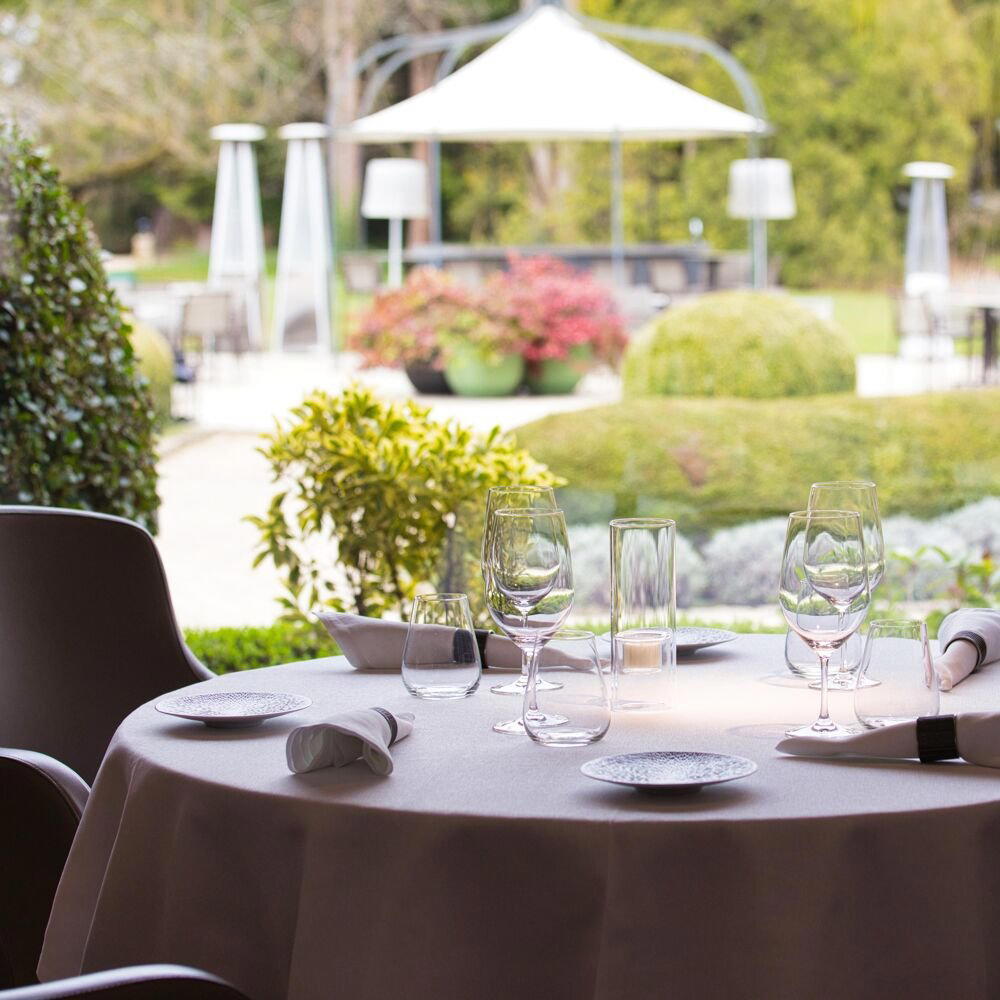
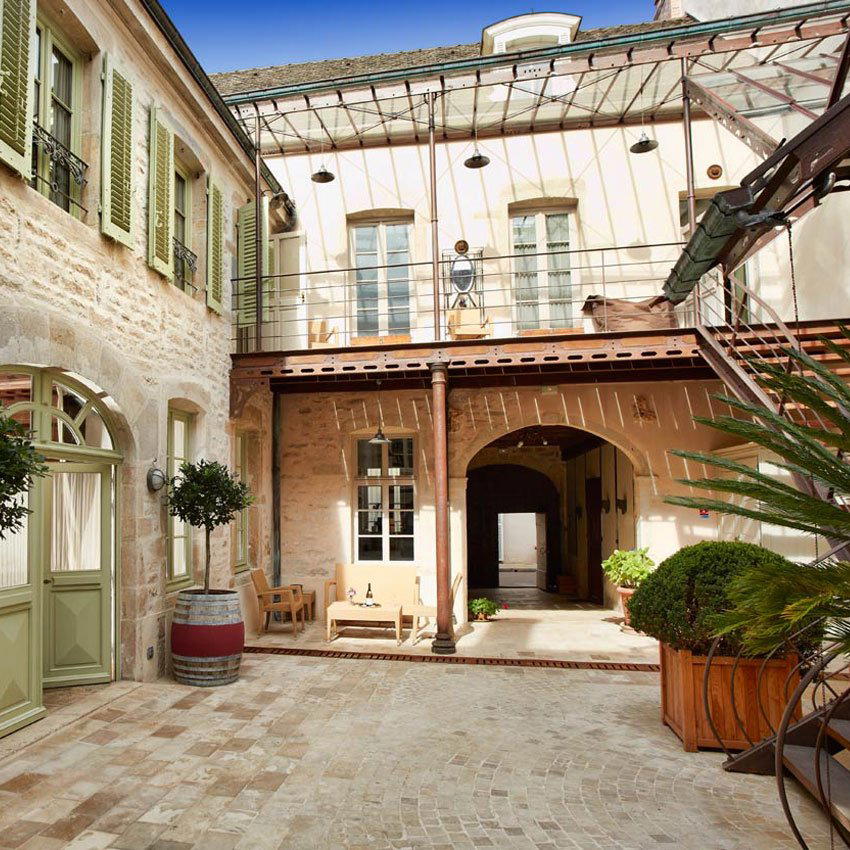
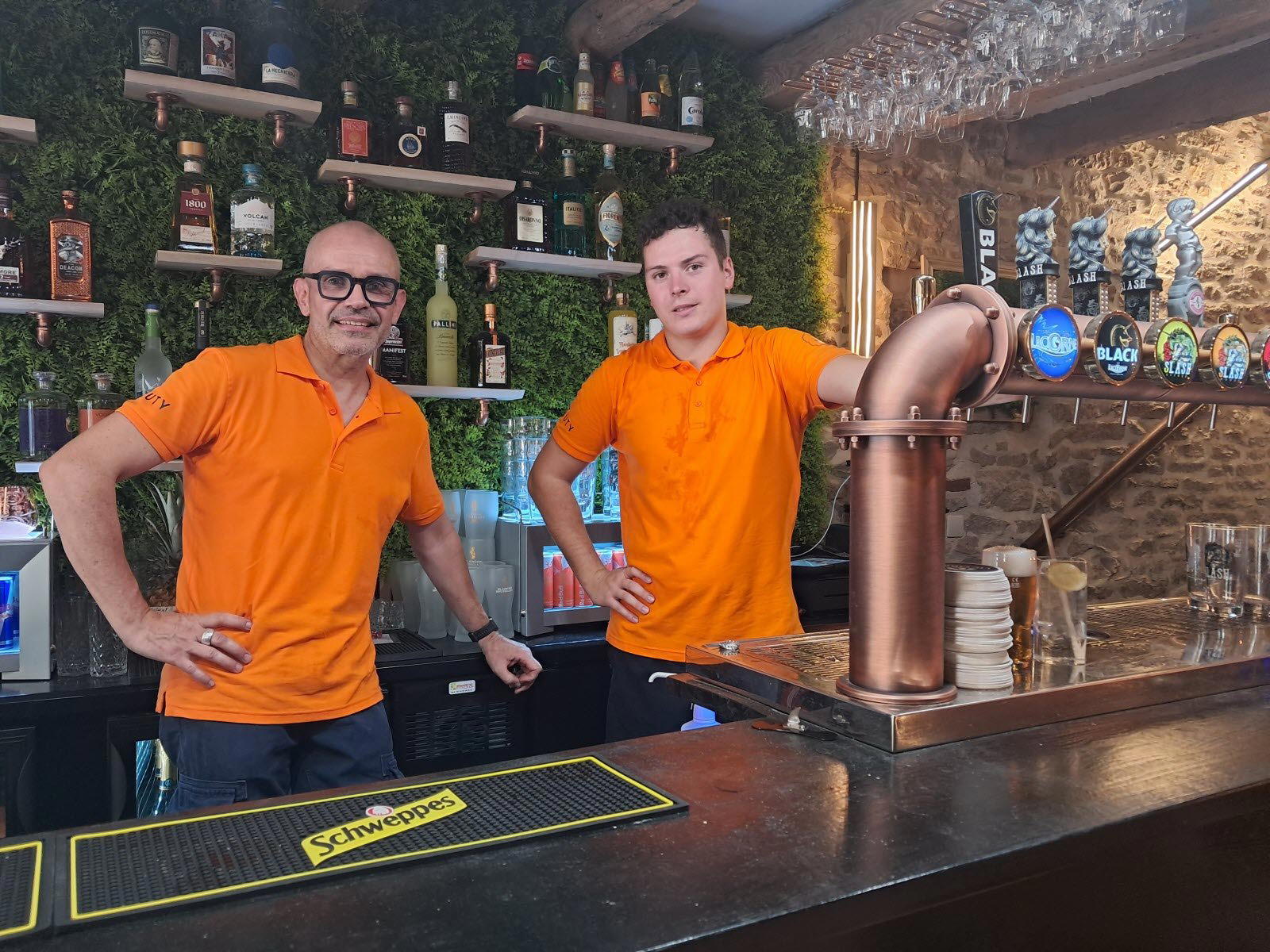
Bars in Beaune
Browse all →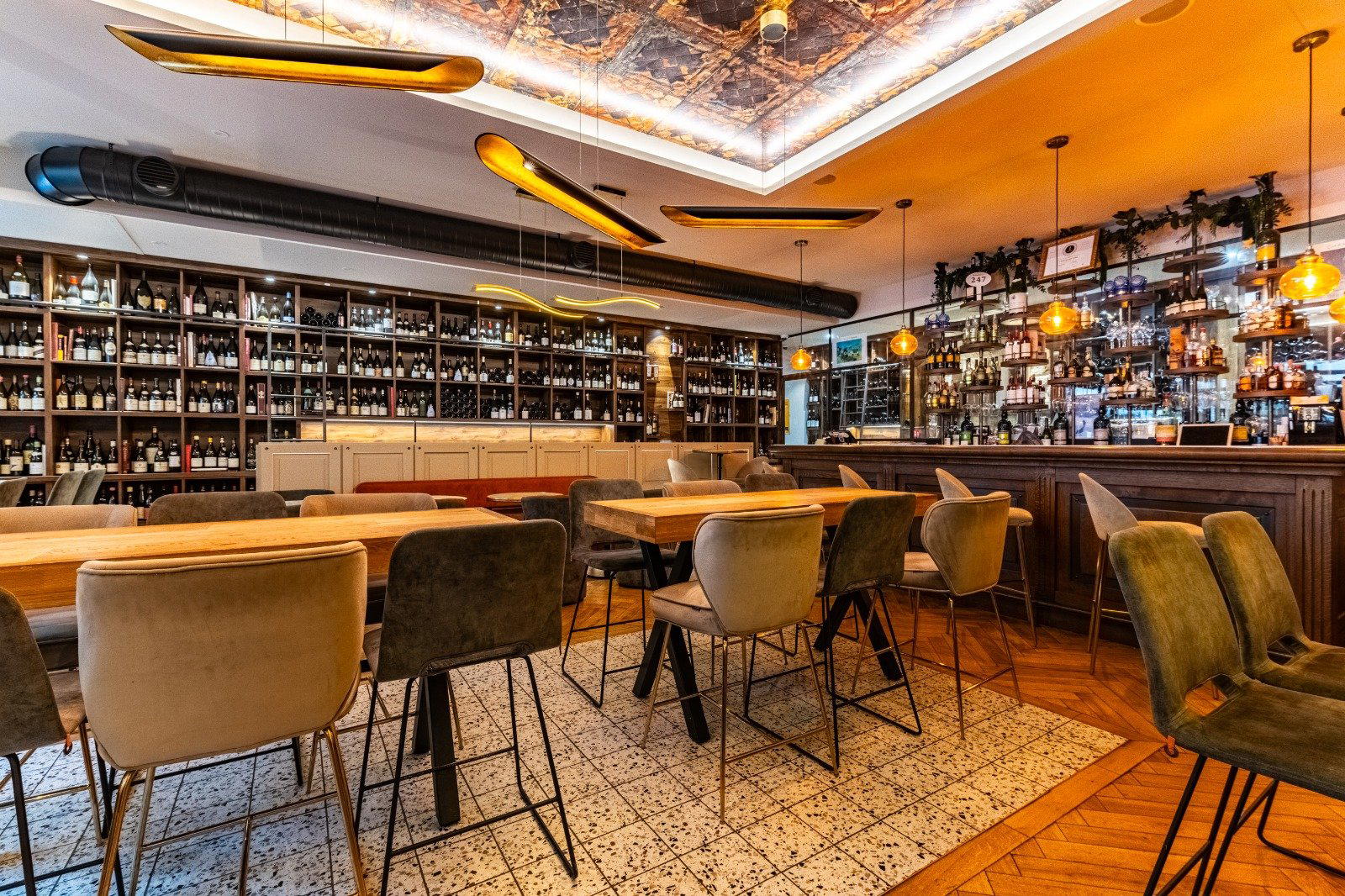
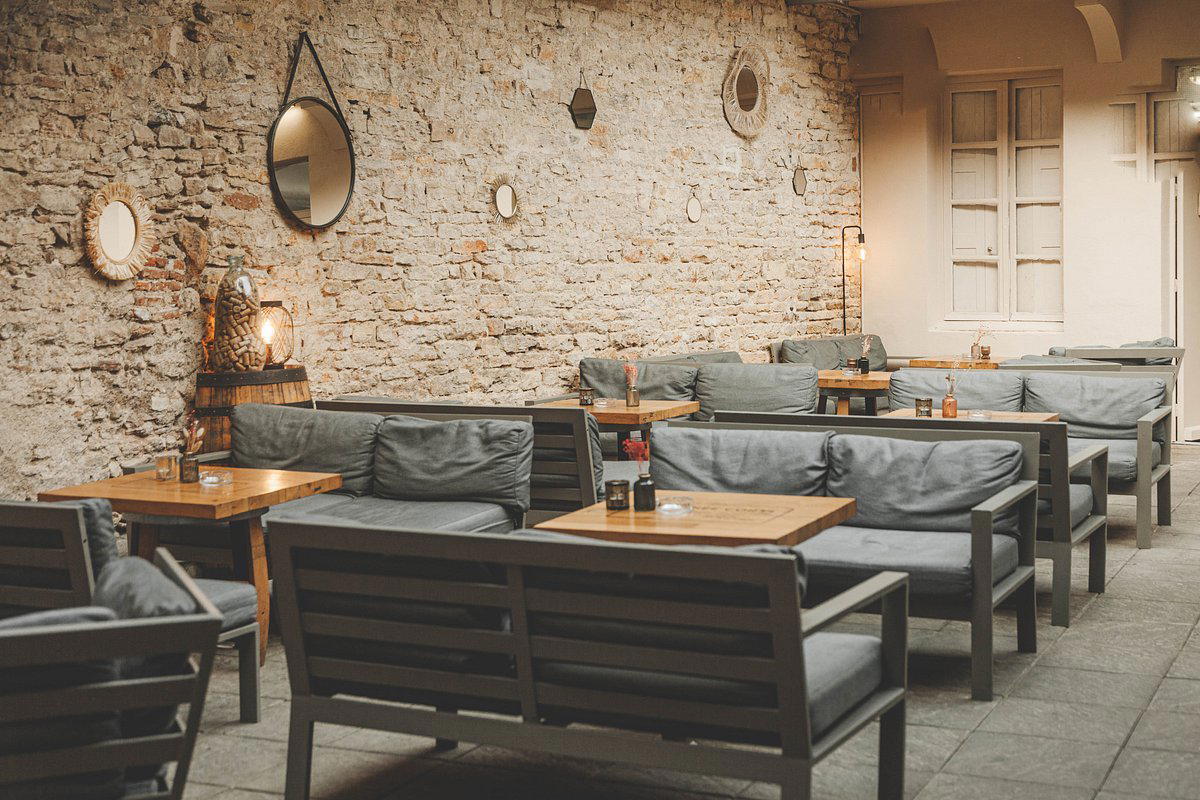
Hotels in Beaune
Browse all →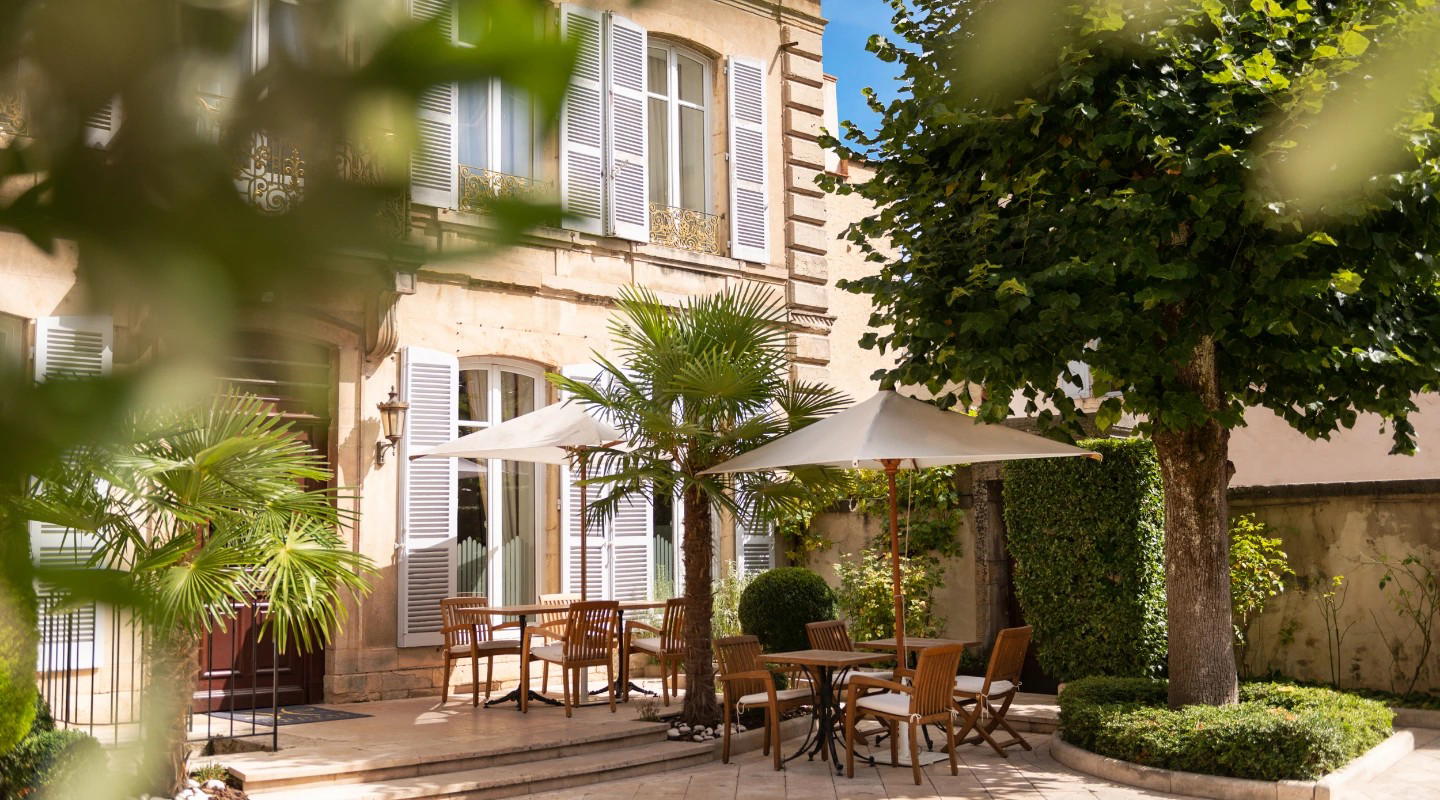
At a Glance
- Modern
- Cozy
- Intimate
- Trendy
- Date Night
- Group Dining
- Special Occasion
- Standalone
- Open Kitchen
- Extensive Wine List
- Natural Wine
- Sommelier Led
- Farm To Table
- Local Sourcing
- Natural Wine
- Biodynamic
Current opening hours
- Monday
- Closed
- Tuesday
- Closed
- Wednesday
- 7–9:30 PM
- Thursday
- 12–1:30 PM, 7–9:30 PM
- Friday
- 12–1:30 PM, 7–9:30 PM
- Saturday
- 12–1:30 PM, 7–9:30 PM
- Sunday
- 12–1:30 PM, 7–9:30 PM
Hours can change for holidays and private events. Last verified .
Warm and convivial downtown eatery with a casual yet refined atmosphere; described as appearing like a small friendly canteen but functioning as a true epicurean haven.