
Michelin Plate
Our verdict
The duo behind the pass trained through high-level kitchens before converging here, and the result is a menu that moves between classical technique and contemporary instinct without losing its footing.

Pearl is the En Primeur Club membership app, where members save venues, book tables and use the concierge.
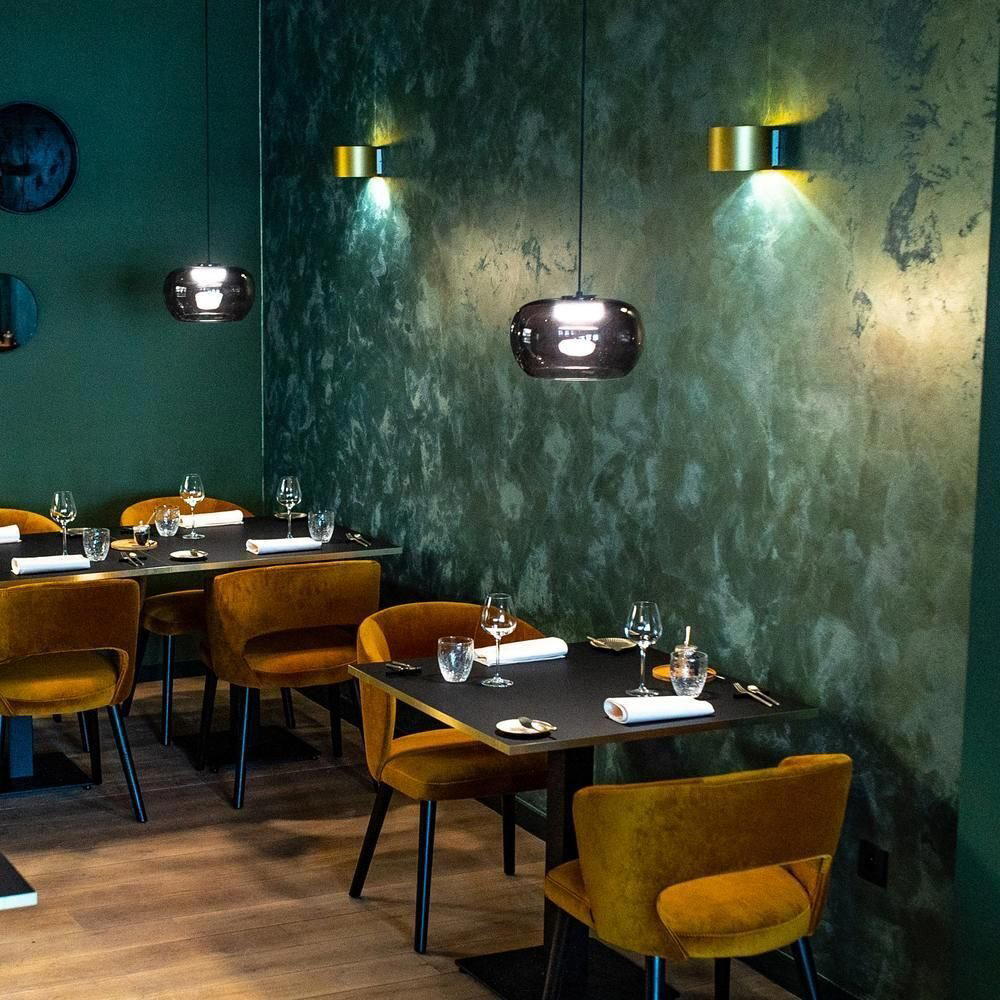
A Canal Address With Something to Prove
Along the Quai Saint-Jacques, where the Dender river edges the older quarters of Ath, fine dining does not announce itself loudly. The town sits roughly equidistant between Brussels and Tournai, and it has none of the culinary infrastructure those cities carry. The green and gold interior signals intent from the first glance, a deliberate aesthetic rather than a default bistro palette, and the dining room draws a crowd that has made a conscious choice to come here, not stumbled in off a tourist trail.
Belgium's modern cuisine tier is genuinely competitive. At the upper end, houses like Hof van Cleve in Kruishoutem, Boury in Roeselare, and Zilte in Antwerp operate at the €€€€ price point and court an international audience. Quai n°4 prices at €€€, which places it in a different bracket, one where the kitchen has to justify the star against the expectation that a cheaper meal means lesser technique.
Two Kitchens, One Pass
The foundation of what Quai n°4 does sits with two chefs who trained at the Ath Catering School before pursuing separate trajectories through high-flying establishments and eventually reconverging as both business partners and brothers-in-law. That biographical arc, shared origin, divergent professional formation, reunion, tends to produce kitchens where the collaboration runs deeper than a standard chef-patron arrangement. The two sensibilities have had time to separate and then reconcile, which often results in menus where classical grounding and contemporary instinct are not in tension but genuinely integrated.
Maxence Bouralha and Charles-Maxime Legrand represent a broader pattern in Belgian fine dining: chefs who trained locally, sharpened in demanding kitchens elsewhere, and returned to build something specific to their own geography rather than chasing the gravitational pull of Brussels or Antwerp. That choice to plant in a mid-sized Walloon town rather than a major city is itself an editorial statement about what Belgian cuisine can look like outside its obvious centres. For comparison, d'Eugénie à Emilie in Baudour and L'Eau Vive in Arbre follow a similar logic, high technique deployed in towns that most international visitors would not put on an itinerary without a specific reason to go.
The Cooking: Where Classicism Earns Its Keep
Belgian modern cuisine at its most convincing does not chase novelty for its own sake. The kitchens that hold serious recognition here tend to work from a classical base, French technique, Walloon and Flemish product knowledge, sauce discipline, and then introduce creative gesture at precise moments rather than as a general mode. Quai n°4 operates in that tradition. The Michelin description points to calf's sweetbread cooked in butter, flanked by langoustine and a bisque made from the langoustine heads. That is a dish constructed around depth and layering: the richness of the sweetbread met by the sweetness of the shellfish, the bisque functioning as both sauce and amplifier rather than a decorative element.
The intelligence in that kind of cooking lies in restraint. A kitchen that makes bisque from the heads rather than discarding them is thinking about extraction and concentration, not presentation. Belgium's leading modern kitchens, from Willem Hiele in Oudenburg to Bartholomeus in Heist, share a commitment to that kind of ingredient logic. At Quai n°4, the same rigour extends to the dessert course, where Charles-Maxime Legrand's pastry work carries its own formal weight. Michelin's note specifically singles out his technique as adding a meaningful close to the meal, which is less common than it should be in kitchens where the savoury pass dominates and dessert is an afterthought.
Internationally, the approach has parallels in the Scandinavian and Northern European fine dining tradition, kitchens like Frantzén in Stockholm have demonstrated how classical rigour and precise creativity can coexist at the highest tier, while formats like FZN by Björn Frantzén in Dubai show how that sensibility travels. Quai n°4 operates at a different scale and price point, but the underlying principle, that classicism and creativity are not opposites, runs through the same culinary lineage.
Where Quai n°4 Sits in the Belgian Picture
Within that set, the Ath address occupies a specific niche: modern cuisine with a classical backbone, priced below the multi-star competition, in a town that does not otherwise function as a fine dining destination.
That positioning has practical implications. A table here is not part of a wider Ath dining circuit in the way that a Brussels restaurant sits within a broader evening. The decision to eat at Quai n°4 is, by definition, a decision to make Quai n°4 the point of the evening. That tends to attract a more focused room, people who have chosen the meal deliberately rather than selected it from a neighbourhood shortlist. For context on what the wider Belgian fine dining tier looks like, the Bozar Restaurant in Brussels or kitchens like Sir Kwinten in Sint-Kwintens-Lennik and Ralf Berendsen in Neerharen show the range of what the country's serious restaurant culture looks like beyond its obvious cities. See also La Durée in Izegem for another example of high technique deployed outside the major centres.
Planning a Visit
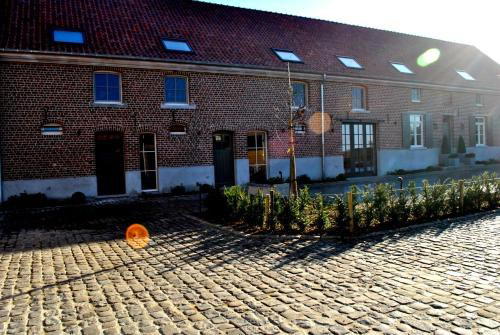
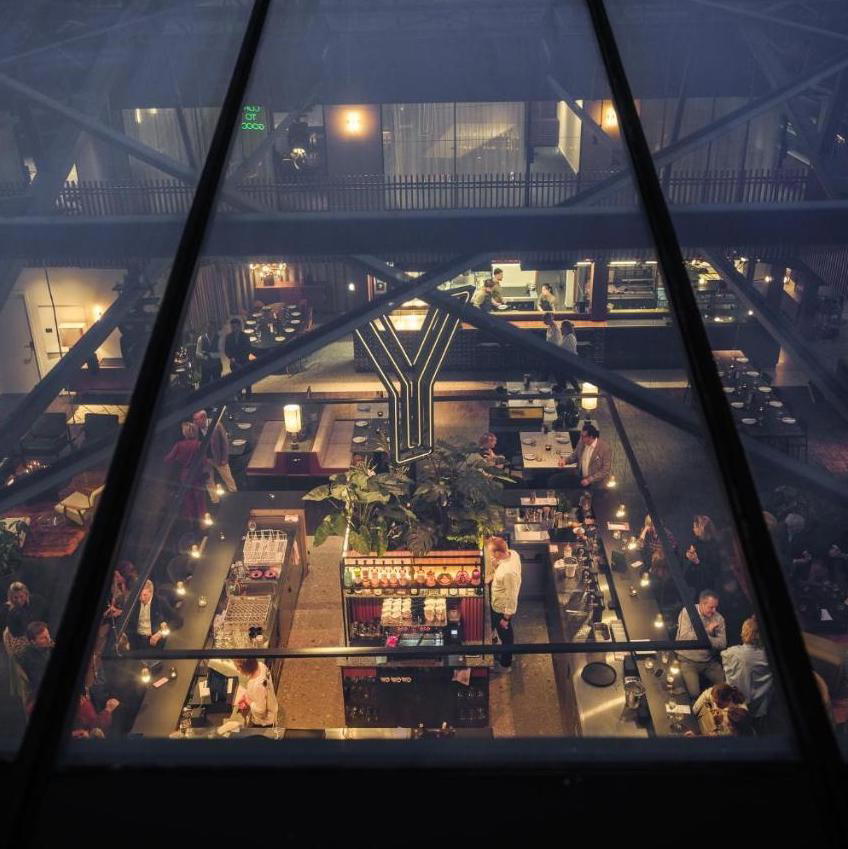
Ath sits in the province of Hainaut, accessible by train from Brussels (roughly 50 minutes on direct services) and by road from Tournai and Mons. The restaurant's address on Quai Saint-Jacques puts it on the canalside, which orients the approach naturally from the town centre. The €€€ price positioning means the meal will sit below the cost of Belgium's upper-tier starred houses, though it remains a considered expenditure. For those building a longer stay around the visit covers accommodation options in the area, and and Ath experiences guide provide context for the rest of a day or evening. and Ath wineries guide round out the picture for anyone spending more than a single meal in the town.
Frequently asked questions
Is Quai n°4 good for families?
Families with older children comfortable in a formal dining setting will find the experience well-structured, but it is not positioned as a family-casual venue.
What's the overall feel of Quai n°4?
The room is contemporary without being cold. A deliberate green and gold colour scheme sets a considered tone, and the crowd it draws skews toward fine dining regulars rather than special-occasion first-timers.
What should I order at Quai n°4?
The savoury courses anchored in classical technique are where the kitchen demonstrates its Michelin-level confidence, dishes such as butter-cooked calf's sweetbread paired with langoustine and a bisque of langoustine heads show the kitchen's approach to depth through saucing. Reserve room for dessert: pastry chef Charles-Maxime Legrand's work is noted specifically in the Michelin citation as a finishing highlight.
Comparison Snapshot
| Venue | Cuisine | Price | Awards |
|---|---|---|---|
| Quai n°4This venue (the venue you are viewing) | French-Belgian Fine Dining | Not listed | Michelin Plate |
| Boury | Creative French Fine Dining | $300–500 | 3 Michelin Stars · La Liste Top Restaurants |
| Comme chez Soi | French - Belgian, Classic Cuisine | Not listed | Not listed |
| Hertog Jan at Botanic | Modern Japanese Omakase Fine Dining | Not listed | 2 Michelin Stars · La Liste Top Restaurants |
| L'Eau Vive | Modern French Fine Dining | $150–200 | 2 Michelin Stars · La Liste Top Restaurants |
| La Durée | Modern French Fine Dining | $150–200 | 2 Michelin Stars · La Liste Top Restaurants |
Recognition history
Dated appearances from independent guides and award organizations, with the underlying list record or original source where available.
Michelin Plate
Michelin
Continue exploring
More in Ath
Restaurants in Ath
All restaurants in Ath →
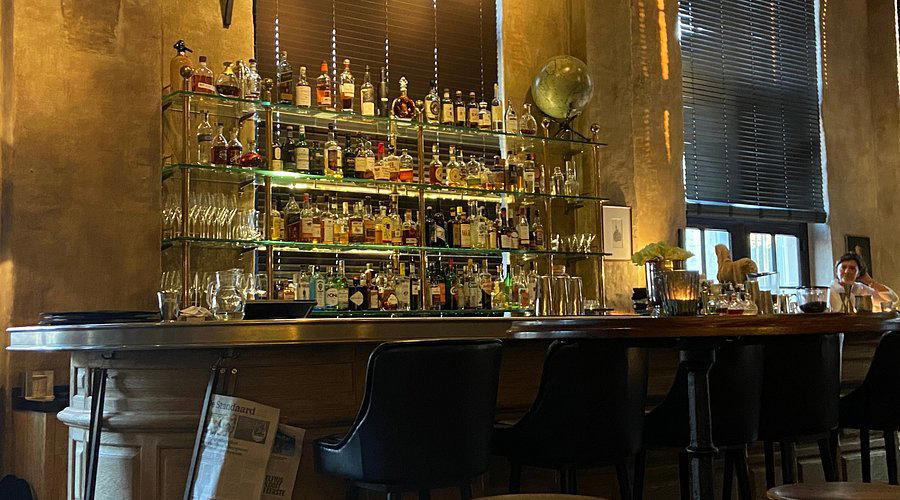
Bars in Ath
Browse all →
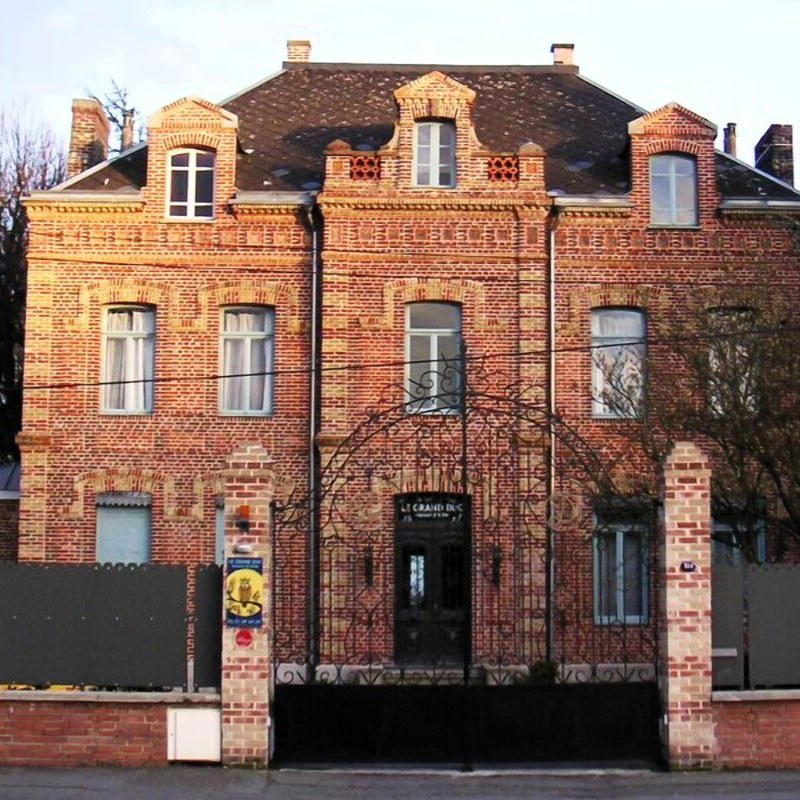
Hotels in Ath
Browse all →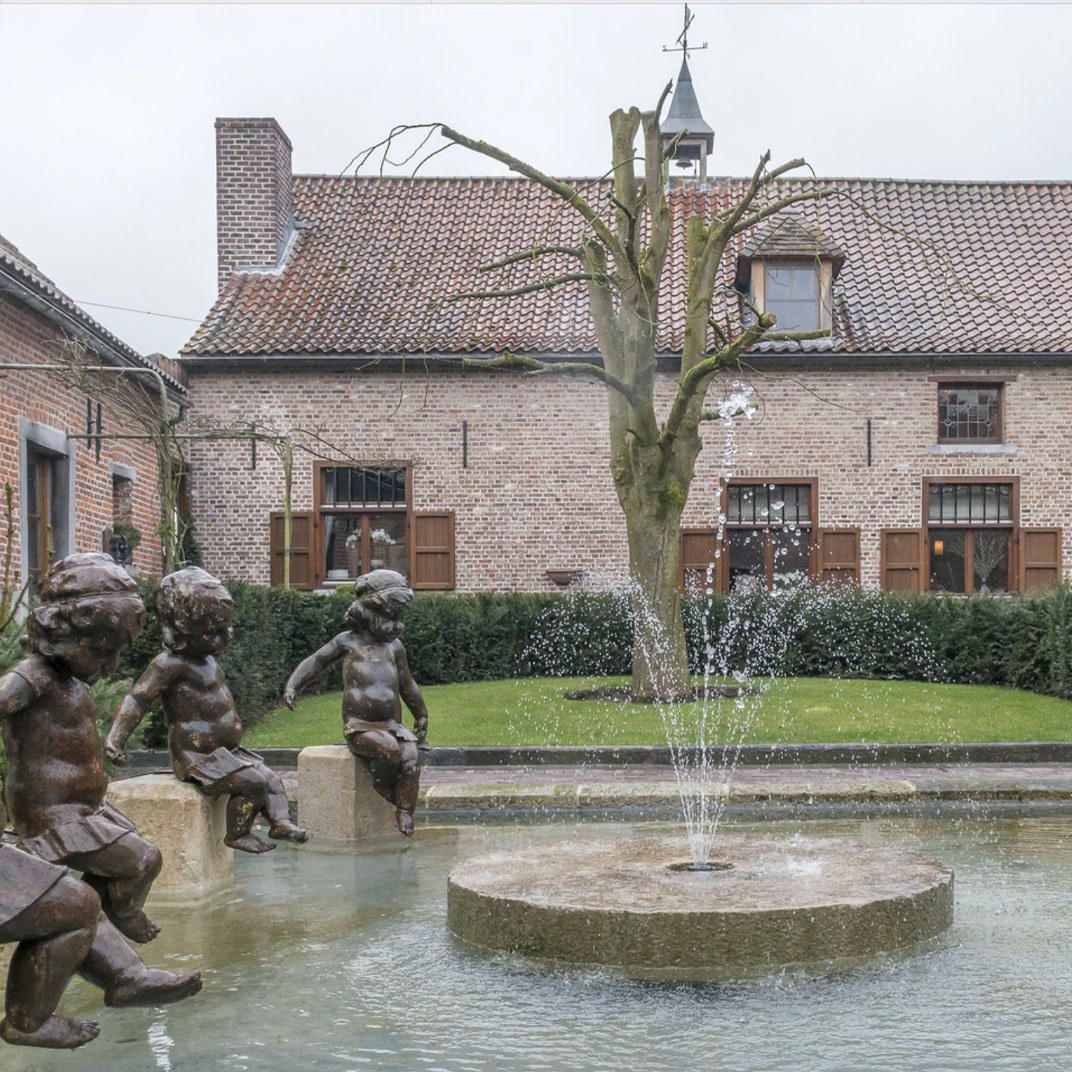
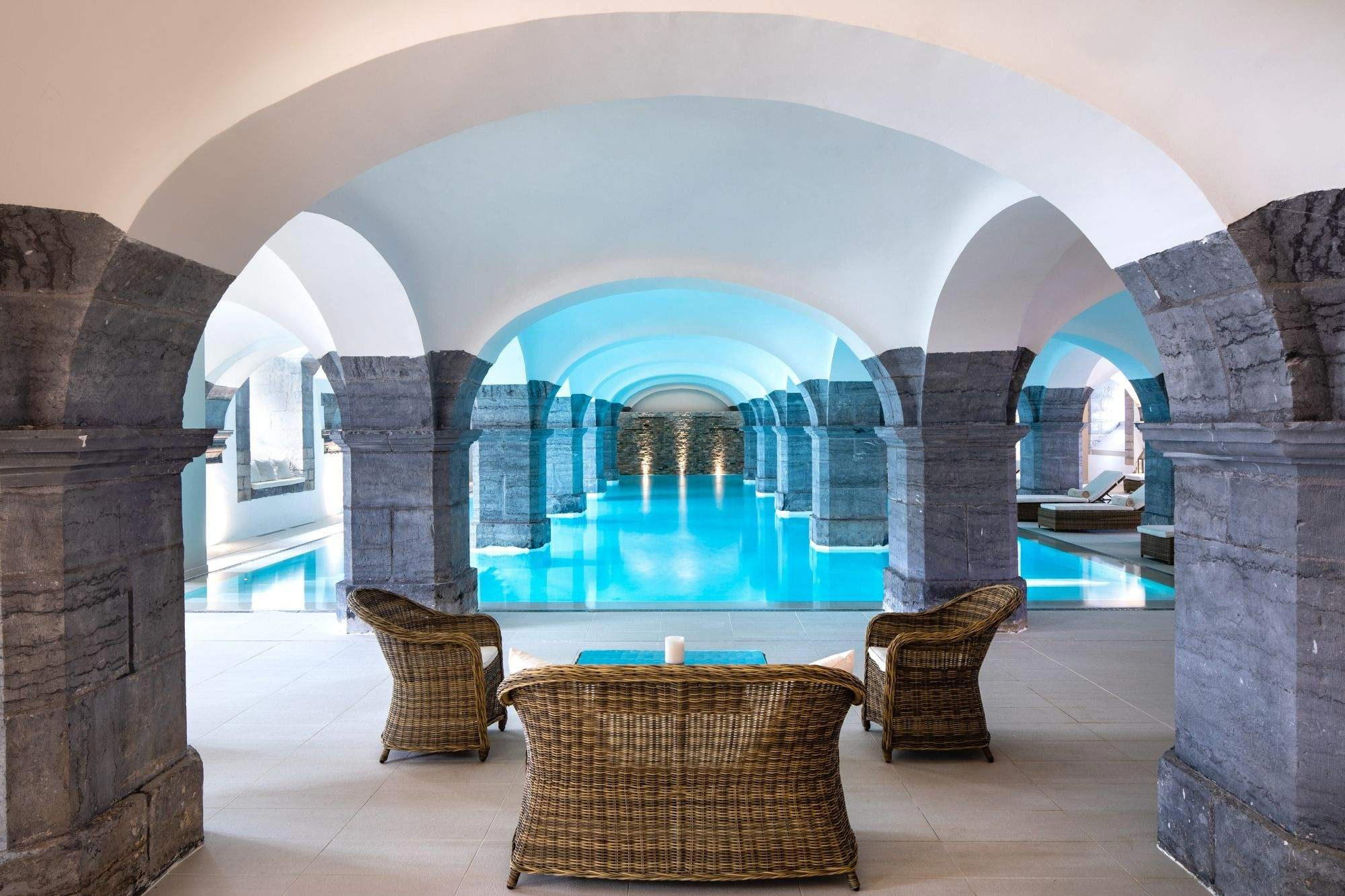
Wineries in Ath
Browse all →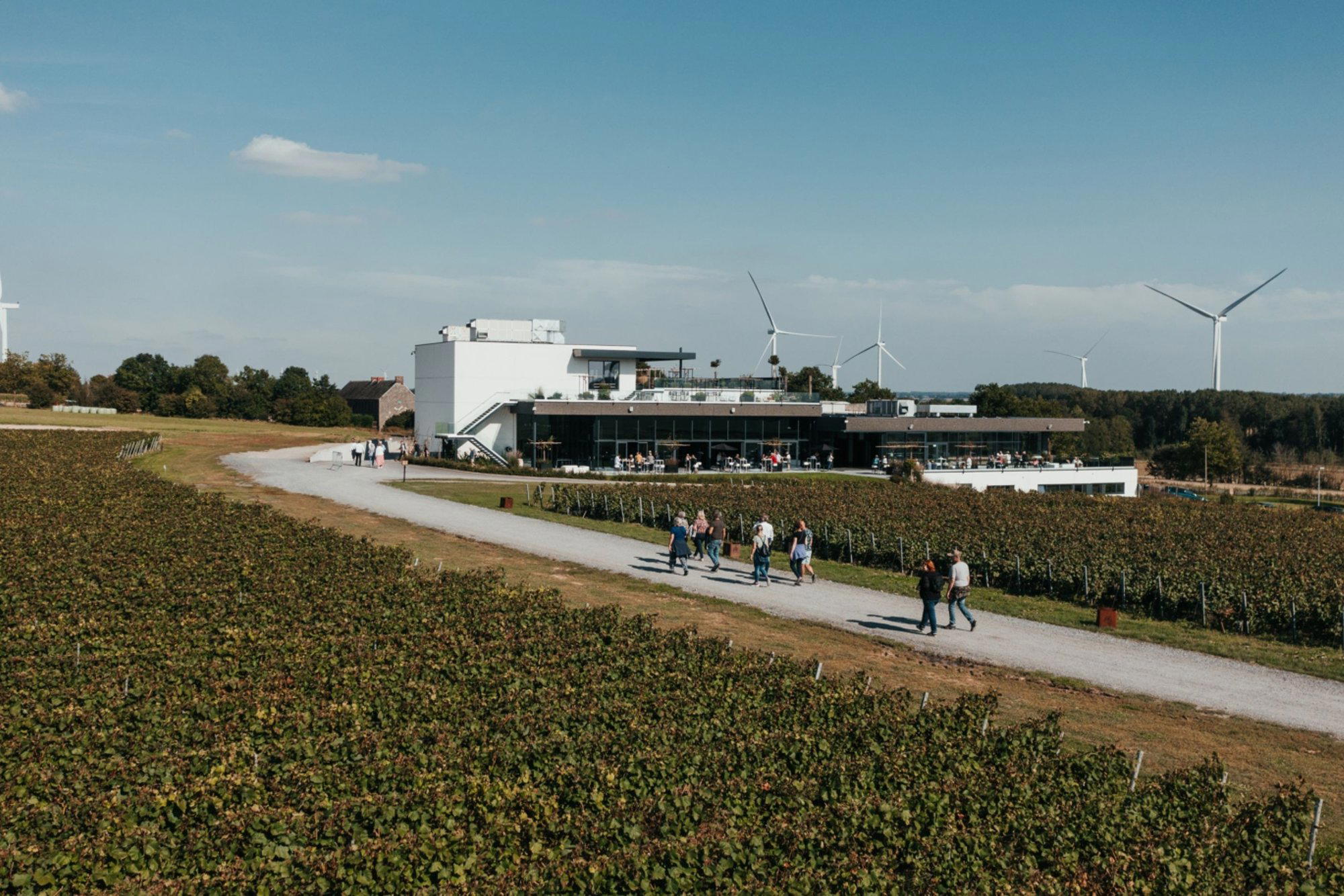
Details
- Elegant
- Sophisticated
- Modern
- Date Night
- Special Occasion
- Open Kitchen
- Extensive Wine List
- Local Sourcing
- A La Carte
- Vegetarian Friendly
Current opening hours
- Monday
- Closed
- Tuesday
- Closed
- Wednesday
- 12–1 PM, 7–8 PM
- Thursday
- 12–1 PM, 7–8 PM
- Friday
- 12–2 PM, 7–8 PM
- Saturday
- 7–8 PM
- Sunday
- 12–1 PM
Hours can change for holidays and private events. Hours as of .