.png)
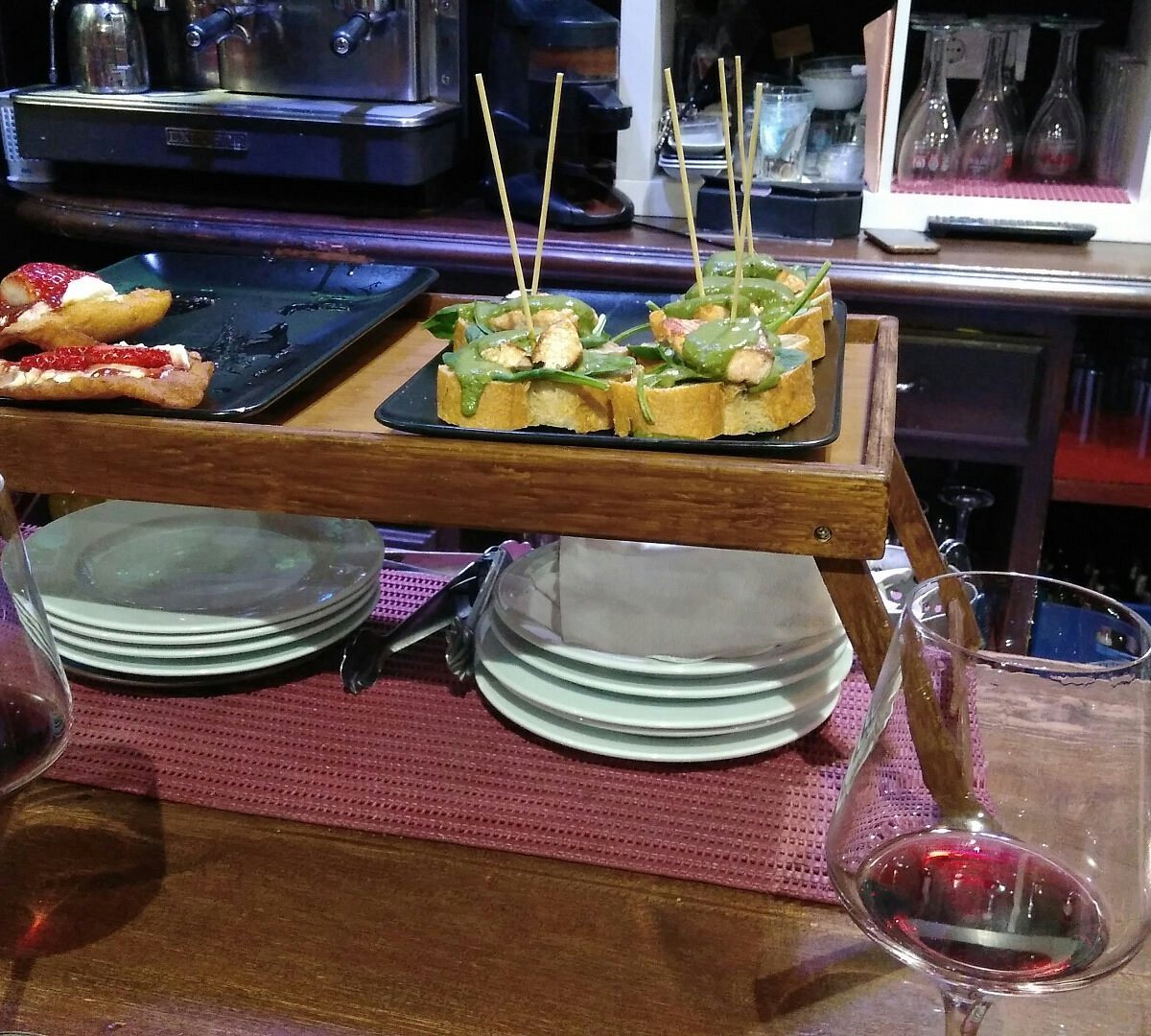
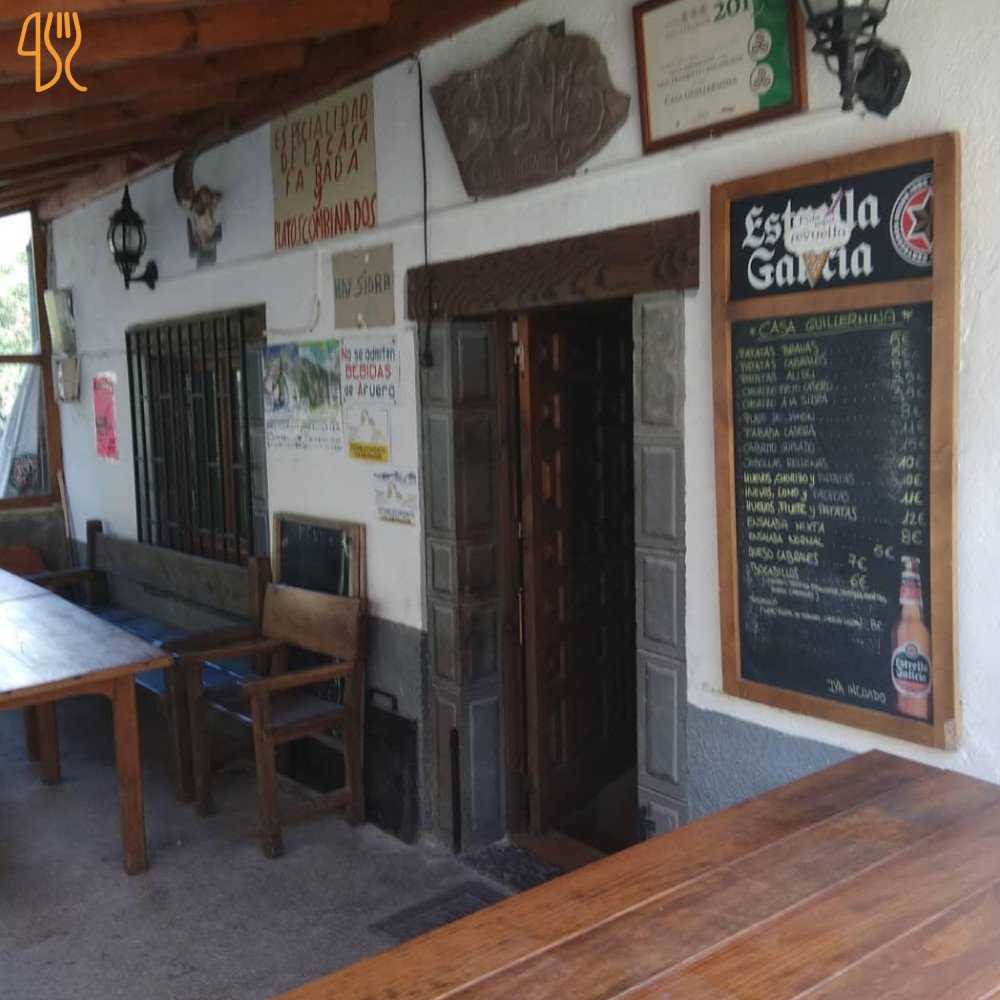
On the porch of El Retiro's property along Carretera Pancar, Le Bistró strips Asturian cooking back to its larder essentials: fabada stew, squid in its own ink, tripe, and pig's trotter. Chef Ricardo González Sotres runs a rustic-ambience counterpoint to the fine-dining room next door, where the cooking is tradition-led but not static, with a mole-braised pitu de caleya chicken that traces the region's deep ties to the Americas.
 Discover on Pearl
Pearl is the En Primeur Club membership app — saves, bookings, and concierge access live there. Same editors, same standards.
A Porch, a Larder, and the Cooking Asturias Actually Eats
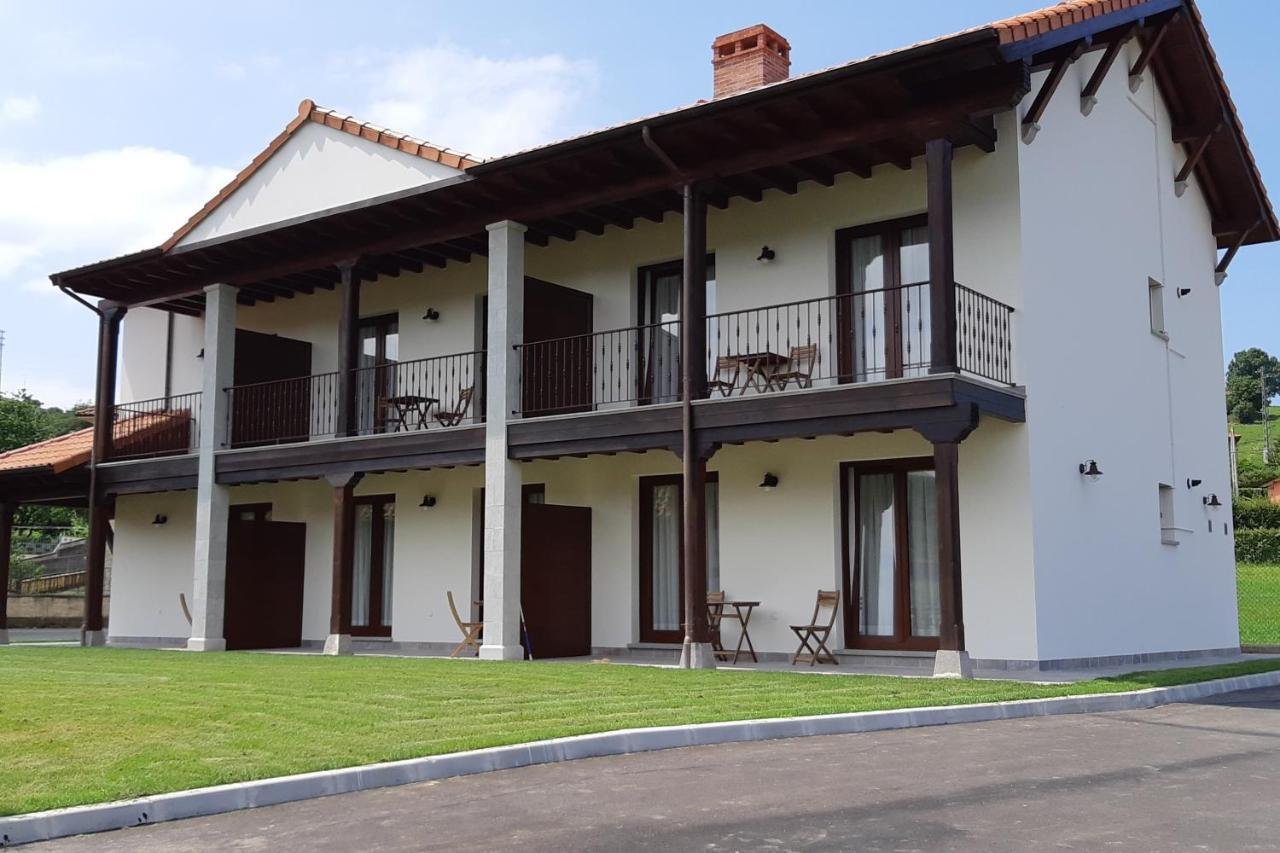
Approaching along Carretera Pancar, the property reads as a country house before it reads as a restaurant. The porch that Le Bistró occupies sits to one side, open enough to feel unhurried, with a rustic material palette that signals something different from the fine-dining room of El Retiro (Spanish, Modern Cuisine) operating under the same roof. The two share a kitchen lineage but not a register: one pitches towards ceremony, the other towards the kind of meal that Asturian households have been eating for generations. That distinction matters because Llanes sits in a part of northern Spain where culinary tradition is not a marketing claim but a daily practice, shaped by mountain pasture, Atlantic coastline, and a food culture that resisted homogenisation long after the rest of the country modernised its tables.
What Asturian Ingredients Actually Mean
The menu at Le Bistró reads as a document of regional sourcing before it reads as a list of dishes. Fabada, the slow-cooked white bean stew built around locally cured chorizo, morcilla, and lacón, is the dish that Asturias exports to the rest of Spain as proof of concept. Squid cooked in its own ink follows a Cantabrian coastline tradition that relies on catch quality: the ink sauce only works when the squid is fresh enough to carry its own brine. Tripe and pig's trotter and snout position the kitchen firmly inside the nose-to-tail tradition that has defined rural Asturian cooking for centuries, where the whole animal was the point rather than a philosophical stance.
That sourcing logic extends to the proteins. Pitu de caleya is a free-range farmyard chicken breed indigenous to Asturias, slower-growing than commercial birds, with a firmer texture and a flavour profile that holds up to long, braised cooking. The breed is protected under a Denomination of Origin framework, which means the bird on the plate has to meet origin and rearing criteria before it earns the name. Chef Ricardo González Sotres, who holds award recognition and runs the kitchen across both the bistro and El Retiro, applies a mole sauce to the braised pitu de caleya, a preparation that directly references the history of Asturian emigration to Mexico and the return of Indianos, the name given to those who went to the Americas and came back with new flavours. This is not fusion for the sake of novelty. The mole sits on a chicken that is as local as the stew on the table beside it, and the combination explains something specific about how this region absorbed outside influence while staying rooted to its own larder.
Where Le Bistró Sits in the Wider Spanish Dining Picture
Spain's most decorated restaurant tables operate at a considerable remove from what Le Bistró is doing. The progressive kitchens at venues like Arzak in San Sebastián, Azurmendi in Larrabetzu, or El Celler de Can Roca in Girona work within a creative framework that treats regional ingredients as raw material for transformation. So do the more technically aggressive operations at DiverXO in Madrid and Mugaritz in Errenteria. Le Bistró belongs to a different category altogether: the tradition-faithful restaurant where the goal is accuracy rather than reinvention, where a well-made fabada is measured against the Asturian benchmark, not against what a chef in Barcelona might do with the same beans. The mole dish is the one moment where the kitchen reaches outside that framework, and it does so with historical grounding rather than creative restlessness.
Within Llanes itself, the dining offer covers a range of registers. El Bálamu (Seafood) approaches the Atlantic larder from a different angle, while El Retiro next door represents the town's fine-dining pole. Le Bistró sits between those anchors as the place where the local culinary argument is made most plainly. For anyone building a wider picture of eating in the area, the full Llanes restaurants guide maps the field across price points and styles.
The Rustic Register, Considered
The word rustic gets applied carelessly to restaurants that want the aesthetic without the substance. At Le Bistró, the porch setting and the unpretentious material choices match the cooking's register in a way that is consistent rather than decorative. A restaurant serving fabada and tripe in a formally dressed room would be making a different argument. The ambience here reinforces the point the kitchen is making: that Asturian food is worth eating on its own terms, without elevation into something it was never designed to be. The approach aligns with what the leading tradition-led kitchens in Spain have always understood, that restraint in the dining room is as much a statement as restraint on the plate.
For those planning a longer stay in the region, the full Llanes hotels guide covers accommodation options across the area, and the Llanes bars guide charts the drinking side of the town's hospitality. Sidra, the local cider poured from height in the traditional Asturian style, is the natural companion to this kind of cooking and widely available across town. Winery options in the broader region are documented in the Llanes wineries guide, and cultural programming and activities in the Llanes experiences guide.
Planning Your Visit
Le Bistró is located on Carretera Pancar, on the porch level of the El Retiro property, outside the centre of Llanes. Given that the restaurant shares a building with an award-holding fine-dining operation and that Chef González Sotres's kitchen draws visitors with specific intent, booking ahead is advisable, particularly in summer when the Asturian coast attracts significant domestic and international traffic. Specific hours, current pricing, and reservation contact details are not confirmed in this record; checking directly with the venue before planning around a meal here is the sensible approach. The physical setting on a country property means a car or taxi is the practical option rather than walking from the town centre.
Comparable Spots, Quickly
These are the closest comparables we have in our database for quick context.
| Venue | Cuisine | Price | Awards | Notes |
|---|---|---|---|---|
| Le Bistró | Asturian “fabada” stew, squid cooked in its own ink, tripe, pig’s trotter and sn… | This venue | ||
| Aponiente | Progressive - Seafood, Creative | €€€€ | Michelin 3 Star | Progressive - Seafood, Creative, €€€€ |
| Arzak | Modern Basque, Creative | €€€€ | Michelin 3 Star | Modern Basque, Creative, €€€€ |
| Azurmendi | Progressive, Creative | €€€€ | Michelin 3 Star | Progressive, Creative, €€€€ |
| Cocina Hermanos Torres | Creative | €€€€ | Michelin 3 Star | Creative, €€€€ |
| DiverXO | Progressive - Asian, Creative | €€€€ | Michelin 3 Star | Progressive - Asian, Creative, €€€€ |
At a Glance
- Rustic
- Cozy
- Classic
- Casual Hangout
- Standalone
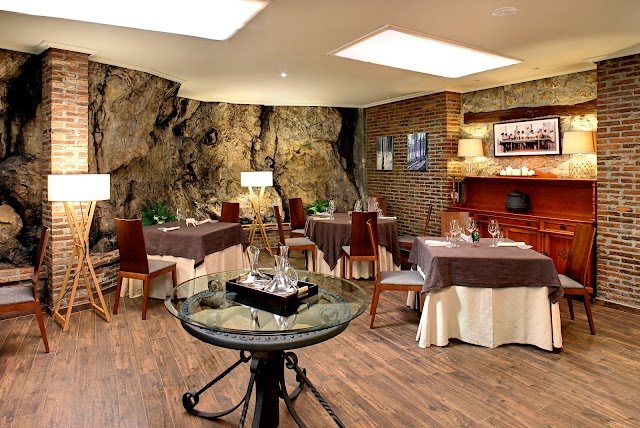
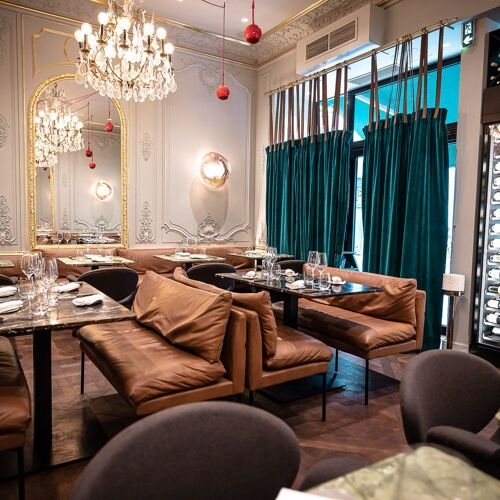
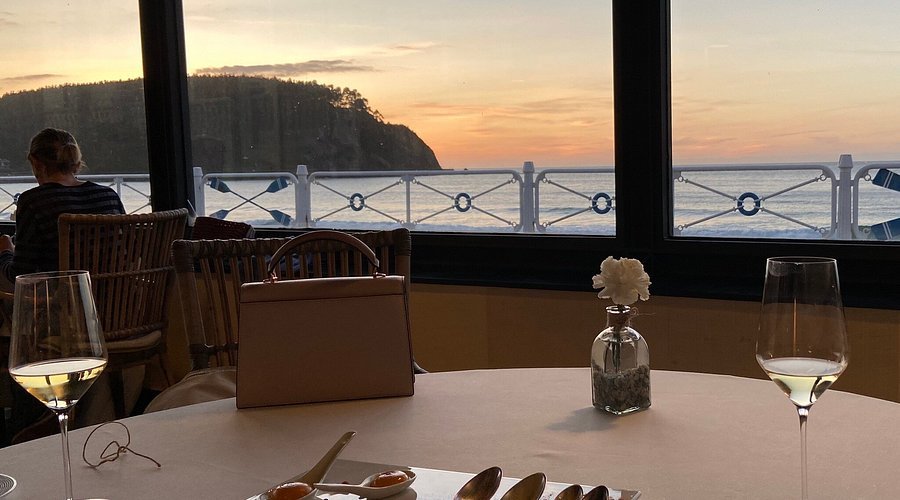
Charming rustic ambience on the porch of a property shared with a fine-dining restaurant, relaxed and friendly atmosphere.