Le Banc de sable
A surf camp with beds, dining, and board lessons
Pearl is the En Primeur Club membership app — saves, bookings, and concierge access live there. Same editors, same standards.
- Address
- 769 Av. du Dr Joussemet, 85560 Longeville-sur-Mer, France
- Phone
- +33251960751
- Website
- lebancdesable.com
 Saves & bookings on Pearl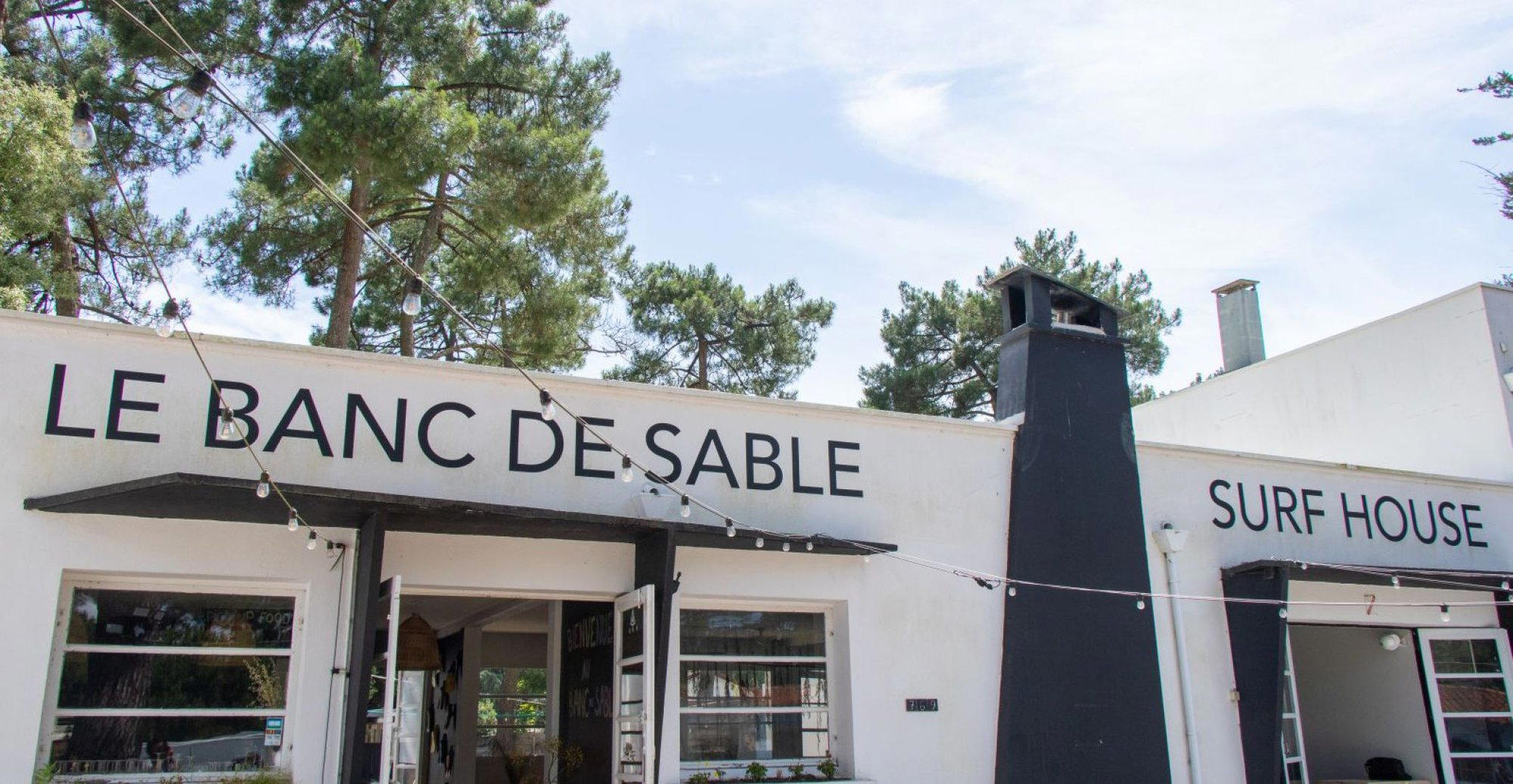
Sand, Salt, and the Atlantic Table
The Vendée coastline around Longeville-sur-Mer operates on different rhythms from France's more celebrated culinary corridors. Here, the Atlantic drives everything: what gets caught, what gets grown in the maritime soil, and how dining rooms fill and empty with the tides of the summer season. Le Banc de sable is a French Surf House Bistro in Longeville-sur-Mer. Le Banc de sable sits at 769 Avenue du Dr Joussemet in a stretch of coast where the dunes run long, the pine forests back the beach towns, and sourcing decisions are made by proximity rather than prestige. In that context, the name itself is a statement of intent, a sandbank, the kind of feature that shapes where fish congregate and where fishermen set their lines.
The Vendée is not a region that tends to appear in the same breath as Alléno Paris au Pavillon Ledoyen or Mirazur in Menton. It lacks the glamour circuits of the Côte d'Azur and the institutional weight of Alsatian dining culture, represented by addresses like Auberge de l'Ill in Illhaeusern or Au Crocodile in Strasbourg. What it has instead is one of France's most productive fishing zones, shellfish beds that supply Paris brasseries, and a regional produce calendar that peaks hard in July and August. Dining here is not about chasing award ceremonies; it is about being in the right geography at the right time of year.
Ingredient Geography: The Vendée Larder
Logic of coastal French cooking at this latitude starts with what the Atlantic shelf delivers. The waters off the Pays de la Loire are cold enough to produce firm-fleshed fish and briny oysters, warm enough in summer to make the shoreline dining experience worth the detour from inland cities. The Vendée's clams, mussels, and bar de ligne (line-caught sea bass) are not marketing language, they are the result of specific tidal conditions and water temperatures that differ from the Mediterranean shellfish terroir explored at a place like AM par Alexandre Mazzia in Marseille. Atlantic and Mediterranean seafood traditions represent genuinely distinct ingredient stories, and Longeville-sur-Mer sits firmly in the Atlantic chapter.
France's most ingredient-driven restaurants, Bras in Laguiole with its gargouillou of regional herbs, or La Marine in Noirmoutier-en-l'île, which sits on an island barely twenty kilometres from Longeville-sur-Mer and has built a celebrated reputation around the hyper-local produce of that micro-territory, demonstrate how tight geography and disciplined sourcing can carry a dining concept further than technique alone. Noirmoutier's primeur potatoes and the Vendée's Atlantic catch represent a broader regional argument: that this stretch of the French Atlantic coast has a coherent ingredient identity worth paying attention to, even without the headline-grabbing acclaim of the Michelin trail.
For a restaurant named after the sandbanks that define local marine geography, the expectation is that the plate should reflect the water's edge. That is the implicit contract in coastal Vendée dining, and it is what distinguishes this area's better tables from generic beachside operations.
The Longeville Scene and Where This Fits
Longeville-sur-Mer is a small commune of around 2,000 permanent residents that swells dramatically in summer, when the long beach known as La Terrière and the surrounding dune terrain pull families and holiday visitors from Nantes, Paris, and beyond. The dining scene is calibrated to that seasonal reality. The most serious restaurants here operate within a compressed window, roughly late June through early September, and source decisions are necessarily influenced by what the local market and direct fishing relationships can deliver in that period. This is a materially different operating model from year-round urban restaurants like Assiette Champenoise in Reims or Christopher Coutanceau in La Rochelle, where the kitchen has access to supply chains twelve months a year.
That seasonal compression is not a weakness. In the Vendée, it focuses the kitchen on what is genuinely at its peak rather than what can be coaxed into availability. The Atlantic seabream, the local moules de bouchot, the grey shrimp from nearby estuaries, these ingredients have hard seasons, and a restaurant that times its operation to align with those peaks is making an editorial choice about quality. For the visitor planning around a summer stay on this coast, that alignment matters.
Atlantic Coast Dining: The Wider Frame
The French Atlantic coast has a less organized prestige infrastructure than regions like Burgundy, Alsace, or the Riviera. There is no single narrative or dominant style the way Troisgros has shaped the Loire valley's reputation over generations, as seen at Troisgros - Le Bois sans Feuilles in Ouches. The Vendée operates outside that particular gravity. What it offers instead is a less mediated relationship between producer and plate. The fishing boats are close. The oyster parks are visible from the road. The vegetable farms that supply the summer tables are in the same département. This directness is the Vendée's version of provenance storytelling, and it is more legible here than in cities where ingredient sourcing is an abstraction narrated on a menu card.
Comparisons to the refined seafood traditions of Paul Bocuse - L'Auberge du Pont de Collonges or the pastoral depth of Georges Blanc in Vonnas are instructive mainly to show how different the Vendée proposition is, less institutionalised, more dependent on the specific summer moment, and more directly connected to the tidal economy of a working fishing coast. For readers who have followed the Provençal route through L'Oustau de Baumanière in Les Baux, the Vendée registers as a deliberate change of register: plainer, saltier, more tied to the rhythms of a specific coastline. Those who have encountered the oceanic precision of Le Bernardin in New York City or the ingredient-forward discipline of Atomix will recognize the underlying logic, that geography is the first ingredient, even if the execution and ambition sit at very different registers. The same thread runs through Auberge du Vieux Puits in Fontjoncouse, where remote southern French terroir similarly drives the kitchen's decisions. And Flocons de Sel in Megève makes the same argument for alpine ingredient geography that Le Banc de sable implies for the Atlantic dune coast.
Planning a Visit
Longeville-sur-Mer is accessible by car from Nantes in under ninety minutes, and from La Rochelle in roughly forty-five minutes, making it a realistic detour for travellers already on the Atlantic coast. The summer peak runs from July through mid-August, when the town's restaurants operate at full capacity and booking ahead is the sensible approach for any table worth sitting at. Le Banc de sable is located at 769 Avenue du Dr Joussemet, within the commune's main approach road.
Side-by-Side Snapshot
Comparable venues nearby, for context on price, style, and recognition.
| Venue | Cuisine | Price | Awards | Notes |
|---|---|---|---|---|
| Le Banc de sableThis venue — the venue you are viewing | French Surf House Bistro | $$ | , | |
| Le Balaou | French Bistronomic Seafood | $$ | , | La Couarde-sur-Mer |
| La Pancarte - Crêperie face à la mer | Traditional French Crêperie | $$ | , | quartier des présidents |
| Le Cap Nell | French Seafood Bistro | $$ | , | Port |
| Saturne | Modern French with Nordic Influences | $$$ | , | 2nd Arrondissement |
| Bistro Melon | French Bistro | $$ | Copernic |
Continue exploring
More in Longeville Sur Mer
Restaurants in Longeville Sur Mer
Browse all →
At a Glance
- Lively
- Cozy
- Rustic
- Family
- Casual Hangout
- Celebration
- Terrace
- Garden
- Open Kitchen
- Beer Program
- Local Sourcing
- Organic
- Garden
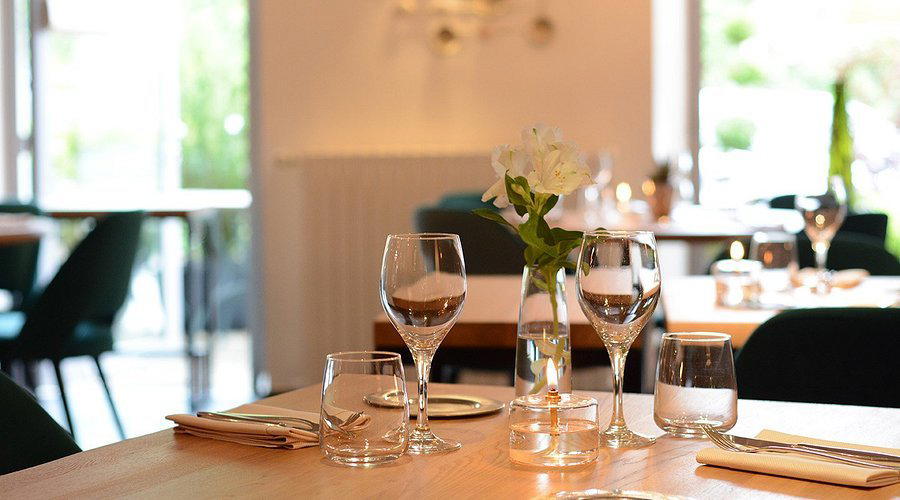
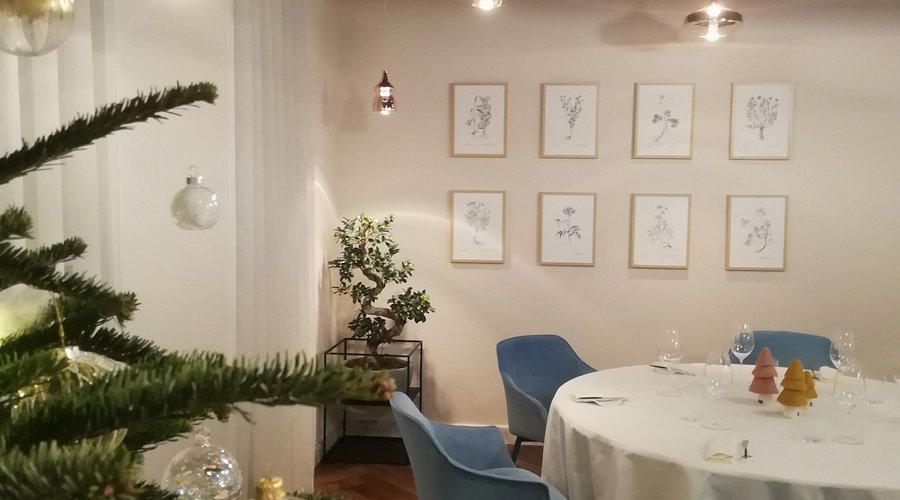
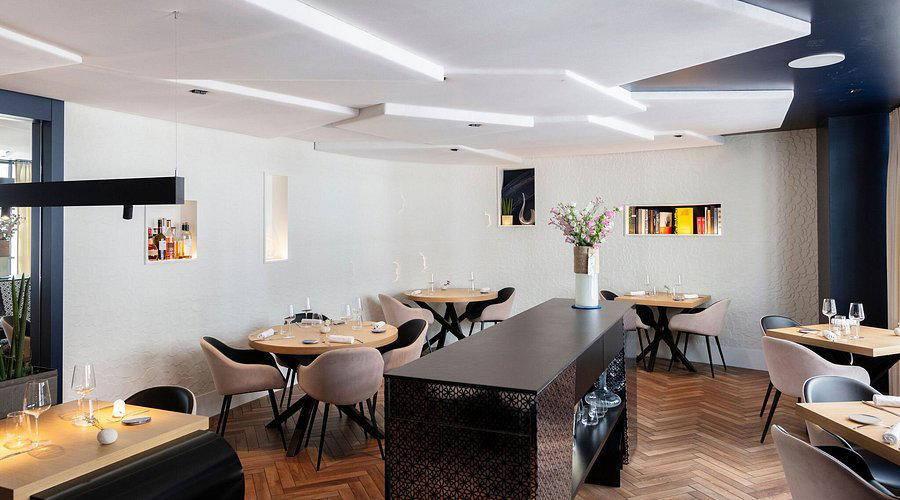
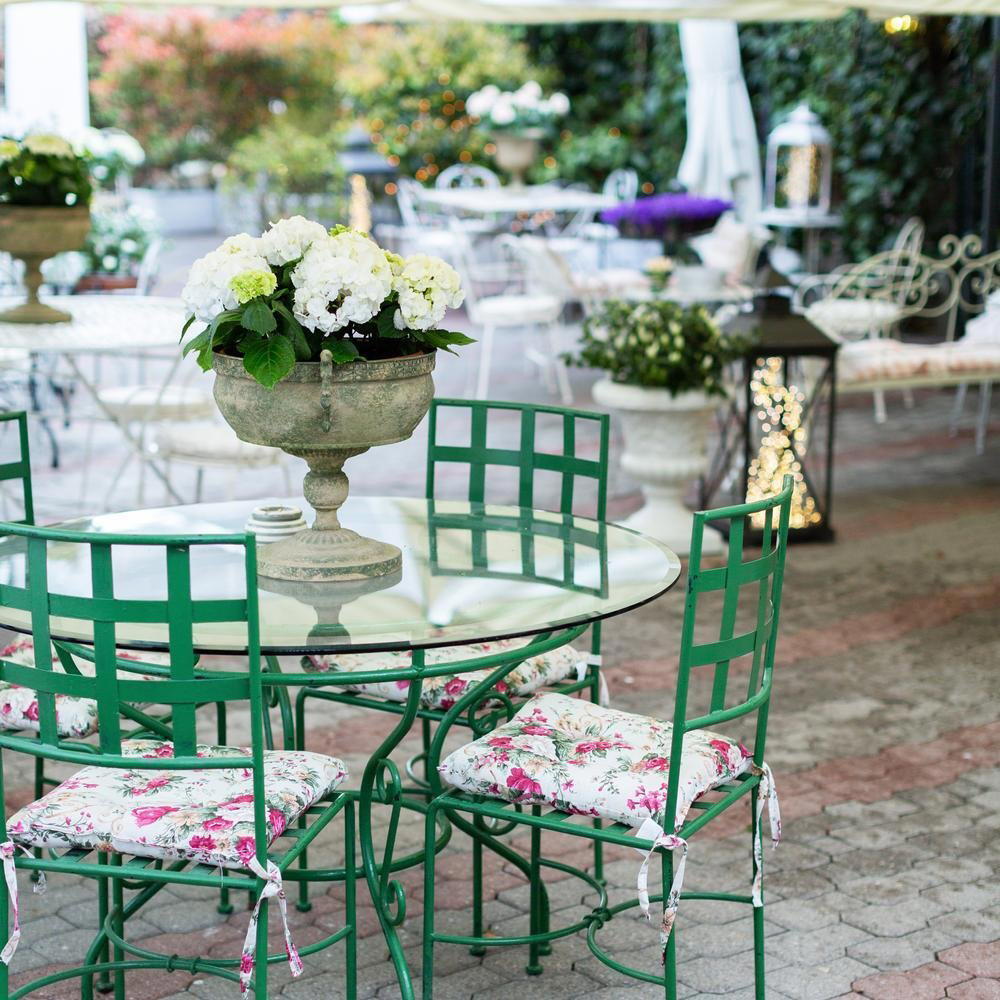
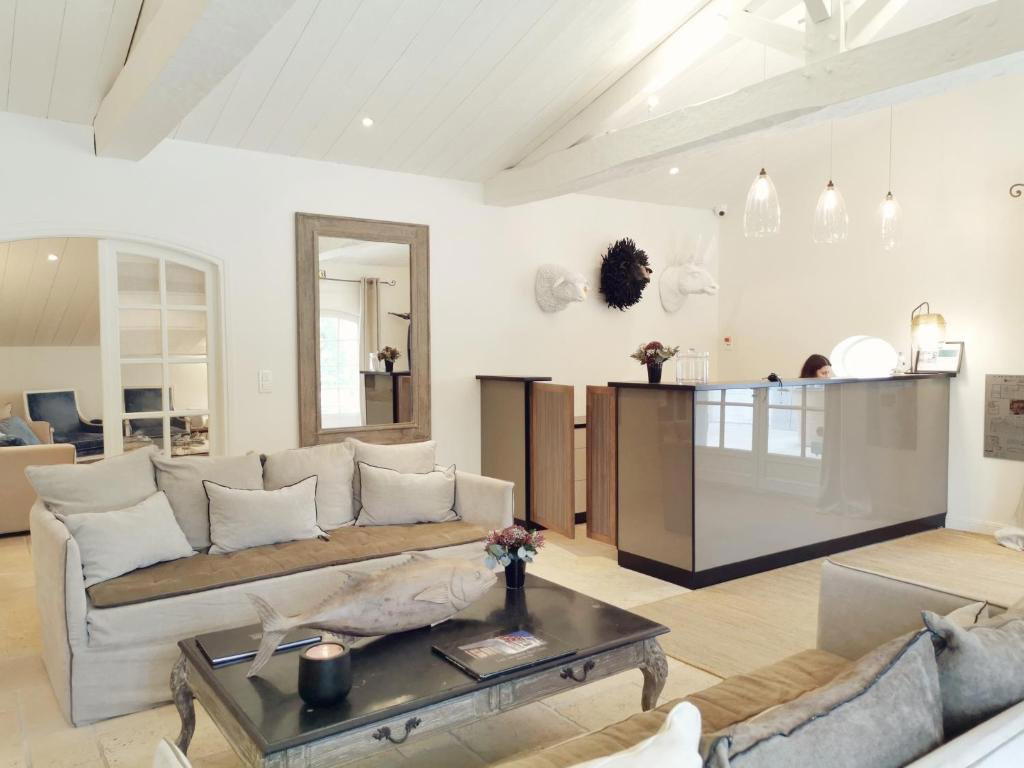
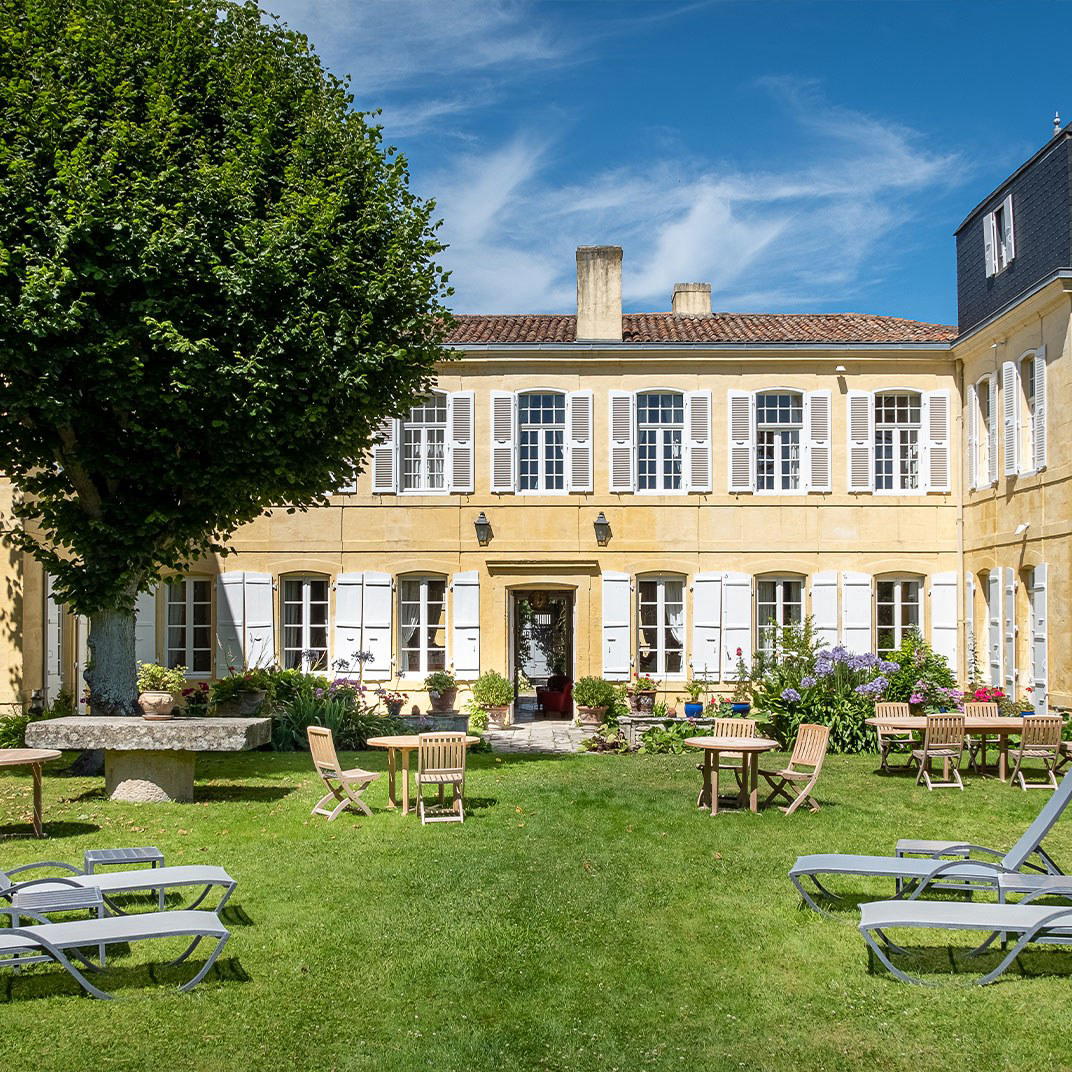
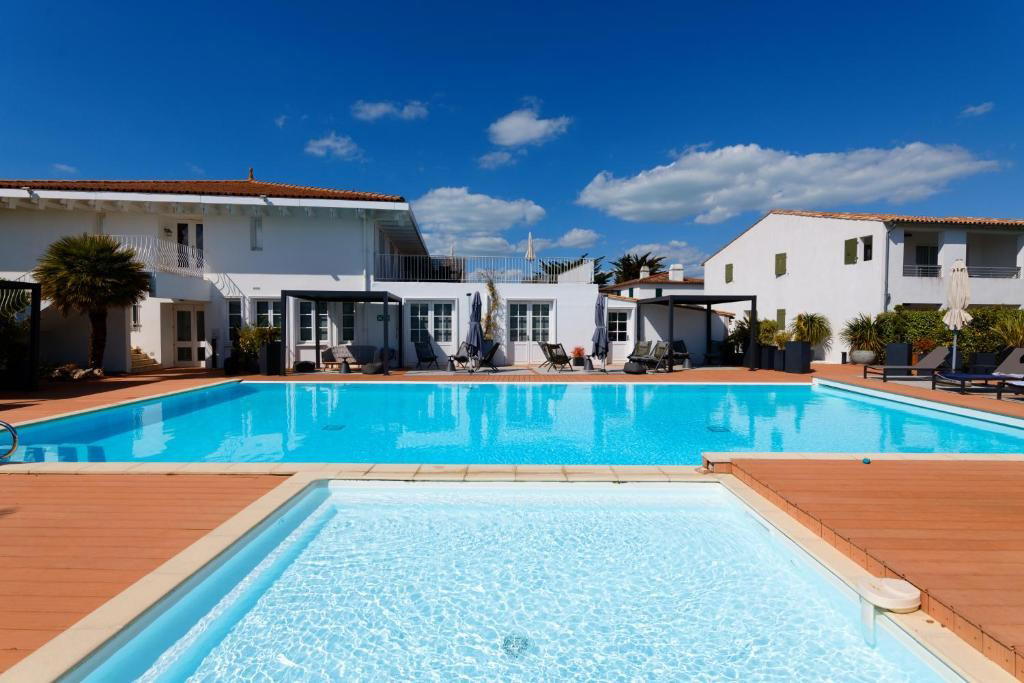
Relaxed surf and nature vibe with shaded terrace, garden, and festive evenings featuring music and drinks.