Alice, le bistrot - Le Manoir de la Mortière

Michelin Bib Gourmand
Our verdict
Alice, le bistrot occupies the grounds of Le Manoir de la Mortière in Les Sables-d'Olonne, holding a 2025 Michelin Plate for traditional French cooking at accessible mid-range prices. The bistro format positions it within a small tier of locally recognised addresses that prioritise honest regional cooking over theatrical presentation.

Pearl is the En Primeur Club membership app — saves, bookings, and concierge access live there. Same editors, same standards.
- Address
- 1 Rue Eugène Nauleau, 85340 Les Sables-d'Olonne, France
- Phone
- +33 2 51 23 17 91
- Hours
- Mon–Tue ClosedWed–Sat 12:15–2 PM, 7:15–9:30 PMSun 12:15–2 PM
- Website
- lemanoirdelamortiere.com
- Directions
- Get directions
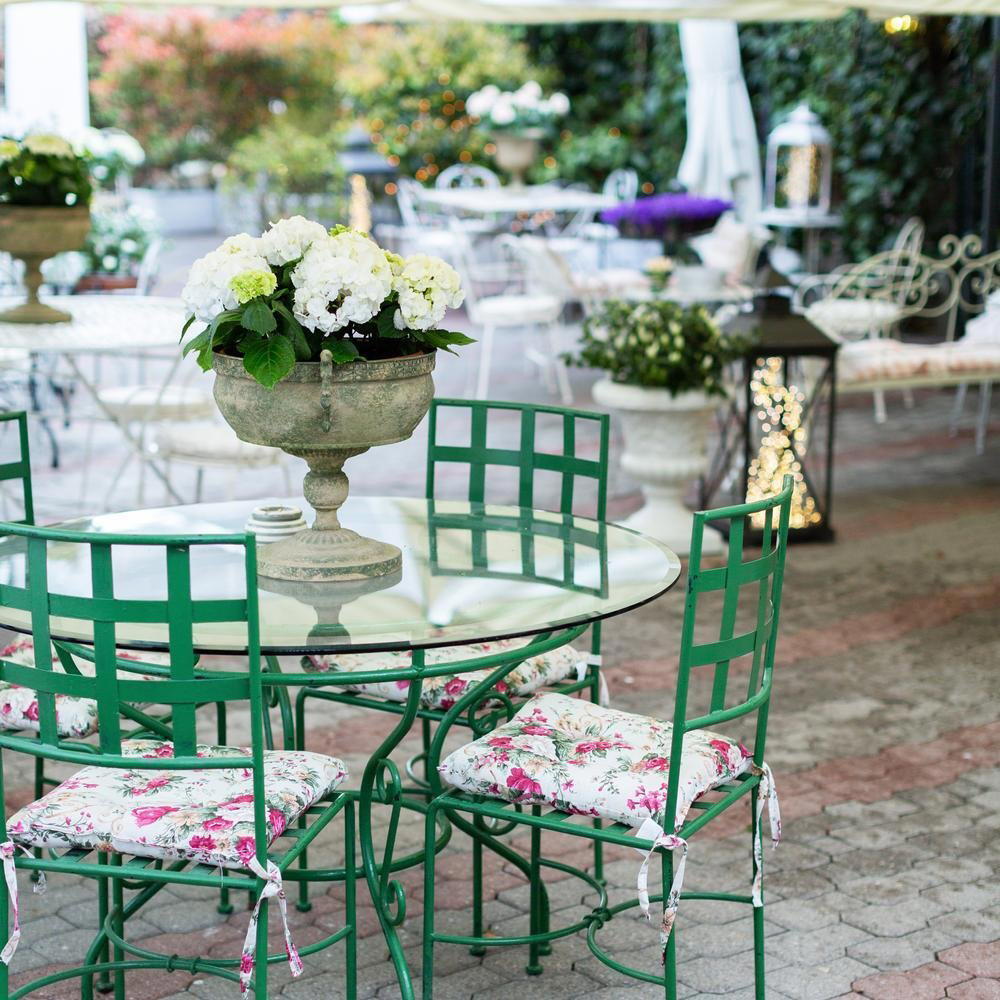
The menu
What to order
- Poached egg in red wine sauce
- Chocolate flan
- Strawberry cheesecake
A Manor Setting, a Bistro Sensibility
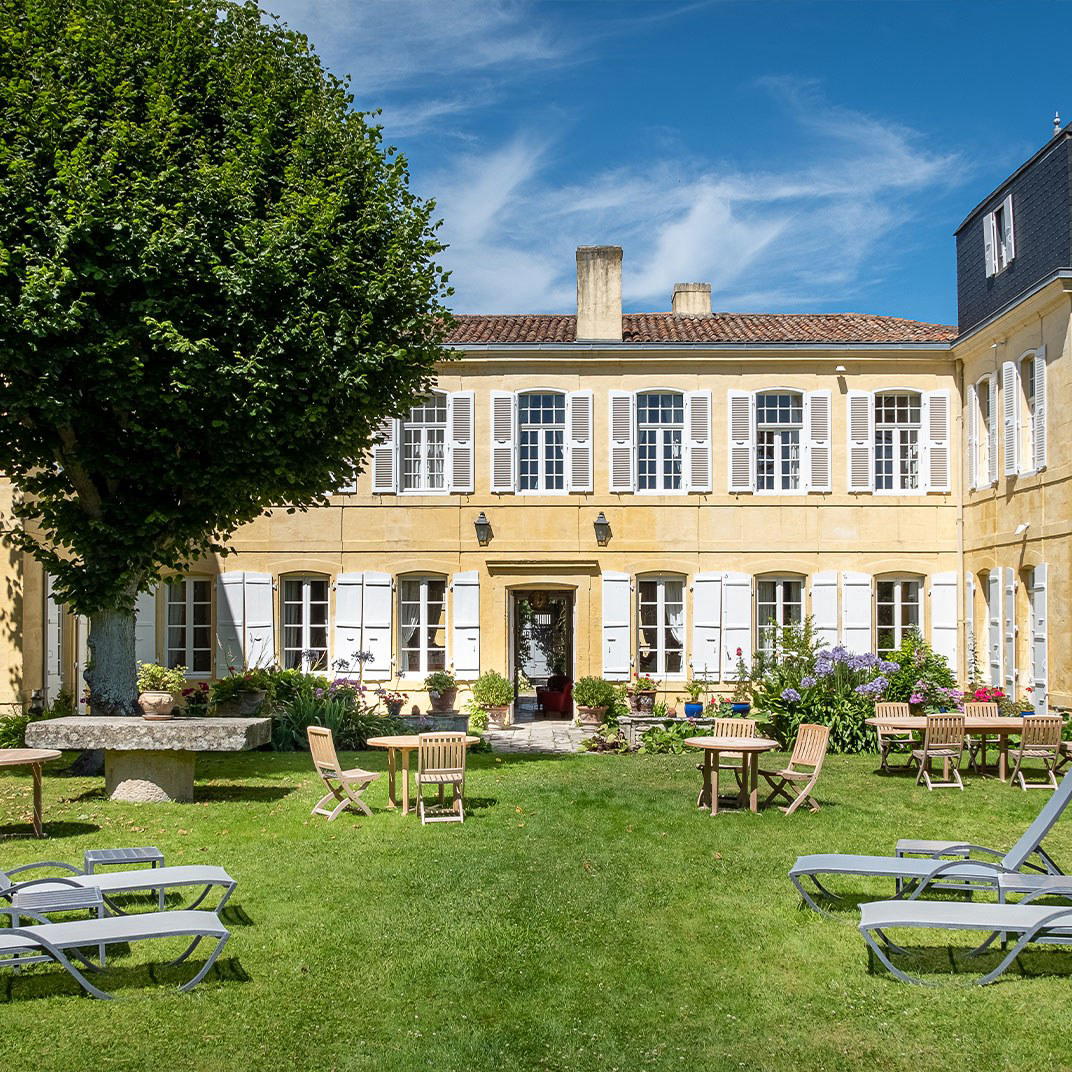
The Vendée coast has a particular relationship with restraint. Its leading tables tend not to announce themselves loudly, and the road to Le Manoir de la Mortière on Rue Eugène Nauleau reflects that pattern. The manor grounds establish a certain register before you reach the dining room: something between rural formality and relaxed country hospitality, the kind of setting that France has preserved almost nowhere else as naturally as in the Loire-Atlantique and Vendée departments. Alice, le bistrot operates within that frame, choosing a bistro format that keeps expectations honest and the experience grounded in the region's actual produce rather than its prestige associations.
That choice matters more than it might first appear. In a coastal town like Les Sables-d'Olonne, where the temptation is always to lead with the Atlantic and fill plates with whatever swam in that morning, a kitchen that commits to traditional cuisine as a declared position is making an argument about where value lies. The argument here is that the land and the sea together, treated without unnecessary elaboration, produce cooking worth returning to.
What the Vendée Coastline Puts on the Plate
The Vendée sits at an intersection that few French regions can claim with equal legitimacy: productive marshland, a long Atlantic coastline, and an agricultural interior that has been feeding western France for centuries. The Marais Poitevin to the south produces eel, freshwater fish, and dairy that travels almost no distance to reach kitchen tables in this part of the country. The bay around Les Sables-d'Olonne contributes shellfish, line-caught fish, and the kind of seasonal rhythm that makes a menu here genuinely different in March from what it is in July.
Traditional French cuisine, at its most coherent, is the codification of exactly this kind of local supply chain. The techniques are classical, but the ingredient logic is radically local. Provençal kitchens do not cook like Norman ones, and neither cooks like a Vendée table should. The regional expressions that carry weight, from Auberge de l'Ill in Illhaeusern in Alsace to Bras in Laguiole in the Aubrac, share a commitment to place-specific sourcing that elevates the category far beyond its price tier. Alice, le bistrot operates in that same tradition at a more accessible register, and the €€ pricing reflects a conscious choice to keep the food within reach of local diners rather than pitch exclusively to seasonal visitors.
For context on how other coastal and regionally rooted kitchens across France approach this question, Mirazur in Menton and Flocons de Sel in Megève represent the summit of terroir-led cooking at a very different price point. At the other end of the ambition spectrum, Auberge Grand'Maison in Mûr-de-Bretagne, also recognised for traditional cuisine, offers a useful regional comparison for how manor-adjacent bistro formats can sustain Michelin recognition through consistency rather than spectacle.
The Local Tier in Les Sables-d'Olonne
Les Sables-d'Olonne does not lack for dining options across different price points and formats. The local restaurant scene has developed a reasonably clear tiering over recent years. L'Abissiou holds a Michelin star and operates at the €€€€ level, positioning itself as the town's most formally ambitious address. Below that sit several mid-range addresses where the quality-to-price ratio becomes more interesting for visitors planning more than one dinner: La Cotriade focuses on seafood at a similar price point, Bistro'Quai covers traditional bistro ground, and L'Estran works in modern cuisine at the €€ level. La Cuisine de Bertrand adds another local reference point for those building a fuller picture of the town's dining character.
Alice, le bistrot sits within the mid-range tier but differentiates through its setting and its Michelin recognition. A Michelin Plate in 2025 is not a star, but it is a meaningful credential: it signals that Michelin's inspectors found the cooking worth noting, that the kitchen is cooking with some care, and that the experience clears a minimum bar of quality and consistency. In a coastal town where tourist-season volume can flatten kitchen standards, that signal carries weight. For the broader Les Sables-d'Olonne dining picture, the [full restaurant guide]() covers the complete current ranking.
Why the Bistro Format Is the Right Lens Here
France's relationship with its bistro tradition is complicated by nostalgia and commercial pressure in equal measure. In Paris, the form has been both fetishised and diluted. Outside the capital, particularly in towns that have maintained a working relationship with local producers, the bistro can still mean what it historically meant: accessible prices, seasonal cooking, and an absence of performance. The format functions leading when it is honest about its ambitions, which is to say, when it does not pretend to be a restaurant of a different tier.
At Le Manoir de la Mortière, the setting adds a register that most urban bistros cannot access. A manor property in the Vendée countryside carries its own authority without requiring the kitchen to overreach. The tension between formal surroundings and a deliberately approachable format is productive in the French tradition: think of how Troisgros - Le Bois sans Feuilles in Ouches or Alléno Paris au Pavillon Ledoyen use their physical contexts to establish expectation before food is served. The effect operates at every price tier. A manor bistro that does not oversell itself but delivers consistent traditional cooking at €€ prices is offering something more durable than ambition. And across the Atlantic coast, where similar dynamics play out at Auga in Gijón, that combination of place, tradition, and accessible price continues to represent the better value proposition for informed travellers.
Planning a Visit
Alice, le bistrot is located at 1 Rue Eugène Nauleau in Les Sables-d'Olonne at the €€ price range, making it one of the more accessible Michelin-recognised addresses on the Vendée coast. The manor setting means it sits slightly outside the town centre, which suits it: this is a destination in itself rather than a walk-in bistro. Visitors staying in the area will find the [hotels guide for Les Sables-d'Olonne]() useful for proximity planning. Those building a longer itinerary around the town's food and drink scene can also consult the [bars guide](), the [wineries guide](), and the experiences guide for a fuller picture of what the Vendée coast offers beyond the table.
Frequently asked questions
Is Alice, le bistrot - Le Manoir de la Mortière child-friendly?
The bistro format and €€ price range suggest a relaxed, accessible setting rather than a formal tasting-menu environment, which generally works well for families.
Is Alice, le bistrot - Le Manoir de la Mortière formal or casual?
Alice operates as a bistrot, which in the French tradition signals a deliberately informal register despite the manor house address. The €€ pricing reinforces that positioning: this is a Michelin Plate-recognised address for 2025 that does not require a jacket or a special occasion to justify the visit.
Does Alice, le bistrot - Le Manoir de la Mortière have a Michelin star or similar recognition?
Alice, le bistrot - Le Manoir de la Mortière has received recognition including: Michelin Plate (2025).
What's the signature dish at Alice, le bistrot - Le Manoir de la Mortière?
The kitchen works within the Traditional Cuisine category, which on the Vendée coast typically draws on Atlantic seafood, marshland produce, and regional farming.
Side-by-Side Snapshot
Comparable venues nearby, for context on price, style, and recognition.
| Venue | Cuisine | Price | Awards | Notes |
|---|---|---|---|---|
| Alice, le bistrot - Le Manoir de la MortièreThis venue — the venue you are viewing | Traditional French Bistro | $30–50 | Michelin Bib Gourmand | Not listed |
| La Suite S'il Vous Plaît | Modern French Gastronomique | $50–100 | Michelin Plate | Les Sables-d'Olonne |
| Le Quai des Saveurs | Modern French Gastronomic | $50–100 | Michelin Plate | Les Sables-d'Olonne |
| La Pancarte - Crêperie face à la mer | Traditional French Crêperie | $20–30 | Not listed | quartier des présidents |
| La Cotriade | French Seafood and Fish | $50–100 | Michelin Plate | Port de Pêche |
| L'Estran | Modern French Bistronomic | $50–100 | Michelin Plate | Port |
Recognition history
Dated appearances from independent guides and award organizations, with the underlying list record or original source where available.
Michelin Bib Gourmand
Michelin
Full recognition history (3 entries)
Michelin Plate
Michelin
Michelin Plate
Michelin
Continue exploring
More in Les Sables-d'Olonne
Restaurants in Les Sables-d'Olonne
Browse all →
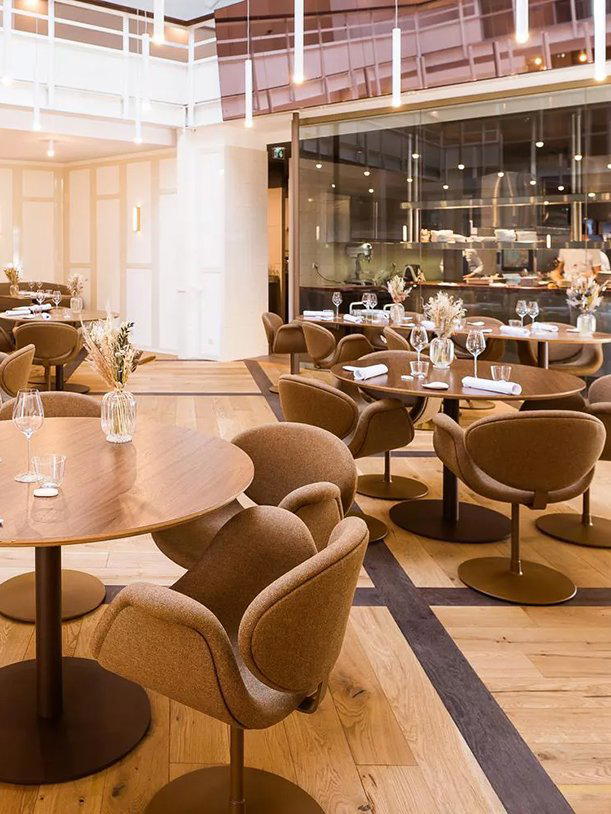
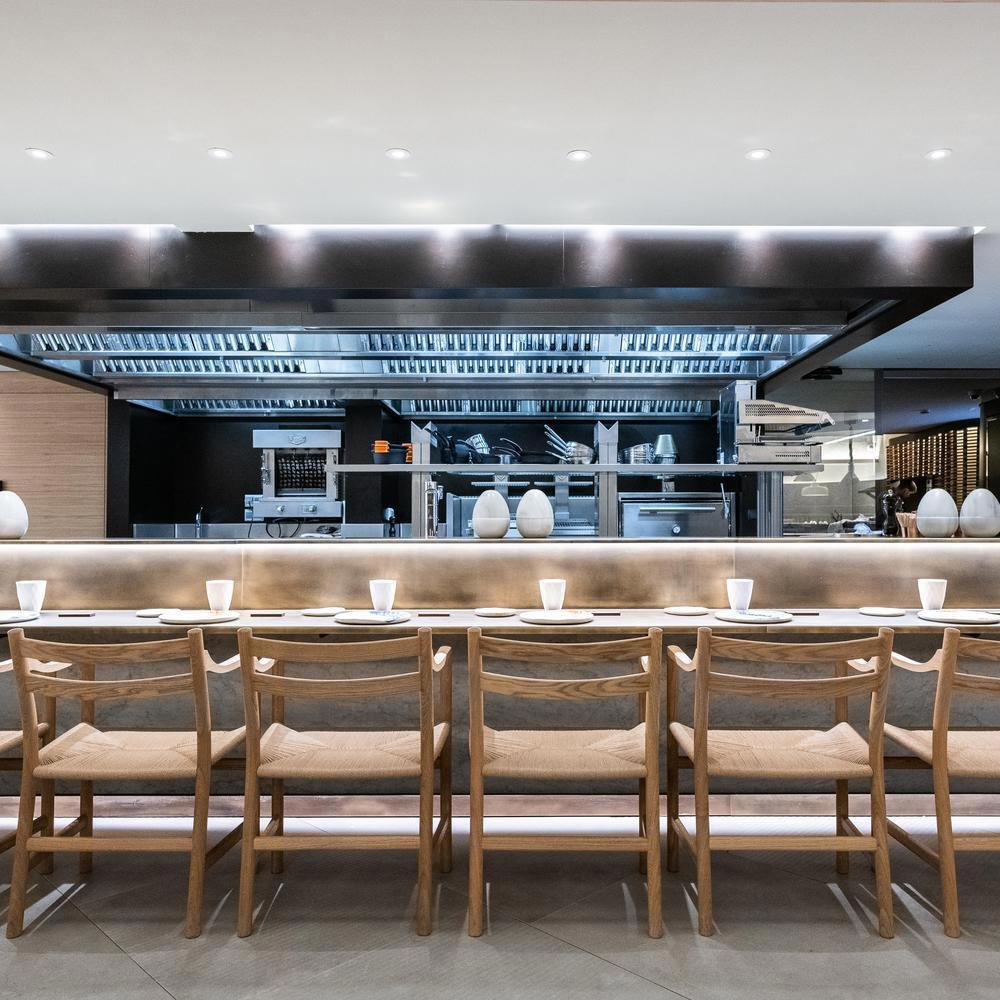
Bars in Les Sables-d'Olonne
Browse all →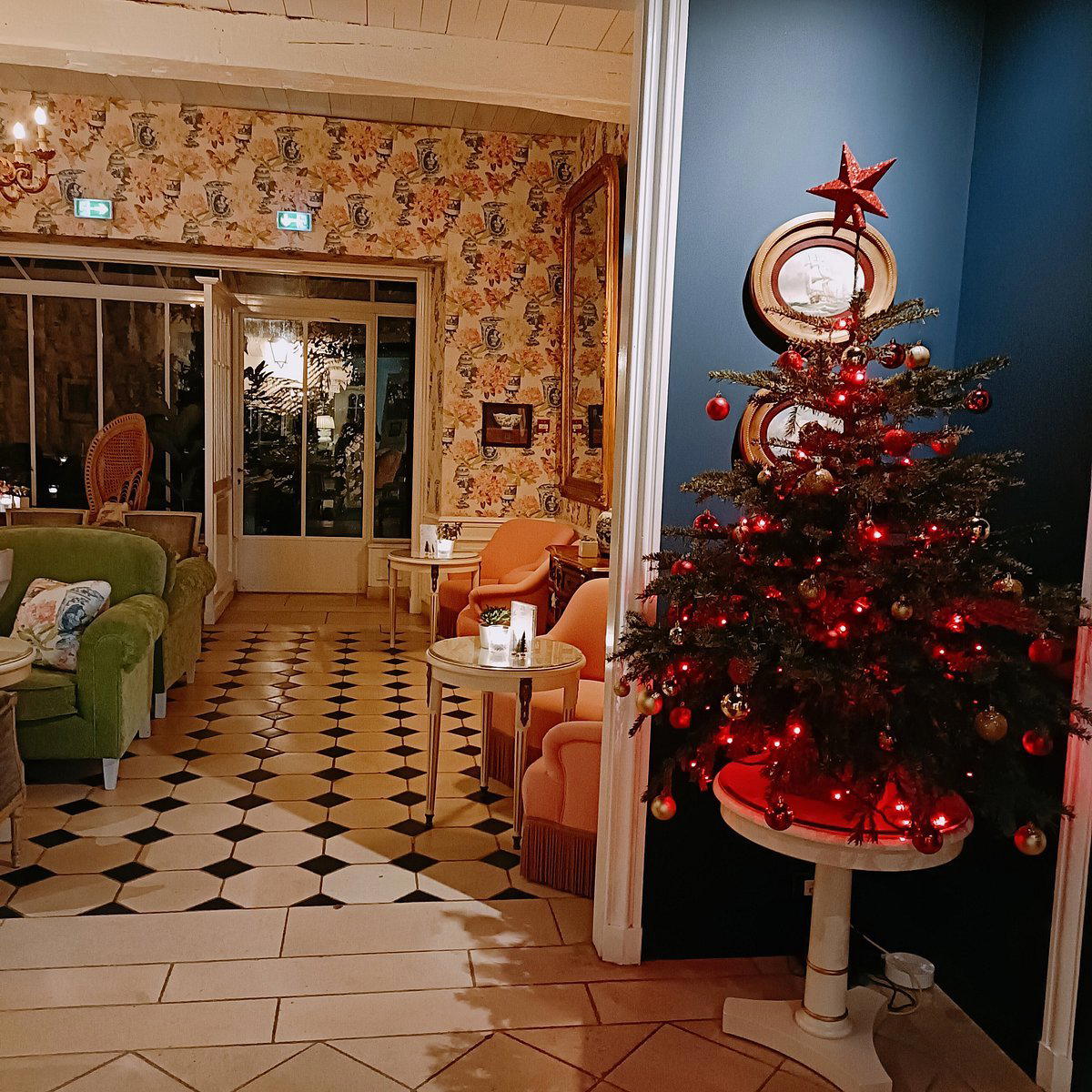
Hotels in Les Sables-d'Olonne
Browse all →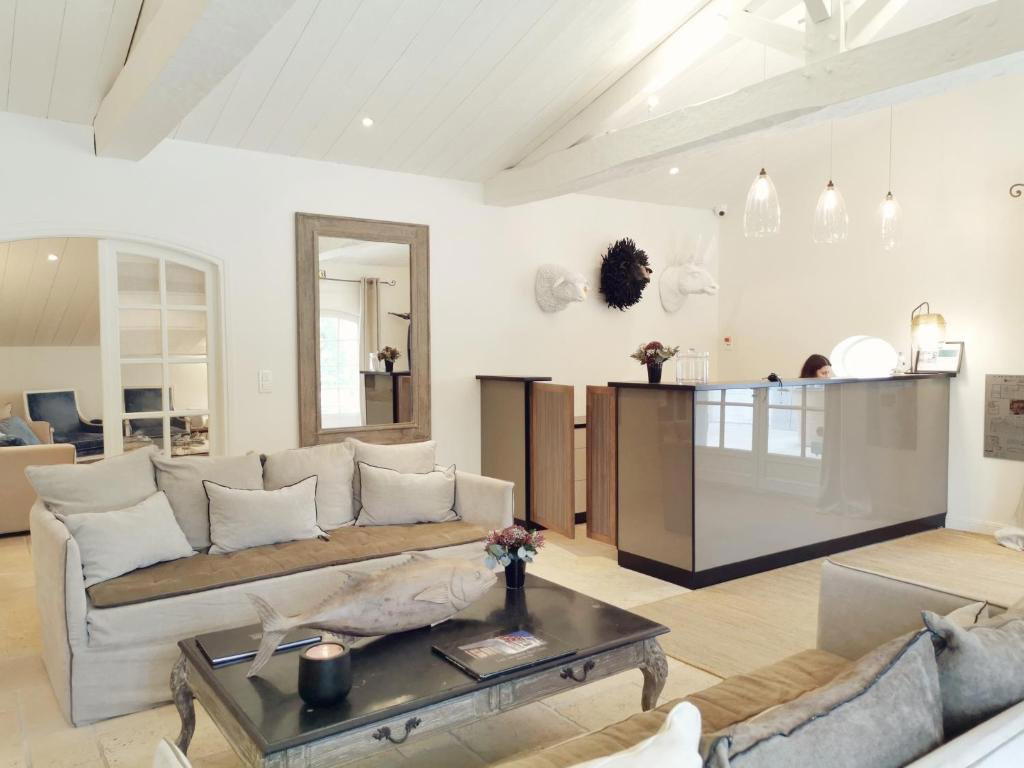
Wineries in Les Sables-d'Olonne
Browse all →
Alice, le bistrot - Le Manoir de la Mortière
The wine
- Wine program
- Curated wine list
Details
- Cozy
- Rustic
- Intimate
- Classic
- Family
- Group Dining
- Casual Hangout
- Historic Building
- Local Sourcing
- Farm To Table
- A La Carte
Current opening hours
- Monday
- Closed
- Tuesday
- Closed
- Wednesday
- 12:15–2 PM, 7:15–9:30 PM
- Thursday
- 12:15–2 PM, 7:15–9:30 PM
- Friday
- 12:15–2 PM, 7:15–9:30 PM
- Saturday
- 12:15–2 PM, 7:15–9:30 PM
- Sunday
- 12:15–2 PM
Hours can change for holidays and private events. Last verified .
Warm and inviting with textured lime-washed walls, old beams, terracotta tiles, and an original fireplace, creating a cozy, authentic atmosphere.