Our verdict
On the island of Ošljak, a sliver of land in the Zadar channel with fewer than thirty permanent residents, Lazaret occupies a position that few Adriatic restaurants can claim: genuine remoteness without affectation. The address alone filters the room. Reaching it requires a short ferry crossing from Zadar, which means every diner arrives with some degree of deliberate intent. For the Croatian island dining scene, that matters.

Pearl is the En Primeur Club membership app — saves, bookings, and concierge access live there. Same editors, same standards.
- Address
- Ošljak 31, 23273, Ošljak, Croatia
- Phone
- +385994448833
- Website
- lazaret4.hr
- Directions
- Get directions
The menu
What to order
- Dry-aged Sea Bass Carpaccio
- Adriatic Langoustines Buzara
- Octopus Tentacle
An Island Table at the Edge of the Zadar Channel
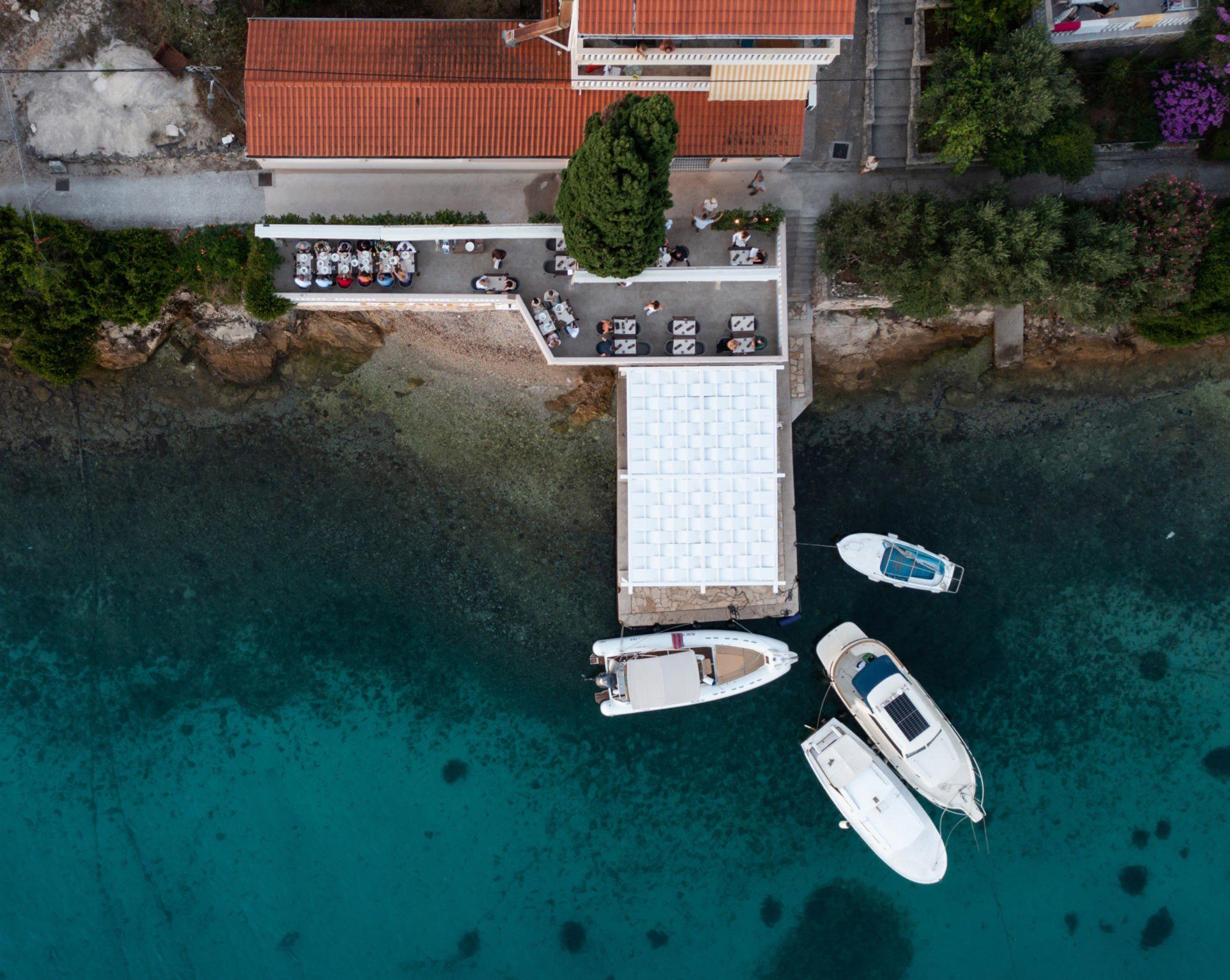
Ošljak is not a place you pass through. The island sits in the Zadar channel, less than a kilometre from the mainland, but with no bridge and no car access, it functions at a pace that the broader Dalmatian coast has largely abandoned. Fewer than thirty people live here year-round. The ferry from Zadar takes minutes, but the psychological distance is considerably further. That separation is the first thing you notice arriving at Lazaret: the channel behind you, the stone underfoot, and the particular stillness that comes from being somewhere the tourist infrastructure has not yet organised itself around.
For context on what the Croatian island dining scene has become, look at the trajectory of restaurants like Pelegrini in Sibenik or Restaurant 360 in Dubrovnik, both operating at the €€€€ tier with international Modern Cuisine formats and the awards recognition that comes with that positioning. Ošljak has none of that apparatus. What it has is proximity to one of the most productive stretches of the Adriatic, a short supply chain that coastal Croatia's higher-profile kitchens frequently invoke but rarely achieve at this level of directness, and an address so small that volume-driven hospitality is structurally impossible.
Where the Ingredients Come From
The sourcing argument for Dalmatian island cooking is well-established in theory and frequently broken in practice. Restaurants along the coast regularly cite local fishermen and regional producers while drawing from the same centralised wholesale markets as everyone else. The geography of Ošljak makes that kind of shortcut harder to sustain. The island's isolation, which is an operational inconvenience in most respects, also means that what arrives at the kitchen tends to come from close. The Zadar channel is known for shellfish, particularly the smaller bivalves that thrive in the mixed salinity where channel water meets open Adriatic. The inland Dalmatian hinterland, reachable within an hour of Zadar, produces lamb, olive oil, and dried figs that have defined the region's table for centuries.
This is the sourcing model that Croatia's more deliberate fine dining addresses have tried to articulate in urban settings. Dubravkin Put in Zagreb and Korak in Jastrebarsko both work within the farm-to-table framework from inland positions. From an island in the Zadar channel, the relationship between kitchen and source is geographical rather than philosophical: the sea is visible from the table, and the supply chain is short enough to be verifiable in a way that most restaurants cannot claim.
For reference points in ingredient-led cooking on the Croatian islands and coast, Bodulo in Pag works with the specific salinity and grazing conditions of Pag island to build a menu around Paški sir cheese and Pag lamb. BioMania Bistro Bol in Bol on Brač takes a certified organic approach. Lazaret operates from a different premise: not certification or concept, but simple proximity to source material in a setting where proximity is a geographic fact rather than a marketing position.
The Adriatic Island Dining Pattern
Croatia's island restaurant scene has developed along two distinct lines over the past decade. The first follows the international fine dining model, with tasting menus, wine lists with serious depth, and the kind of service infrastructure that requires year-round staffing and significant capital. LD Restaurant in Korčula and Boskinac in Novalja both operate in this register, with Boskinac combining a hotel and winery on Pag island to build a vertically integrated hospitality offer. The second line is smaller, more seasonal, and defined by place rather than program: restaurants where the setting and the supply chain are the primary editorial statement, and the cooking exists to make that legible.
Ošljak sits in the second category by necessity and, one suspects, by preference. An island of this size cannot support a brigade kitchen or a cellar program of any depth. What it can support is a table where the channel is the backdrop and the day's catch determines the menu in a way that is literal rather than figurative. That constraint, which would be a liability in a city, is an asset in a context where travellers are increasingly arriving with exactly that expectation. The comparison here is less with Pelegrini or 360 and more with the kind of small, owner-operated addresses that the Istrian interior has produced, or with what Burin in Crikvenica achieves on the Kvarner coast: cooking that reads as honest because the geography enforces it.
Getting There and Planning Your Visit
Reaching Ošljak requires a ferry from Zadar. The crossing is short, but the schedule is limited, which means planning around departure times is not optional. Zadar itself is well-connected, with a regional airport handling flights from Zagreb and several European cities, and regular bus and ferry connections along the Dalmatian coast. From Zadar's old town, the Ošljak ferry departs from the harbour area near the Sea Organ. The practical implication is that Lazaret functions leading as a deliberate excursion rather than a spontaneous dinner reservation: the return crossing needs to be accounted for, which concentrates visits around lunch or early evening.
For travellers building an itinerary around serious eating in the northern Dalmatian region, Zadar functions as a credible base. The city's restaurant scene has developed considerably, and the surrounding islands and hinterland give it a sourcing advantage that the more heavily touristed Dubrovnik corridor cannot match. Those interested in the broader Croatian dining picture should consult our full Osljak restaurants guide and cross-reference with coastal addresses including Nebo by Deni Srdoč in Rijeka, Krug in Split, and Cubo in Opatija. For those arriving from further afield, Agli Amici Rovinj in Rovinj and Alfred Keller in Mali Lošinj represent the northern Adriatic's more formally structured island dining options, useful for calibrating expectations before heading south. If the appeal of ingredient-driven cooking extends beyond the Croatian coast, Le Bernardin in New York City and Atomix in New York City demonstrate what sourcing discipline and tasting-menu precision look like at the top of the global fine dining register, a useful reference point for understanding how much the island format at Ošljak trades in ceremony for directness.
Frequently asked questions
What kind of setting is Lazaret?
Lazaret sits on Ošljak, a small island in the Zadar channel with no road connection to the mainland and no cars on the island. The address — Ošljak 31 — places it in a community small enough that the dining room is effectively part of the island's daily rhythm rather than a destination grafted onto it. The ferry-only access gives the experience a deliberate, unhurried quality that distinguishes it from mainland Dalmatian restaurants.
Is Lazaret on Ošljak worth the ferry trip from Zadar for a meal?
The ferry from Zadar to Ošljak covers less than a kilometre of water, but the limited crossing schedule means the logistics require more forethought than a mainland restaurant visit. Ošljak has no through traffic and no cars, so Lazaret at address Ošljak 31 draws a crowd that has made a conscious decision to be there. That self-selecting dynamic tends to produce a quieter, more focused dining environment than comparable coastal spots accessible by road.
What's the must-try dish at Lazaret?
Specific menu details for Lazaret are not currently on record, so naming individual dishes would be guesswork. What is consistent with Dalmatian island cooking in this part of the channel is a focus on locally landed fish and shellfish alongside seasonal vegetables. For the most current menu information, reaching Lazaret directly before your visit is the practical approach.
Where is Lazaret in Osljak?
Lazaret is located at Ošljak 31, 23273, Ošljak, Croatia, Osljak.
| Venue | Cuisine | Price | Awards | Notes |
|---|---|---|---|---|
| LazaretThis venue — the venue you are viewing | Modern Dalmatian Seafood | $50–100 | Not listed | Not listed |
| Pelegrini | Modern Dalmatian Fine Dining | $100–150 | 1 Michelin Star · La Liste Top Restaurants | Mediterranean, Modern Cuisine |
| Restaurant 360 | Modern Mediterranean with Asian and French Influences | $200–300 | 1 Michelin Star · La Liste Top Restaurants | International, Modern Cuisine |
| Foša | Modern Seafood | $50–100 | Michelin Plate | Not listed |
| Nautika | Traditional Mediterranean Seafood | $100–150 | Michelin Plate · Star Wine List | Not listed |
| Agli Amici Rovinj | Modern Mediterranean Fine Dining | $200–300 | 2 Michelin Stars · La Liste Top Restaurants | Italian Contemporary |
Continue exploring
More in Osljak
Restaurants in Osljak
Browse all →
Bars in Osljak
Browse all →
Hotels in Osljak
Browse all →
Wineries in Osljak
Browse all →
Details
- Romantic
- Scenic
- Elegant
- Intimate
- Date Night
- Special Occasion
- Celebration
- Terrace
- Waterfront
- Extensive Wine List
- Local Sourcing
- Waterfront
- A La Carte
- Wine
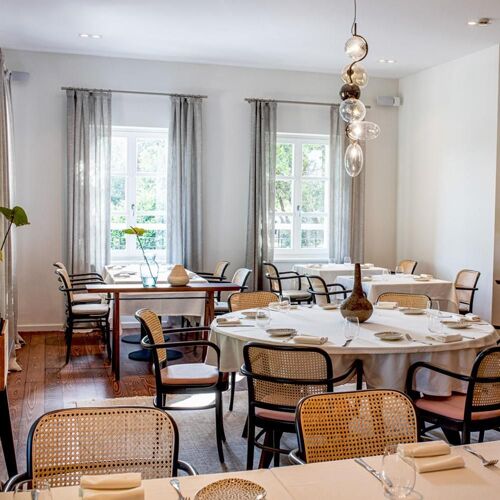
Romantic terrace atmosphere with memorable sea sunsets and elegant seaside setting.