A quietly rooted address on Rue Tudelle in Orléans, Restaurant des Plantes occupies a part of the city where plant-focused cooking and regional Loire produce intersect. The room draws visitors looking for a more considered dining register than the brasserie circuit around Place du Martroi. Booking ahead is advisable, particularly through the warmer months when the city's restaurant trade is at its most competitive.
Pearl is the En Primeur Club membership app — saves, bookings, and concierge access live there. Same editors, same standards.
- Address
- 44 Rue Tudelle, 45100 Orléans, France
- Phone
- +33238566555
- Website
- restaurantdesplantes.fr
- Directions
- Get directions
 Saves & bookings on Pearl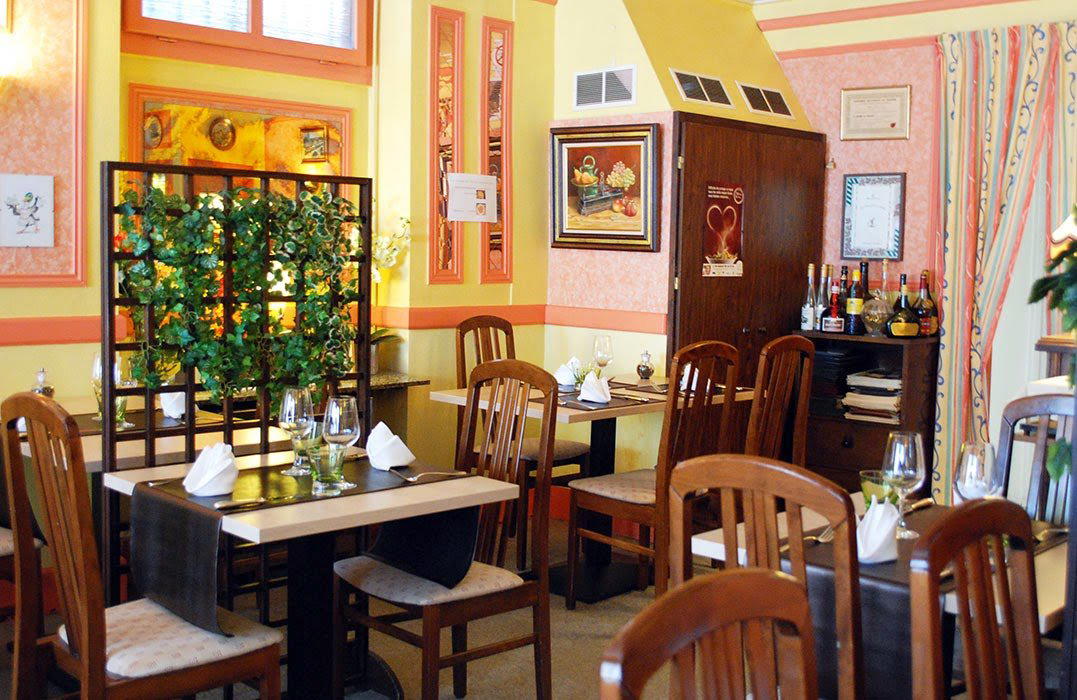
Where Orléans Sits in the French Dining Picture
Restaurant des Plantes is a French restaurant in Orléans, France. The city sits at the northern edge of the Loire Valley, a wine and produce corridor that feeds some of the country's most serious kitchens, yet its own dining scene receives a fraction of the coverage directed at Tours, Blois, or Sancerre to the south. The Loire's market gardens, river fish, and Sologne game create a larder that regional kitchens here tend to use more directly than their counterparts in Paris or Lyon. Compared to the register you encounter at, say, Alléno Paris au Pavillon Ledoyen or Mirazur in Menton, Orléans dining operates at a quieter frequency, where the produce logic often matters more than the technical spectacle around it.
Restaurant des Plantes, addressed at 44 Rue Tudelle in the 45100 district, fits within that quieter register. The name signals a kitchen orientation before you arrive: plants, vegetables, foraged or cultivated matter as central subject rather than garnish. That framing is consistent with a broader European shift, visible across the past decade in restaurants from Bras in Laguiole to Flocons de Sel in Megève, where the garden or the surrounding terrain functions as the primary creative reference point. In Orléans, with its proximity to the Loiret's market agriculture, that framing carries genuine geographic logic.
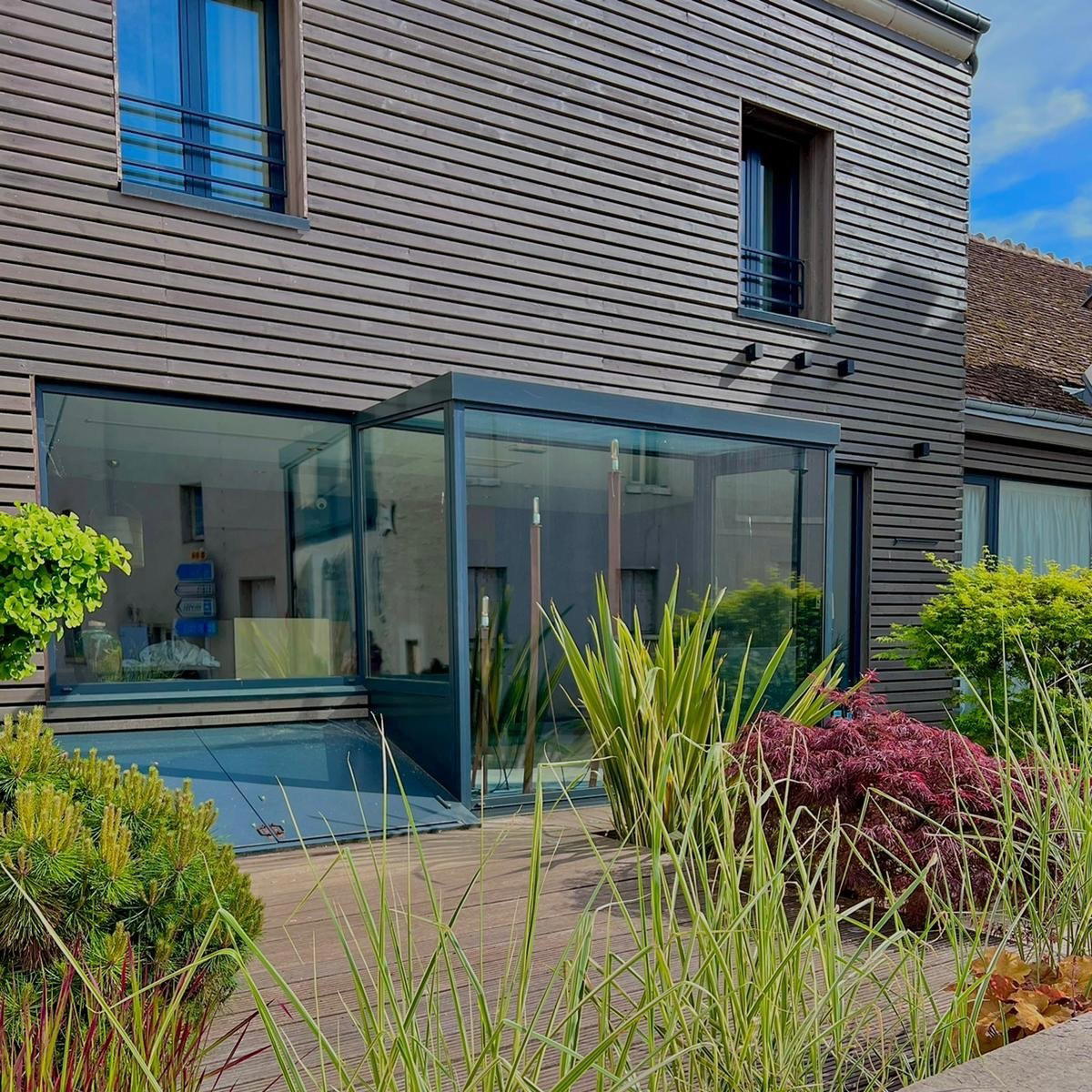
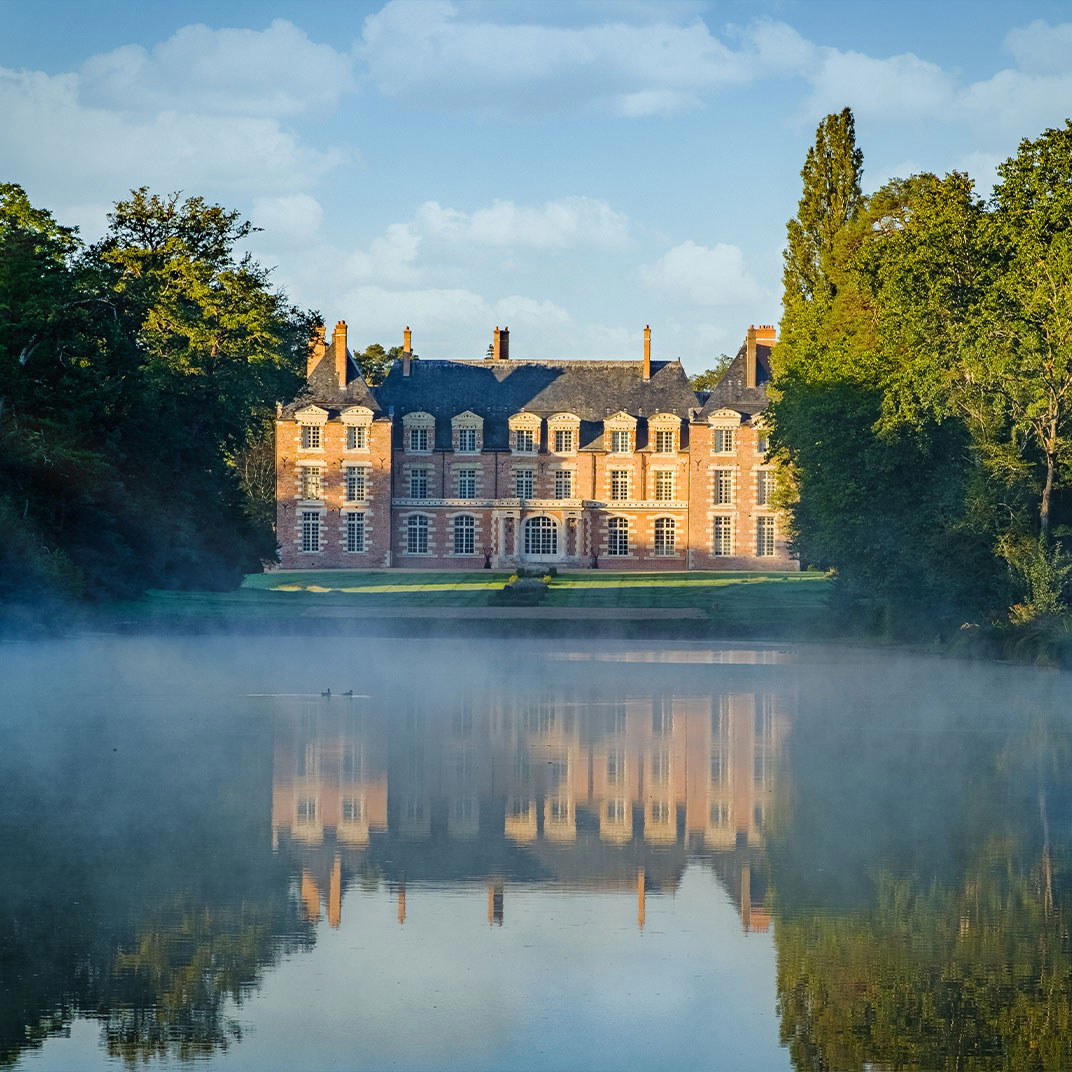
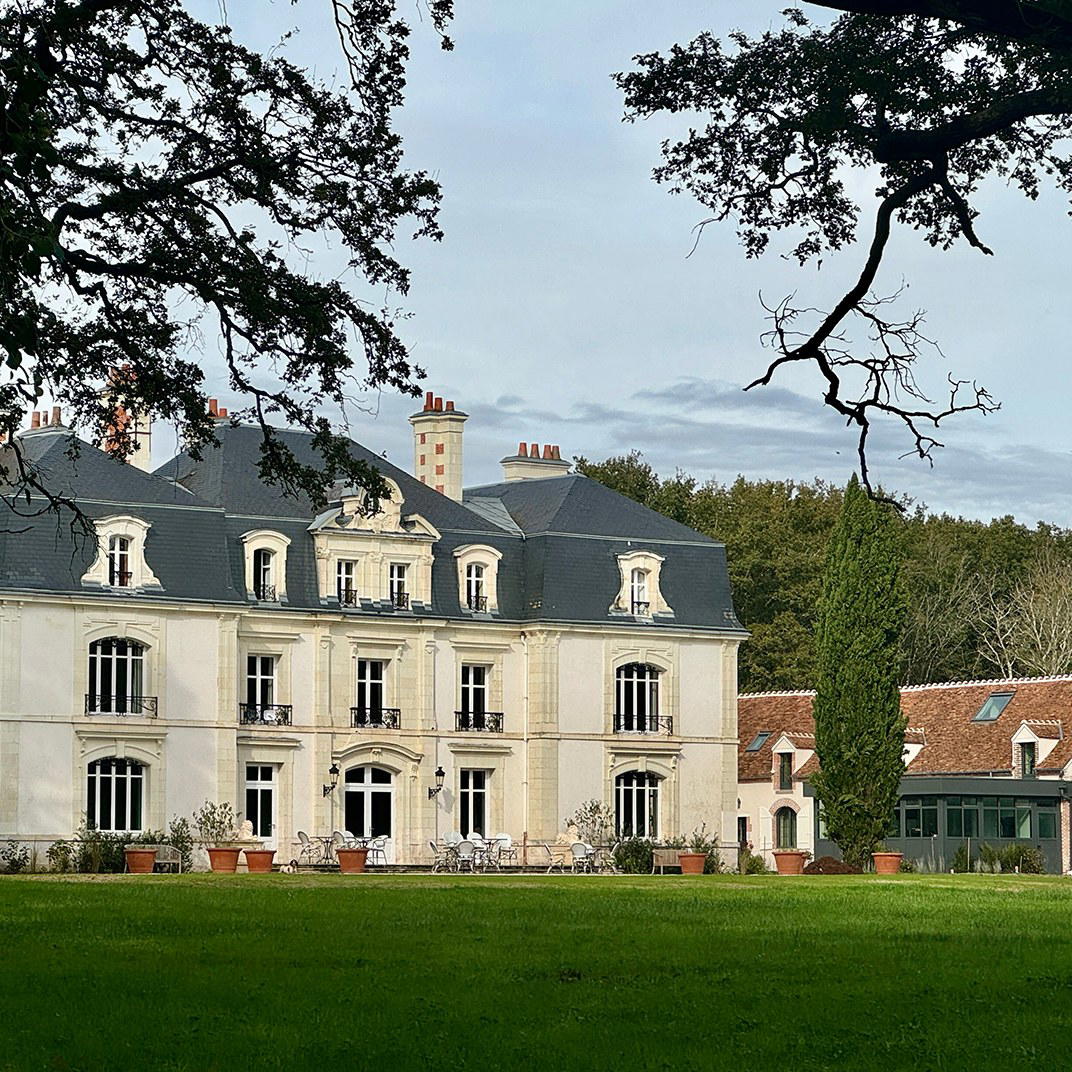
The Atmosphere on Rue Tudelle
Rue Tudelle sits away from the main pedestrian circuits around the cathedral and Place du Martroi. Arriving here, the street operates at a lower volume than central Orléans: less foot traffic, fewer competing signs, the kind of address that requires intention rather than accident. In spring and early summer, when the Loire Valley's growing season is at full pace, the area's restaurant trade moves quickly; securing a table at smaller addresses in this tier of the city often means planning two to three weeks ahead.
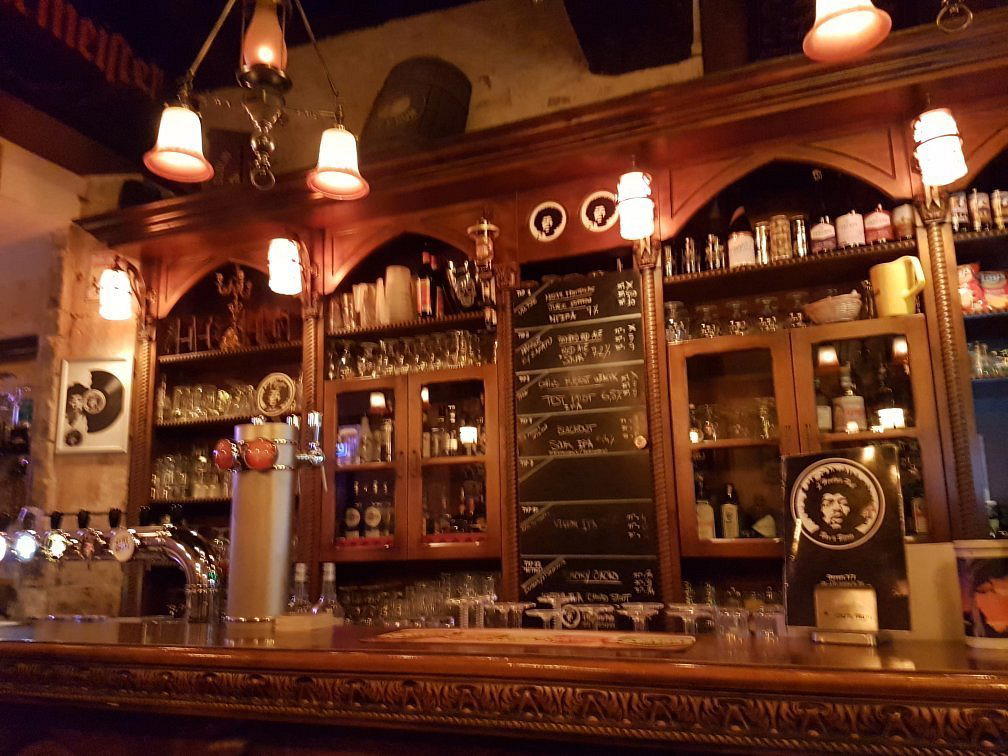
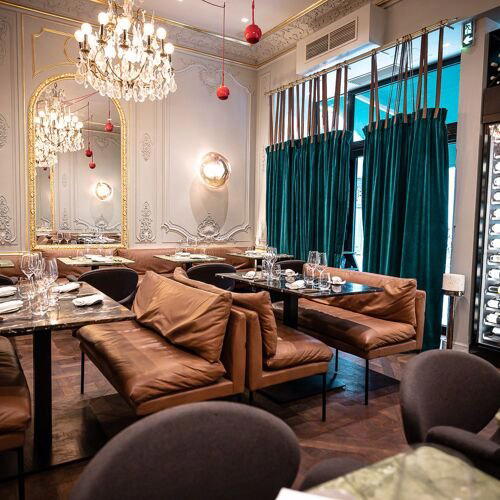
The name des Plantes implies a certain aesthetic sensibility inside: an attention to green materials, living or dried botanicals, the visual vocabulary that plant-forward kitchens in France have increasingly adopted since the early 2010s. This is a category where atmosphere and menu philosophy tend to reinforce each other. At the establishments in this tier across the Loire region, the room typically reflects the kitchen's source material, creating a coherence between what you see when you sit down and what arrives at the table. The contrast with the theatre-heavy décor of certain celebrated Paris addresses is part of the point. Kitchens like AM par Alexandre Mazzia in Marseille operate in a high-intensity sensory register; an address like Restaurant des Plantes, from its name and location, suggests the opposite pole: calibrated, grounded, quiet in its confidence.
Plant-Forward Cooking in the Loire Context
The Loire Valley's position in French produce is specific. The region between Orléans and Blois contains some of the country's densest concentration of AOC-protected vegetable cultivation, including asparagus from the Sologne sandy soils and lentils from the Berry plateau to the south. River fish, particularly pike and perch from the Loire itself, have anchored local cooking for centuries. A kitchen that takes its name from plants, operating in this corridor, has direct access to a supply chain that more famous French addresses pay premium prices to import.
Broader European plant-forward movement has split between high-concept tasting menus, which place vegetables inside elaborate technique, and simpler market-driven formats, where daily sourcing dictates the menu structure. Orléans' dining scene, which includes addresses like L'Essentiel and L'Étage, tends toward the latter model. This is not the city for the kind of thirteen-course precision sequences you encounter at Assiette Champenoise in Reims or the long-form institutional gravitas of Paul Bocuse in Collonges-au-Mont-d'Or. The city's stronger suit is the shorter, sharper menu built around what the market produced that morning, served in a room where the atmosphere does not compete with the food for attention.
Visitors who have eaten at Troisgros - Le Bois sans Feuilles or Auberge de l'Ill in Illhaeusern will recognise the tradition of French restaurants that anchor their identity in a specific geographical territory; the restaurant reads as a local expression of that same instinct, operating at a more accessible scale.
Orléans Alongside Its Peers
Placing the restaurant within the Orléans dining circuit requires acknowledging the city's current range. The central addresses, from the more casual register of Le Café du Théatre and Le Lift to the more considered proposition at MAGA, cover a reasonably wide span of price points and formats. The restaurant' name and Rue Tudelle address suggest it operates somewhere in the middle of that range: not a quick-service bistro, not a destination tasting-menu room, but the kind of address where the produce quality and kitchen seriousness justify booking ahead.
For international visitors making the comparison to places like Le Bernardin in New York City or Atomix in New York City, the frame shifts entirely. Orléans is not competing for that audience. It is, instead, the kind of city where the more interesting question is whether its regional kitchens are keeping pace with the produce quality available to them. The evidence from the Loire Valley's wider dining scene suggests the gap between supply and execution is closing, particularly at smaller, owner-operated addresses that have replaced the mid-range brasserie model in French provincial cities over the past decade.
Planning Your Visit
The restaurant is located at 44 Rue Tudelle, Orléans 45100. Orléans is served by direct TGV from Paris Austerlitz in under an hour, making it accessible as a day trip or as part of a longer Loire itinerary. The city's dining trade peaks between May and September, when the Loire Valley's growing season is at full production and visitor numbers rise. Booking two to three weeks ahead during this window is the more reliable approach; tables at smaller Orléans addresses fill faster than the city's relative obscurity on the tourist circuit might suggest.
Nearby-ish Comparables
Comparable venues nearby, for context on price, style, and recognition.
| Venue | Cuisine | Price | Notes |
|---|---|---|---|
| Restaurant des PlantesThis venue — the venue you are viewing | Traditional French Seasonal Bistro | $$ | Not listed |
| Restaurant l 'Alchimie | Modern French Bistro | $$ | .centre |
| La Chopine | French Wine Bar | $$ | Centre-ville |
| MAGA | Modern Seasonal French Bistro | $$$ | Rue de Bourgogne |
| Ver Di Vin SARL | French Seasonal Brasserie with Wine Bar | $$$$ | Orléans |
| L'Essentiel | Modern French Bistro | $$$ | centre-ville |

At a Glance
- Classic
- Intimate
- Quiet
- Elegant
- Date Night
- Special Occasion
- Business Dinner
- Standalone
- Extensive Wine List
- Local Sourcing
Current opening hours
- Monday
- Closed
- Tuesday
- Closed
- Wednesday
- 12–1:15 PM, 7:30–9:15 PM
- Thursday
- 12–1:15 PM, 7:30–9:15 PM
- Friday
- 12–1:15 PM, 7:30–9:15 PM
- Saturday
- 12–1:15 PM, 7:30–9:30 PM
- Sunday
- 12–1:15 PM
Hours can change for holidays and private events. Last verified .
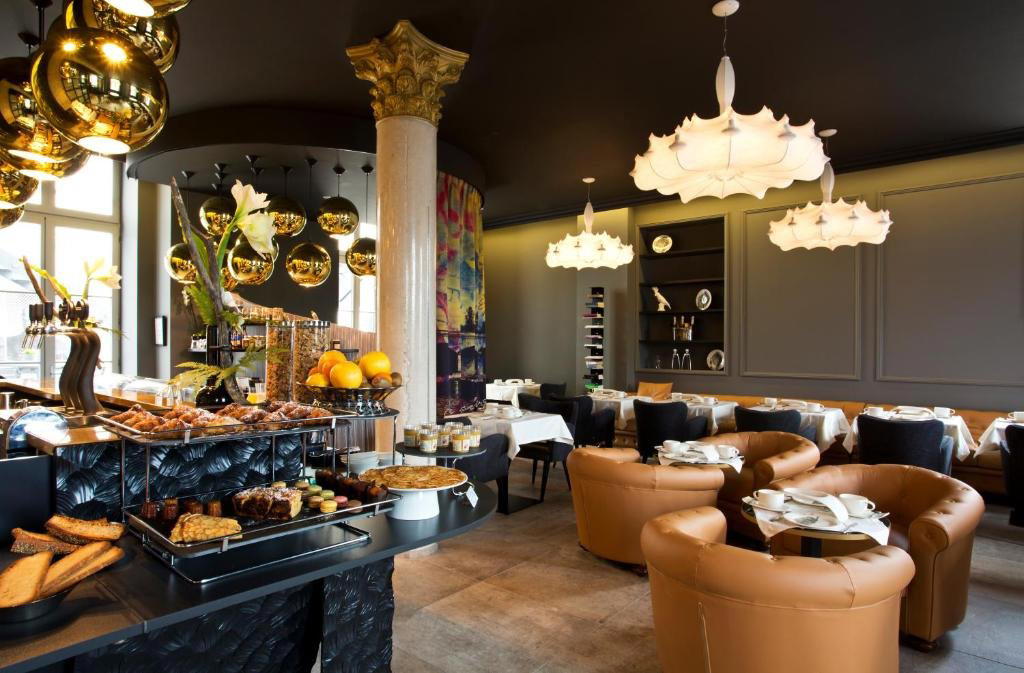
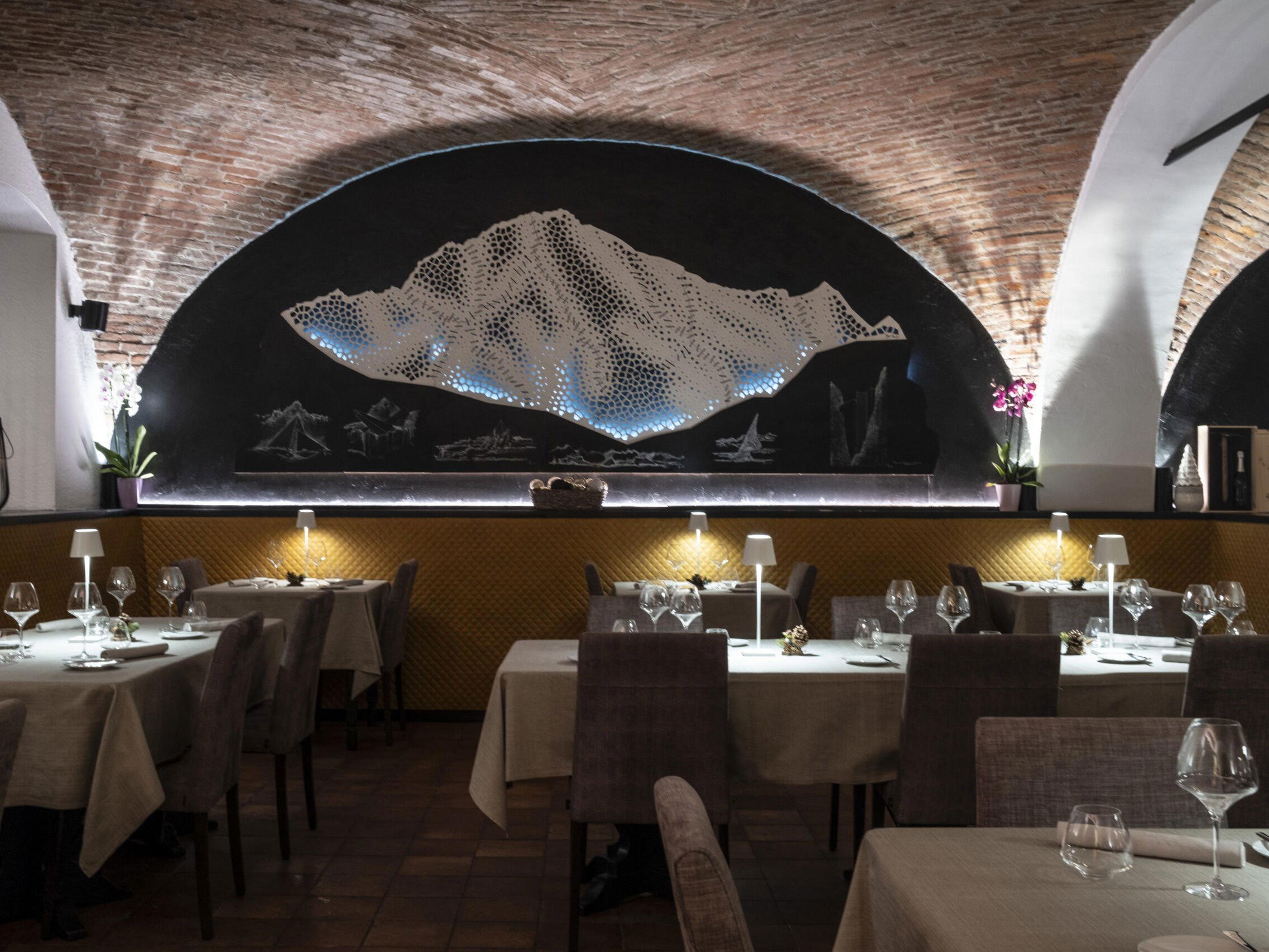
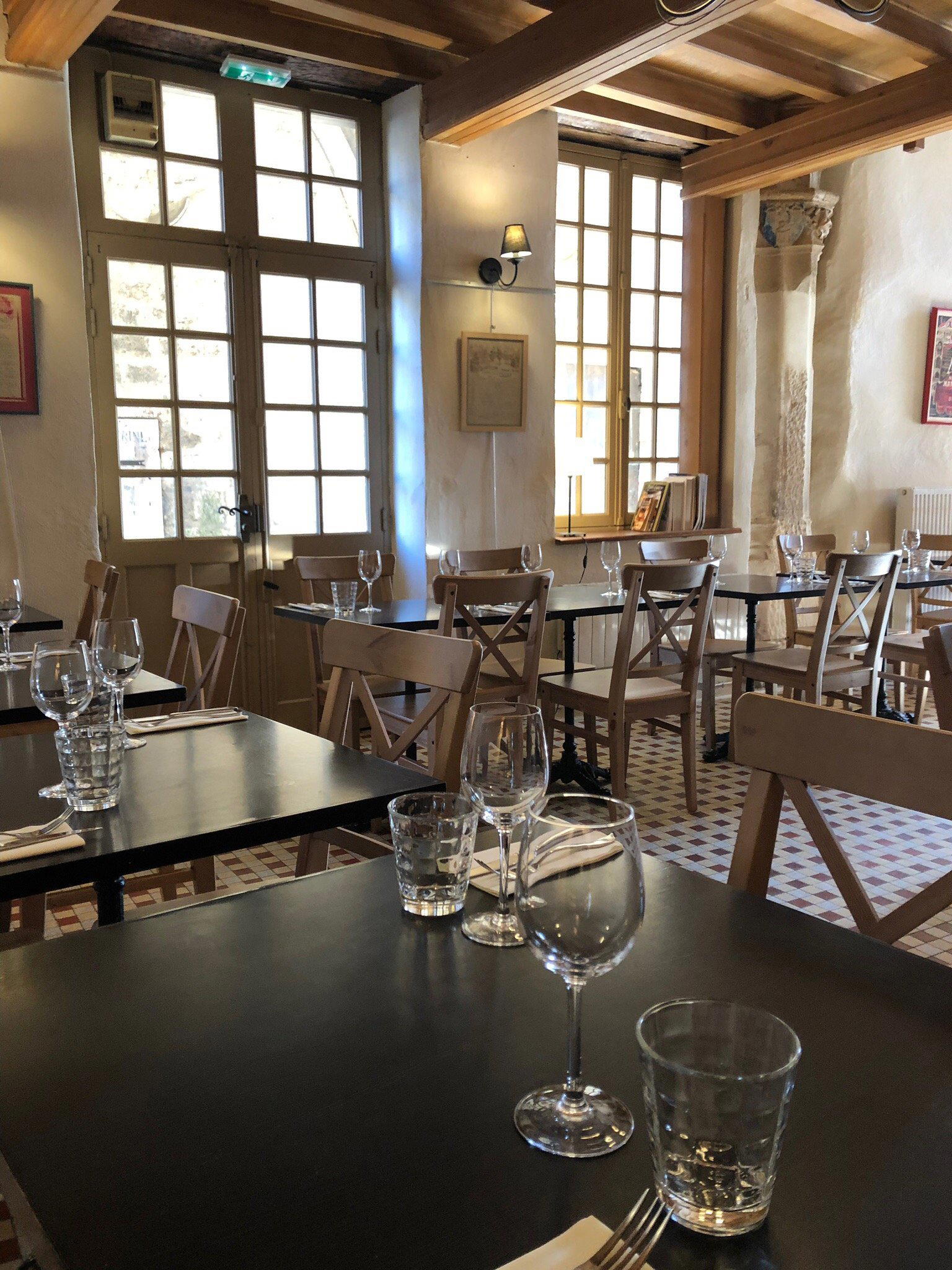
Warmly decorated in bright tones with refined, intimate lighting; a small, quiet dining room that feels like a well-kept local secret with genuine hospitality.