
Michelin Guide Plate · Michelin Plate
Our verdict
One of Singapore's few Colombian restaurants and a 2025 Michelin Plate holder, Latido sits on Tras Street in the Tanjong Pagar corridor, where Latin American cooking remains a rarity at this level. The kitchen draws on Colombian culinary tradition in a city more accustomed to Southeast Asian and European fine dining. At the $$ price tier, it occupies an accessible position relative to the neighbourhood's heavier-hitting tasting-menu rooms.

Pearl is the En Primeur Club membership app, where members save venues, book tables and use the concierge.
The menu
What to order
- Signature Homemade Rye Bread
- Chicken Hearts, Andes Potato, Red Wine, Yolk
- Sawara Ceviche, Leche de Tigre, Lime Pearls
- Sweet Corn Cake, Pork Jowl, Egg
- Cuttlefish, Spicy Sausage, Chimichurri
Tras Street and the Case for Colombian Cooking in Singapore
Tanjong Pagar's dining strip has spent the last decade consolidating around two poles: high-ticket European tasting menus (think the $$$$ rooms like Zén and creative formats like Meta) and affordable neighbourhood stalwarts. Latin American cooking, and Colombian in particular, has been conspicuously absent from that equation. The handful of South American kitchens that have operated in Singapore over the years have clustered around Peruvian and Brazilian formats, leaving Colombian cuisine largely unrepresented at the level where it attracts critical attention.
Latido, at 40 Tras Street, is the exception. Its 2025 Michelin Plate recognition places it among a small group of addresses in the city where Colombian flavours are treated with the same seriousness that Singapore's French and Japanese establishments have long demanded. For context, the neighbourhood also houses Jaan by Kirk Westaway at the $$$ tier and the long-standing institution Les Amis at the top of the French canon. Latido's $$ positioning makes it the most accessible Michelin-recognised room on this stretch.
The Spirits Dimension: Agave Culture in a Colombian Frame
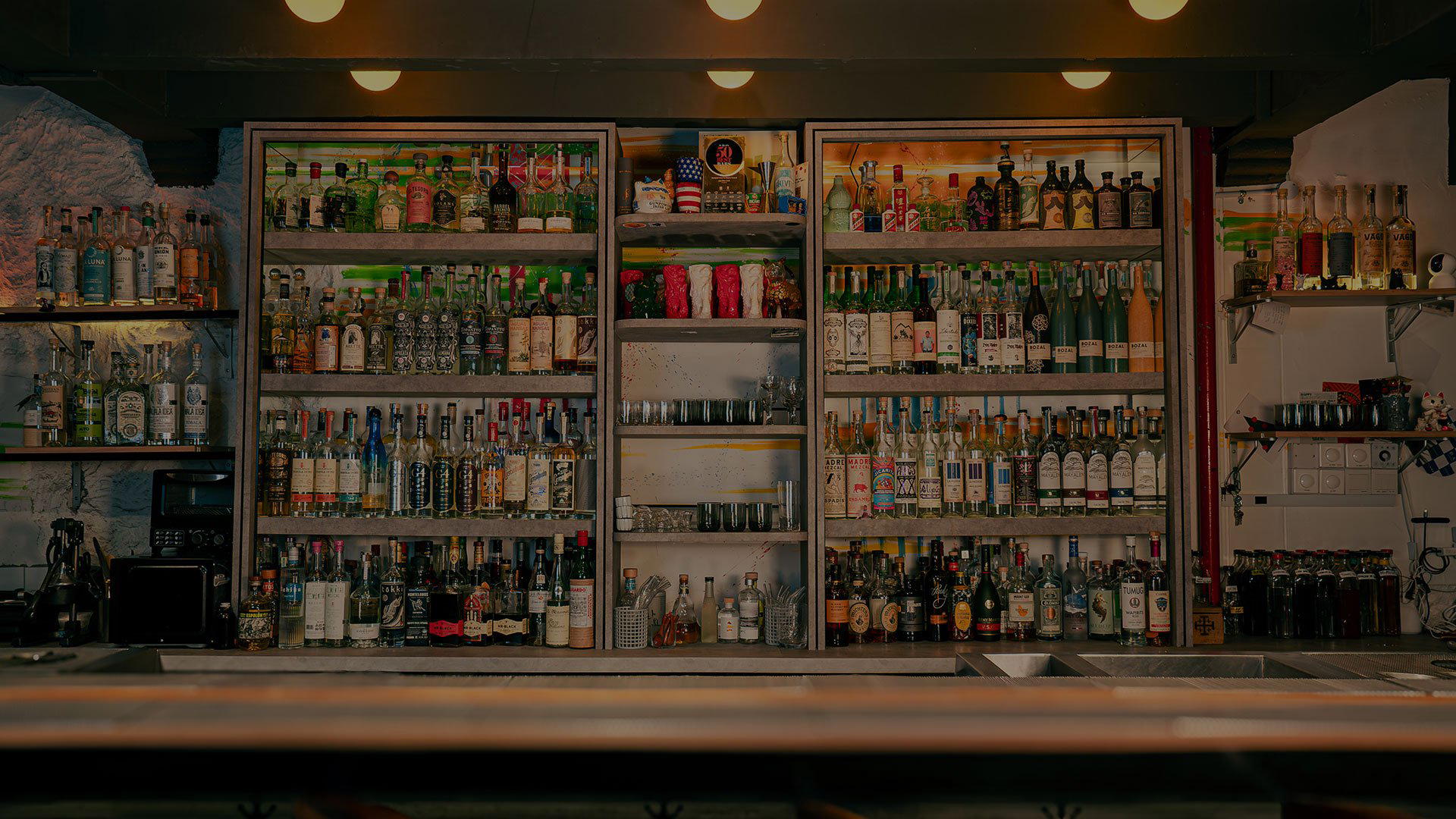
Colombian drinking culture has historically centred on aguardiente, the anise-flavoured cane spirit that functions as a national shorthand, and on rum from the coastal lowlands. What has changed in Colombia's urban bar scene over the last decade, and what is beginning to register in diaspora restaurants globally, is the cross-pollination with Mexican agave culture. Mezcal and tequila have moved from niche import status in Bogotá and Medellín to bar-programme staples, finding natural affinity with the smoke, acidity, and tropical fruit registers that already define Colombian cooking.
That cultural shift matters for understanding what a Colombian restaurant in Southeast Asia can do with its drinks list. The aromatic profile of an ensemble espadin mezcal, with its roasted-agave smoke and dried-citrus finish, runs parallel to the char and citrus notes that Colombian grilling and ceviche-adjacent preparations tend to produce. Where a European fine-dining room in this neighbourhood might anchor its programme in Burgundy or Champagne, a Colombian kitchen with a serious agave shelf can build drink pairings that are genuinely cuisine-specific rather than borrowed from another tradition.
The global Colombian restaurant scene provides useful comparisons. Elcielo in Miami and Elcielo in Washington, D.C. have both made agave spirits a serious component of their beverage programmes, recognising that the flavour language of mezcal and Colombian cuisine are more compatible than the geography might suggest. Quimbaya in Madrid operates in a market where Spanish brandy and natural wine dominate, yet still carves space for agave-forward pairings.
For a diner at Latido, that context shapes how to approach the drinks list. An artisanal mezcal alongside a dish built on Colombian coastal flavours, aji amarillo heat, or the smokiness of a wood-fired preparation is not a novelty pairing. It reflects an ongoing convergence happening across Colombian dining rooms on three continents.
Colombian Cooking at This Price Point: What the Michelin Plate Signals
A Michelin Plate designation, introduced by the Guide as a marker of good cooking below star level, is notable here not because it positions Latido against Odette or Zén in technical ambition, but because it signals that Colombian cuisine is being taken seriously as a category in a city-state where inspectors have historically concentrated on French, Japanese, and Cantonese kitchens. The $$ price tier here is relevant: Michelin Plate recognition at this price point means the kitchen is delivering on flavour and technique without the infrastructure costs that push a room into the $$$ bracket.
At the other end of the spectrum, Harry Sasson in Bogotá represents Colombian cooking at its most established and high-production, while Andres Carne de Res in Cartagena operates as a large-format cultural institution. At the accessible end, El Pollo Rico in Washington, D.C. and Parche in San Francisco show what Colombian comfort cooking looks like without fine-dining ambitions. Latido occupies the middle ground: more serious than a neighbourhood canteen, more approachable than a tasting-menu flagship.
The Neighbourhood Context: Where Latido Sits on Tras Street
Tras Street runs through the heart of the Tanjong Pagar conservation district, a corridor of pre-war shophouses that now functions as one of Singapore's most concentrated dining and drinking strips. The area draws a professional after-work crowd from the nearby CBD and a weekend contingent that combines the neighbourhood's bar scene with dinner bookings. For anyone building a Singapore dining itinerary around the broader restaurant scene, Tanjong Pagar allows for a pre-dinner or post-dinner drink with minimal transit, and the bar scene in the immediate vicinity is dense enough to make the neighbourhood a full evening's destination.
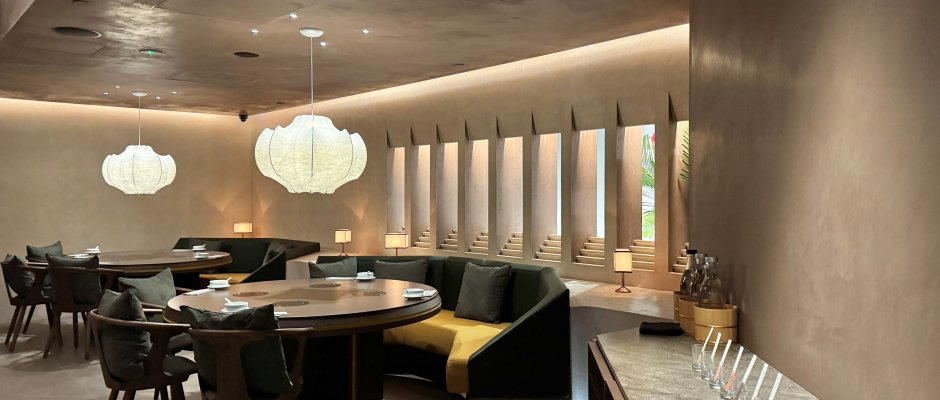
The shophouse format that defines Tras Street tends to create intimate dining rooms with limited floor space, a physical reality that shapes pacing and noise levels differently from a purpose-built restaurant. That physical context is relevant when considering the atmosphere question: Colombian cooking, historically social and oriented around table-sharing, fits the format well.
Planning Your Visit
The comparison below places Latido in its immediate peer context on key logistics. For those building a broader Singapore visit, the hotels guide, wineries guide, and experiences guide cover the full picture.
| Venue | Cuisine | Price Tier | Michelin Status | Neighbourhood |
|---|---|---|---|---|
| Latido | Colombian | $$ | Plate (2025) | Tanjong Pagar / Tras St |
| Jaan by Kirk Westaway | British Contemporary | $$$ | 1 Star | City Hall |
| Summer Pavilion | Cantonese | $$ | 1 Star | Orchard |
| Meta | Innovative | $$$ | 1 Star | Tanjong Pagar |
| Les Amis | French | $$$$ | 3 Stars | Orchard |
Frequently asked questions
Is Latido better for a quiet night or a lively one?
Thursday and Friday evenings draw the CBD professional crowd into the Tanjong Pagar corridor, which tends to push energy levels up across the strip. Latido's Tras Street address puts it squarely in that flow. Earlier in the week, the same neighbourhood runs noticeably quieter, making it a more viable choice for conversation-focused dinners at the $$ price point.
What price level is Latido?
Pricing at Latido is listed as $$.
Does Latido have a Michelin star or similar recognition?
Latido has received recognition including: Michelin Plate (2025).
What's the best thing to order at Latido?
Colombian cooking at this price tier, Michelin Plate 2025, $$ range, typically centres on staples like bandeja paisa, arepas, or slow-cooked proteins. The safest approach is to ask staff what's driving the kitchen on the night you visit.
A Minimal comparable set
Comparable venues nearby, for context on price, style, and recognition.
| Venue | Cuisine | Price | Awards | Notes |
|---|---|---|---|---|
| LatidoThis venue (the venue you are viewing) | Modern Colombian | Not listed | Michelin Guide Plate · Michelin Plate | Not listed |
| Mustard | Bengali & Punjabi | $20–30 | Michelin Guide Plate · Michelin Plate | FARRER PARK, Bengali & Punjabi |
| Yan Ting | Cantonese Fine Dining | Not listed | Michelin Guide Plate · Michelin Plate | TANGLIN, Cantonese |
| People's Park Hainanese Chicken Rice | Hainanese Chicken Rice | $1–10 | Michelin Guide Plate · Michelin Plate | PEARL'S HILL, Hainanese Chicken Rice |
| Guan Kee Fried Carrot Cake | Singaporean Fried Carrot Cake (Chye Tow Kway) | Not listed | Michelin Plate | VICTORIA, Singaporean Fried Carrot Cake (Chye Tow Kway) |
| Allauddin's Briyani | Traditional Indian Briyani | $1–10 | Michelin Guide Plate · Michelin Plate | LORONG 8 TOA PAYOH, Traditional Indian Briyani |
Recognition history
Dated appearances from independent guides and award organizations, with the underlying list record or original source where available.
Michelin Guide Plate
Michelin Guide
Michelin Plate
Michelin
Continue exploring
More in Singapore
Restaurants in Singapore
All restaurants in Singapore →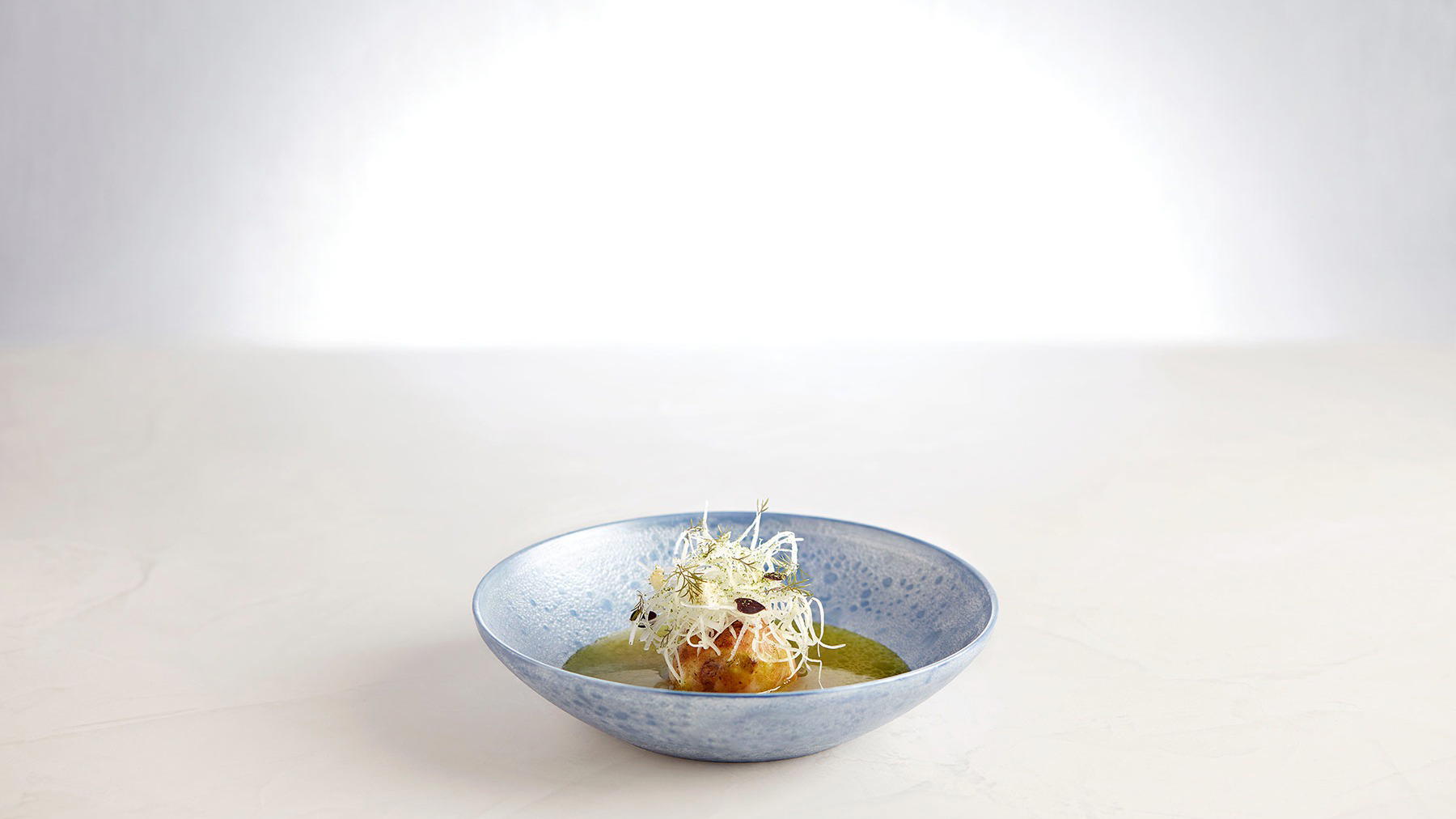
Bars in Singapore
All bars in Singapore →

Details
- Lively
- Modern
- Cozy
- Date Night
- Casual Hangout
- After Work
- Open Kitchen
- Standalone
- Craft Cocktails
- A La Carte
- Counter Dining
- Small Plates
- Specialty Cocktails
- Colombian Highballs
- Wine
Current opening hours
- Monday
- Closed
- Tuesday
- 12–3 PM, 6–10 PM
- Wednesday
- 12–3 PM, 6–10 PM
- Thursday
- 12–3 PM, 6–10 PM
- Friday
- 12–3 PM, 6–10 PM
- Saturday
- 11:30 AM–3 PM, 6–10 PM
- Sunday
- Closed
Hours can change for holidays and private events. Hours as of .
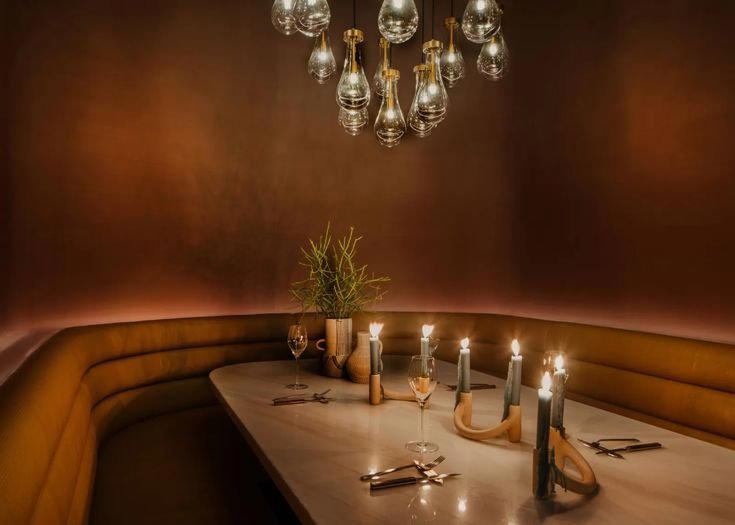
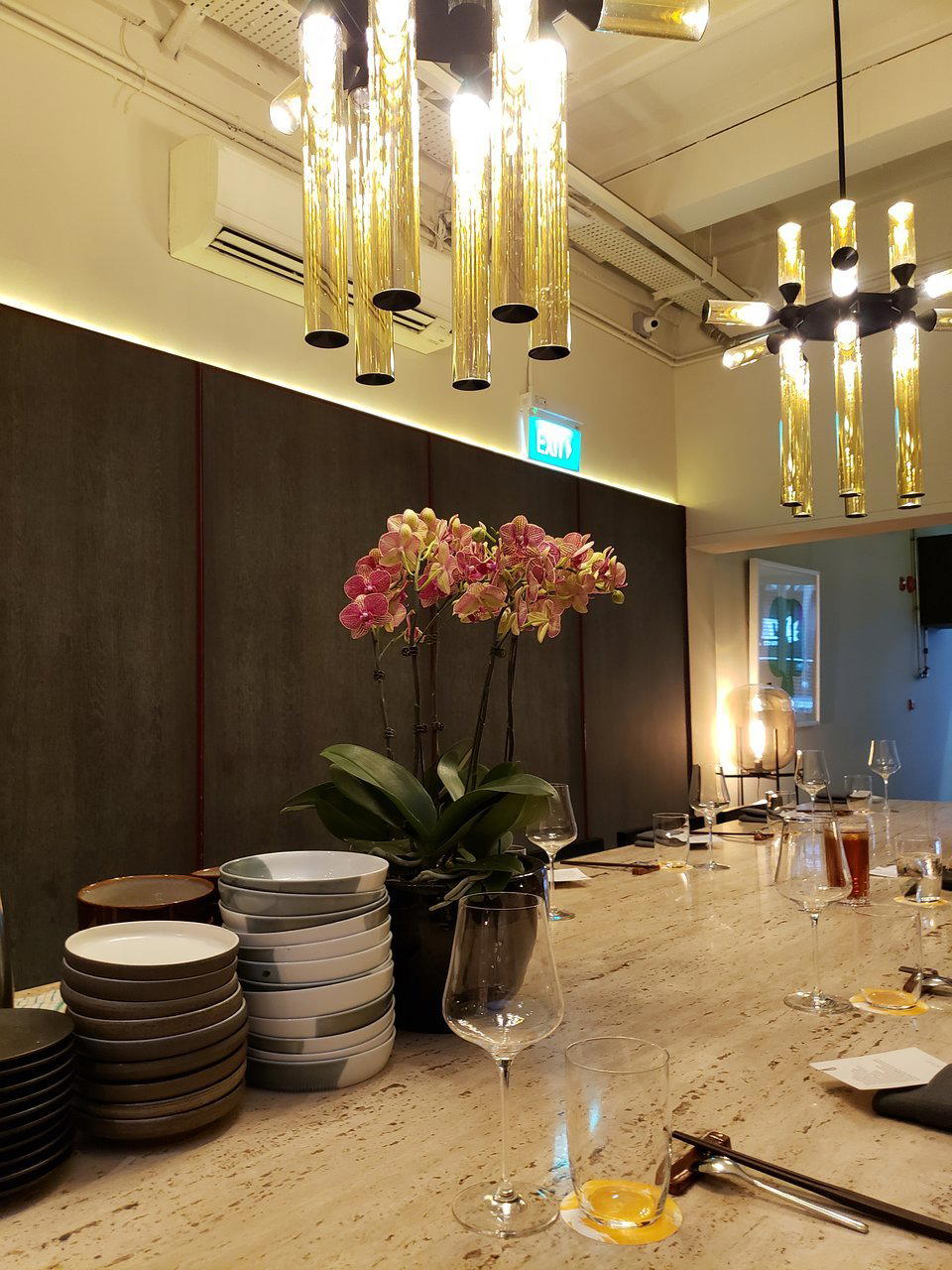
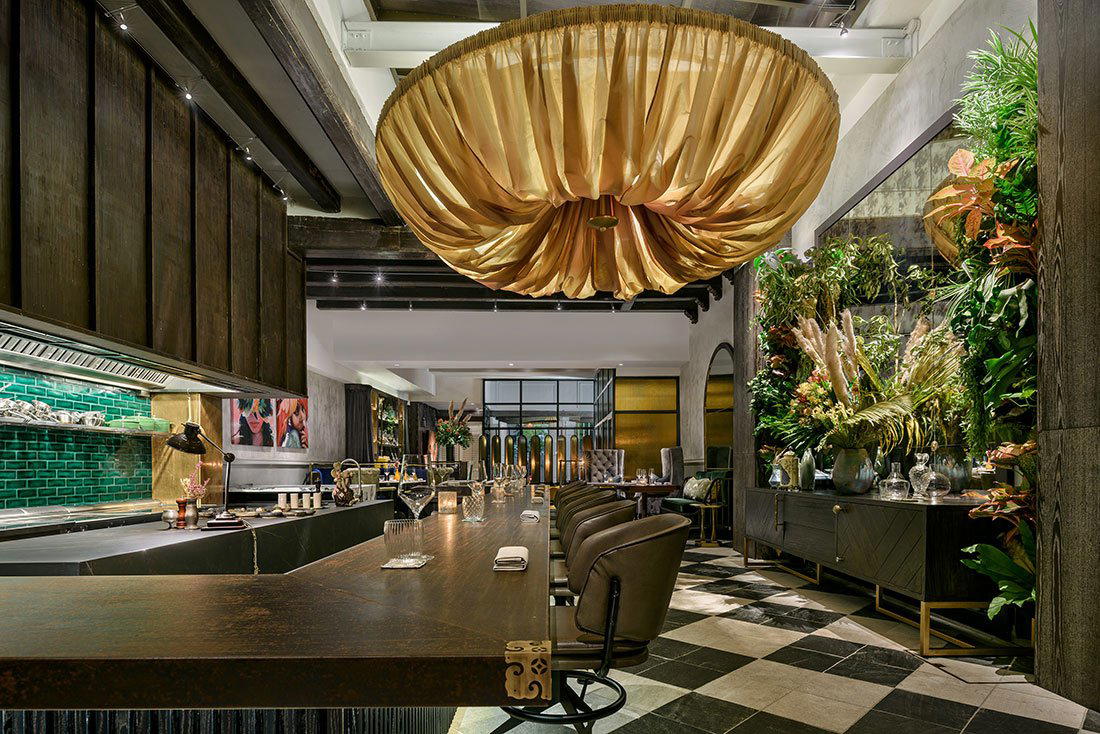
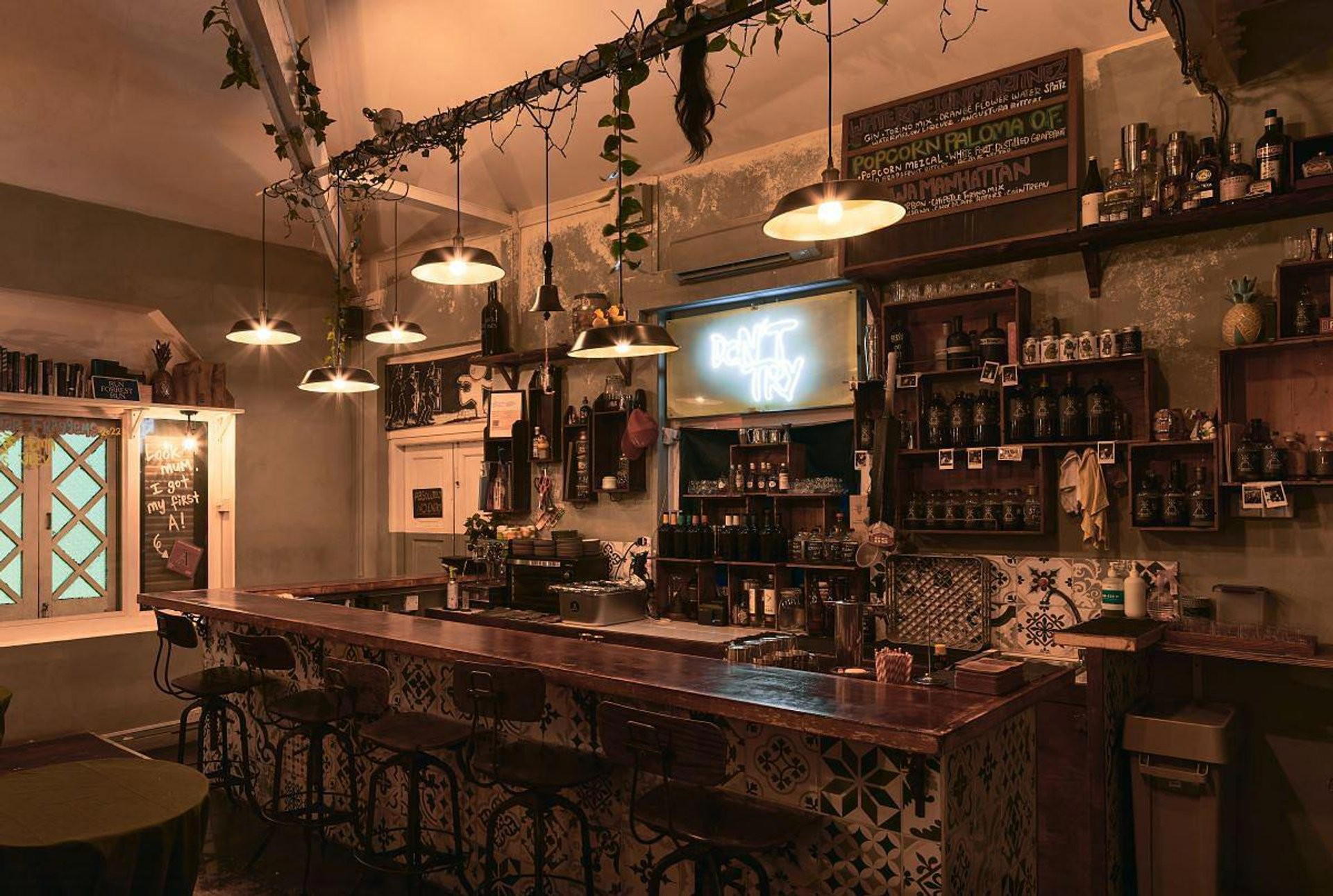
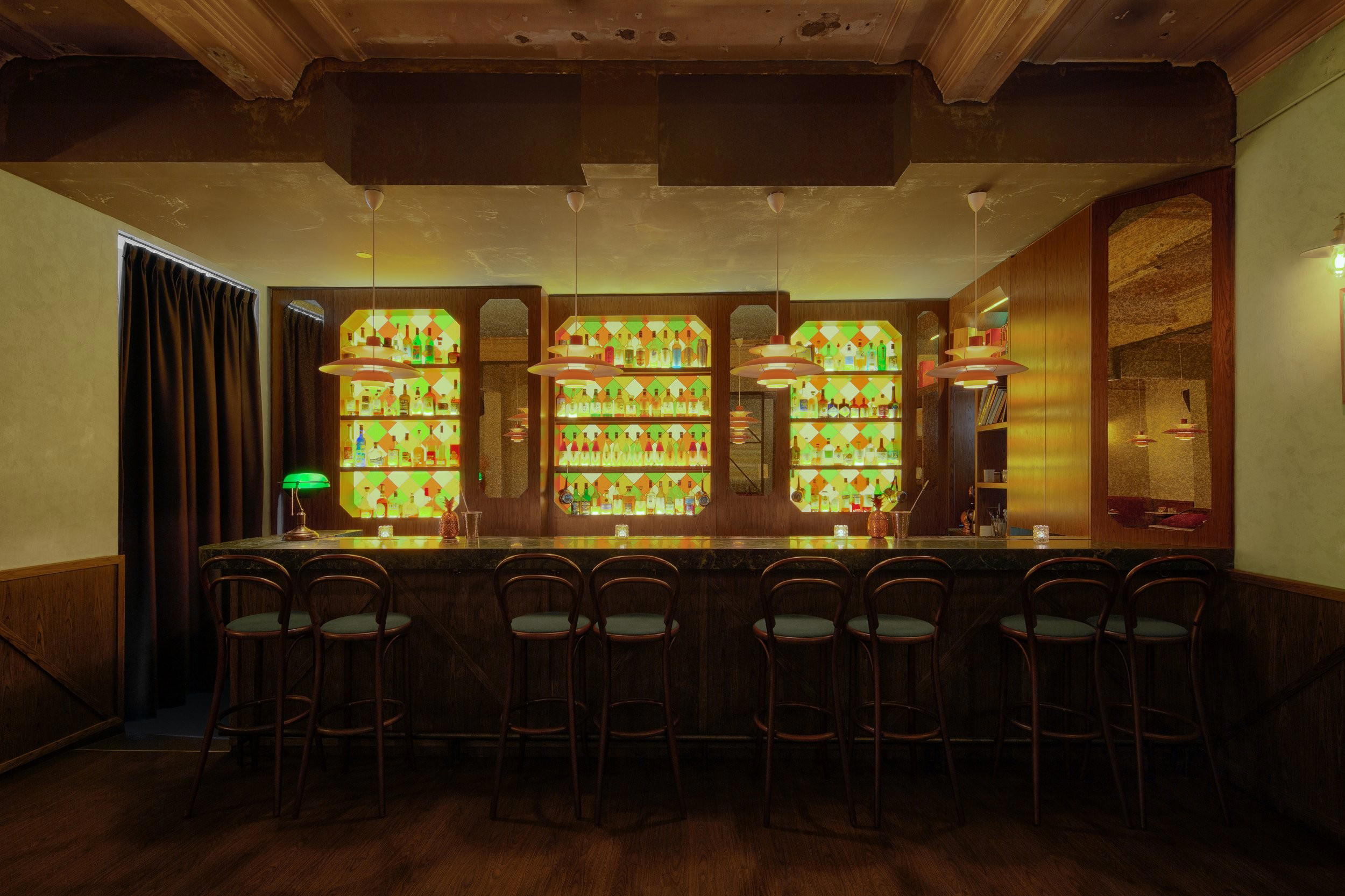
A playful, lively restaurant with a cozy lounge, kitchen counter seating, dark wood panels, Colombian decorations, and a busy, energetic dining-room feel.