

Macarfi 7.2 Food Rating · Guía Repsol 1 Sol
Our verdict
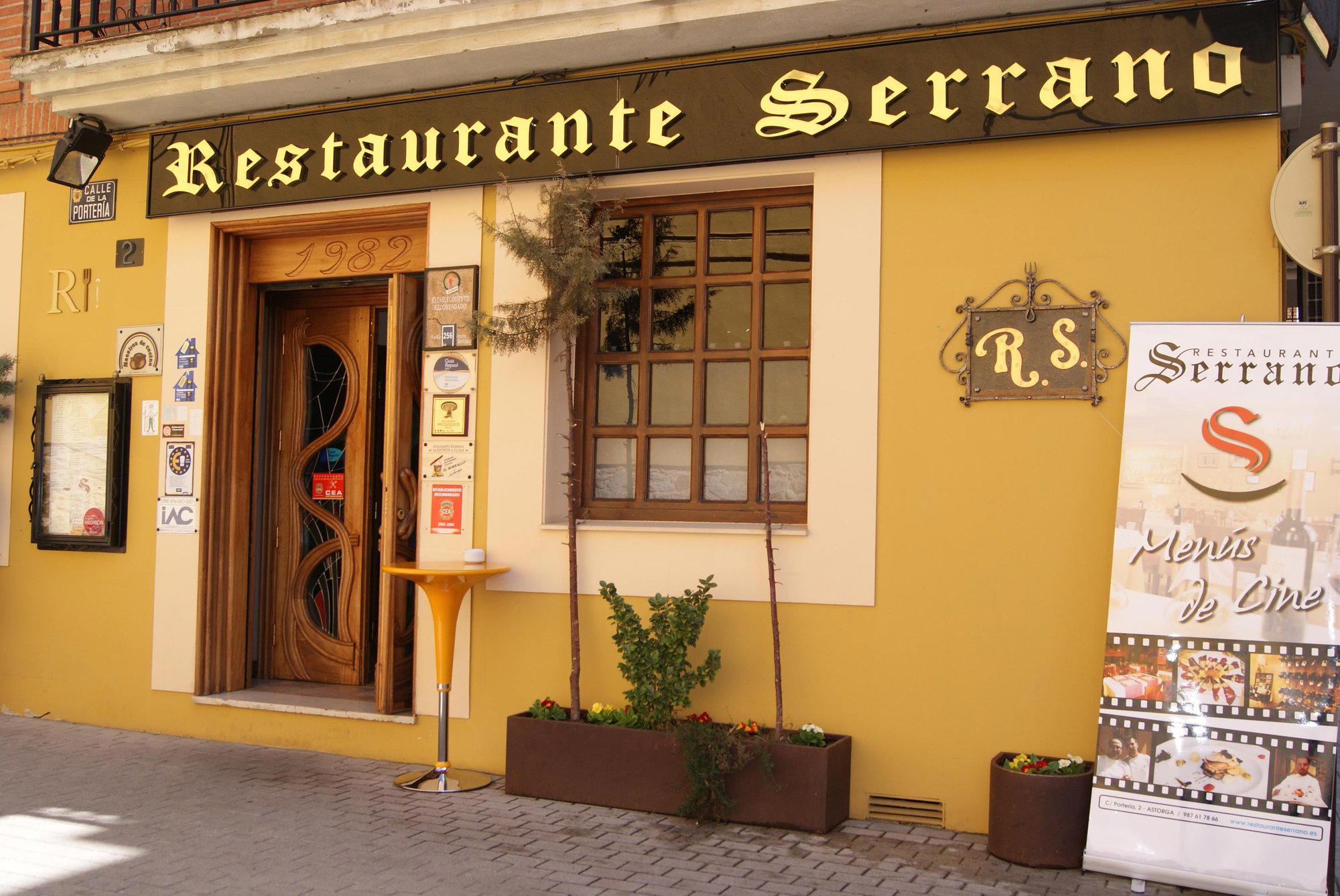
Serrano puts Astorga’s regional table in a sharper frame: León produce, Castilian appetite, and a dining culture shaped by the city’s position between pilgrimage route and market town. Its 1 Sol from Guía Repsol 2026 places it in Spain’s serious regional category, where sourcing and execution matter more than spectacle.

Pearl is the En Primeur Club membership app, where members save venues, book tables and use the concierge.
The menu
What to order
- Cecina with foie
- Seasonal wild mushroom dishes
- Garbanzo stew with mushrooms
- Homemade cheesecake
Astorga does not announce itself as a restaurant city with grand gestures. The approach is quieter: stone streets, the slow movement of a compact city, and a dining rhythm that suits a place where meals still feel deliberate. Serrano belongs to that register, where the room is best understood as part of Astorga’s broader habit of taking lunch and dinner seriously without turning the experience into theatre.
The context matters. This is not coastal Spain, not Madrid’s high-turnover tasting-menu circuit, and not a form of restaurant theatre often associated with more spectacle-led trips. Astorga has its own tempo, and a restaurant working here is judged less by novelty than by how clearly it can express a sense of place without flattening it into nostalgia.
Astorga's produce-led table, without the tourist shorthand
The stronger regional restaurants in inland Spain often operate in a narrow lane: they need to respect familiar products while avoiding the museum version of local cooking. Serrano’s recognition with 1 Sol in the Guía Repsol Soles 2026 is useful because that guide tends to reward Spanish restaurants with a sense of place, not only international polish. In a city the size of Astorga, that signal carries more weight than it would in a larger market crowded with awards.
Ingredient focus is the right lens here, but not as a checklist of signature dishes. The dining proposition is better read through its relationship with Astorga and its wider regional setting than through a single exported speciality. That separates this kind of table from lighter tapas formats elsewhere in Spain and from destination rooms that use locality as decoration.
For travellers comparing Astorga addresses, Las Termas sits in a more plainly regional bracket, while Serrano reads as the city’s more award-recognised expression of the same local gravity. The difference is not a matter of louder luxury; it is about how much editorial confidence the restaurant brings to a familiar regional setting.
Where Serrano fits in León's serious regional dining tier
The wider region has several dining identities that do not always overlap. Traditional houses such as Coscolo and La Lechería speak to everyday regional cooking; El Capricho and La Cúpula de El Capricho sit closer to the asador conversation. Serrano occupies a different space: a restaurant in Astorga with national guide recognition and a regional grammar rather than a spectacle-led thesis.
That distinction is helpful for planning. Diners looking for a long Spanish lunch built around place rather than performance will understand the appeal faster than those chasing novelty for its own sake. The Guía Repsol 1 Sol places the restaurant in a competitive set where technique is expected but not allowed to obscure origin. In this part of Spain, that usually means clarity: cooking that supports rather than smothers, pacing that respects the meal, and a sense that the setting is the point rather than the backdrop.
Astorga also changes the tempo. This is a compact city, so the dining room has to serve more than one audience: local regulars, Spanish travellers, and visitors passing through with limited time. Restaurants that survive in that mix cannot rely only on ceremony. They need legible cooking, reliable pacing, and a sense of place that does not require a lecture.
For a broader read on the city, start with our full Astorga restaurants guide, then map the rest of the stay through our full Astorga hotels guide, our full Astorga bars guide, our full Astorga wineries guide, and our full Astorga experiences guide. Astorga rewards that kind of compact planning: the city is small enough to read on foot, but its food culture sits inside a much larger regional pattern.
The reader decision: regional depth over urban spectacle
Serrano makes the clearest sense for travellers who want an Astorga meal with a recognised guide signal, rather than an experience built around urban spectacle. Its appeal is the middle ground between comfort and contemporary regional discipline. The 2026 Repsol recognition gives an external measure of seriousness; the Astorga setting keeps the experience grounded in a city where food is still tied to daily rhythm rather than only destination dining.
In Spain’s broader restaurant map, this is a different proposition from capital-city counters, tapas-led formats, northern contemporary rooms, or island occasion dining. Those comparisons clarify the choice without needing to name every alternative: Serrano is for readers prioritising regional specificity over metropolitan scale.
Other Spanish references sharpen the same point. Wine-country restaurants, major-city waterfront rooms, island-capital addresses, railway-hotel destinations, Mediterranean seasonal tables, and resort-country dining all operate through different travel logics. Serrano’s value is narrower and more useful: it gives Astorga a serious regional address with a recognised guide signal.
International comparisons underline how local the choice is. A sake bar, a casual Japanese specialist, or any other category-led format operates first through concept. Serrano operates through territory. That is the reason to go: not for a universal luxury script, but for an Astorga meal that takes its setting seriously inside one of Spain’s more atmospheric small cities.
Frequently asked questions
Is Serrano child-friendly?
Serrano is best approached as a serious regional restaurant in Astorga. Families should check directly with the restaurant for current service details and suitability before booking.
How would you describe the vibe at Serrano?
Serrano reads as a serious regional restaurant rather than a showpiece dining room. Its 1 Sol in the Guía Repsol Soles 2026 gives it a clear, destination-worthy signal in Astorga.
When can I go to Serrano?
Opening times can change, so check directly with Serrano before planning a meal in Astorga.
How do I find Serrano?
Astorga.
Quick Comparison
Comparable venues by cuisine and price in the same metro.
| Venue | Cuisine | Price | Awards | Notes |
|---|---|---|---|---|
| SerranoThis venue (the venue you are viewing) | Seasonal Spanish and Leonese restaurant with a focus on wild mushrooms | $30–50 | Macarfi 7.2 Food Rating · Guía Repsol 1 Sol | Not listed |
| Las Termas | Traditional Spanish Cocido Maragato | $20–30 | Michelin Bib Gourmand · Macarfi 7.2 Food Rating | Regional Cuisine |
| Coscolo | Traditional Cocido Maragato | $20–30 | Michelin Bib Gourmand · Macarfi 7.4 Food Rating | Traditional Cuisine |
| La Lechería | Traditional Regional Spanish | Not listed | Michelin Bib Gourmand · Macarfi 7.1 Food Rating | Traditional Cuisine |
| El Capricho | Heritage Ox Beef Steakhouse | $200–300 | World's Best Steaks Europe's 50 Best #9 · Macarfi 8.2 Food Rating | Asador |
Recognition history
Dated appearances from independent guides and award organizations, with the underlying list record or original source where available.
Guía Repsol 1 Sol
Guía Repsol
Macarfi 7.2 Food Rating
Macarfi
Continue exploring
More in Astorga


Details
- Classic
- Cozy
- Elegant
- Romantic
- Date Night
- Business Dinner
- Family
- Celebration
- Special Occasion
- Wine Cellar
- Historic Building
- Standalone
- Extensive Wine List
- Local Sourcing
- A La Carte
- Tasting Menu
- Wine
- Vegetarian Friendly
- Vegan Options
- Gluten Free Options
Current opening hours
- Monday
- Closed
- Tuesday
- 1:30–3:30 PM
- Wednesday
- 1:30–3:30 PM
- Thursday
- 1:30–10:30 PM
- Friday
- 1:30–10:30 PM
- Saturday
- 1:30–10:30 PM
- Sunday
- 1–3:30 PM
Hours can change for holidays and private events. Hours as of .
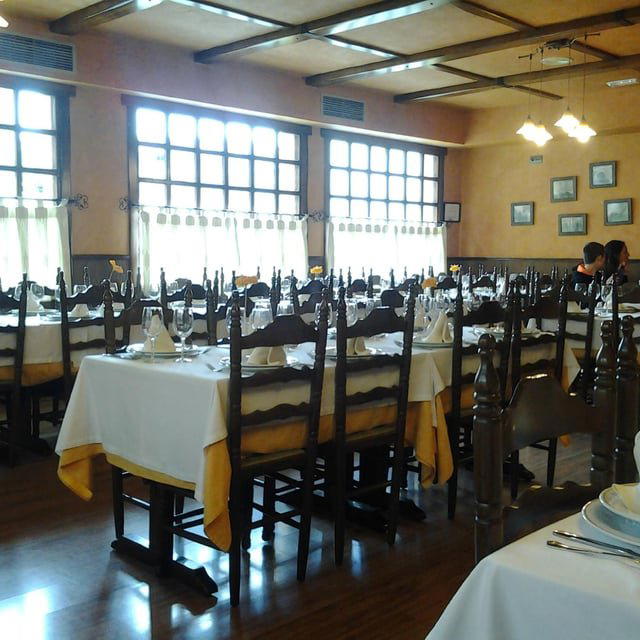
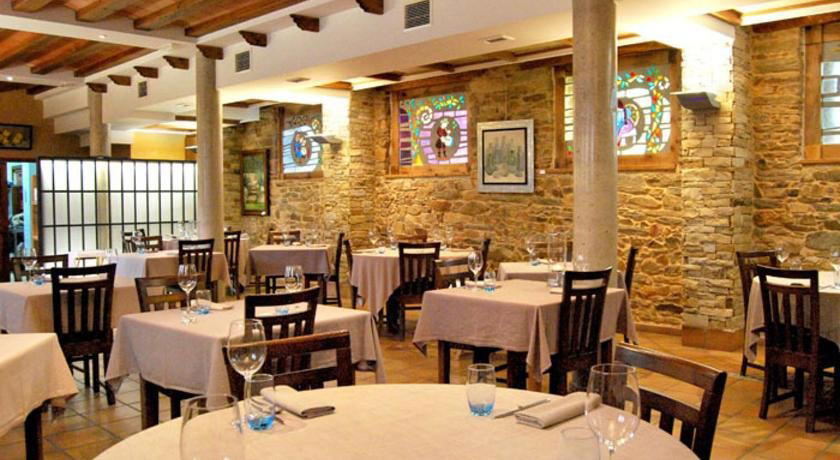
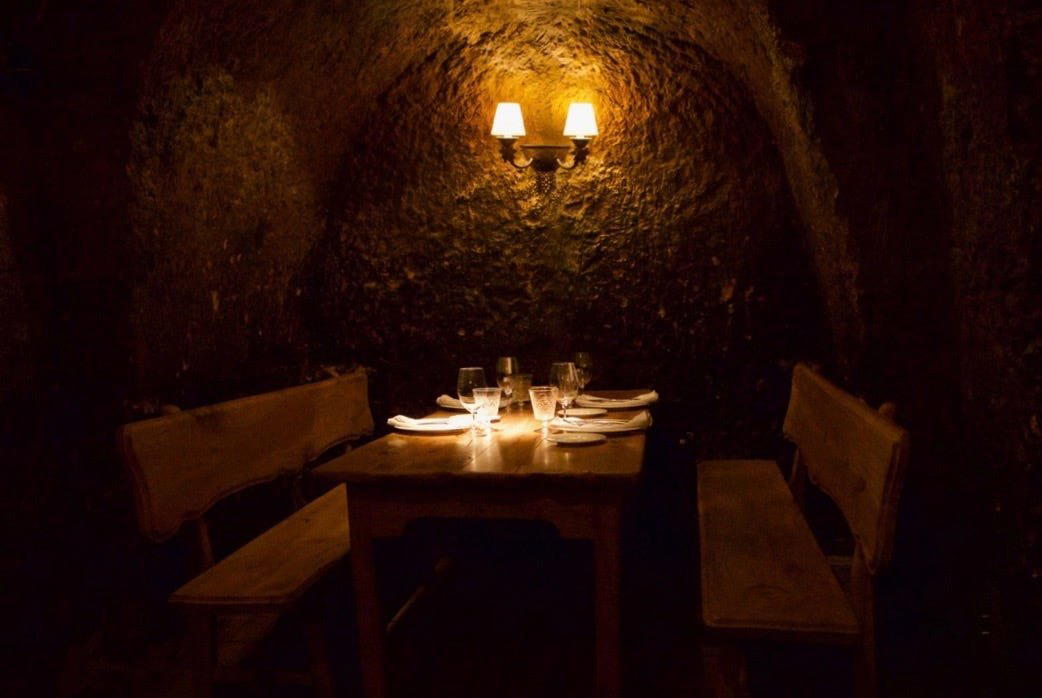
Warm, classic dining room atmosphere with a cozy, elegant feel, suited to relaxed lunches and special dinners rather than a noisy tapas bar environment.