Lanterna na Dolcu occupies a quietly significant address on Opatovina, steps from Zagreb's oldest market. The kitchen works within the tradition of continental Croatian cooking, placing it among the neighbourhood restaurants that define the Upper Town's character rather than chasing the city's newer fine-dining tier. For visitors who want to understand how Zagreb actually eats, it is a more instructive stop than the hotel-facing options downtown.
Pearl is the En Primeur Club membership app — saves, bookings, and concierge access live there. Same editors, same standards.
- Address
- Opatovina 31, 10000, Zagreb, Croatia
- Phone
- +38514819009
- Website
- lanterna-zagreb.com
- Directions
- Get directions
 Saves & bookings on Pearl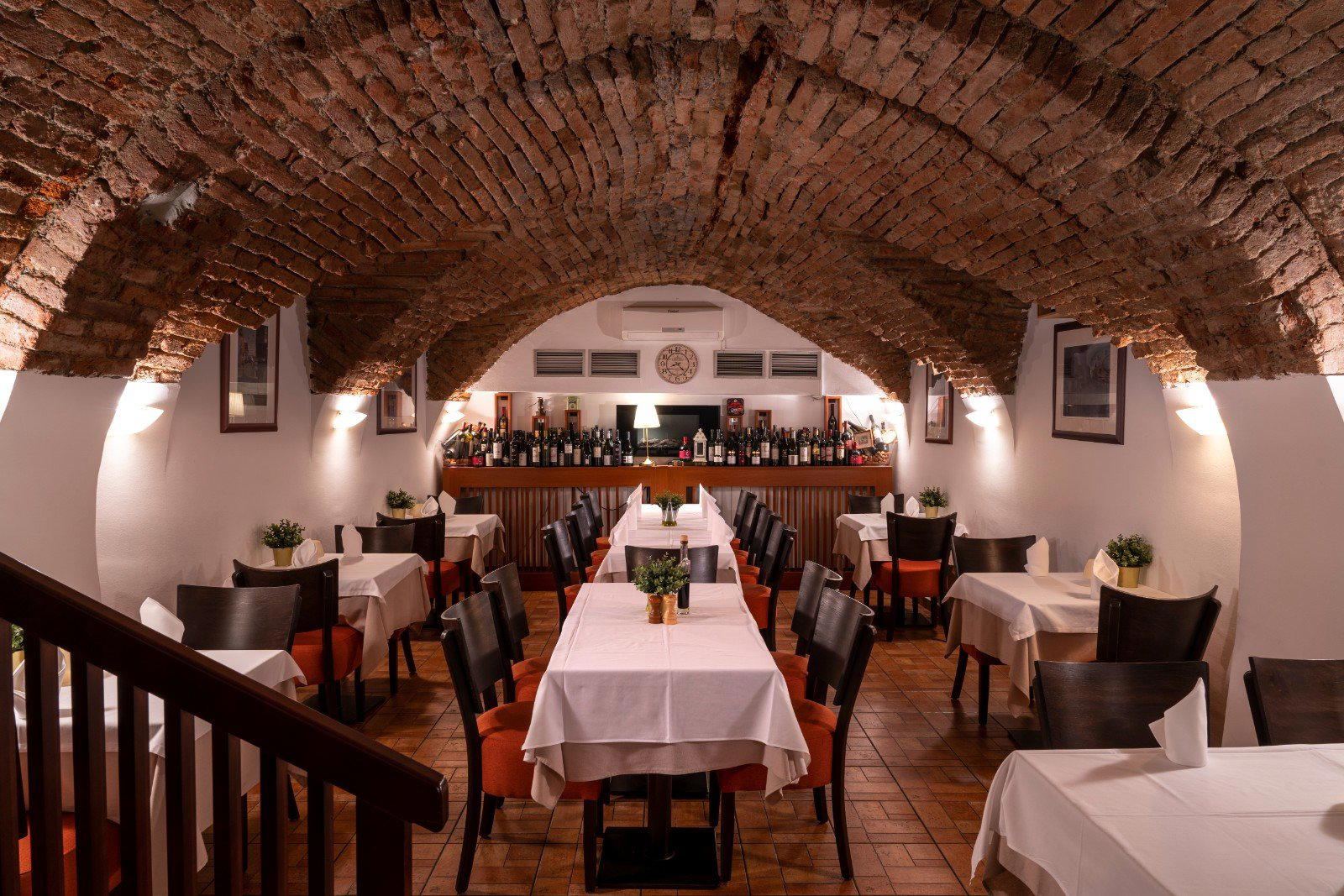
Opatovina and the Upper Town Table
Lanterna na Dolcu is a traditional Croatian restaurant in Zagreb, at Opatovina 31, with a casual dress code and recommended reservations. The approach to Lanterna na Dolcu sets the register before you reach the door. Opatovina is one of those streets in Zagreb's Gornji Grad where the stone underfoot, the low facades, and the proximity to Dolac market, the city's central food market, operating on the terrace above since 1930, create a density of context that the Lower Town's café-lined boulevards cannot replicate. The market above supplies much of the city's daily rhythm, and the streets around it carry that weight into the evening.
Continental Croatian cooking, the tradition that shapes the inland table rather than the Adriatic coast's fish-and-olive-oil register, draws on Central European influences that arrived through Habsburg administration and stayed. Slow-braised meats, freshwater fish from the Sava and Drava rivers, foraged mushrooms, and seasonal vegetables preserved through curing and fermentation form its core vocabulary. Zagreb is where that tradition is most coherent as a civic cuisine, distinct from the Dalmatian cooking that dominates Croatia's international profile. Lanterna na Dolcu's address places it squarely inside that tradition's home territory.
What the Dolac Proximity Actually Means
The relationship between a restaurant and a market matters more in Zagreb than in cities where supply chains are longer and more anonymous. Dolac operates six days a week, and its vendors, many of them from the Zagorje and Slavonia regions north and east of the city, bring produce, dairy, and meat that reflect the agricultural calendar rather than a centralised distribution system. A kitchen on Opatovina, one street below, sits inside that supply orbit in a way that a restaurant in the Donji Grad simply does not.
This is the structural advantage of the Upper Town's dining cluster, and it is one reason why neighbourhood restaurants here tend to express the season more accurately than venues further from the source. The Croatian restaurant tradition at this price tier operates without the theatrical tasting-menu apparatus of the city's newer fine-dining rooms.
Zagreb's dining scene has split more sharply over the past decade between the fine-dining tier, where venues like Noel (Modern Cuisine) operate at the €€€€ level with contemporary European ambition, and the neighbourhood tier, where the cooking is less architecturally plated but often more rooted. Dubravkin Put (Mediterranean Cuisine) occupies a middle ground at the €€€ level with a Mediterranean orientation. The restaurant sits in the neighbourhood tier, where regulars rather than tourists set the room's tone.
Continental Croatian Cooking in Its Proper Context
Understanding why a restaurant like this holds its position in the city requires some grounding in what continental Croatian cooking actually asks of a kitchen. This is not a cuisine that rewards shortcuts. Dishes built around slow-cooked lamb, veal prepared under a peka (the iron bell used for ember cooking), or freshwater fish like šaran (carp) or som (catfish) require time, knowledge of the ingredient, and a kitchen that respects the original form rather than reinterpreting it for an international audience.
Croatia's coastal restaurants have benefited from the international recognition that comes with Adriatic ingredients, the quality of Pag lamb, Kvarner scampi, or Dalmatian olive oil translates easily to a global fine-dining vocabulary. The inland tradition is harder to export and, as a result, less represented in the venues that attract international critical attention. The Michelin-starred addresses in Croatia, including Agli Amici Rovinj in Rovinj, Pelegrini in Sibenik, and Restaurant 360 in Dubrovnik, are concentrated on the coast. Zagreb's contribution to Croatian fine dining, through addresses like Noel and the creative end of the spectrum, tends toward contemporary European framing rather than a defence of continental tradition.
That leaves the traditional Zagreb table to restaurants operating without Michelin scaffolding, in rooms where the audience is local and the cooking is validated by repeat custom rather than critical consensus. This is the comparable set the restaurant belongs to, and it is a more demanding standard in some respects: a room full of regulars who grew up eating this food will notice a dropped standard in the braising liquid or a shortcut in the pastry faster than a tourist checking a list.
Placing It Among Zagreb's Options
For visitors constructing a Zagreb itinerary around the full range of the city's cooking, the logical architecture involves the fine-dining tier for at least one meal, a neighbourhood room for grounding, and, if the schedule allows, one of the category specialists. Izakaya (Japanese Contemporary) represents the city's growing appetite for non-European formats at the more accessible price point. Al Dente and Amfora extend the options at different points on the price spectrum.
Beyond Zagreb, the Croatian restaurant circuit rewards the traveller who plans ahead. Nebo by Deni Srdoč in Rijeka and Alfred Keller in Mali Losinj represent the Kvarner region's serious dining, while Boskinac in Novalja, Krug in Split, LD Restaurant in Korčula, and Korak in Jastrebarsko fill out the national picture. BioMania Bistro Bol in Bol sits at a different register entirely. For context on how Zagreb's dining compares to global reference points, the gap between neighbourhood dining here and starred venues like Le Bernardin in New York City or Atomix in New York City is instructive: the continental Croatian tradition operates at a human scale that those rooms do not attempt.
Planning a Visit
The restaurant is at Opatovina 31, in the Gornji Grad quarter, within easy walking distance of the funicular from Ilica and a short walk from the Cathedral. The Upper Town is leading approached on foot; the streets are narrow and parking is limited. Given the address's proximity to Dolac, arriving before the lunch service begins allows time to pass through the market, which closes in the early afternoon. For a broader map of where this address sits within Zagreb's dining options, see our full Zagreb restaurants guide.
Comparison Snapshot
Comparable venues nearby, for context on price, style, and recognition.
| Venue | Cuisine | Price | Notes |
|---|---|---|---|
| Lanterna na DolcuThis venue — the venue you are viewing | Traditional Croatian | $$ | Not listed |
| Trilogija Fino&Vino | Contemporary Croatian with Mediterranean Influences | $$ | Kaptol |
| Boteko Latin Street Food | Brazilian Street Food | $$ | Zagreb city center |
| Pizzeria Park | Neapolitan Pizza | $$ | Design District |
| Burgeraj | American Burgers | $$ | Lower Town |
| SOI fusion | Asian Fusion Street Food | $$ | Donji Grad |
Continue exploring
More in Zagreb
Restaurants in Zagreb
Browse all →
Bars in Zagreb
Browse all →
Hotels in Zagreb
Browse all →

At a Glance
- Cozy
- Romantic
- Intimate
- Classic
- Rustic
- Date Night
- Casual Hangout
- Group Dining
- Terrace
- Historic Building
- Wine Cellar
- Standalone
- Extensive Wine List
- Local Sourcing
- Street Scene
Current opening hours
- Monday
- 2–10 PM
- Tuesday
- 2–10 PM
- Wednesday
- 2–10 PM
- Thursday
- 2–10 PM
- Friday
- 2–10 PM
- Saturday
- 2–10 PM
- Sunday
- Closed
Hours can change for holidays and private events. Last verified .
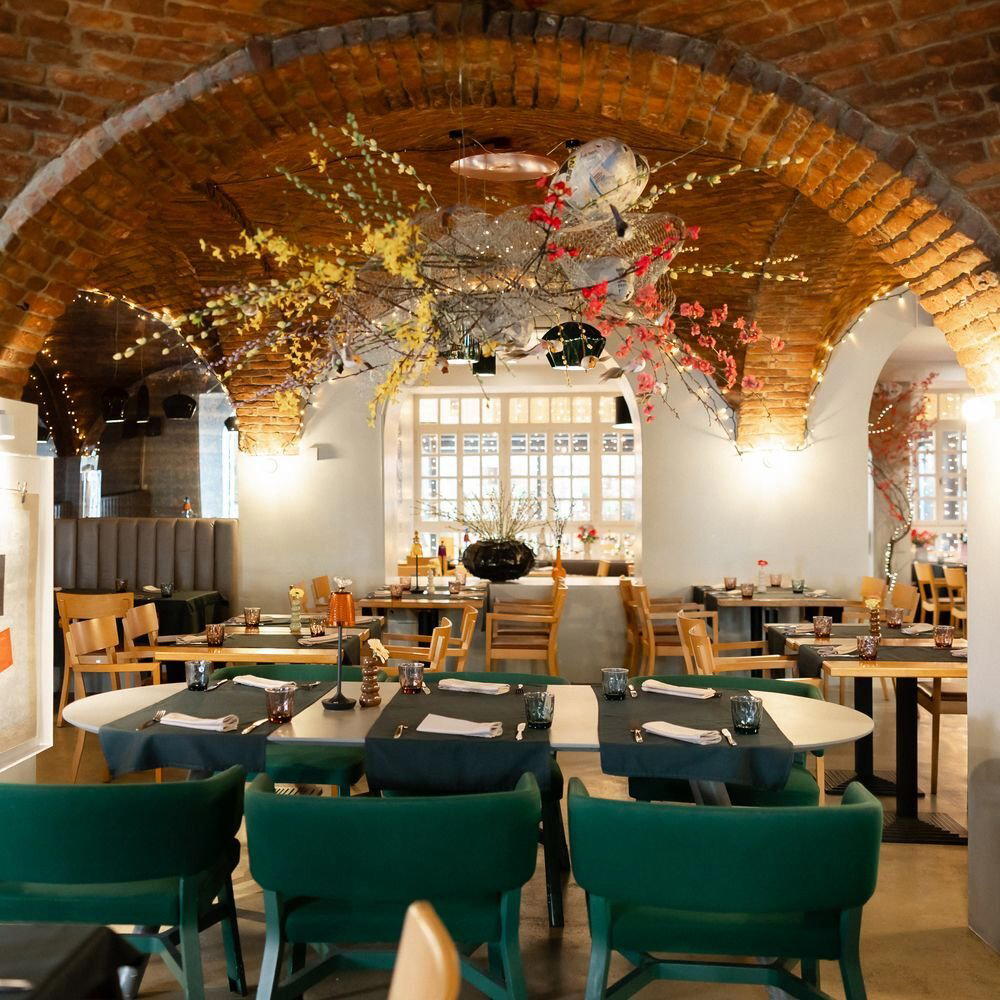
Intimate, peaceful and romantic wine-cellar atmosphere with original brick vaults, a warm historic feel, and a cozy homely terrace option overlooking the cathedral surroundings.