Lam Phu 2

Michelin Plate
Our verdict
A Michelin Plate recipient in both 2024 and 2025, Lam Phu 2 sits on the Tapi River in Surat Thani, serving southern Thai seafood to a dining room that seats over 100 with open views of the working waterway. The oyster omelette with its crispy egg base and fresh local oysters has become the dish most associated with the restaurant, alongside stir-fried squid finished with salted egg sauce.

Pearl is the En Primeur Club membership app — saves, bookings, and concierge access live there. Same editors, same standards.
- Address
- 23/1 หมู่ที่ 3 ถนน ปากน้ำ ตำบล บางกุ้ง อำเภอ เมืองสุราษฎร์ธานี Surat Thani 84000, Thailand
- Phone
- +66 77 285 113
- Hours
- Daily 10 AM–9 PM
- Directions
- Get directions
The menu
What to order
- Oyster omelette
- Stir-fried squid with salted eggs
Riverfront Seafood and the Southern Thai Shellfish Tradition
Arrive at Lam Phu 2 in the early evening and the Tapi River sets the terms before you reach the door. Fishing boats move in both directions on the brown water, and the restaurant's open-sided dining room faces them directly, catching the breeze off the river and the ambient sounds of a working waterway rather than a curated dining atmosphere. With over 100 seats arranged across a bright, airy space, this is a room designed for the kind of shared-table eating that defines provincial Thai dining culture: loud, communal, and oriented entirely around what was pulled from the water that day.
That orientation toward local catch is exactly what southern Thai coastal cooking has historically demanded. The Gulf of Thailand coast around Surat Thani produces oysters, squid, crab, and shrimp in quantities that have shaped a regional culinary identity quite distinct from the tom yum-heavy shorthand most visitors associate with Thai food generally. Southern cuisine runs hotter, saltier, and more fermented than central Thai cooking, with shrimp paste, dried seafood, and salted egg appearing not as accents but as structural ingredients. Lam Phu 2 operates squarely within that tradition, applying it to whatever shellfish and molluscs the Tapi River basin and Gulf supply.
The Oyster Omelette and What It Reveals About Technique
The oyster omelette is the dish most closely associated with Lam Phu 2, and it earns that association through execution rather than novelty. The format itself, hoi thod, is a staple across coastal Thailand and as far as the street hawkers of Penang and Singapore, but the version here carries a Michelin Plate recognition in both 2024 and 2025 for good reason. A properly made hoi thod requires a crispy, lacey egg base achieved through high heat and a thin batter, with the oysters folded in at a stage that keeps them plump rather than overcooked. Seasoning balance matters considerably: too much fish sauce and the brininess of the oysters becomes oppressive; too little and the dish flattens. The version at Lam Phu 2, according to Michelin's own recorded notes, achieves a crispy egg base with spot-on seasoning and fresh local oysters, served with steamed rice as the natural counterweight to the dish's richness.
This approach to shellfish cookery, using high heat and restraint in layering flavours, is what separates well-executed southern Thai seafood from the tourist-adjusted versions found closer to ferry terminals and resort strips. The proximity to the river and the local fishing community is a supply advantage that restaurants in the same price tier (฿฿) in more tourist-saturated areas cannot easily replicate.
Squid, Salted Egg, and the Logic of the Menu
Alongside oysters, squid occupies a central position in the Gulf coast shellfish repertoire, and Lam Phu 2's stir-fried squid with salted egg is the second dish Michelin's inspectors called out specifically. The salted egg preparation has become more visible across Thai cooking in recent years, appearing in everything from crab claws to fried chicken, but its application to squid works particularly well because the creamy, saline yolk sauce adheres to the scored surface of the squid rather than pooling beneath it. The result, described in Michelin's notes as tender and packed with flavour, relies on the kind of wok technique, high temperature, short cooking time, and confidence in timing, that is difficult to replicate at lower volume or lower heat.
The broader menu follows the logic of a southern Thai seafood house: the proteins are aquatic, the preparations lean on fermented and preserved condiments, and the dishes are designed to be eaten with rice and shared across the table. For visitors accustomed to set-price tasting formats, the à la carte, order-as-you-go structure here is worth understanding before arriving. Ordering in rounds, letting one dish land before deciding on the next, suits both the kitchen's rhythm and the riverfront pace of the meal.
Where Lam Phu 2 Sits in the Surat Thani Dining Scene
Surat Thani functions primarily as a transit city for travellers moving between Bangkok and the islands, which means its local dining culture operates largely outside tourist attention. That dynamic has kept a tier of genuinely local restaurants, priced for residents rather than resort guests, producing food that reflects actual southern Thai culinary habits.
Within the ฿฿ mid-range tier in Surat Thani, the comparable options tend toward Thai-Chinese cooking, with rice and roast pork formats like those at Heng Khao Moo Daeng, or international all-day formats like Day & Night. For shellfish-focused southern Thai cooking with a riverside setting, Lam Phu 2 occupies a distinct position. Pa Ting and Keo Pla address different ends of the local spectrum, with Keo Pla operating at a lower price point in the small eats format. For street food around the market circuits, Khao Kriab Pak Mor Talat Na San Jao covers that ground separately.
For context on how southern Thai seafood cooking sits within Thailand's broader Michelin-recognised dining scene, Sorn in Bangkok represents the fine dining end of the southern Thai tradition, while AKKEE in Pak Kret and PRU in Phuket show how produce-led thinking operates at higher price tiers elsewhere in the country. The gap between those formats and a riverfront seafood house at ฿฿ is considerable, but Michelin's Plate designation, awarded in both 2024 and 2025, signals that the inspectors found cooking worth acknowledging at this level regardless of format or price.
Internationally, the approach to shellfish at this kind of coastal working restaurant echoes what you find at places like Gambero Rosso in Marina di Gioiosa Ionica or Alici on the Amalfi Coast: proximity to the source, minimal mediation between catch and plate, and technique calibrated to the ingredient rather than the concept.
Planning Your Visit
Lam Phu 2 is located at 23/1 Moo 3, Pak Nam Road, Bang Kung, Mueang Surat Thani district, Surat Thani 84000. The river-facing position makes the late afternoon and early evening the most considered time to arrive, when the light on the Tapi is at its flattest and the fishing boat traffic is still active. The over-100-seat capacity means walk-in access is generally viable, and the format suits groups as readily as pairs. Pricing sits in the ฿฿ range, consistent with the mid-tier southern Thai seafood houses in the province. The Michelin Plate in both 2024 and 2025 makes this one of the more formally recognised stops for seafood in the province; for the wider picture of where to eat in the city, the full Surat Thani restaurants guide covers the range of options across cuisines and price points. Accommodation options are covered in the Surat Thani hotels guide, and for drinking and leisure options, see the bars guide, wineries guide, and experiences guide for Surat Thani.
Frequently asked questions
What's the price range at Lam Phu 2?
Pricing at Lam Phu 2 is listed as ฿฿.
What's Lam Phu 2 known for in terms of accolades?
Lam Phu 2 has received recognition including: Watch the fishing boats on Tapi River while enjoying a bright and airy setting and local seafood cooked southern style. The oyster omelette is gorgeous with a crispy egg base, spot-on seasoning and fresh local oysters; it goes well with ste….
What dish is Lam Phu 2 famous for?
The oyster omelette is the dish most closely associated with Lam Phu 2. Michelin inspectors awarded the restaurant a Plate in both 2024 and 2025, specifically noting the crispy egg base, accurate seasoning, and fresh local oysters. The stir-fried squid with salted egg runs a close second, drawing attention for its creamy sauce and concentrated flavour.
Peers in This Market
A quick peer list to put this venue’s basics in context.
| Venue | Cuisine | Price | Awards | Notes |
|---|---|---|---|---|
| Lam Phu 2This venue — the venue you are viewing | Southern Thai Seafood | $10–20 | Michelin Plate | Not listed |
| Lucky | Southern Thai & Thai-Chinese | $10–20 | Michelin Bib Gourmand | Thai-Chinese, ฿฿ |
| Phunisa | Southern Thai | $10–20 | Michelin Bib Gourmand | ฿฿ |
| Day & Night | Thai-European Fusion | $10–20 | Michelin Plate · Wine Spectator Award of Excellence | International, ฿฿ |
| Heng Khao Moo Daeng | Thai-Chinese Street Food | $1–10 | Michelin Plate | Thai-Chinese, ฿ |
| Keo Pla | Thai Fish Noodle Shop | $1–10 | Michelin Bib Gourmand | Small eats, ฿ |
Recognition history
Dated appearances from independent guides and award organizations, with the underlying list record or original source where available.
Michelin Plate
Michelin
Full recognition history (3 entries)
Michelin Plate
Michelin
Michelin Plate
Michelin
Continue exploring
More in Surat Thani
Details
- Scenic
- Group Dining
- Casual Hangout
- Waterfront
- Local Sourcing
- Waterfront
- A La Carte
Current opening hours
- Monday
- 10 AM–9 PM
- Tuesday
- 10 AM–9 PM
- Wednesday
- 10 AM–9 PM
- Thursday
- 10 AM–9 PM
- Friday
- 10 AM–9 PM
- Saturday
- 10 AM–9 PM
- Sunday
- 10 AM–9 PM
Hours can change for holidays and private events. Last verified .
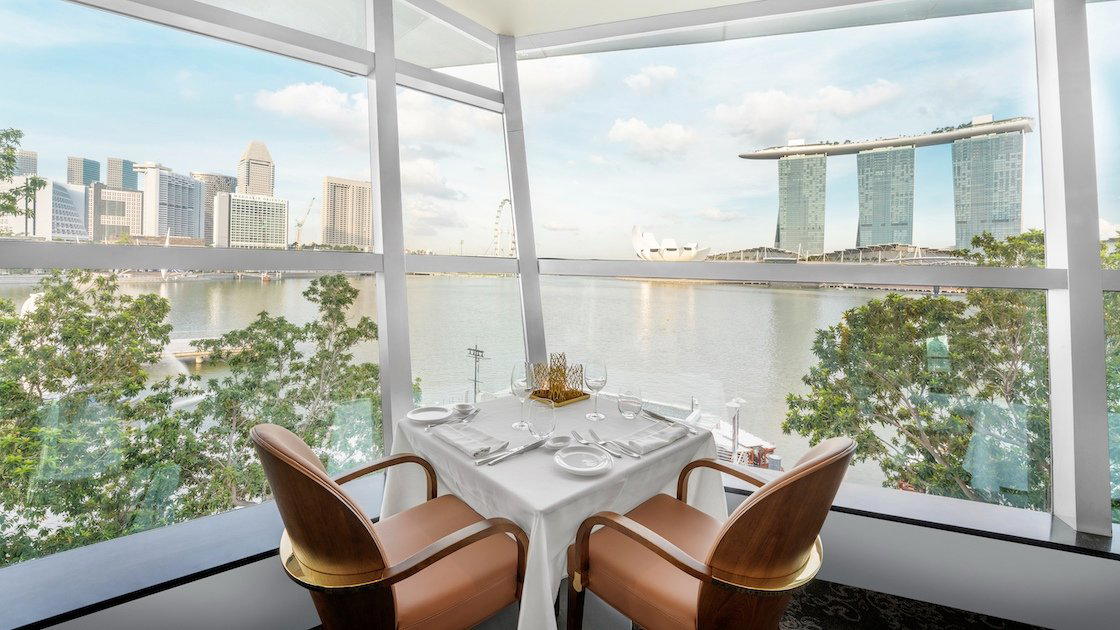
Bright and airy with scenic river views.