Our verdict
On Rue d'Argentré in central Rennes, L'AlgoRythme occupies a quiet tier of the city's dining scene where pacing and precision matter more than spectacle. The name signals an interest in structure and sequence, placing it alongside a generation of French restaurants that treat the meal itself as a carefully ordered system. Visitors looking for the considered end of Rennes dining should note it as a reference point alongside peers such as Ima and Alphonse.

The menu
What to order
- Pear roasted with gorgonzola and smoked bacon cream
- Asparagus risotto with vegetable broth
- Farmer sausage with ginger lentil purée
- Stuffed golden apple squash with mushrooms
- Egg mimosa with coffee powder
The Rhythm of the Meal: How Rennes Approaches the Structured Table
There is a particular kind of restaurant that Rennes has been quietly producing for the better part of a decade: small, deliberate spaces where the architecture of the meal takes precedence over ambient theatre. These are not places that announce themselves loudly. They sit on side streets in the old city centre, often without prominent signage, and they rely almost entirely on word of mouth and repeat visitors. L'AlgoRythme, at 10 Rue d'Argentré, belongs to that category. The street itself is the kind of narrow Rennais corridor where the building scale keeps noise low and foot traffic measured, which suits a room whose proposition is, by its name alone, about sequence and logic rather than spontaneous energy.
The name is worth pausing on. An algorithm, in its original sense, is a set of rules followed in a fixed order to solve a problem. Applied to dining, it implies that the meal has been thought through as a system: each course serving a function in relation to what preceded it and what follows. This framing places L'AlgoRythme in a broader French tradition of menu construction that stretches from the grandes maisons, such as Troisgros - Le Bois sans Feuilles in Ouches and Auberge de l'Ill in Illhaeusern, down through the regional addresses that have inherited their structural seriousness without their scale or price point.
Where It Sits in the Rennes Scene
Rennes dining has diversified meaningfully over the past few years. The city now sustains a range of price points and registers, from the creative tasting-menu format at Ima, which operates at the €€€€ tier, through mid-market modern cuisine addresses like Benèze and Bombance, to the more accessible end of the creative spectrum. Breizh Café Rennes anchors the Breton tradition at the €€ level, demonstrating that the city's appetite for regional identity remains intact even as more internationally inflected formats gain ground.
L'AlgoRythme occupies a position within this spread that is harder to pin down precisely, because detailed price and format data is not yet fully documented in public records. What the address and name together suggest is a restaurant that has opted for a particular kind of positioning: specific enough in its conceptual frame to attract a guest who arrives with genuine curiosity about structure, but located in a city where that curiosity does not yet command the same premium it would in Paris or Lyon. For context on how the top tier of French restaurant dining prices and sequences its menus, Alléno Paris au Pavillon Ledoyen and Mirazur in Menton both demonstrate how rigorous menu architecture translates into extended formats with corresponding price structures. L'AlgoRythme, operating in a regional capital rather than a destination dining city, is more likely pricing closer to the middle of the Rennes range than to those benchmarks.
The Dining Ritual: Sequence as the Point
Across France, the most interesting mid-tier restaurants of the past decade have largely abandoned the à la carte model in favour of set menus that enforce a particular sequence. This is not simply about portion control or kitchen efficiency. It reflects a philosophical position: that the guest's experience of a dish depends on what came before it, and that a well-ordered meal is itself a form of argument. Acidity early, richness mid-course, sweetness late, with textural counterpoints distributed across the arc.
At addresses that have adopted this logic most fully, such as AM par Alexandre Mazzia in Marseille or Assiette Champenoise in Reims, the sequence is communicated to the guest explicitly, sometimes through a printed menu that reads almost like a score. The names of dishes function as chapter headings rather than descriptions. The actual encounter with the food then either confirms or complicates what the name suggested, and the gap between expectation and delivery is where much of the interest lives.
L'AlgoRythme's name implies fluency with exactly this register. Whether the execution fully inhabits the structural ambition suggested by the name is a question that requires a visit to answer. What can be said is that the framing positions the restaurant as a place where the pacing of the meal is treated as part of the offer, not an afterthought.
Rennes in the Broader French Dining Frame
Brittany's culinary identity has historically been defined by its primary materials: shellfish, dairy, buckwheat, coastal fish. The crêperie tradition, exemplified locally by Breizh Café Rennes, remains the most internationally recognised expression of Breton cooking. But Rennes, as the regional capital, has increasingly developed a parallel track of restaurants that engage with those materials through more contemporary technique, placing them in conversation with the French fine-dining tradition rather than simply presenting them in their vernacular form.
That conversation has produced genuinely interesting results at a national level. Bras in Laguiole and Flocons de Sel in Megève both demonstrate how deeply regional kitchens can sustain Michelin-level recognition by pressing local material through a precise technical lens. Rennes has not yet produced a restaurant at that level of national profile, but the structural seriousness evident in addresses like L'AlgoRythme and Alphonse suggests the city is developing the infrastructure of ambition that precedes such recognition.
For international reference points on how structured menu formats travel across cultures, Atomix in New York City and Le Bernardin in New York City both illustrate how the sequenced-meal format has become a shared grammar of high-intention dining well beyond France's borders. Paul Bocuse - L'Auberge du Pont de Collonges and Au Crocodile in Strasbourg anchor the French end of that tradition with long institutional histories. L'AlgoRythme operates without those histories but within the same vocabulary.
Planning a Visit
L'AlgoRythme is located at 10 Rue d'Argentré in central Rennes, within walking distance of the historic city centre and its transport connections. Detailed booking information, current hours, and pricing are not yet comprehensively documented in public records, so contacting the restaurant directly or checking current listings through our full Rennes restaurants guide is the most reliable approach before planning a visit. Given the conceptual specificity of the restaurant's framing, it is the kind of address likely to have a regular local clientele that fills the room on weekends, making a midweek visit a reasonable first choice for those without an advance booking.
Frequently asked questions
Where do I go for L'AlgoRythme?
L'AlgoRythme is located at 10 Rue d'Argentré, 35000 Rennes, France, Rennes.
Is L'AlgoRythme a good fit for a first-time visitor to Rennes looking for contemporary French cooking?
Rennes has positioned itself as one of Brittany's more forward-looking dining cities, and L'AlgoRythme on Rue d'Argentré sits within that shift toward structured, chef-led menus rather than traditional à la carte. For a visitor wanting to eat in the register that defines the city's current direction, it represents a logical first stop in that category. Its central location also places it within easy reach of Rennes' historic core.
What's the must-try dish at L'AlgoRythme?
The venue operates on a structured set-menu format, which means the kitchen controls the sequence rather than the diner selecting individual dishes. That architecture is itself the point: arrival at 10 Rue d'Argentré commits you to the progression the kitchen has designed. Specific dishes rotate with the menu, so no single plate holds permanent status as the one to seek out.
How hard is it to get a table at L'AlgoRythme?
Rennes has developed a genuine appetite for small, deliberate dining rooms over the past decade, and spaces in that category tend to fill quickly once word settles in locally. Contact details and booking windows are not currently published for L'AlgoRythme, so the most reliable approach is to check directly with the restaurant at its address on Rue d'Argentré or through current local listings.
Where It Fits
A compact comparison to help you place this venue among nearby peers.
| Venue | Cuisine | Price | Awards | Notes |
|---|---|---|---|---|
| L'AlgoRythmeThis venue (the venue you are viewing) | Seasonal French Tapas | Not listed | Not listed | Not listed |
| Ima | Modern Japanese-French Fusion | $50–100 | 1 Michelin Star · Gault & Millau Remarkable Restaurant | Creative |
| Estime | Modern French Bistro with Asian Influences | $30–50 | Michelin Bib Gourmand | Modern Cuisine |
| La Table du Balthazar | Modern French Fine Dining | $50–100 | Michelin Plate | Modern Cuisine |
| POF | Modern Breton Bistro | $20–30 | Michelin Plate | Creative |
| Breizh Café Rennes | Modern Breton Galettes & Crêpes | $30–50 | Michelin Bib Gourmand | Breton |
Continue exploring
More in Rennes
Restaurants in Rennes
All restaurants in Rennes →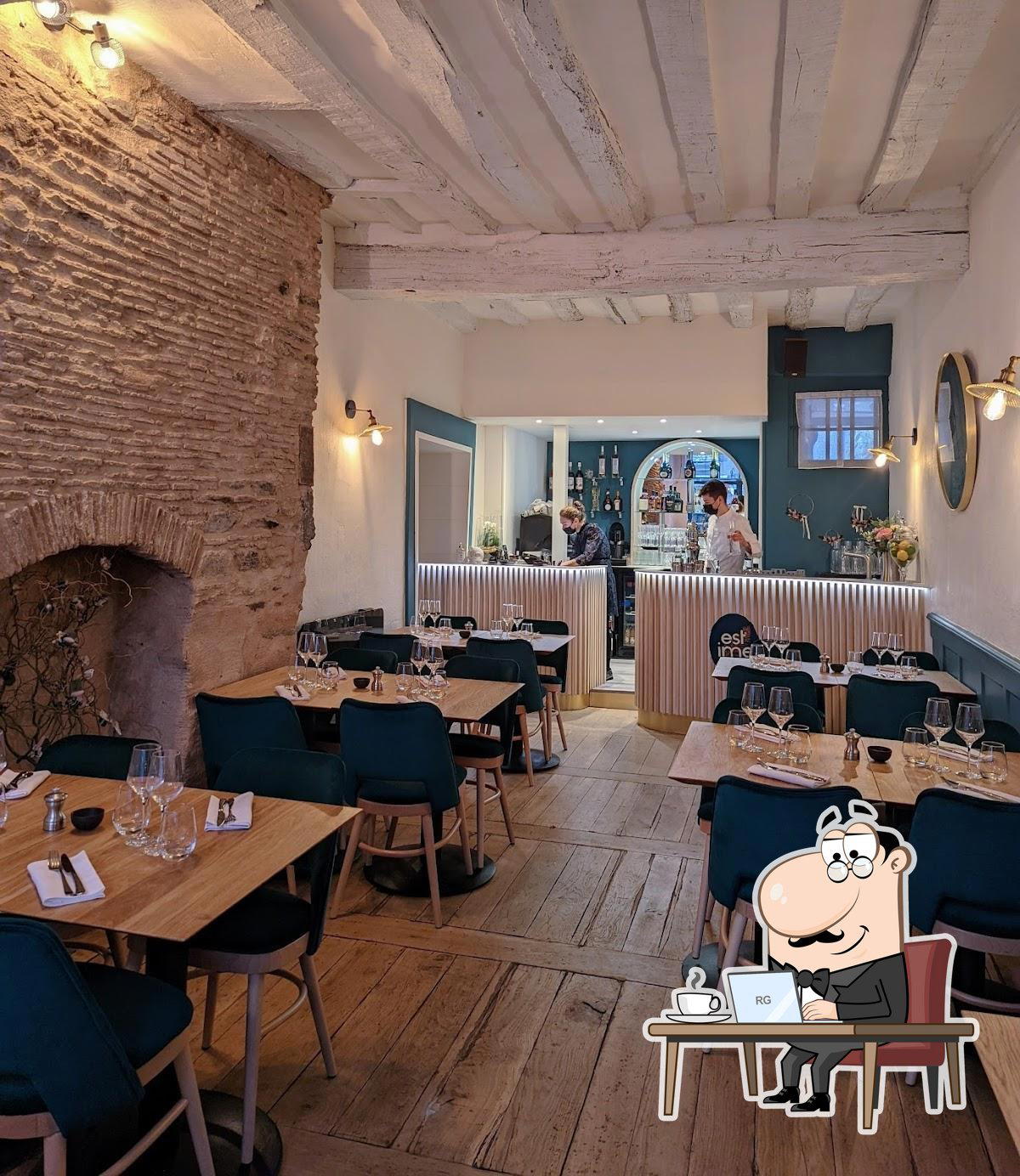

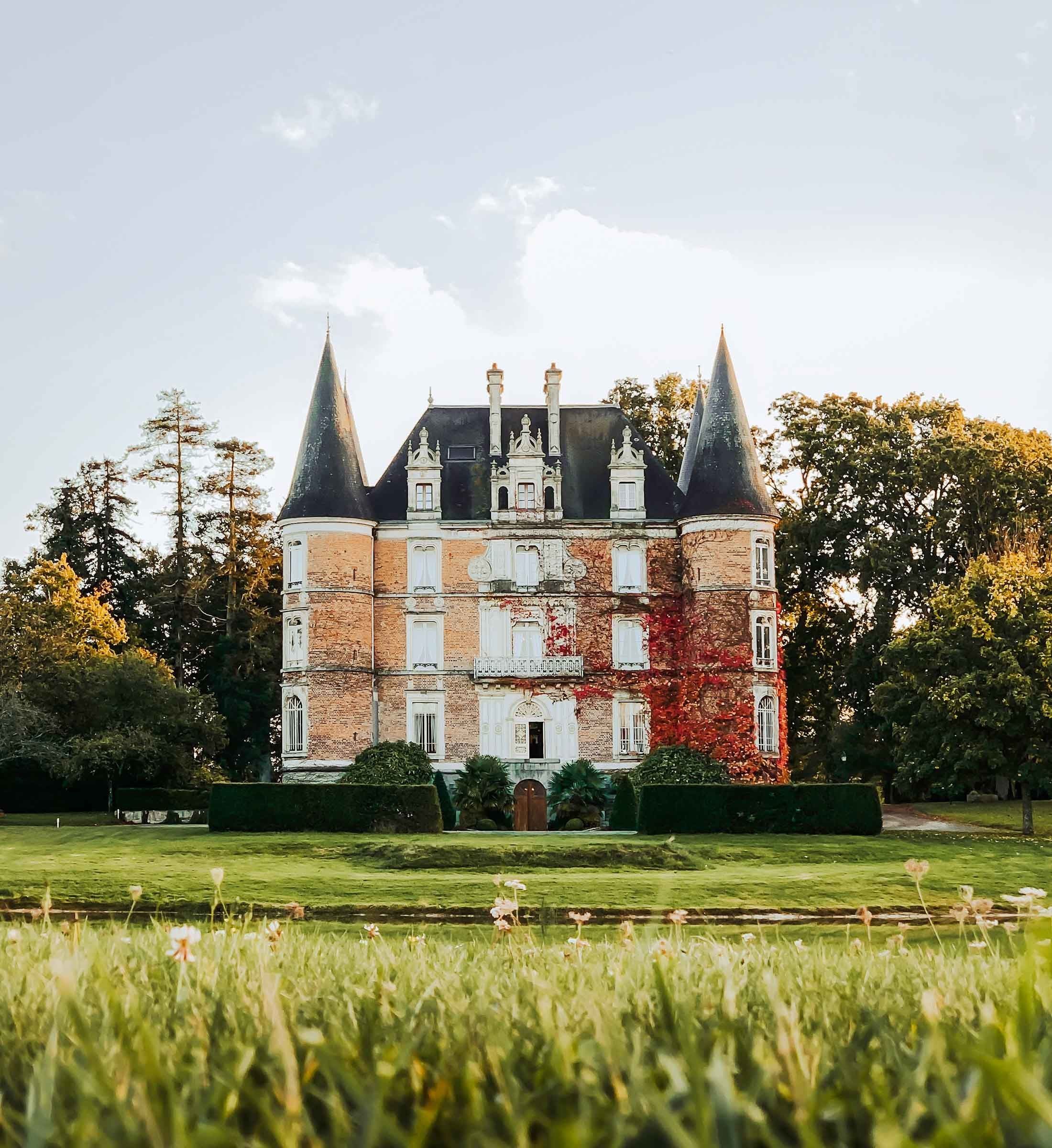
L'AlgoRythme
The wine
- Wine program
- Deep wine list
- Natural wine
- Craft cocktails
Details
- Cozy
- Intimate
- Rustic
- Whimsical
- Casual Hangout
- Date Night
- Group Dining
- Standalone
- Terrace
- Natural Wine
- Craft Cocktails
- Local Sourcing
- Farm To Table
- Natural Wine
- Biodynamic
- Small Plates
- A La Carte
- Natural Wine
- Craft Cocktails
- Vegetarian Friendly
- Vegan Options
- Organic Focus
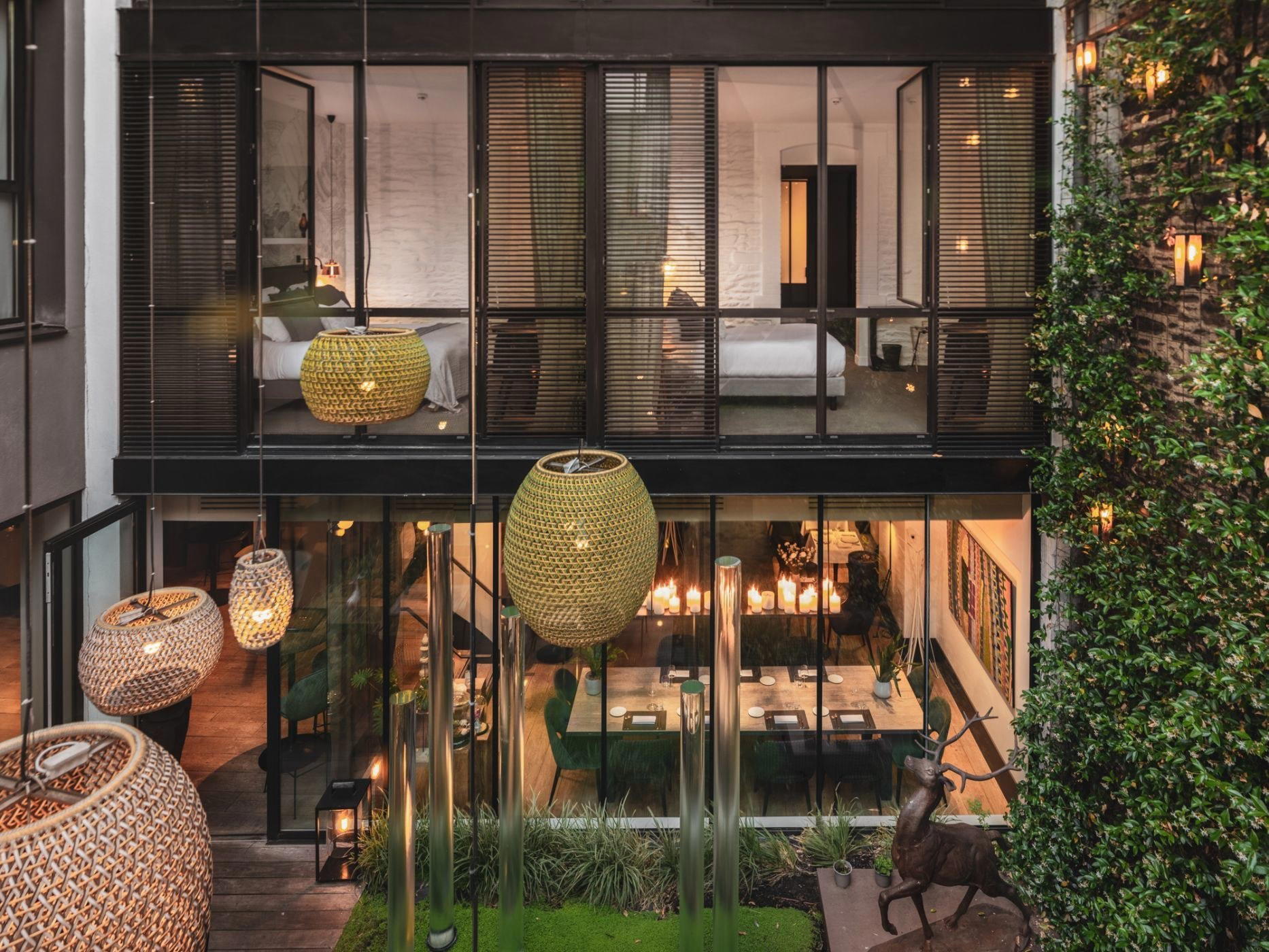
Warm and convivial atmosphere with wood décor evoking Breton mythology, intimate lighting creating a cozy, authentic neighborhood setting.