Our verdict
Set on Place Saint-Marcellin in the fortified heart of Embrun, L'Alcôve occupies a position that puts the Hautes-Alpes larder directly at its doorstep. The town sits at roughly 870 metres in the Durance valley, a location that shapes what arrives in the kitchen as much as any culinary tradition. For a town of this size and altitude, the address carries a seriousness worth tracking.

Pearl is the En Primeur Club membership app, where members save venues, book tables and use the concierge.
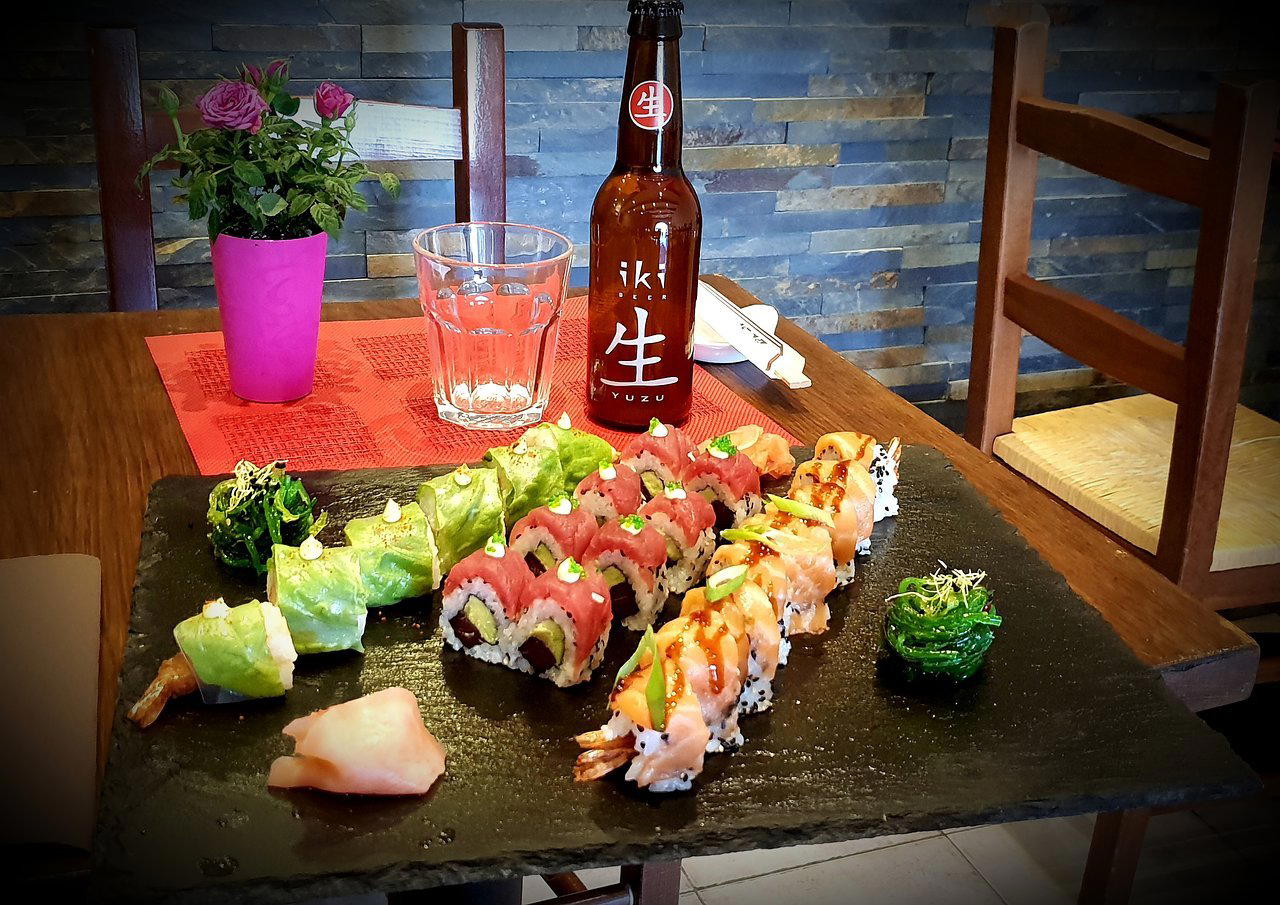
A Town at Altitude, a Table That Earns Its Address
Embrun is not a stopping point on the way to somewhere more famous. The fortified town above the Durance river, at nearly 870 metres elevation, has its own internal logic: a medieval cathedral on a rock spur, a compact centre built for defence rather than tourism, and an agricultural zone that feeds into the broader Hautes-Alpes larder. Restaurants that take root in places like this tend to reflect the terrain honestly or not at all. L'Alcôve, on Place Saint-Marcellin, sits directly within that civic core, where the morning market economy and the medieval street grid overlap in a way that still determines what ingredients arrive and when.
The broader French provincial restaurant tradition, particularly at this altitude and remove from Paris, has long operated on the logic of proximity: what the Queyras valley and the Durance corridor produce seasonally is what ends up on the plate. This is not romanticism about regional cooking so much as a structural fact. Mountain kitchens at this elevation deal with shorter growing seasons, different livestock breeds, and supply chains that differ materially from those feeding restaurants in Lyon or Marseille. The gap between that reality and the food on the plate is where a kitchen's actual choices become visible.
What the Hautes-Alpes Larder Brings to the Table
The Hautes-Alpes department is one of the least densely populated in France, which has an underappreciated consequence for its food supply: producers here are often small-scale by necessity, not by boutique design. Alpine pasture cheeses, lamb from the high meadows above the Durance, river fish, foraged herbs from altitude, these are not marketing categories but the actual composition of what local kitchens have worked with for generations. France's mountain restaurant tradition, from Flocons de Sel in Megève at the highest-recognition tier to smaller auberge formats across the Alps, has repeatedly demonstrated that the altitude-sourcing argument carries genuine culinary weight when it is executed with rigour rather than nostalgia.
In that context, a restaurant on the main square of Embrun is positioned to draw on ingredients that larger urban kitchens would need significant logistics to access. That structural advantage is either used or it isn't. What the address does confirm is geography: Place Saint-Marcellin puts the kitchen within reach of the town's market infrastructure, and the Hautes-Alpes broader food economy is one of the more coherent regional larders in the French Alps. For comparison, the sourcing conversation in the French restaurant world has migrated from a differentiator to an expectation, with operations from Mirazur in Menton to Bras in Laguiole having set the standard for how rigorously a kitchen can document and narrow its supply geography.
The Provincial French Restaurant Format at This Price Point
France maintains a strong tradition of serious mid-market restaurant cooking outside its starred circuit. The provinces are where that tradition is most legible: towns with a functioning market square, a restaurant that has survived more than one economic cycle, and a kitchen that reads the seasonal rhythm without needing to broadcast it in the menu language. That format is not inferior to the grand Parisian gesture of an operation like Alléno Paris au Pavillon Ledoyen in Paris; it is a different genre with different metrics of success.
At this level, the quality signals that matter most are consistency across seasons, the kitchen's relationship with its immediate supplier base, and whether the room retains a local clientele alongside visitors. Restaurants in fortified French towns that have outlasted the ski-resort boom-and-bust cycle tend to have earned their footing the slow way. The Embrun context, a town with a year-round population rather than a purely seasonal ski economy, puts L'Alcôve in that more durable category, at least by geography. For those researching where Embrun fits into the broader Hautes-Alpes dining picture, our full Embrun restaurants guide maps the options across format and price tier.
The French regional canon, from Auberge de l'Ill in Illhaeusern to Georges Blanc in Vonnas, has demonstrated that provincial settings are not a handicap for ambition. At a different scale and tier, operations like Auberge du Vieux Puits in Fontjoncouse prove that remote French addresses can sustain serious culinary ambition when the sourcing logic is coherent. L'Alcôve operates at a different altitude and scale, but the structural question is the same: does the kitchen engage the available larder with rigour?
Planning a Visit
Embrun is accessible by train from Gap and Briançon on the Provence-Alpes line, or by car from the A51 corridor connecting Aix-en-Provence to the Alps. The town itself is compact enough that Place Saint-Marcellin, where L'Alcôve sits at number 13, is within a short walk of the cathedral and the main parking areas. Given the limited data currently available on hours and booking policy, contacting the restaurant directly before visiting is advisable, particularly outside the July-August peak season when alpine town restaurants sometimes operate reduced schedules. The summer months bring visitors for the Serre-Ponçon lake area nearby, while winter sees the ski traffic from Risoul and Vars redistribute across the valley. Both create different dynamics for a town-centre restaurant, and visiting in the shoulder months of May-June or September-October typically means a quieter room and produce at seasonal transition points that can be the most interesting on an alpine table.
Frequently asked questions
Would L'Alcôve be comfortable with kids?
L'Alcôve sits on Place Saint-Marcellin in Embrun's historic centre, a town where family dining is a practical norm rather than a programmed offering. Provincial French restaurants at this level of the market tend to accommodate children without ceremony. Calling ahead to confirm seating arrangements is advisable given the format is published details are limited. Check the venue's official channels for the latest details.
What's the overall feel of L'Alcôve?
The address on Place Saint-Marcellin places L'Alcôve at the heart of a fortified medieval town at nearly 870 metres elevation, the setting alone frames expectations. Provincial French restaurants in towns of Embrun's scale typically run compact dining rooms with a deliberate, unhurried pace. The name itself, meaning a recessed or sheltered space, signals an interior character more intimate than a brasserie.
Is L'Alcôve a good dinner option after visiting Lac de Serre-Ponçon?
Embrun is the nearest town of substance to Lac de Serre-Ponçon, sitting roughly above the lake on a fortified promontory at 870 metres. L'Alcôve on Place Saint-Marcellin is positioned in that town centre, making it a practical choice for an evening meal after a day on or around the reservoir. Given Embrun's modest size, dining options with a serious kitchen are limited, which gives a French provincial table like L'Alcôve a clear role in the local scene.
What do regulars order at L'Alcôve?
In the Hautes-Alpes context, kitchens at this level typically draw on local producers, alpine dairy, lamb from high-altitude pasture, foraged herbs, so dishes tied to the regional larder are a reasonable expectation. Checking directly with the restaurant before visiting will confirm current offerings.
How do I find L'Alcôve?
L'Alcôve is located at 13 Pl. Saint-Marcellin, 05200 Embrun, France, Embrun.
What's the best way to book L'Alcôve?
No booking phone number or website is listed in the current public record for L'Alcôve at 13 Place Saint-Marcellin, Embrun. Arriving in person or asking your accommodation in Embrun to check the venue's official channels is the most reliable approach for small-town venues of this type in the Hautes-Alpes.
What's L'Alcôve best at?
Based on its location in Embrun and the provincial French restaurant tradition of the Hautes-Alpes, L'Alcôve operates in a format where the kitchen's connection to local producers matters more than imported prestige ingredients. The strength of that model, when executed well, is cooking that reflects a specific place rather than a generic fine-dining template.
Quick Comparison
Comparable venues nearby, for context on price, style, and recognition.
| Venue | Cuisine | Price | Notes |
|---|---|---|---|
| L'AlcôveThis venue (the venue you are viewing) | Japanese Fusion Sushi | Not listed | Not listed |
| NKI sushi | Fresh Contemporary Sushi | $30–50 | Antibes |
| Inari Okami | Modern Japanese Sushi | $20–30 | Quai du Général de Gaulle |
| Oto Oto | Traditional Japanese Izakaya | $20–30 | Quartier Guillotière |
| le refuge | Alpine French Regional | $20–30 | La Salle les Alpes |
| Mes Élises à Table | French Bistronomic | $30–50 | Gap city center |
Continue exploring
More in Embrun
Restaurants in Embrun
All restaurants in Embrun →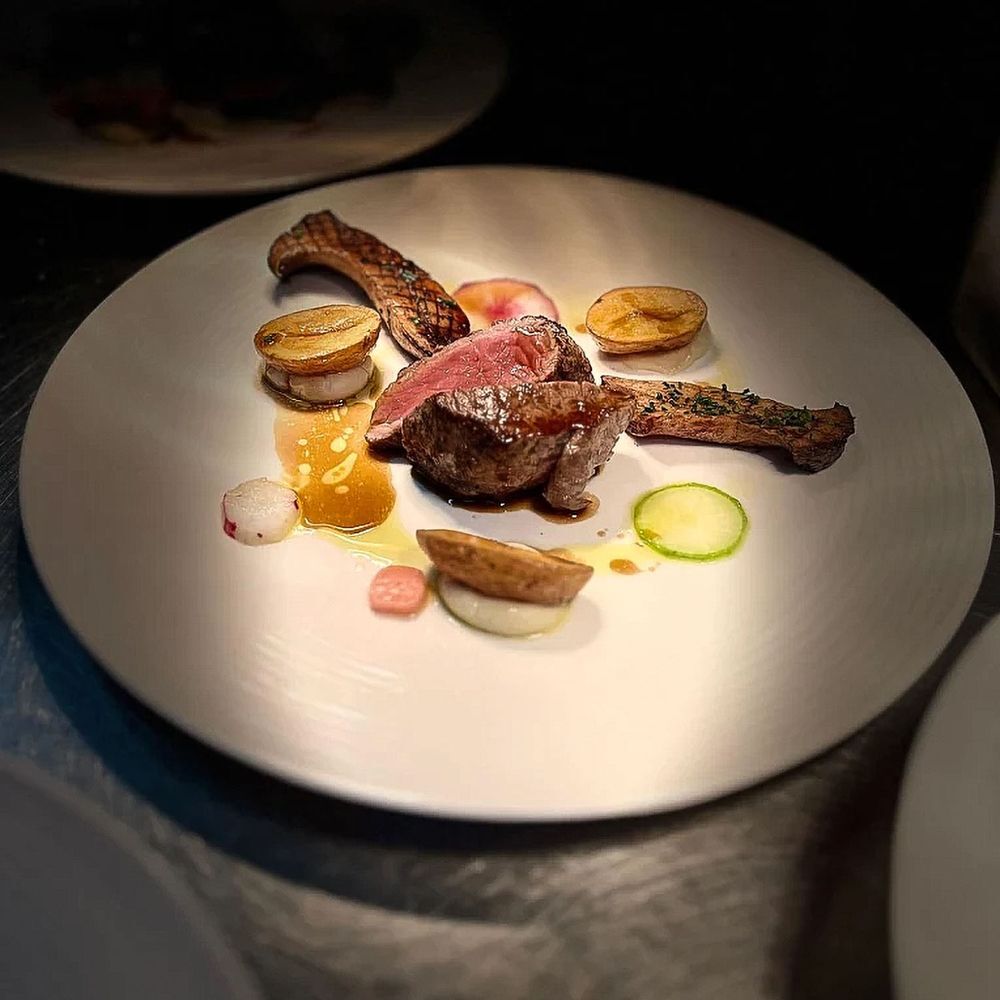
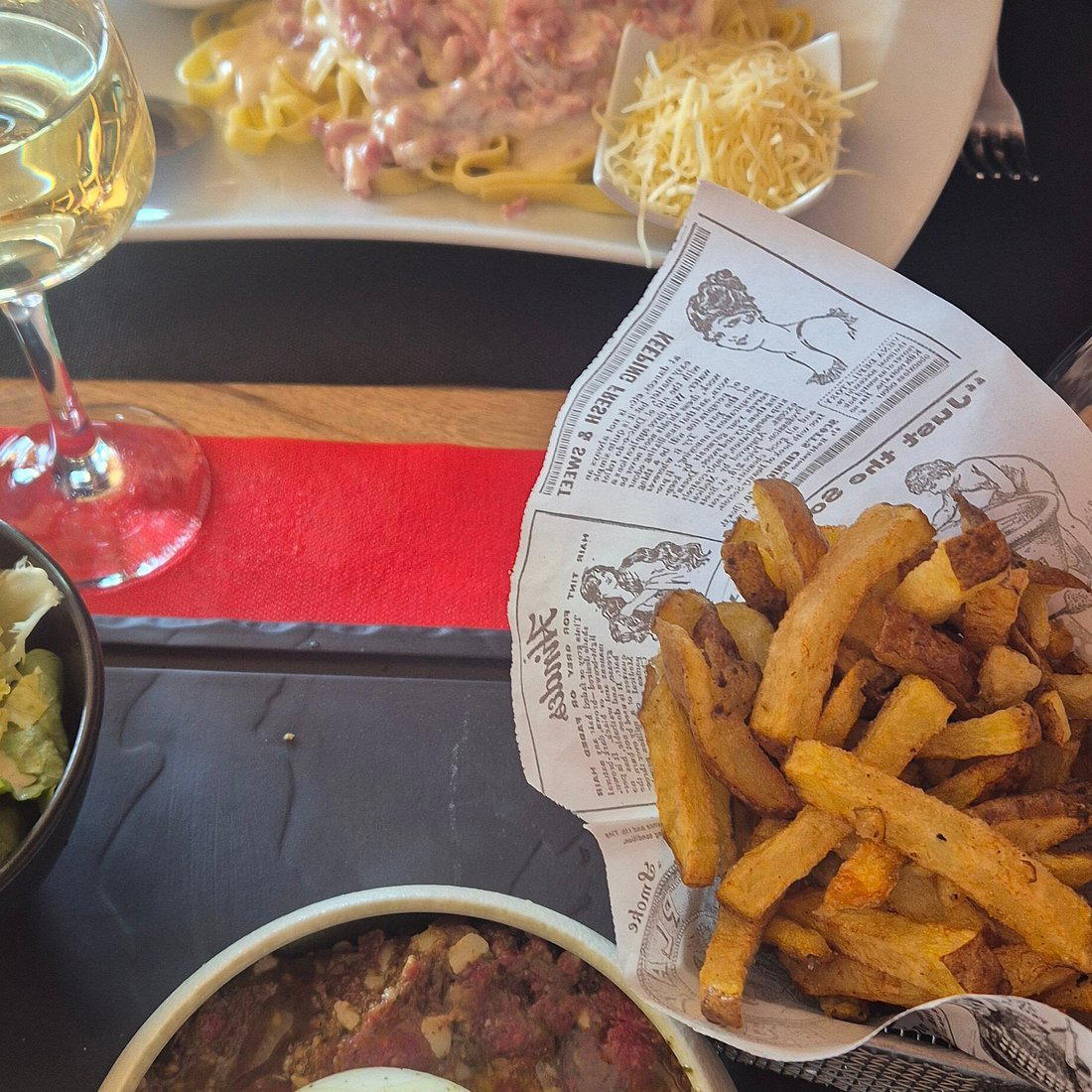
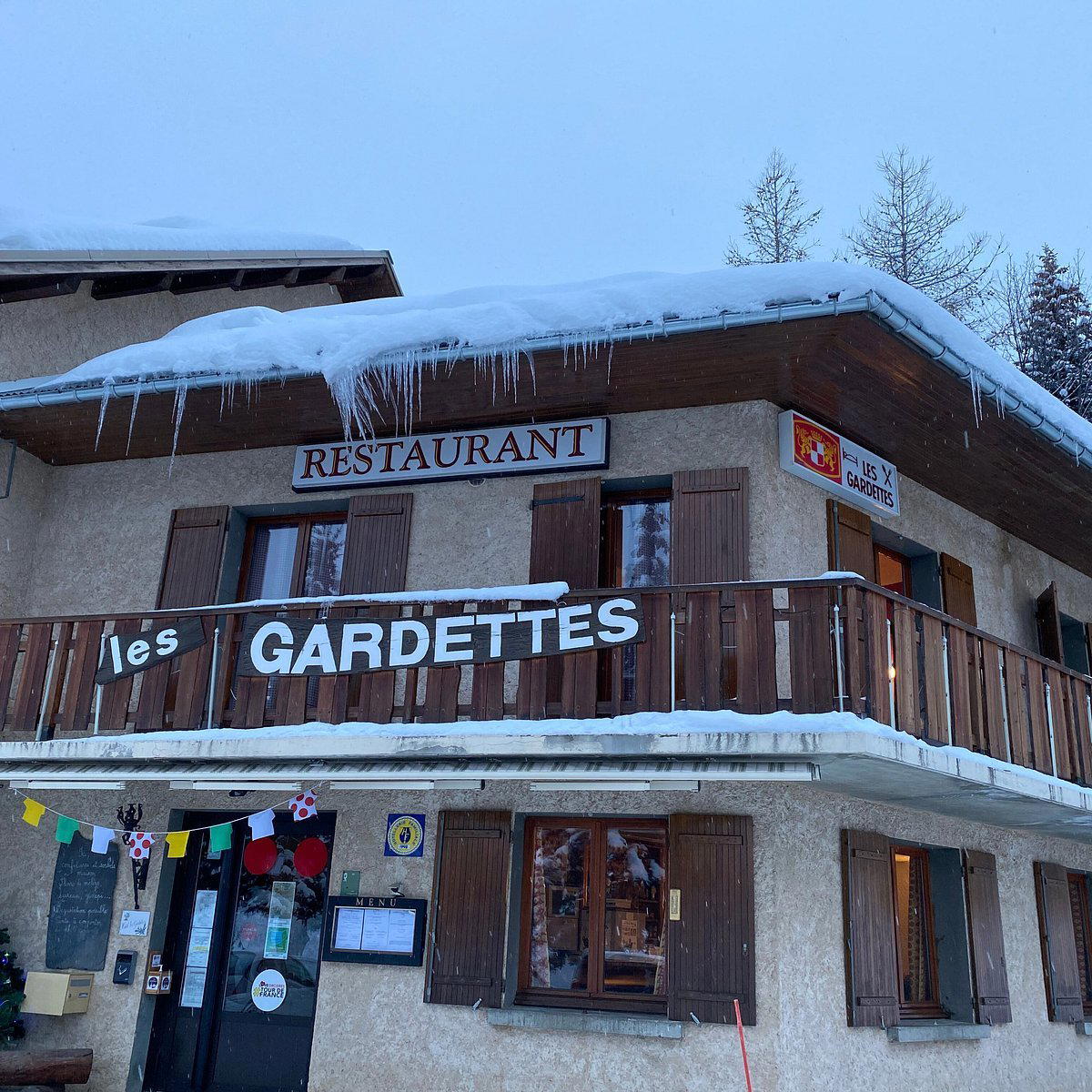
Bars in Embrun
Browse all →
Details
- Cozy
- Intimate
- Date Night
- Casual Hangout
- A La Carte
- Vegan Options
Current opening hours
- Monday
- Closed
- Tuesday
- 6–9:30 PM
- Wednesday
- 11 AM–2 PM, 6–9:30 PM
- Thursday
- 11 AM–2 PM, 6:30–9:30 PM
- Friday
- 11 AM–2 PM, 6:30–9:30 PM
- Saturday
- 11 AM–2 PM, 6–10 PM
- Sunday
- 5–9 PM
Hours can change for holidays and private events. Hours as of .
Cozy and welcoming atmosphere with pleasant service and focus on freshly prepared dishes.