Situated along Number 7 Road in Richmond, BC, Lakeside Grill occupies a stretch of the city where the Fraser River estuary's agricultural belt meets one of Canada's most concentrated corridors of Chinese and Southeast Asian cooking. The address places it within reach of Richmond's working waterfront and its network of farm-gate producers, positioning the kitchen at a natural intersection of local sourcing and broader Pacific Rim culinary traditions.
Pearl is the En Primeur Club membership app — saves, bookings, and concierge access live there. Same editors, same standards.
- Address
- 5460 Number 7 Rd, Richmond, BC V6V 1R7, Canada
- Phone
- +16042760511
- Website
- mayfairlakes.com
- Directions
- Get directions
 Saves & bookings on Pearl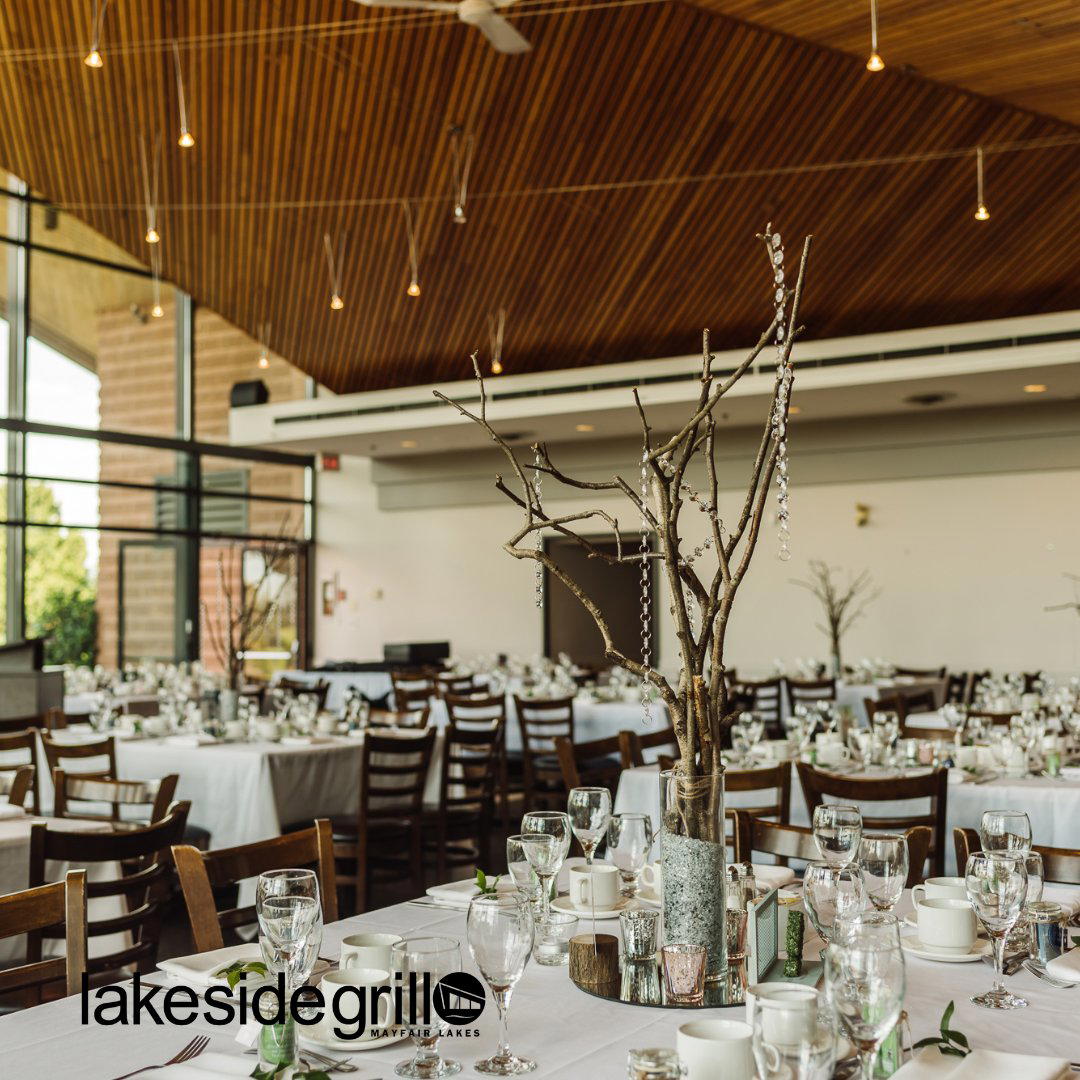
Where the Delta Meets the Plate
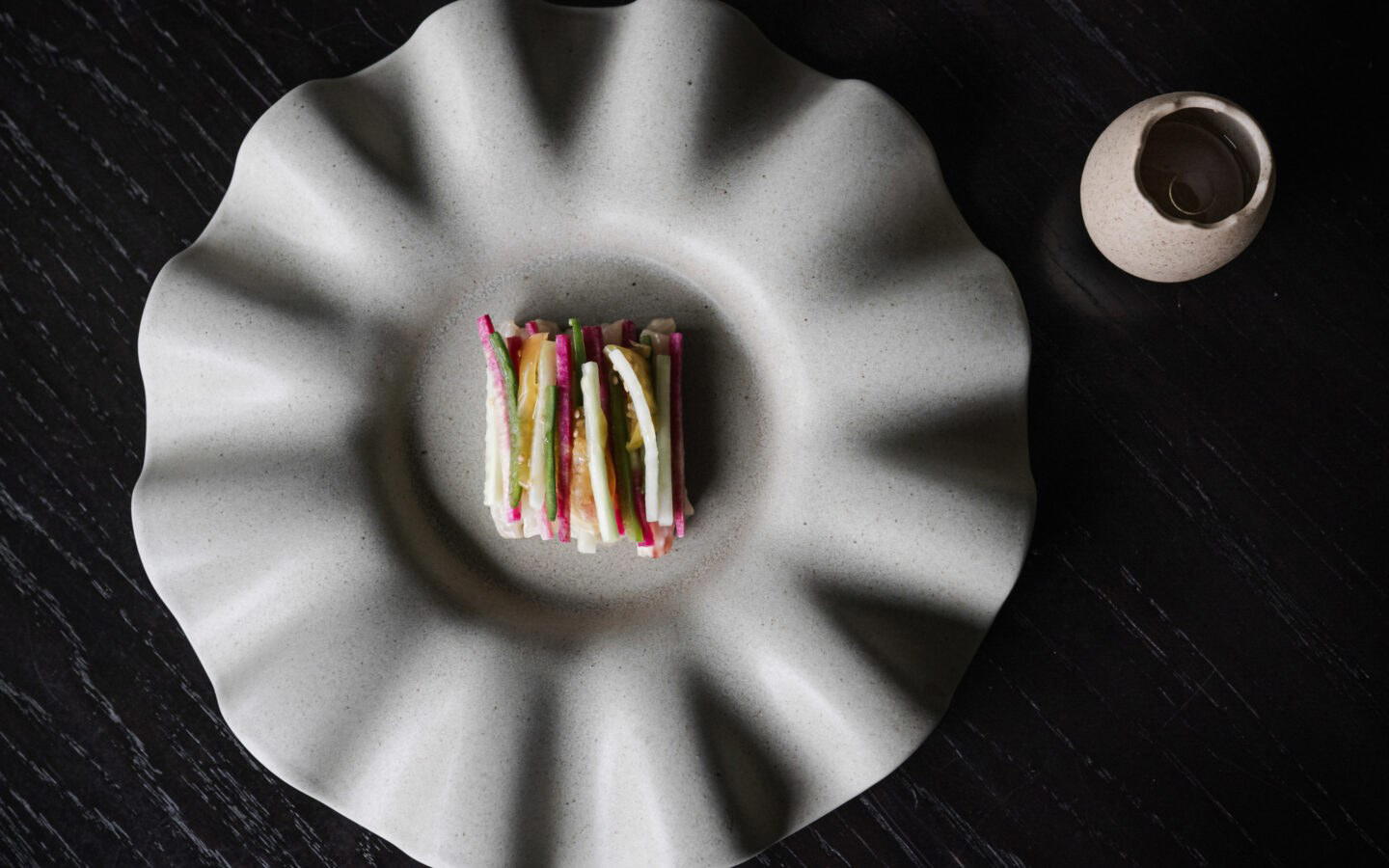
Richmond's Number 7 Road corridor runs through terrain that most visitors to Metro Vancouver never see: flat, flood-plain farmland that still produces cranberries, blueberries, and field vegetables within minutes of the city's densest restaurant blocks. This agricultural fringe is what separates Richmond's dining from Vancouver proper. Lakeside Grill is a restaurant in Richmond, BC, serving West Coast Canadian Grill cuisine at an accessible price point. Lakeside Grill, at 5460 Number 7 Road, occupies that geography directly.
The area around Number 7 Road is quieter than the Aberdeen or Lansdowne corridors that most food coverage of Richmond defaults to. Approaching from the north, the built density thins quickly. By the time you reach this address, the view opens toward dyke land and the working channels of the Fraser estuary. It is a different register from the dim sum palaces and Cantonese BBQ counters that define Richmond's more-covered dining culture, though those traditions are never far away. Asian Pearl Seafood Restaurant and the rotisserie counters represented by 8 ½ in The Fan anchor a different, denser part of the city's food geography.
Local Ingredients, Imported Methods
The editorial angle that keeps recurring in serious Canadian restaurant coverage is the tension between locally grown product and technique imported from elsewhere. At its most productive, that tension produces something that neither the local tradition nor the imported method could generate alone. You can trace the same dynamic at Tanière³ in Quebec City, where Nordic preservation logic is applied to St. Lawrence Valley product, or at Restaurant Pearl Morissette in Lincoln, where Burgundian discipline meets Niagara terroir. Richmond, with its distinctive position as both a farming municipality and a hub of Pacific Rim culinary knowledge, offers that same structural opportunity in a different register.
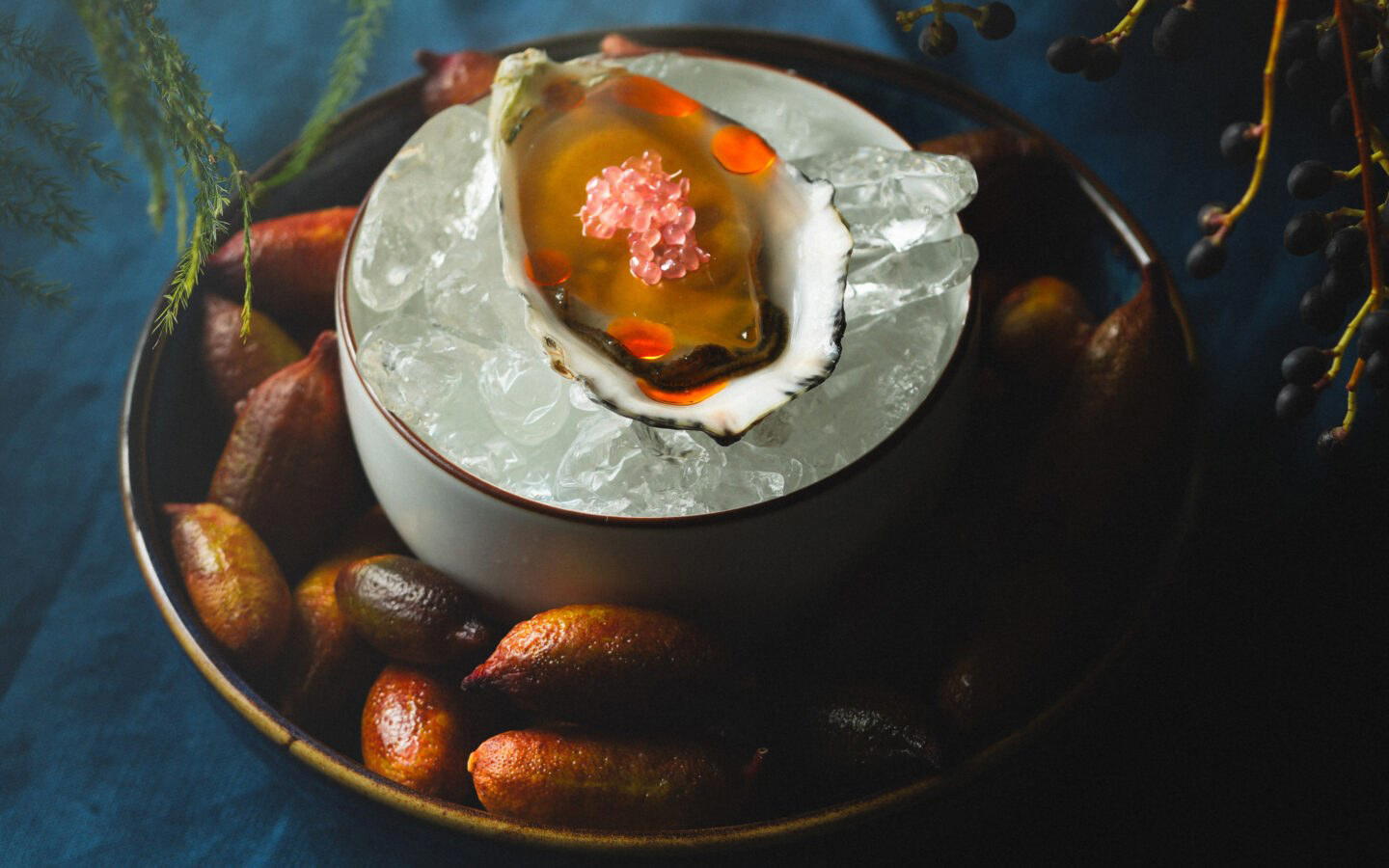
Fraser River estuary produces particularly consequential wild salmon runs in North America. Dungeness crab, spot prawns, and Pacific halibut are available through direct local supply channels that a kitchen in this geography can access more readily than one operating in central Vancouver. At the same time, Richmond's restaurant community carries deep fluency in Cantonese technique, Thai cooking, and Japanese preparation, traditions with entirely different frameworks for handling seafood and produce. When those methods meet delta-sourced ingredients, the results operate in a culinary space that restaurants in more metropolitan settings rarely reach. Baan Lao, which draws on Southeast Asian traditions in this same city, illustrates how Richmond's kitchen culture spans a wide technical range.
Across Canada, the local-ingredients-plus-global-technique model has been refined at properties with more documented profiles. Eigensinn Farm in Singhampton has operated on hyper-local sourcing logic for decades. The Pine in Creemore applies European training to Ontario ingredients in a rural setting not unlike Richmond's southern fringe. What distinguishes Richmond's version of this formula is the Pacific Rim technical vocabulary, a body of knowledge for which there is no equivalent anywhere else in Canada at this concentration.
The Richmond Seafood Context
Richmond's reputation in serious food circles rests primarily on Chinese seafood. The live-tank Cantonese seafood format, where whole fish and shellfish are held in restaurant-side tanks and cooked to order, reaches a density in Richmond that rivals Hong Kong-diaspora communities anywhere outside Asia. The standard set by restaurants in that category is high enough that a kitchen operating anywhere nearby deals with an informed, demanding customer base that knows what pristine seafood looks and tastes like. That context matters. A kitchen near Alewife or 2207 Macdonald is operating in a city where the baseline for seafood quality is set by particularly technically serious Chinese kitchens in North America.
Comparisons to technically ambitious seafood programs elsewhere in Canada are instructive. Narval in Rimouski works the St. Lawrence with a French-Canadian framework. Jérôme Ferrer at Europea in Montreal applies classical European structure to Quebec product. The Pacific approach is different in emphasis: less reduction-heavy, more attuned to texture and temperature contrast, shaped by Japanese and Cantonese traditions that treat a piece of fish as something to be preserved rather than transformed. That framework travels well when the raw material is this good.
For international reference points in technically serious seafood cooking, Le Bernardin in New York City represents the French classical ceiling, while Atomix in New York City demonstrates how Korean fine dining elevates Pacific Rim technique to its own rigorous standard. Richmond's serious kitchens are working in a different register than either, but the underlying respect for protein quality connects them to the same broader conversation about what precision seafood cooking looks like in 2024.
Planning Your Visit
Lakeside Grill sits at 5460 Number 7 Road in the southern agricultural section of Richmond, BC. This is not a walk-in district: the surrounding area is car-dependent, and the address functions more like a destination than a neighbourhood restaurant. Visitors arriving from central Richmond should allow for a drive south along Number 7 Road through the farming corridor. The seasonal window matters here: summer and early autumn bring the fullest range of Fraser River seafood and local produce, making those months one productive time to visit a kitchen working with regional supply. Spring spot prawn season, which typically runs from May through early June in BC waters, represents a specific peak moment for any Richmond kitchen taking Pacific product seriously.
Similar Picks
Comparable venues nearby, for context on price, style, and recognition.
| Venue | Cuisine | Price | Notes |
|---|---|---|---|
| Lakeside GrillThis venue — the venue you are viewing | West Coast Canadian Grill | $$ | Not listed |
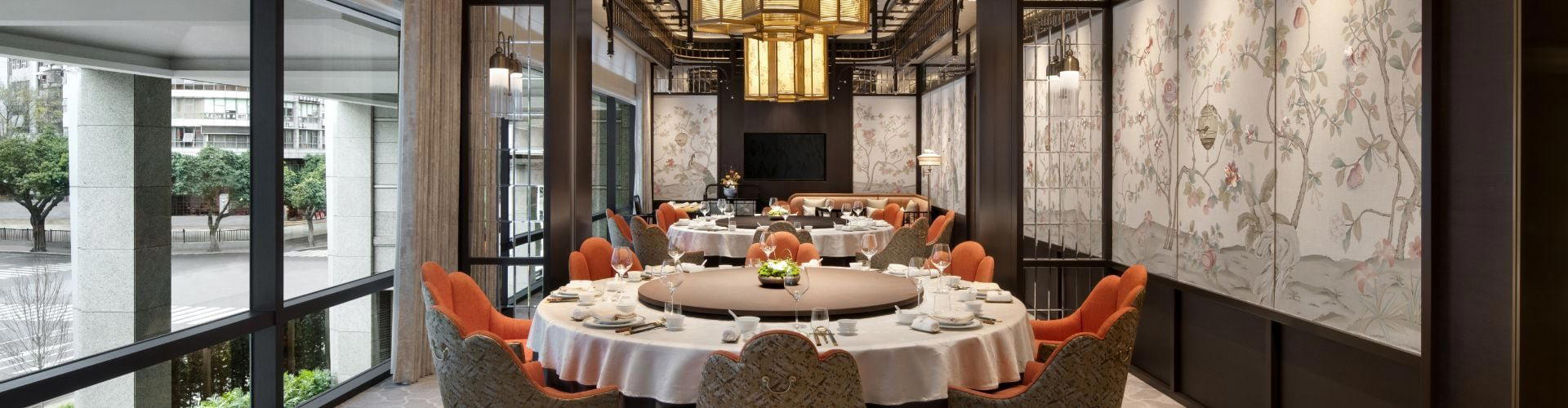
| Fortune Terrace Chinese Cuisine | Cantonese Dim Sum | $$$ | River Road |
| Bánh Mì Très Bon Richmond | Authentic Vietnamese Bánh Mì | $$ | Garden City |
| Jade Seafood Restaurant | Cantonese Dim Sum and Seafood | $$ | Richmond |
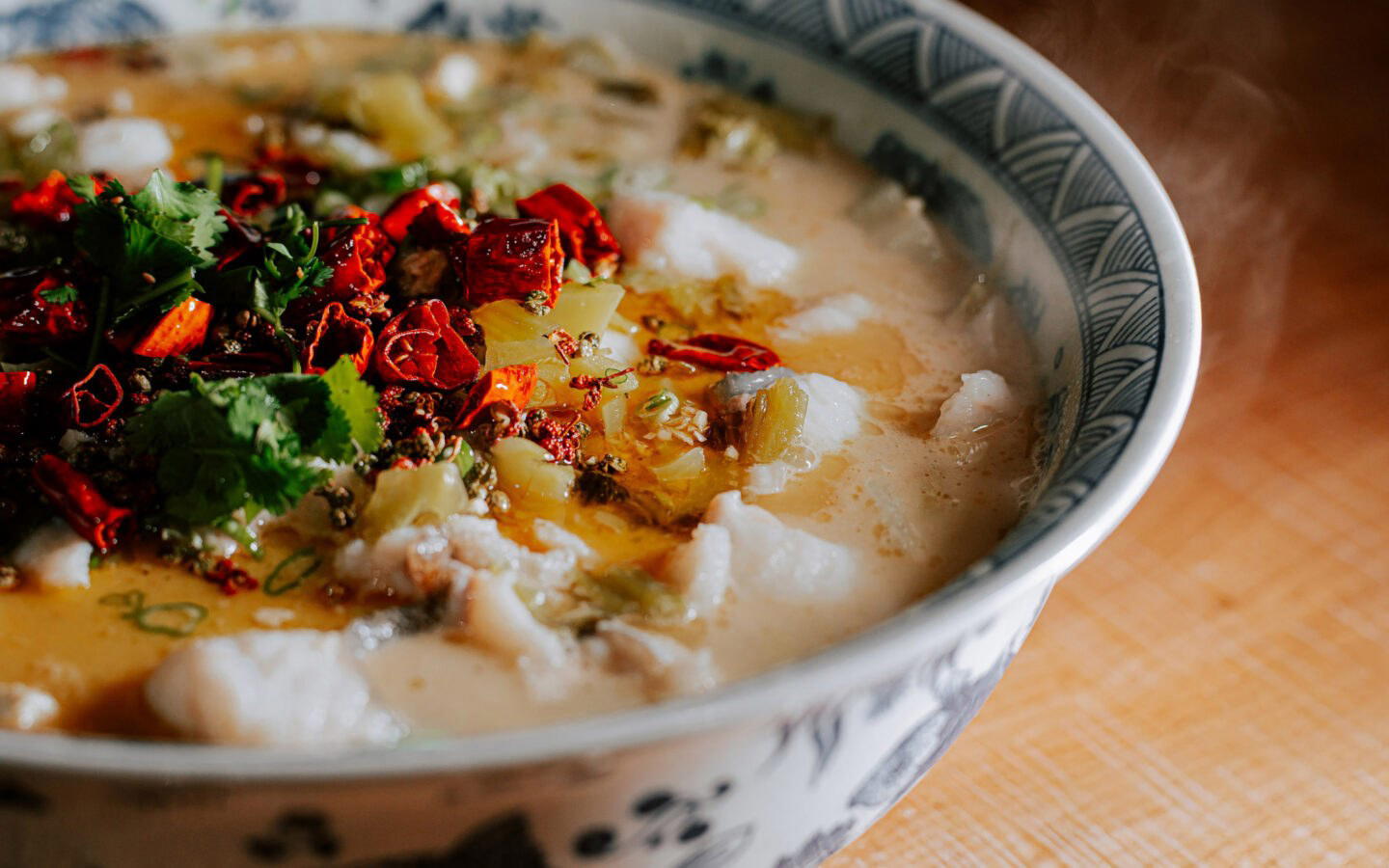
| THE FISH MAN | Sichuan-Chinese Seafood | $$$ | Alexandra Road |
| Masa Ishibashi | Edomae Omakase | $$$$ | Bridgeport |
At a Glance
- Scenic
- Relaxed
- Cozy
- Casual Hangout
- Group Dining
- Brunch
- Waterfront
- Open Kitchen
- Local Sourcing
- Waterfront
- Mountain
Current opening hours
- Monday
- 11 AM–7 PM
- Tuesday
- 11 AM–2 PM
- Wednesday
- 11 AM–2 PM
- Thursday
- 11 AM–7 PM
- Friday
- 11 AM–7 PM
- Saturday
- 11 AM–7 PM
- Sunday
- 11 AM–7 PM
Hours can change for holidays and private events. Last verified .
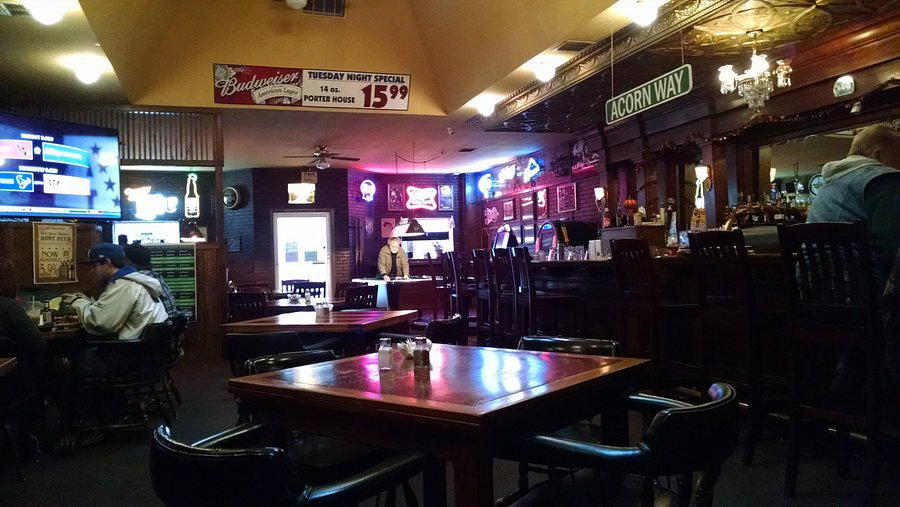
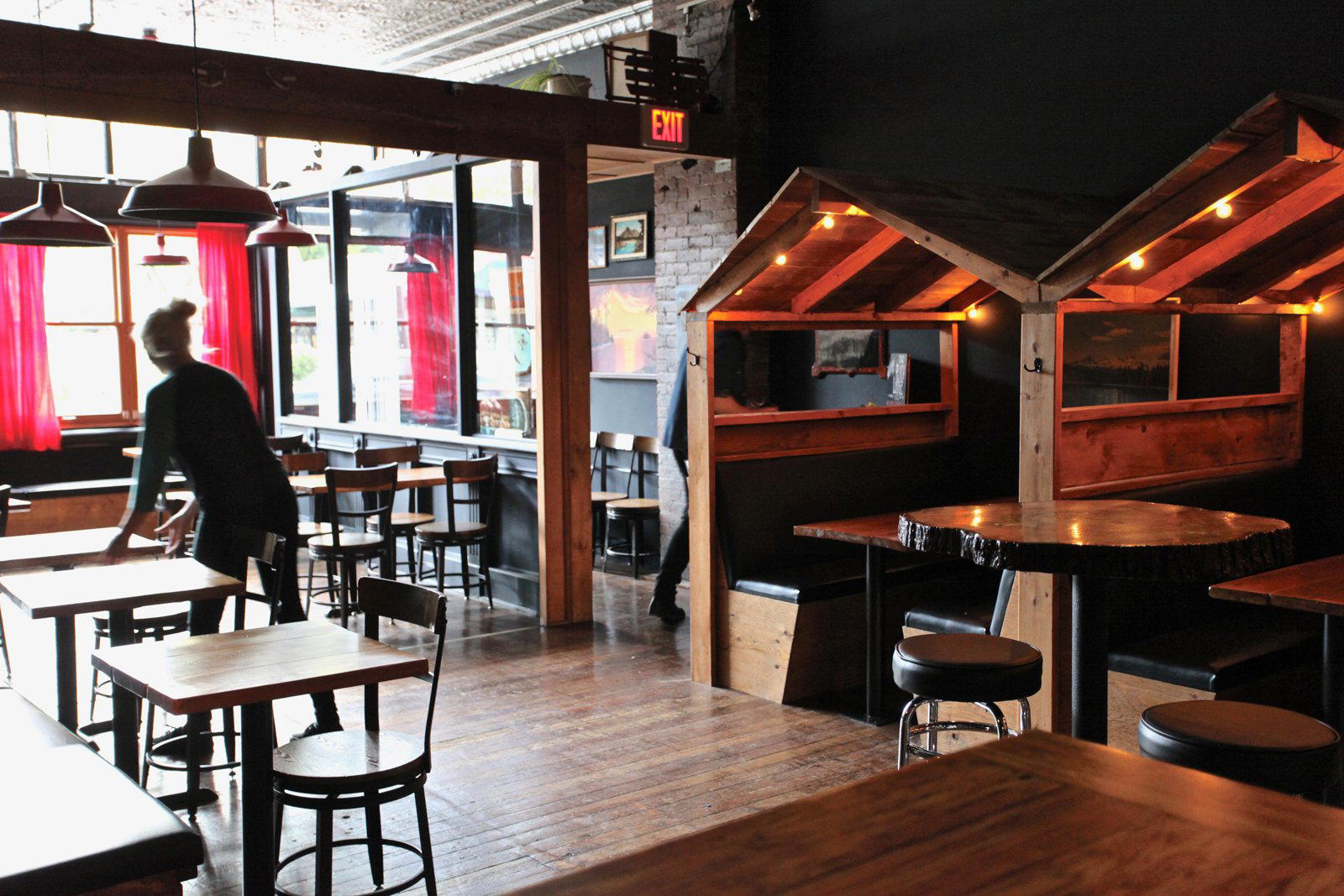
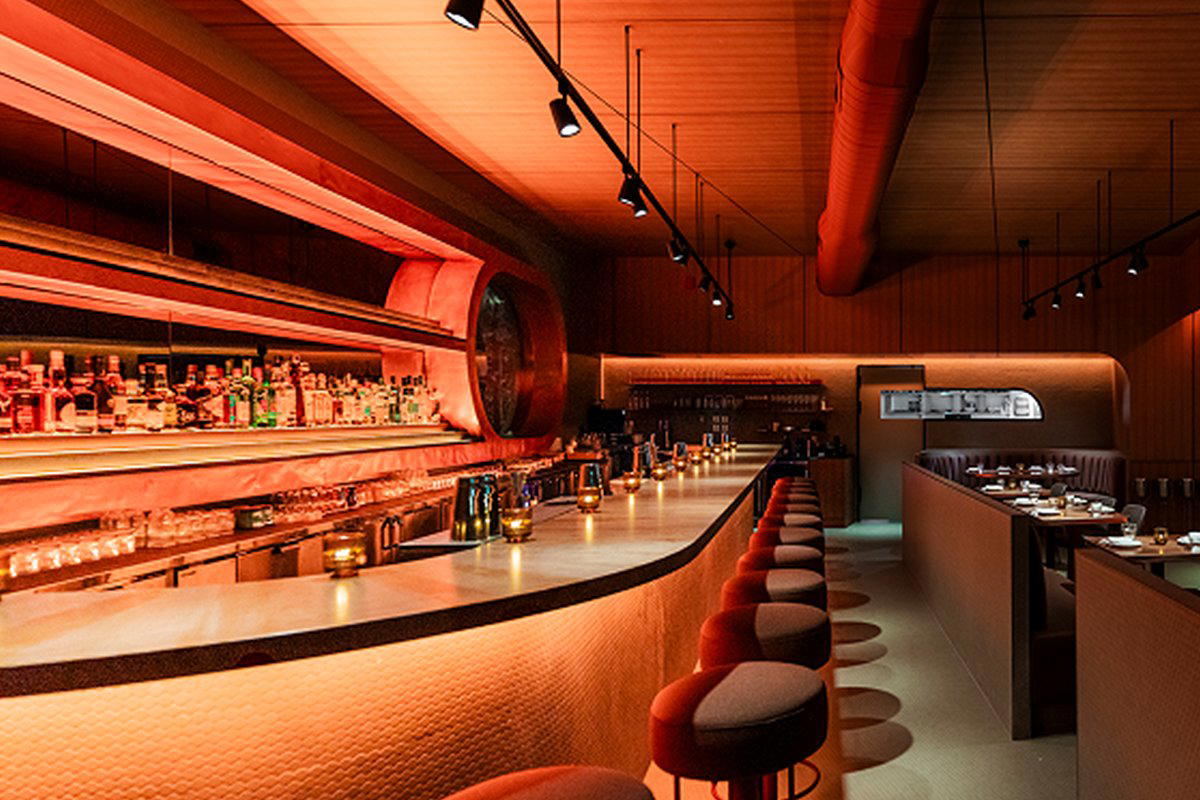
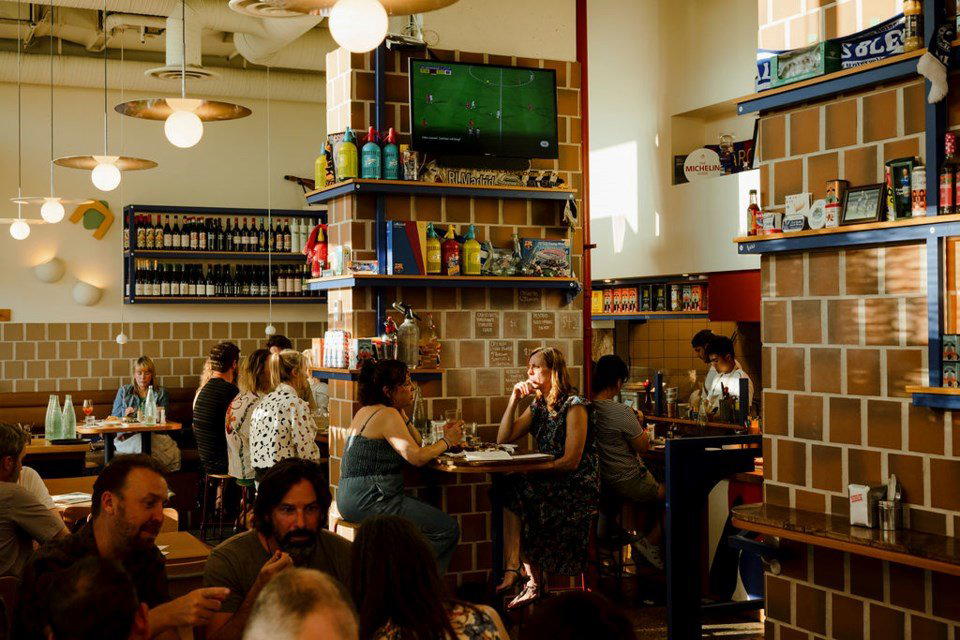
Relaxed atmosphere with natural lighting on the large patio overlooking scenic views.