Lake Effect
Our verdict
Lake Effect sits in the heart of downtown Salt Lake City at 155 W 200 S, operating at the intersection where regional Rocky Mountain produce meets technique drawn from broader American and international culinary traditions. For a city that has built a credible fine-dining tier over the past decade, it represents the kind of address worth planning around rather than stumbling into.

Pearl is the En Primeur Club membership app, where members save venues, book tables and use the concierge.
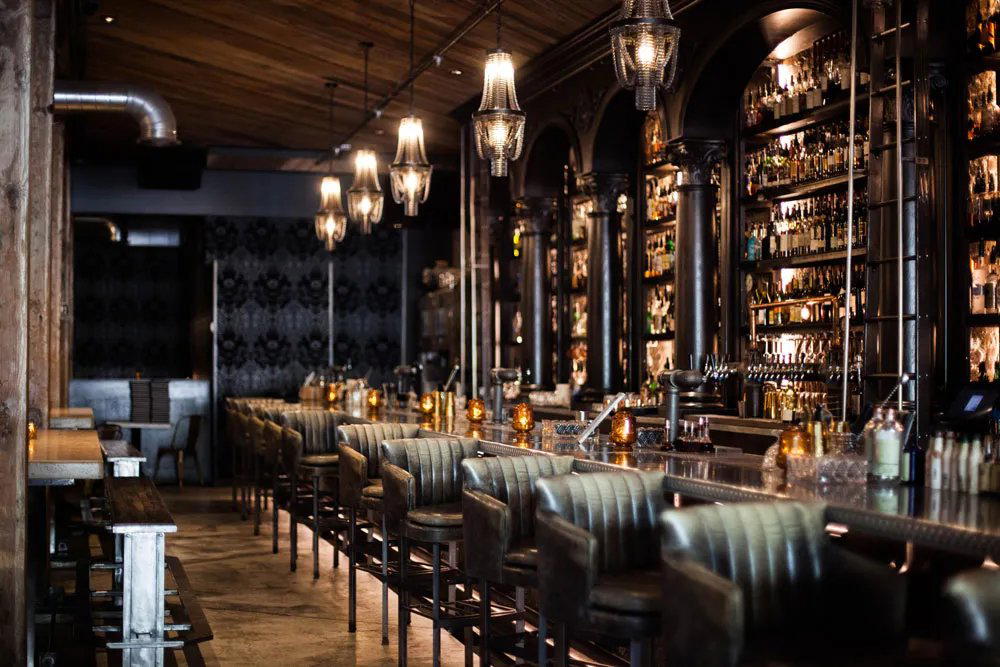
Downtown Salt Lake City and the Case for Technique-Driven Dining
Salt Lake City's restaurant scene has undergone a quiet but measurable shift over the past ten years. The city that once lived in the shadow of its own outdoor-recreation identity now carries a legitimate fine-dining tier, with a cluster of serious kitchens concentrated in and around the downtown core. Lake Effect, at 155 W 200 S, sits inside that cluster, in a part of the city where the street grid is direct and the dining options range from casual to genuinely ambitious. The address puts it within walking distance of the main hotel corridor and the convention centre district, which means it draws a mix of local regulars and out-of-state visitors who have done their research.
That geography matters because it shapes what Salt Lake City's better restaurants have had to figure out: how to hold a sophisticated audience that compares notes with cities like San Francisco, Chicago, and New York, while building a kitchen identity rooted in something local. The answer, for the tier of restaurant Lake Effect occupies, has generally involved pairing Rocky Mountain and Intermountain West ingredients with techniques that travel. It is the same tension that defines kitchens at Single Thread Farm in Healdsburg or Blue Hill at Stone Barns in Tarrytown, where the local supply chain becomes the editorial argument and the technique is the frame around it.
The Local-Ingredient, Imported-Method Formula
Across the Mountain West, the most interesting kitchens have leaned into a specific tension: the region produces exceptional raw material, from high-elevation game and heritage livestock to cold-climate stone fruit and foraged aromatics, but the culinary tradition that might dictate how to handle it is thinner than in older American food cities. That gap creates space for kitchens willing to import method. A chef trained in French brigade discipline or Japanese knife technique and working with Utah lamb or Cache Valley dairy is doing something structurally similar to what Atomix in New York City does with Korean ingredients and contemporary tasting-menu architecture, or what Le Bernardin in New York City has always done with classical French precision applied to the leading available seafood.
Lake Effect operates in that same register. The name itself gestures toward something meteorological, something about conditions and place, which is a useful shorthand for what the better restaurants in this city are attempting: cuisine shaped by where it is, not just by what a menu template requires. Peer restaurants in the downtown zone, including Adelaide and Arlo Restaurant, have staked out adjacent territory, and the competition has sharpened the category. Avenues Proper and Bambara Salt Lake City represent the broader spread of the city's dining ambitions, from neighborhood tavern seriousness to hotel-anchored formality.
Seasonal Timing and the Mountain West Calendar
The case for timing a visit to Lake Effect around the seasons is stronger here than in most American cities. Salt Lake City's growing calendar is compressed but intense. Spring brings ramps, morels, and early alliums from foothills foragers. Summer pushes stone fruit and heirloom tomatoes from the Wasatch Front's irrigated valleys. Fall, particularly September through November, is the period when game cookery becomes most coherent: elk and venison reach the table in condition, and the kitchen has the full range of autumn aromatics to work with. Winter tightens the larder, which tends to push technically confident kitchens toward curing, preservation, and ferment work.
Restaurants like Lazy Bear in San Francisco and Providence in Los Angeles have built seasonal responsiveness into their identities in ways that generate sustained critical attention. The Mountain West's sharper seasonal edges make that responsiveness more visible, and more demanding to execute well. A kitchen that claims local sourcing in Salt Lake City has fewer places to hide than one making the same claim in California.
Salt Lake City is not a large restaurant market by coastal standards, which means the serious dining tier is relatively compact. Blind Rabbit Kitchen represents the more casual-leaning end of kitchen ambition, while the fine-dining cohort proper is smaller. Lake Effect's downtown position places it in direct conversation with the city's hotel-adjacent restaurant population and with visitors who arrive expecting a level of cooking they would find at comparable addresses in mid-sized American cities.
The national benchmark for this category is not necessarily set by the largest markets. Restaurants like Addison in San Diego, The Inn at Little Washington in Washington, or Emeril's in New Orleans demonstrate that serious cooking can anchor itself in cities that are not New York or Chicago, and build a lasting identity from regional specificity rather than density. Alinea in Chicago and The French Laundry in Napa represent the far end of that ambition, where technique and reputation have compounded over decades. Lake Effect competes in a different bracket, but the logic of regional identity married to imported technique is the same across all of them.
For a broader sense of where Lake Effect fits within the city's dining options, the full Salt Lake City restaurants guide covers the range from neighborhood standbys to the city's most formal addresses.
Planning a Visit
Lake Effect is located at 155 W 200 S in downtown Salt Lake City, easily reached on foot from the main hotel district. For visitors arriving from outside Utah, Salt Lake City International Airport is approximately 20 minutes from downtown by car or TRAX light rail, and the downtown core is compact enough that most serious dining addresses are within a short walk of each other. Given the size of the city's fine-dining tier, reservations at the better downtown addresses are advisable, particularly on weekends and during the autumn shoulder season when outdoor recreation tourism overlaps with the restaurant's strongest seasonal menu period. Checking the restaurant's current booking status in advance is the most reliable approach, as smaller-format kitchens in this tier can fill quickly once word circulates.
Frequently asked questions
How do I find Lake Effect?
Lake Effect is located at 155 W 200 S, Salt Lake City, UT 84101, Salt Lake City.
Is Lake Effect a good option for a dinner reservation while staying in downtown Salt Lake City?
Lake Effect at 155 W 200 S sits within walking distance of Salt Lake City's main hotel district, which makes it a practical choice for visitors based downtown rather than an out-of-the-way destination requiring a car. The kitchen's focus on regional ingredients and applied technique positions it as one of the more considered dining options in a city whose upper restaurant tier has grown meaningfully over the past ten years. For travelers whose itinerary includes a single serious dinner in SLC, the downtown location and the kitchen's approach make it a logical first call.
What dish is Lake Effect famous for?
What the kitchen at 155 W 200 S has built a reputation around, based on its broader positioning in Salt Lake City's serious dining tier, is technique applied to regional Mountain West ingredients rather than any single showpiece plate. The menu appears to shift with the season, which makes a single calling-card dish less central to the experience than the overall approach.
How far ahead should I plan for Lake Effect?
For a downtown Salt Lake City restaurant operating in the compact serious-dining tier, two to three weeks of lead time is a reasonable baseline for weekend reservations, with weeknights often more accessible on shorter notice. Salt Lake City's restaurant market is smaller than coastal cities of comparable size, but the upper dining tier is thin enough that the better rooms fill predictably. Check the venue's current reservation channel directly at 155 W 200 S or via its website for accurate lead times.
What do critics highlight about Lake Effect?
Lake Effect has drawn attention as part of Salt Lake City's measurable shift toward technique-focused cooking over the past decade, a shift documented in regional food coverage rather than a single major award citation.
Can Lake Effect adjust for dietary needs?
Kitchens operating at this level in Salt Lake City's serious dining tier typically handle common dietary requests, but specifics around allergies, plant-based menus, or other requirements should be confirmed directly with the restaurant at 155 W 200 S before booking.
Does Lake Effect justify its prices?
Within Salt Lake City's upper dining tier, the relevant question is how a meal here compares to the handful of peers operating at a similar level of ambition. The restaurant's address in the downtown core at 155 W 200 S places it in a neighborhood where serious-dining price points are relatively consistent with Mountain West urban markets, generally more accessible than equivalent rooms in coastal cities.
Comparable Spots
Comparable venues nearby, for context on price, style, and recognition.
| Venue | Cuisine | Price | Notes |
|---|---|---|---|
| Lake EffectThis venue (the venue you are viewing) | Latin-Asian Fusion Gastropub | $30–50 | Not listed |
| Sunday's Best at the Post District | Modern American Brunch | $20–30 | Downtown |
| The Park Café | Classic American Breakfast Cafe | $10–20 | Liberty Wells |
| Van Ryder | American Gastropub with Local Sourcing | Not listed | Downtown |
| Repeal | From-Scratch Contemporary American & Cocktails | $50–100 | Downtown |
| Emigration Brewing Co. | Modern American Gastropub with Italian and Steakhouse Influences | $30–50 | Emigration Canyon |
Continue exploring
More in Salt Lake City
Restaurants in Salt Lake City
All restaurants in Salt Lake City →
Bars in Salt Lake City
All bars in Salt Lake City →
Hotels in Salt Lake City
All hotels in Salt Lake City →
Wineries in Salt Lake City
Browse all →
Details
- Lively
- Trendy
- Energetic
- Intimate
- Date Night
- Group Dining
- Casual Hangout
- After Work
- Live Music
- Open Kitchen
- Terrace
- Craft Cocktails
- Extensive Wine List
- Local Sourcing
- Small Plates
- A La Carte
- Craft Cocktails
- Wine
- Vegetarian Friendly
- Vegan Options
- Gluten Free Options
Current opening hours
- Monday
- 11 AM–1 AM
- Tuesday
- 11 AM–1 AM
- Wednesday
- 11 AM–1 AM
- Thursday
- 11 AM–1 AM
- Friday
- 11 AM–1 AM
- Saturday
- 11 AM–1 AM
- Sunday
- 11 AM–1 AM
Hours can change for holidays and private events. Hours as of .
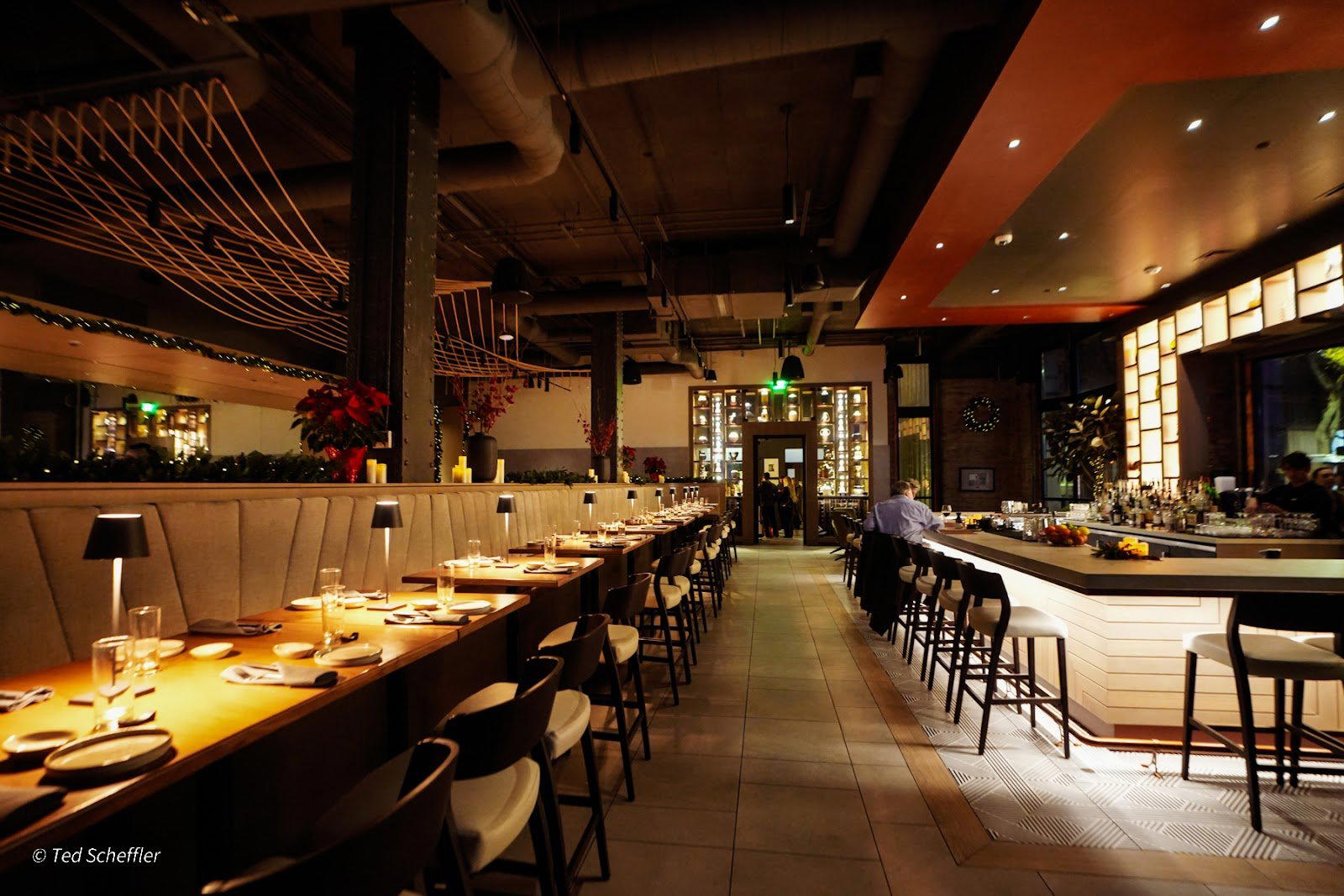
Lively and energetic with live music, DJs, and a speakeasy lounge downstairs; cozy patio and impressive bar.