La Terrasse
La Terrasse sits at Place de La Gare 2 in Neuchâtel, positioning it at the intersection of the city's lakeside dining culture and its rail-connected civic life. The address places it within reach of Neuchâtel's broader restaurant scene, which spans classic Swiss brasserie formats and contemporary table cooking. For visitors orienting themselves in this compact francophone city, La Terrasse serves as a practical and cultural reference point.
Pearl is the En Primeur Club membership app — saves, bookings, and concierge access live there. Same editors, same standards.
- Address
- Place de La Gare 2, 2000 Neuchâtel, Switzerland
- Phone
- +41327231919
- Website
- laterrasse-restaurant.ch
- Directions
- Get directions
 Saves & bookings on Pearl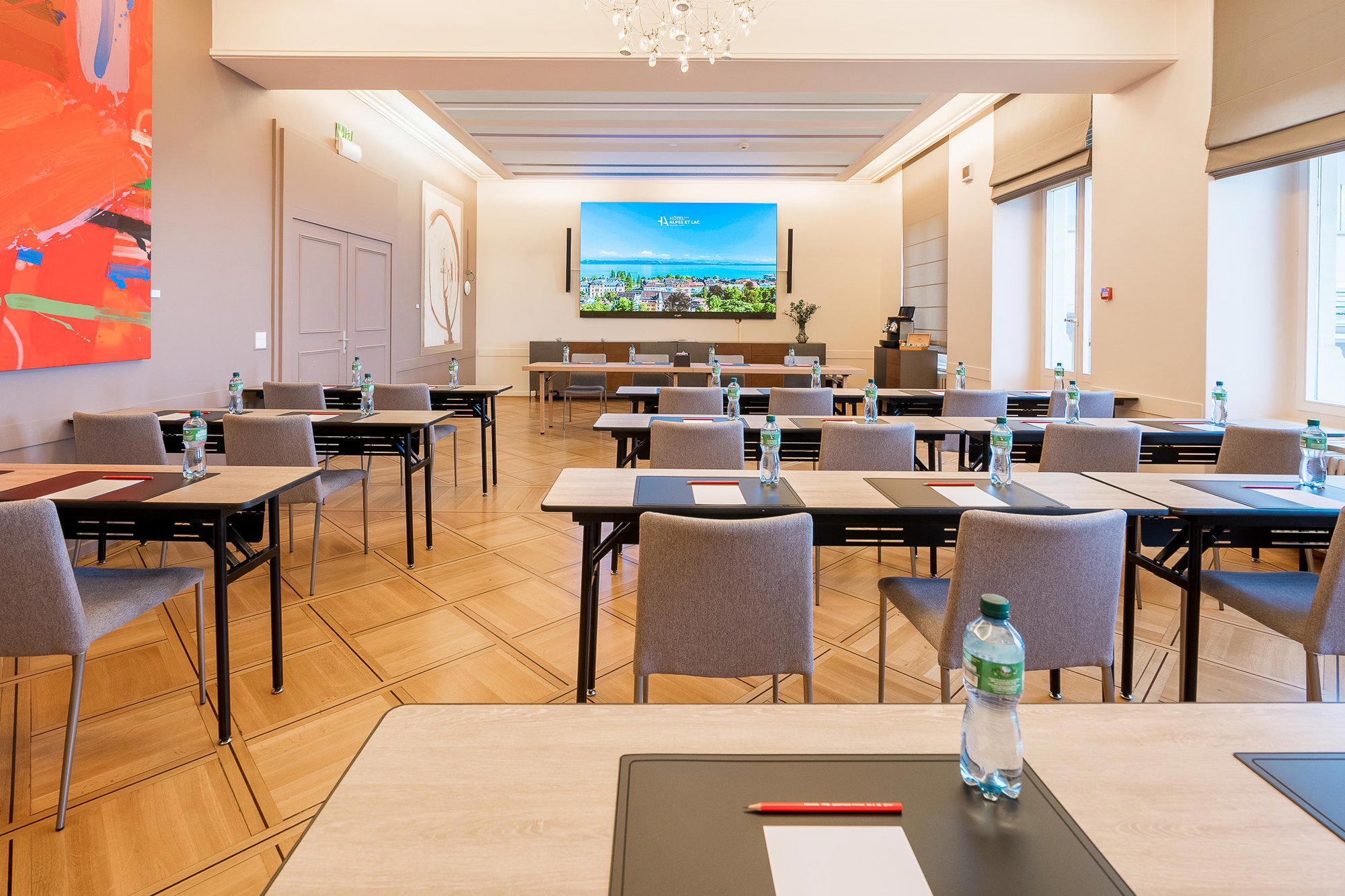
Where the Station Quarter Meets the Lake
Neuchâtel's Place de la Gare sits at an instructive juncture: close enough to the lake's edge that the air carries a particular freshness, yet anchored to the functional rhythm of a working rail terminus. Dining in this part of the city carries a different register than the waterfront tables further along the Quai Ostervald or the vaulted interiors of the old town. Venues here serve a genuinely mixed public: commuters breaking a journey, regional travellers arriving from Bern or Geneva, and locals who prize proximity over atmosphere. La Terrasse, at Place de La Gare 2, occupies that positioning directly.
The station-quarter dining format is well-established across French-speaking Switzerland. In cities like Lausanne and Fribourg, the blocks immediately adjacent to the main terminal have historically housed brasseries that prioritise breadth of menu and reliable hours over culinary ambition. Neuchâtel's version of this tradition is shaped by the city's particular francophone identity: a preference for unhurried meals, regional wine on the list, and a kitchen that acknowledges the lake and the Jura in what it plates, even when the room itself is oriented toward throughput.
Neuchâtel's Dining Culture in Brief
To understand where La Terrasse fits, it helps to map the broader dining pattern in Neuchâtel. The city's restaurant scene organises itself loosely across three registers. At the upper end, La Table du Palafitte (Classic Cuisine) represents the formal end of the spectrum, with a classic cuisine format at the €€€ price point and a lakeside setting that frames the cooking as destination dining. Further along the waterfront, La Voile and La Maison du Prussien represent the kind of regionally rooted, atmosphere-conscious dining that draws visitors specifically to Neuchâtel rather than simply passing through it.
The middle register is where most of the city's daily dining happens: brasseries and neighbourhood tables where Swiss-French culinary habits sit comfortably alongside seasonal menus. Brasserie Le Jura and La Dispensa represent different facets of this tier. La Terrasse, by virtue of its station-adjacent address, likely operates in this practical middle ground, serving the kind of food that reads well on a weekday lunch and holds up on a Friday evening.
For a full account of how these venues relate to each other, our full Neuchâtel restaurants guide maps the city's options by neighbourhood and format.
The Cultural Weight of Swiss-French Table Culture
French-speaking Switzerland carries a dining culture that is often underread by visitors who arrive expecting either Alpine rusticity or Geneva-level formality. Neuchâtel sits in a particular pocket of this tradition: a mid-sized city with a functioning university, a watchmaking heritage that brought in a cosmopolitan professional class, and a lake that supplies perch, whitefish, and féra to local kitchens throughout the year. The result is a dining culture that is quieter and more self-assured than its French-speaking neighbours to the west, and considerably less performative than Zurich or Basel.
In this context, a terrace-format restaurant near the station is doing specific cultural work. It is providing a legible, accessible version of Swiss-French hospitality to an audience that may not have come to Neuchâtel for its restaurants specifically. The best of these venues in comparable Swiss cities manage to deliver something genuinely local, whether that is a well-sourced Neuchâtel wine from the slopes above the lake or a dish that references the Jura landscape without announcing itself as a concept. Switzerland's serious dining at the national level includes addresses like Hotel de Ville Crissier in Crissier, Schloss Schauenstein in Fürstenau, and Cheval Blanc by Peter Knogl in Basel, all operating in a different register entirely. The station-quarter brasserie format, by contrast, is where Swiss hospitality does its everyday, unremarked work.
What the Address Tells You
Place de La Gare addresses in Swiss cities are rarely accidental. In Neuchâtel, the square functions as the city's primary arrival and departure point, filtering visitors through before they reach the lake or the old town. Restaurants here tend to have higher footfall than atmosphere-first venues, and menus are often calibrated to serve a wider range of occasions than a destination dining address would attempt. This is not a criticism; it is a description of a valid and necessary format. The question for any visitor is whether they are looking for an introduction to Neuchâtel's food culture or a deeper expression of it.
Switzerland's broader restaurant geography at the ambitious end runs through addresses like Memories in Bad Ragaz, IGNIV Zürich by Andreas Caminada in Zurich, focus ATELIER in Vitznau, Einstein Gourmet in Sankt Gallen, 7132 Silver in Vals, Colonnade in Lucerne, and Da Vittorio - St. Moritz in St. Moritz. Internationally, Swiss-trained sensibility has parallels in rooms like Le Bernardin in New York City and Atomix in New York City, where the discipline of the kitchen drives the reputation. La Terrasse operates at a different altitude in this ecosystem, but that altitude has its own logic.
Planning Your Visit
La Terrasse's location at Place de La Gare 2 makes it one of the more straightforwardly accessible restaurants in Neuchâtel: the city's main train station is the arrival point for connections from Bern (approximately 45 minutes), Geneva (approximately 75 minutes), and Basel via Biel. Travellers arriving by rail can reach the address without requiring a taxi or navigation. For visitors with more time in the city, the lakefront and old town are within comfortable walking distance, making La Terrasse a practical first or last stop rather than a detour.
How La Terrasse Neuchâtel compares with similar nearby venues.
| Venue | Cuisine | Price |
|---|---|---|
| Restaurant de l'Hôtel DuPeyrou | Classic Cuisine | €€€ |
| O'terroirs | Swiss Contemporary | Not listed |
Continue exploring
More in Neuchâtel
Restaurants in Neuchâtel
Browse all →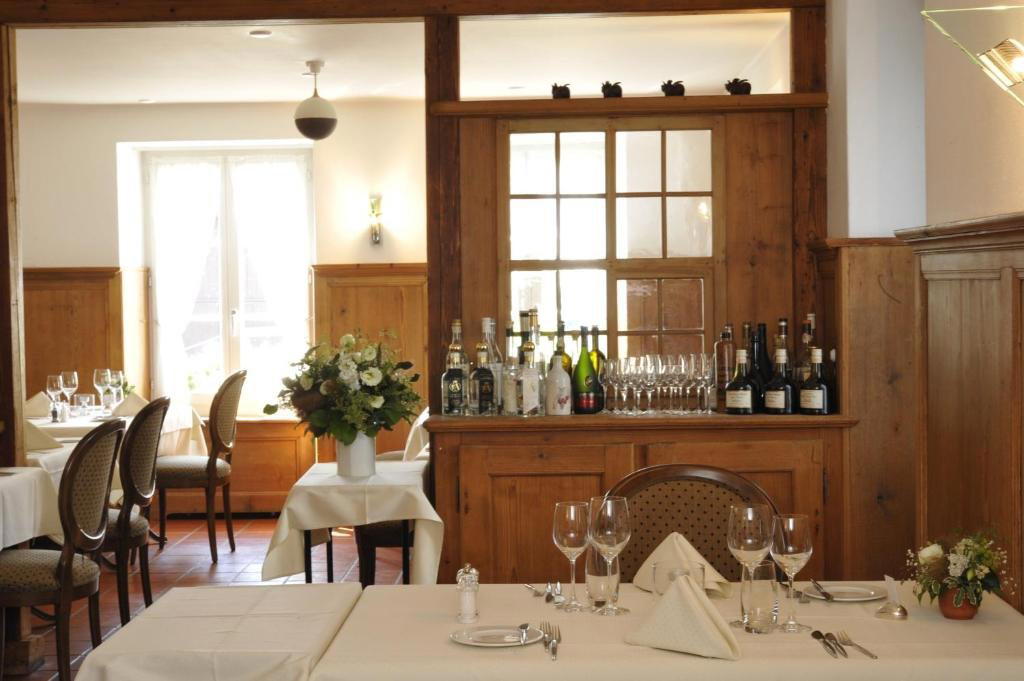
Bars in Neuchâtel
Browse all →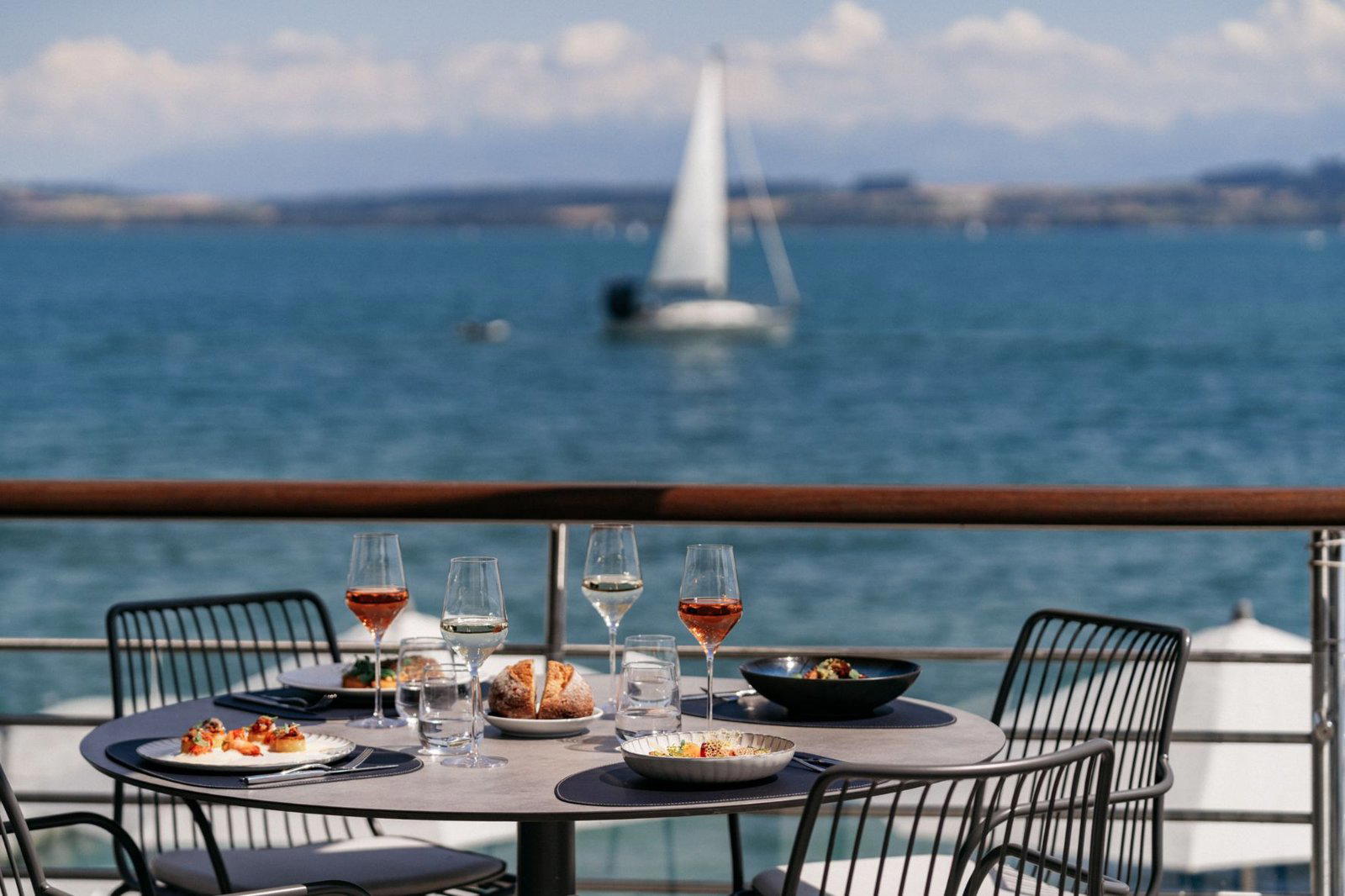
Hotels in Neuchâtel
Browse all →

At a Glance
- Elegant
- Scenic
- Cozy
- Date Night
- Business Dinner
- Family
- Terrace
- Panoramic View
- Hotel Restaurant
- Extensive Wine List
- Local Sourcing
- Waterfront
- Street Scene
Current opening hours
- Monday
- 11:30 AM–1:30 PM, 6:30–9:30 PM
- Tuesday
- 11:30 AM–1:30 PM, 6:30–9:30 PM
- Wednesday
- 11:30 AM–1:30 PM, 6:30–9:30 PM
- Thursday
- 11:30 AM–1:30 PM, 6:30–9:30 PM
- Friday
- 11:30 AM–1:30 PM, 6:30–9:30 PM
- Saturday
- 6:30–9:30 PM
- Sunday
- Closed
Hours can change for holidays and private events. Last verified .
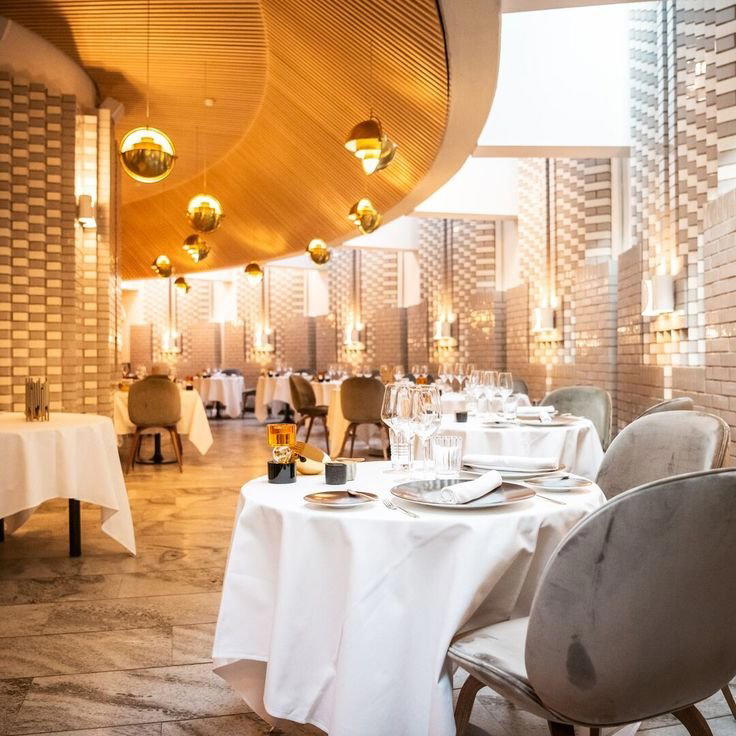
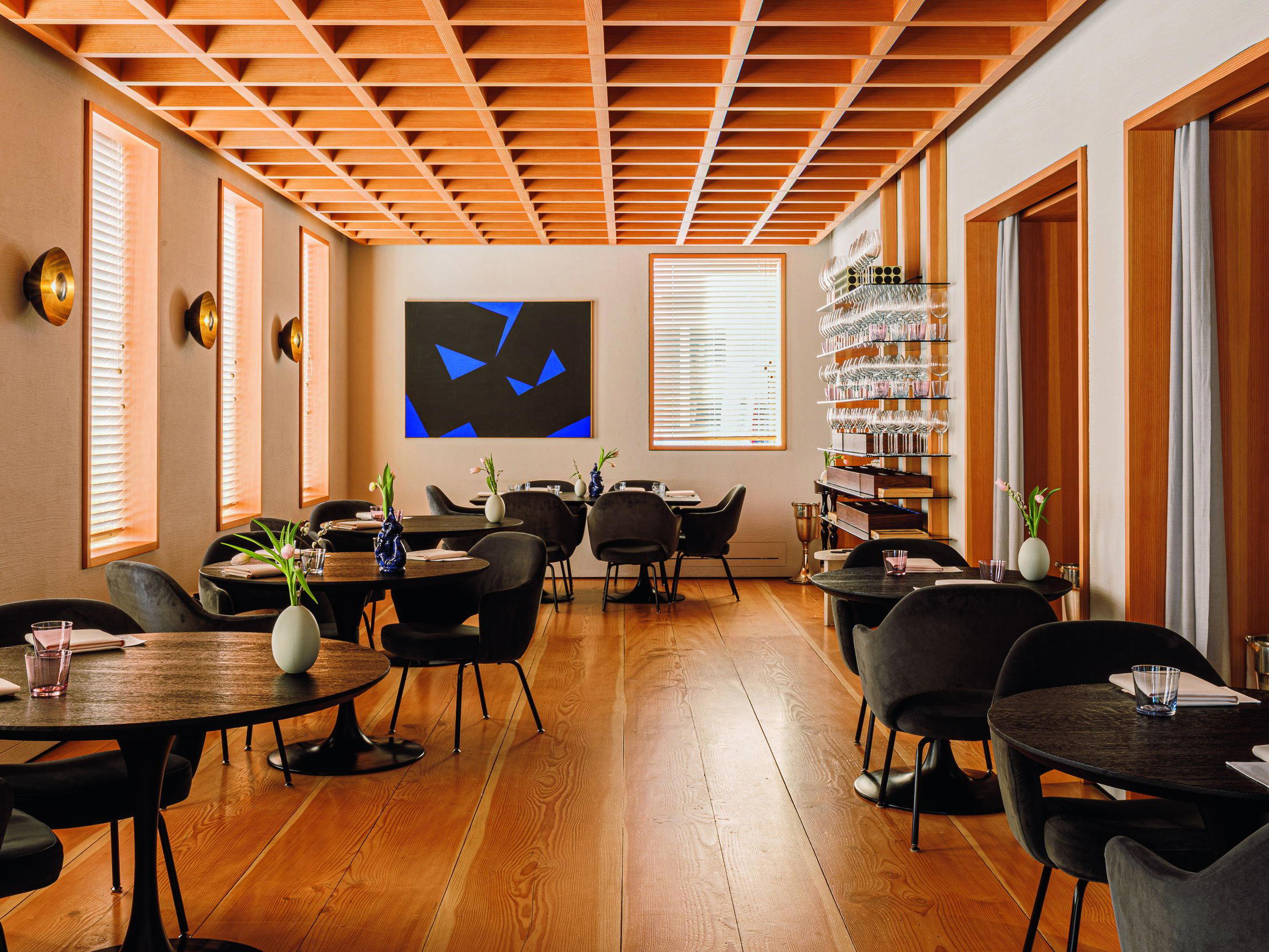
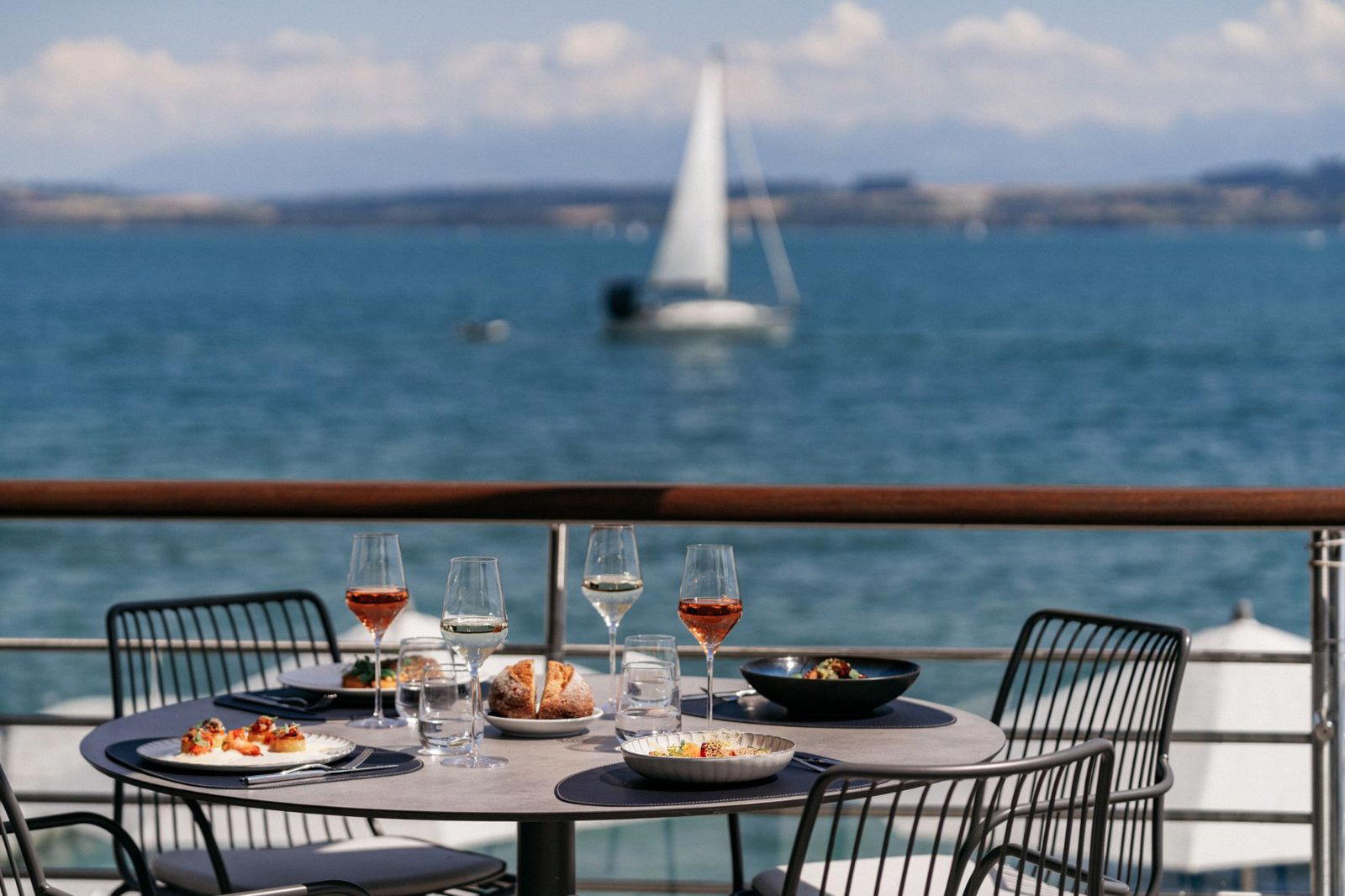
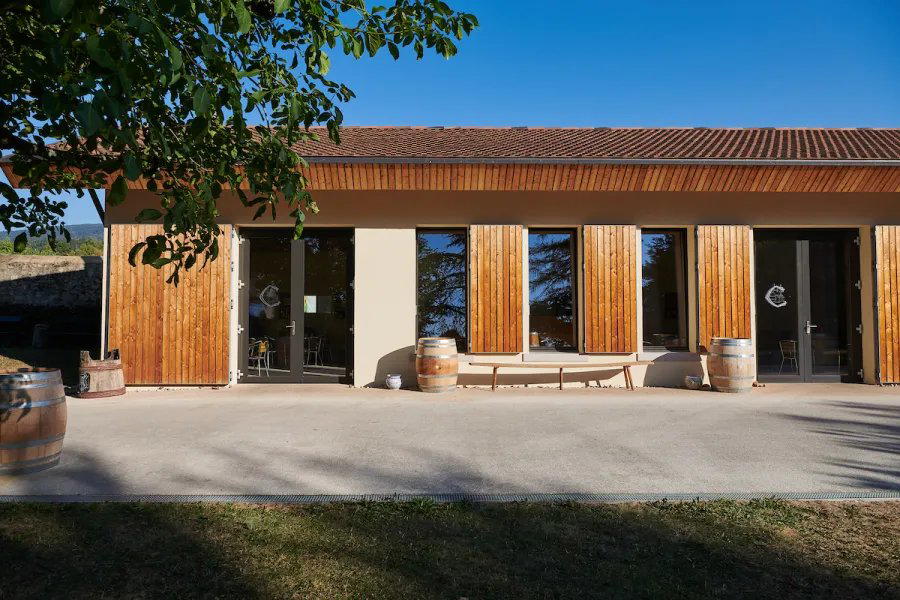
Warm and pleasant atmosphere with modern art, white tablecloths, and a relaxed yet elegant setting enhanced by lake views.
Know Before You Go
- Getting there
- Place de La Gare 2, 2000 Neuchâtel, Switzerland