Our verdict
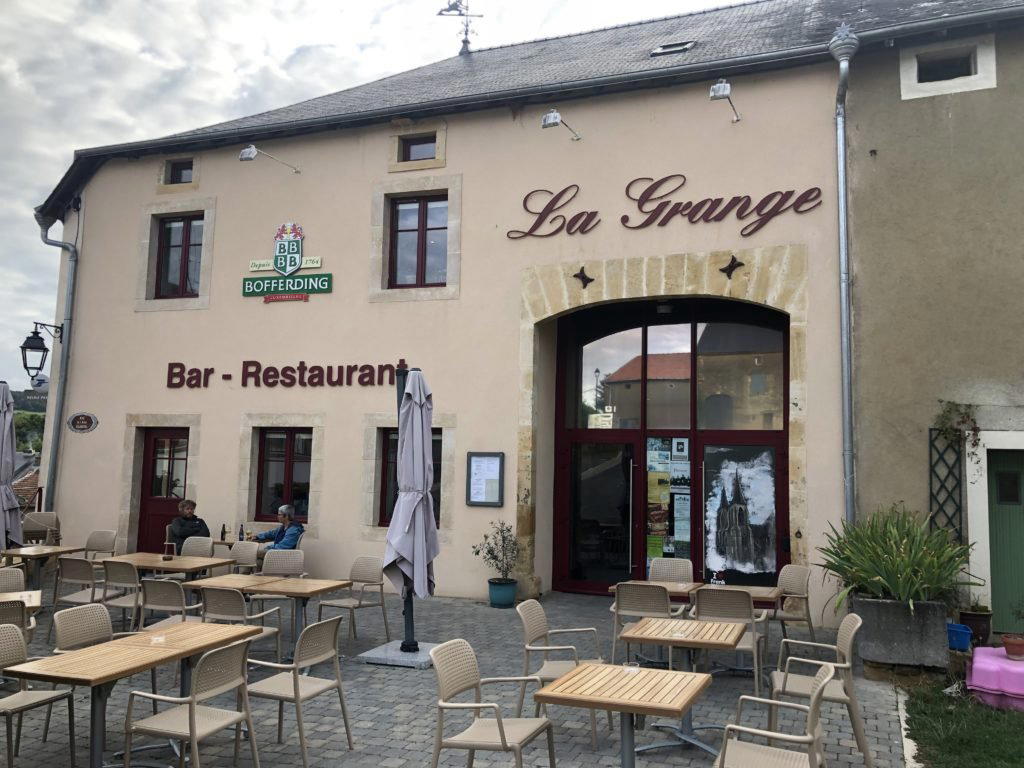
La Grange sits on a quiet street in Avioth, a village whose medieval basilica draws more visitors than its dining options. In a corner of the Meuse department where sourcing from the surrounding Lorraine countryside shapes what lands on the plate, this address represents the kind of grounded, locality-rooted cooking that France's rural northeast does quietly and without ceremony.

Pearl is the En Primeur Club membership app, where members save venues, book tables and use the concierge.
A Village Table in the Meuse
Avioth is not a dining destination in the way that Reims or Strasbourg announce themselves. The village in the Meuse department of Lorraine exists primarily because of its 14th-century basilica, a Gothic structure of disproportionate ambition for a settlement this small, drawing pilgrims and architectural tourists through a range of beech forest and open farmland. La Grange, at 10b Rue de l'Abbé Delhotel, occupies a position that this kind of village has always required: a place to eat well after the church, before the drive back to somewhere larger. That framing matters, because it tells you what the cooking here is answering to. Not a metropolitan audience expecting provocation, but a local and regional one that expects honesty about what the land around it produces.
Rural Lorraine has a cooking tradition rooted in its geography, the Meuse valley farmland, the forests of the Argonne to the south, and the proximity to Belgian and Luxembourg borders that historically introduced different smoking and curing habits into the larder. The northeast corner of France, where Avioth sits, is not a region that built its culinary reputation on spectacle. It built it on produce: Bergues-style cheeses, river fish, game from managed forests, and the kind of charcuterie culture that follows anywhere pigs are raised in quantity on agricultural byproduct. La Grange sits within that tradition, its name itself a reference to the barn structures that define the agricultural architecture of this part of France.
Sourcing in a Region That Still Grows Its Own
The broader argument for eating in rural Meuse rather than simply driving through it on the way to somewhere more celebrated is precisely the argument around ingredient proximity. In cities, even the most conscientious kitchens manage a supply chain. In a village like Avioth, the supply chain either is the region or it isn't there at all. That constraint, which can feel like a limitation, is also what gives cooking in this part of Lorraine its specificity. The vegetables, game, and dairy that appear on plates in the Meuse are not trucked in from Rungis; they come from farms that are sometimes visible from the restaurant window.
This is the kind of sourcing context that French gastronomy's most recognized addresses now spend considerable effort recreating from scratch. Mirazur in Menton built a kitchen garden on the hillside above its dining room to regain the ingredient proximity that its coastal Mediterranean location had to some degree lost. Bras in Laguiole has for decades framed the Aubrac plateau's flora as a central ingredient category, making the foraging tradition explicit and celebrated. In rural Lorraine, that proximity has never been an editorial decision; it has simply been the operating condition. What differs between a village table in Avioth and a destination address like Auberge de l'Ill in Illhaeusern or Troisgros - Le Bois sans Feuilles in Ouches is not the philosophy of sourcing locally; it is the scale and articulation of that philosophy, and the critical infrastructure that amplifies it.
Where La Grange Sits in the Northeast France Dining Picture
The northeast of France produces some of the country's most awarded tables, though they tend to cluster in Alsace and Champagne rather than in the Meuse. Assiette Champenoise in Reims and Au Crocodile in Strasbourg operate within urban fine-dining infrastructures, with the wine tourism and business travel that sustain multi-course tasting menus at premium price points. Avioth has no such infrastructure. The village receives visitors primarily through the basilica circuit, and any restaurant here serves a mixed clientele of pilgrims, day-trippers, and locals from the surrounding communes who are not necessarily arriving with the same expectations as guests at Alléno Paris au Pavillon Ledoyen in Paris.
That means La Grange occupies a different tier from those Michelin-tracked addresses, and that is not a criticism. France has always maintained a parallel dining culture to its starred tables: the auberge, the ferme-auberge, the bistrot de pays, formats where the measure of quality is faithfulness to regional produce and the cooking traditions that evolved around it. Internationally recognized restaurants like Auberge du Vieux Puits in Fontjoncouse or L'Oustau de Baumanière in Les Baux began within that same auberge tradition before accumulating the recognition that repositioned them in a different competitive set. La Grange, without awards data in the public record at the time of writing, remains within the tradition itself rather than having been extracted from it by critical acclaim.
For context on what France's broader dining map looks like across price tiers and geographies, our full Avioth restaurants guide maps the available options in this part of the Meuse. Beyond the northeast, the contrast in format and ambition with Atlantic-coast cooking at Christopher Coutanceau in La Rochelle or the market-driven approach at Georges Blanc in Vonnas illustrates how differently regional France has chosen to project its ingredient identity.
Arriving and Planning
Avioth is approximately 40 kilometres north of Verdun, which is itself around two hours from Paris by road. The village is not served by rail, and the nearest significant town with accommodation options is Montmédy, roughly 8 kilometres to the southeast. Visitors combining a stop at La Grange with the basilica, which is open daily and free to enter, typically arrive as part of a broader Meuse itinerary that might include the Verdun memorial sites or the Argonne forest. Given Avioth's size, the rhythm here is unhurried, and a meal at La Grange fits the pace of a day in this part of Lorraine rather than competing with it. Specific current hours and booking arrangements are best confirmed directly with the venue before travelling, as scheduling in villages of this scale can shift seasonally.
Frequently asked questions
Is La Grange a family-friendly restaurant?
La Grange is a village restaurant in Avioth, a community of fewer than a hundred residents in the Meuse department of Lorraine.
What should I expect atmosphere-wise at La Grange?
Avioth is a small agricultural village best known for its medieval basilica, and La Grange at 10b Rue de l'Abbé Delhotel reflects that setting rather than any urban dining scene. Expect a pace and register consistent with rural Lorraine: unhurried, locally oriented, without the theatre of destination restaurants in Reims or Strasbourg.
Is La Grange worth visiting if I'm stopping at the Basilica of Avioth?
Avioth's basilica draws visitors to an otherwise quiet corner of the Meuse, and La Grange at 10b Rue de l'Abbé Delhotel is positioned within the same village, making it a practical option for those already making the trip. The village has no competing restaurant cluster, so La Grange occupies a specific role in the local dining picture that no other address in Avioth currently fills.
What's the best thing to order at La Grange?
Specific menu details are not available for La Grange in Avioth. The broader Meuse and Lorraine region is associated with farm-sourced produce, charcuterie, and dishes rooted in the northeast French agricultural tradition, which often shapes what village tables of this kind put on the plate. Confirming current offerings directly with the venue before your visit is the practical approach.
Where do I go for La Grange?
La Grange is located at 10 b Rue de l'Abbé Delhotel, 55600 Avioth, France, Avioth.
How far ahead should I plan for La Grange?
No booking data is publicly documented for La Grange at its Avioth address. Village restaurants in rural Meuse can operate limited days or seasonal hours, so planning ahead and contacting the venue directly before making the drive from Verdun, roughly 40 kilometres south, is advisable.
What is La Grange known for?
La Grange sits in Avioth, a village in the Meuse department of Lorraine whose main draw has historically been its 14th-century basilica, a pilgrimage site of regional significance. As a dining address in that context, La Grange functions as the kind of local table that serves the surrounding community and visitors arriving for the basilica, rather than as a destination restaurant in its own right.
Comparable Spots, Quickly
Comparable venues nearby, for context on price, style, and recognition.
| Venue | Cuisine | Price | Notes |
|---|---|---|---|
| La GrangeThis venue (the venue you are viewing) | French Bistro | $20–30 | Not listed |
| L’aventure | French Mountain Grill | $30–50 | Oz en Oisans |
| Restaurant Cordel | Traditional French & Mosellane | Not listed | Beyren-les-Sierck |
| L'Atelier Entrecôte et Volaille - Reims | Classic French Brasserie | $30–50 | Centre-ville (Downtown Reims) |
| Ô Talent | French Bistro with Nouvelle Cuisine | Not listed | center |
| Bistrot du Breuil | Modern French Bistro | $10–20 | Réhon |
Continue exploring
More in Avioth
Details
- Rustic
- Cozy
- Elegant
- Date Night
- Family
- Terrace
- Extensive Wine List
- Local Sourcing
- Street Scene
- A La Carte
- Gluten Free Options
Current opening hours
- Monday
- 12–1:30 PM
- Tuesday
- 12–1:30 PM, 7–8:30 PM
- Wednesday
- 12–1:30 PM, 7–8:30 PM
- Thursday
- 12–1:30 PM, 7–8:30 PM
- Friday
- 12–1:30 PM, 7–8:30 PM
- Saturday
- Closed
- Sunday
- Closed
Hours can change for holidays and private events. Hours as of .
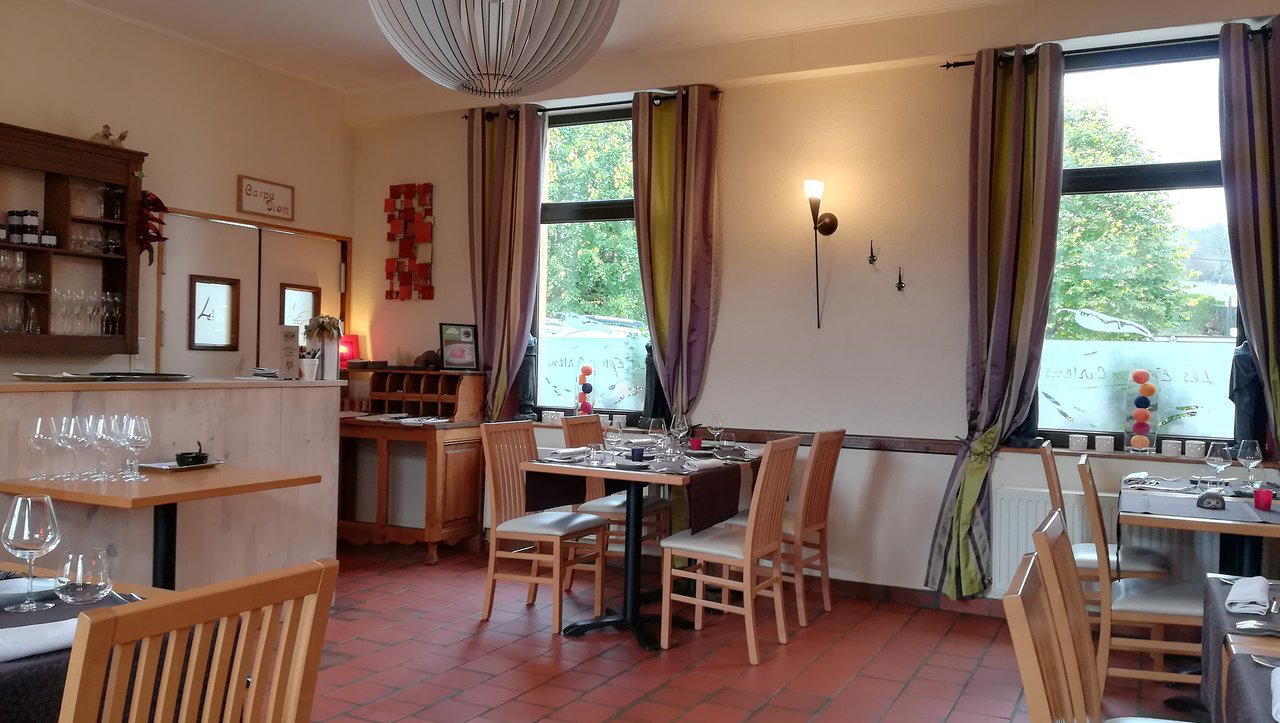
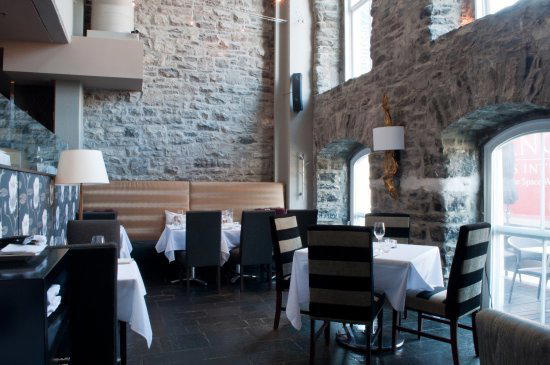
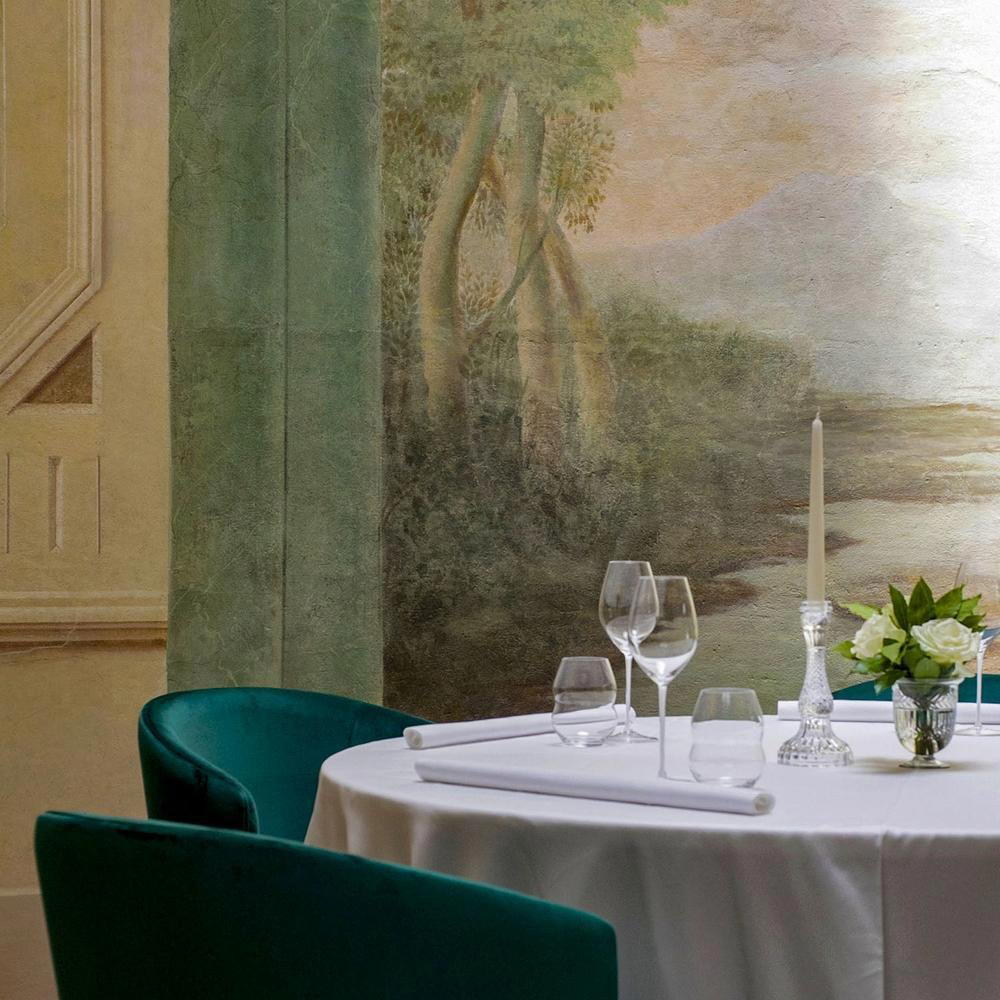
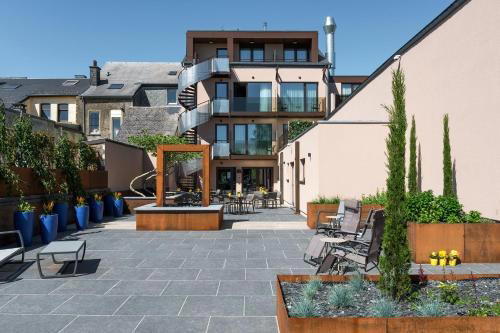
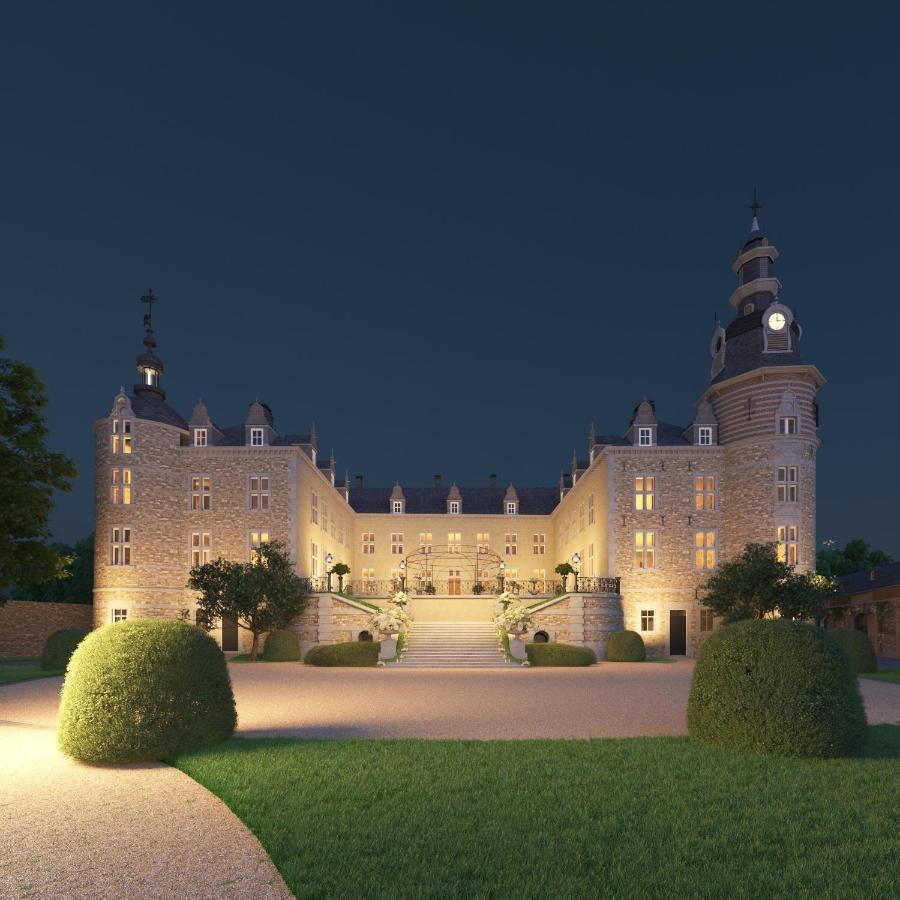
Sober, authentic, rustic, warm, and elegant atmosphere with colorful plates in a modern setting.