
Our verdict
Set in a converted mill in the wooded Ardennes valley outside Bouillon, Auberge du Moulin Hideux places classical French cooking firmly in its regional landscape. Chef Julien Lahire leads the kitchen at this OAD Classical Europe-ranked address, where the surrounding forest and river system inform the plate as directly as the cooking tradition does.

Pearl is the En Primeur Club membership app, where members save venues, book tables and use the concierge.

The menu
What to order
- Local Game Tasting Menu
- Roasted Venison
- Wild Boar Ragout
Where the Semois Valley Sets the Table
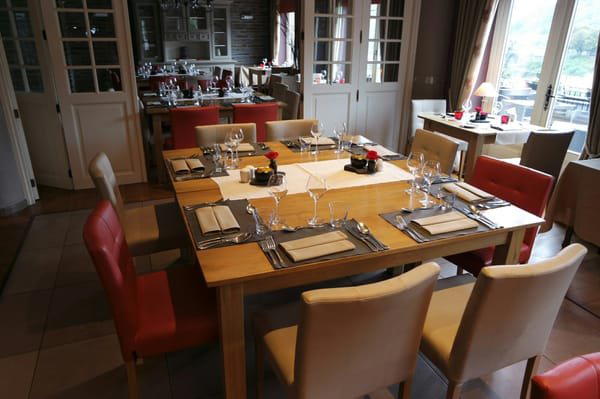
The Ardennes does not announce itself gently. Arriving at Auberge du Moulin Hideux, the approach is through dense conifer and oak forest, the Semois river audible before the building comes into view. The mill itself is a stone structure of the kind that Belgium's southern provinces build to last centuries, and the dining room reflects that permanence: thick walls, natural light filtered through deep-set windows, and an interior that leans into the material logic of the place rather than away from it. This is not a restaurant that has been styled to look rural. It is rural, and the kitchen answers to that fact.
In a broader Belgian context, this kind of deep-countryside French cooking occupies a distinct tier from the urban fine dining concentrated in Brussels, Antwerp, and the Flemish cities. Houses like Zilte in Antwerp or Boury in Roeselare operate with immediate access to coastal produce, urban supplier networks, and a denser peer group. Moulin Hideux operates from isolation, and that isolation is the point. The Ardennes larder, which includes game, river fish, wild mushroom, and foraged flora specific to this valley system, is not a marketing frame here. It is a constraint that shapes what ends up on the plate.
Classical French Cooking at Regional Depth
The 2025 Opinionated About Dining Classical in Europe ranking places Auberge du Moulin Hideux at number 432, a position that locates it inside a competitive set defined by adherence to classical French technique rather than creative reinvention. OAD's Classical list is a meaningful signal: it reflects consistent voter recognition among a dining community that distinguishes between restaurants performing tradition and those merely referencing it. For Moulin Hideux, that recognition ties directly to what classical French cooking has always demanded in this part of Europe: patience with long-cooked preparations, respect for the seasonal calendar, and a willingness to let primary ingredients carry the weight of a dish.
Chef Julien Lahire leads the kitchen. This is a region where the hunting season structures autumn menus, where river trout and crayfish have appeared on serious tables for generations, and where the French culinary tradition arrived and stayed in part because the local larder rewarded its techniques. Wild game cooked with care over long timelines, stocks reduced from local bones, sauces built from what the season provides, these are the instruments of classical cooking here, and they carry verifiable regional logic.
For comparison, restaurants in Belgium's creative and modern French tier, including Castor in Beveren, Cuchara in Lommel, and De Jonkman in Sint-Kruis, pursue a different editorial programme: invention, cross-cultural technique, and contemporary plating language. Moulin Hideux's OAD Classical placement marks it as something different within Belgium's ranked restaurant set: a house committed to depth within a tradition rather than departure from it. Restaurants in that classical bracket in other French-speaking territories, such as Hotel de Ville Crissier in Switzerland, suggest the reference set extends well beyond national borders.
The Ardennes Larder as Editorial Subject
What separates Ardennes cooking from other regional French traditions in Belgium is the specificity of the forest system. The valley around Bouillon, in the province of Luxembourg, holds one of the densest game and foraging ecosystems in the Benelux region. Wild boar, venison, hare, partridge, and woodcock move through a season-defined calendar that most French classical kitchens in urban settings can only approximate through supplier relationships. Here, the sourcing geography and the restaurant geography are effectively the same place.
Seasonality at this address is not a talking point. It is the operating constraint that determines what appears on the menu at any given visit, which makes autumn and winter especially rewarding for diners seeking what the Ardennes offers. The Walloon forest floor is one of the more productive mushroom environments in western Europe, and river systems in this province historically supported serious trout and crayfish populations. For visitors planning around this, a late-autumn visit places the game season at full calendar depth, which aligns with the classical French tradition at its most material. Spring and summer shift the register toward river fish, young vegetables, and the more delicate preparations that mark the lighter half of the French cooking year.
Placing Moulin Hideux in the Wider Belgian Scene
Belgium's serious restaurant scene concentrates heavily in Flemish cities, with Brussels providing the French-language anchor. Wallonia's contribution to the country's ranked dining addresses is smaller in volume but carries its own logic: it is defined by regionalism, classical roots, and a relationship with landscape that Flemish coastal or urban cooking cannot replicate. Alongside addresses like L'Air du Temps in Liernu and d'Eugénie à Emilie in Baudour, Moulin Hideux represents the Walloon end of a serious national dining picture.
Farther afield, the classical French tradition appears at comparable depth in addresses such as L'Effervescence in Tokyo, where French classical technique is applied to a different regional larder entirely. The comparison is useful for understanding what OAD's Classical ranking actually measures: it is about rigour and commitment to a method, wherever in the world that method is being applied. Moulin Hideux's Ardennes setting makes its version of that commitment particularly direct, because the method and the landscape it originally evolved to serve are, in this case, the same.
Planning a Visit
Bouillon sits in Belgium's far south, in the province of Luxembourg, roughly two hours from Brussels by car and accessible from Luxembourg City in under ninety minutes. The address functions as a destination in its own right rather than a stop within a denser itinerary, and the surrounding region rewards an overnight stay: the Ardennes forest system, the medieval château above Bouillon, and the broader Semois river valley make a sensible programme around a serious dinner. Booking ahead is advisable given the restaurant's ranked status and limited rural capacity.
The Bouillon experiences guide and bars guide round out the surrounding programme. For context on Belgium's ranked restaurant circuit more broadly, Hof van Cleve in Kruishoutem, Willem Hiele in Oudenburg, Bartholomeus in Heist, and Bozar in Brussels each represent distinct coordinates in the national picture.
Frequently asked questions
Is Auberge du Moulin Hideux good for families?
The auberge format in Bouillon, set within the Ardennes forest along the Semois, tends to suit families comfortable with a formal sit-down classical French meal rather than a casual drop-in. Chef Julien Lahire's kitchen operates in the OAD Classical Europe tradition, which signals structured courses and a slower pace. Families with older children who can engage with that rhythm will likely find it rewarding; very young children would be better served elsewhere in the region.
How would you describe the vibe at Auberge du Moulin Hideux?
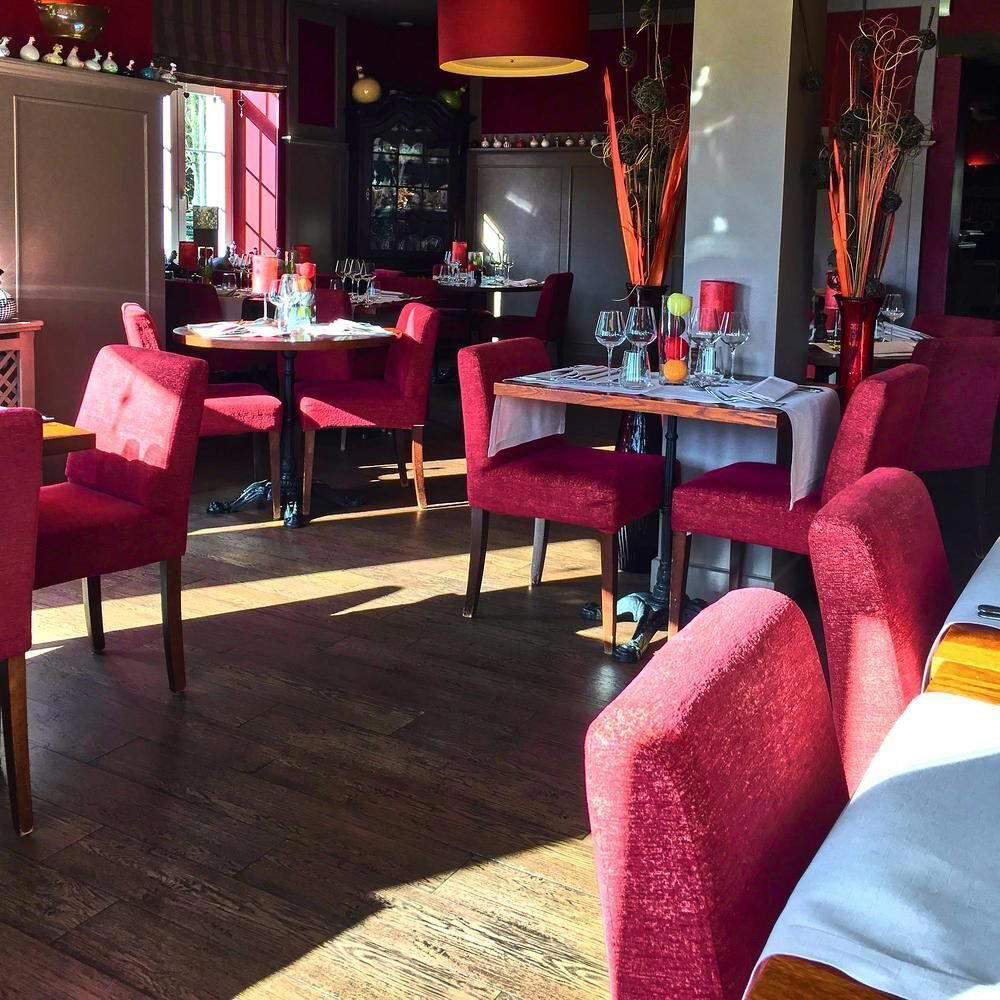
The setting does most of the work: dense Ardennes forest, the Semois river, and an old mill building that frames the meal before a dish arrives. The tone is classical French provincial rather than contemporary minimalist, expect a room that takes the food seriously without performing austerity. Its 2025 Opinionated About Dining Classical in Europe ranking at number 432 places it among peers where the cooking, not the concept, is the reason to visit.
What distinctions does Auberge du Moulin Hideux have?
Auberge du Moulin Hideux has received recognition including: Opinionated About Dining Classical in Europe Ranked #432 (2025).
What's the cuisine at Auberge du Moulin Hideux?
It is a French restaurant.
Where is Auberge du Moulin Hideux located?
Auberge du Moulin Hideux is located at Moulin Hideux, 6831 Bouillon, Belgium, Bouillin.
How Auberge du Moulin Hideux compares with similar nearby venues.
| Venue | Cuisine | Price |
|---|---|---|
| Auberge du Moulin HideuxThis venue (the venue you are viewing) | French-Belgian Fine Dining with Game | $100–150 |
| Les Plats Canailles de la Bleue Maison | French | Not listed |
| Le Confessionnal | French | Not listed |
| La Cristallerie | French | Not listed |
| Le Val d'Amblève | French | Not listed |
| Vivant 2 | French | Not listed |
Recognition history
Dated appearances from independent guides and award organizations, with the underlying list record or original source where available.
Opinionated About Dining Classical in Europe Ranked #432
Opinionated About Dining
Continue exploring
More in Bouillin
Restaurants in Bouillin
All restaurants in Bouillin →

Hotels in Bouillin
Browse all →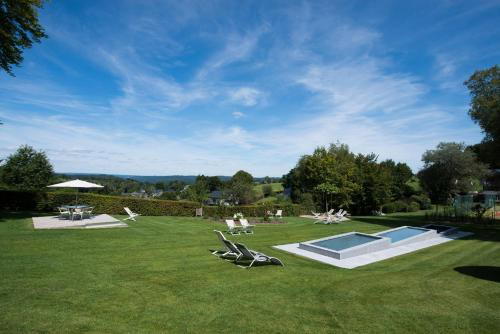
Wineries in Bouillin
Browse all →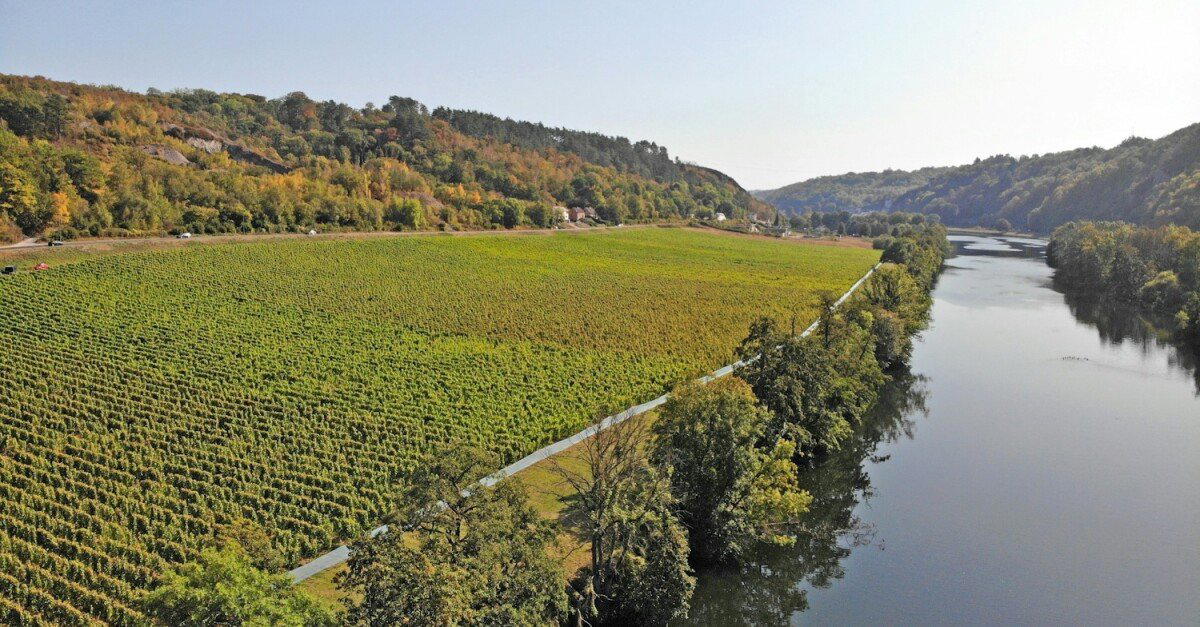
Details
- Romantic
- Cozy
- Rustic
- Elegant
- Scenic
- Intimate
- Quiet
- Date Night
- Special Occasion
- Historic Building
- Hotel Restaurant
- Terrace
- Extensive Wine List
- Sommelier Led
- Local Sourcing
- Garden
- Waterfront
- Tasting Menu
- A La Carte
Cozy dining rooms with original stone walls and fireplaces creating a warm, inviting atmosphere, complemented by a terrace overlooking a pond and fountain.