Our verdict
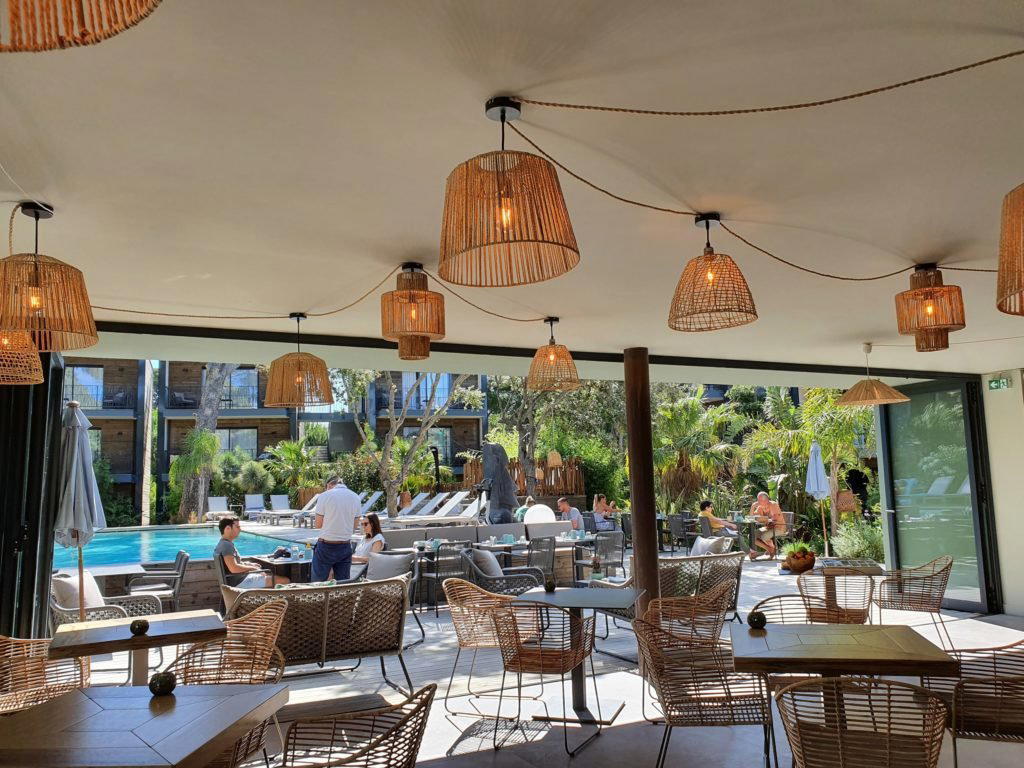
La Table occupies a spot on Place Massillon in Hyères, one of the Var's most characterful squares, where the southern French table tradition runs close to the land and the sea simultaneously. The address places it inside a dining scene shaped by Provençal produce rhythms, proximity to the Iles d'Hyères, and a local appetite for cooking that is direct rather than decorative.
- Address
- 3 Pl. Massillon, 83400 Hyères, France
- Phone
- +33 4 94 35 34 24
- Directions
- Get directions
The menu
What to order
- Dish of the day
- Corsican charcuterie boards
Place Massillon and the Logic of the Southern French Table
Place Massillon is the kind of square that organises a French town's social life without announcing it. Shaded by plane trees, framed by stone facades, and anchored by a covered market that has been operating since the eighteenth century, it functions as Hyères's daily gathering point long before the tourist season arrives and long after it ends. La Table sits within this environment, which means its context is not a resort strip or a marina promenade but a working civic square in a town that has been eating seriously since before the Côte d'Azur became a brand.
That positioning matters. Dining in the Var's interior and older coastal towns tends to follow a different logic than the high-season, view-premium restaurants of the nearby islands or the beachfront. The supply lines are shorter, the regulars more exacting, and the format typically more grounded in daily produce rhythms than in spectacle. For a fuller picture of how La Table fits within the broader Hyères dining scene, the our full Hyères restaurants guide maps the range of options across the town and its coastal extensions.
Ingredient Geography: The Var Table and Where It Draws From
The southern French kitchen at its most coherent is a geography lesson. The Var department sits at the intersection of several distinct supply systems: the market gardens of the Gapeau and Argens valleys, the fishing grounds of the Mediterranean littoral, the hill-farm production of the Maures and Esterel massifs, and the island ecosystems of Port-Cros and Porquerolles. Restaurants on Place Massillon in Hyères draw from all of these, with the covered market directly on the square acting as a daily aggregation point for local producers.
This is the structural advantage that Hyères addresses hold over more remote coastal destinations. Produce does not need to travel far, and the town's year-round population sustains supplier relationships that collapse in purely seasonal resort economies. Vegetables harvested the previous morning, fish landed at the nearby ports of La Londe or Le Lavandou, and olive oils from the hills above Bormes-les-Mimosas can all reach a kitchen on Place Massillon within hours. The result, in the hands of a kitchen that reads this supply chain correctly, is cooking that tastes of its actual location rather than of a generalised Mediterranean aesthetic.
For comparison, restaurants that sit further into the landscape, such as La Table du Castellet in Le Castellet, work within a different but related Provençal logic, with greater altitude and inland produce defining the register. At the other end of the French regional-sourcing conversation, properties like Flocons de Sel in Megève or Bras in Laguiole demonstrate how deeply a kitchen can encode a specific landscape into its menu when the sourcing discipline is absolute. The coastal Var operates on the same principle, applied to a warmer, saltier, more herb-driven terroir.
Hyères's restaurant scene divides broadly into three registers. There are the beach and port addresses oriented toward seasonal tourism, such as La Plage d'Argent and L'Anse de Port Cros, which trade heavily on setting and seafood; the neighbourhood addresses that serve the town's permanent population through the full calendar year, such as Au Pied d'Poule and La Pastachuca; and a middle tier of square and market-adjacent restaurants that combine tourist accessibility with genuine local patronage. La Table's address on Place Massillon places it in that third category, sharing the square's energy with the weekly market and the town's habitual café culture.
This position carries both advantages and expectations. The regulars who eat on Place Massillon tend to know what Provençal cooking should taste like and have little patience for approximations. The tourist trade that passes through adds volume and some margin flexibility, but it does not define the kitchen's baseline. Restaurants in this position, across southern France from Arles to Antibes, tend to succeed when they read their dual audience correctly and resist the temptation to drift toward either tourist formula or affected complexity. A nearby comparator, La Jeannette, operates within a similar local-first logic.
The Wider Frame: French Regional Dining and What Hyères Represents
France's most recognised kitchens, the multi-starred institutions like Mirazur in Menton, Alléno Paris au Pavillon Ledoyen, Troisgros in Ouches, Paul Bocuse in Collonges-au-Mont-d'Or, Auberge de l'Ill in Illhaeusern, Les Prés d'Eugénie in Eugénie-les-Bains, and Georges Blanc in Vonnas, rest on foundations of regional identity as much as technical sophistication. What distinguishes the best of them is not ambition for its own sake but a coherent relationship between a specific place and what arrives on the plate. That relationship is readable at every price point when the sourcing is honest.
Hyères, overlooked by travellers who divert to Saint-Tropez or continue along the coast to Nice, maintains a quieter version of that regional coherence. It is a town where the daily market is not a tourist attraction but a logistics operation, where the fishing economy remains active rather than decorative, and where the table has not been entirely reoriented around the summer rental season. For reference, Lazy Bear in San Francisco and Le Bernardin in New York City both demonstrate, in very different registers, how sourcing conviction translates across formats and price tiers. The principle scales down as well as up.
Planning a Visit
Place Massillon is in central Hyères, within walking distance of the old town and the covered market hall that supplies the surrounding restaurants. Hyères is accessible by TGV to Toulon followed by a regional connection, or directly by air into Toulon-Hyères airport, which receives seasonal domestic and European flights. The town functions year-round, but the spring and autumn shoulder seasons tend to produce the most coherent dining experience: produce quality is high, the square is animated without being overcrowded, and kitchens are running at full attention rather than at summer-volume pace. As with most French restaurants on active market squares, midday service tends to draw the local trade most reliably; evening service accommodates a broader mix. Specific hours, pricing, and booking requirements should be confirmed directly with the restaurant, as these details were not available at the time of writing.
Frequently asked questions
Where exactly is La Table?
La Table is located at 3 Pl. Massillon, 83400 Hyères, France, Hyeres.
Is La Table in Hyères suitable for a long lunch exploring Provençal cuisine?
La Table's location on Place Massillon, in central Hyères within the Var department, places it in the heart of Provence's southern ingredient corridor, where the cooking tradition leans toward unhurried, produce-led meals. The square's plane-tree shade and stone surroundings make it a natural setting for a midday meal rather than a rushed dinner.
What should I eat at La Table?
La Table sits on Place Massillon in central Hyères, within reach of the covered market hall that supplies the surrounding restaurants, so the menu draws logically from Var producers. The southern French kitchen in this part of Provence typically centres on Mediterranean vegetables, local fish, and olive oil-driven preparations.
Should I book La Table in advance?
Place Massillon is the social centre of Hyères's old town, and restaurants on or around the square attract both locals and visitors throughout the season. Booking ahead is advisable for weekend evenings and the summer months when Hyères draws significant tourist traffic.
What's the standout thing about La Table?
The address is the most concrete asset: Place Massillon places La Table at the geographical and social centre of Hyères, a town that sits within one of the Var's most coherent ingredient supply systems. Hyères's restaurant scene divides between seasonal beach and port addresses and more grounded town-centre operations; a square-facing table in the old town occupies a different register from the tourist-facing harbour spots. That positioning, rather than any single dish or format, defines what La Table offers.
How It Stacks Up
| Venue | Cuisine | Price |
|---|---|---|
| La TableThis venue — the venue you are viewing | Provencal and Corsican Bistro | Not listed |
| Le Pradeau Plage | French Mediterranean Beachside | $30–50 |
| Au Pied d'Poule | Bistrot français méditerranéen | Not listed |
| La Jeannette | Provençal Farm-to-Table Bistro | $20–30 |
| La Pastachuca | Italian Pasta with Provençal Influences | $20–30 |
| La Plage d'Argent | Traditional French Seafood | $30–50 |
Continue exploring
More in Hyères
Restaurants in Hyères
Browse all →
Bars in Hyères
Browse all →
Hotels in Hyères
Browse all →
Details
- Cozy
- Casual Hangout
- Terrace
- Craft Cocktails
- Local Sourcing
- A La Carte
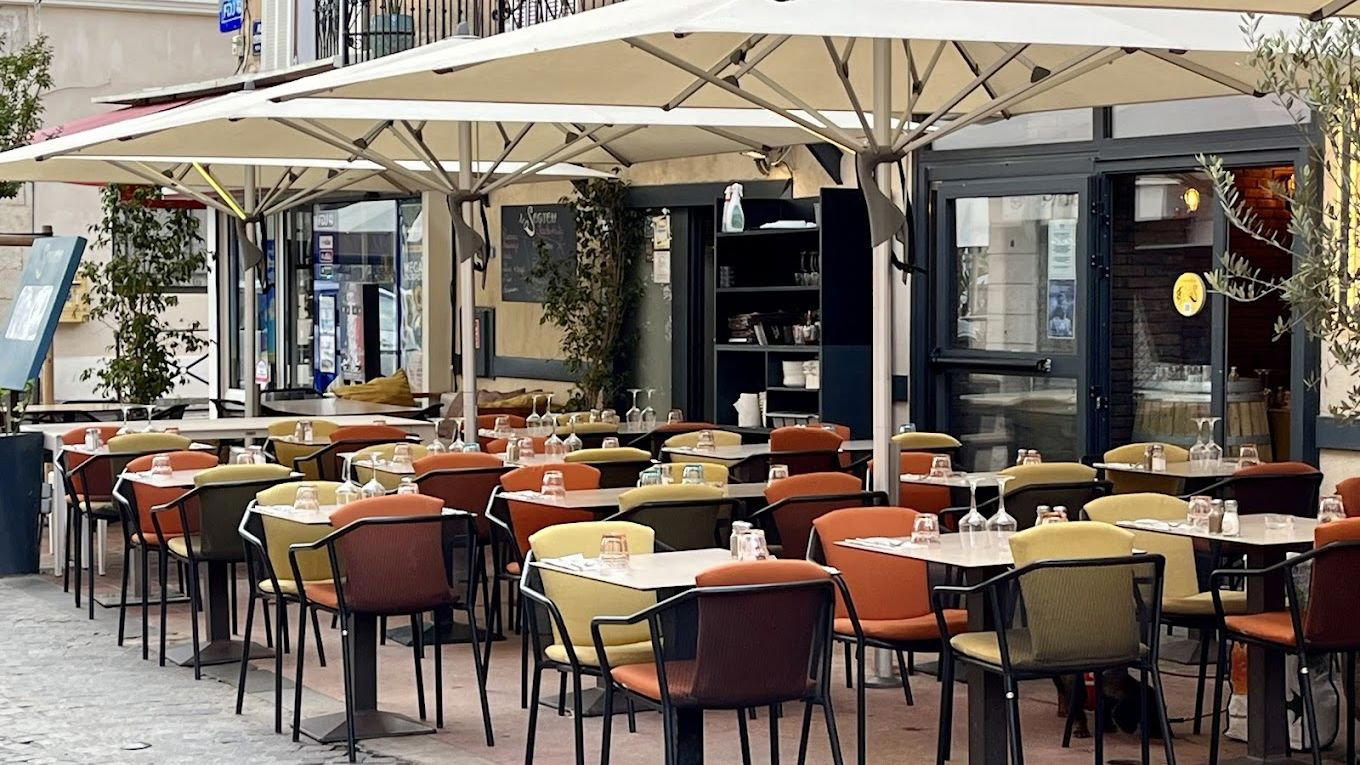
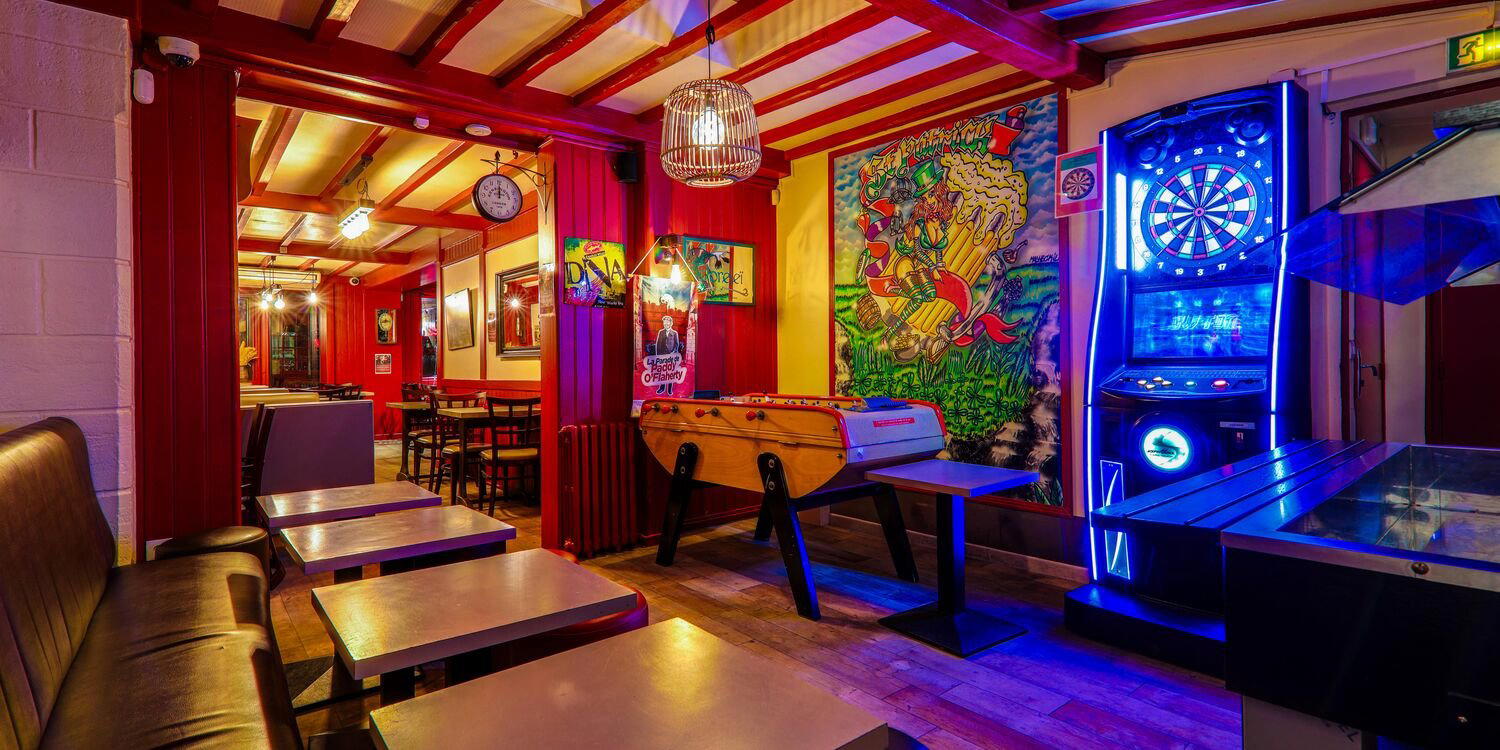
Casual town center atmosphere with terrace seating.