La Régalido
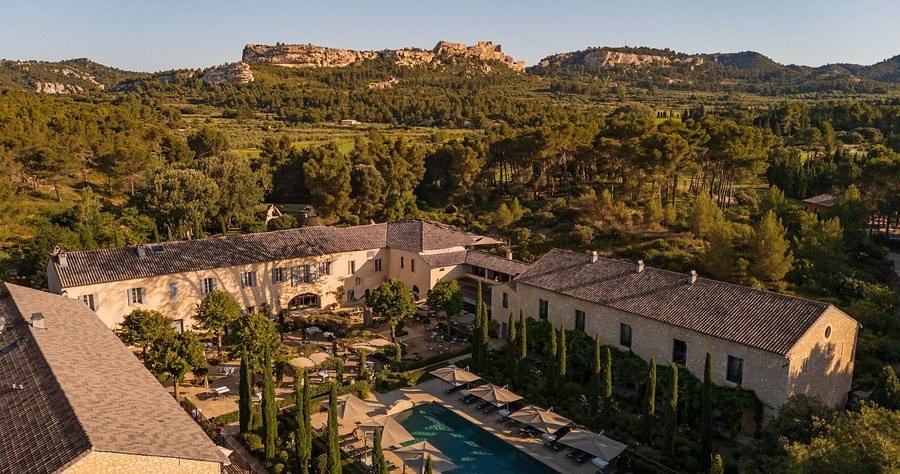
La Régalido occupies a converted olive oil mill on Fontvieille's main avenue, placing it squarely within the Provençal auberge tradition where setting and regional cooking reinforce each other. The address puts it alongside a small cluster of serious dining options in one of the Alpilles' quietest villages, making it a reference point for anyone planning a meal in the area.
 Discover on Pearl
Pearl is the En Primeur Club membership app — saves, bookings, and concierge access live there. Same editors, same standards.
- Address
- 118 Av. Frédéric Mistral, 13990 Fontvieille, France
- Phone
- +33490546022
- Website
- laregalido.com
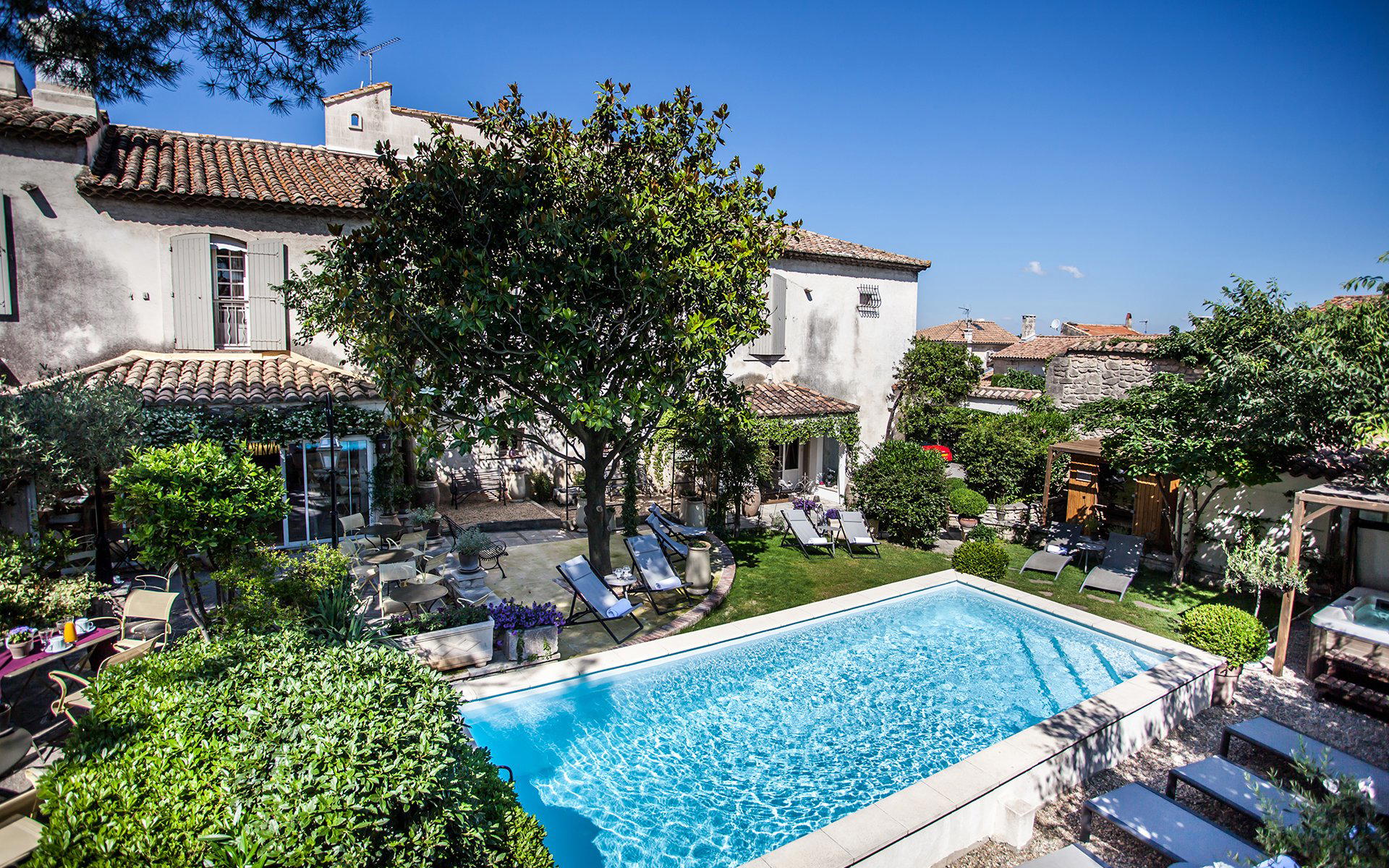
Fontvieille and the Provençal Auberge Tradition
The village of Fontvieille sits at the eastern edge of the Alpilles, a few kilometres from Les Baux-de-Provence and the limestone ridgelines that define this corner of the Bouches-du-Rhône. It is small enough that its dining scene operates on a different logic than Arles or Saint-Rémy: fewer covers, a slower pace, and a concentration of tables that rely on regional cooking rather than passing tourist traffic. La Régalido, housed in a former olive oil mill on the Avenue Frédéric Mistral, belongs to that tradition of the Provençal auberge where the building itself carries as much argument as the menu.
The converted mill format is not incidental. Across Provence, the transformation of agricultural buildings, mills, farmhouses, stone bastides, into restaurants and inns represents a deliberate link between the land's productive history and its contemporary hospitality culture. Olive oil is the organizing ingredient of the regional table: it appears in aioli, in the braising of lamb, in the dressing of raw vegetables that arrive before the main meal as a matter of course. A dining room built inside a mill that once pressed the olives grown on surrounding terraces makes that argument in stone rather than prose. La Régalido at 118 Avenue Frédéric Mistral is positioned within that longer narrative.
Where Fontvieille Sits in the Regional Dining Picture
Southern French dining scene divides, broadly, between the grandes tables anchored in urban settings or dramatic landscapes and the quieter address that rewards deliberate travel. At the far end of the spectrum, venues like Mirazur in Menton and AM par Alexandre Mazzia in Marseille operate at a Michelin three-star level, drawing international visitors for their formal ambition. Closer to the Alpilles, the competitive context is different. The region's reference points include the long-established prestige of houses like Auberge de l'Ill in Illhaeusern, which demonstrate how the auberge format, when sustained across generations, can hold a place in French culinary memory without sacrificing its regional character.
Fontvieille itself operates below that tier of national recognition, but it holds a coherent dining cluster for its size. Belvédère works the Mediterranean register at a mid-range price point. L'Ami Provençal, La Table du Meunier, and Le Patio fill out the village's options at various registers, while Amici Miei extends the offer beyond strictly French cooking. La Régalido occupies the more formal end of that local range, a position consistent with the auberge-with-rooms format that has historically attracted visitors spending more than a single afternoon in the village.
Provençal Cooking: What the Regional Tradition Demands
The cuisines that anchor the great French regional auberges are, almost without exception, conservative in the leading sense: they are tied to what the land produces, attentive to season, and resistant to trend. In Provence, that means lamb from the Alpilles and the Crau plain, vegetables from the market gardens of the Durance valley, fish from the Mediterranean coast, and herbs, thyme, rosemary, savory, that grow without cultivation on the garrigue above the limestone. The canonical dishes of the region are not elaborate constructions but precise ones: daube cooked slowly in local wine, pistou made with basil that has absorbed summer heat, fish preparations where the olive oil is the binding logic.
What distinguishes a serious Provençal table from a generic southern French restaurant is the sourcing discipline and the willingness to let the ingredient carry the plate. The great French regional houses, from Bras in Laguiole drawing from the Aubrac plateau to Flocons de Sel in Megève working with Alpine produce, have built their authority on exactly this relationship between kitchen and territory. In Provence specifically, the auberge format works when the cooking enforces that geographic logic rather than drifting toward a generic Mediterranean register.
The Physical Setting as Editorial Argument
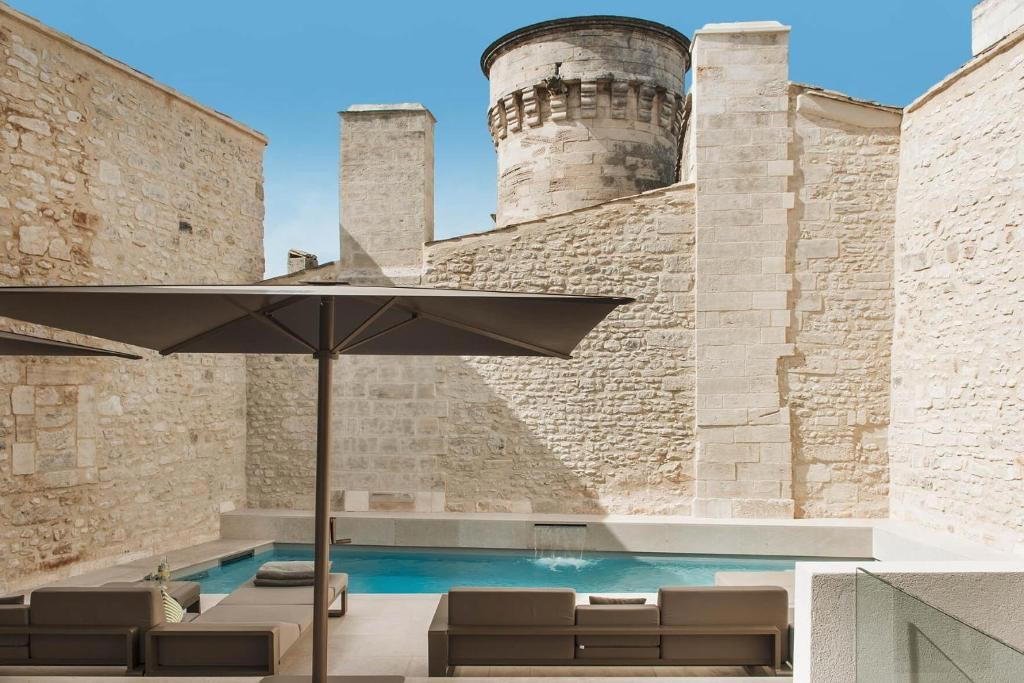
An olive oil mill brings particular spatial qualities to a dining room: thick stone walls that moderate temperature, ceiling heights determined by the machinery that once occupied the space, and a material heaviness that slows the pace of a meal. These are not trivial details in a region where lunch in August can extend past three in the afternoon without anyone noticing. The building on the Avenue Frédéric Mistral, named for the Provençal poet born in Maillane a few kilometres north, carries that regional freight explicitly. Frédéric Mistral documented the language, culture, and culinary habits of Provence in the nineteenth century; an address that bears his name in the village below the Alpilles is not an accident of local geography.
For comparison, consider what the physical settings of France's longest-standing gastronomic addresses contribute to their meaning. Paul Bocuse - L'Auberge du Pont de Collonges in Collonges-au-Mont-d'Or and Troisgros - Le Bois sans Feuilles in Ouches demonstrate how the physical continuity of a site accumulates meaning over decades. At a different scale, Alléno Paris au Pavillon Ledoyen in Paris, Assiette Champenoise in Reims, and Au Crocodile in Strasbourg each use their architectural settings as part of the dining argument. La Régalido operates on a smaller register, but within the Fontvieille context, the mill building performs an equivalent function.
Planning a Visit
Fontvieille is most naturally reached by car from Arles (roughly 12 kilometres to the west) or from Les Baux-de-Provence to the north. The Avenue Frédéric Mistral is the main road through the village centre, making the address direct to locate. For visitors travelling the broader Alpilles circuit and comparing notes on dining options across the region, the contrast between La Régalido's more formal auberge positioning and the lighter Mediterranean register at Belvédère is worth factoring into the planning. Reservations are recommended. For those building a longer French gastronomic itinerary, the comparison between regional auberge cooking in the Alpilles and the technical ambition of addresses like Atomix in New York City or Le Bernardin in New York City clarifies just how different the organizing logic of a Provençal table can be from the metropolitan fine dining model.
Budget Reality Check
Comparable venues nearby, for context on price, style, and recognition.
| Venue | Cuisine | Price |
|---|---|---|
| La RégalidoThis venue — the venue you are viewing | ||
| Belvédère | Mediterranean Cuisine | €€ |
| Le Relais du Castelet | Provençal | €€€ |
| Amici Miei | ||
| L'Ami Provençal | ||
| La Table du Meunier |
Continue exploring
More in Fontvieille
Restaurants in Fontvieille
Browse all →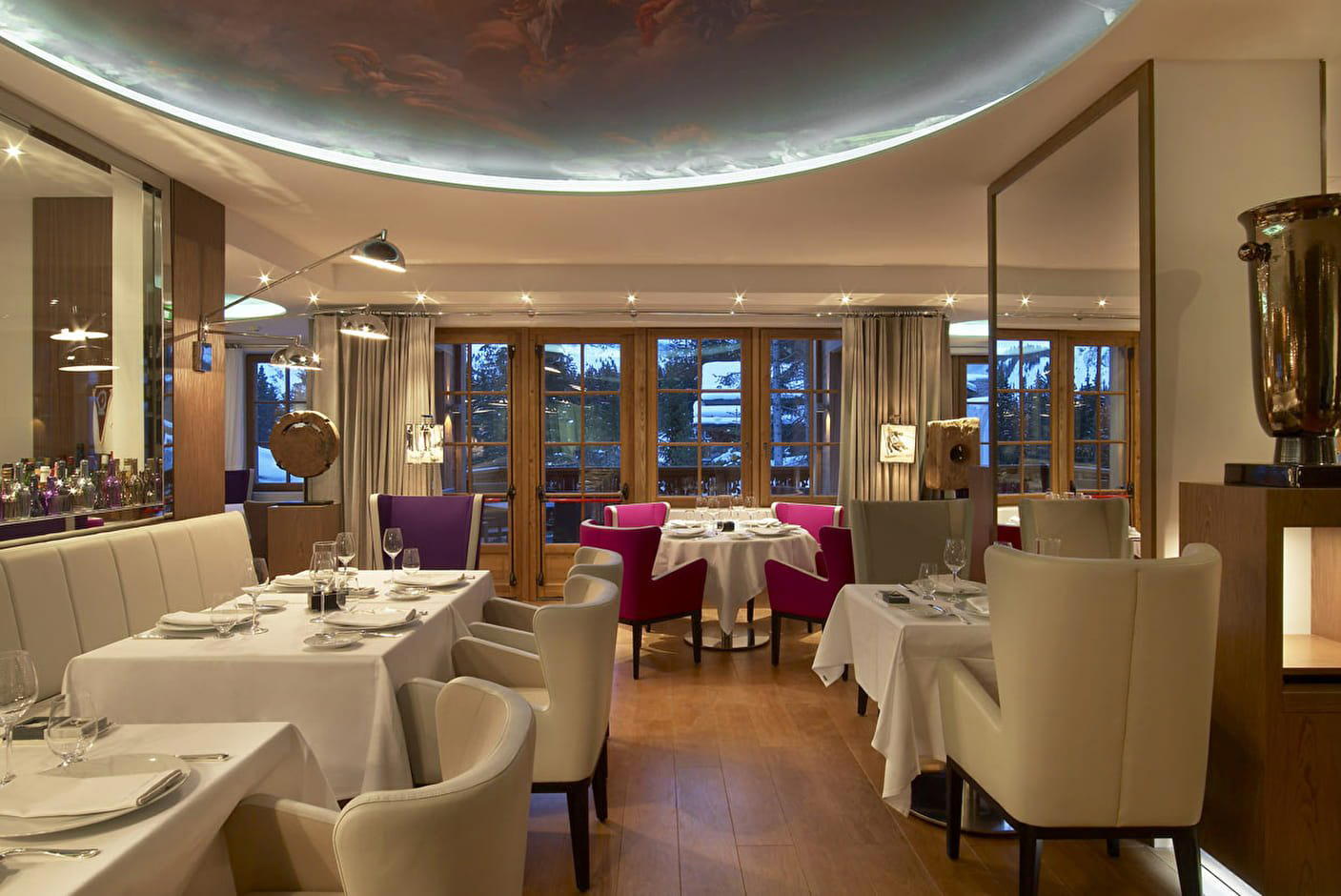
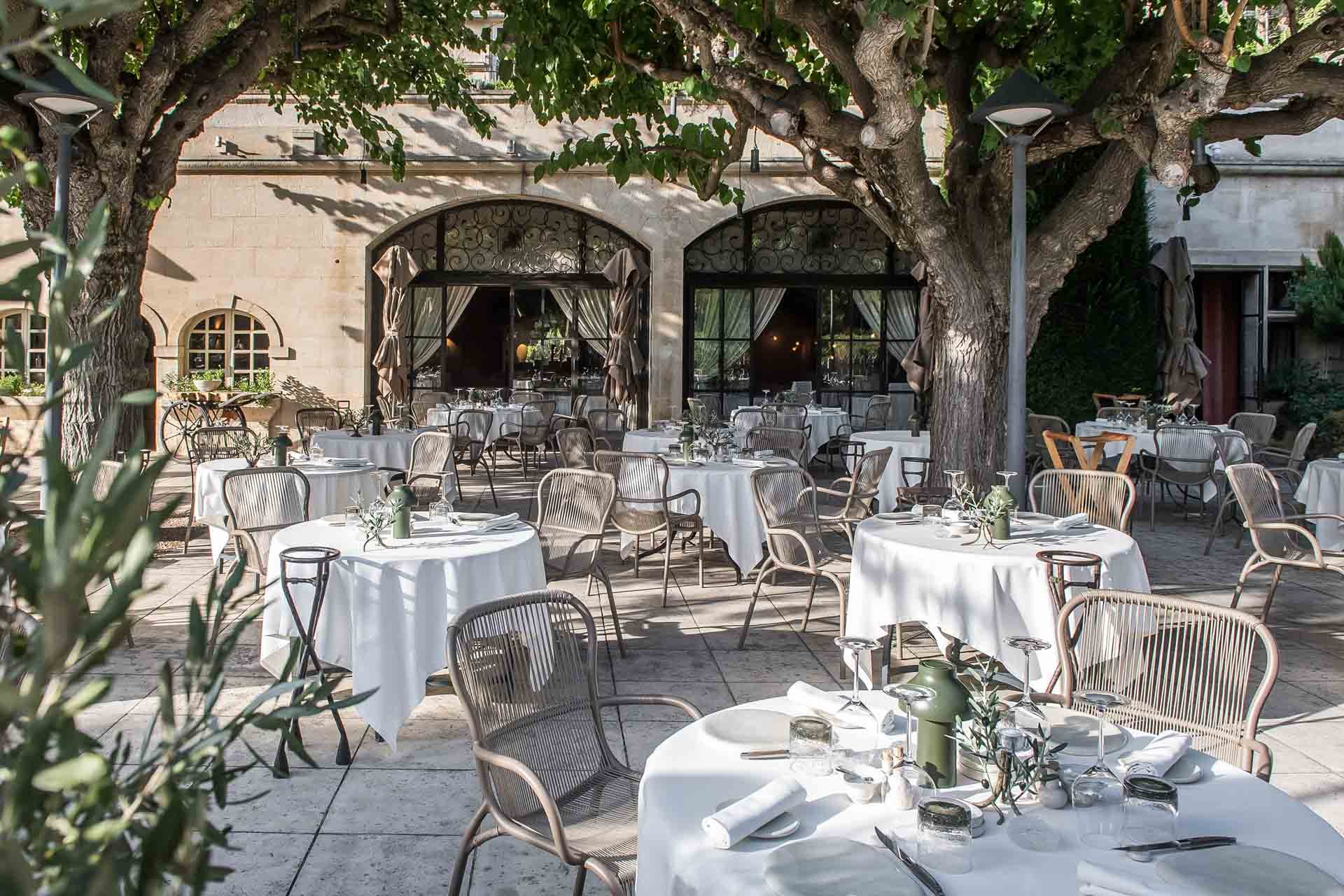
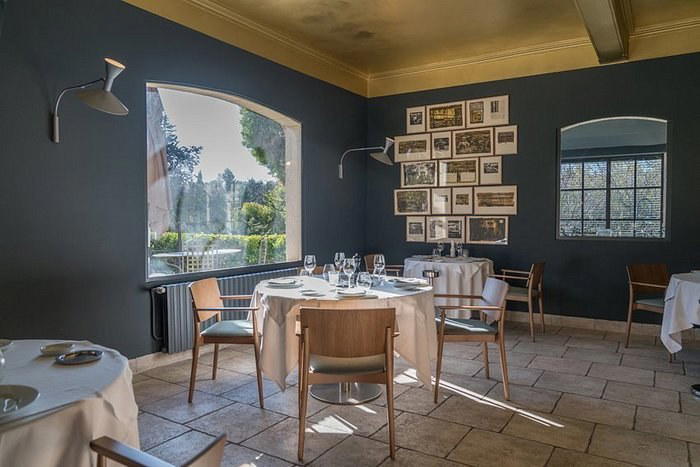
Hotels in Fontvieille
Browse all →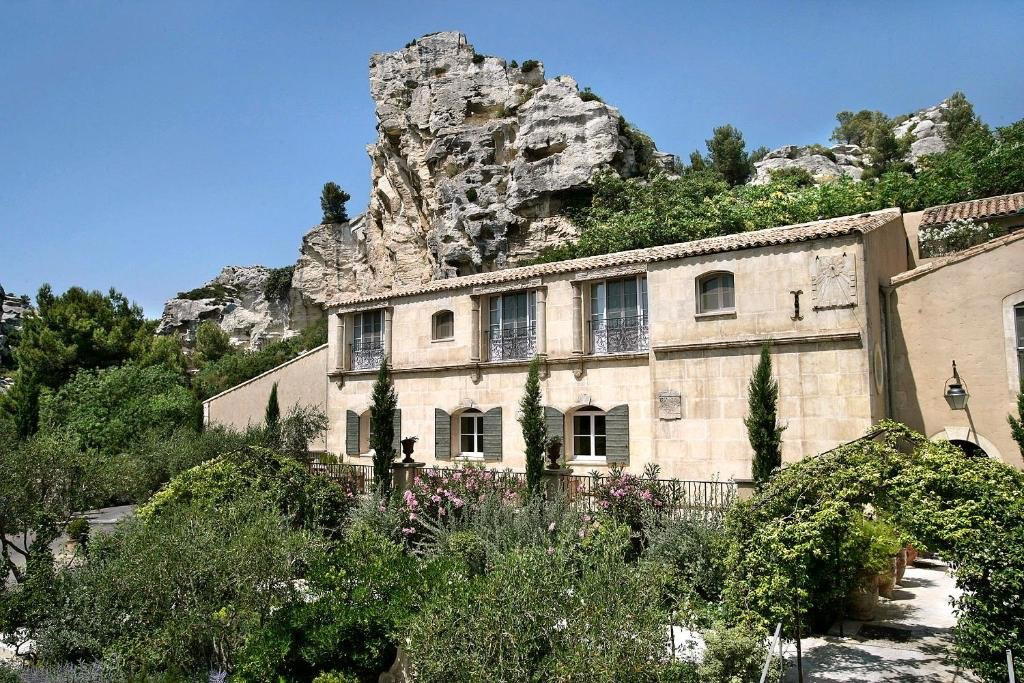
At a Glance
- Classic
- Cozy
- Elegant
- Rustic
- Special Occasion
- Date Night
- Historic Building
- Terrace
- Hotel Restaurant
- Extensive Wine List
- Local Sourcing
- Garden
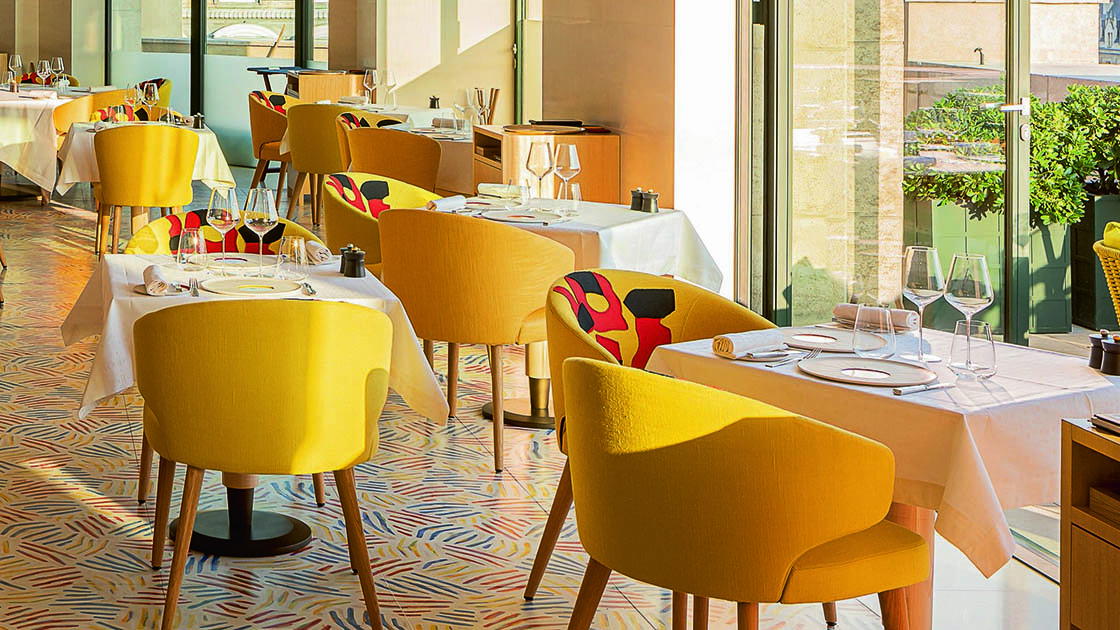
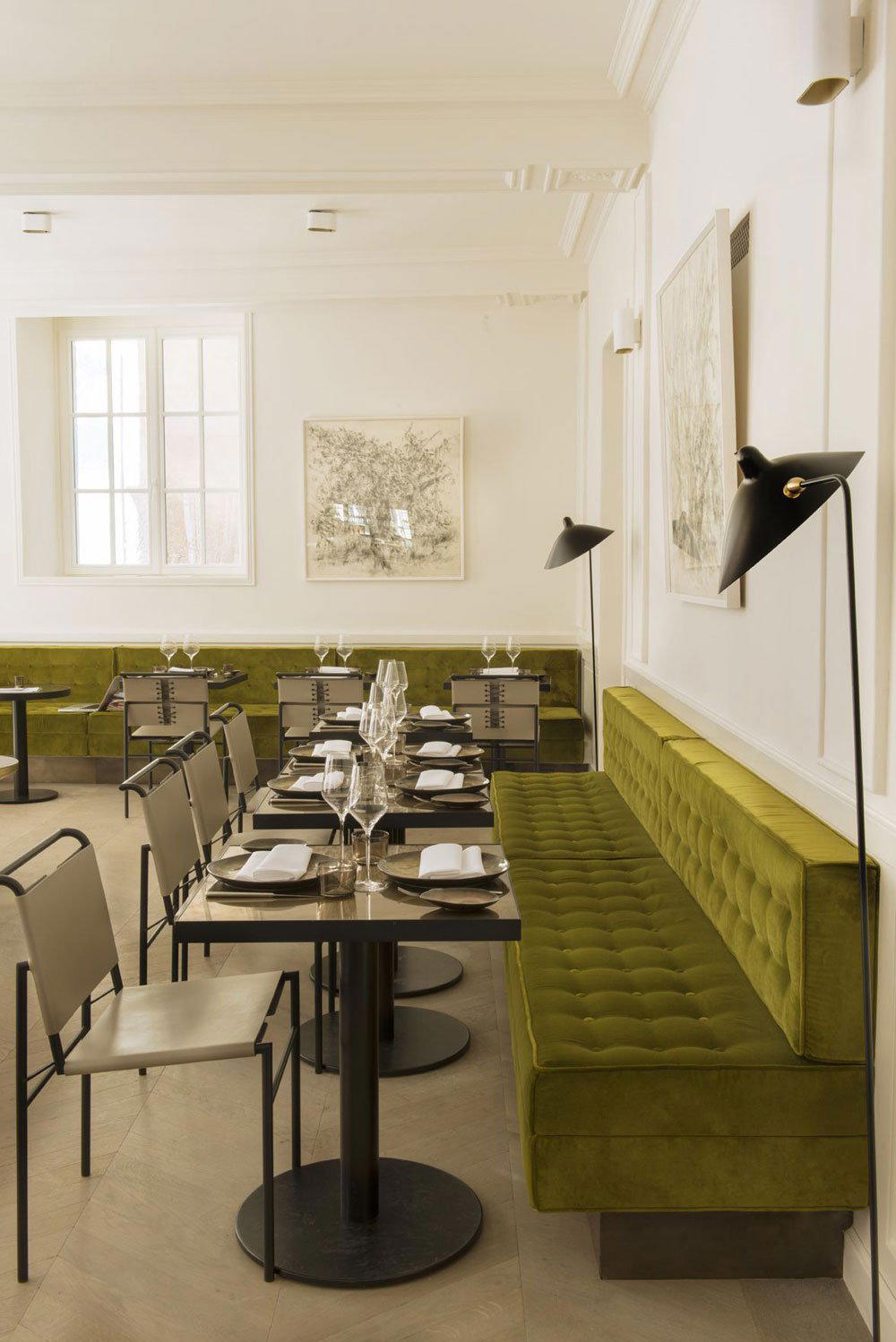
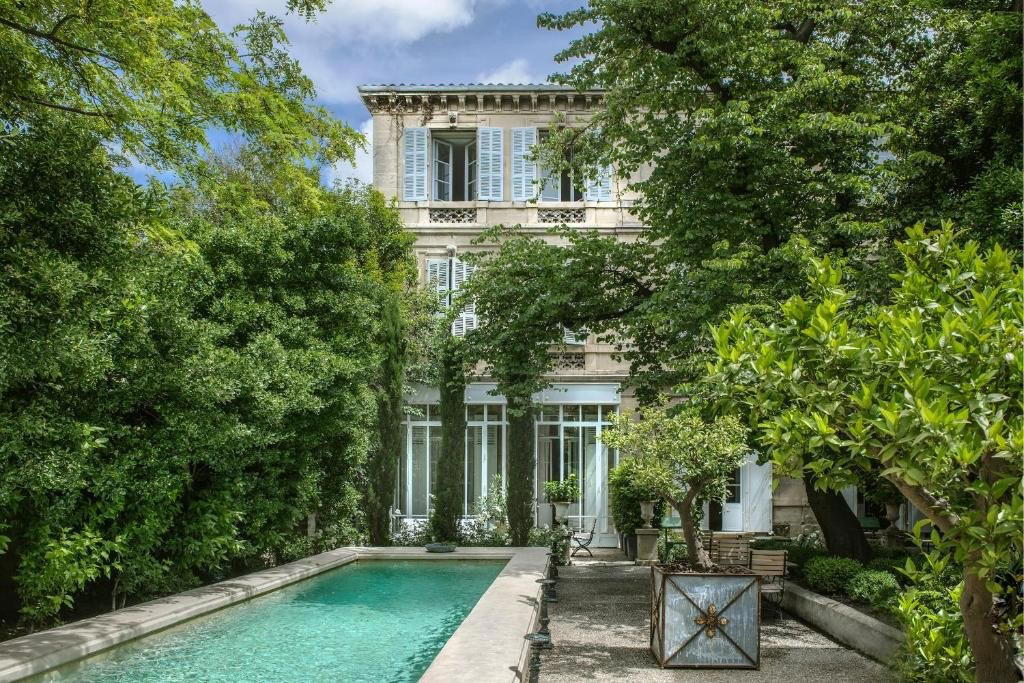
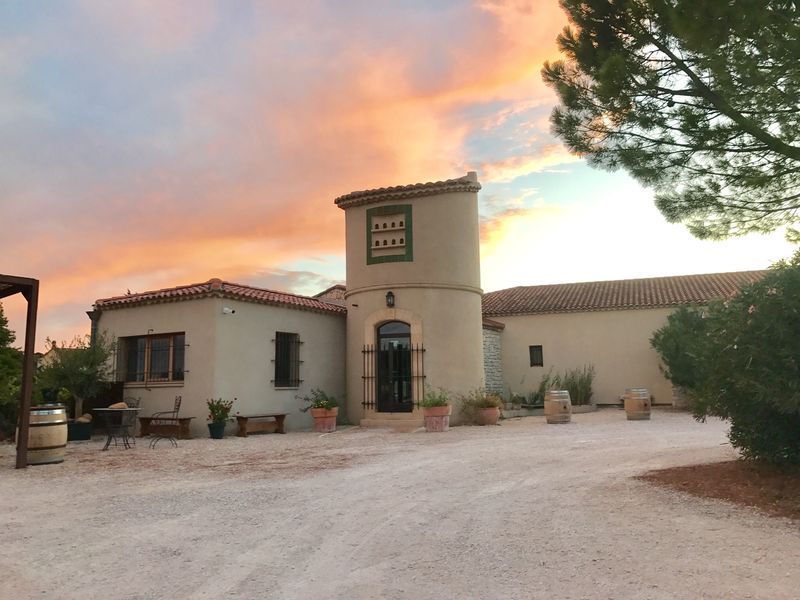
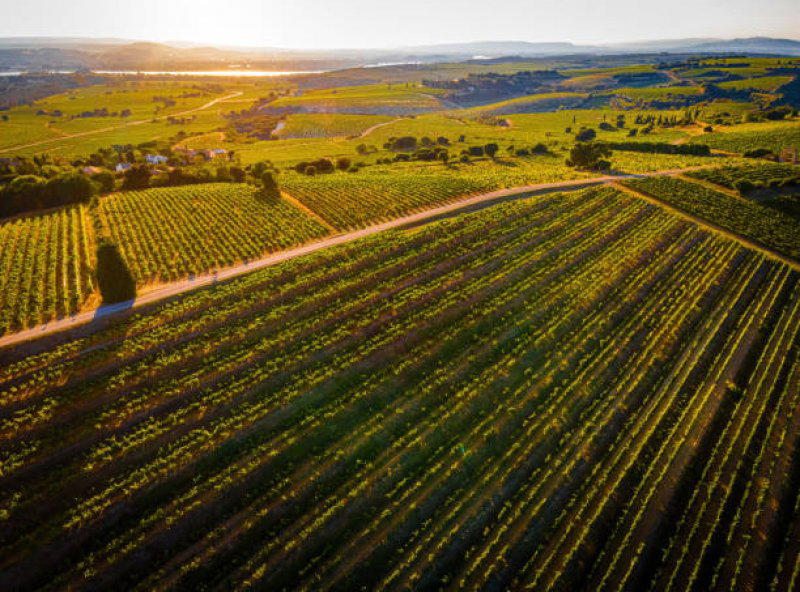
Intimate Provençal atmosphere in a vaulted stone salle à manger with warm lighting, complemented by outdoor terrace shaded by parasol pine and fig tree.