L'Ami Provençal
L'Ami Provençal sits on the Place de l'Église in Fontvieille, a village shaped by Alphonse Daudet's writing and the limestone terrain of the Alpilles. The kitchen works within the Provençal tradition, drawing on the agricultural richness of the Bouches-du-Rhône. For visitors moving through the Alpilles, it represents a grounded, locally rooted alternative to the more formal dining rooms in the surrounding region.
Pearl is the En Primeur Club membership app — saves, bookings, and concierge access live there. Same editors, same standards.
- Address
- 35 Pl. de l'Église, 13990 Fontvieille, France
- Phone
- +33490546832
- Website
- lamiprovencal.fr
- Directions
- Get directions
 Saves & bookings on Pearl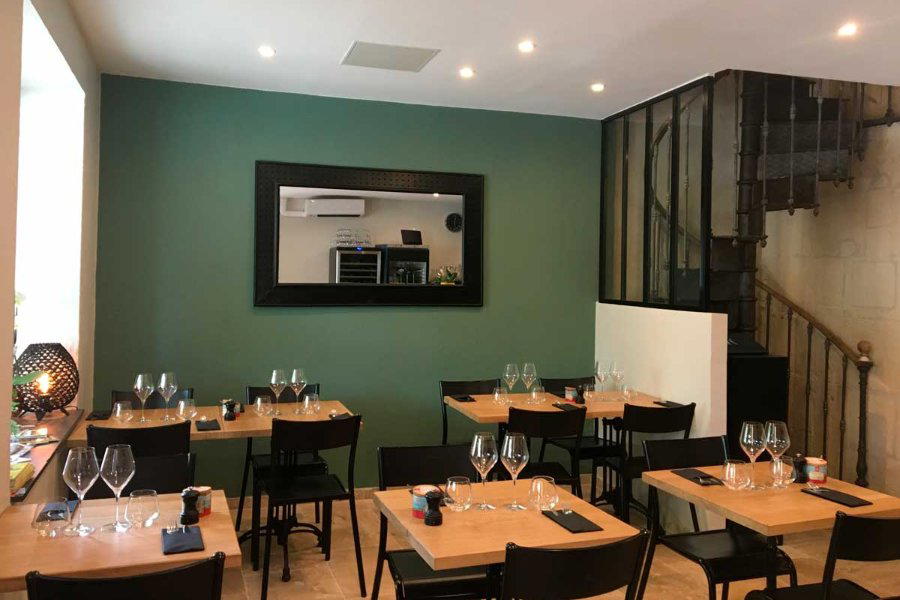
A Village Square and What It Demands of a Kitchen
L'Ami Provençal is a restaurant in Fontvieille, France, serving Authentic Provençal French cuisine at a recommended reservation policy and a price tier of about $35 per person. There is a particular pressure that comes with cooking on a village square in Provence. The Place de l'Église in Fontvieille is not an anonymous setting: the town sits at the foot of the Alpilles, the limestone range that runs between Arles and Les Baux-de-Provence, and it carries literary weight from Alphonse Daudet's windmill essays that drew northern European visitors here long before the region became a summer fixture. A restaurant on this square answers to the square itself, to the market gardeners and olive growers within a short radius, and to the expectations of travellers who have read enough about Provençal food to know what the ingredients should taste like at source. L'Ami Provençal occupies that position at 35 Place de l'Église.
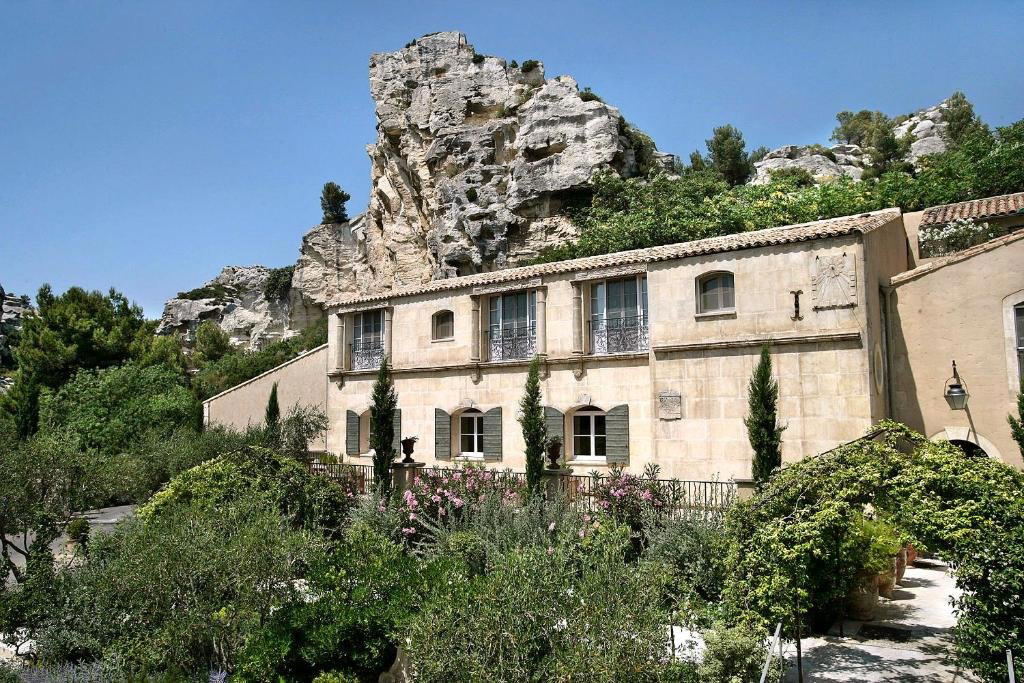
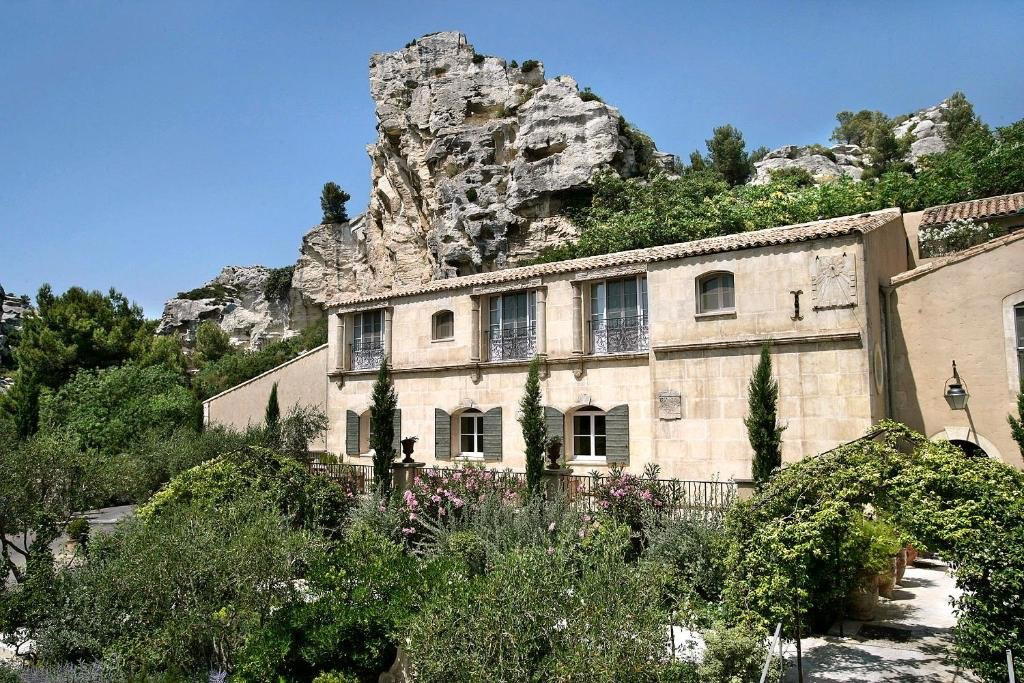
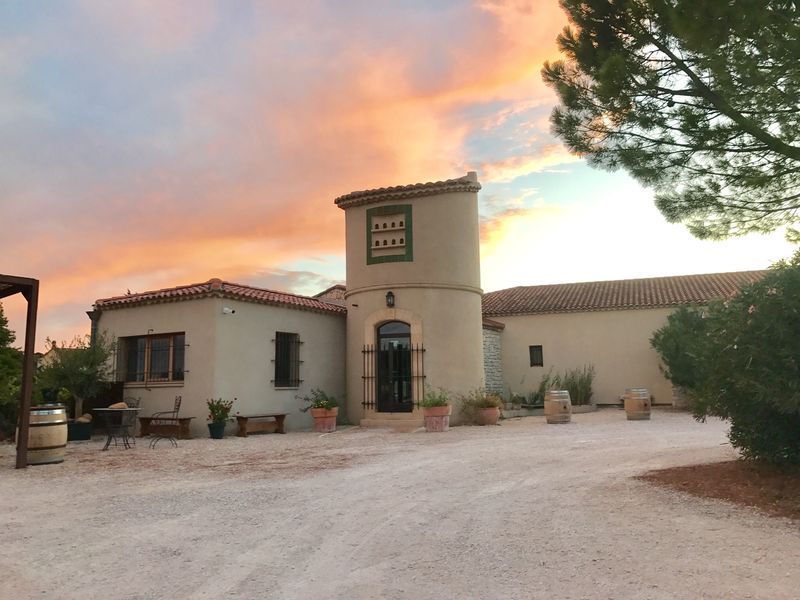
Approaching the address, the spatial logic of a Provençal village church square becomes immediately clear: low stone buildings, plane trees where light falls in predictable afternoon patterns, a pace that is not theatrical but simply old. The restaurant's location at the centre of village life in Fontvieille is not incidental. It places the kitchen inside the daily rhythm of a working town rather than at a scenic remove from it, a distinction that matters when the editorial claim is proximity to source ingredients.
Provençal Sourcing and Why Location Is Part of the Argument
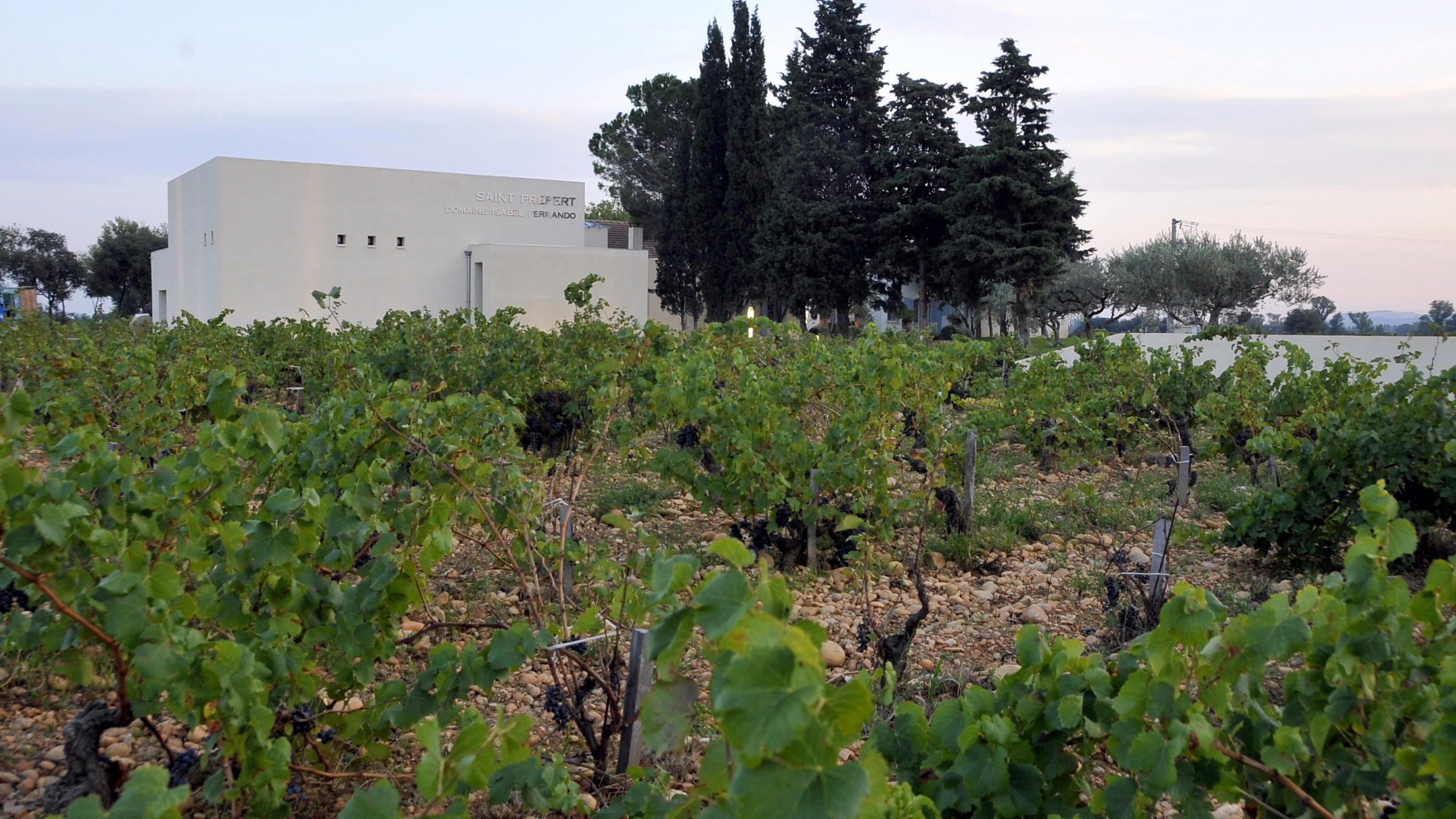
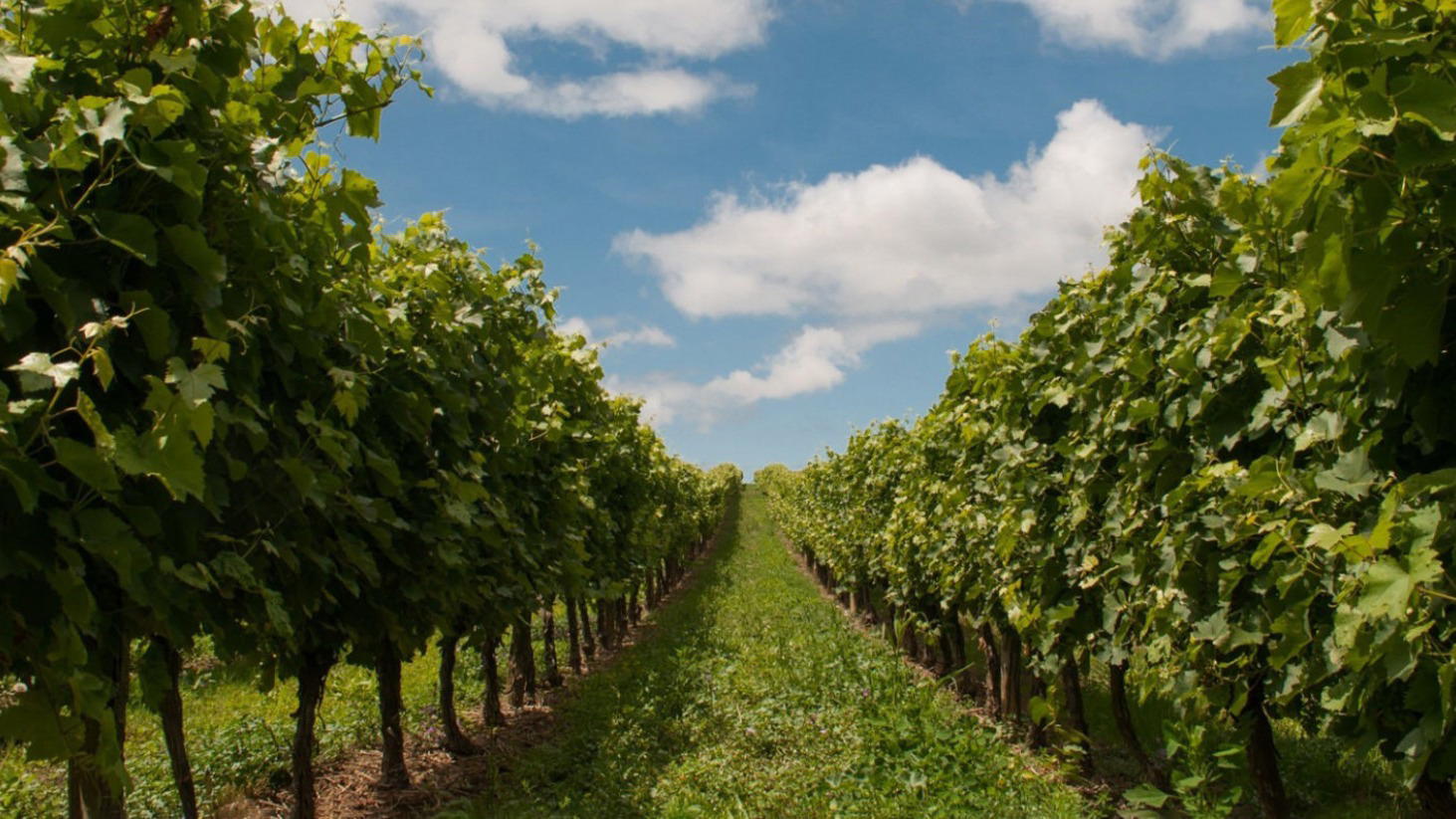
The Bouches-du-Rhône department sits within one of France's most productive agricultural corridors. The Alpilles AOC produces olive oil with protected designation of origin status, recognised for its green-fruity profile derived from the Salonenque and Aglandau varieties harvested young. Market gardens in the Camargue plain supply tomatoes, courgettes, and aubergines that reach Arles and Fontvieille within hours of harvest. The Crau plain, just to the south and east, holds France's only AOC for fresh hay, a detail that signals the seriousness with which the region regards terroir as a concept that extends beyond wine.
Restaurants in this zone that take sourcing seriously do not need to explain the geography at length. The proximity argument is self-evident: Fontvieille is roughly equidistant between Arles and Les Baux-de-Provence, within the agricultural catchment of the Alpilles, and accessible to the fish markets of the Mediterranean coast within a reasonable supply chain. What differentiates one kitchen from another is not whether these ingredients are available, but how directly the menu reflects the seasonal state of local production rather than importing consistency from distant suppliers. The Provençal tradition at its most grounded is a cuisine of subtraction as much as construction, letting olive oil, thyme, and ripe produce do structural work without layering in correction.
For comparison, consider what the same sourcing logic produces at a different scale: Mirazur in Menton built its three-Michelin-star programme partly on the argument of proximity, its own kitchen garden, the Ligurian border market, the Mediterranean below the terrace. The sourcing philosophy is not invented at that level; it is applied with greater precision and investment. Village restaurants like L'Ami Provençal work within the same regional argument but without the formal apparatus, which has its own kind of integrity.
Where L'Ami Provençal Sits in Fontvieille's Dining Picture
Fontvieille supports a modest but coherent dining scene for a commune of its size. La Régalido operates within a converted oil mill and occupies the more formal tier of the village's restaurant offer, with a wine list and setting that draw visitors from outside the immediate area. Belvédère pitches at a Mediterranean menu at the €€ price point, with views that function as part of the proposition. La Table du Meunier and Le Patio extend the choice for visitors who want to eat well without crossing into destination-dining territory. Amici Miei adds an Italian inflection to a village that otherwise stays within French and Provençal registers.
The restaurant positions on the square itself, which gives it a centrality that more peripheral addresses lack. The name signals its register directly: this is a kitchen that identifies with the Provençal tradition rather than reaching beyond it. In a village where several restaurants are competing for a relatively contained pool of day visitors and the seasonal influx from the Alpilles tourism circuit, that clarity of identity is a positioning choice as much as a culinary one.
For a broader orientation to the town's dining offer, the full Fontvieille restaurants guide maps the options across price tiers and cuisines.
The Regional Frame: Provence Within French Fine Dining
Provençal cooking occupies an interesting position within French restaurant culture. It has the cultural prestige of a named regional tradition, alongside Lyonnais, Alsatian, and Basque cuisines, but has produced fewer three-star benchmark kitchens than those counterparts. AM par Alexandre Mazzia in Marseille holds three Michelin stars and works within a personal idiom that draws on Marseille's port character rather than classical Provençal cooking, which suggests the region's top tier is more individual than tradition-bound. Restaurants like Auberge de l'Ill in Illhaeusern, Bras in Laguiole, or Flocons de Sel in Megève demonstrate how France's regional fine dining is often most powerful when rooted in a specific landscape rather than a generic national register.
Village restaurants in Provence sit well below that formal tier but are not therefore less interesting as expressions of place. The tradition of the auberge de village, a kitchen that feeds local people, visiting families, and passing travellers without aspiration to tasting-menu formality, remains a live format in the Alpilles, and it is within that tradition that restaurant makes its case.
Planning a Visit
Fontvieille is accessible by car from Arles in under fifteen minutes and from Avignon in approximately forty. The village is a logical stop on a circuit that includes Les Baux-de-Provence and Saint-Rémy-de-Provence. The summer months bring significant visitor volume to the Alpilles, and restaurants in Fontvieille, particularly those on the central square, can fill quickly at midday in July and August. Contacting the restaurant in advance of a visit during peak season is advisable; the restaurant's address at 35 Place de l'Église makes it findable without booking confirmation.
Comparable Spots, Quickly
Comparable venues nearby, for context on price, style, and recognition.
| Venue | Cuisine | Price | Awards | Notes |
|---|---|---|---|---|
| L'Ami ProvençalThis venue — the venue you are viewing | Authentic Provençal French | $$$ | Not listed | Not listed |
| La Régalido | Provençal French Bistro | $$$ | Not listed | Fontvieille |
| Le Patio | Provençal French Gastronomic | $$$$ | Not listed | Fontvieille |
| Le Relais du Castelet | Provençal Seasonal Bistro | $$$ | Michelin Plate | Fontvieille |
| La Table du Meunier | Traditional Provençal French | $$ | Not listed | Fontvieille |
| Belvédère | Mediterranean with Japanese Influence | $$$ | Michelin Plate | Fontvieille |
Continue exploring
More in Fontvieille
Restaurants in Fontvieille
Browse all →
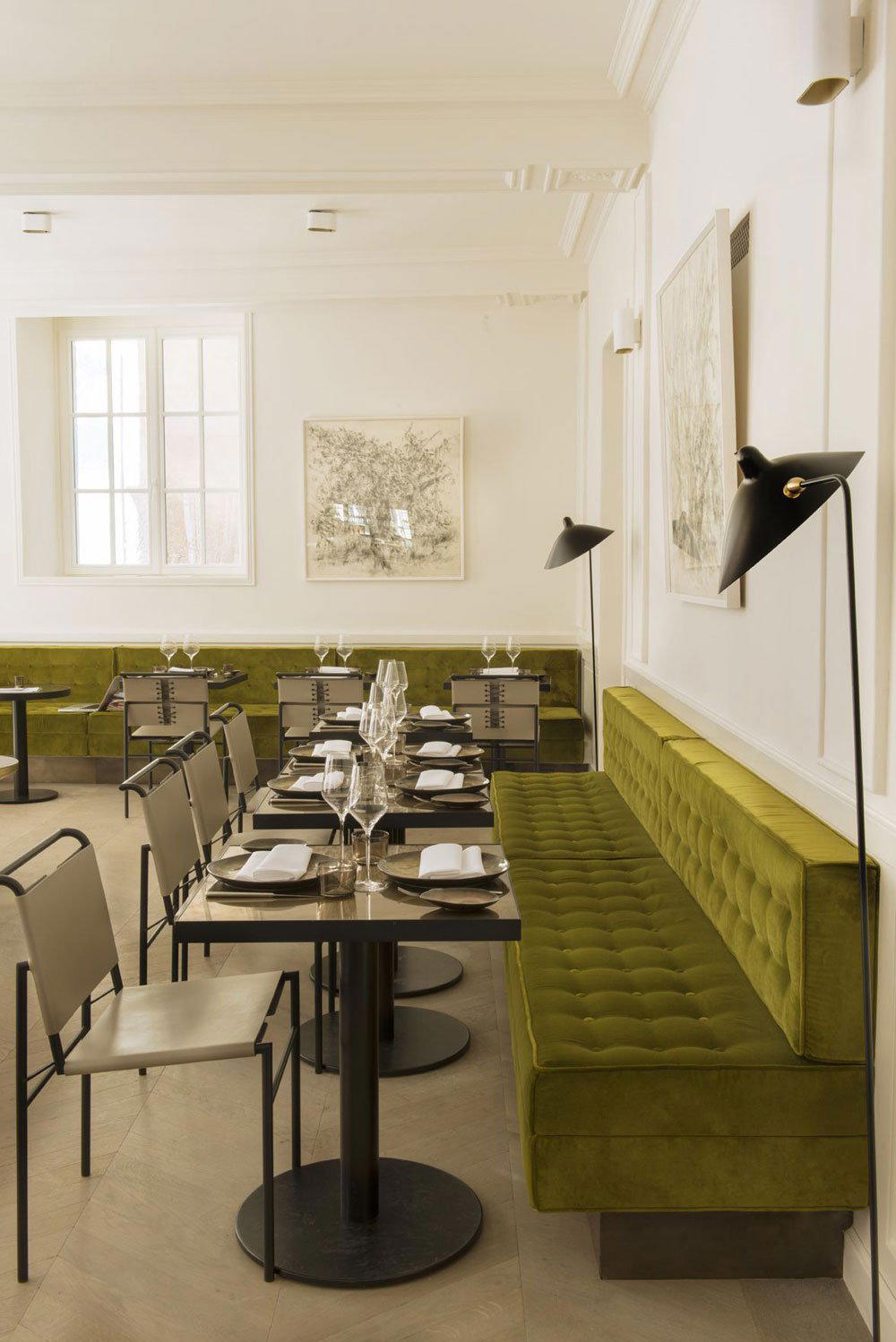
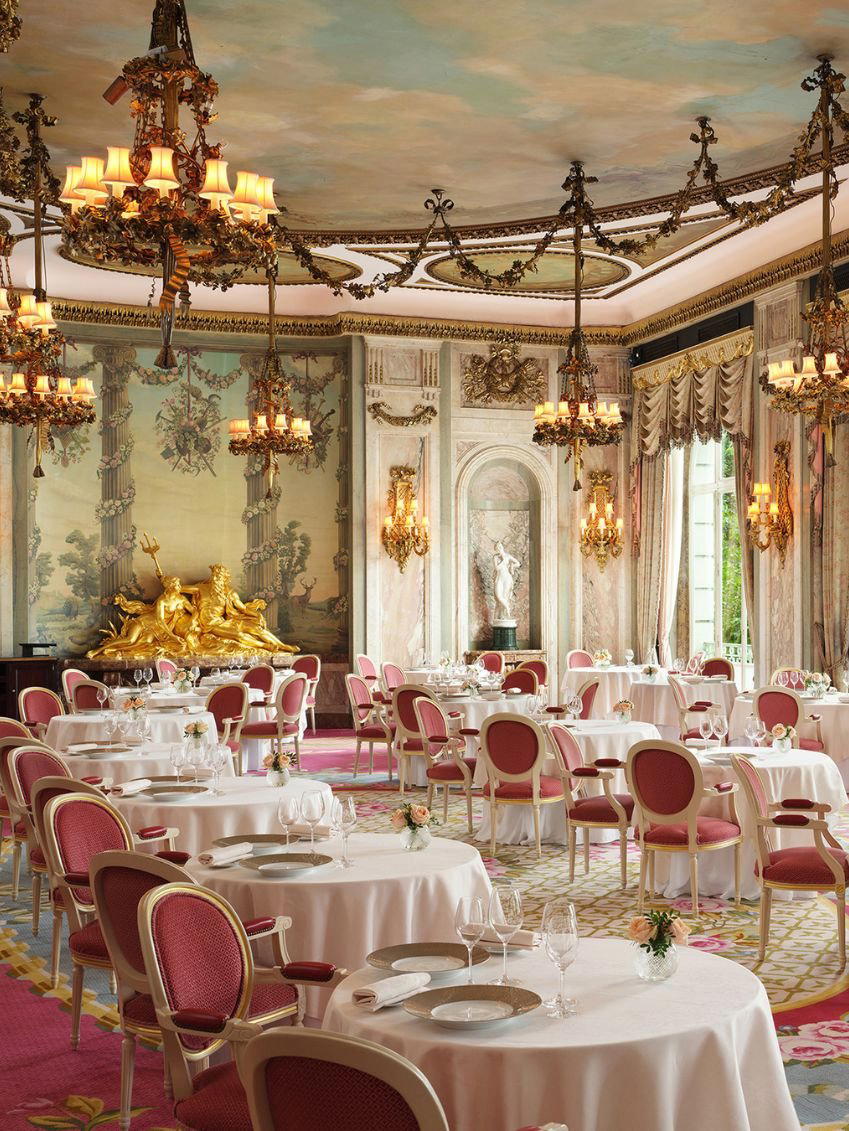
Bars in Fontvieille
Browse all →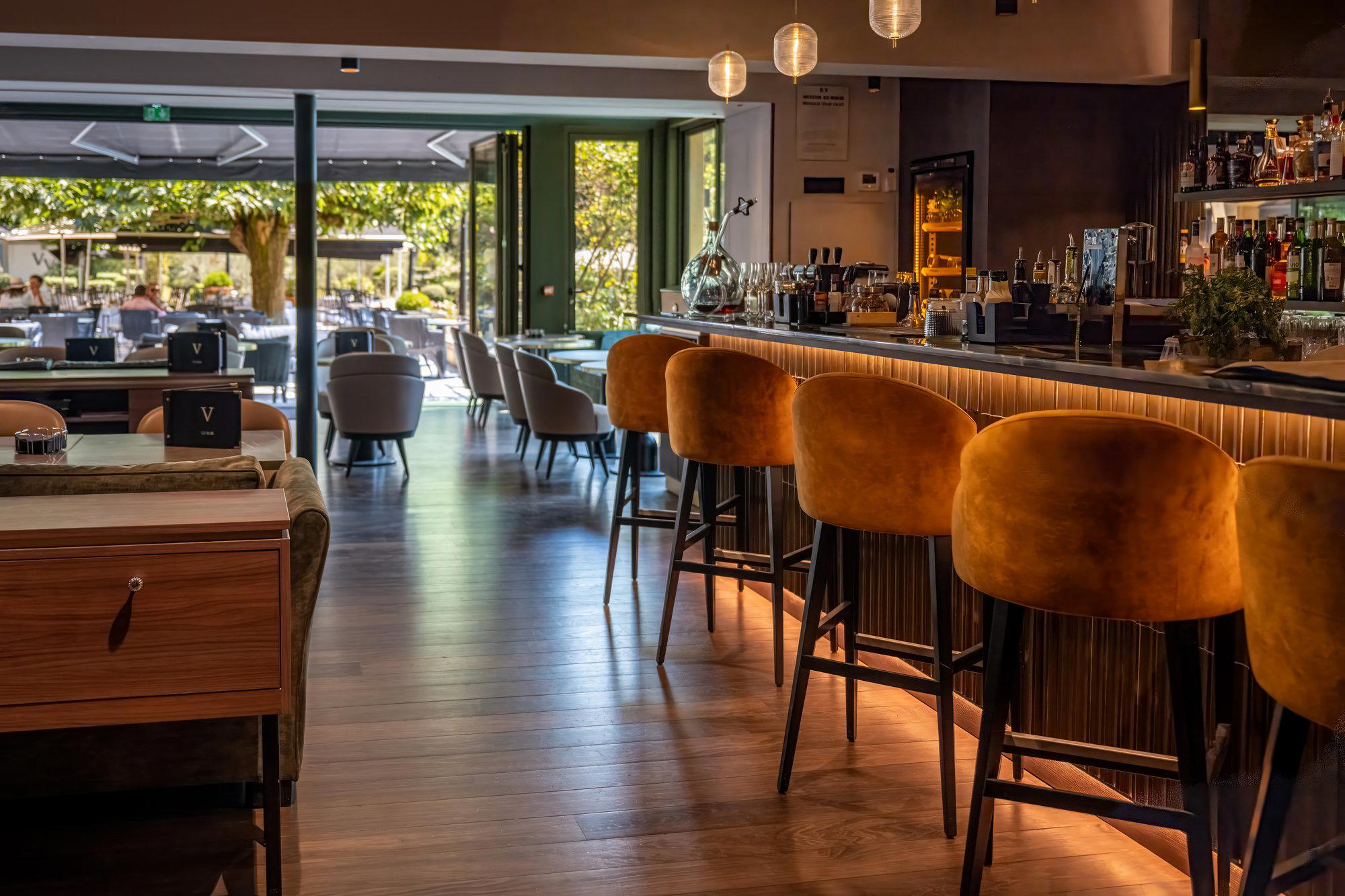
Hotels in Fontvieille
Browse all →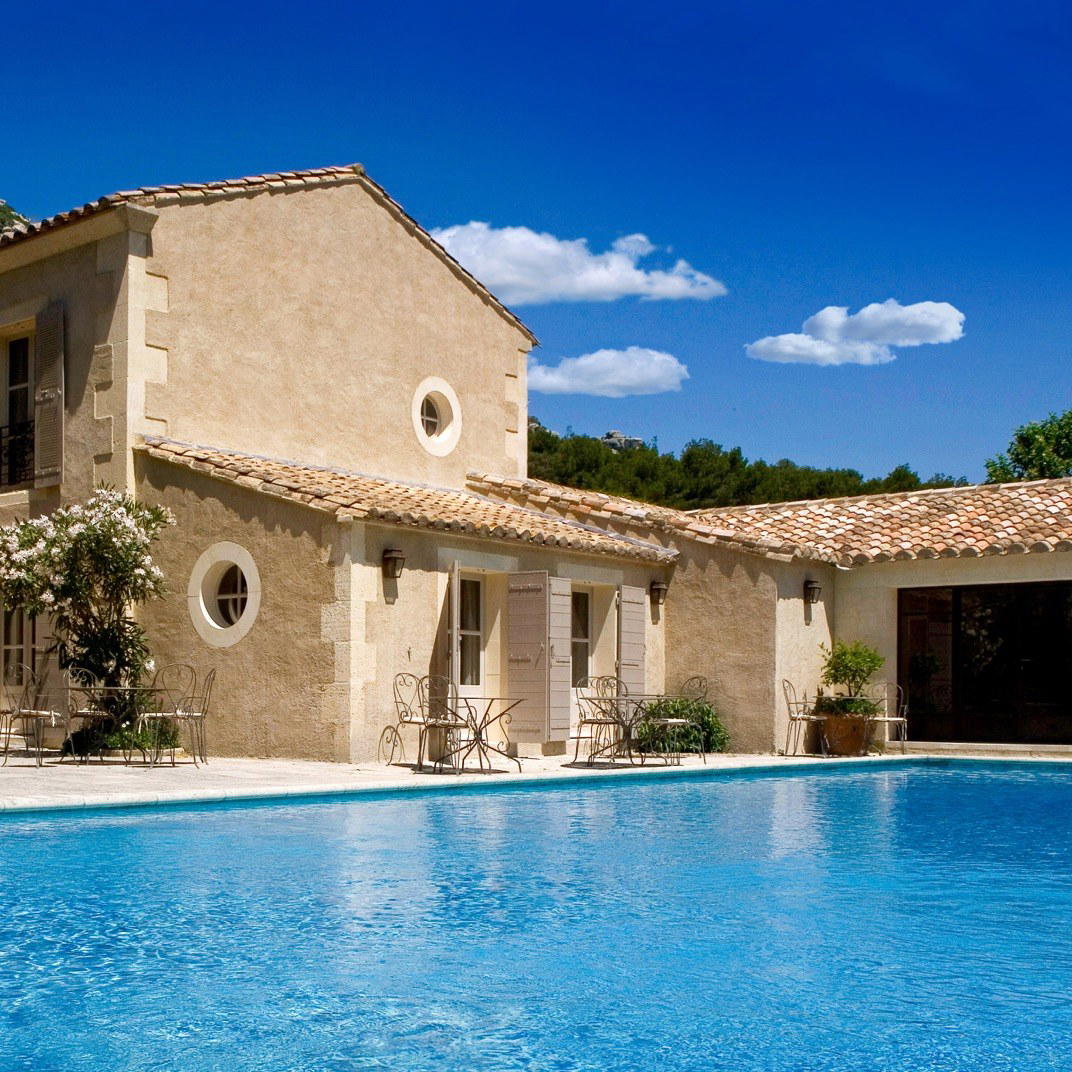
At a Glance
- Classic
- Cozy
- Rustic
- Elegant
- Date Night
- Family
- Casual Hangout
- Terrace
- Local Sourcing
- Street Scene
Current opening hours
- Monday
- 9 AM–3 PM
- Tuesday
- 9 AM–3:30 PM
- Wednesday
- Closed
- Thursday
- 11 AM–3 PM
- Friday
- 9 AM–11:30 PM
- Saturday
- 9 AM–11:30 PM
- Sunday
- 9 AM–3 PM
Hours can change for holidays and private events. Last verified .
Warm and friendly atmosphere with terrace under plane trees on the church square, convivial Provençal village vibe.