Our verdict
On Rue Royale in Lyon's first arrondissement, La Table d'Eugène operates within a city that has shaped French gastronomy more than any other. The address places it inside a neighbourhood where the standards are set by generations of serious cooking, and the restaurant answers that context with a focused approach to sourcing and technique.

Pearl is the En Primeur Club membership app, where members save venues, book tables and use the concierge.

The menu
What to order
- Souris d’agneau caramélisée au thym et romarin
- Filet de bœuf sauce Saint-Marcellin
- Magret de canard à l’orange
Rue Royale and the Weight of Lyon's First Arrondissement
There are streets in Lyon where the weight of culinary history is architectural in its presence. Rue Royale, running through the first arrondissement on the Presqu'île, is one of them. The neighbourhood sits between the Saône and the Rhône, and its dining rooms have historically drawn the city's professional class, its visiting critics, and the kind of traveller who plans itineraries around reservations rather than monuments. La Table d'Eugène at number 18 occupies that address and the expectations that come with it.
Lyon's standing in French gastronomy is not incidental. The city's position at the junction of Bresse poultry country, the Rhône Valley, and Burgundy's southern edge has historically given its kitchens access to some of the densest concentration of quality primary ingredients on the continent. That geography still drives the logic of the better tables here. The restaurants operating at the serious tier in this city tend to be defined less by theatrical concepts than by the discipline of sourcing and the intelligence applied to classical technique. For context on how that pattern plays out across the city's current dining scene, our full Lyon restaurants guide maps the full range.
Where Sustainability Meets the Lyonnais Table
French fine dining has spent much of the last decade reckoning with questions that the industry once treated as peripheral: where ingredients come from, how waste is handled, what the kitchen's footprint looks like beyond the plate. In Lyon, that reckoning has particular resonance. The city's bouchon tradition was built on a whole-animal ethos long before that phrase entered the lexicon of sustainability discourse. The mères lyonnaises who defined this city's cooking in the early twentieth century were not ideologically driven environmentalists; they were practical cooks who wasted nothing because waste was economically irrational.
La Table d'Eugène operates in that tradition's contemporary continuation. A restaurant at this address, in this price tier, facing Lyon's informed dining public, is under pressure to articulate its sourcing credentials with specificity. The broader shift in French fine dining toward ethical sourcing and waste-reduction frameworks is visible across the category: Mirazur in Menton holds a Michelin Green Star alongside its three standard stars for its biodynamic kitchen garden approach, and Bras in Laguiole has built a decades-long identity around foraging and terroir legibility. The direction of travel in French haute cuisine is clear, and Lyon's geography makes that argument easier to make credibly than almost anywhere else in the country.
The question for any table in this neighbourhood is not whether to engage with sustainable sourcing as a concept, but how to make it structurally real rather than decorative. Bresse, Charolais, the market gardens of the Ain, the rivers feeding into the Rhône system: these are not abstract provenance claims. They are producer relationships with documented quality standards, and Lyon's leading kitchens treat them accordingly.
The Competitive Architecture of Lyon's Mid-to-Upper Tier
Lyon's serious restaurant tier has consolidated around a relatively small number of formats. At the very leading, La Mère Brazier carries both the weight of historical lineage and current Michelin recognition. Le Neuvième Art and Takao Takano operate at the contemporary creative end of the spectrum, each with Michelin credentials that position them against peer tables in Paris and further afield. Au 14 Février represents a different proposition: focused, intimate, and precise. Burgundy by Matthieu sits in the €€€ bracket and draws on regional wine identity as an organising principle.
La Table d'Eugène fits into the middle of this architecture: serious enough to be considered alongside the Michelin-adjacent tables, accessible enough in its address and format to draw a broader constituency than the tasting-menu-only rooms. That position is not a compromise; it is a distinct editorial choice in a city where the gap between casual bouchon and three-star formality has historically been wider than in Paris. Restaurants that occupy the credible middle ground in Lyon serve a real function, and they face a real test: the city's dining public is among the most demanding in France.
For comparative perspective on how French fine dining at this tier looks elsewhere in the country, Assiette Champenoise in Reims and Au Crocodile in Strasbourg offer regional analogues. At the Parisian end of the spectrum, Alléno Paris au Pavillon Ledoyen represents the formal ceiling of French technique. Flocons de Sel in Megève and Troisgros in Ouches illustrate how terroir-led cooking operates at different scales and price points in the broader Rhône-Alpes region. For international reference points in the contemporary French tradition, Le Bernardin in New York and Atomix, also in New York, show how French technique travels and transforms. AM par Alexandre Mazzia in Marseille demonstrates the southern French interpretation of the same creative impulse. Paul Bocuse at L'Auberge du Pont de Collonges remains the historical anchor of the Lyon region's culinary identity, and Auberge de l'Ill in Illhaeusern offers the Alsatian counterpoint to Lyon's Rhône Valley tradition.
Planning Your Visit
The first arrondissement of Lyon is compact and walkable from the city's main transport nodes; Lyon-Part-Dieu and Lyon-Perrache stations both connect to the Presqu'île in under fifteen minutes by metro or on foot. Rue Royale is accessible from the Hôtel de Ville metro stop, making pre- or post-dinner movement around the neighbourhood direct. For a table at a restaurant of this type in Lyon, approaching booking two to three weeks in advance is a reasonable baseline for midweek availability; weekend slots at the better-regarded Presqu'île addresses tend to move faster, particularly in the autumn and spring seasons when the city draws visitors for food and culture.
Frequently asked questions
What do regulars order at La Table d'Eugène?
Lyon's serious restaurant public tends to gravitate toward dishes that demonstrate provenance legibility: Bresse poultry preparations, freshwater fish from the regional river systems, and vegetable-led plates that reflect the Ain's market garden output. At a Presqu'île address of this standing, the kitchen's relationship with those ingredient categories is typically where the cooking makes its clearest argument. Regulars in Lyon's first arrondissement know to ask what has arrived from the market that week rather than anchoring to a fixed menu expectation.
How far ahead should I plan for La Table d'Eugène?
For a restaurant at this tier in Lyon's competitive first arrondissement, two to three weeks of lead time covers most midweek scenarios. If you are visiting specifically for a weekend dinner and the trip coincides with one of Lyon's major events (the Fête des Lumières in December draws significant visitor numbers, compressing availability across the city's dining room), extend that window to four to six weeks. Lyon's informed dining public books with purpose, and the better Presqu'île tables fill predictably.
What is the standout thing about La Table d'Eugène?
The address places it at the intersection of Lyon's classical culinary geography and the contemporary French dining conversation around sourcing and sustainability. A restaurant on Rue Royale in the first arrondissement carries the expectations of a neighbourhood that has shaped French gastronomy for over a century. The standout quality is contextual as much as culinary: this is a serious table in a city where that designation is earned against a genuinely demanding standard.
Is La Table d'Eugène a good choice for visitors interested in Lyon's sustainable dining movement?
Lyon's position at the intersection of Bresse, the Rhône Valley, and Burgundy's southern reach makes the city a natural base for understanding how terroir-driven, low-waste cooking developed in France well before it became a global fine-dining trend. A restaurant at the Rue Royale address operates within walking distance of Les Halles Paul Bocuse, the covered market that remains the procurement anchor for the city's serious kitchens, and that proximity to primary sourcing infrastructure is part of what defines this tier of Lyon dining. For visitors building an itinerary around the ethics and geography of French food production, Lyon's first arrondissement is among the most instructive starting points in the country.
Cost Snapshot
Comparable venues nearby, for context on price, style, and recognition.
| Venue | Cuisine | Price | Awards | Notes |
|---|---|---|---|---|
| La Table d'EugèneThis venue (the venue you are viewing) | Semi-Gastronomic French | $50–100 | Not listed | Not listed |
| La Table de Max | French Beef & Lobster Bistro | $50–100 | Not listed | Quartier Guillotière, French Beef & Lobster Bistro |
| Canopée | Modern French Bistronomie | $30–50 | Not listed | Quartier Bas des Pentes Presqu'île, Modern French Bistronomie |
| L'Art & la Manière | French Bistronomy | $30–50 | Not listed | Quartier Guillotière, French Bistronomy |
| L'OCTAVE | Modern French Bistro | $50–100 | Star Wine List | Quartier Vaise Rochecardon Industrie, Modern French Bistro |
| Bouchon Tupin | Traditional Lyonnaise Bouchon | $30–50 | Not listed | Quartier Bellecour Cordeliers, Traditional Lyonnaise Bouchon |
Continue exploring
More in Lyon
Restaurants in Lyon
All restaurants in Lyon →
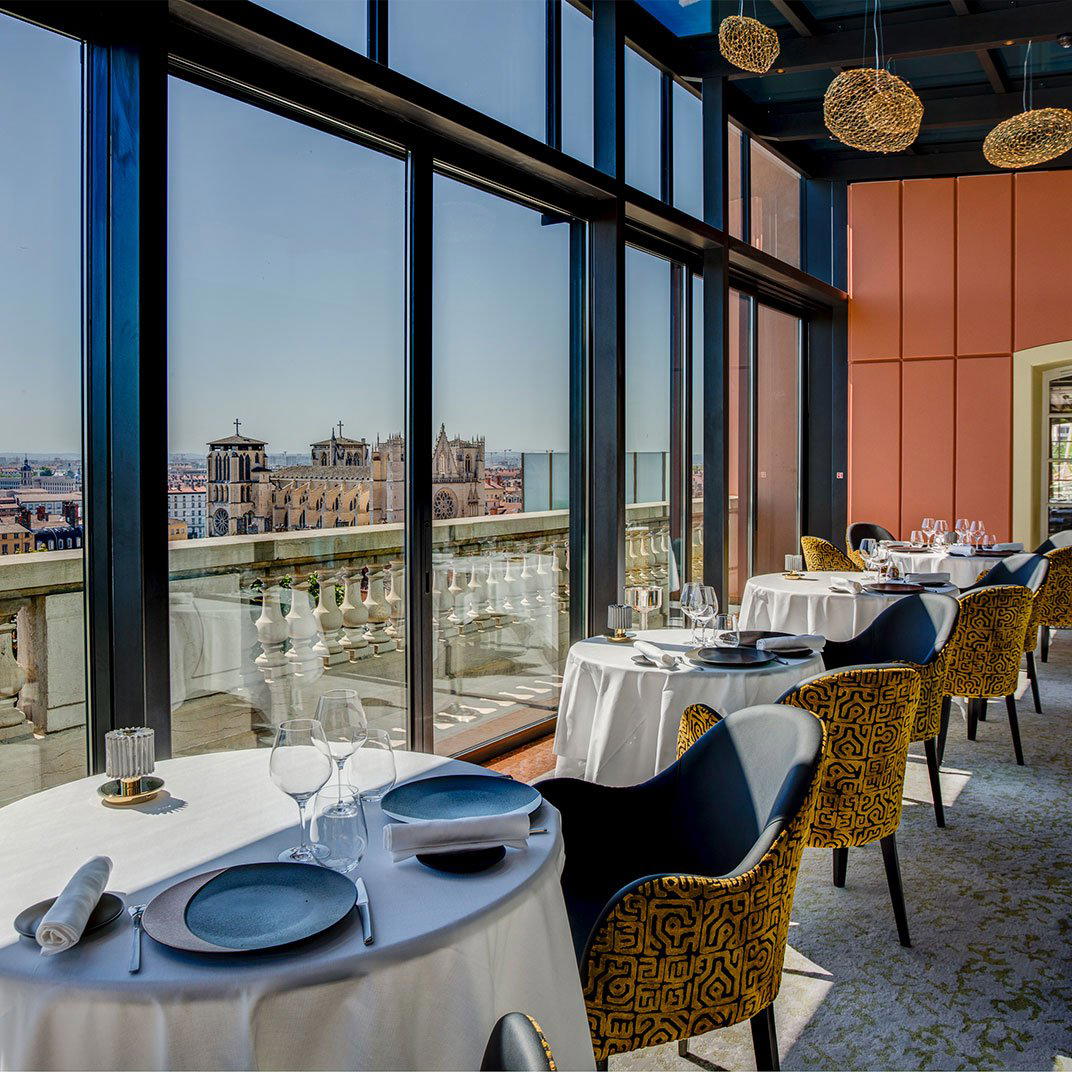
Bars in Lyon
All bars in Lyon →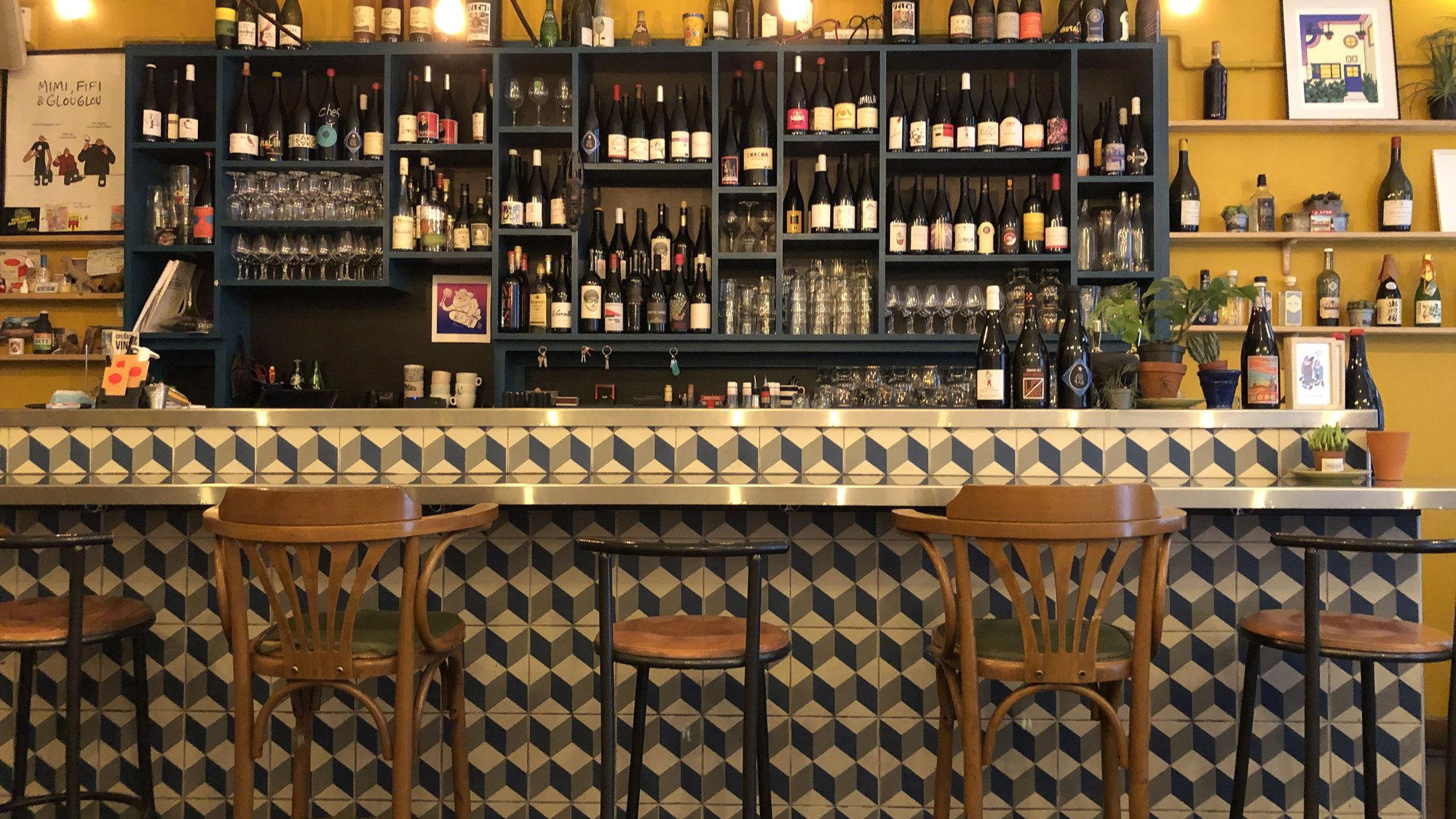


Details
- Elegant
- Cozy
- Lively
- Date Night
- Special Occasion
- Open Kitchen
- Terrace
- Local Sourcing
- Street Scene
- A La Carte
Current opening hours
- Monday
- 7–11 PM
- Tuesday
- 7–10 PM
- Wednesday
- 7–10 PM
- Thursday
- 7–11 PM
- Friday
- 7–11 PM
- Saturday
- 7–11 PM
- Sunday
- 12–2 PM, 7–10 PM
Hours can change for holidays and private events. Hours as of .
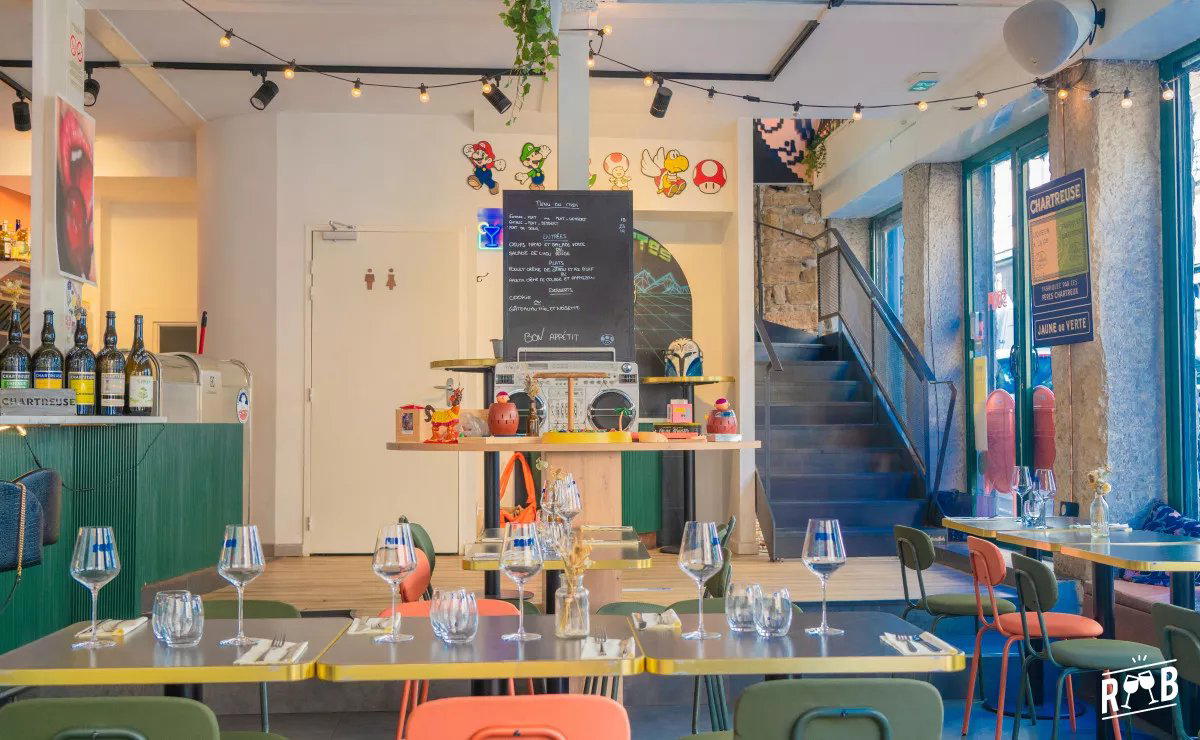
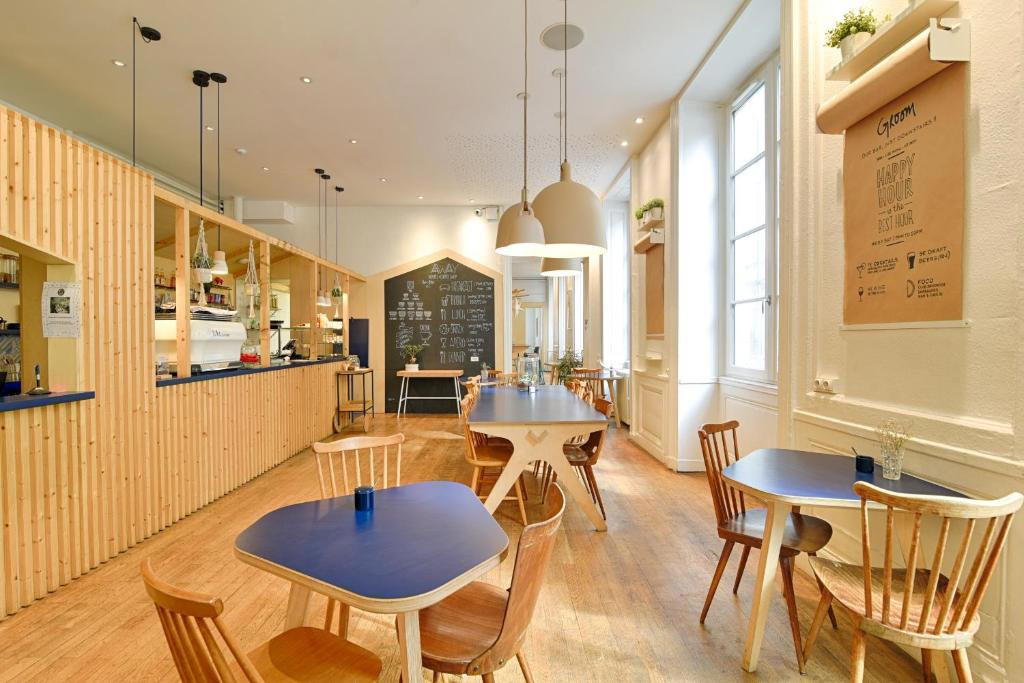
Elegant and convivial atmosphere with warm lighting, open kitchen, and charming terrace in season; sometimes noted as slightly noisy.