Bouchon Tupin on Rue Tupin sits inside Lyon's most concentrated stretch of traditional bouchon dining, where the city's working-lunch culture and its reverence for offal, quenelles, and Beaujolais have coexisted for generations. Lunch here runs closer to the original spirit of the format, fast, affordable, and unadorned, while evening service shifts the register toward something more deliberate. A reliable address inside one of France's most codified regional dining traditions.
Pearl is the En Primeur Club membership app — saves, bookings, and concierge access live there. Same editors, same standards.
- Address
- 30 Rue Tupin, 69002 Lyon, France
- Phone
- +33478374593
- Website
- bouchontupin.com
- Directions
- Get directions
 Saves & bookings on Pearl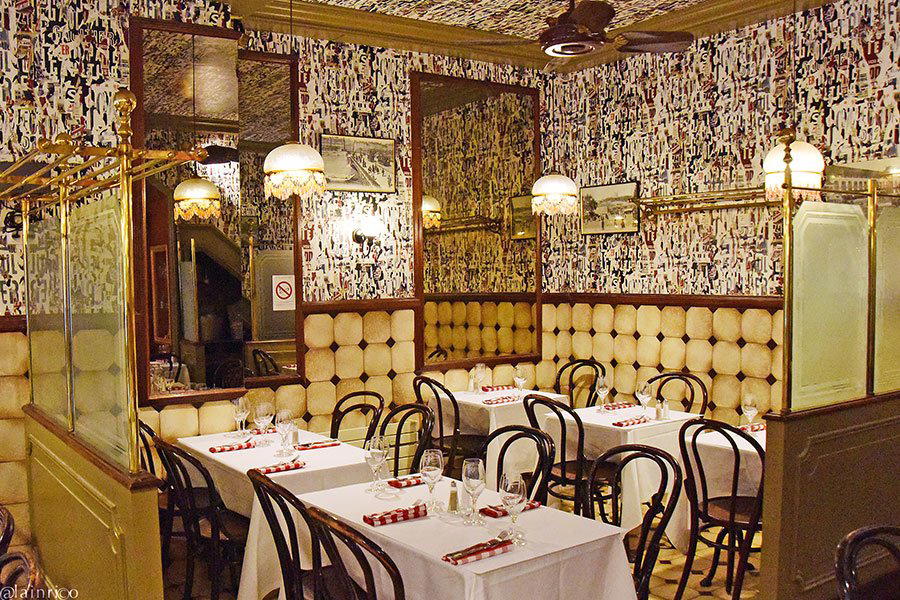
Lyon's Bouchon Tradition and Where Rue Tupin Fits
In Lyon, the bouchon is less a restaurant category than a civic institution. The format dates to the silk-worker era of the 17th and 18th centuries, when modest eating houses fed the canuts of the Croix-Rousse on whatever was cheap, caloric, and available, offal, pork fat, wine from Beaujolais villages a short cart-ride north. What has survived into the present is a cooking tradition organized entirely around that original logic: nothing wasted, nothing elaborate, portions calibrated for physical hunger rather than aesthetic restraint. Lyon now has dozens of addresses calling themselves bouchons, but the stretch of the 2nd arrondissement around Rue Tupin remains one of the densest concentrations of the form, where several tables compete within a few minutes' walk for the same loyal clientele of city workers, market traders, and increasingly, visitors who have done their research.
Bouchon Tupin at 30 Rue Tupin sits inside this tradition rather than commenting on it from a distance. That positioning matters in Lyon more than almost any other French city, because the local dining culture maintains a genuine scepticism toward bouchons that have migrated toward tourism without retaining the kitchen discipline the format demands. The Lyonnais have developed a fairly reliable radar for this distinction, and a table that survives on the rue Tupin corridor over multiple seasons is doing something right in a competitive local sense.
The Lunch and Evening Divide
The sharpest editorial lens for understanding any Lyon bouchon is the difference between its midday and evening service, and Bouchon Tupin is no exception to the rule that applies across this category. In the bouchon tradition, lunch is the primary meal, not in terms of formality, but in terms of cultural authenticity. The midday service at a serious bouchon runs on momentum: tablecloths already marked by carafes of Côtes du Rhône or Beaujolais Villages, set menus built around three courses that rarely deviate from the seasonal rotation of salade de lentilles, tablier de sapeur, andouillette, quenelle de brochet, and tarte praline. It is a format designed around the rhythm of the working week, and the room at noon reflects that, workers, tradespeople, regulars who eat quickly and return to their afternoon.
Evening service at Bouchon Tupin, as at most serious addresses in this tier, adjusts the pacing without fundamentally altering the repertoire. The kitchen slows down, the room fills more gradually, and the meal stretches across two hours rather than forty-five minutes. For visitors arriving from outside Lyon, the evening sitting is often the more accessible entry point, there is more space to sit with a dish, to order an additional carafe, to work through a pot de crème or cervelle de canut without feeling the pressure of a table that needs to turn. From a value standpoint, however, the midday menu almost always represents the more efficient arrangement: the same kitchen, the same ingredients, a tighter format that sheds none of the cooking quality.
This lunch-versus-dinner calculus is worth understanding in the context of Lyon's wider food culture. The city's most decorated tables, addresses like La Mère Brazier and the contemporary French formats that have followed in the city's haute tradition, including Le Neuvième Art and Takao Takano, operate within a different price register entirely. The bouchon occupies the tier below, and within that tier, the lunch sitting is where the format has historically made its case. A well-run bouchon lunch in Lyon can be among the more efficient dining propositions in France: a full three-course meal, bread, and a carafe of regional wine for a fraction of what a comparable sitting costs at a bistrot in Paris.
The Repertoire and What to Expect at the Table
The Lyonnais bouchon kitchen runs on a short list of preparations that have been drilled into habit over generations. Expect tablier de sapeur (breaded and pan-fried tripe), andouillette (a pork intestine sausage that polarizes visitors who have not encountered it before), cervelle de canut (a fresh cheese preparation with herbs and shallots that functions as both appetiser and palate marker), and quenelle de brochet served with Nantua sauce. These are not dishes that benefit from interpretation or reinvention, the bouchon tradition treats departure from the canon with the same suspicion as a wrong note in a folk song. For visitors who have been moving through the higher registers of French dining, the Michelin-led formats at addresses like Au 14 Février or Burgundy by Matthieu, the bouchon offers a deliberate corrective: cooking that earns its authority through repetition rather than invention.
Wine at a Lyon bouchon follows the same logic. The standard pour is Beaujolais or Côtes du Rhône served by the pot (a 46cl Lyon-specific carafe), and there is little case to be made for ordering outside that range. The pot is a piece of Lyonnais cultural infrastructure, not a quirk.
Placing Bouchon Tupin in the Broader French Scene
It is worth placing the bouchon format inside the wider spectrum of serious French regional cooking. The tables that have defined French gastronomy on an international stage, the multi-generational institutions like Paul Bocuse at L'Auberge du Pont de Collonges, Troisgros in Ouches, Auberge de l'Ill in Illhaeusern, and Les Prés d'Eugénie in Eugénie-les-Bains, operate at a completely different altitude. So do the contemporary reference points outside France entirely, from Mirazur in Menton to Le Bernardin in New York. The bouchon does not compete in that conversation and should not be expected to. What it offers is regional cooking in its functional, unreconstructed form, the foundation beneath the superstructure, the thing that made Lyon's dining culture legible in the first place.
The geography of Rue Tupin itself is relevant context. The 2nd arrondissement sits on the Presqu'île, the narrow peninsula between the Saône and Rhône rivers, and is home to the covered market of Les Halles as well as a dense concentration of traditional and modern restaurant formats in Lyon. That proximity to the market supply chain is not incidental, bouchon cooking depends on daily access to fresh offal, which most markets outside Lyon cannot reliably provide.
Planning a Visit
For a midday sitting, arriving close to noon on weekdays gives a stronger chance of securing a table without a long wait. Evening bookings allow more flexibility in timing. Dress is smart casual by default. For those building a Lyon itinerary that moves between the bouchon tier and the city's more ambitious contemporary kitchens, the contrast is worth planning deliberately: a lunch at a bouchon followed by an evening at Le Neuvième Art or Takao Takano gives a clear sense of the full range of what Lyon's dining culture carries.
Cost Snapshot
Comparable venues nearby, for context on price, style, and recognition.
| Venue | Cuisine | Price | Notes |
|---|---|---|---|
| Bouchon TupinThis venue — the venue you are viewing | Not listed | $$$ | Not listed |
| L'Art & la Manière | Quartier Guillotière, French Bistronomy | $$$ | Not listed |
| Le Simple Goût Des Choses | Not listed | $$$ | Quartier Parc Duquesne, Bistronomic French |
| L'OCTAVE | Not listed | $$$ | Quartier Vaise Rochecardon Industrie, Modern French Bistro |
| La Table d'Eugène | Not listed | $$$ | Quartier Bas des Pentes Presqu'île, Semi-Gastronomic French |
| Grive | Not listed | $$ | Quartier Quartiers Anciens, Modern French Bistro with Tapas |
Continue exploring
More in Lyon
Restaurants in Lyon
Browse all →
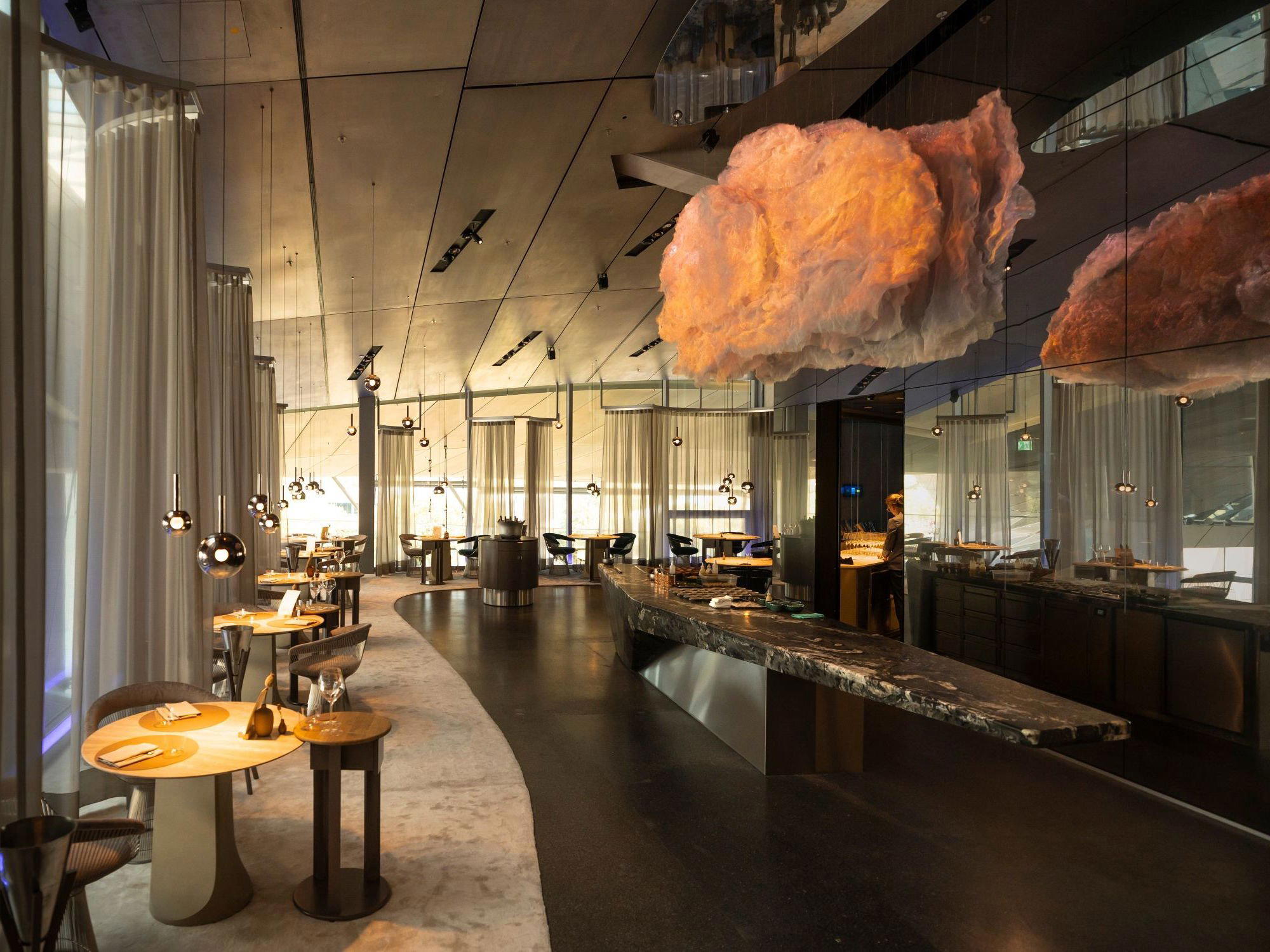
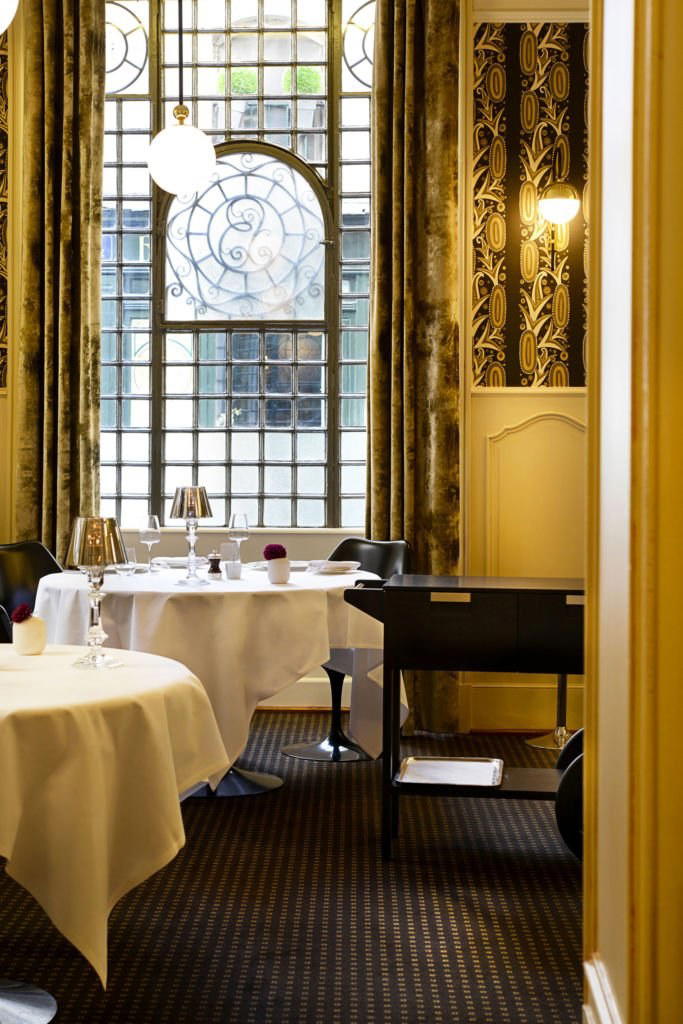
Bars in Lyon
Browse all →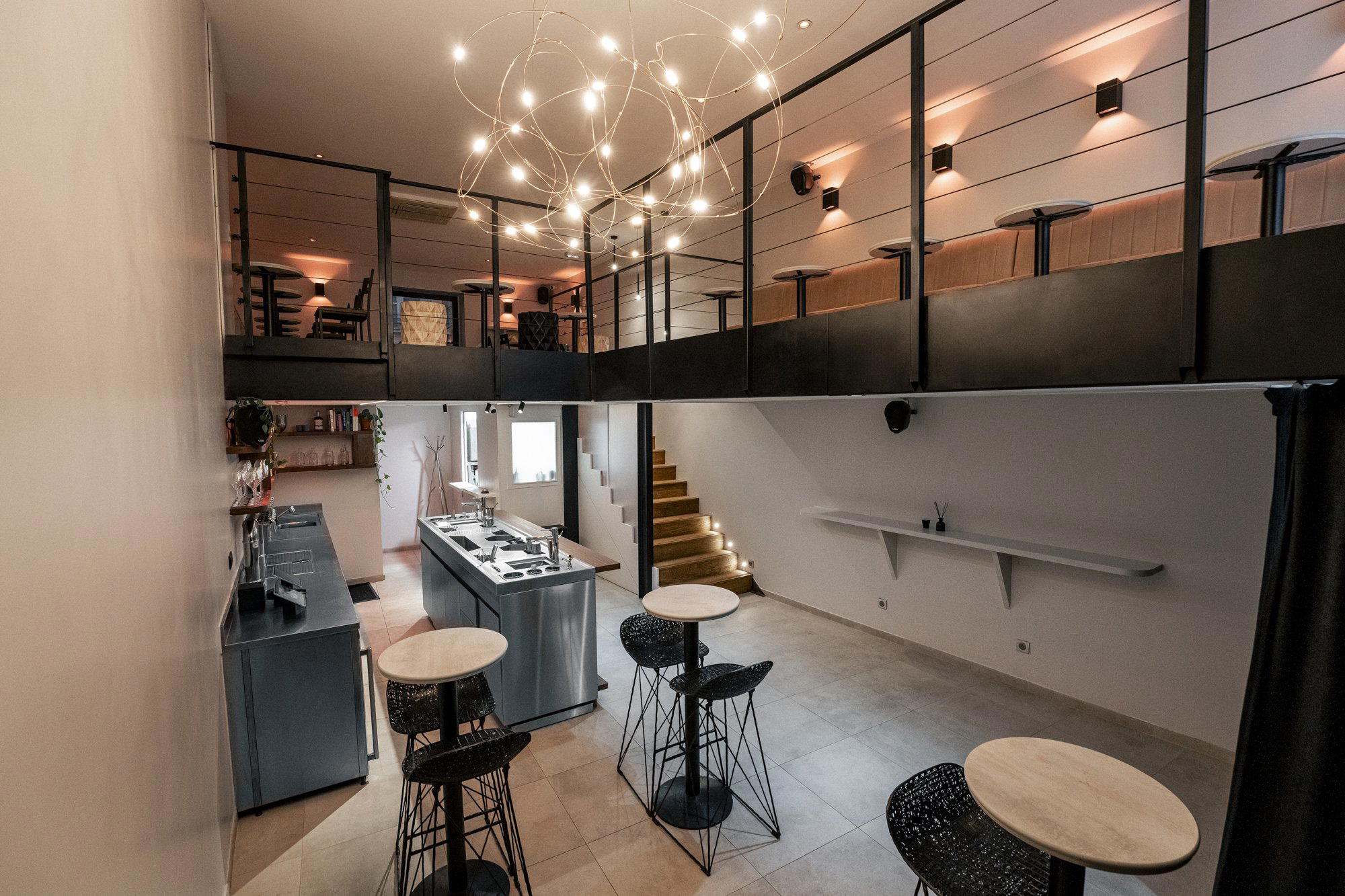
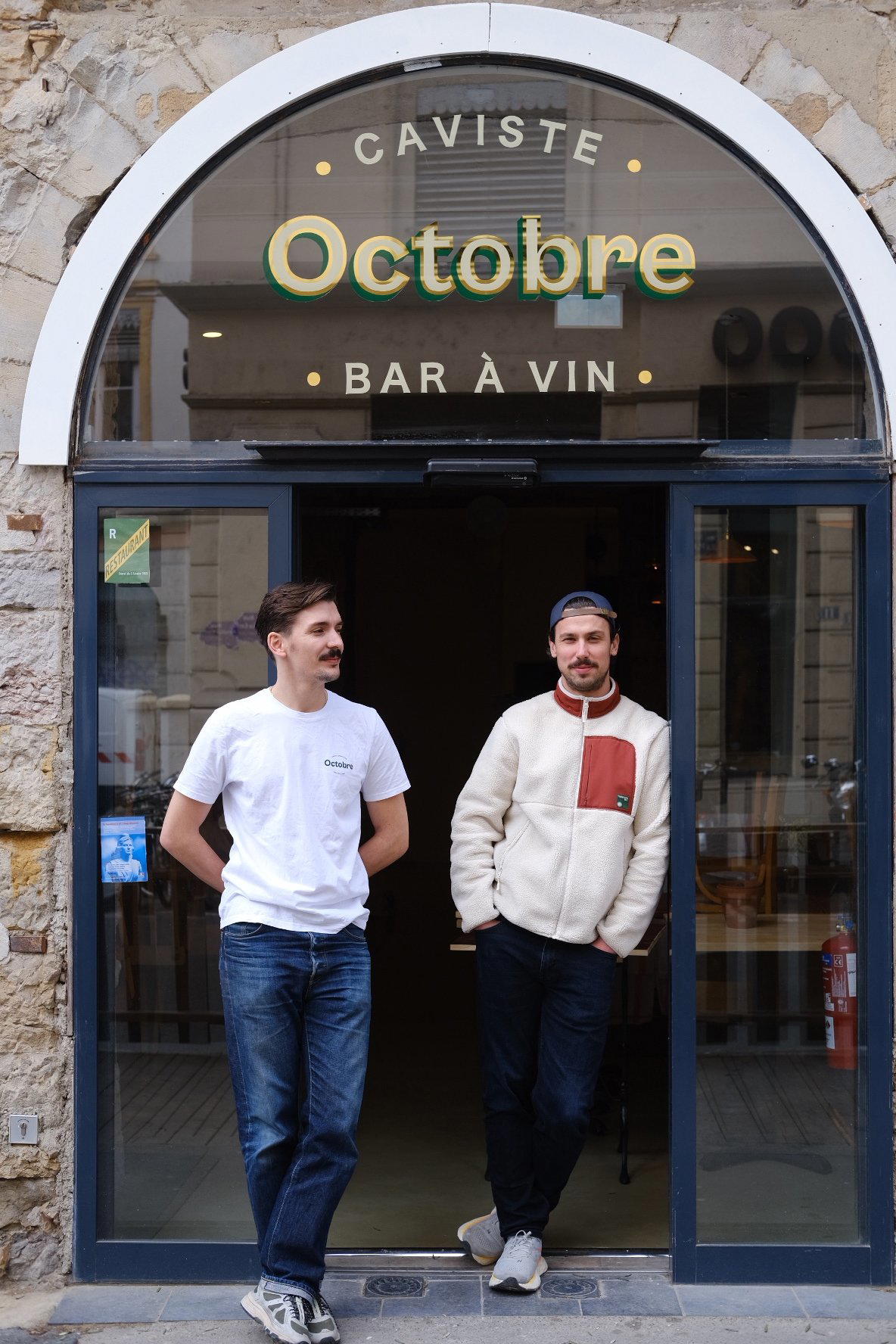
Hotels in Lyon
Browse all →

At a Glance
- Classic
- Cozy
- Elegant
- Rustic
- Date Night
- Special Occasion
- Historic Building
- Extensive Wine List
- Local Sourcing
Current opening hours
- Monday
- Closed
- Tuesday
- 12–1:30 PM, 7:30–10 PM
- Wednesday
- 12–1:30 PM, 7:30–10 PM
- Thursday
- 12–1:30 PM, 7:30–10 PM
- Friday
- 12–1:30 PM, 7:30–10 PM
- Saturday
- 12–1:30 PM, 7:30–10 PM
- Sunday
- Closed
Hours can change for holidays and private events. Last verified .
Warm and inviting with vintage decor, red and white checked tablecloths, and a bustling kitchen creating a cozy, authentic atmosphere.