Our verdict
A neighbourhood table in Moûtiers, the gateway town to the Tarentaise valley, La Table de Julie operates in a dining context shaped by Alpine proximity and the seasonal rhythms of the surrounding mountains. The Savoyard tradition of ingredient-led cooking runs deep in this part of France, where altitude, pasture quality, and artisan producers define what ends up on the plate. For visitors passing through on the way to Courchevel or Les Arcs, it offers a grounded alternative to resort dining.

Pearl is the En Primeur Club membership app — saves, bookings, and concierge access live there. Same editors, same standards.
- Address
- 115 Pl. Aristide Briand, 73600 Moûtiers, France
- Phone
- +33480819837
- Hours
- Mon ClosedTue–Sat 12–1:30 PM, 7:15–9:30 PMSun Closed
- Website
- latabledejulie73.fr
- Directions
- Get directions
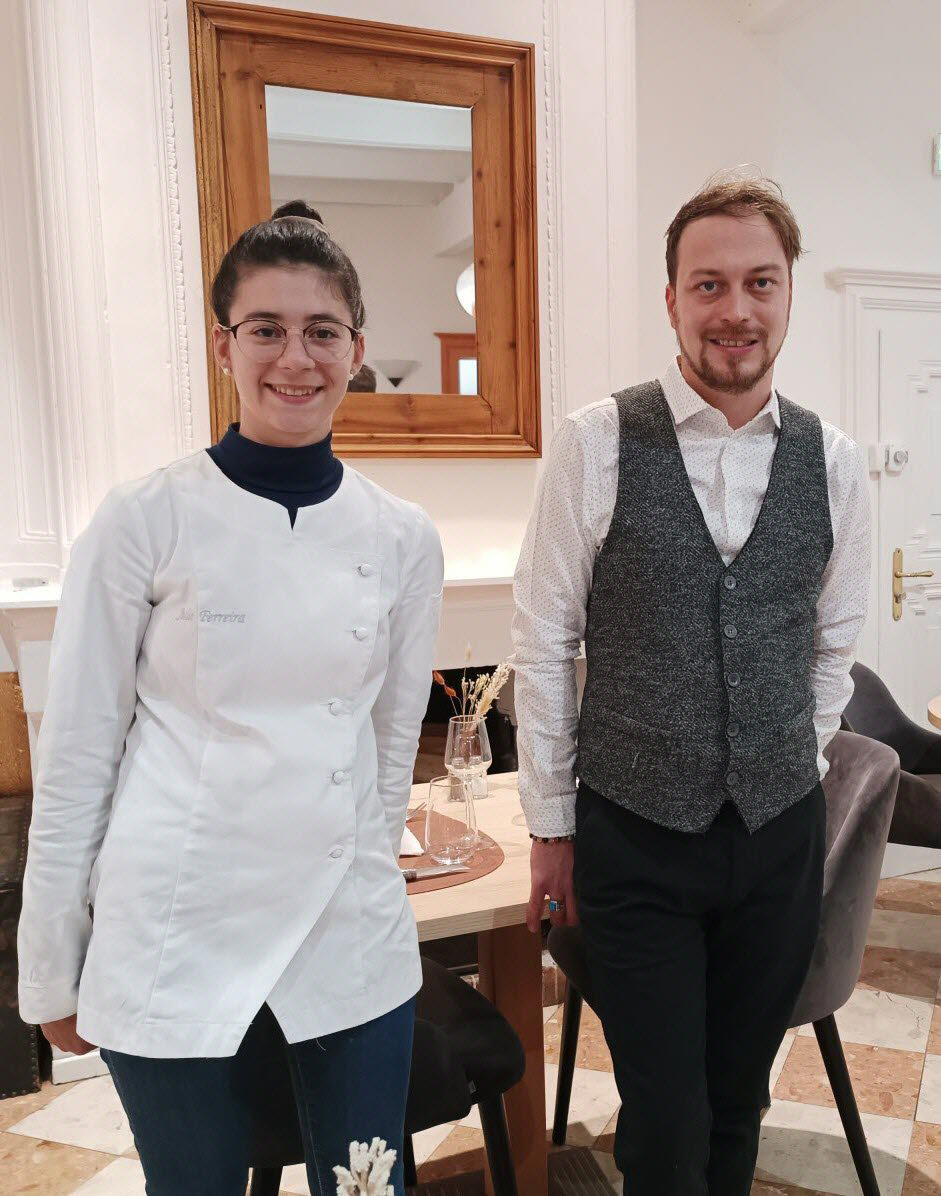
At the Foot of the Tarentaise
Place Aristide Briand is the civic heart of Moûtiers, a town that functions primarily as a transit node for the ski resorts of the Tarentaise valley. Courchevel, Méribel, and Les Arcs pull most visitors up the mountain within hours of arrival, which means the town's own restaurant scene operates largely beneath the radar of the resort dining circuit. That context matters: a table in Moûtiers is not competing with the altitude restaurants of the Three Valleys. It is addressing a different need entirely, feeding a local population and a transient one that has not yet ascended to resort prices.
La Table de Julie sits on that square, in the kind of position that in France tends to produce a certain type of restaurant: anchored to the town rather than the tourist economy, accountable to regulars rather than seasonal pass-through visitors. The building faces the kind of provincial French plaza that has seen market days, political gatherings, and ordinary life for generations. That civic ordinariness is, in its way, a credential. It suggests a restaurant that has to be worth returning to.
What the Alps Put on the Plate
Savoie's ingredient geography is specific and largely misunderstood by visitors who associate the region only with fondue and raclette. Those dishes exist, and they are serious ones rooted in genuine pastoral tradition, but the Tarentaise valley also produces some of France's most carefully controlled dairy, cured meats, and freshwater fish. Beaufort AOP, one of the most rigorous of all French cheese designations, is made in the mountain pastures visible from this part of the valley. The alpages above Moûtiers feed cattle at elevations where the botanical diversity of the grass translates directly into the complexity of the milk.
That supply geography is not incidental to what a serious Savoyard table can offer. Restaurants in this region that source with intention have access to Beaufort at different stages of affinage, to reblochon from small-scale producers, to fera and omble chevalier from Lake Geneva and the surrounding lakes, and to charcuterie from artisan operations that have been working the same mountain breeds for decades. The comparison set here is not Alléno Paris au Pavillon Ledoyen or Mirazur; it is the broader tradition of French regional cooking where geography determines the menu before the kitchen even opens. Places like Flocons de Sel in Megève demonstrate what that sourcing philosophy can achieve at its most ambitious in the Alpine context. La Table de Julie operates closer to the ground, in the market-town register of that same tradition.
The seasonal argument for visiting in winter or early spring is direct: this is when the valley's preserved and aged products are at their most expressive, and when the contrast between a warm, unhurried meal at altitude-adjacent elevation and the mountain conditions outside is most sharply felt. Late spring and early autumn bring the valley's fresher produce forward. The summer months see Moûtiers quieter than the ski season, which tends to make bookings easier to secure.
Moûtiers Inside the French Regional Dining Tradition
France's regional restaurant tradition is not a single thing. It ranges from three-star institutions with international reputations, such as Troisgros - Le Bois sans Feuilles in Ouches or Bras in Laguiole, to deeply local tables that have no ambition beyond feeding their town well. The latter category is numerically dominant and critically undervalued. Places like Auberge de l'Ill in Illhaeusern or Georges Blanc in Vonnas have made the case for serious French regionalism over generations. La Table de Julie occupies the quieter, less-decorated end of that spectrum, in a town where the restaurant's relationship to its immediate geography is the point, not a marketing position.
For visitors accustomed to the resort dining economy, where prices track altitude and clientele, a meal in Moûtiers offers a recalibration. The establishments that succeed in market towns like this tend to do so through consistency and supplier relationships built over years, not through seasonal reinvention for a rotating tourist audience. That is a different kind of discipline from what drives the ambition at Paul Bocuse - L'Auberge du Pont de Collonges or Assiette Champenoise, but it is a discipline nonetheless.
Moûtiers is served by the Eurostar and TGV network via Moûtiers-Salins-Brides-les-Bains station, which makes it accessible from Paris in under four hours during peak ski season. The town is a practical base for visitors who want to access multiple resorts across the Tarentaise without committing to a single resort price point for accommodation. In that context, an address like La Table de Julie, on the central square, answers the question of where to eat between days on the mountain with something more considered than the resort villages offer at their lower price registers.
Planning a Visit
Moûtiers itself is a town where walk-in dining remains more feasible than at resort-level addresses, though the busiest weeks of the ski season, particularly February half-term and the Christmas-New Year period, will tighten availability across the town's dining options. The address on Place Aristide Briand is direct to reach on foot from the train station, which is one of the more useful logistical facts about the town as a whole.
For broader planning in the French Alps and across France's serious regional tables, our full Moûtiers restaurants guide covers the town's dining options in the context of the wider Tarentaise. Readers interested in the full range of France's ingredient-driven regional cooking will find comparable dedication to place at L'Oustau de Baumanière in Les Baux, Auberge du Vieux Puits in Fontjoncouse, Christopher Coutanceau in La Rochelle, La Marine in Noirmoutier, AM par Alexandre Mazzia in Marseille, and Au Crocodile in Strasbourg. For international context on what serious sourcing and technique can produce in a restaurant setting, Le Bernardin and Atomix in New York offer useful reference points at the upper end of the spectrum.
Frequently asked questions
Is La Table de Julie child-friendly?
Moûtiers operates as a working market town rather than a resort, and its restaurants sit at price points that make family dining practical. Place Aristide Briand, where La Table de Julie is located, is a civic square with an everyday local character. That setting tends to produce rooms where children are unremarkable guests rather than exceptions. Confirming any specific family facilities directly with the restaurant is advisable before visiting.
What is the atmosphere like at La Table de Julie?
La Table de Julie sits on Place Aristide Briand, the civic centre of Moûtiers, a town built around transit and commerce rather than resort spectacle. That address suggests a room oriented toward local regulars: unhurried, grounded, and free from the alpine-luxury theatre found up the valley in Courchevel. Expect a dining pace that follows the French market-town rhythm rather than the compressed efficiency of a ski-resort lunch service.
How does La Table de Julie compare to dining options higher up in the Tarentaise valley?
Moûtiers sits at the base of the Tarentaise, roughly 25 kilometres by road from Courchevel 1850, where resort restaurants routinely carry the highest price points in the French Alps and several hold Michelin recognition. La Table de Julie operates in a different register entirely: a market-town address on Place Aristide Briand rather than a resort dining room priced for a captive après-ski clientele. For travellers passing through or basing themselves in Moûtiers, it represents the kind of locally anchored Savoyard cooking that the resort villages rarely sustain.
What do regulars order at La Table de Julie?
Savoie's serious restaurants earn repeat visits through the region's protected products: Beaufort AOP, reblochon, and fera from Lac du Bourget, which sits roughly 50 kilometres southwest of Moûtiers. These ingredients show up in preparations that go well beyond fondue and raclette, the two dishes visitors most commonly associate with the region. For specific current dishes at La Table de Julie, checking directly with the restaurant will give an accurate picture of what is on the menu.
Where exactly is La Table de Julie?
La Table de Julie is located at 115 Pl. Aristide Briand, 73600 Moûtiers, France, Moutiers.
Do I need a reservation for La Table de Julie?
Booking ahead is advisable during the ski season, particularly in February and over the Christmas and New Year period, when Moûtiers sees its highest through-traffic as the gateway town to the Three Valleys resorts. Outside peak winter weeks and the summer hiking season, the town runs at a quieter pace and walk-ins may be more feasible.
How It Stacks Up
Comparable venues nearby, for context on price, style, and recognition.
| Venue | Cuisine | Price | Awards | Notes |
|---|---|---|---|---|
| La Table de JulieThis venue — the venue you are viewing | Modern French Bistro | Not listed | Not listed | Not listed |
| Les Tables de Philippe | Seasonal French Fine Dining | $50–100 | Not listed | Le Lavancher |
| Les Enfants Terribles Avoriaz | Classic French Mountain Bistro | $50–100 | Not listed | Avoriaz |
| Fresques | Modern French Gastronomique | $150–200 | 1 Michelin Star · We're Smart World 2 Radishes | Évian-les-Bains |
| Le Genépi | Traditional French Savoyard | $50–100 | Not listed | Courchevel (Commune Non Irisée) |
| Baumanière 1850 / Le Strato | Modern French Fine Dining with Alpine and Provençal Influences | $200–300 | Star Wine List | Courchevel (Commune Non Irisée) |
Details
- Elegant
- Modern
- Cozy
- Special Occasion
- Date Night
- Standalone
- Local Sourcing
- Mountain
- A La Carte
- Vegetarian Friendly
Current opening hours
- Monday
- Closed
- Tuesday
- 12–1:30 PM, 7:15–9:30 PM
- Wednesday
- 12–1:30 PM, 7:15–9:30 PM
- Thursday
- 12–1:30 PM, 7:15–9:30 PM
- Friday
- 12–1:30 PM, 7:15–9:30 PM
- Saturday
- 12–1:30 PM, 7:15–9:30 PM
- Sunday
- Closed
Hours can change for holidays and private events. Last verified .
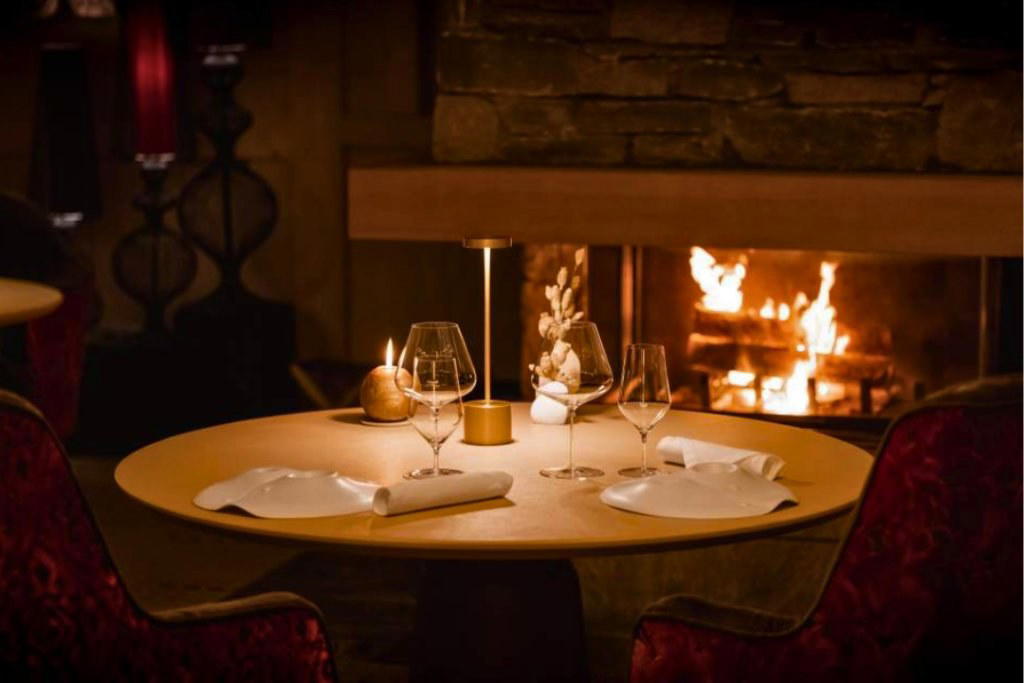
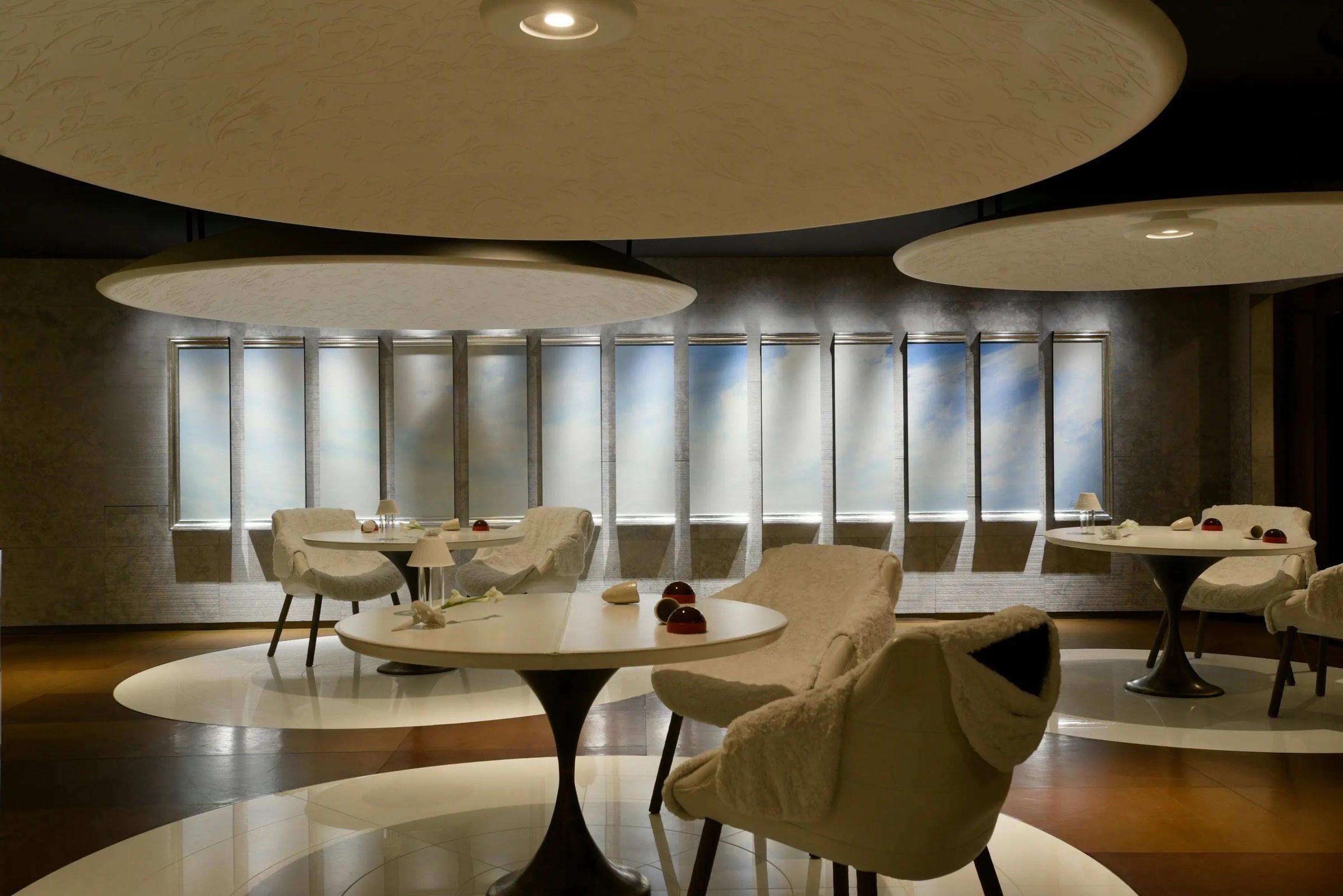
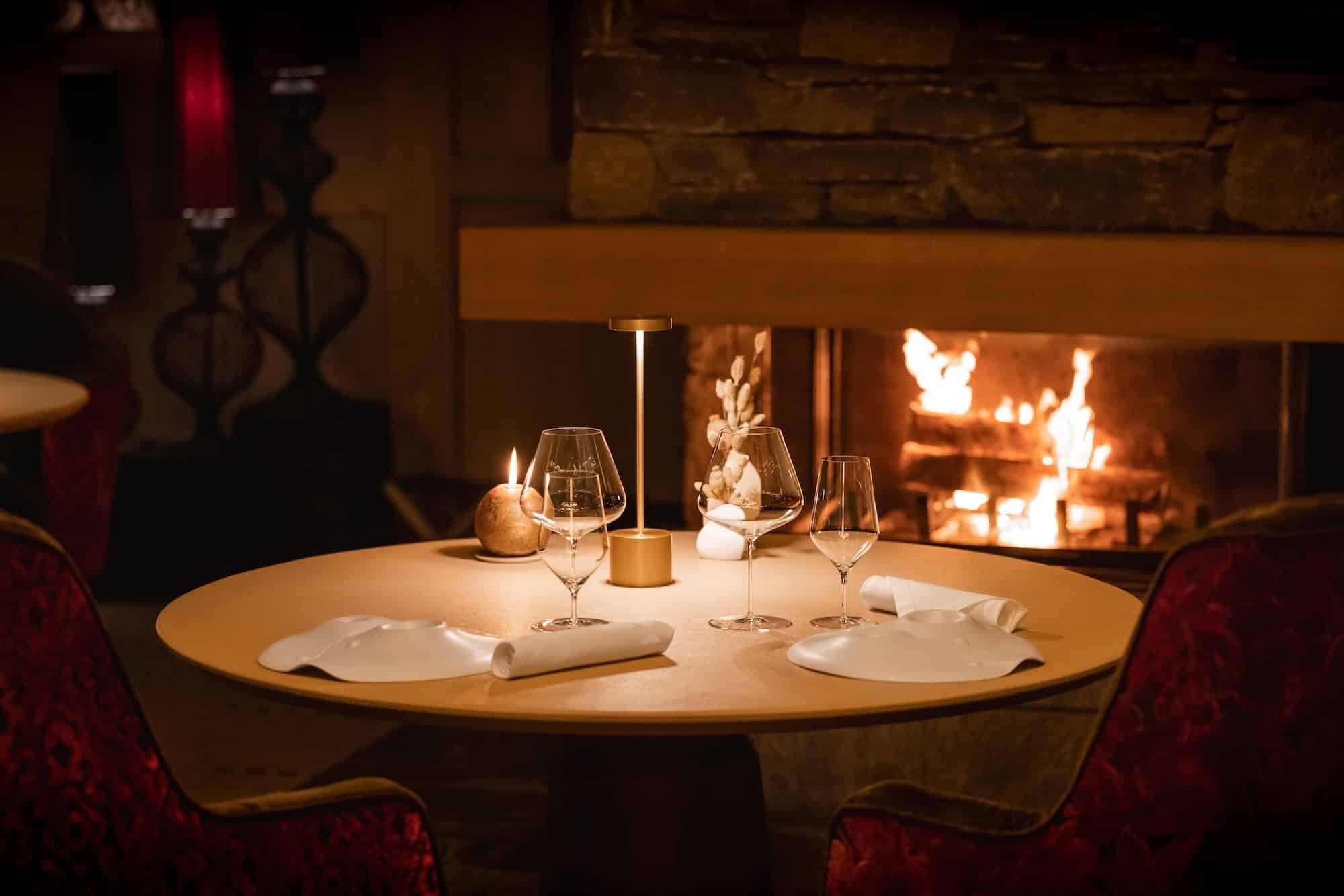
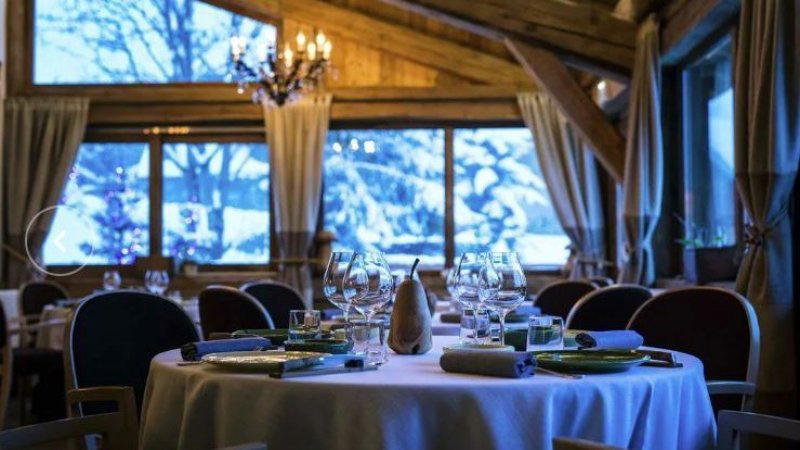
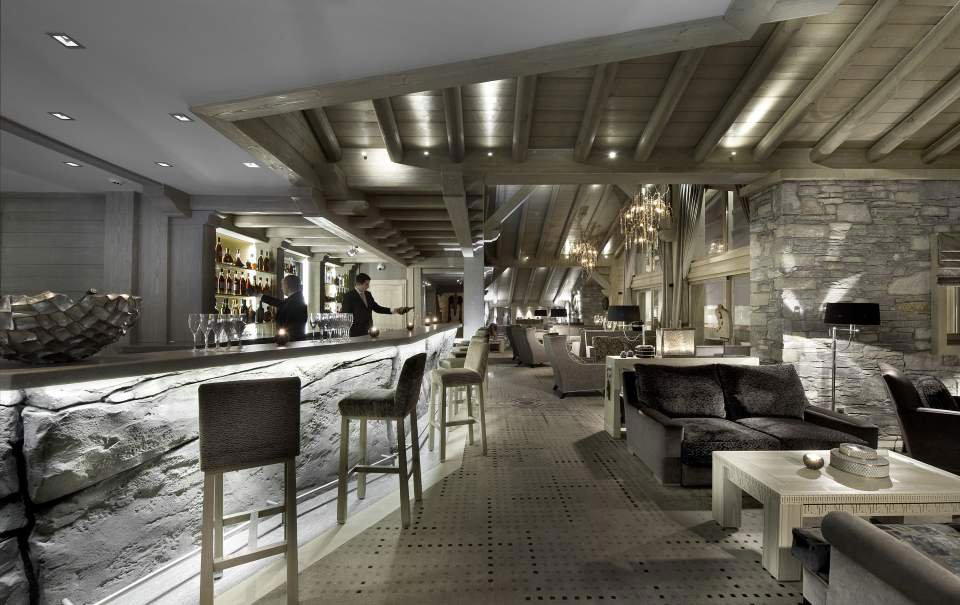
Comfortable and light-filled interior with ocre and white tones, large spaces, and mezzanine walkways.